



 Vietnam plans major cross-sector science and technology tasks to strengthen irrigation, water resources management and disaster prevention for 2026–2030.
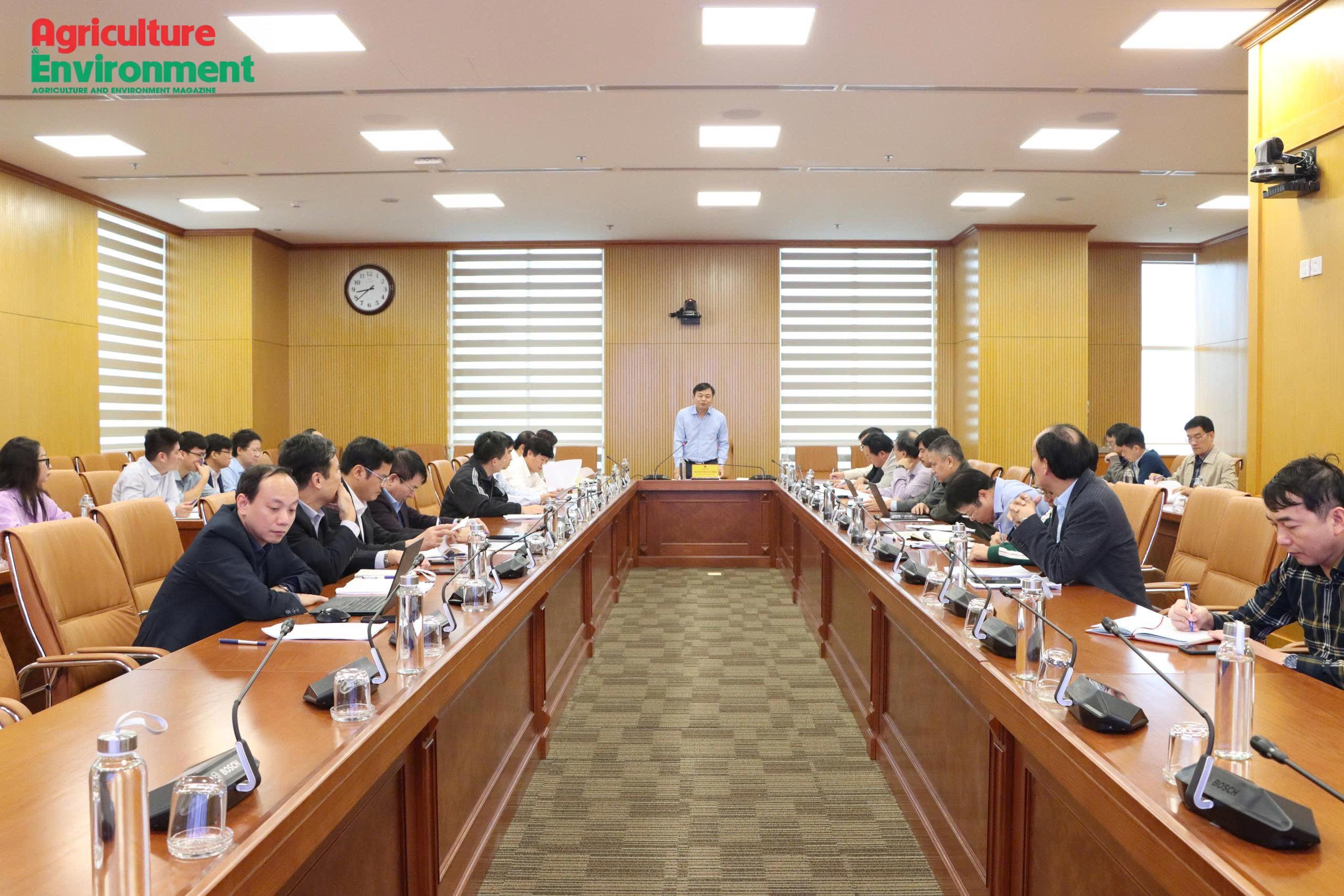
On February 26, at the headquarters of the Ministry of Agriculture and Environment, Deputy Minister Nguyen Hoang Hiep chaired a meeting to review the draft Science, Technology and Innovation Plan for the irrigation, dyke management and disaster prevention, and water resources sectors for the 2026–2030 period.
Aligning research with practical management needs
At the meeting, Nguyen Xuan Khoi, an official of the Department of Science and Technology, presented the five-year science, technology and innovation plan for irrigation, water resources and disaster prevention for 2026–2030. He said the plan aligns with Resolution No. 57-NQ/TW, sectoral development orientations and practical requirements.
For 2026–2030, science, technology and innovation are identified as key drivers for developing smart, modern and multi-purpose irrigation systems. Priorities include the application of artificial intelligence, digital technologies, real-time data and forecasting and early warning models to enhance the management and safe operation of large, inter-regional and inter-provincial reservoirs and irrigation systems.
The plan also envisages investment in large-scale irrigation works serving as strategic infrastructure, gradually forming inter-regional water connectivity networks to proactively regulate and store water, ensure water security for socio-economic development, and strengthen climate change adaptation.
In the water resources sector, integrated and unified river basin management — linking water quantity with water quality — will serve as a guiding principle. Based on the 2023 Law on Water Resources, water governance will be modernized through information systems, a national database and digital decision-support tools. By 2030, the sector aims to enhance national water security to a level approaching advanced countries in the region, promote the restoration of degraded water sources, and gradually shift from administrative management to management through economic instruments, while increasing private sector participation in the water sector.
In dyke management and disaster prevention, science, technology and innovation are expected to become pillars of disaster risk management, shifting from reactive response to proactive prevention based on digital data. Advanced and high technologies will be applied in monitoring, forecasting, early warning and disaster damage assessment to support timely and accurate direction and response. Research and mastery of advanced engineering technologies, including Sabo works, will help ensure the safety of dyke systems and reduce damage caused by flash floods and landslides, particularly in mountainous and midland areas.
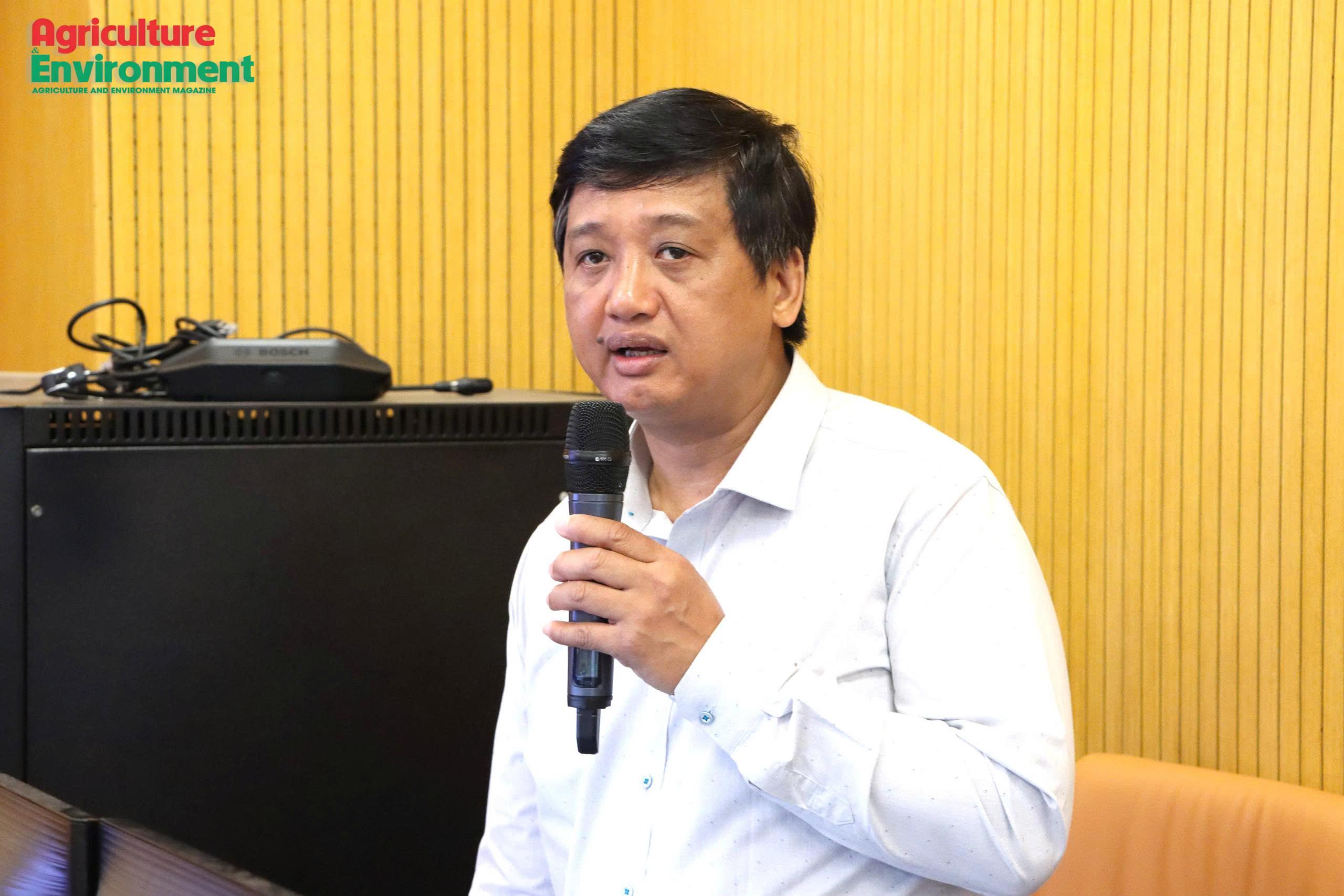
From a research perspective, Prof. Nguyen Dinh Hoa, Director of the Vietnam Academy for Water Resources, said the irrigation and water resources sectors are facing numerous major challenges, while research implementation mechanisms still have limitations. He noted significant overlap between irrigation and water resources in both management scope and research content, and proposed developing a comprehensive science and technology program to address cross-cutting and interdisciplinary issues rather than fragmented projects implemented separately.
Director General of the Department of Dyke Management and Disaster Prevention Phan Duc Luan said the scikence, technology and innovation plan should move away from formalistic research toward generating outputs that can be directly applied in disaster prevention and infrastructure operation. Scientific tasks, he said, must be derived from practical management and operational needs, such as disaster monitoring, flood warning, reservoir management and emergency decision support.
He proposed reforming the mechanism for commissioning scientific tasks by clearly defining expected outputs, designated receiving units and accountability for application, while linking research to implementation. He also called for accelerating the development and revision of standards and technical regulations to meet modern management requirements, reviewing implementation mechanisms, ensuring adequate resources and streamlined procedures, and introducing sufficiently strong incentives to attract private sector investment in science and technology in dyke management and disaster prevention.
Defining major cross-sector tasks to prevent overlap
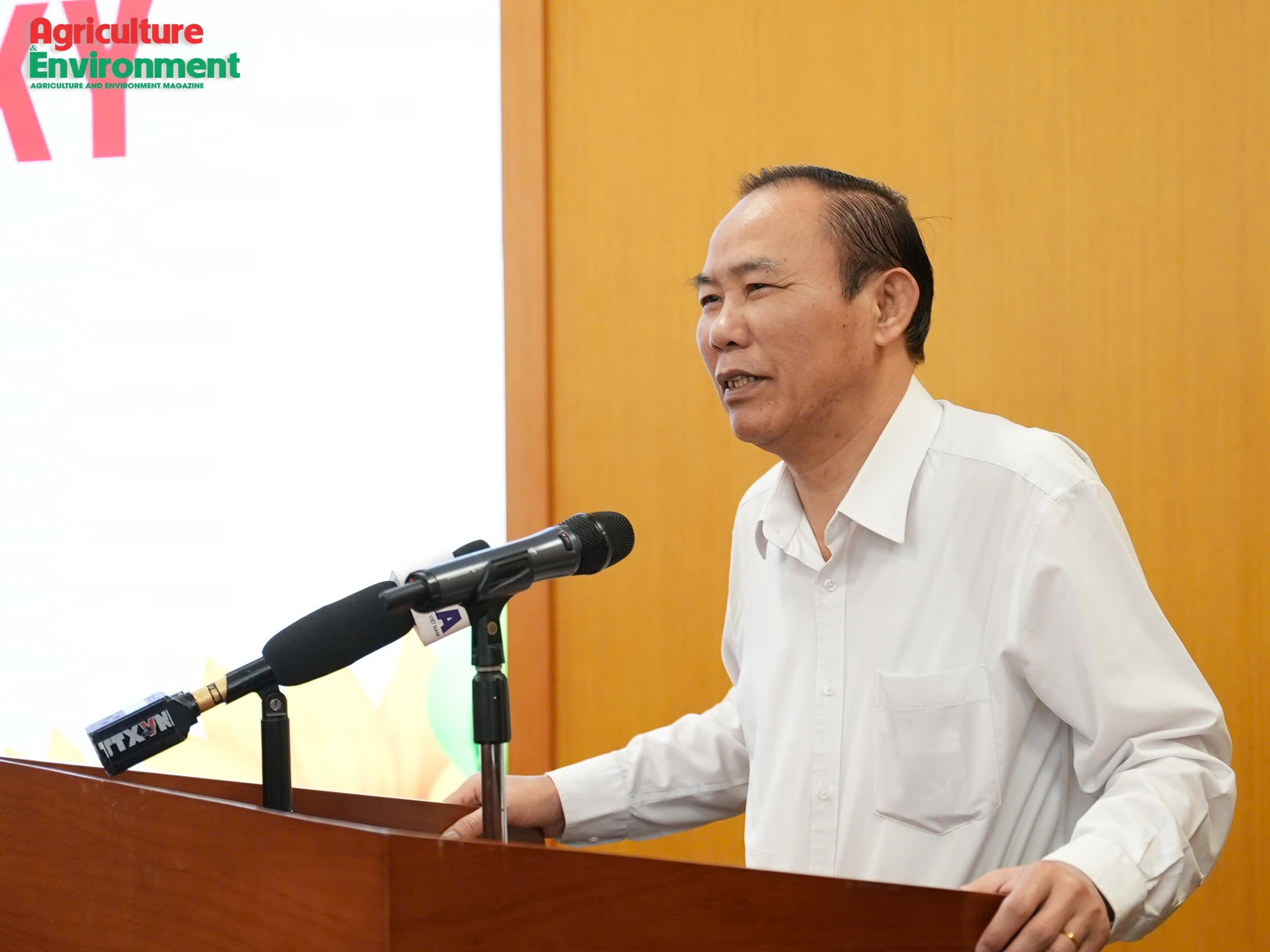
In his concluding remarks, Deputy Minister Nguyen Hoang Hiep identified three main shortcomings in the draft plan. First, it lacks an overarching framework to define major sectoral tasks and allocate responsibilities among units. Second, although urgent issues have been identified, proposed solutions lack sufficient depth to bring about substantive change, and there remains overlap and duplication of tasks among units.
He also noted the limited involvement of research institutes, universities and scientists in the current draft, which has hindered the formulation of major scientific questions and weakened the basic research foundation needed to guide applied research.
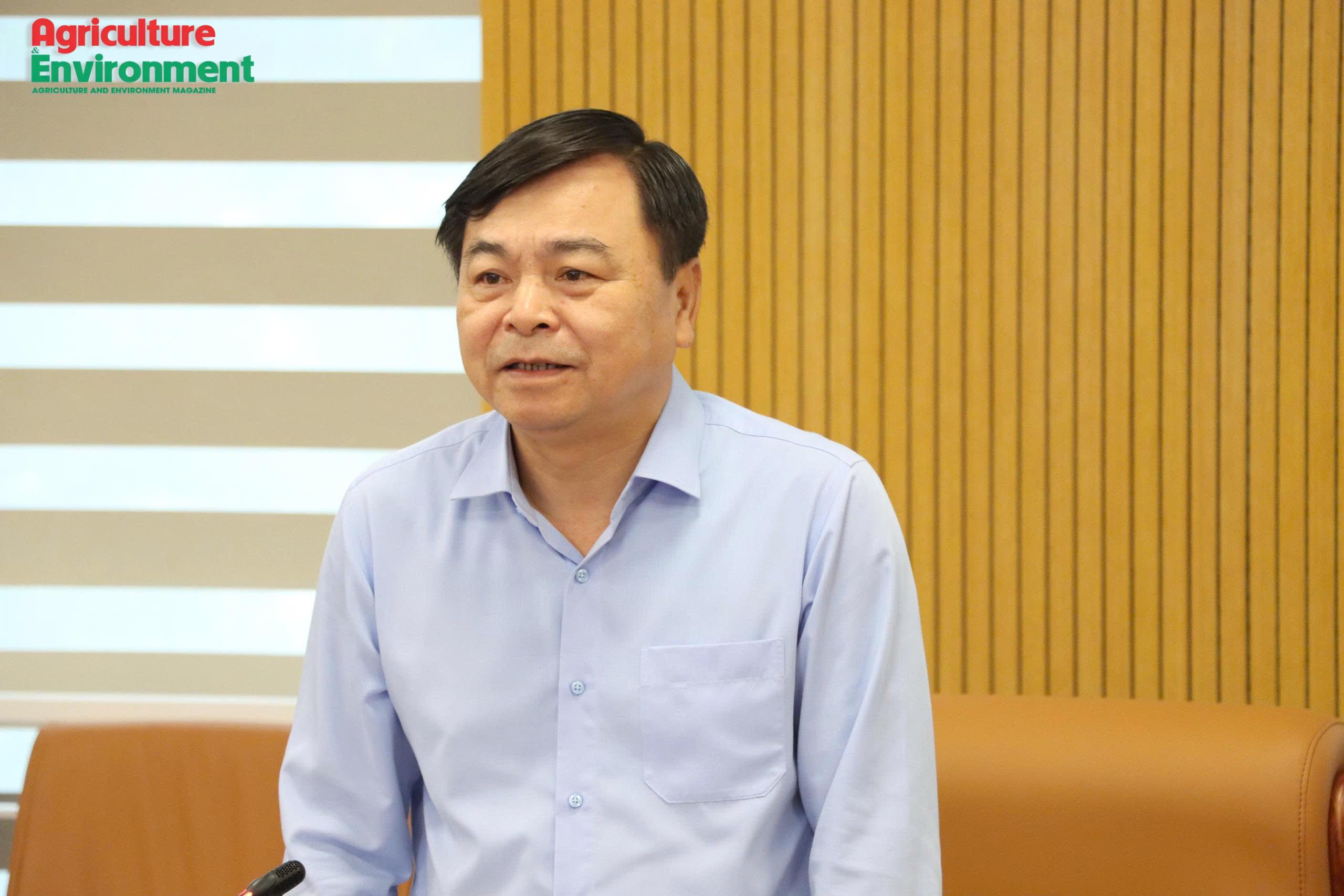
The Ministry’s leadership requested the Department of Science and Technology to review and reorient the plan so that units register new research topics based on a more comprehensive understanding. Units were urged to engage in substantive discussions to reach consensus and jointly address major, cross-regional and cross-sectoral tasks with the participation of relevant agencies and experts.
Based on proposals submitted by units for the upcoming five-year period, the Deputy Minister outlined seven major tasks in irrigation, water resources, dyke management and disaster prevention.
The first is controlling transboundary water sources. Recent experience shows that not only the Mekong Delta but also northern regions have suffered severe flood damage. He called for research to develop proactive systems for forecasting, monitoring and controlling transboundary water flows, describing the issue as both a matter of national security and sustainable development.
Second, the sector should establish a comprehensive early forecasting and warning system for water-related issues. This should be treated as a common task for the entire sector rather than implemented separately by individual sub-sectors, in order to strengthen prevention and risk reduction.
Third, improving the efficiency of exploitation and use of irrigation works, irrigation systems and reservoirs requires coordinated efforts by relevant departments and management units to optimize operations, promote water conservation and adapt to climate change.
Fourth, the sector should develop a circular economy in line with the Resolution of the 13th National Party Congress, promoting water recycling, reuse and efficient utilization, and gradually building the water sector into a value-generating economic sector.
Fifth, research and application of new, environmentally friendly technologies and materials should be intensified to support the sustainable construction and operation of infrastructure works.
Sixth, the development of a sectoral database linked to digital transformation should be accelerated, using data as a foundation for governance reform and improved management and decision-making.
Finally, pressing issues such as water pollution, restoration of degraded rivers and improvement of groundwater levels must be addressed within an overall strategic framework, with coordinated participation of multiple units to ensure substantive and long-term results.
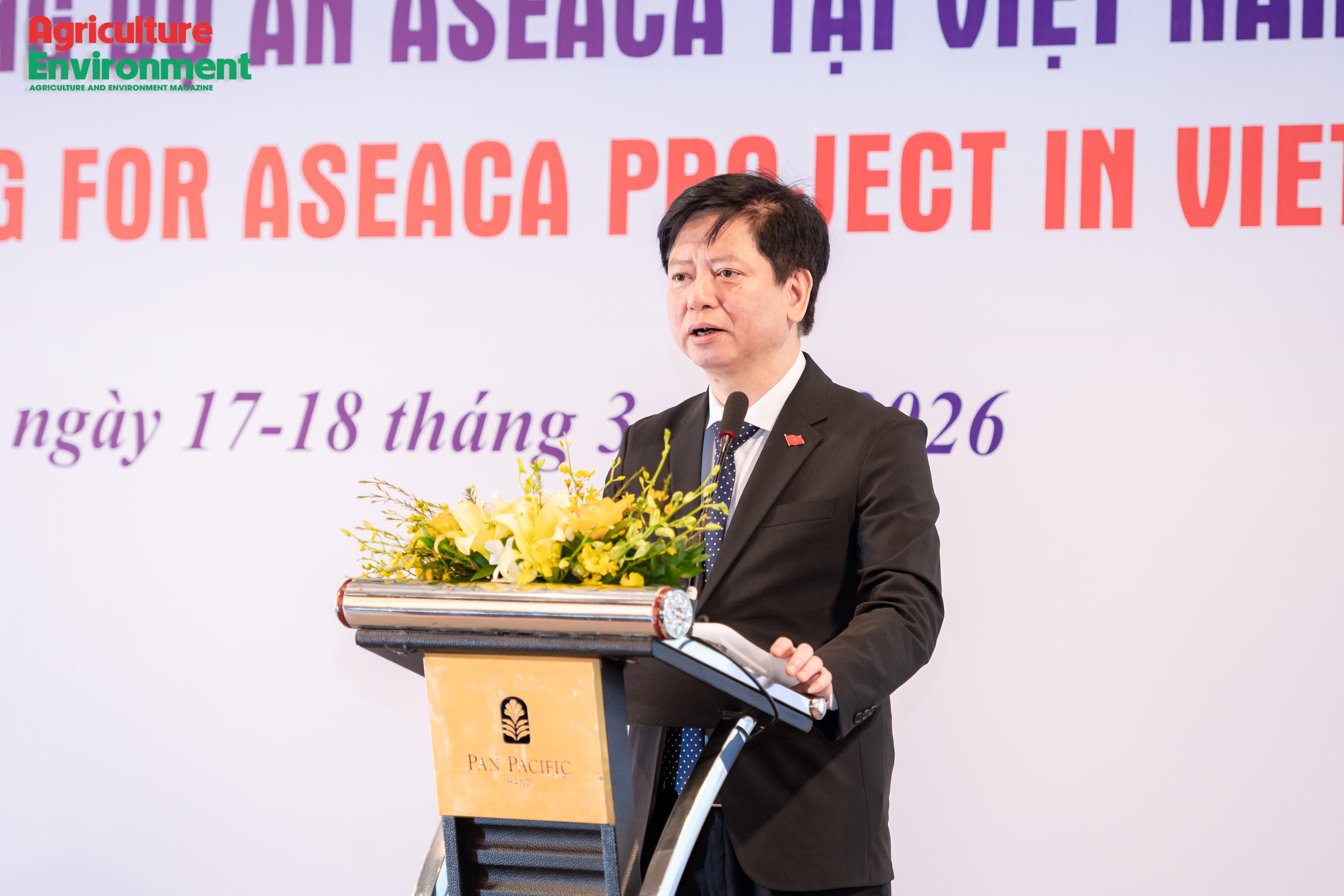
On March 17, the Ministry of Agriculture and Environment, in coordination with the French Agricultural Research Centre for International Development (CIRAD), the French Embassy in Vietnam and partners, on Monday launched the ASEACA project aimed at strengthening disease prevention under the One Health approach. The project seeks to enhance research capacity, connect scientific networks and promote international cooperation in preventing zoonotic diseases, particularly in the context of rising risks from emerging infectious diseases, antimicrobial resistance (AMR) and environmental changes.
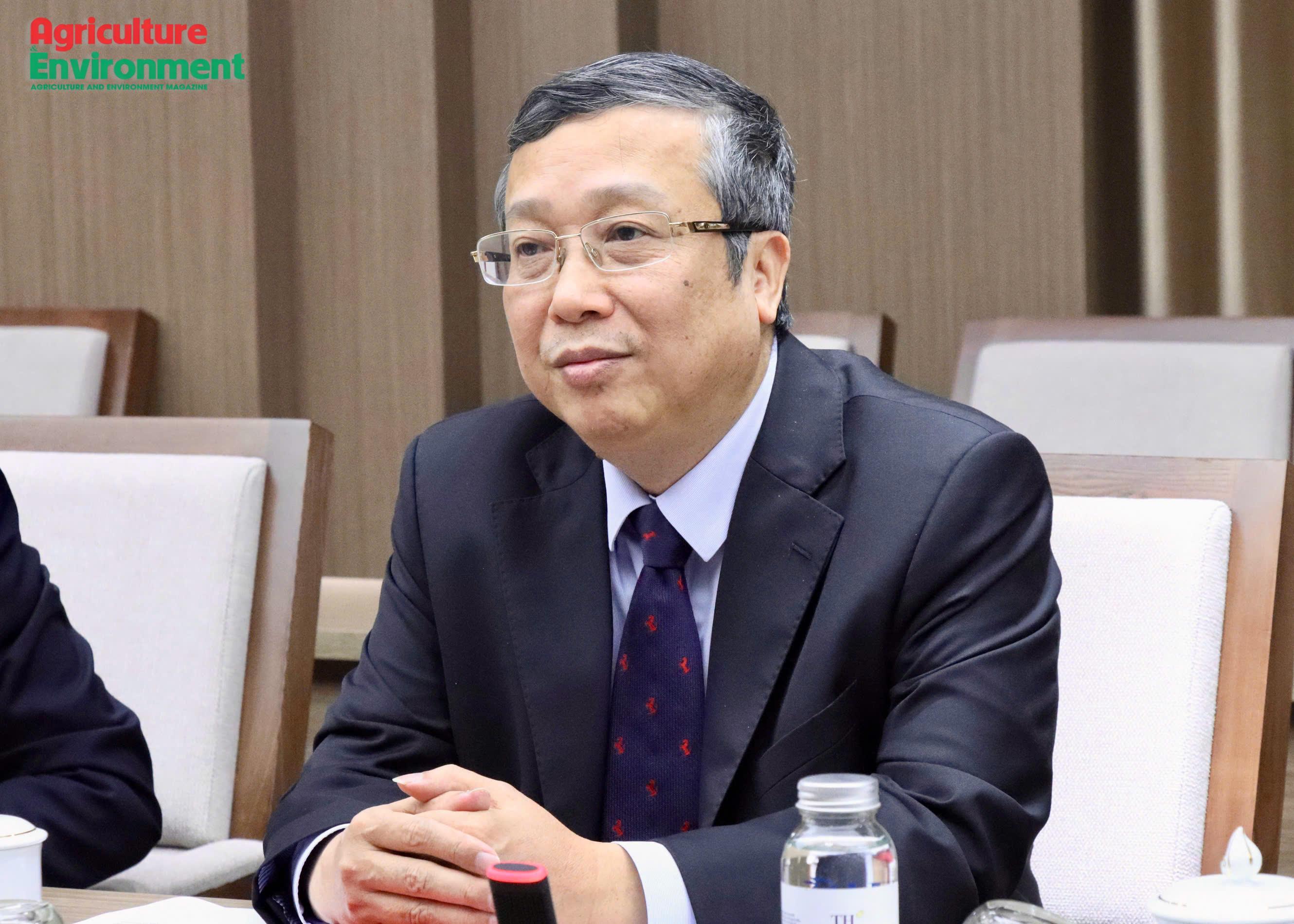
Viet Nam and Zambia discussed measures to strengthen bilateral agricultural cooperation during a working visit by a Zambian delegation to Viet Nam, focusing on accelerating the drafting and signing of a Memorandum of Understanding (MoU) on agriculture to expand practical cooperation between the two countries.
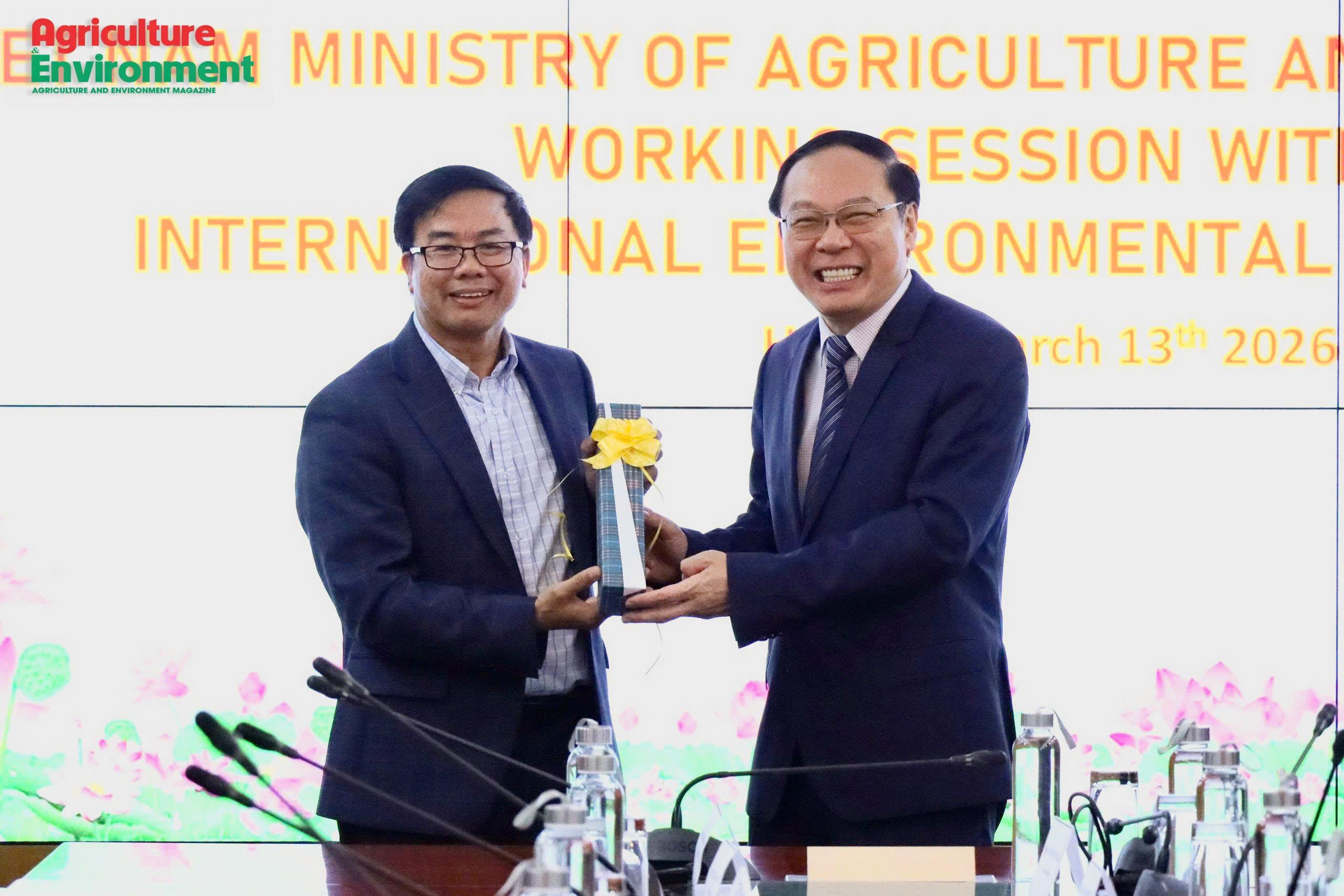
As Viet Nam accelerates efforts to pursue rapid growth while reducing emissions, science and technology, together with international cooperation, are increasingly viewed as key drivers in addressing environmental challenges.
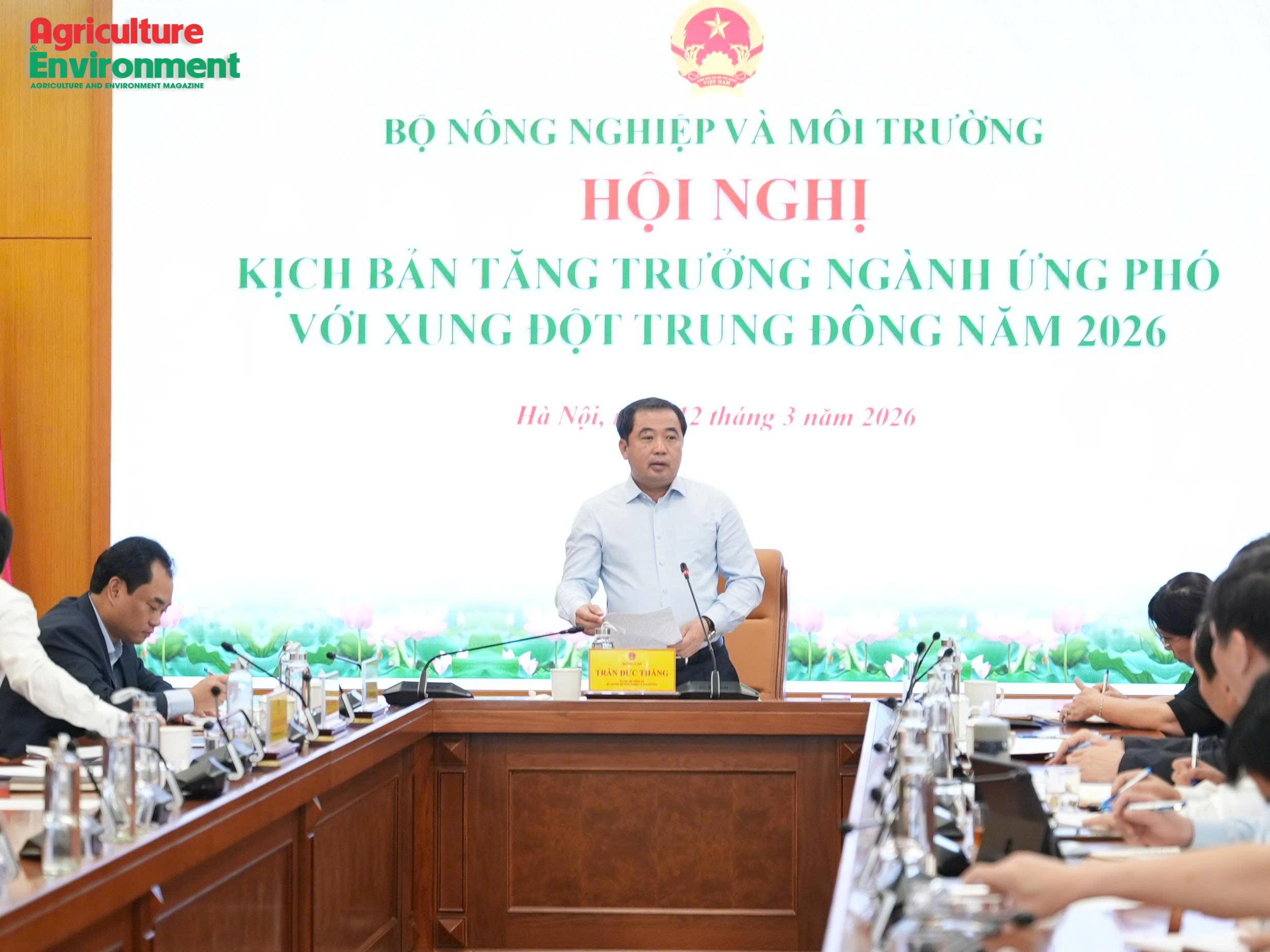
The ongoing conflict in the Middle East is posing new challenges to global supply chains, particularly through rising energy and international logistics costs. In response, the Ministry of Agriculture and Environment is developing growth scenarios and implementing measures to minimize impacts and maintain stable production and exports.
As the peak of the dry season approaches, drought and saltwater intrusion are expected to remain complex across many southern regions. However, according to the Ministry of Agriculture and Environment, water supplies for agricultural production are generally being maintained. The highest salinity intrusion in the Mekong Delta is forecast to occur between March 19 and 23, 2026.