



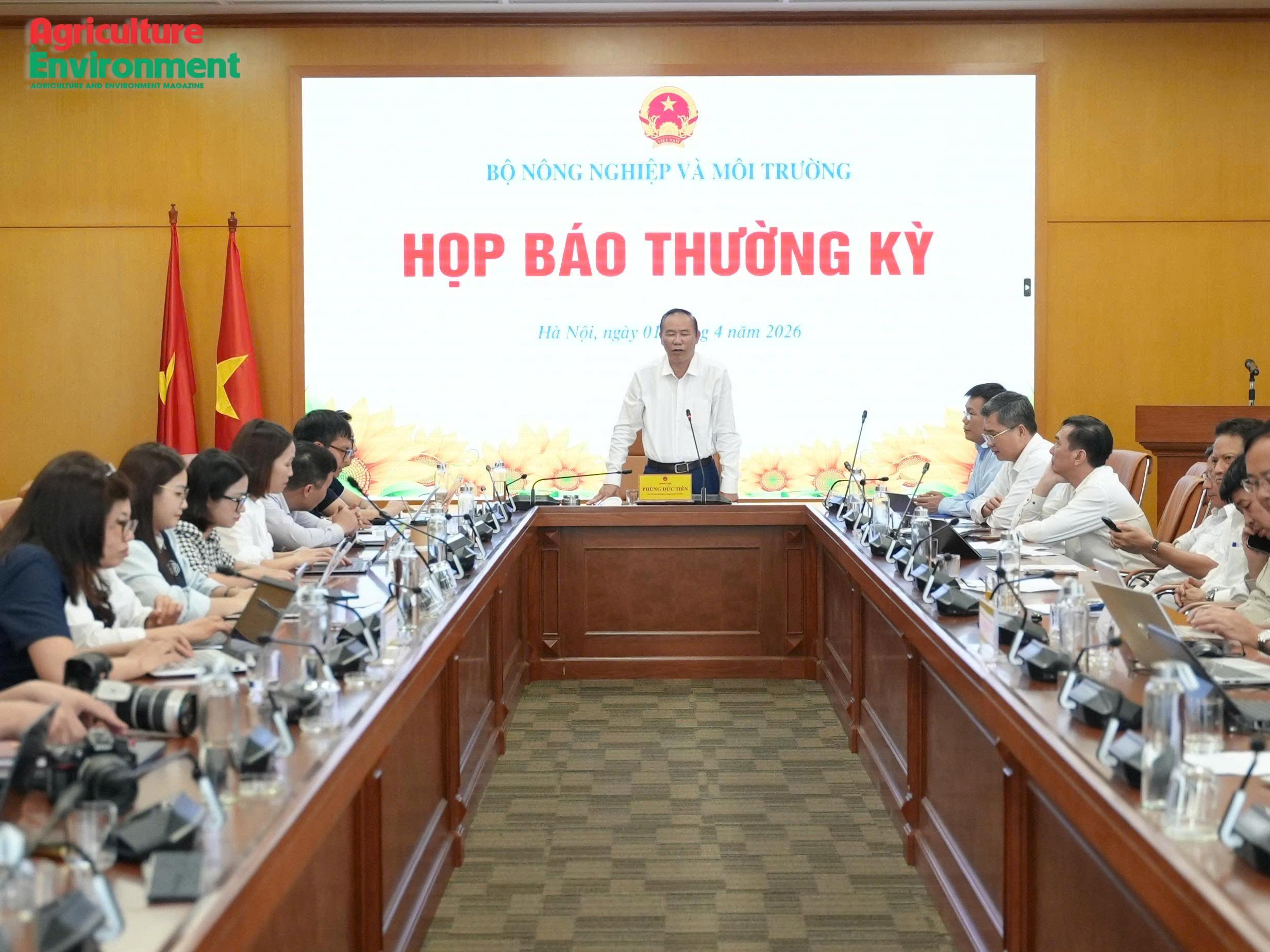
 At a regular press briefing on April 1, Deputy Minister Phung Duc Tien said the Ministry of Agriculture and Environment is stepping up the application of remote sensing technology in resource and environmental monitoring to improve governance capacity, enhance early warning systems, and support policymaking. The move comes as the sector maintains growth momentum, with agro-forestry-fishery exports rising 5.9% year-on-year in the first quarter of 2026. Officials said advancing science and technology would serve as a key foundation for sustainable development in the coming period.
Remote sensing expands across key sectors
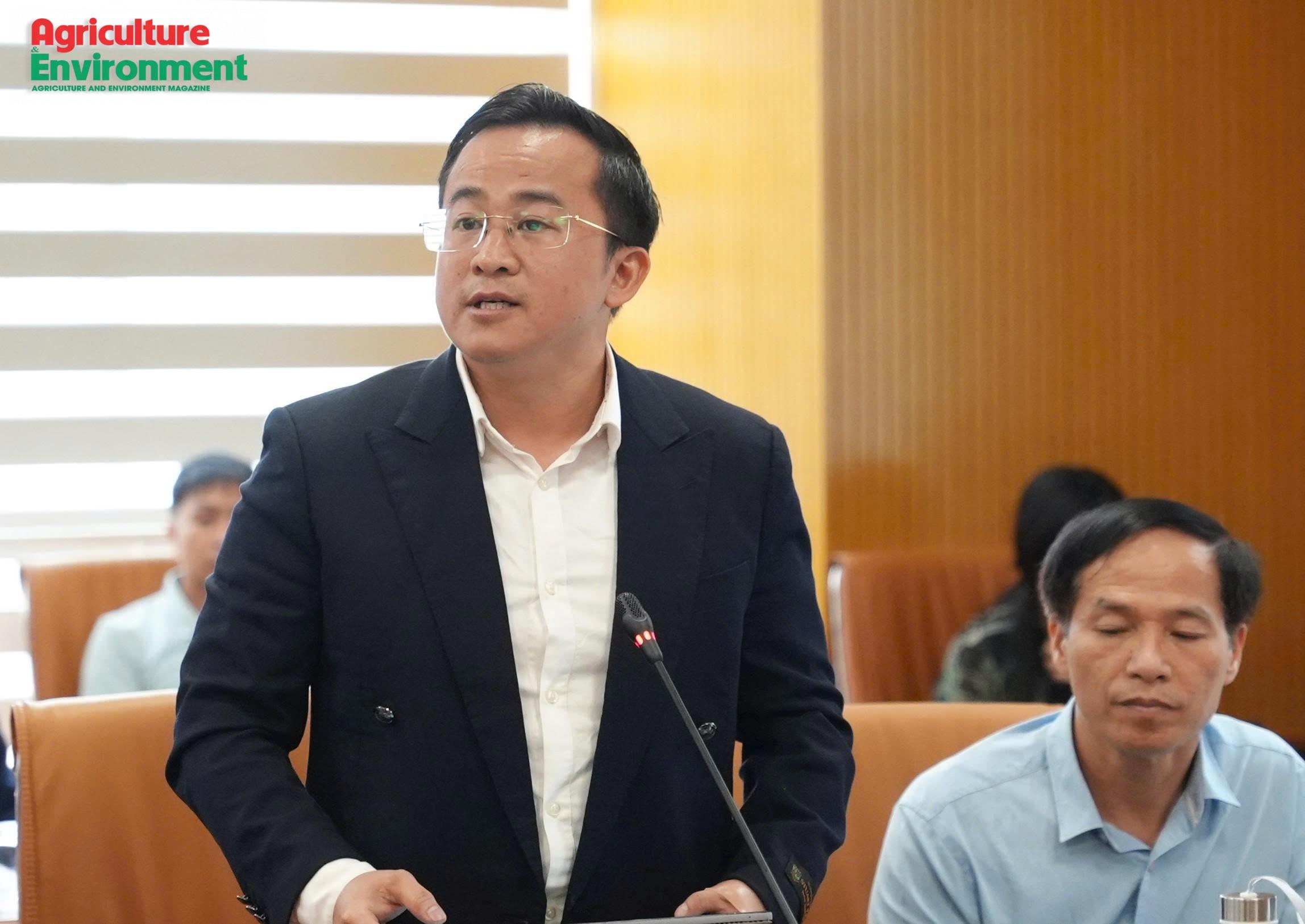
Pham Minh Hai, Deputy Director General of the National Remote Sensing Department, said the agency has expanded the use of remote sensing technology across multiple sectors to meet state management requirements through monitoring reports and both periodic and ad hoc supervision.
The department is implementing a project on the regular application of remote sensing for monitoring activities under the former Ministry of Natural Resources and Environment, aimed at providing both periodic and real-time data on the exploitation and use of natural resources and environmental conditions.
Remote sensing products are being used to monitor marine and island environments, including quarterly tracking of indicators such as sea surface temperature, chlorophyll concentration, salinity, and anomaly detection. The system also supports monitoring of transboundary water resources in upstream sections of the Red River and Mekong River, wetlands, and nature reserves. In addition, it provides land cover data for greenhouse gas emission estimation and monitoring of bauxite mining planning.
In disaster prevention and control, the department operates the Sentinel Asia system and maintains baseline datasets to enable rapid flood mapping when disasters occur. In 2025, the system was activated nine times to acquire satellite imagery for monitoring the impacts of heavy rain and storms in multiple localities. The data were promptly provided to the National Center for Hydro-Meteorological Forecasting and relevant disaster management agencies.
For environmental monitoring, the department carried out an urgent task to control air pollution in Hanoi in the second half of 2025, combining drone operations with satellite imagery to detect and provide early warnings of major emission sources such as crop residue burning, construction sites, and craft villages.
Remote sensing has also been applied to monitor riverbank and coastal erosion in key central coastal areas, providing detailed data on erosion developments at 18 locations to support long-term monitoring and response planning.
In terms of infrastructure, the department operates three ground stations receiving data from VNREDSat-1, SPOT-6, and KOMPSAT-3A satellites. The national remote sensing database, operational since 2025, enables the collection, storage, standardization, and sharing of data under unified procedures to support planning, inspection, and dispute settlement.
Public services providing remote sensing data have also been deployed via the ministry’s online public service portal, allowing organizations and individuals to access data for agricultural management, forest resource surveys, rice cultivation monitoring, forest fire forecasting, disaster prevention and control, search and rescue, as well as national defense, security, and scientific research.
Agro-forestry-fishery trade rises in first quarter
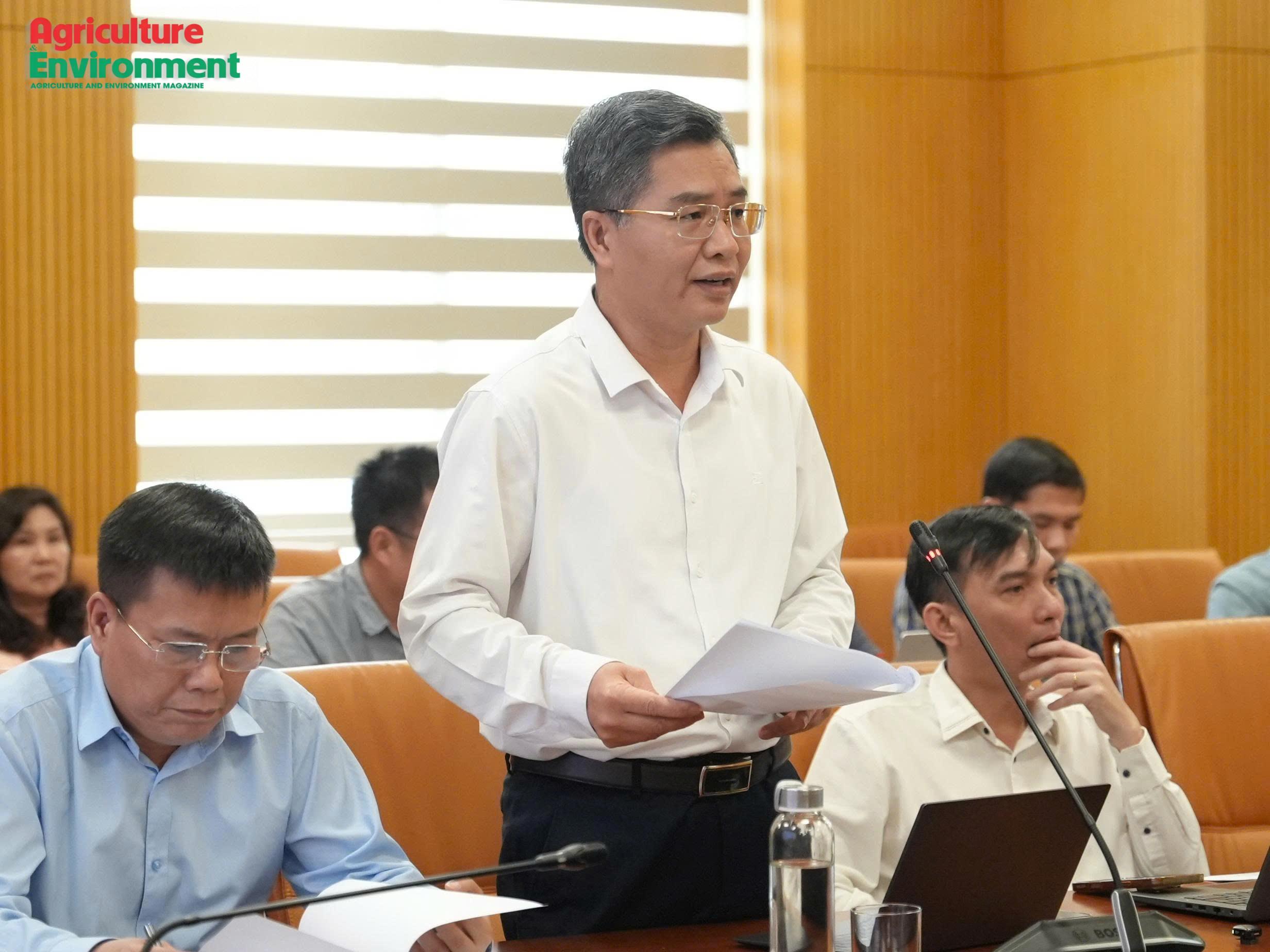
Tran Gia Long, Deputy Director of the Department of Planning and Finance, said Vietnam’s agro-forestry-fishery exports were estimated at $16.69 billion in the first three months of 2026, up 5.9% from a year earlier.
Exports in March alone reached $6.02 billion, rising 47.8% from the previous month but slipping 1.5% year-on-year. Imports totaled $11.91 billion in the first quarter, up 3.6%, resulting in a trade surplus of $4.78 billion, an increase of 12% from the same period last year.
Asia remained the largest export market, accounting for 45.1% of total shipments, followed by the Americas at 20.7% and Europe at 16.2%. China, the United States, and Japan were the three largest individual markets. Export value to China rose 37.6%, while shipments to Japan edged up 0.7%, and exports to the United States declined 5.2%.
On the import side, Vietnam recorded the largest deficits with Asia and the Americas, with the United States, China, and Brazil serving as the main suppliers.
Fruit and vegetable exports reached $1.54 billion, up 32.1%, while pepper exports totaled $417.5 million, up 28.8%. In contrast, some traditional commodities saw declines in value despite stable or higher volumes due to falling average prices. Coffee exports stood at $2.71 billion, down 6.4%, and rice exports at $1.11 billion, down 7.8%.
Livestock products contributed $197.7 million, up 54.3% year-on-year, with dairy exports increasing 2.6-fold.
Import growth was driven mainly by inputs for domestic production. Agricultural imports reached $7.62 billion, up 6.3%, while livestock product imports rose 10% to $1.16 billion. Significant increases were recorded in imports of corn (up 83.4%), wheat (up 40.3%), and soybeans (up 54.6%). Meanwhile, imports of seafood and production inputs declined by 1.8% and 13%, respectively.
Government moves to address market volatility
In his concluding remarks, Deputy Minister Phung Duc Tien said the agriculture and environment sector continues to build on more than four decades of restructuring while maintaining positive growth momentum since 2025.
He noted that rice output declined mainly due to seasonal factors, while livestock remained a bright spot, with pig and poultry herds continuing to expand.
Amid ongoing challenges, particularly declining environmental indicators, the ministry is reviewing and revising legal frameworks while developing climate adaptation measures. Certain technical fields, including surveying and mapping, will also be reorganized to improve management efficiency.
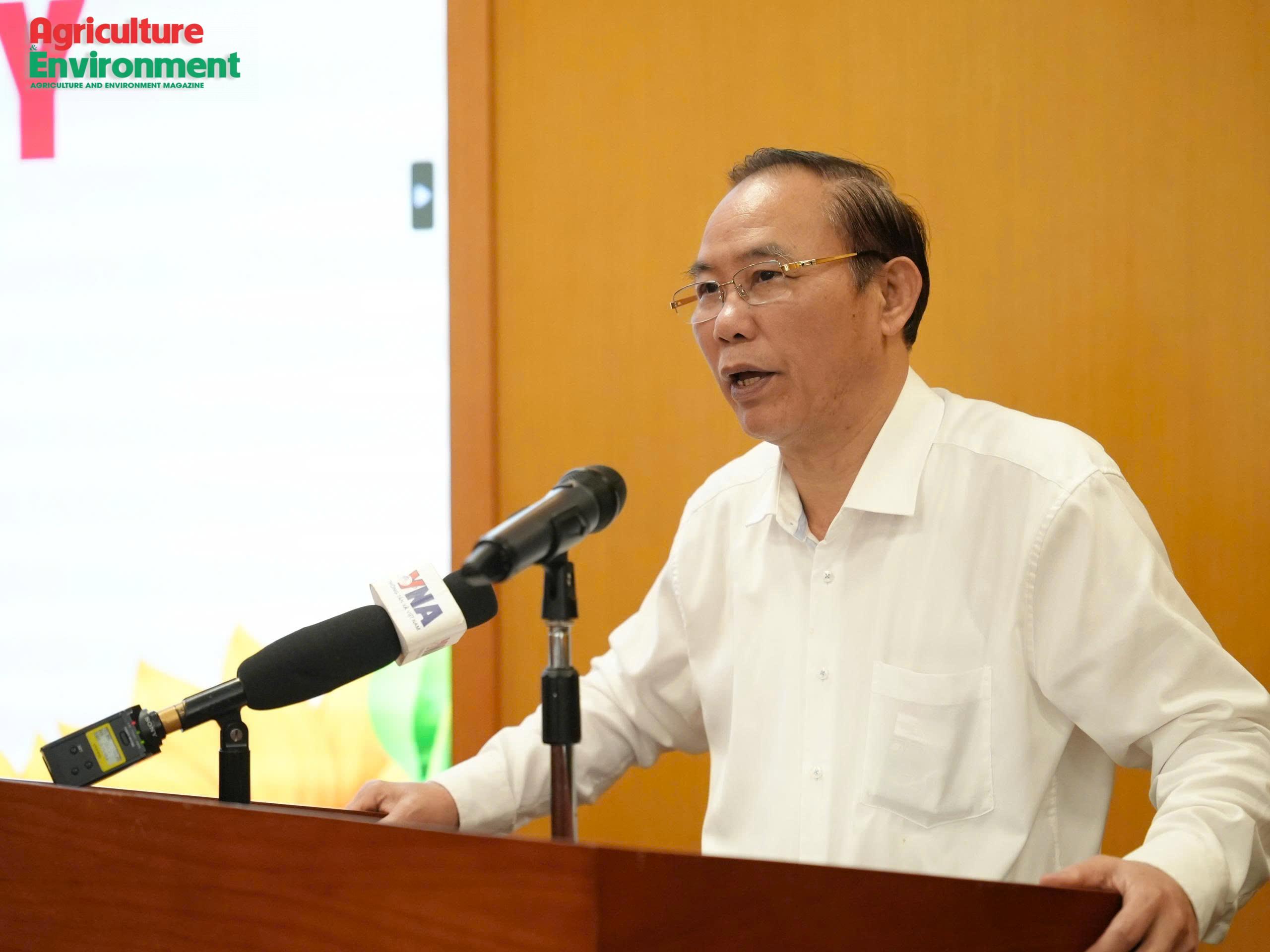
The Deputy Minister reaffirmed that agriculture remains a pillar of the economy and said first-quarter results provide an important foundation for future growth.
To sustain export growth and support the goal of achieving double-digit economic expansion from 2026, Tran Gia Long, Deputy Director of the Department of Science and Technology, stressed the need to mobilize both domestic strengths and new growth drivers.
These include more effective use of resources such as land, minerals, water, forests, and rare earths, alongside science and technology, digital transformation, and innovation to enhance productivity, quality, and competitiveness.
Accelerating public investment disbursement, stimulating consumption, and developing markets were also identified as key pillars for sustaining growth.
In response to global uncertainties, including impacts from Middle East tensions and rising trade barriers, the Ministry of Agriculture and Environment has developed response scenarios focused on ensuring the supply of key inputs such as fertilizers and fuel, while proposing fiscal and credit measures to support businesses.
The ministry is also strengthening logistics risk monitoring, establishing early warning systems, and assisting in resolving disrupted contracts. Efforts to diversify export markets and enhance coordination with overseas trade offices and industry associations are being expanded to mitigate risks and maintain growth momentum.
On June 25th, the Thua Thien Hue provincial People's Committee organized a conference to disseminate and train on the 2024 Land Law, addressing difficulties and challenges in the land sector. The conference was presided over by Deputy Minister of Natural Resources and Environment, Le Minh Ngan.
On May 23, the People's Committee of Da Nang City organized a conference to disseminate and provide training on the 2024 Land Law and to address challenges related to land management within the city.
A training conference to disseminate the new points of the 2024 Land Law and Decree No. 12/2024/ND-CP, dated February 5, 2024, by the Government, was organized by the People's Committee of Ha Nam Province on May 17 in Phu Ly City, Ha Nam Province. The conference was held both in person and online, with nearly 130 connection points. Attendees included Deputy Minister of Natural Resources and Environment Le Minh Ngan, Deputy Secretary of the Provincial Party Committee, Chairman of Ha Nam Provincial People's Committee, and Head of the Provincial National Assembly Delegation Truong Quoc Huy.
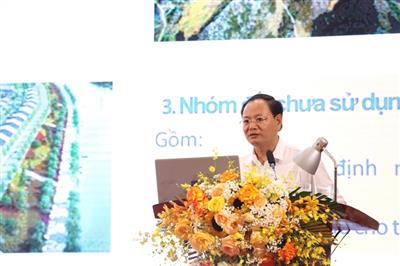
On April 24th in Hanoi, the Party Central Committee's Commission for Popularisation and Education, in collaboration with the Ministry of Natural Resources and Environment, organized a conference on the education and popularization of the 2024 Land Law for national central-level policy disseminators. The conference was co-chaired by Deputy Head of the PCC’s Commission for Communication and Education Phan Xuan Thuy, and Deputy Minister of Natural Resources and Environment Le Minh Ngan.
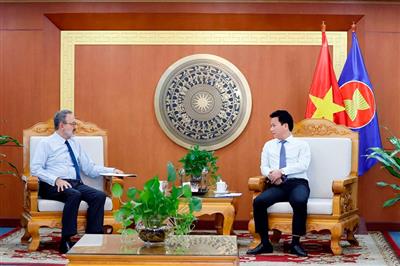
On July 18, Minister of Natural Resources and Environment Dang Quoc Khanh received Italian Ambassador Marco Della Seta. Both sides expressed their hope to deepen and broaden their cooperation in the field of resources and environment.