



 On April 24, a signing ceremony for the One Health Partnership Framework for 2026–2030 brought together 57 partners, underscoring strong commitments by the Vietnamese Government and the international community to advance the One Health approach, enhance information sharing, coordinate resources, and implement joint action programs.
Framework expands partnership network, strengthens coordination
Speaking at the event, Deputy Minister of Agriculture and Environment Phung Duc Tien emphasized that after five years of implementation, the One Health Partnership Framework for 2021–2025 had delivered significant results and become a model for multi-sectoral coordination.
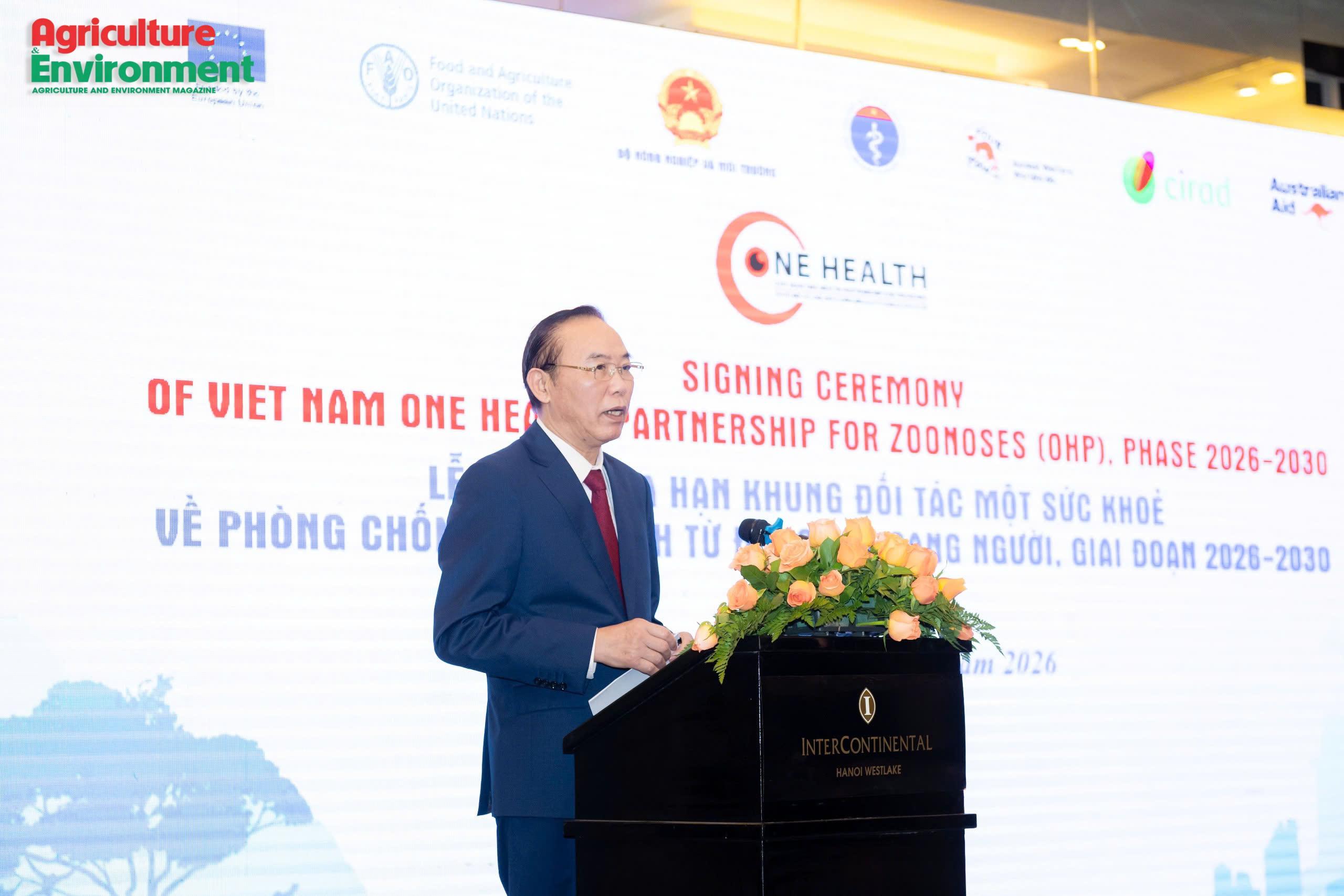
He said the core value of the model lies not only in measurable outcomes but in the close linkage among three pillars — human health, agriculture, and the environment — forming a protective framework for human, animal, and ecosystem health.
From an initial 33 partners, the framework has evolved into a substantive cooperation platform with hundreds of programs and projects implemented, contributing to safeguarding livelihoods and strengthening disease safety. This progress reflects nearly two decades of sustained collaboration built on trust and shared commitments among stakeholders.
Entering the 2026–2030 phase, the framework marks a major milestone with 57 official partners. Deputy Minister Phung Duc Tien said this expansion reflects a participatory and co-ownership approach, with co-chairing mechanisms at both policy and technical levels.
“Transboundary diseases are not the responsibility of a single sector or country,” he said, noting that Viet Nam has actively implemented international commitments through the effective operation of five technical working groups aligned with the framework’s core pillars.
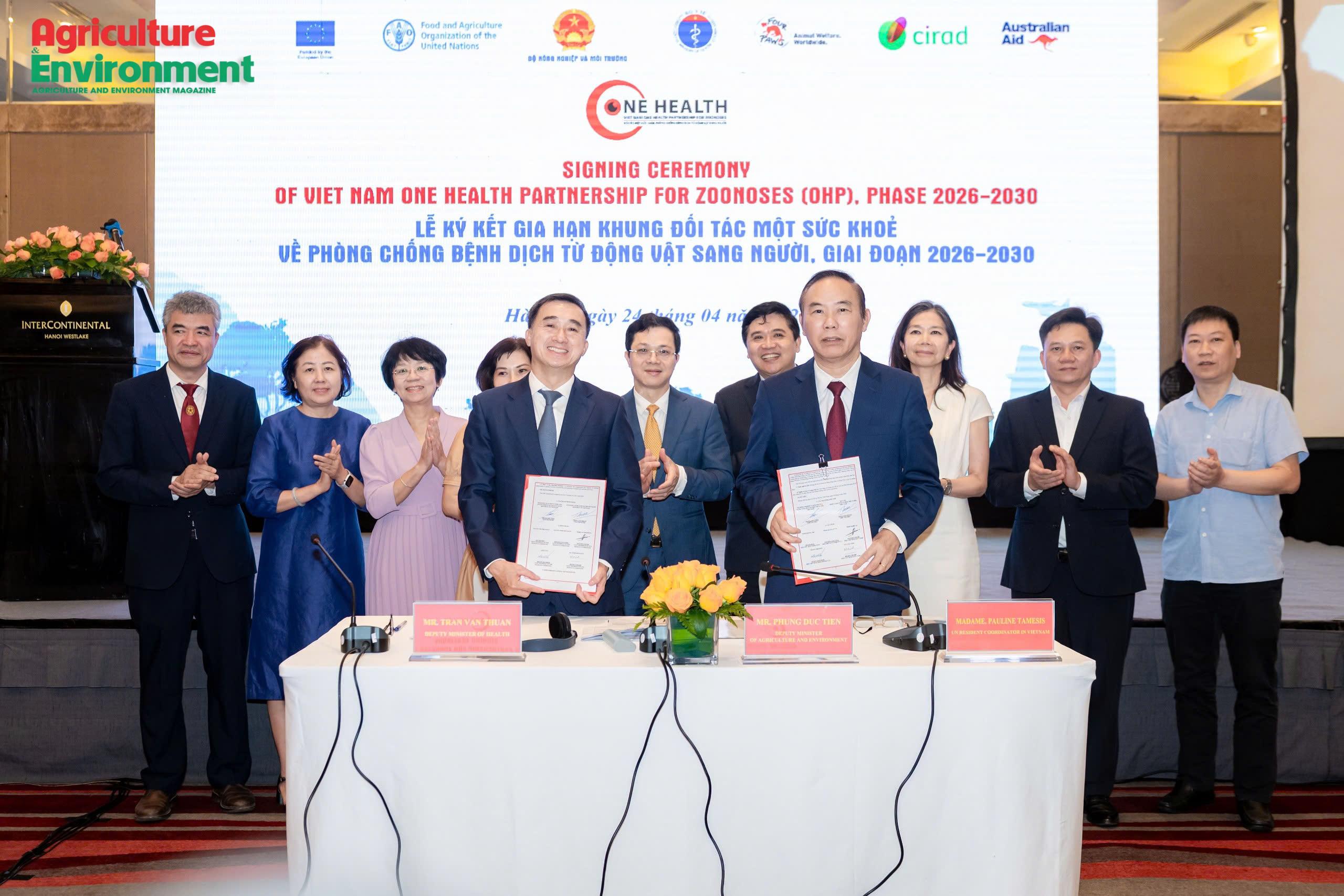
Coordination between the Ministry of Agriculture and Environment and the Ministry of Health has been highlighted as a key strength, with intersectoral collaboration becoming increasingly operational. Activities such as public health capacity assessments, development of disease prevention and control plans, antimicrobial resistance control, and food safety management have strengthened surveillance and early response capacity.
Within the agriculture and environment sector, cross-sector coordination has also been reinforced across livestock production, animal health, fisheries, forestry, and conservation, reflecting a shift from sector-based management to integrated, cross-sectoral, and shared-responsibility approaches.
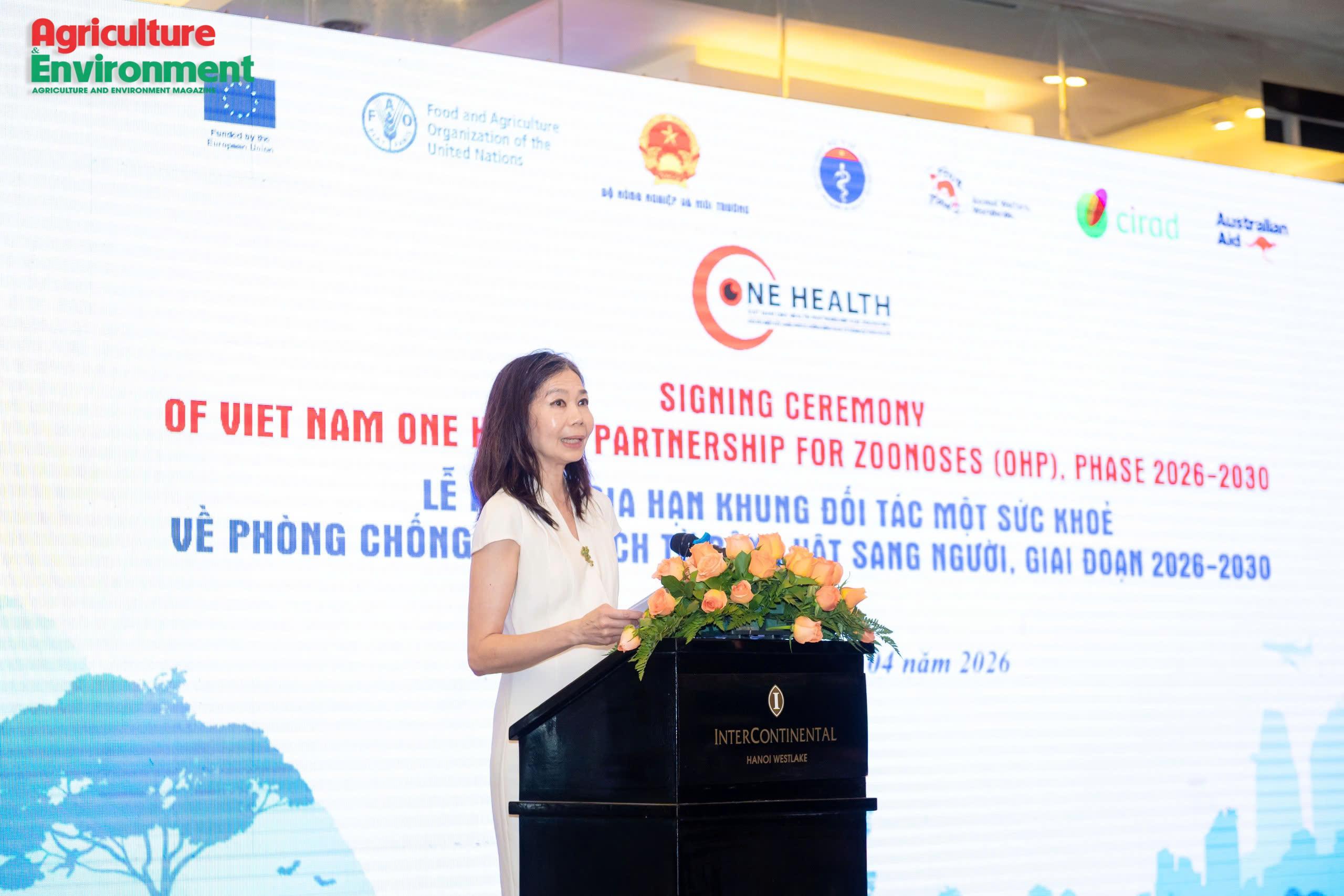
Pauline Tamesis, United Nations Resident Coordinator in Viet Nam, emphasized the close links between environmental protection, biodiversity conservation, climate change response, and human health. She described the signing ceremony as an important milestone in strengthening health security in Viet Nam.
She said the One Health approach plays a critical role in implementing the 2030 Agenda for Sustainable Development, contributing to goals on good health and well-being (SDG 3), life below water and life on land (SDGs 14 and 15), and zero hunger through safe food systems (SDG 2). The United Nations remains committed to supporting Vietnam in translating commitments into tangible results that directly benefit people.
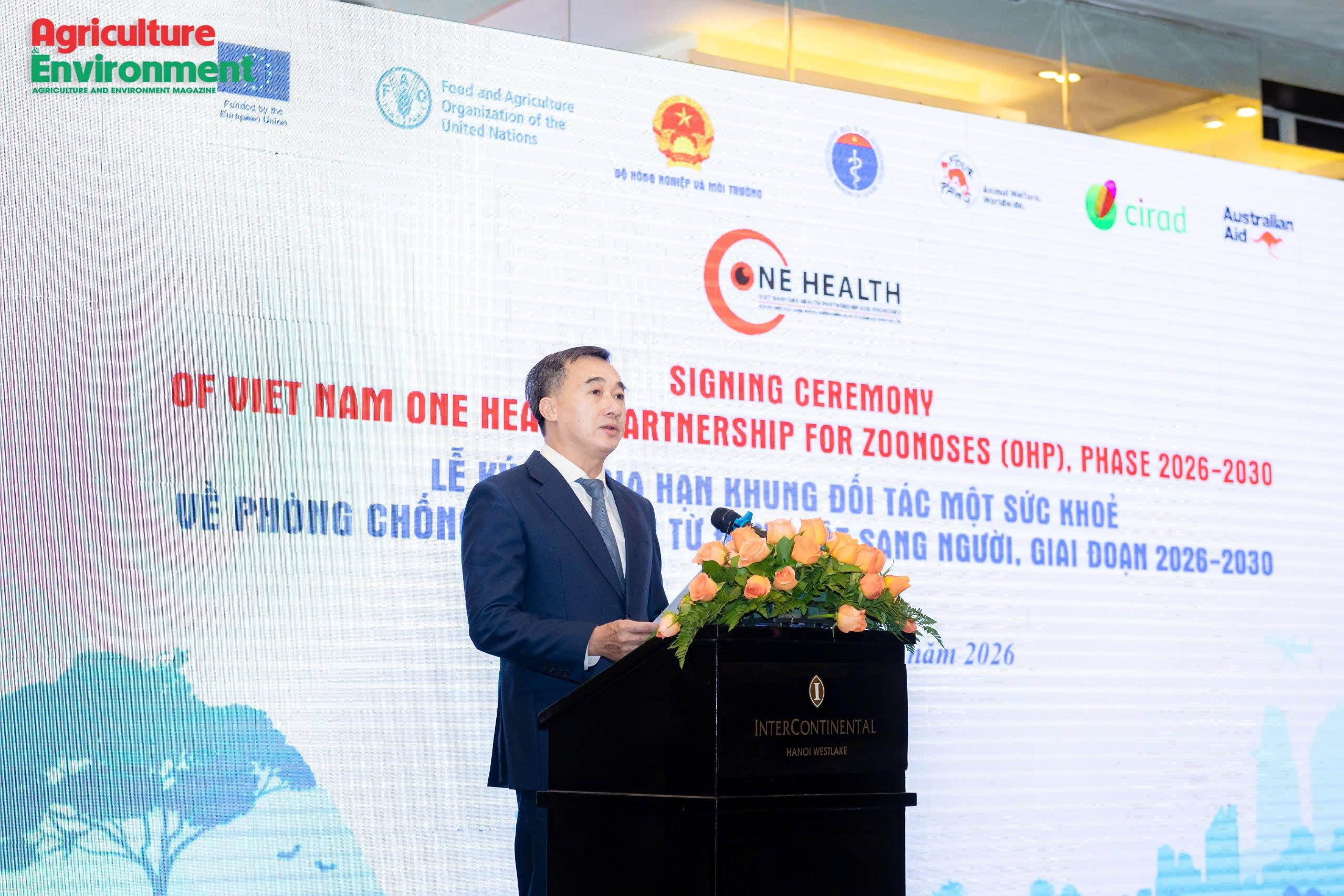
Deputy Minister of Health Tran Van Thuan highlighted participation in the One Health Partnership Framework represents not only a coordination mechanism but also a strategic approach to protecting public health early and proactively. He said the approach prioritizes forecasting, surveillance, and risk prevention across the human–animal–environment interface, in line with a shift from treatment to prevention.
In the coming period, the Ministry of Health will continue to work closely with the Ministry of Agriculture and Environment and partners to implement three main priorities: improving institutional frameworks and intersectoral coordination mechanisms; strengthening preventive health systems, food safety, and integrated epidemiological surveillance with data sharing and early response; and enhancing scientific collaboration, international cooperation, and resource mobilization.
International partners and diplomatic agencies also reaffirmed strong commitments to support Viet Nam in implementing the One Health Partnership Framework for 2026–2030, focusing on priority areas such as disease prevention and control, antimicrobial resistance control, and strengthening One Health system capacity.
Key international organizations and technical partners, including the Food and Agriculture Organization of the United Nations (FAO), the French Agricultural Research Centre for International Development (CIRAD), the International Livestock Research Institute (ILRI), and the World Organisation for Animal Health (WOAH), which co-chair technical working groups, reiterated their long-term engagement. They will continue to support Vietnam in policy development, implementation of technical initiatives, and linking global knowledge with national needs.
These commitments are expected to reinforce the foundation for multilateral cooperation and ensure effective, practical, and sustainable implementation of the One Health Partnership Framework in the coming phase.
2026–2030 priorities focus on six One Health pillars
Vu Thi Phuong, One Health Coordinator at the Secretariat under the Department of International Cooperation, Ministry of Agriculture and Environment, said priority areas for 2026–2030 will focus on six pillars: pandemic prevention and control; antimicrobial resistance control; food safety; animal welfare linked to zoonotic disease prevention and control; research to support policymaking; and environmental and ecosystem protection.
These areas are closely interconnected and reflect the One Health approach, aiming to comprehensively address risks to human, animal, and environmental health.
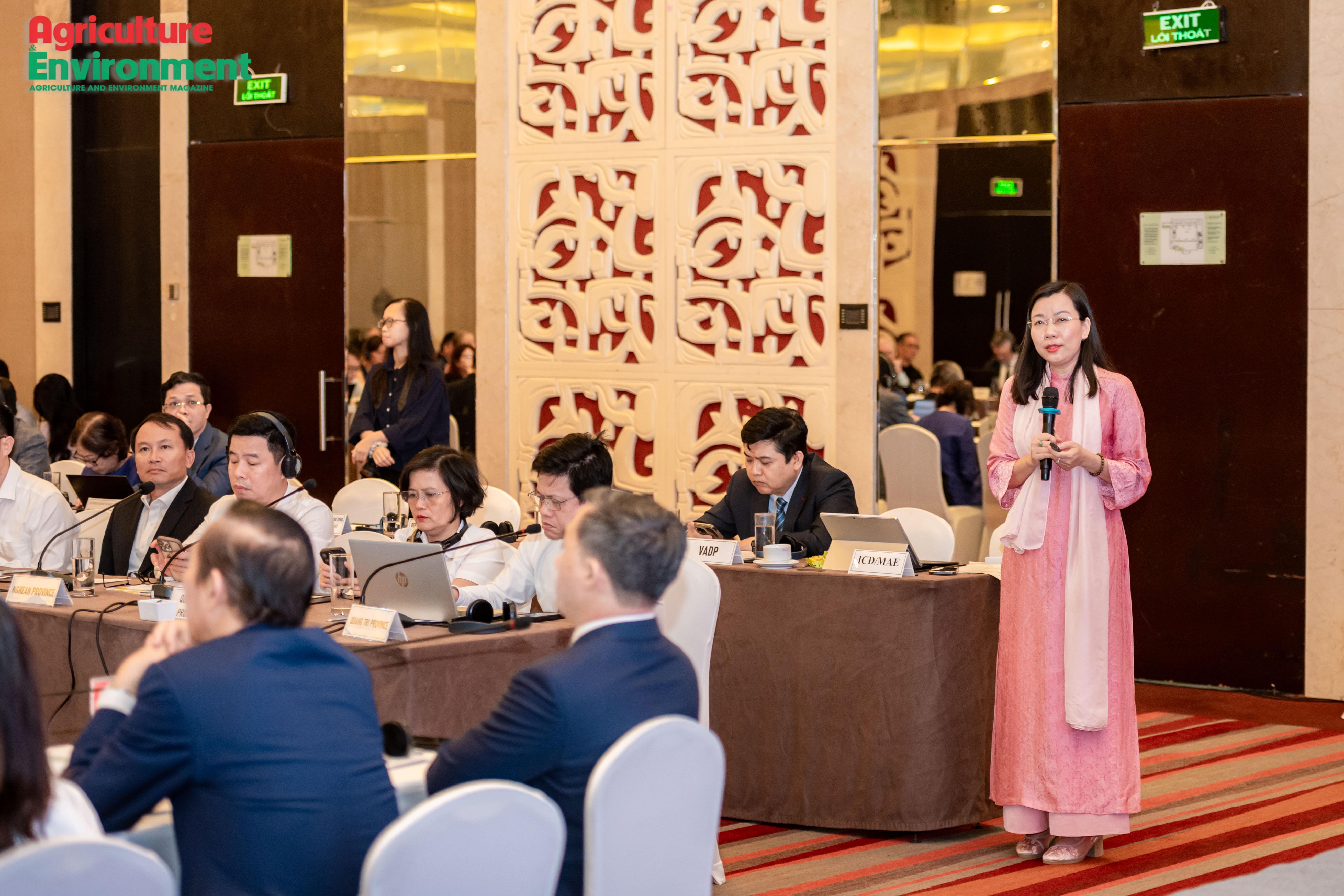
A key strategic task is to institutionalize One Health as a national mandate and integrate it into socio-economic development plans. Advancing digital transformation, strengthening cross-sector data integration, and improving information-sharing platforms are identified as critical to enhancing surveillance, early warning, and disease response capacity.
A “One Health province” model will be piloted and scaled up to operationalize the approach at the local level. At the same time, sustainable financing mechanisms and strengthened coordination are expected to ensure long-term effectiveness.
Vu Thi Phuong said 2026 is considered a pivotal year, marking the transition from preparation to full implementation. Key priorities include ensuring effective operation of the Partnership Framework through regular meetings, finalizing the 2026–2030 plan, advancing priority projects, mobilizing resources, and piloting provincial-level models linked to data integration.
Accelerating the implementation of the One Health approach is expected to strengthen disease prevention and control capacity, while contributing to health security, food safety, and sustainable development amid increasingly complex global risks.
On May 29, Deputy Minister of Natural Resources and Environment (MONRE) Le Cong Thanh hosted a meeting with Mr. Ulazdimir Baravikou, the Belarusian Ambassador to Vietnam. Both sides agreed to strengthen the exchange and sharing of advanced science and technology in waste treatment and recycling, with a particular focus on future municipal solid waste management.
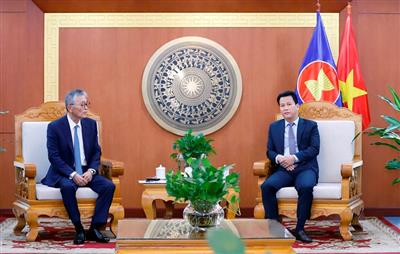
On May 24, Minister of Natural Resources and Environment Dang Quoc Khanh held a meeting with EREX Group Chairman Honna Hitoshi and the Japanese Ambassador to Vietnam Ito Naoki. The discussions focused on cooperation in developing biomass energy and the objective of reducing greenhouse gas emissions.
In observance of the International Day for Biological Diversity 2024, celebrated on May 22nd, the Ministry of Natural Resources and Environment (MONRE) has issued a directive to ministries, sectors, and localities, outlining strategies to commemorate this event.
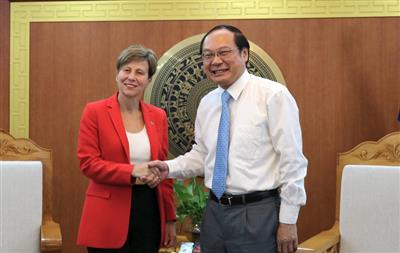
During the meeting with Senator Jenny McAllister, Australia's Assistant Minister for Climate Change and Energy, in Hanoi on April 17th, the Deputy Minister of Natural Resources and Environment, Le Cong Thanh, expressed the hope for enhanced cooperation between Australia and Vietnam on climate, energy, and the environment under the newly signed Comprehensive Partnership.
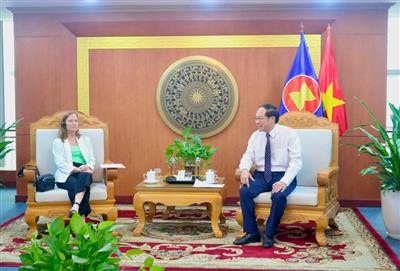
On April 5th, Deputy Minister of Natural Resources and Environment Le Cong Thanh hosted a meeting with Ms. Aler Grubbs, Director of the United States Agency for International Development (USAID) in Vietnam, to discuss the expansion of cooperation in environmental protection