



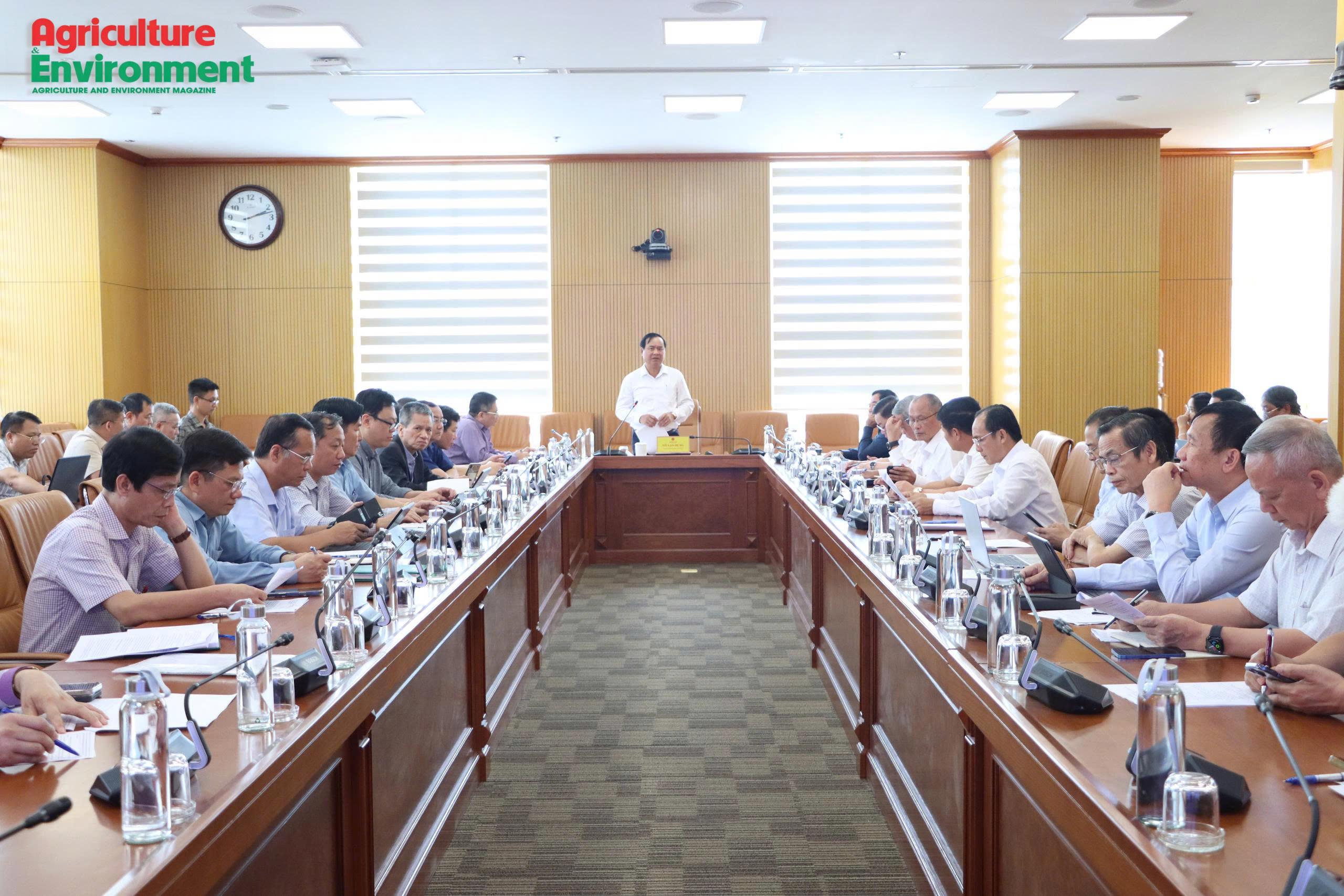
 At a conference with industry associations on May 4 to discuss measures to boost agro-forestry-fishery exports in 2026, Deputy Minister of Agriculture and Environment Vo Van Hung stressed that achieving the sector’s growth targets requires a market-oriented approach, with enterprises and producers at the center, alongside stronger coordination and leadership by industry associations.
Exports maintain growth amid market volatility
According to Le Ba Anh, Deputy Director of the Authority of Quality, Processing and Market Development, agro-forestry-fishery production remained stable in the first four months of 2026, supporting domestic consumption, processing and exports. Crop production maintained solid growth in fruit and perennial industrial crops; livestock production, particularly pork and poultry, recovered thanks to effective disease control and improved market conditions; fisheries continued to expand; and forestry sustained growth in afforestation, forest protection and timber harvesting.
In the first four months of 2026, total export turnover was estimated at $23.04 billion, up 5.4% year-on-year, while imports reached $17.65 billion, up 12%, maintaining a trade surplus. Asia remained the largest export market, accounting for 44.1% of total turnover, with China, the United States and Japan as the three leading destinations. By product group, fruit and vegetable exports reached $2.05 billion, up 21.6%; seafood exports totaled $3.54 billion, up 10.4%; pepper and cassava posted positive growth, while wood and wood products declined by 1.1%, and rice exports fell in both volume and value.
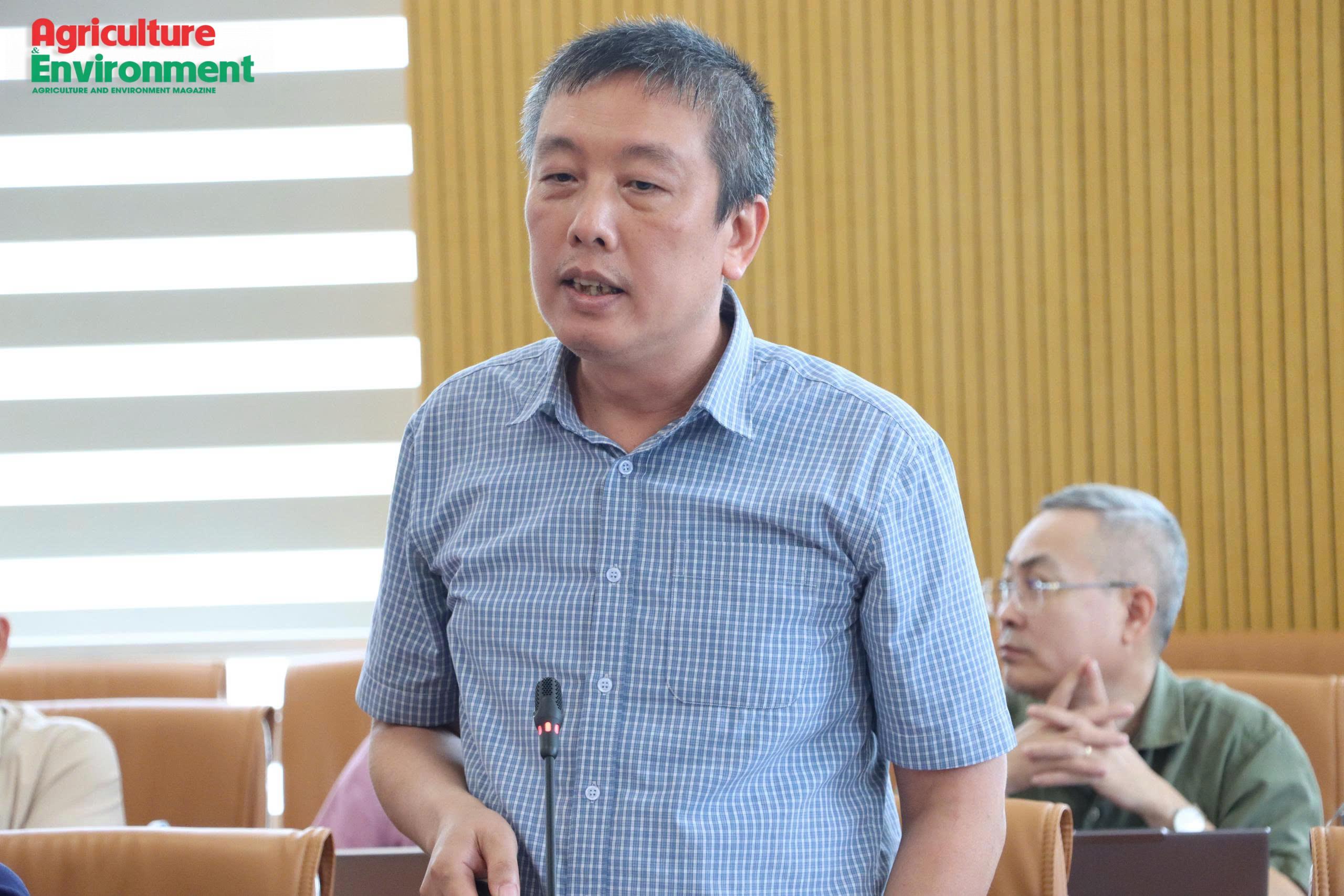
However, Deputy Director Le Ba Anh noted that agro-forestry-fishery exports in 2026 face multiple challenges from both international markets and domestic production chains. Linkages between production, processing and export remain weak, with many raw material areas not closely connected to exporters. Traceability systems and the management of growing areas, aquaculture areas and processing facilities are not yet fully synchronized, limiting the ability to meet large orders.
In addition, new requirements such as measures against illegal, unreported and unregulated (IUU) fishing, the EU Deforestation Regulation (EUDR), emissions standards, food safety, and supply chain transparency are becoming mandatory conditions for market access, placing significant pressure on sectors including wood, seafood, coffee, rubber and fruit and vegetables.
Viet Nam’s agricultural exports are also under pressure from rising logistics costs, geopolitical instability in the Middle East, risks of supply chain disruptions, and intensifying competition from major exporters such as Thailand, India, Brazil and Indonesia.
Against this backdrop, the Ministry of Agriculture and Environment has set a target of more than $74.2 billion in agro-forestry-fishery export turnover in 2026, up over 6% from 2025. Several sectors are expected to sustain growth, including wood and wood products at $17.7 billion, seafood at $12 billion, fruit and vegetables at $9.81 billion, and coffee at $9.64 billion.
Rice exports, however, are forecast to decline by about 3.7% due to abundant global supply and strong price competition from India and Thailand, while rubber exports could fall by nearly 8% under the impact of the EU Deforestation Regulation.
Industry groups call for policy action to ease bottlenecks
Speaking at the conference, Do Ha Nam, Chairman of the Vietnam Food Association, said that although Viet Nam has become one of the world’s leading rice exporters, farmers continue to face difficulties due to sharp market fluctuations.
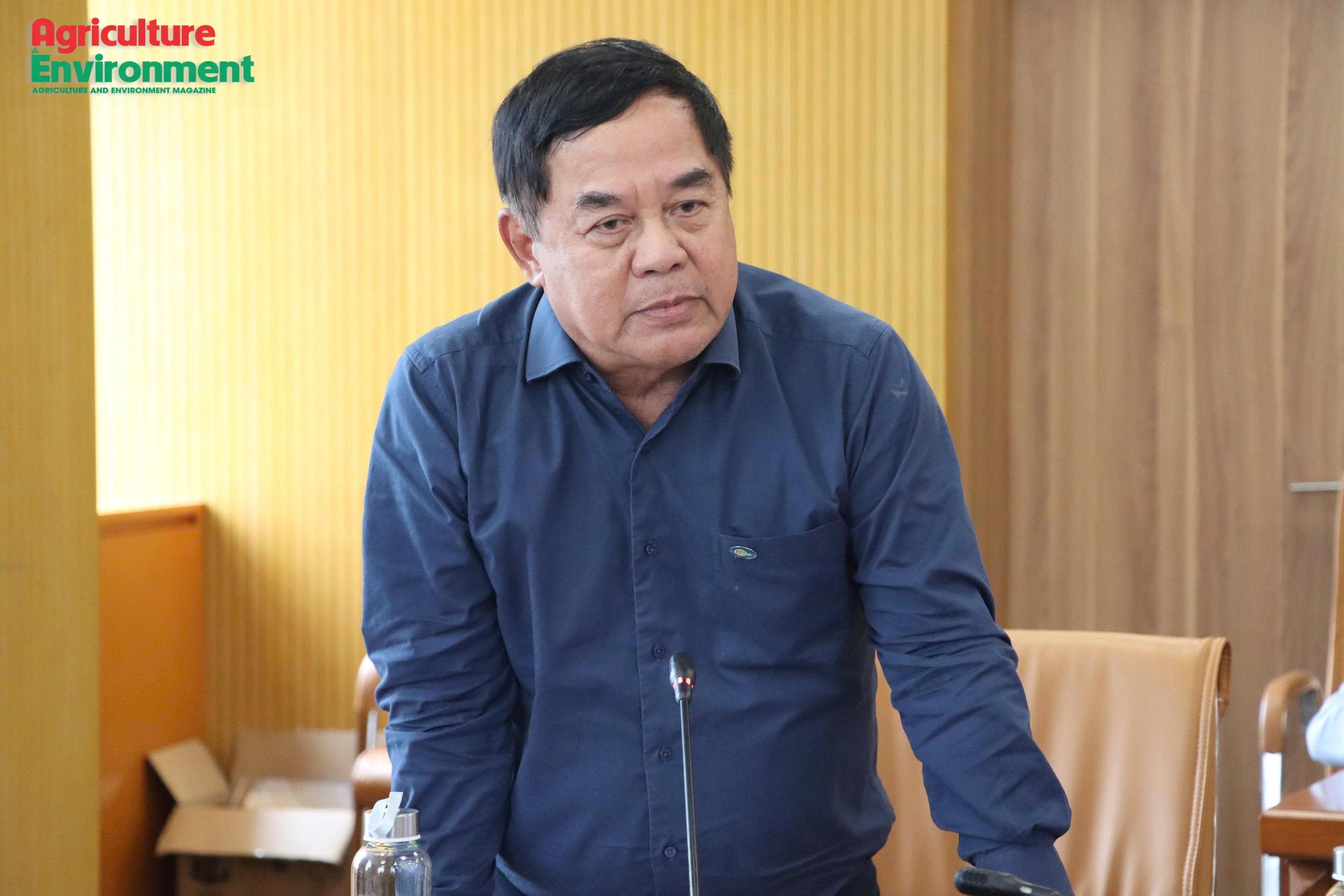
To stabilize the market, he proposed mechanisms to enable farmers to temporarily store paddy through investment in drying systems, storage facilities and appropriate credit policies. He also suggested studying supply regulation models in the pepper and coffee sectors, in which farmers play a more proactive role in holding commodities while enterprises focus on services and exports.
In the coconut sector, Cao Ba Dang Khoa, Secretary General of the Vietnam Coconut Association, said the industry is entering a new development phase with billion-dollar export turnover, but planning for raw material areas and standards systems remains inconsistent. Overlapping certification of growing areas is common in many localities, creating difficulties for both businesses and local authorities.
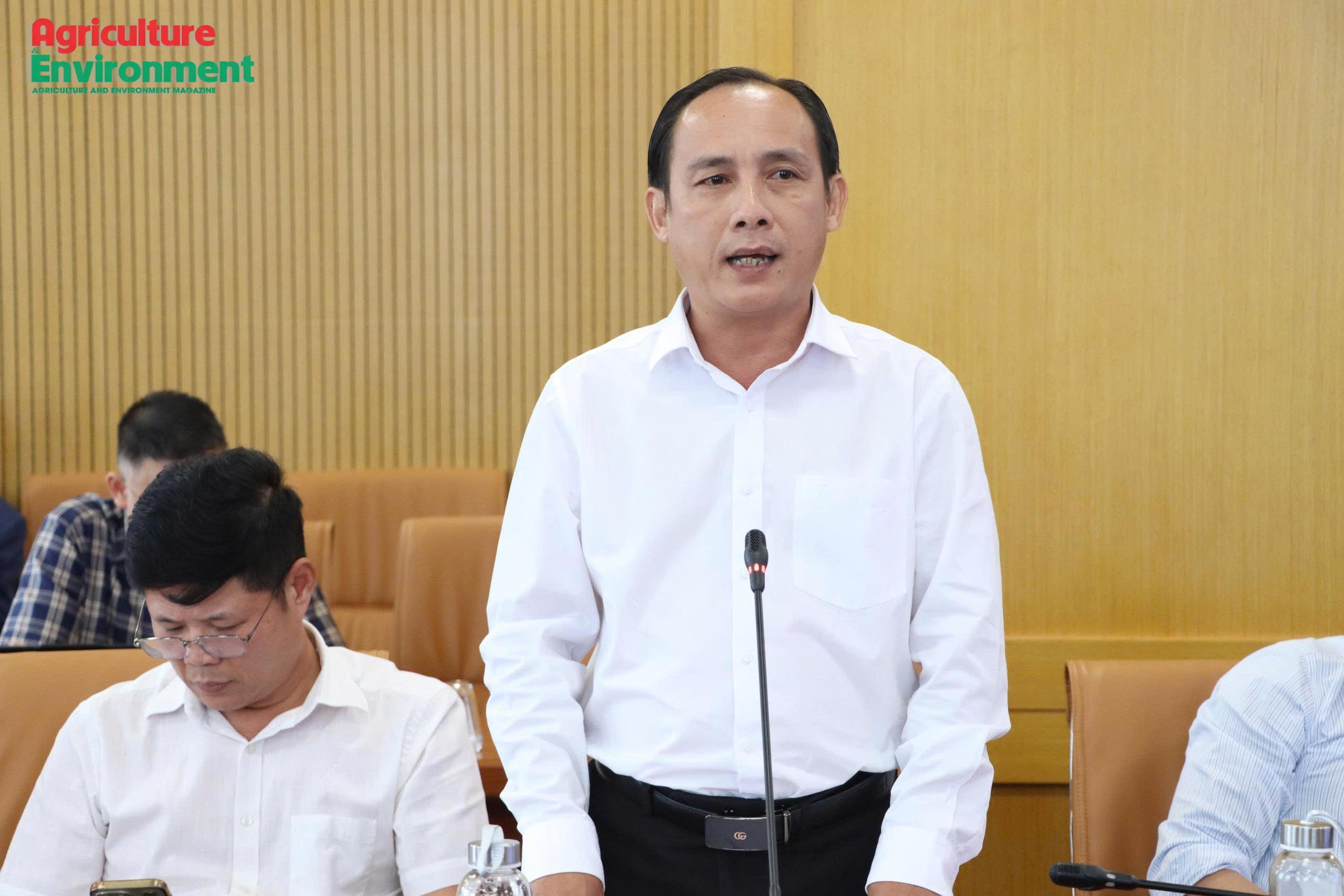
The association recommended that the ministry review and standardize coconut raw material areas nationwide, and recognize investment in raw material zones as part of enterprise projects to facilitate access to long-term credit.
In aquaculture, Nguyen Huu Dung, Chairman of the Vietnam Mariculture Association, said the sector has significant growth potential but is constrained by issues related to sea allocation and marine spatial planning. Despite guiding decrees, many localities have yet to grant long-term sea-use rights to enterprises due to the lack of detailed planning and clear legal frameworks. High upfront sea-use fees in some areas also deter investment.
The association proposed waiving sea-use fees for the first three to five years, providing disaster insurance support, training human resources, and developing “modern mariculture villages” along industrial cluster lines to build large-scale supply chains.
Enhancing the role of industry associations in exports
In his closing remarks, Deputy Minister of Agriculture and Environment Vo Van Hung affirmed that the Ministry of Agriculture and Environment remains committed to accompanying, listening to, and addressing difficulties faced by businesses, producers and industry associations. He said the proposals raised at the conference were practical and reflected the current state of agro-forestry-fishery exports amid market fluctuations.
Reviewing export performance, he noted that the sector recorded more than $70 billion in export turnover in 2025, describing it as a significant achievement given global market volatility. For 2026, the sector aims to exceed $73 billion and strives to reach $75 billion. To achieve this, he stressed the need to reorganize production in line with market signals and enhance the sustainability of value chains. Without proactive supply-demand regulation and close monitoring of markets, the sector risks becoming reactive, he said.
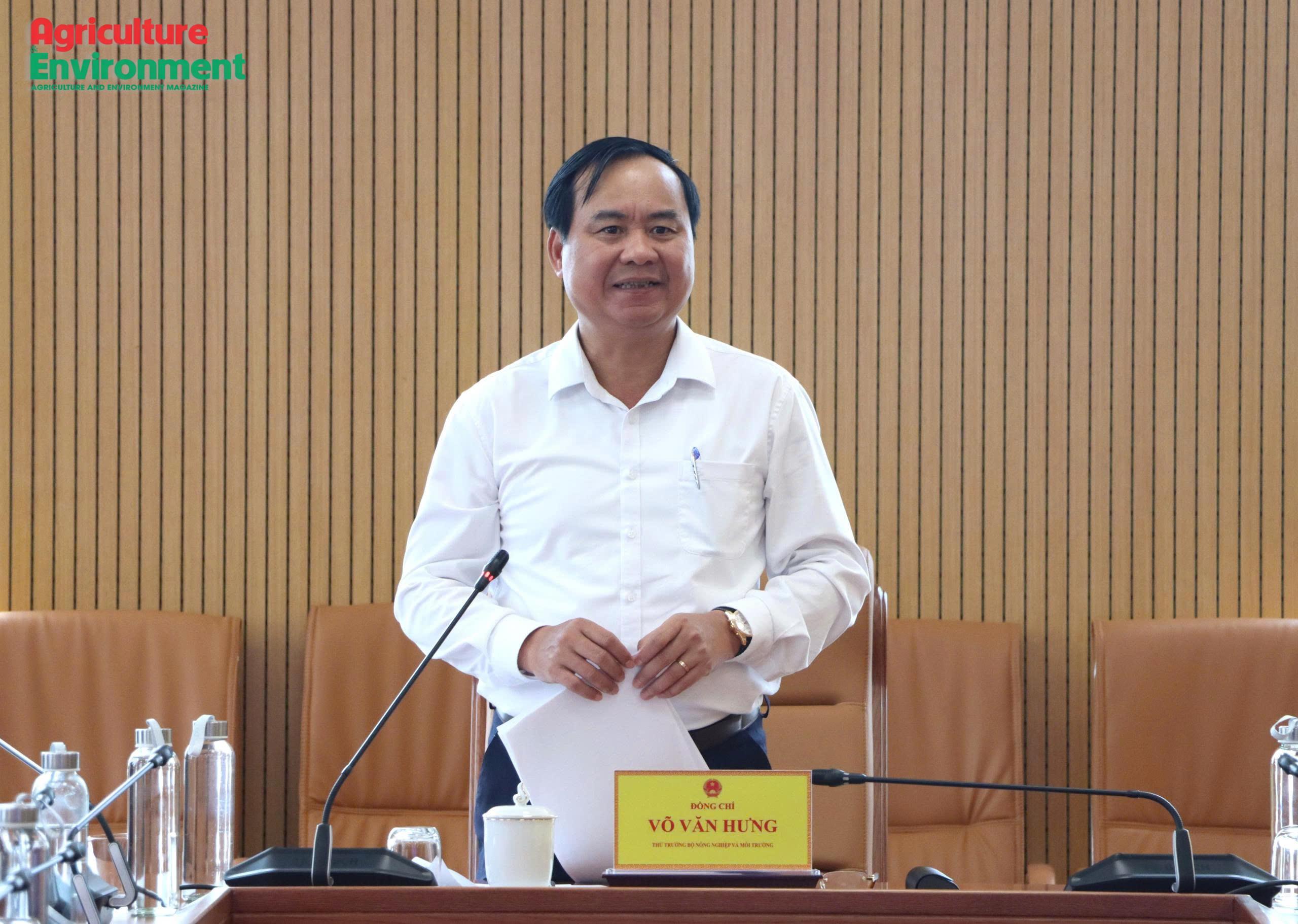
The Deputy Minister also highlighted the increasingly important role of industry associations in gathering information, reflecting challenges, guiding markets and supporting production linkages. While export growth in the first four months remained positive, with several sectors expanding by over 20%, geopolitical conflicts, logistics disruptions and shifts in global trade policies require a transition from a production mindset to an agricultural economy approach, with the market at its core.
Regarding specific proposals, Deputy Minister Vo Van Hung said the ministry had taken note of recommendations from industry associations and assigned the Authority of Quality, Processing and Market Development to coordinate with relevant units to compile and address them. Relevant units were instructed to respond to associations before May 15.
To accelerate information processing and policy feedback, he called for the establishment of direct communication channels between ministry leaders, specialized agencies and industry associations via digital platforms, including shared discussion groups to promptly handle emerging issues. Such coordination, he said, should ensure clear responsibilities and a strong focus on efficiency.
Enhanced coordination between regulators, associations and businesses in updating market information, addressing bottlenecks and strengthening adaptability is expected to provide a foundation for improving the competitiveness of Vietnamese agricultural products, expanding markets and achieving sustainable export growth in the coming period.

The discussion session "Unlocking opportunities in solid waste management and recycling in Vietnam" served as a platform to translate commitments into concrete actions, reinforcing cooperation between Belgium and Vietnam in this critical sector.
On April 1, Deputy Minister of Agriculture and Environment Phung Duc Tien met with a delegation from the Belarusian Ministry of Agriculture and Food, led by Deputy Minister Ivan Smilgin, to discuss enhancing economic and trade relations between Vietnam and Belarus.
International cooperation plays a crucial role in addressing the challenges of climate change and water resource management in the Mekong River Basin. This message was emphasized by Minister of Agriculture and Environment, Do Duc Duy, during his meeting with Ms. Busadee Santipitaks, CEO of the Mekong River Commission (MRC) Secretariat, on March 20.
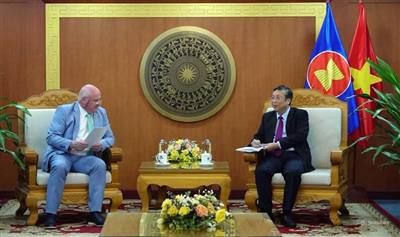
Vietnam and Ireland are working to facilitate mutual market access for their agricultural products, particularly fruits, as part of broader efforts to enhance bilateral trade in the sector. This commitment was reaffirmed during a meeting between Vietnam’s Deputy Minister of Agriculture and Environment, Hoang Trung, and Ireland’s Minister of State at the Department of Agriculture, Food, Fisheries and the Marine, Noel Grealish, on March 13.
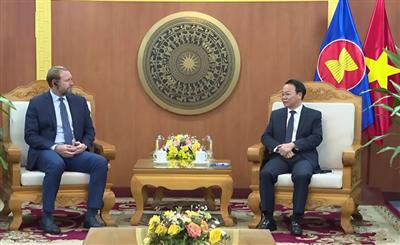
Vietnam is reaffirming its commitment to fostering a favorable investment environment for wind energy development, as highlighted during a recent meeting between Minister of Agriculture and Environment Do Duc Duy and Mr. Nate Franklin, Founder and CEO of Pacifico Energy, a leading U.S. renewable energy corporation.