



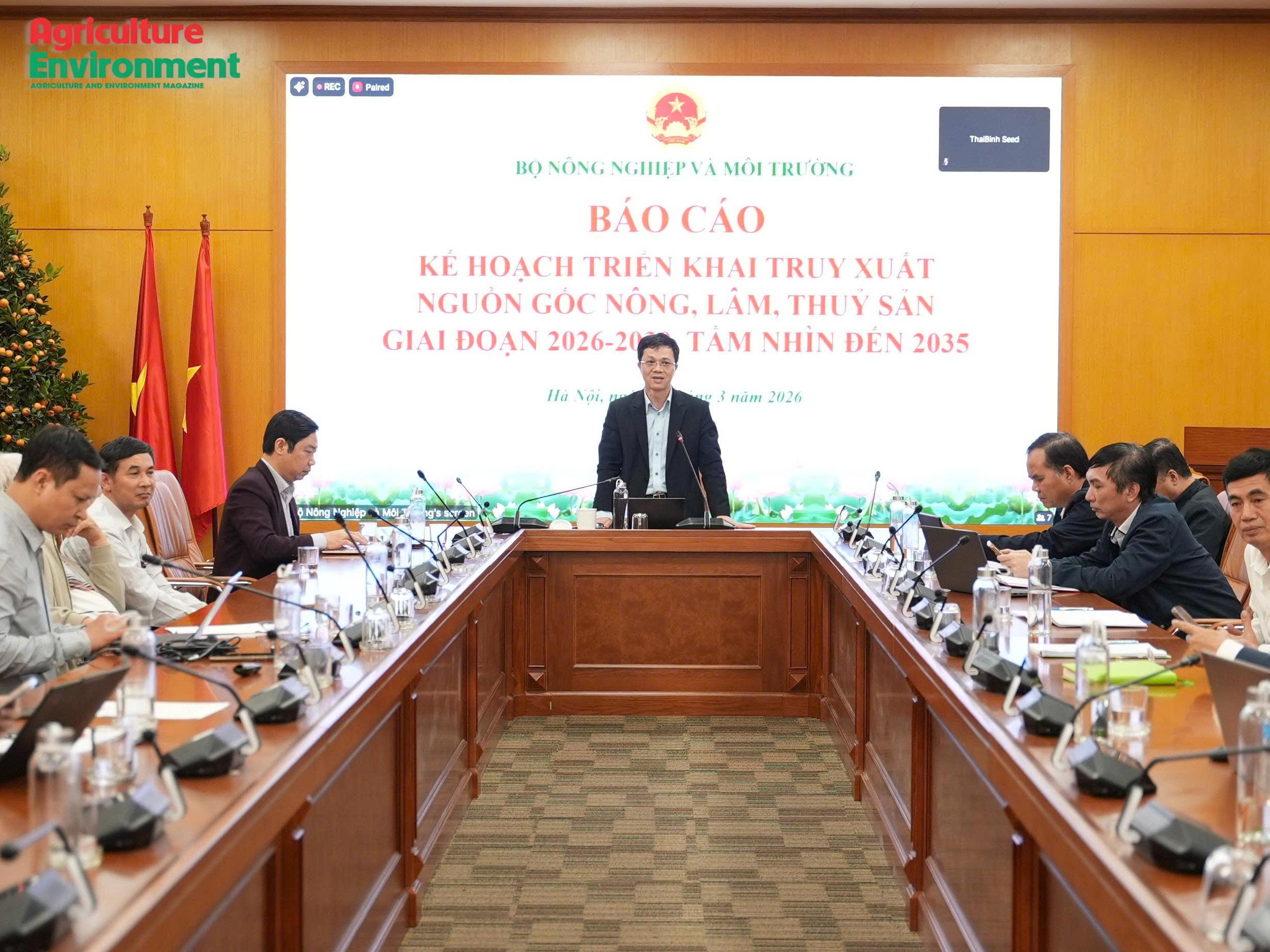
 The Ministry of Agriculture and Environment held a meeting on March 10 to present a plan for implementing traceability systems for agricultural, forestry and fishery products for 2026–2030, with a vision to 2035. The meeting was chaired by Dr. Nguyen Van Long, Director of the Department of Science and Technology.
Chain-based traceability system takes shape
Deputy Director of the Department of Science and Technology Nguyen Quang Tin under the Ministry of Agriculture and Environment said developing traceability systems for agricultural, forestry and fishery products is an urgent requirement to meet modern supply chain governance trends and rising transparency demands in international markets.
In recent years, the ministry has gradually improved the legal framework and piloted traceability for the durian sector, while building a data management system to support chain-based traceability.
Deputy Director Nguyen Quang Tin said the system is designed to ensure end-to-end management from growing areas, procurement, packaging, quarantine to export. Each consignment will be assigned a unified identification code, with data centrally recorded, ensuring both forward traceability and backward traceability for each consignment. The system will also enable real-time monitoring for regulators.
However, implementation faces challenges. Agricultural production and procurement remain fragmented and small-scale, while export consignments are often aggregated from multiple growing areas. In addition, data across stages—including growing areas, packing facilities, quarantine, commercial in voices, taxation and customs—are not yet fully integrated, requiring businesses to submit repeated declarations and reducing the efficiency of supply chain management.
Under the ministry’s roadmap, from July 1, 2026, traceability mechanisms will be gradually applied to key export products, initially including durian, dragon fruit, bananas and mangoes. The system is expected to enhance transparency, quality control and origin traceability, thereby protecting the reputation and improving the global standing of Vietnamese agricultural products.
Ministry accelerates rollout of traceability framework
At the meeting, Dr. Nguyen Van Long emphasized that the development and operation of traceability systems have received significant attention from the Party and the State, particularly amid growing concerns over food safety and consumer health.
The ministry has taken initial steps, including developing and piloting a traceability system for durian. Since October 2025, relevant units have coordinated closely, including during public holidays, to complete the system and assess its practical applicability.
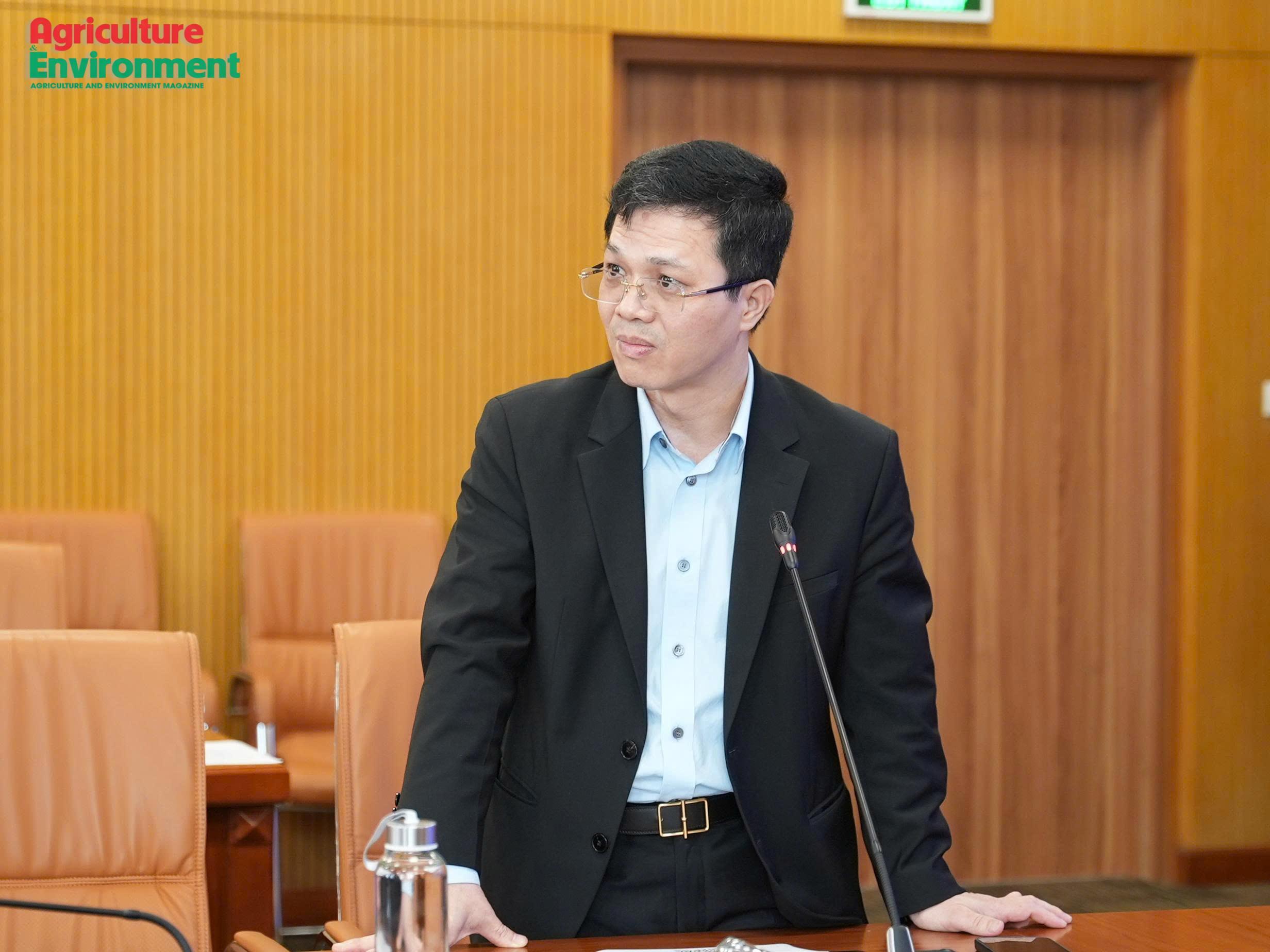
To ensure effective and sustainable implementation, the ministry is developing a comprehensive project on agricultural product traceability systems from 2026 onward. The process will involve consultations with specialized departments, scientists, technology experts and businesses directly implementing traceability solutions. Broad consultation is intended to ensure technical solutions are feasible, aligned with production and business realities, and avoid policies that are difficult to implement.
Dr. Nguyen Van Long stressed that a robust traceability system requires clear legal foundations and operational procedures. The ministry is drafting a circular to guide implementation while monitoring the development of a decree on traceability led by the Ministry of Public Security, expected to be completed in the second quarter of this year.
The ministry will also issue a list of high-risk commodities subject to mandatory traceability and develop an appropriate implementation roadmap. Technical regulations, standards and national technical regulations will continue to be refined.
It has also requested coordination from local authorities, noting that effective traceability requires synchronized participation from ministries, sectors, localities and the business community.
The ministry is encouraging leading enterprises in sectors such as crop production, export, coffee, fisheries and livestock to participate in pilot models. Selecting representative products and large enterprises with established management systems is expected to facilitate system development and operation, and provide a basis for broader rollout across the sector.
Legal and technical frameworks to be further strengthened
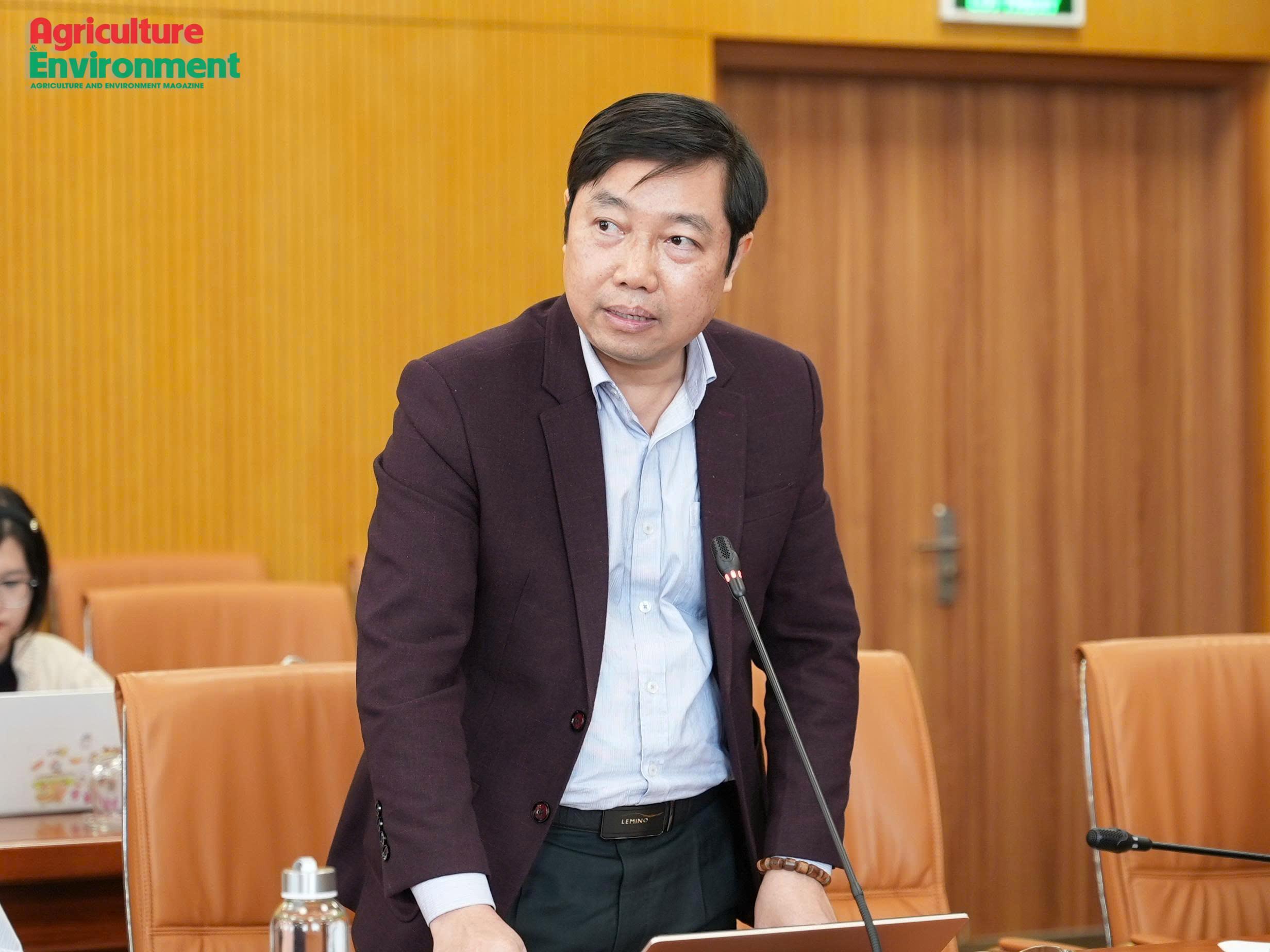
Deputy Director of the Plant Production and Protection Department Nguyen Quang Hieu said expanding the number ogrowing areas granted planting area codes is essential to improve the effectiveness of the durian traceability system. This would facilitate data linkage between traceability systems and actual procurement volumes of enterprises.
As more growing areas are granted codes, a synchronized traceability chain can be established from production and harvesting to packaging and export. He also called for optimizing data entry processes by simplifying information fields, reducing duplication and increasing automation to support businesses and stakeholders.
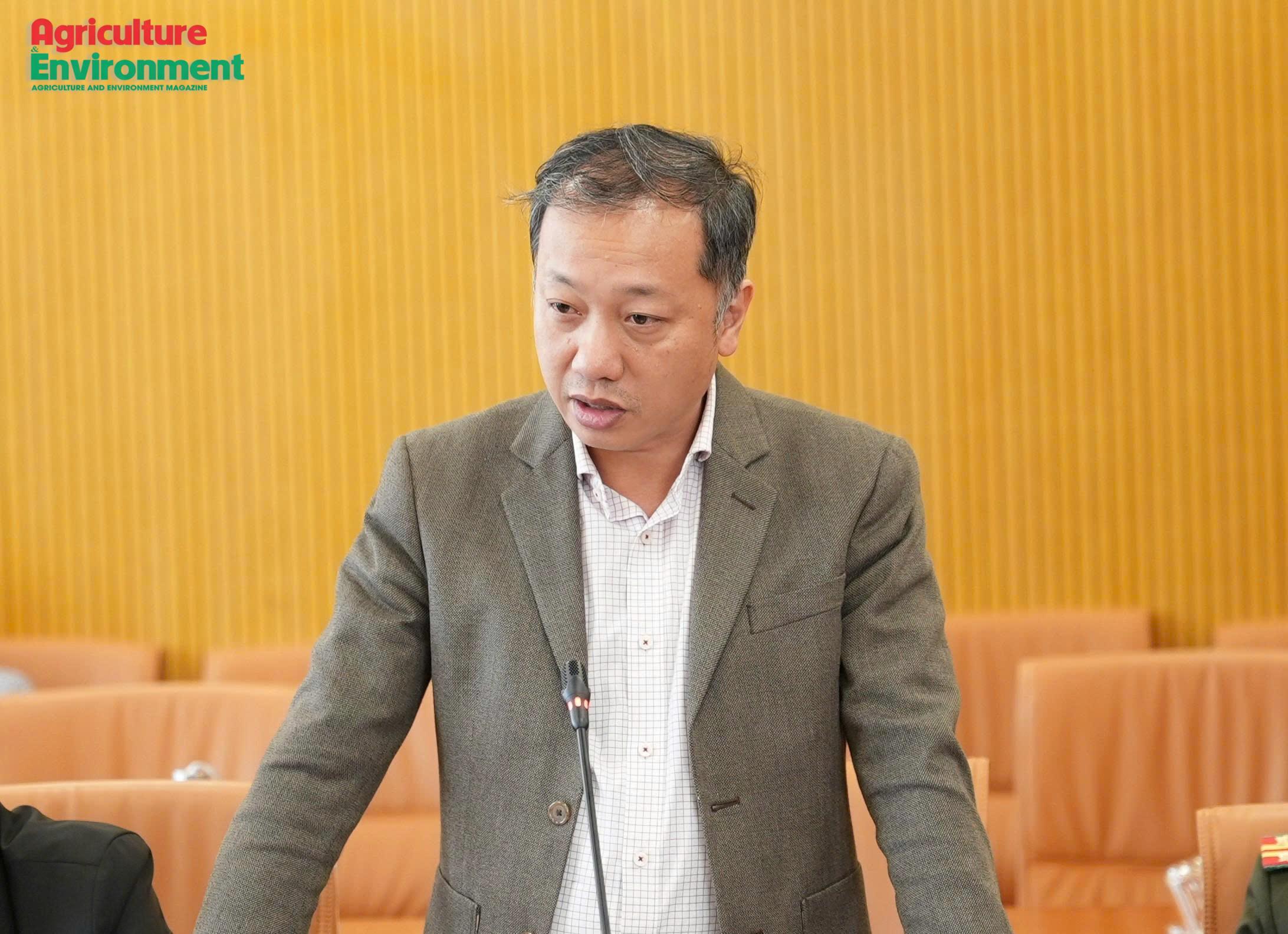
In the coming period, technical solutions such as mobile applications for data entry at growing areas, data integration mechanisms between the ministry’s system and enterprise systems, and online registration functions should be developed to facilitate participation.
At the same time, communication and training at the local level should be strengthened to raise awareness among farmers and cooperatives about the role of traceability. Production linkages along value chains should be encouraged to facilitate data recording and management. Traceability labels should be applied flexibly in line with production realities, while mechanisms should be developed to capture information from intermediaries in procurement chains to ensure the system accurately reflects product flows from growing areas to enterprises.
Deputy Director of the Department of Animal Health and Production Pham Kim Dang proposed reviewing and improving the legal framework on traceability, including detailed regulations for specific groups of agricultural and fishery products and clarifying the responsibilities of stakeholders in the supply chain.
He also highlighted the need to promote digital technologies such as QR codes, blockchain and electronic databases to manage and enhance the transparency of product information.
In addition to policy improvements and technology adoption, Pham Kim Dang stressed the importance of reorganizing production along value chains from production to consumption, leveraging the role of cooperatives and enterprises in managing traceability. Strengthening inspection and supervision, ensuring accurate production records, and strictly handling origin fraud are also necessary.
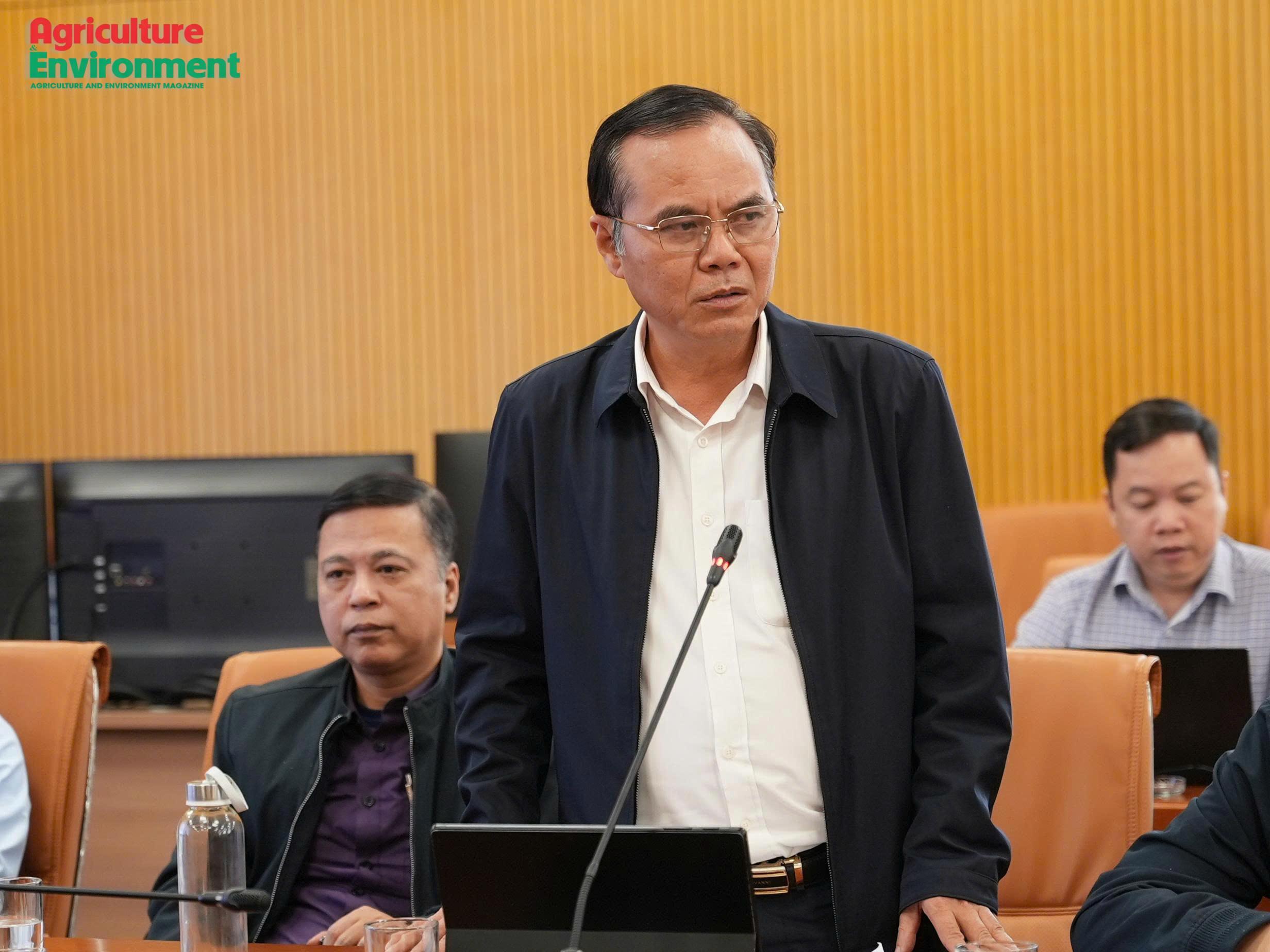
Raising awareness among producers and consumers remains a key factor, including training farmers to maintain production logs and encouraging consumers to choose products with clear origin information.
The meeting concluded that traceability is not only a technical requirement of the market but also a critical tool for managing agricultural value chains. Completing chain-based traceability systems and connecting data from production areas to export stages will enhance governance capacity in the agricultural sector and help Vietnamese products meet increasingly stringent international standards.
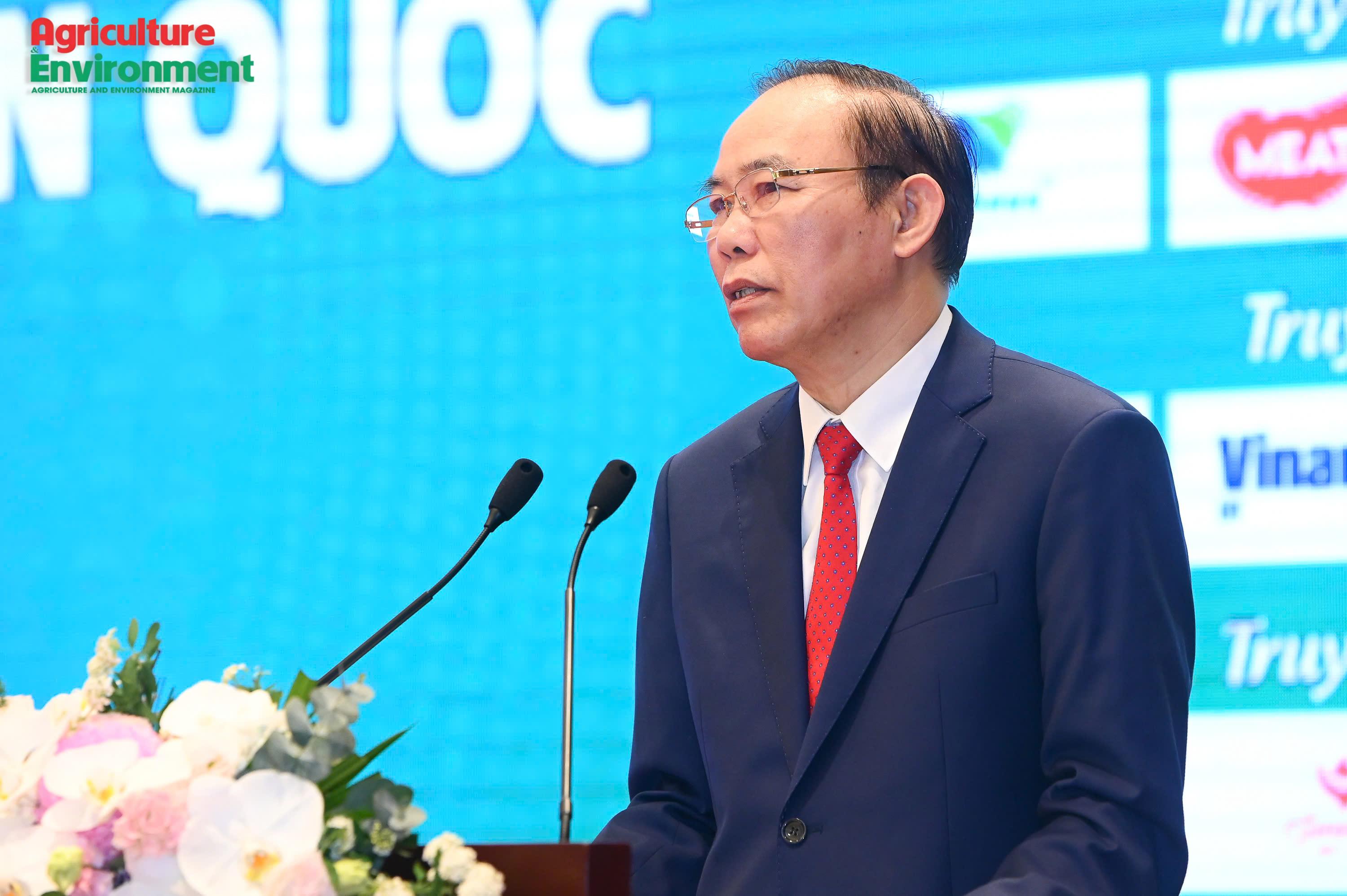
At the first National Conference on Science and Technology for Livestock and Veterinary Development, Deputy Minister of Agriculture and Environment Phung Duc Tien said science and technology are not only drivers of growth but decisive factors shaping productivity, quality and the sector’s position. He also outlined key priorities for research institutions, regulators and businesses in the coming period.
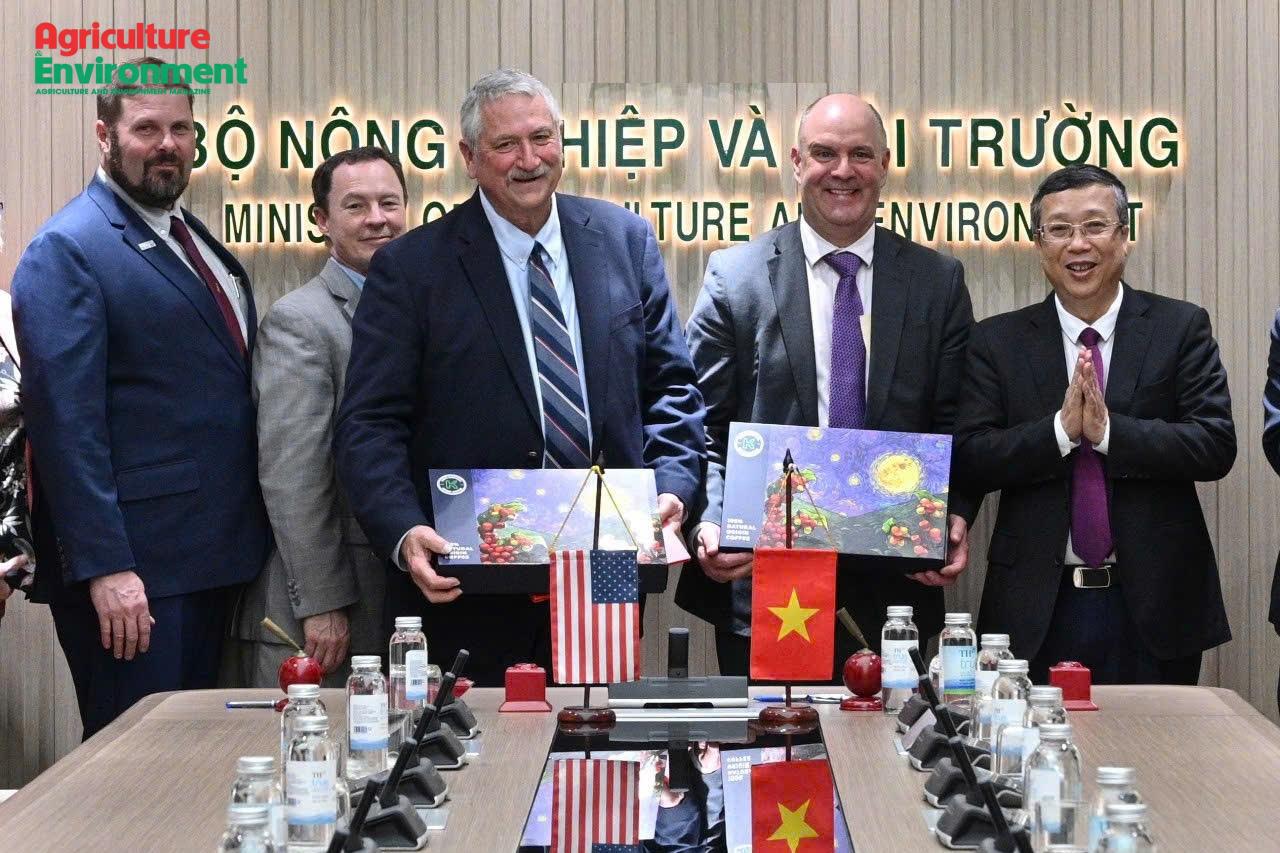
Viet Nam’s Ministry of Agriculture and Environment and partners from the U.S. state of Ohio have signed a memorandum of understanding on soybean cooperation, aiming to expand trade, secure feed supply chains, and promote technology transfer, Deputy Minister Hoang Trung said at a meeting on March 27.
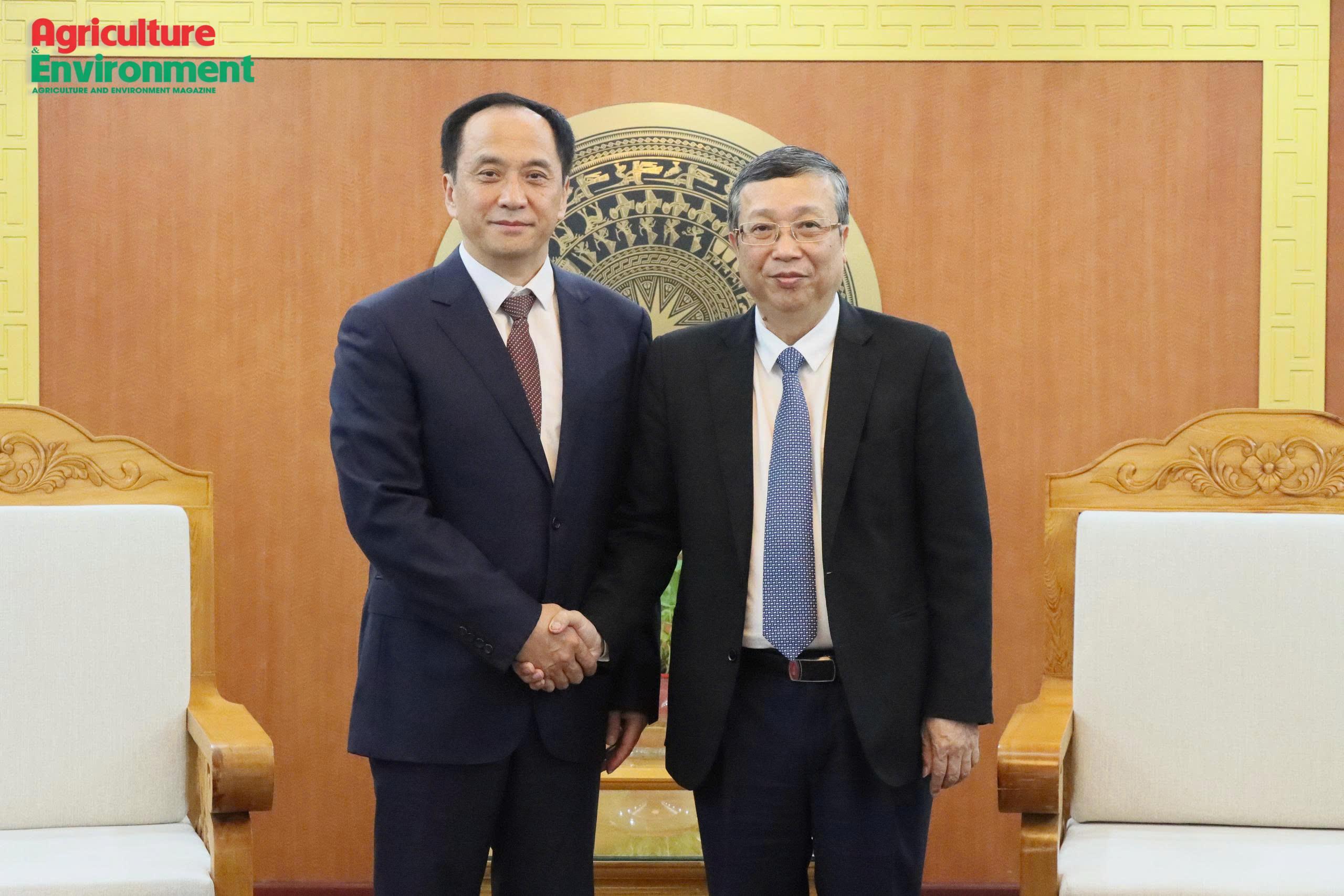
Building on a memorandum of understanding (MoU) signed in September 2023, Viet Nam and China’s Guangxi Zhuang Autonomous Region are advancing cooperation in agriculture and environment, focusing on smart agriculture, agri-product trade, fisheries, and cross-border disease control, with the aim of developing seamless and sustainable supply chains.
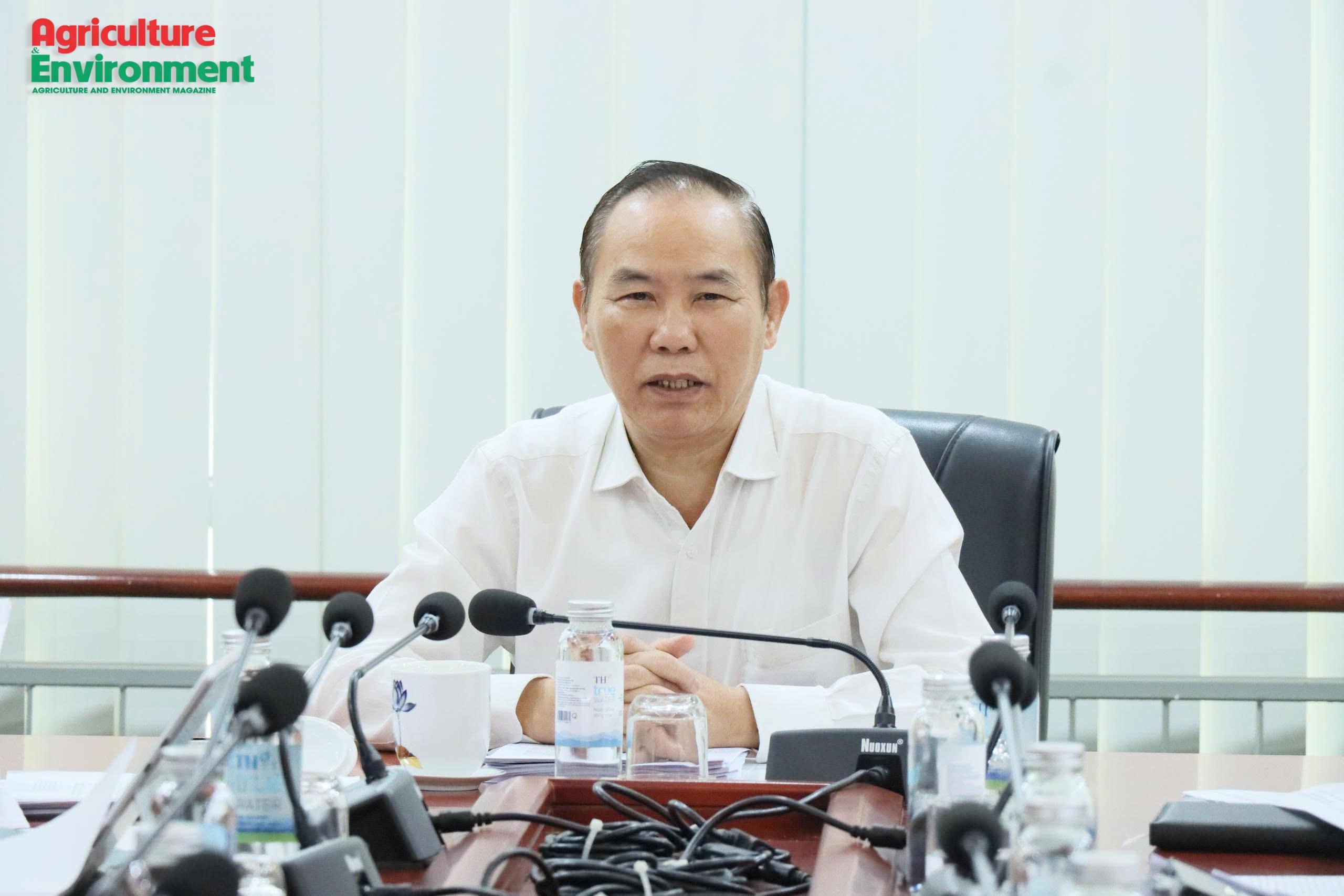
Deputy Minister Phung Duc Tien stressed that the development of science and technology programs in the fisheries sector must be grounded in practical needs and focused on key priorities, in order to deliver highly applicable and scalable results, thereby promoting innovation and supporting the sector’s modern and sustainable development.
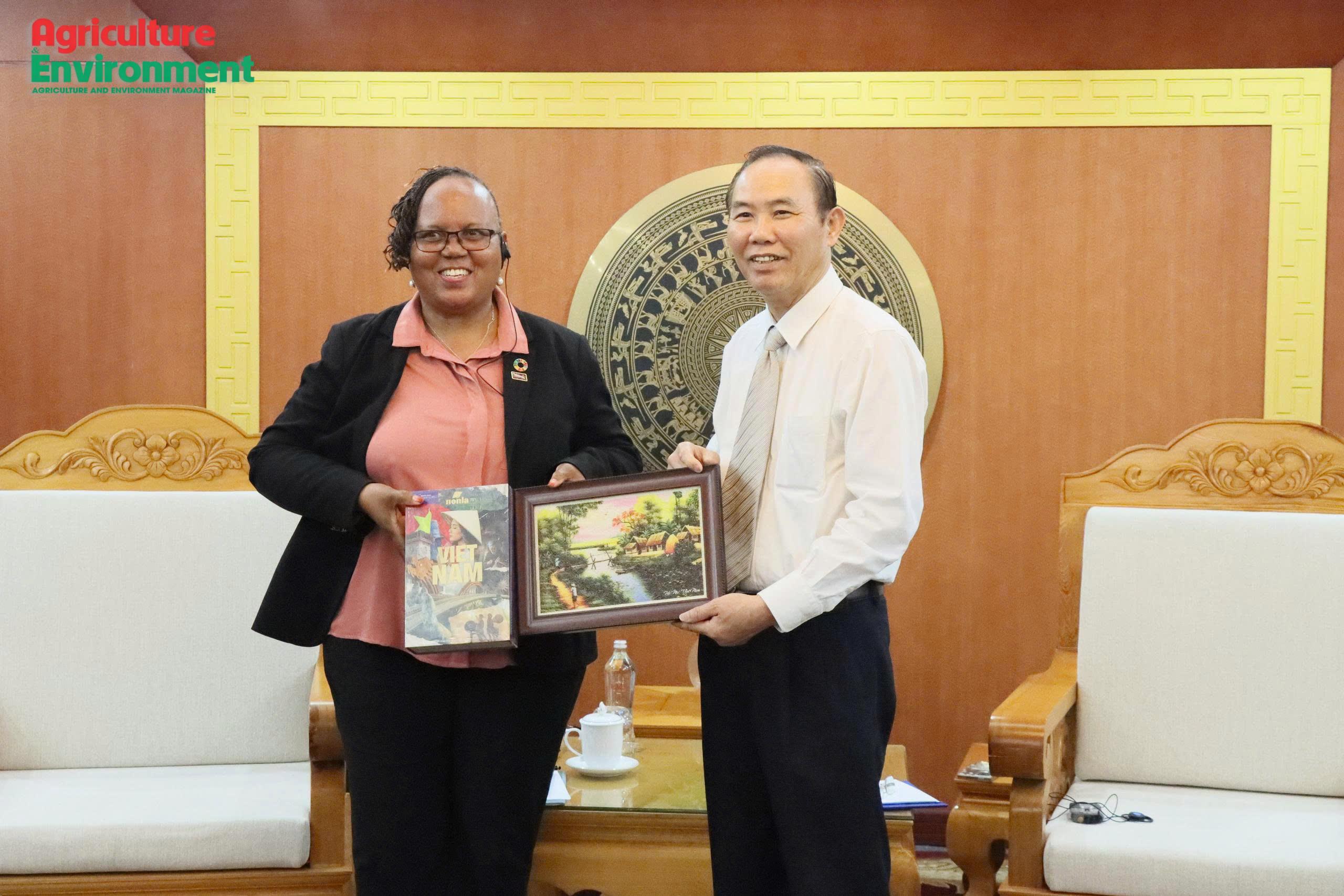
On March 23, the Ministry of Agriculture and Environment and the International Livestock Research Institute (ILRI) agreed to strengthen cooperation in sustainable livestock development, food safety, disease prevention and control, and the transformation of food systems toward modernization and climate resilience.