



 Reducing food loss and waste is not only about preventing food from being discarded. It also requires retaining and circulating value throughout the food system, from production and processing to distribution and consumption.
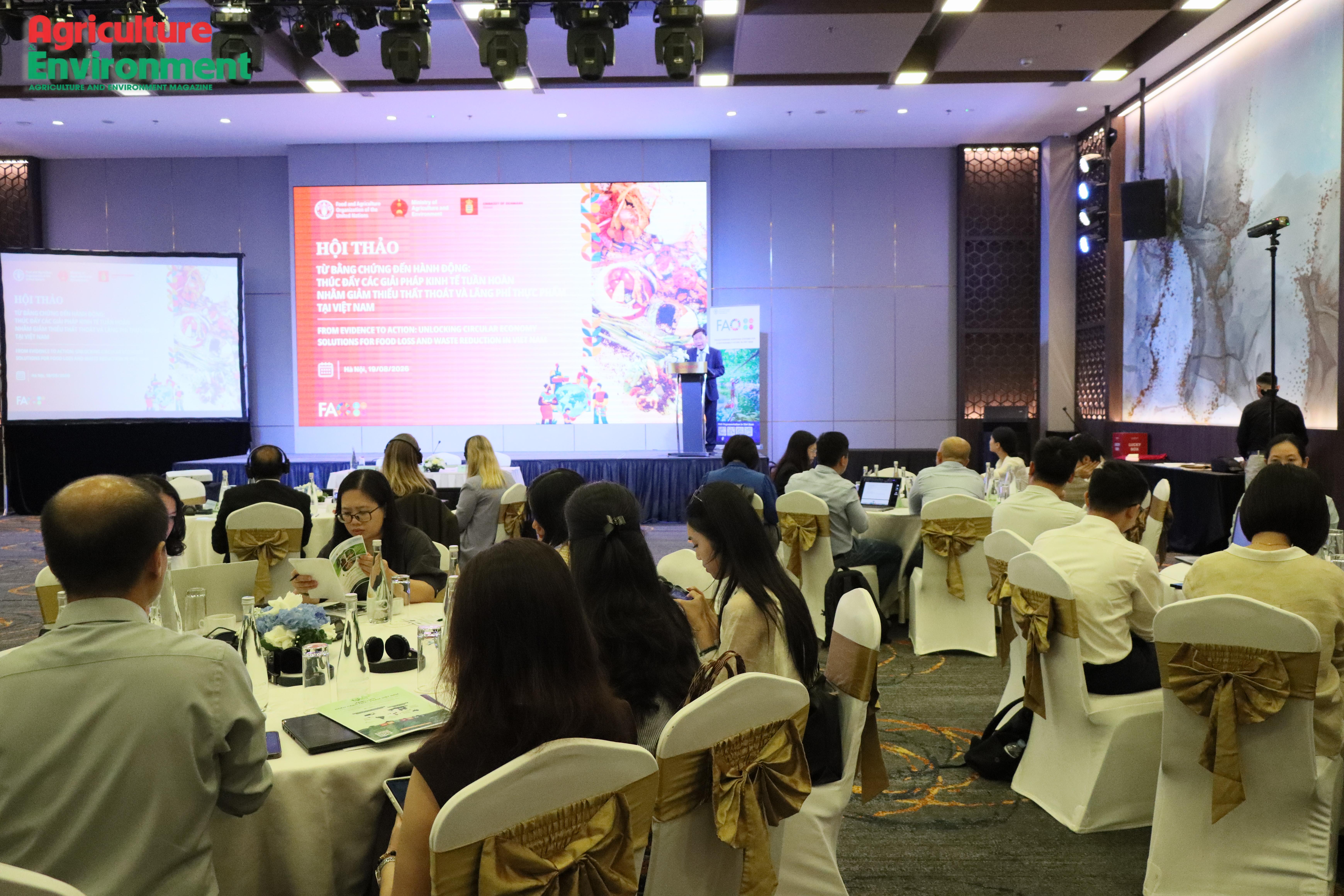
The issue was highlighted at the workshop “From evidence to action: Unlocking circular economy solutions for food loss and waste reduction in Viet Nam”, jointly organized by the Ministry of Agriculture and Environment, the Food and Agriculture Organization of the United Nations (FAO) and the Embassy of Denmark in Viet Nam in Hanoi on August 19.
The workshop brought together representatives from government agencies, international organizations, diplomatic missions, research institutes, universities, industry associations, businesses, cooperatives and development partners to share evidence and experience and discuss solutions that can be scaled up.
Food loss remains significant across value chains
Opening the workshop, Nguyen Do Anh Tuan, Director General of the International Cooperation Department under the Ministry of Agriculture and Environment, said food loss and waste affect food security, the environment and economic growth.
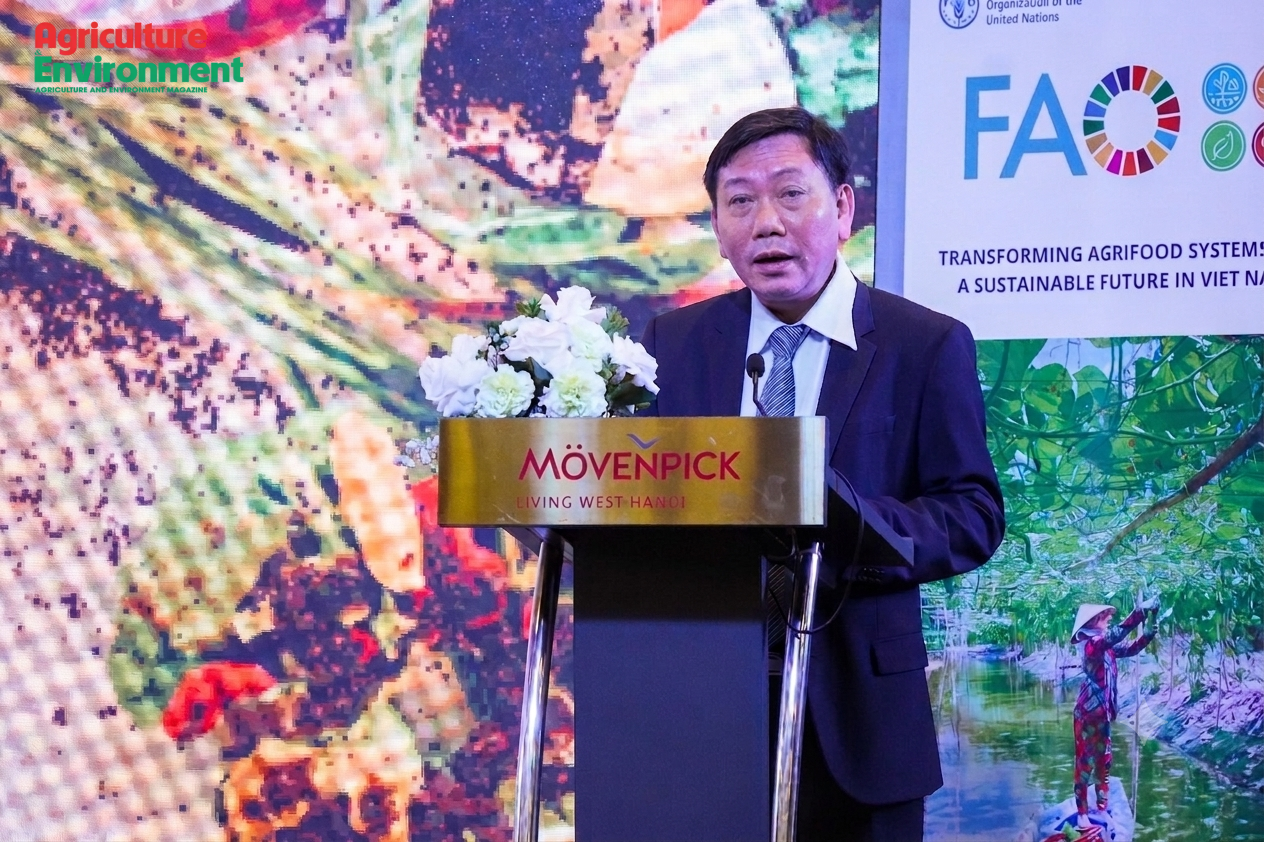
Globally, food loss and waste are estimated to cost about $1 trillion and consume resources equivalent to those used to produce food on more than 1.4 billion hectares of agricultural land and about 250 billion cubic meters of water, Nguyen Do Anh Tuan said. These figures do not include resources used in processing, transportation and other stages of food supply chains.
Food loss and waste are also estimated to account for about 8% of global greenhouse gas emissions, at a time when natural resources are being depleted and climate change is intensifying.
In Viet Nam, post-harvest losses and food waste remain significant. Nguyen Do Anh Tuan cited survey findings indicating that losses could range from 10% to 25% across agricultural value chains. A significant amount of food produced is lost before reaching processing facilities, distribution systems or consumers. The issue is not only the volume of food lost but also production costs, Nguyen Do Anh Tuan said. Reducing losses can lower costs per unit of output and thereby improve the competitiveness of agricultural products.
Another avenue is to turn agricultural by-products into additional sources of value. Nguyen Do Anh Tuan cited examples from several sectors where by-products can be processed into products with significant economic value. Peels from pomelos, oranges and lemons, for example, can be used to produce essential oils and other products, while the coconut industry is making use of more parts of the plant rather than relying solely on its primary products.
Some sectors in Viet Nam have developed production chains that seek to make fuller use of raw materials and agricultural by-products. The fisheries sector is one of the clearer examples of this approach, Nguyen Do Anh Tuan said. However, food loss and waste remain substantial across the value chains of many other sectors, while the potential value of by-products has yet to be fully realized.
FAO urges focus on value recovery
Speaking at the workshop, Vinod Ahuja, FAO Representative in Viet Nam, said food loss and waste differ from many other environmental problems because they do not stem from a single decision or actor.
Losses can occur at multiple points, in different forms and at every stage of the value chain. This fragmented nature meant that, for a long time, no single actor considered the issue entirely its responsibility, he said.
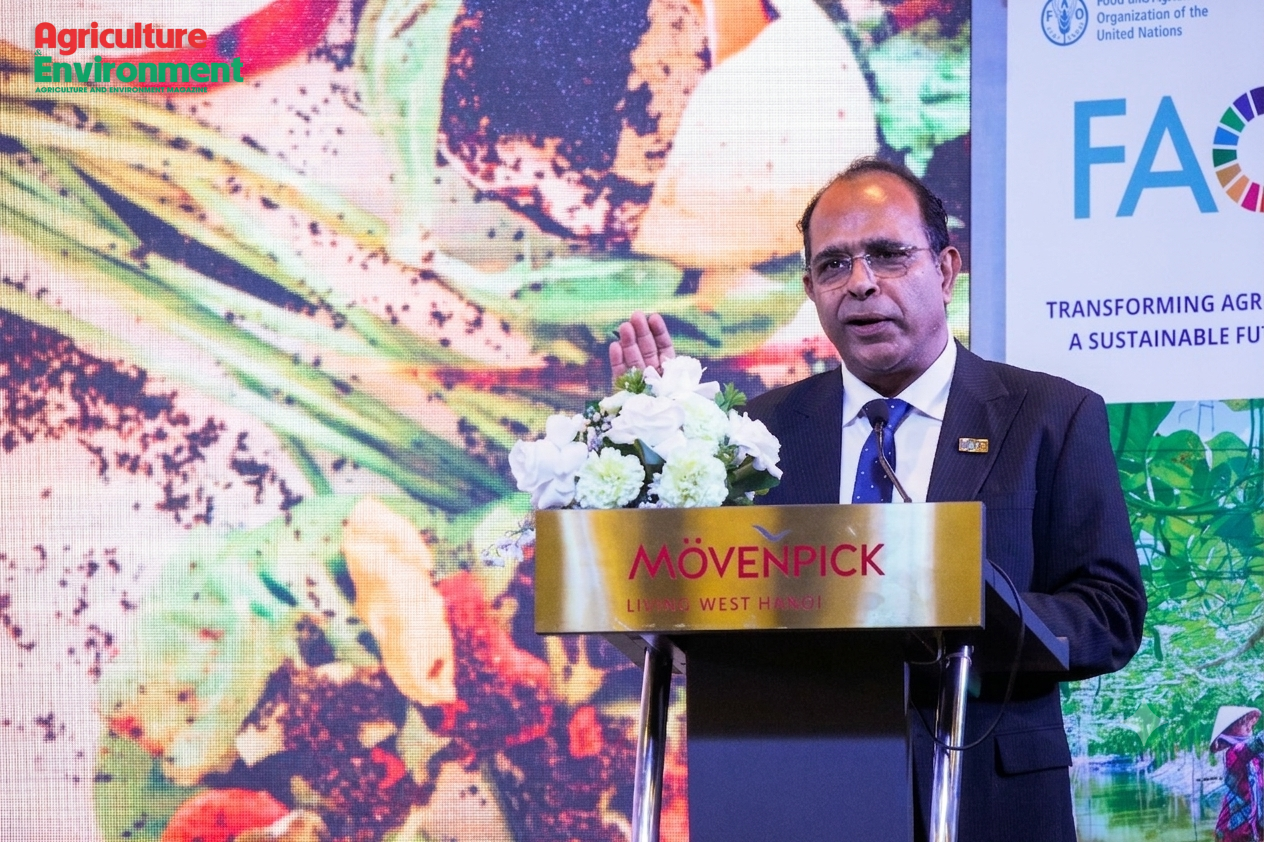
That approach is beginning to change. Globally, about 14% of food is lost between harvest and retail, equivalent to about $400 billion, according to FAO. A further 17% is wasted between retail and the consumer. Combined, food loss and waste at these stages amount to nearly one-third of all food produced.
In Viet Nam, FAO, its partners and government agencies have studied losses across several value chains, including rice, coffee, lychee, shrimp, tuna and pork.
Vinod Ahuja said the approach to food loss and waste needs to be broadened. Preventing losses and waste must remain the first priority, but when some losses cannot be avoided, the next question is how to recover value from what remains. Food that is still safe for consumption should be used as food. Food banks, for example, can help connect surplus food with people who need it.
For food that is no longer suitable for human consumption, as well as agricultural residues such as straw and husks and other processing by-products, there can still be considerable economic value. Such materials can be used for animal feed, fertilizer, energy, mushroom cultivation or as inputs for new products.
“The ambition is not simply to produce less waste, but to make sure that value continues to circulate in the food system for as long as possible and that we capture as much of that value as we can,” Vinod Ahuja said.
This approach is closely aligned with the circular economy, which seeks not only to reduce waste but also to extend the useful life and value of materials within the system.
Policy and market gaps hinder wider adoption
One of the major challenges highlighted by the speakers is the gap between effective small-scale models and their wider adoption.
Viet Nam has developed a number of notable pilot projects and initiatives, Vinod Ahuja said. However, a solution that works well for one business, cooperative or locality cannot necessarily be applied automatically under different conditions.
Scaling up therefore depends on more than technology. Technology will not spread if the economics do not work; businesses will be reluctant to invest if regulations are unclear; and farmers will be less likely to change their practices if markets do not provide sufficient incentives.
Policies, coordination mechanisms and market conditions therefore need to be designed to create an environment in which effective solutions can expand, he said.
This is also a focus of the draft White Paper on food loss and waste in Viet Nam, jointly prepared by the Institute of Strategy and Policy on Agriculture and Environment (ISPAE) and FAO. The draft was presented at the workshop as an evidence base to support policymaking, while also inviting comments and recommendations from relevant stakeholders.
The workshop also presented a range of circular economy models and solutions currently being implemented, including post-harvest preservation technologies such as rice dryers and modified atmosphere packaging (MAP), as well as the conversion of agricultural by-products into organic fertilizers, straw mushrooms and straw pellets. Other solutions focused on optimizing pork and poultry value chains and the brewing industry.
A multi-stakeholder discussion examined barriers related to policy, finance and technical standards and considered the conditions needed to commercialize and scale up such models.
Four priorities to reduce food loss and waste
According to Nguyen Do Anh Tuan, the Ministry of Agriculture and Environment will prioritize several groups of measures in the coming period.
First, it will improve policies to promote high-tech agriculture, strengthen mechanization and expand primary and deep processing to increase the value of agricultural products.
It will also promote domestic and international innovation networks to support the transformation of the food system toward ecological agriculture, a circular economy, lower emissions and sustainable development.
Digital transformation and the application of information technology in logistics will be another priority, with the aim of improving the movement of goods and reducing spoilage and losses. The ministry will also promote technologies for processing and reusing agricultural by-products as animal feed, biofertilizers, renewable energy and other organic products.
Another priority is to develop diverse forms of public-private partnerships to attract private investment, strengthen linkages across agricultural value chains and scale up initiatives developed by farmers, cooperatives and businesses.
Stronger value-chain linkages can also help address oversupply and the accumulation of unsold products, which can contribute to agricultural waste, Nguyen Do Anh Tuan said.
These priorities are part of the National Action Plan for the Transformation of the Food System into a Transparent, Responsible and Sustainable System by 2030, approved by the Prime Minister under Decision No. 300/QD-TTg.
Nguyen Do Anh Tuan emphasized the priority now is not only to continue identifying the scale and causes of food loss and waste, but also to move from individual studies toward an evidence base that can support decision-making; from pilot models toward scalable solutions; and from efforts by individual agencies and businesses toward coordinated action across the system.
Denmark backs cross-sector cooperation
Mette Ekeroth, Deputy Ambassador of Denmark to Viet Nam, said the participation of stakeholders from different sectors was essential because food loss and waste do not belong to any single sector or stage of the food system.
The problem spans production, processing, distribution, consumption and disposal, she said. Solutions therefore need to be implemented across value chains.
Scientific evidence can help identify where food is being lost, why losses occur and where the greatest opportunities for improvement lie, Mette Ekeroth said. But evidence alone cannot change the food system unless it is translated into action.
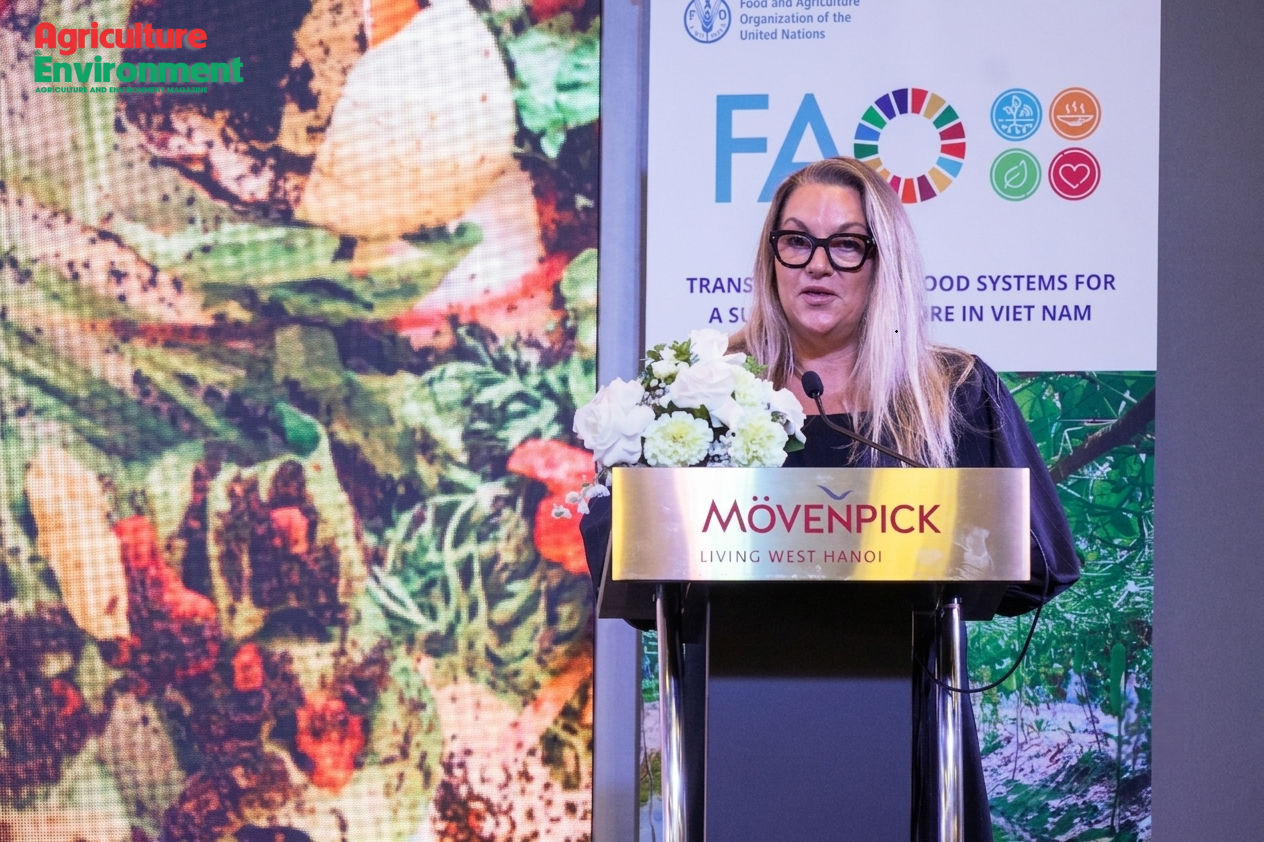
She cited the Green Hero Solution Project, a partnership between the Embassy of Denmark and FoodBank Vietnam, as an example of turning organic waste into compost for community gardens, linking waste reduction with agriculture, food and communities.
The value of an initiative lies not only in its individual results but also in whether others can learn from it, adapt it and apply it under their own conditions, she said.
“Waste is not always the end of a process. Sometimes it can be the beginning of another,” Mette Ekeroth said.
International cooperation should not simply involve transferring one country’s solutions to another, she said. Instead, partners should learn from one another, adapt experience to local conditions and identify solutions that can work in practice.
Viet Nam and Denmark are celebrating 55 years of diplomatic relations in 2026. Agriculture and food have long been important areas of bilateral cooperation, while current cooperation increasingly focuses on the green transition of food and agricultural systems, including sustainable agriculture, food safety, traceability, food loss and waste.
Food loss cuts seen as key to food security, climate goals
Participants agreed that reducing food loss and waste can deliver multiple benefits, including stronger food security and nutrition, lower greenhouse gas emissions and environmental pressures, more efficient use of resources and additional economic value.
According to Nguyen Do Anh Tuan, reducing losses also means lowering costs per unit of output and improving competitiveness. At the same time, making use of agricultural by-products can create additional products and revenue streams.
For FAO, the focus is not only on reducing the amount of food lost but also on ensuring that the remaining value continues to be used within the system for as long as possible. For Denmark, the priority is to create conditions that allow effective models to move beyond the pilot stage and be adapted and scaled up.
Comments from the workshop will be compiled to further finalize the draft White Paper and develop an inter-sectoral action coordination roadmap in the coming period.
The workshop was held ahead of the seventh International Day of Awareness of Food Loss and Waste on September 29, providing another forum for government agencies, businesses, researchers and development partners to discuss how existing evidence can be translated into practical solutions.
The issue of food loss and waste is therefore not simply about discarding less food. It is also about ensuring that food produced can reach markets and consumers or be converted into other valuable inputs instead of ending up in landfills.
Viet Nam and the United States have agreed to strengthen cooperation in developing and implementing the “Trade in Agriculture and Food Safety Expanded” (TAFSE) project under the U.S. Department of Agriculture’s Food for Progress Program.
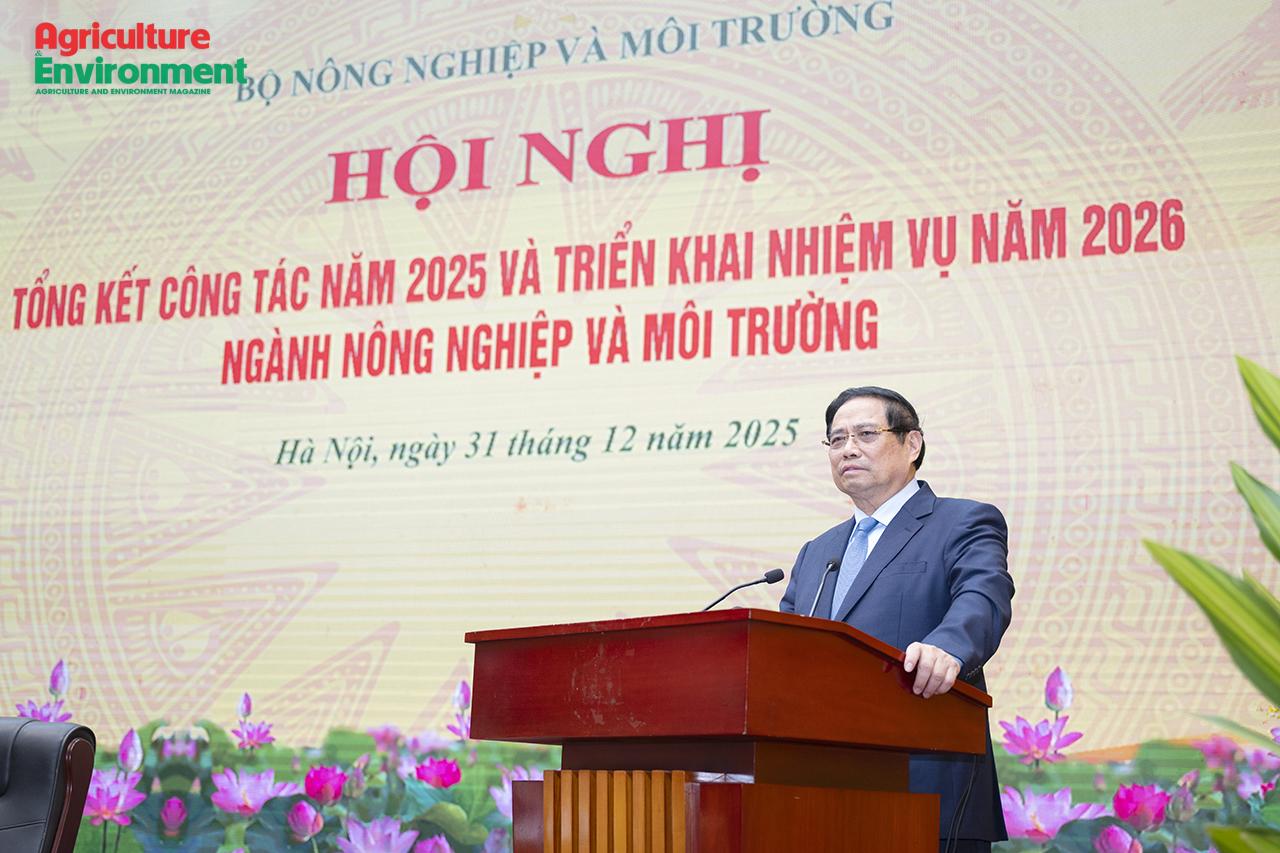
Reviewing the performance of the agriculture and environment sector in 2025 and the 2021–2025 period, Prime Minister Pham Minh Chinh emphasized the Ministry’s growing role in integrating agricultural development with natural resource governance and environmental protection, contributing to Viet Nam’s socio-economic growth and international commitments.
Amid mounting environmental challenges across the region, Viet Nam continues to uphold its role as the national focal point and coordinator in ASEAN environmental cooperation, participating fully and responsibly in regional mechanisms and cooperation programs. At the same time, practical implementation has underscored the need to renew participation approaches, moving toward greater proactiveness and closer alignment with national policy priorities.
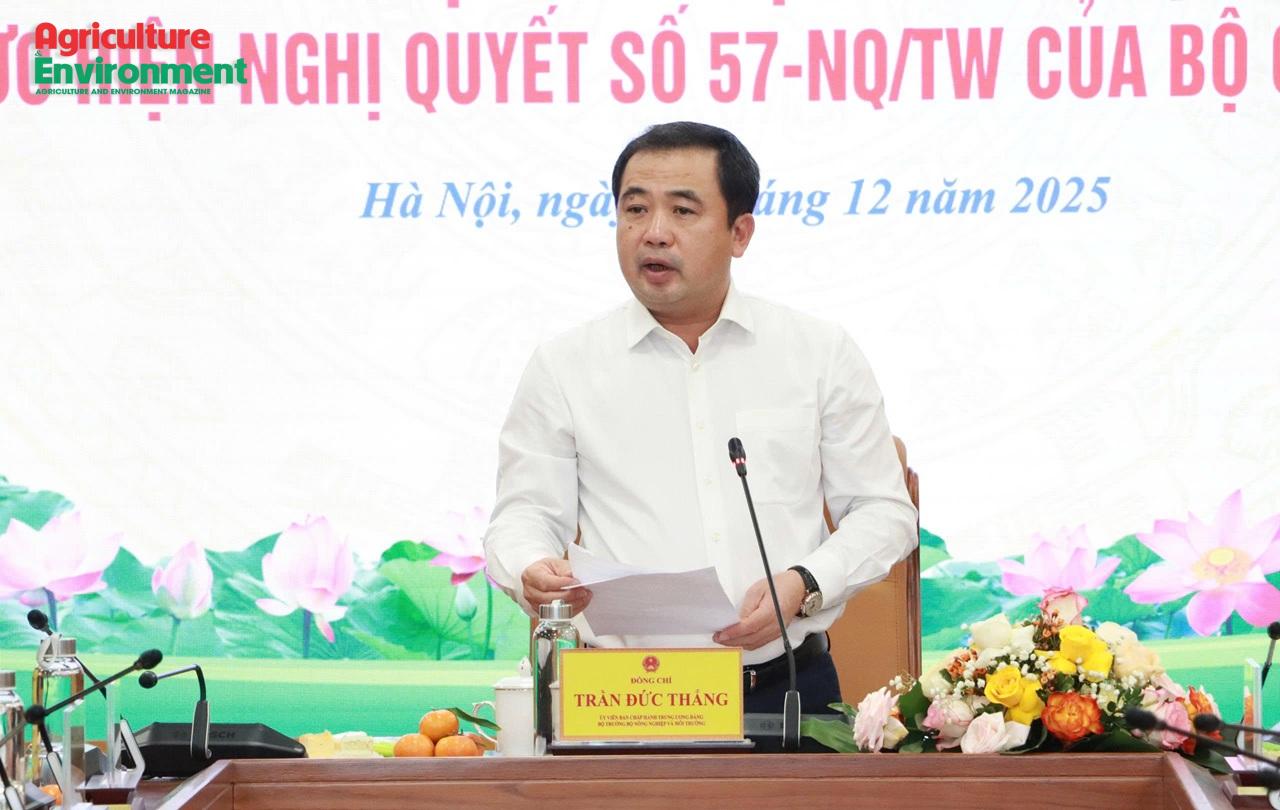
After one year of implementing Resolution No. 57-NQ/TW of the Politburo, the Ministry of Agriculture and Environment has completed a large volume of tasks related to science and technology, innovation, and digital transformation, with no overdue assignments. At a review conference held on December 23, participants assessed initial results while highlighting key challenges and priorities for the next phase, as the focus shifts from task completion to generating tangible impacts for governance, production, and livelihoods.
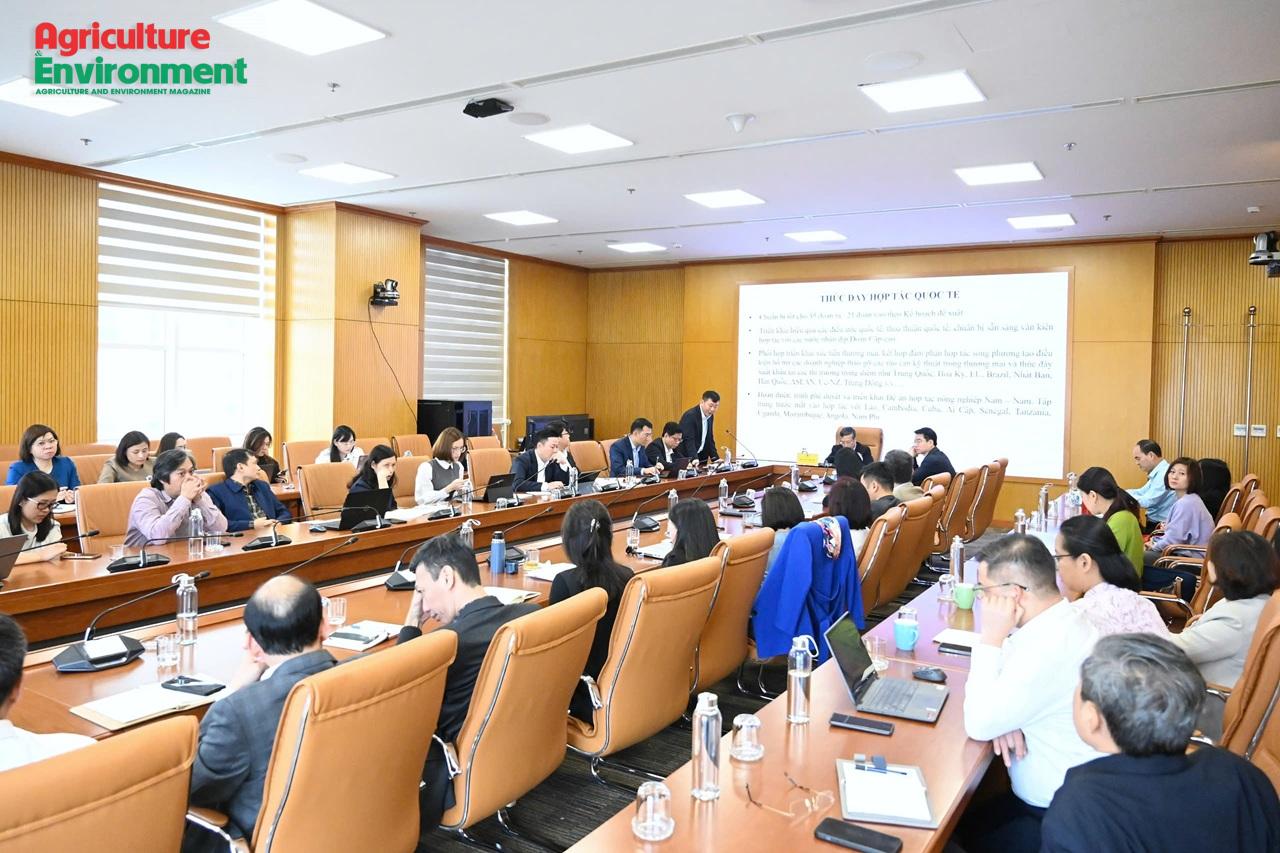
In 2025, international cooperation across Viet Nam’s agriculture and environment sector was carried out with unprecedented intensity and an increasing emphasis on substance. From policy advisory on international integration to market access negotiations and the resolution of trade barriers, the year’s results demonstrate that international integration is no longer confined to expanding external relations, but is gradually emerging as a key lever for mobilizing resources and opening new pathways for sustainable development across agriculture, forestry, fisheries, and environmental management.