



 The ongoing conflict in the Middle East is posing new challenges to global supply chains, particularly through rising energy and international logistics costs. In response, the Ministry of Agriculture and Environment is developing growth scenarios and implementing measures to minimize impacts and maintain stable production and exports.
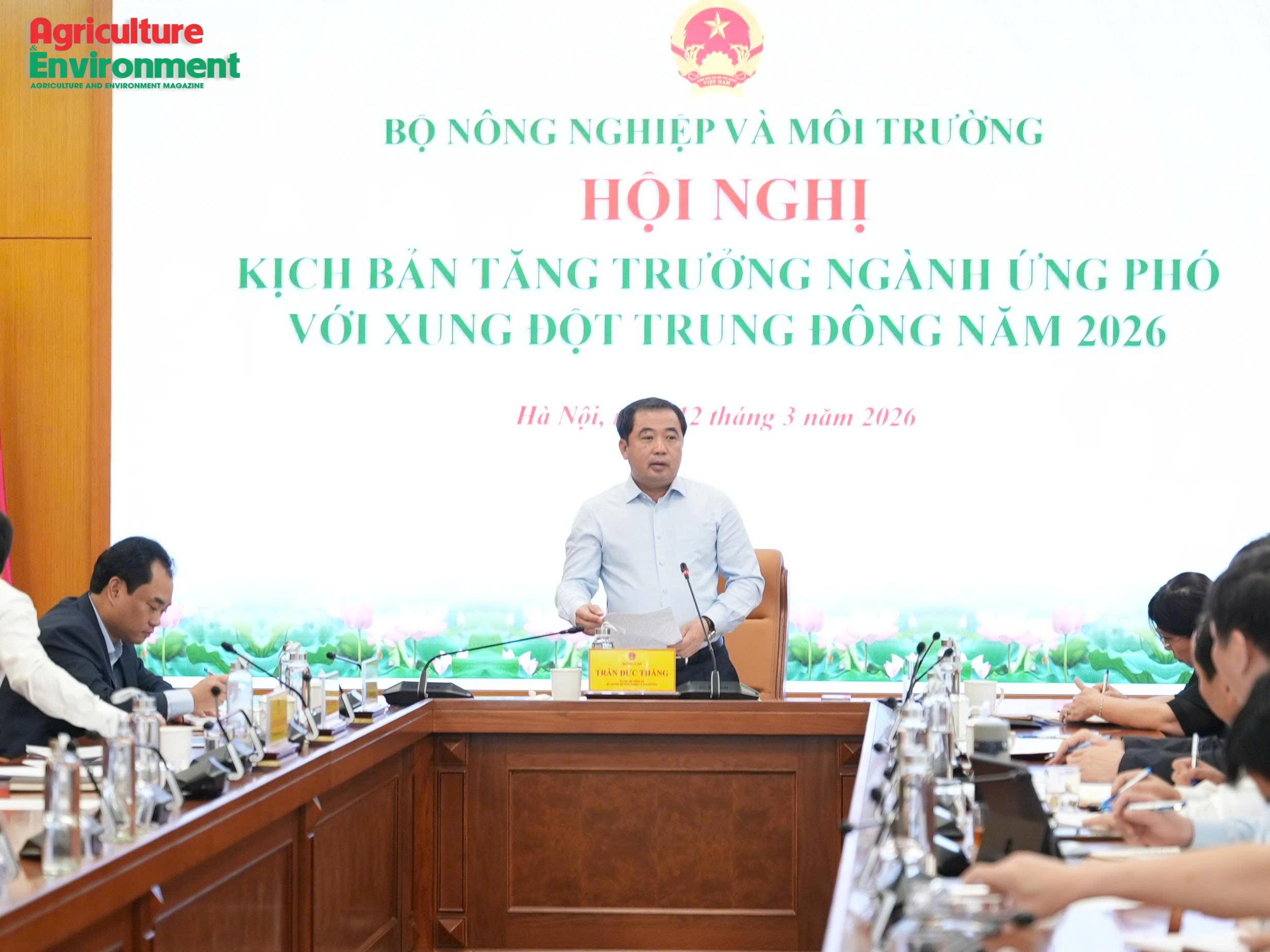
At a conference on March 12 to formulate “Growth scenarios for the agriculture sector in response to the Middle East conflict in 2026,” officials noted that while direct impacts on exports remain limited, indirect effects—especially rising production and transportation costs—could place significant pressure on the sector’s growth in the coming period.
Exports could drop by up to $8 billion under prolonged conflict scenarios
Director of the Planning and Finance Department Le Van Thanh said Viet Nam’s agro-forestry-fishery exports to the Middle East reached more than $1.74 billion in 2025, accounting for around 2–2.2% of the sector’s total export value. As a result, direct impacts via this market are considered modest in scale.
However, indirect impacts are more pronounced. The conflict has increased risks of supply chain disruptions, as well as higher energy and shipping costs, affecting export routes to the Middle East and related markets in North and Central Africa, as well as Southern, Central, Western and Northern Europe.
Production input costs are rising in line with oil prices, pushing up transportation expenses and the cost of agricultural inputs, particularly urea fertilizer. Fuel costs for offshore fishing vessels, harvesting equipment and agricultural transport have also increased, especially as the Mekong Delta enters the peak winter-spring rice harvest. Agricultural production costs are estimated to rise by 3–5%.
Export logistics are also under pressure, with maritime freight rates increasing by 25–35% and transit times extended by 7–14 days as vessels reroute to avoid high-risk areas. This has reduced the competitiveness of key export products such as wood, seafood and agricultural commodities.
In addition, tensions in the Strait of Hormuz—through which around 20% of global oil supply passes—pose risks to global economic growth, potentially weakening demand for agricultural products in some markets.
In coordination with the Statistics Office and industry associations, the ministry has developed three scenarios assessing the impact of a U.S.–Israel–Iran conflict on agro-forestry-fishery exports.
If the conflict lasts about one month, export turnover could fall by more than $1 billion, including a decline of about $182 million to the Middle East, $770 million to Europe and $91 million to Africa.
If it persists for three months, total export losses could reach $3–3.5 billion, with exports to the Middle East falling by $500–600 million, to Europe by $1.5–1.6 billion, and to North Africa by $200–250 million.
In a one-year scenario, exports to the Middle East could be nearly completely disrupted, while exports to Europe and North Africa may decline by 50–60%. Total export turnover could drop by $7–8 billion.
Despite these challenges, Director of the Planning and Finance Department Le Van Thanh said the situation also presents an opportunity for the sector to restructure toward higher quality, greater value addition and stronger branding. Expanding into new markets, particularly potential halal markets, could help diversify export destinations and reduce reliance on traditional regions. The sector should also prepare to scale up production once geopolitical conditions stabilize and demand recovers.
Minister calls for close monitoring and flexible policy response
Minister Tran Duc Thang said the agriculture sector is facing simultaneous pressures from international conflicts, U.S. reciprocal tariff policies, market volatility and natural disaster risks. These factors can change rapidly, requiring regular updates, impact assessments and timely policy adjustments.
He called on relevant units to strengthen monitoring and analysis, and to establish monthly reporting mechanisms to support timely policy recommendations and ensure growth targets are met. The minister emphasized the need for both short-term response measures and long-term strategies to build a foundation for sustainable development. This includes focusing on all actors in the value chain—from farmers to enterprises—while ensuring balanced interests and market stability.
He also endorsed proposals to establish hotlines, strengthen coordination among specialized departments, and organize thematic meetings to promptly address emerging challenges. While scenario planning is necessary, he stressed that continuous monitoring mechanisms are more important to ensure flexible and effective responses.
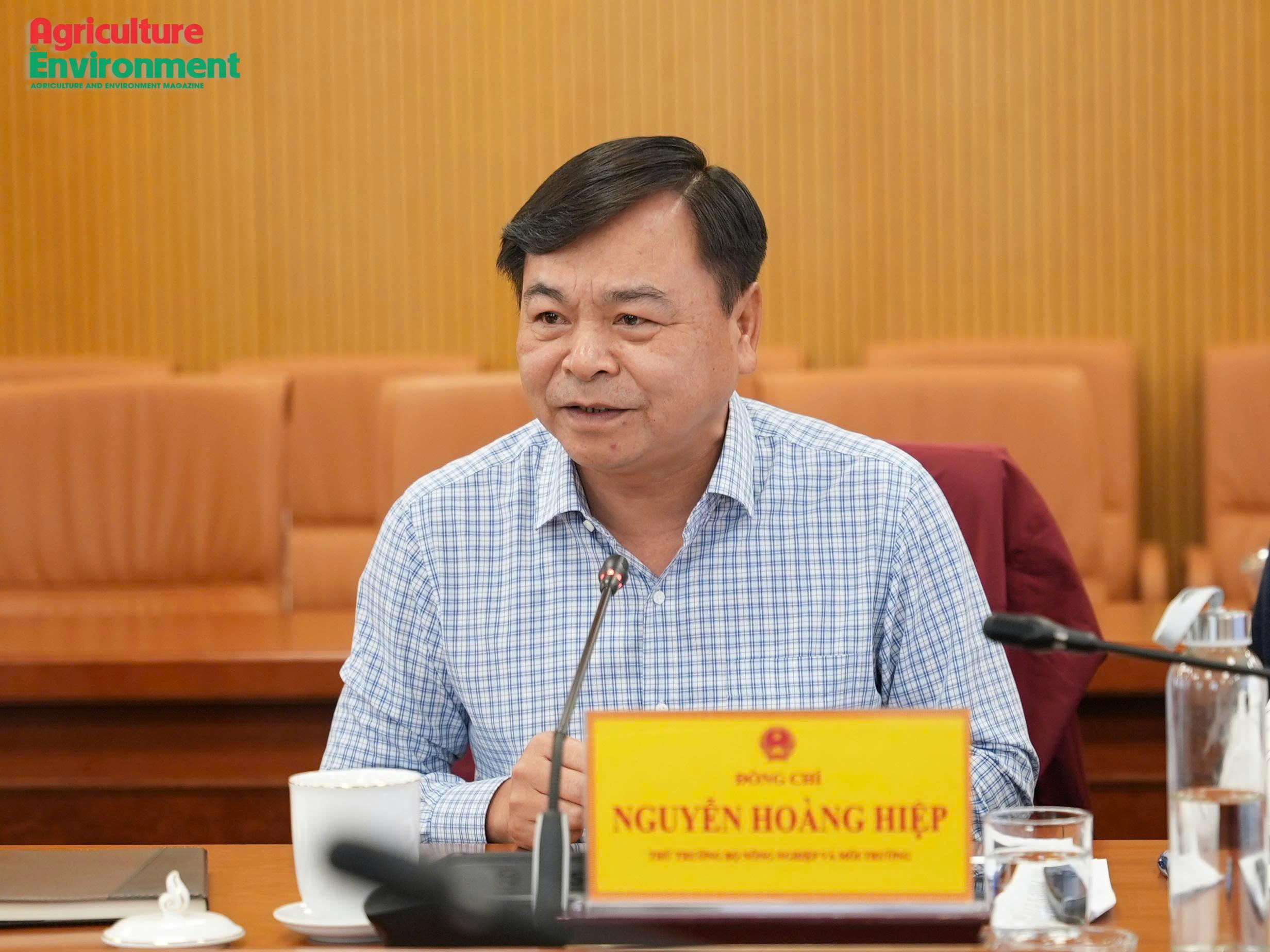
Deputy Minister Nguyen Hoang Hiep noted that the conflict zone is not a major global agricultural production area, meaning global supply has not been severely disrupted as during the COVID-19 pandemic. However, all producing countries are affected by rising energy and transport costs, intensifying competition in global agricultural markets.
He added that impact assessments should take a longer-term view due to the lag in agricultural production cycles. Decisions on inputs today may affect output in subsequent production cycles, making full-year scenarios more appropriate than short-term forecasts.
Deputy Minister Nguyen Hoang Hiep also stressed the need to assess import impacts. Viet Nam relies heavily on imported inputs such as animal feed, corn, soybeans and other materials. Rising transport and energy costs will increase import prices, directly affecting domestic production.
He highlighted that agriculture plays a critical role not only in exports but also in stabilizing the domestic market and helping control inflation. Stable food prices are essential for macroeconomic stability.
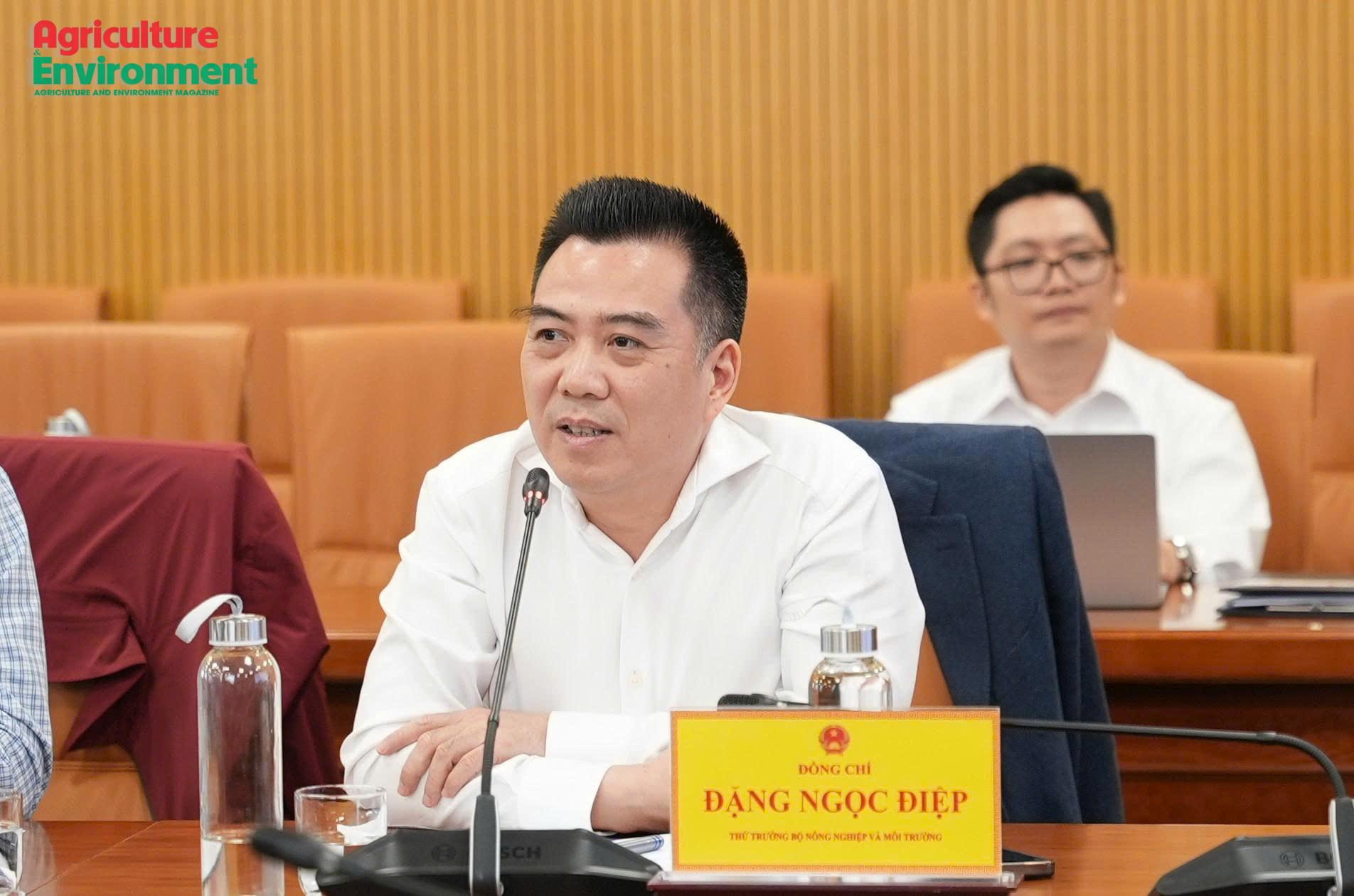
Deputy Minister Dang Ngoc Diep said authorities have developed financial and management plans to respond to emerging situations, emphasizing stronger inter-agency coordination to update information and refine policy scenarios.
On agricultural and export insurance, he said the government has called for mechanisms to encourage broader participation. Currently, agricultural insurance remains limited in scope, with low uptake due to insufficiently attractive benefits and services. Relevant agencies will continue working with the Ministry of Finance to develop solutions to expand agricultural and export insurance and strengthen risk management tools.
Sector urged to diversify markets and prepare for longer-term disruptions
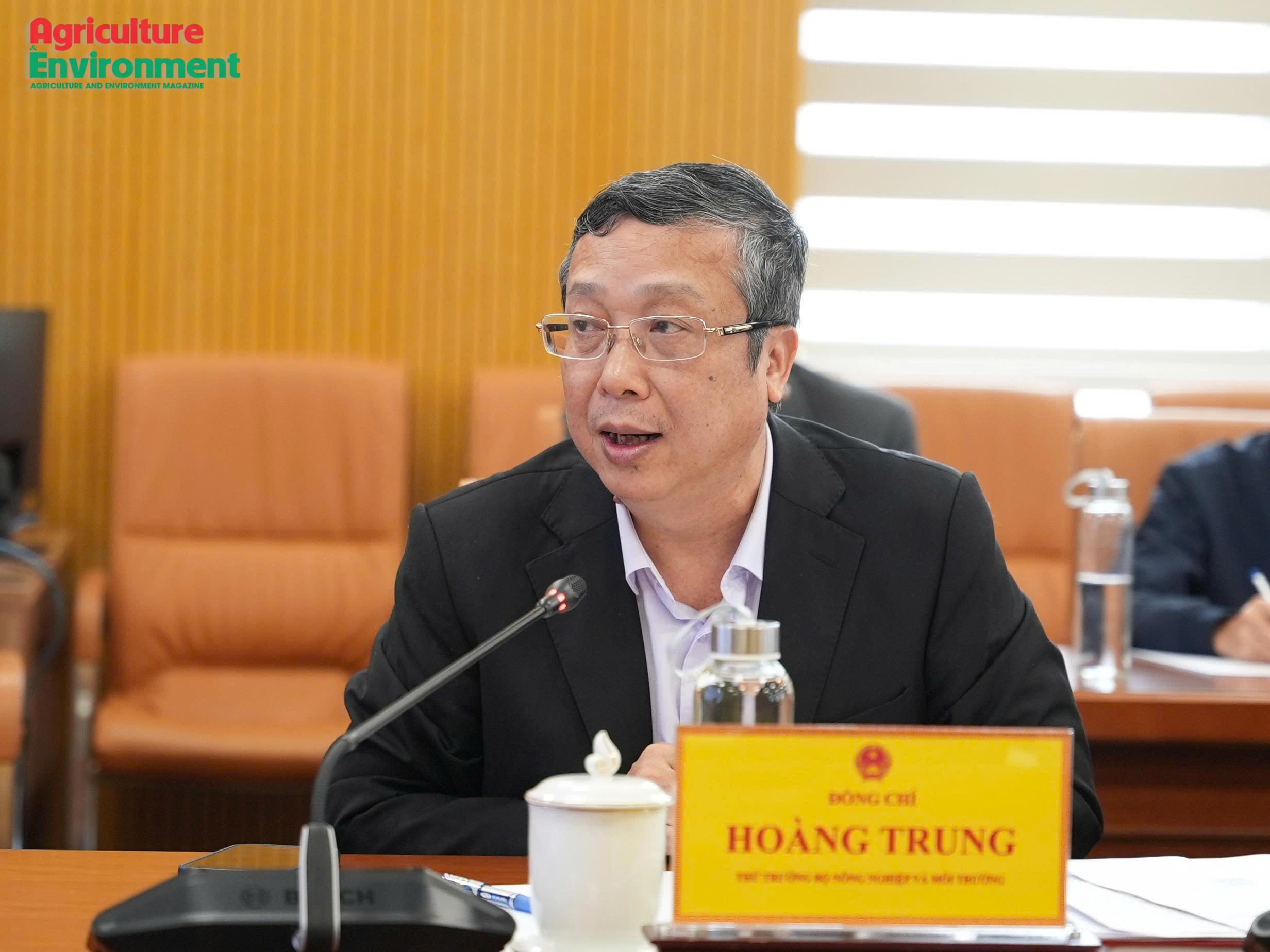
For crop production, Deputy Minister Hoang Trung proposed strengthening coordination with industry associations and businesses to review export products, expand traditional markets and explore new ones. As exports to the Middle East account for a relatively small share, market diversification is seen as an effective solution.
He also called for closer cooperation with agricultural input producers to adjust production, ensure prices remain aligned with market conditions, optimize factory capacity and flexibly manage export orders amid market volatility.
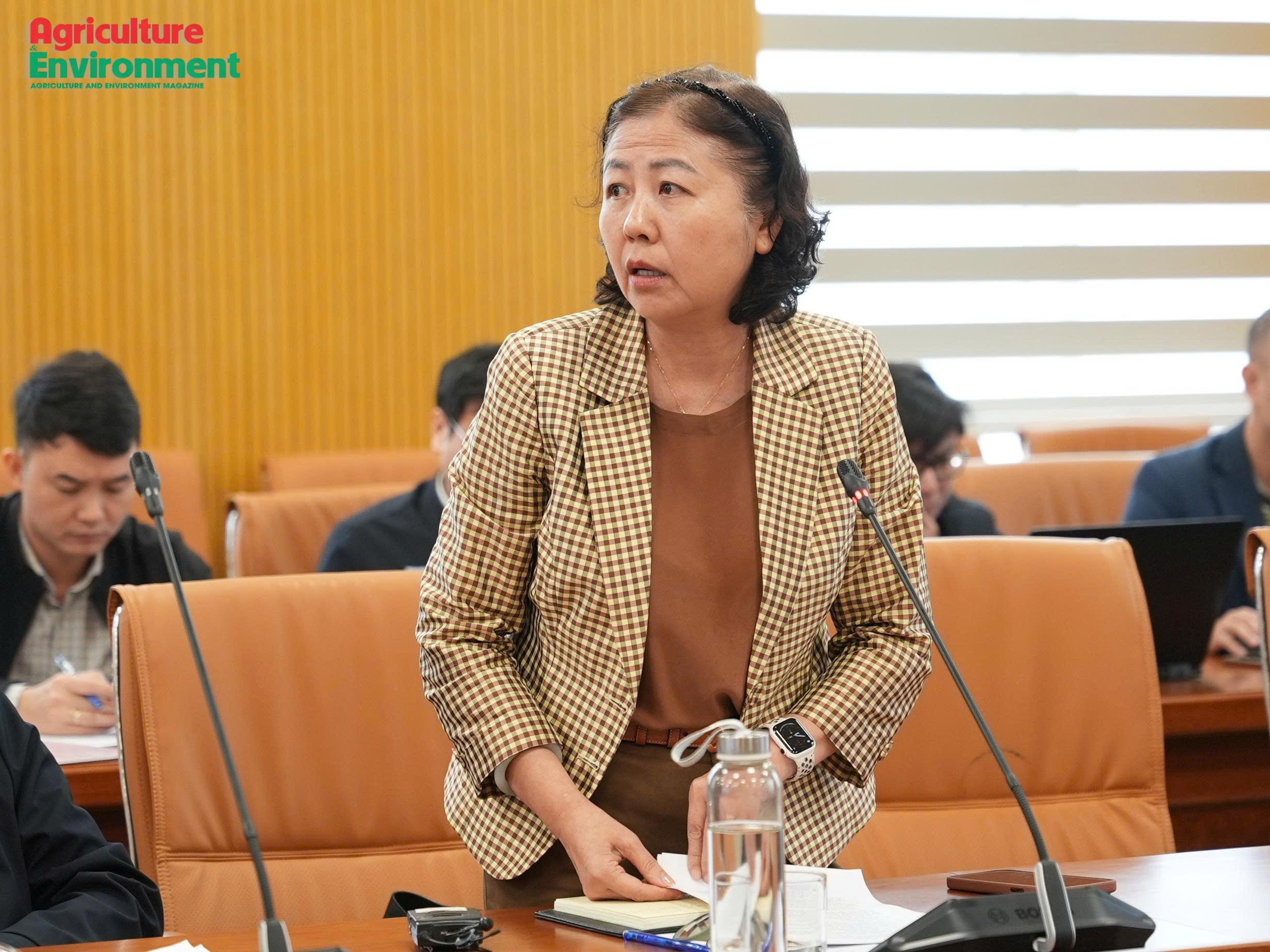
Deputy Director General of the Department of Animal Health and Production Nguyen Thu Thuy said short-term conflicts would have limited impact on livestock production. However, prolonged conflict could significantly increase input costs, especially for animal feed. Imported feed materials account for more than 50% of total inputs, while feed costs make up about 70% of production costs. Rising corn and soybean prices could increase production costs by 10–15% and reduce farmers’ profits by 10–20%.
In the veterinary medicine sector, she noted that 90–95% of production materials are imported from China, so immediate impacts remain limited. However, exports could be affected, particularly to the Middle East, where export turnover exceeded $50 million in 2025. Authorities recommend optimizing logistics, diversifying supply sources and expanding domestic raw material production to enhance self-reliance.
Director General of the Directorate of Fisheries and Fisheries Surveillance Tran Dinh Luan said fuel accounts for 40–60% of fishing trip costs. Fluctuations in fuel prices therefore have a direct impact on fishing activities. In the short term, the sector will prioritize low-fuel fishing methods and encourage upgrades to improve efficiency.
In aquaculture, although companies have not yet raised transport surcharges for feed and seed, authorities are closely monitoring fuel price developments. Higher transport costs could significantly affect farmers. Shipping lines have also raised container freight rates to $4,000–$6,000 per container, similar to levels seen during the COVID-19 pandemic.
In response, the fisheries sector is working with associations to stabilize input prices, increase procurement and stockpiling of raw materials, and propose preferential credit packages to support enterprises in expanding storage capacity and adjusting farming cycles.
Conference participants agreed that alongside immediate measures to stabilize production, control costs and support businesses, the agriculture sector must accelerate restructuring toward higher value addition, market diversification and greater self-reliance in input materials.
These efforts are seen as essential to enhancing resilience to geopolitical and global economic fluctuations while maintaining stable growth in the coming period.
On July 5, the People's Committee of Quang Nam province, in collaboration with the Ministry of Natural Resources and Environment (MONRE), organized a conference to disseminate, propagate, and train on the implementation of the 2024 Land Law. The event was held in a hybrid format, combining in-person and online participation, with over 259 connection points from district, town, and city-level People’s Committees, as well as various organizations and units within the province.
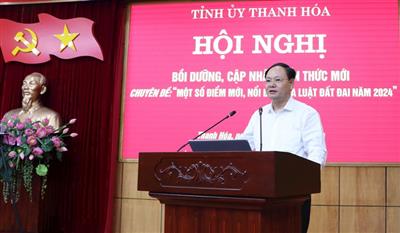
On July 2, in Thanh Hoa province, the Standing Board of Thanh Hoa Provincial Party Committee held a training conference to update new knowledge for provincial leaders and managers for the second quarter of 2024. The focus of the conference was on "Key new points of the 2024 Land Law," conducted through a combination of in-person and online formats. Deputy Minister of Natural Resources and Environment Le Minh Ngan attended and presented the key contents of the topic.
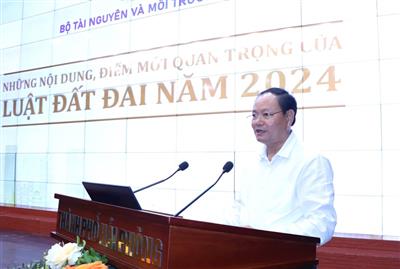
On June 28th, at the specialized conference titled "Key updates and important provisions of the 2024 Land Law" held in Hai Phong City, Deputy Minister Le Minh Ngan urged the Hai Phong City People's Committee to direct relevant agencies to swiftly develop guiding documents as mandated by the 2024 Land Law. This initiative aims to establish a comprehensive legal framework, ensuring a conducive environment for the city's socio-economic development, as well as safeguarding national defense and security when the National Assembly approves the early enforcement of the law (anticipated on August 1, 2024).
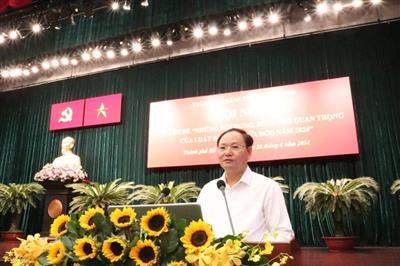
On June 26, the Party Committee of Ho Chi Minh City organized a specialized conference titled ‘Key updates to the 2024 Land Law’ for the city's core cadre at all levels. Deputy Secretary of the Ho Chi Minh City Party Committee, Nguyen Ho Hai, presided over the conference, with Deputy Minister of Natural Resources and Environment Le Minh Ngan attending and directly reporting on the specialized content.
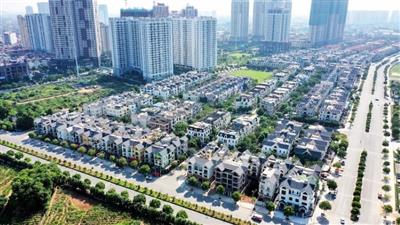
As of August 1, 2024, a series of economic-related policies, including the Land Law, the Housing Law, the Real Estate Business Law, the Law on Credit Institutions, and various decrees, have officially come into effect. These policies are now in force as of August 7, 2024.