



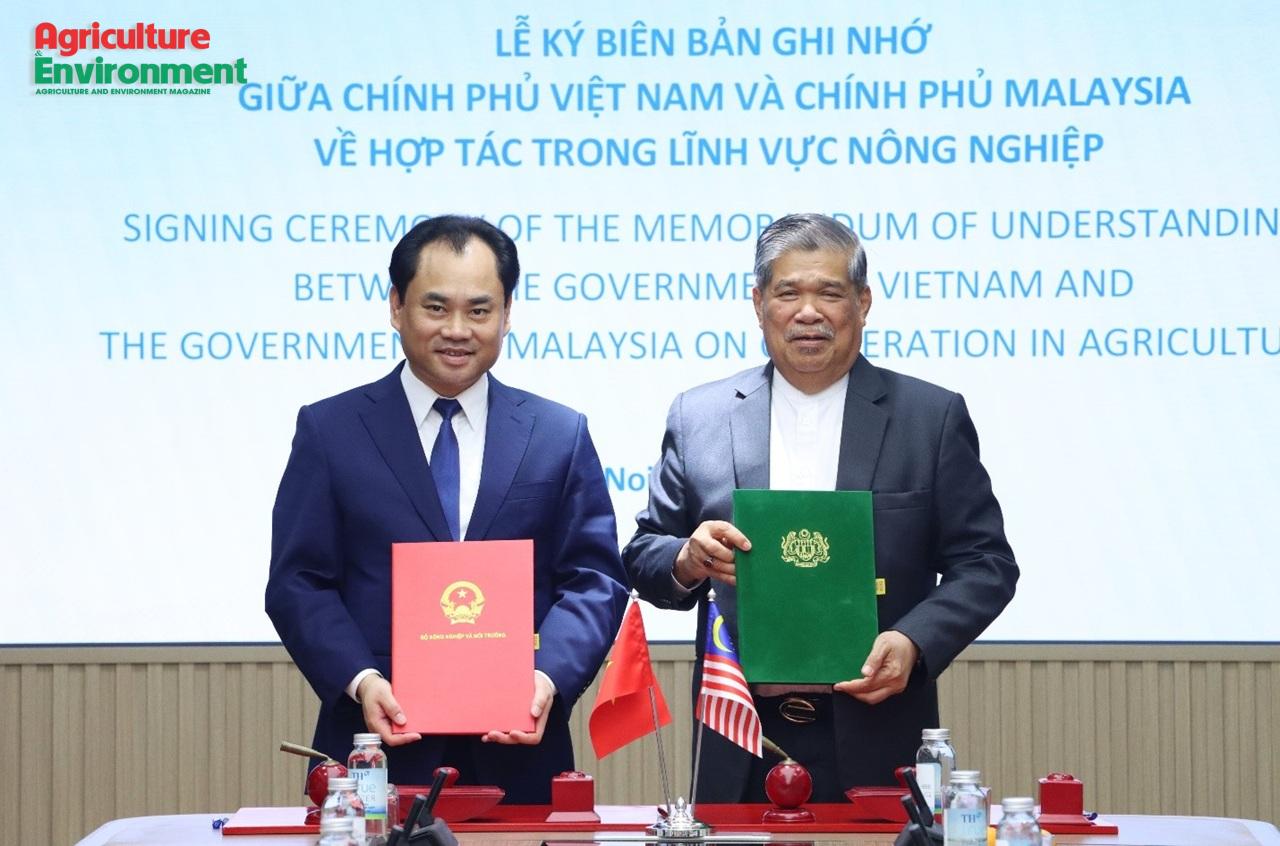
 Viet Nam’s Minister of Agriculture and Environment, Trinh Viet Hung, and Malaysia’s Minister of Agriculture and Food Security, Datuk Seri Mohamad Sabu, on Wednesday signed a memorandum of understanding (MoU) on agricultural cooperation between the two governments.
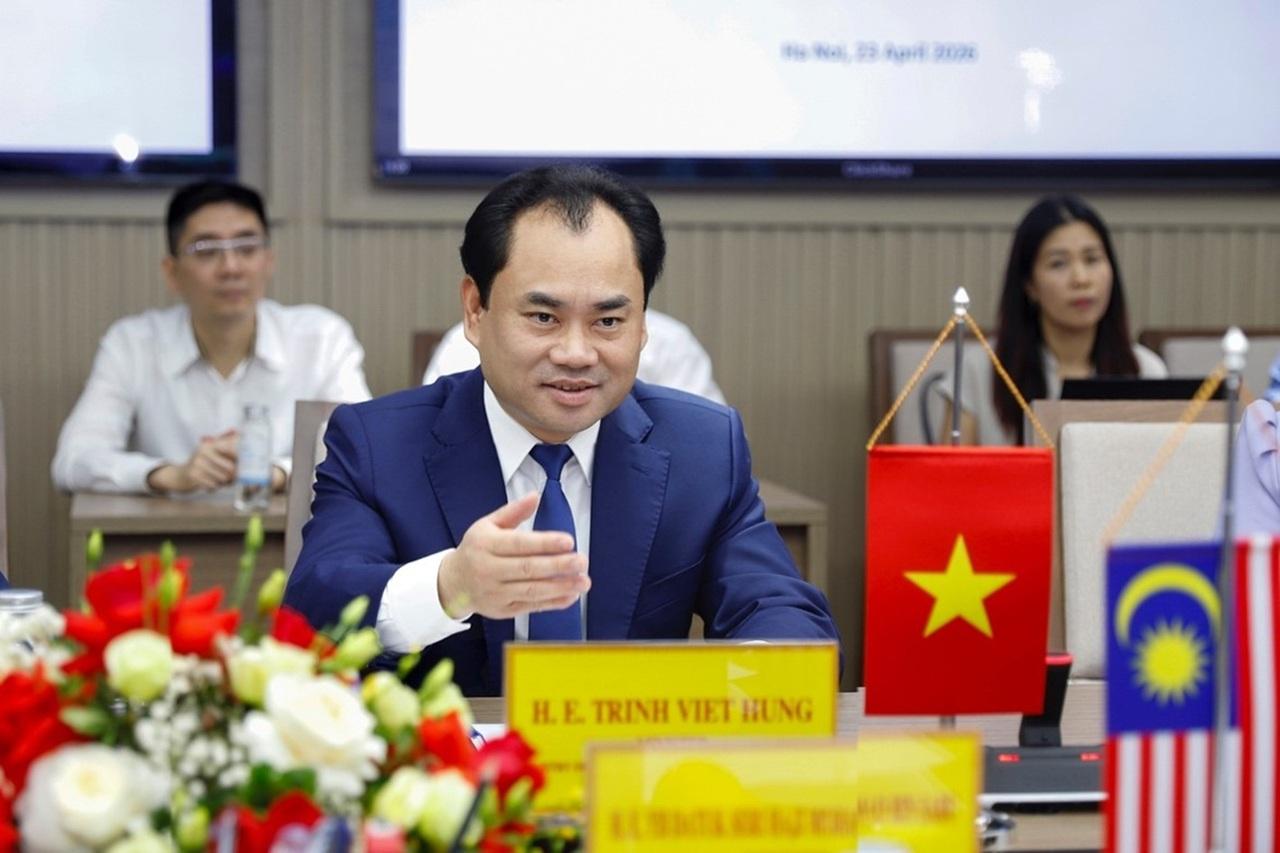
Speaking at the meeting, Minister Trinh Viet Hung said cooperation between Viet Nam and Malaysia in recent years has been implemented in a more substantive manner, delivering tangible results. He expressed confidence that continued exchanges would further strengthen bilateral ties and lay the groundwork for expanded cooperation across multiple sectors.
He emphasized that the meeting was an important step in implementing cooperation orientations agreed by the two countries’ senior leaders, particularly as the world faces mounting challenges related to the environment and food security.
The Ministry of Agriculture and Environment said trade in agriculture, forestry and fisheries between the two countries has recorded positive results, with steadily increasing turnover. Malaysian agricultural products have become more available in Viet Nam, while Vietnamese products have continued to penetrate and expand their market share in Malaysia.
At the meeting, Malaysia’s Minister of Agriculture and Food Security Datuk Seri Mohamad Sabu congratulated Trinh Viet Hung on his new appointment and expressed confidence that agricultural cooperation between the two countries would continue to be strengthened.
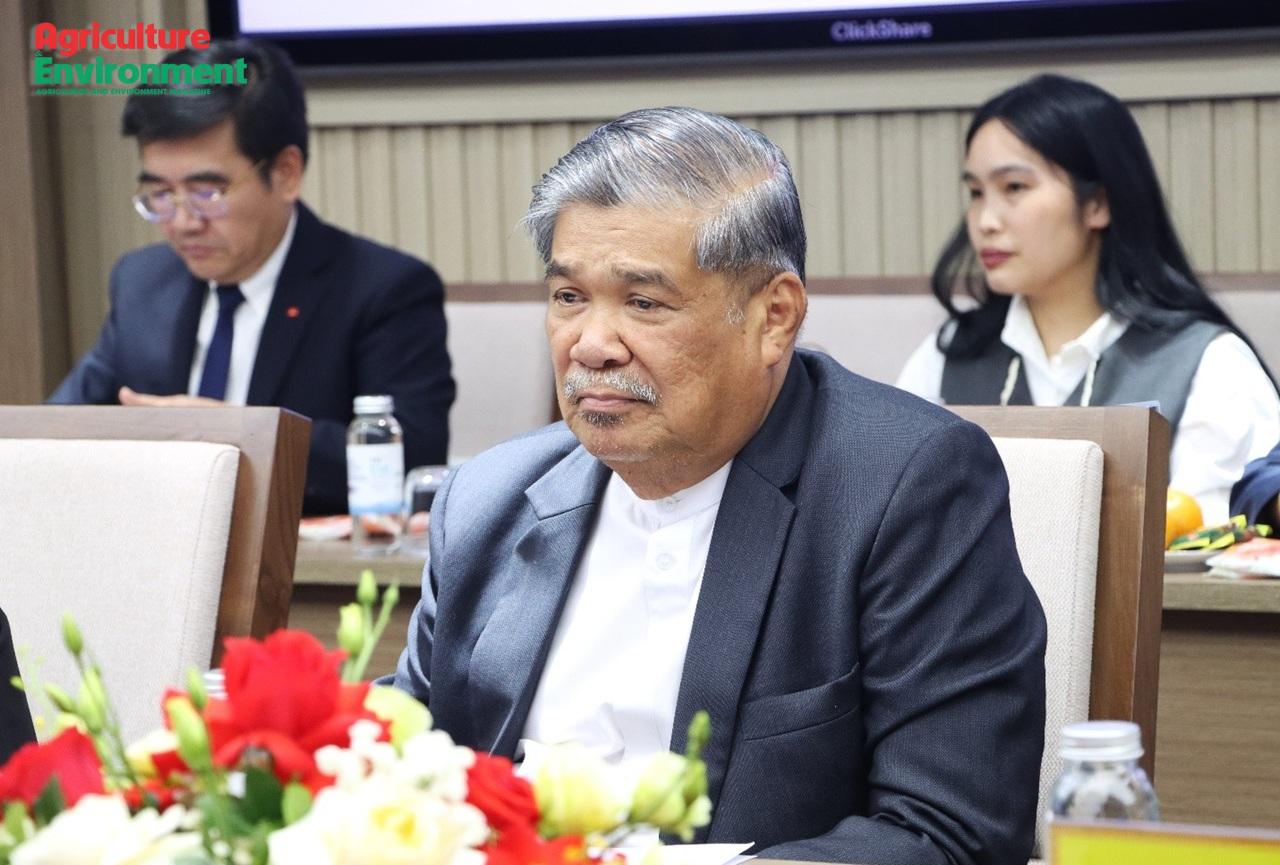
On bilateral relations, Mohamad Sabu noted that diplomatic ties remain strong, while trade cooperation has achieved positive outcomes. In 2024, Viet Nam became Malaysia’s fourth-largest trading partner in ASEAN. Bilateral agricultural trade reached nearly $3 billion in 2025. Malaysia mainly exports processed food products, while importing coffee, cocoa, tea, spices and value-added processed products from Viet Nam.
He said that amid ongoing risks in global supply chains, ensuring food security remains a shared priority for both countries. This also presents an opportunity to promote cooperation through joint projects and enhanced technical exchanges, particularly in smart agriculture, to ensure stable food supplies at competitive prices.
He also encouraged increased private-sector investment between the two countries, greater exploration of smart agriculture models, expanded cooperation in new areas, and learning from Viet Nam’s experience in large-scale crop production.
The Malaysian minister proposed expanding access to the Vietnamese market for products such as value-added processed poultry, sterilized liquid eggs, duck meat and edible bird’s nests.
In the animal feed sector, particularly pet food, Malaysia noted positive progress and expressed hope that procedures for additional product categories would soon be completed to facilitate access to the Vietnamese market.
Responding to Malaysia’s proposals, Minister Trinh Viet Hung welcomed the suggestions related to exports of processed poultry, eggs and egg products, duck meat, edible bird’s nests and animal feed.
To advance this process, he urged Malaysia to provide complete technical documentation to support import risk analysis in line with Viet Nam’s regulations, while coordinating closely with relevant Vietnamese authorities to finalize quarantine and food safety procedures.
Regarding market access for Vietnamese products, the minister called on Malaysia to facilitate the opening of its market to key products, including poultry meat, fresh poultry, milk and dairy products. He noted that these products have already met stringent technical requirements in many international markets.
In rice trade, Malaysia’s minister affirmed that Viet Nam is one of the country’s key partners in ensuring food supply. Vietnamese rice accounts for around 40% of Malaysia’s total rice imports and is widely favored by consumers.
On that basis, Minister Trinh Viet Hung proposed that both sides strengthen coordination to stabilize rice supply, establish long-term cooperation mechanisms, enhance market transparency and promote information sharing.
During the meeting, the two ministers signed the government-level MoU on agricultural cooperation. The agreement marks an important milestone, providing a legal framework to promote comprehensive agricultural cooperation and trade in agricultural products between the two countries.
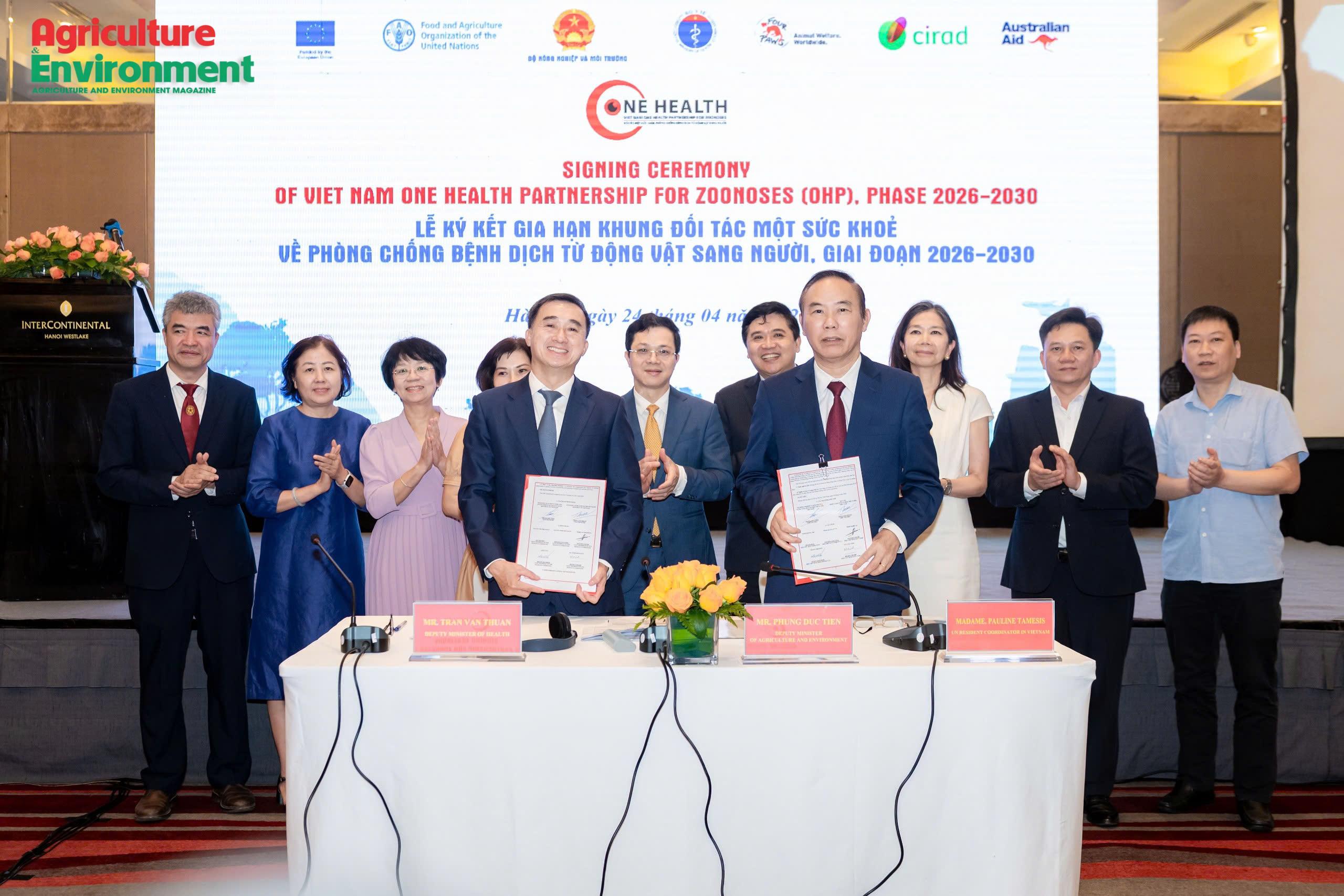
On April 24, a signing ceremony for the One Health Partnership Framework for 2026–2030 brought together 57 partners, underscoring strong commitments by the Vietnamese Government and the international community to advance the One Health approach, enhance information sharing, coordinate resources, and implement joint action programs.
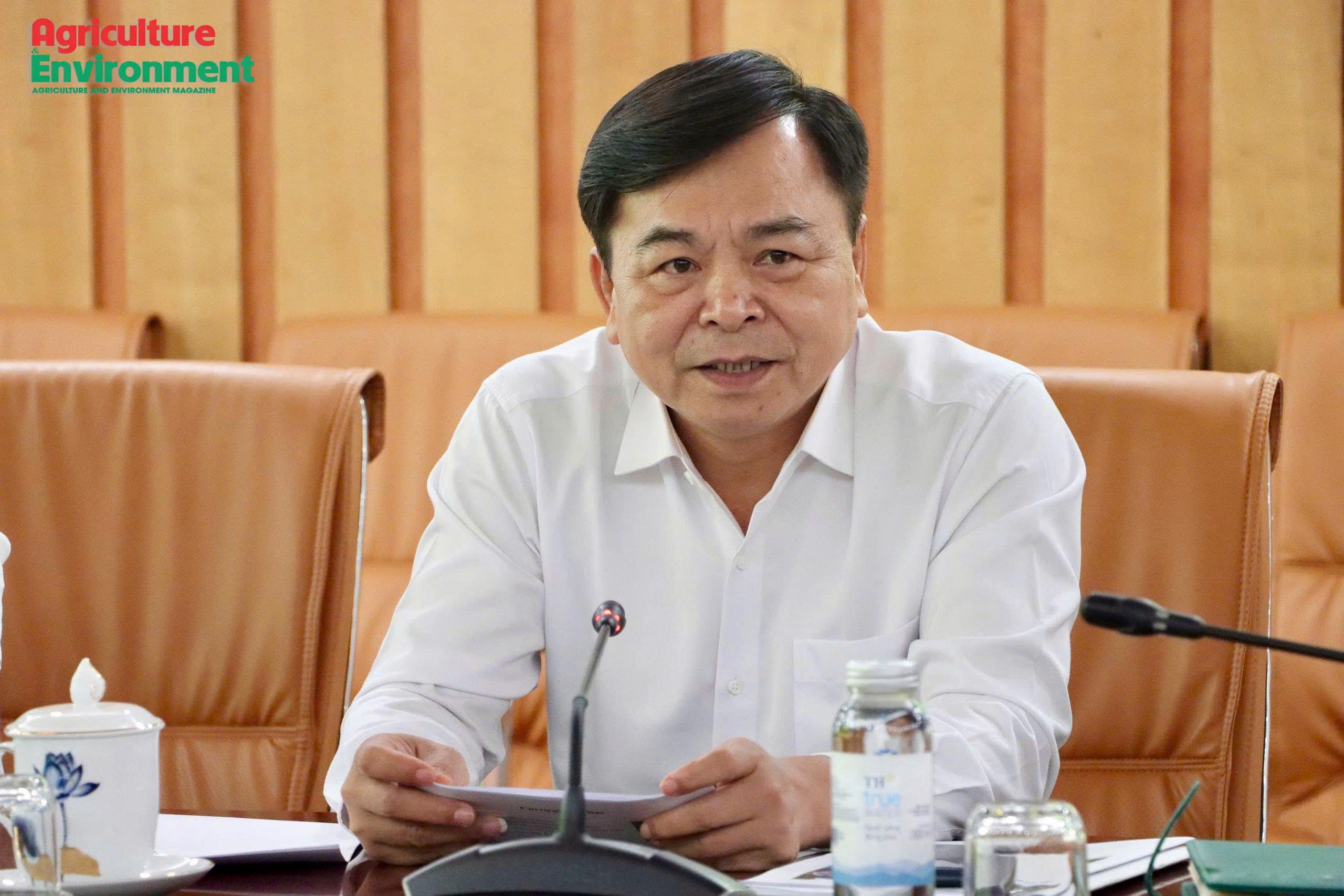
Deputy Minister of Agriculture and Environment Nguyen Hoang Hiep on April 20 called for faster administrative procedures and closer coordination with the Japan International Cooperation Agency (JICA) to remove bottlenecks and accelerate the Japan-funded Ben Tre Water Management Project.
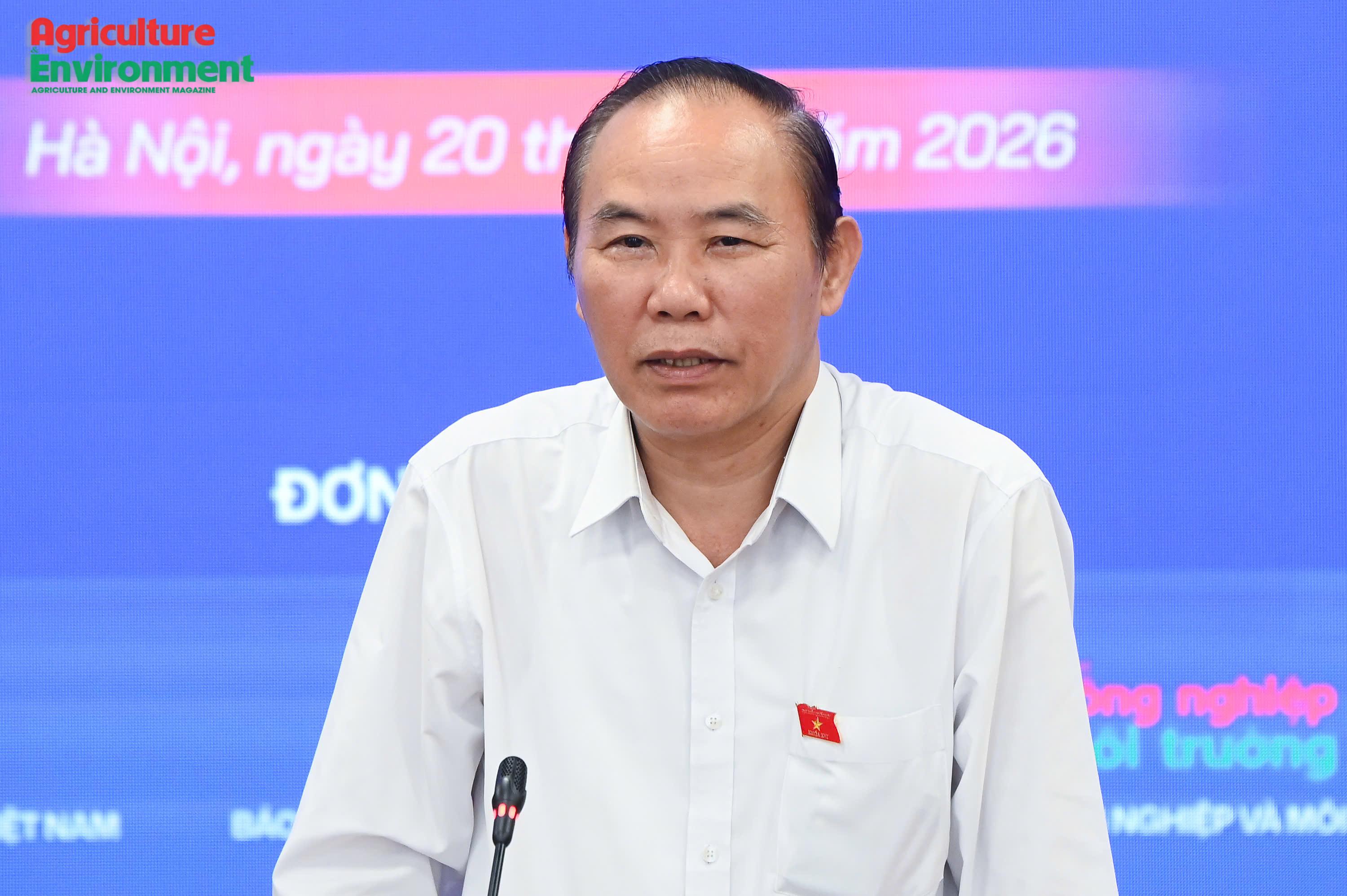
The national conference on fisheries science, technology and fisheries surveillance 2026 is being organized to assess the current state of scientific and technological development in the sector, providing a scientific basis for defining major orientations for science, technology and innovation. The event will also support the development of mechanisms, policies and key tasks to advance the fisheries sector, contributing to both sectoral and national economic growth in the 2026–2030 period, with a vision to 2035.
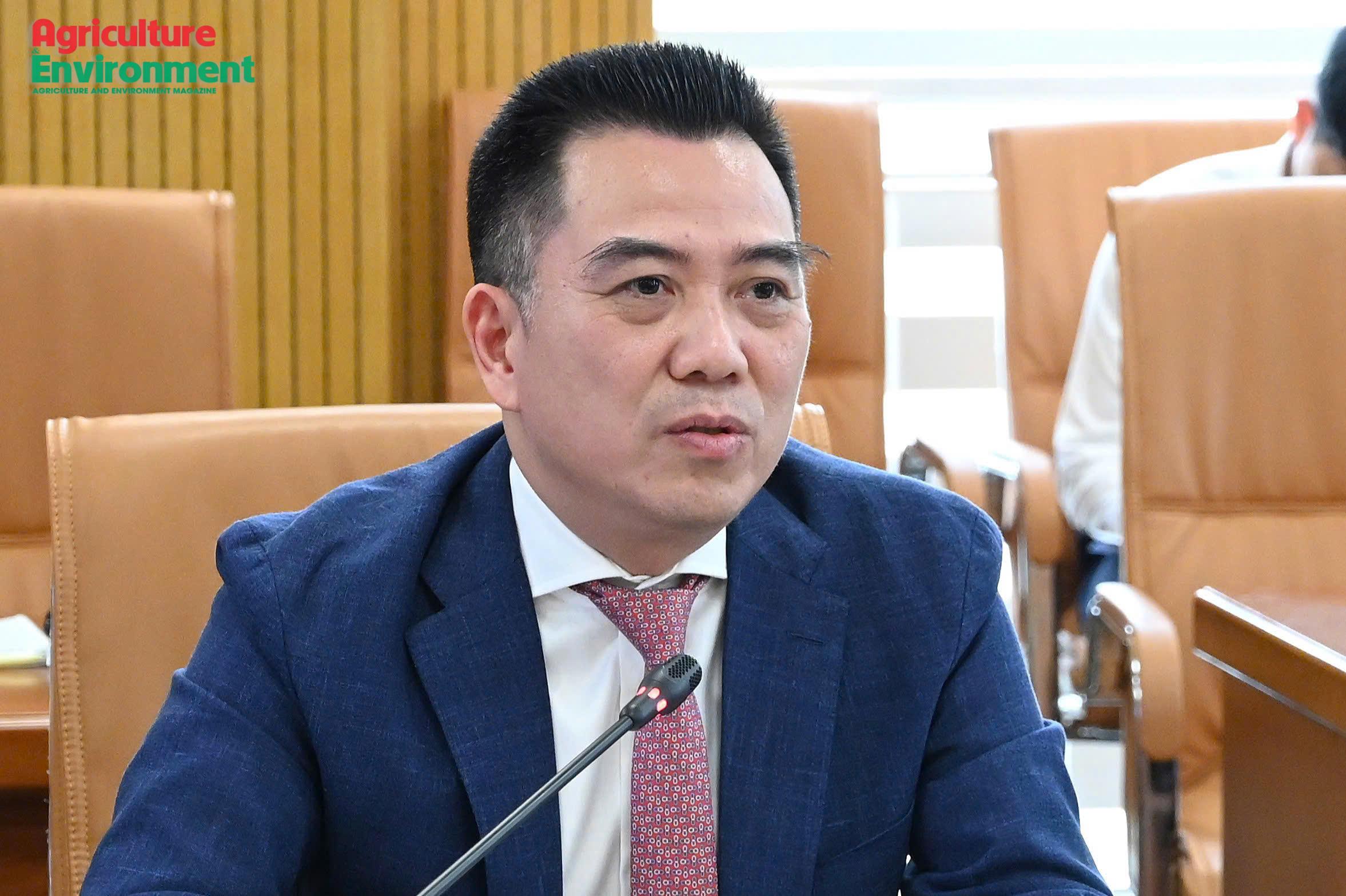
Viet Nam and the United States agreed to strengthen cooperation in sustainable agriculture, the circular economy, digital transformation, natural resource management and climate change response, as part of efforts to promote green growth and achieve net-zero emissions.
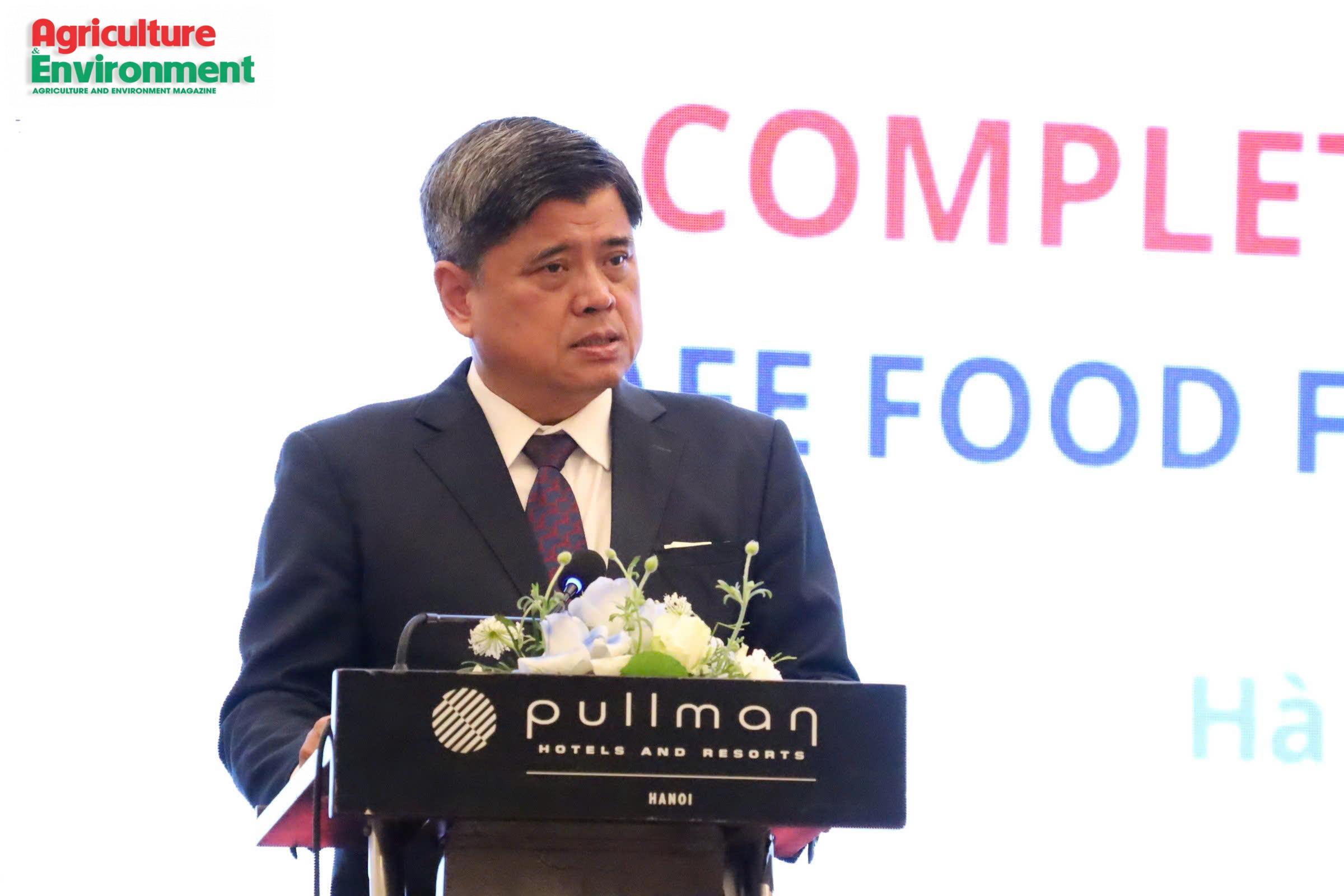
On April 16, the Ministry of Agriculture and Environment, in coordination with the Embassy of Canada in Viet Nam, held a conference to review the “Safe food for growth” (SAFEGRO) project, assessing its results, impacts and effectiveness over the 2020–2026 period. The event also aimed to share lessons learned and project outputs to support the continuation and scaling up of effective models, contributing to improved sustainability and effectiveness in ensuring food safety in Viet Nam.