



 Deputy Minister of Agriculture and Environment Le Cong Thanh on March 19 highlighted potential cooperation with Hungary in mineral technologies and e-waste recycling, seen as key to advancing a circular economy.
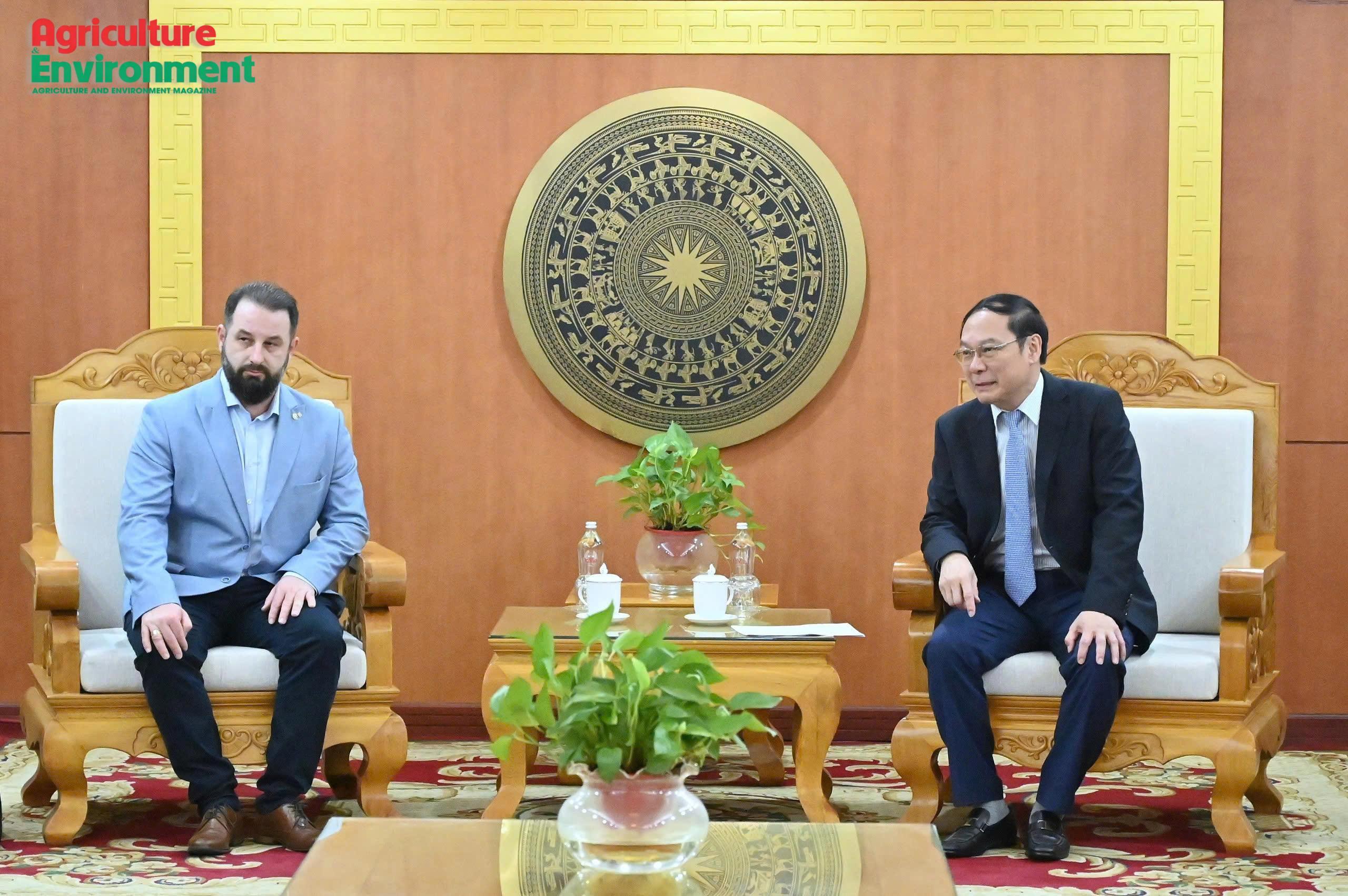
At a meeting in Hanoi on March 19, Deputy Minister of Agriculture and Environment Le Cong Thanh received Szabolcs Stejer, Director of Hungary’s Nemesfém Kft., to discuss potential cooperation in geology and mineral resources.
Talks focus on sustainable mineral technologies
Deputy Minister Le Cong Thanh said recent revisions to the Law on Geology and Minerals have created more favorable conditions for research institutions and businesses to access and apply advanced technologies. This provides an important foundation for Viet Nam to attract international cooperation, particularly as the need to align mineral extraction and processing with environmental protection becomes more urgent.
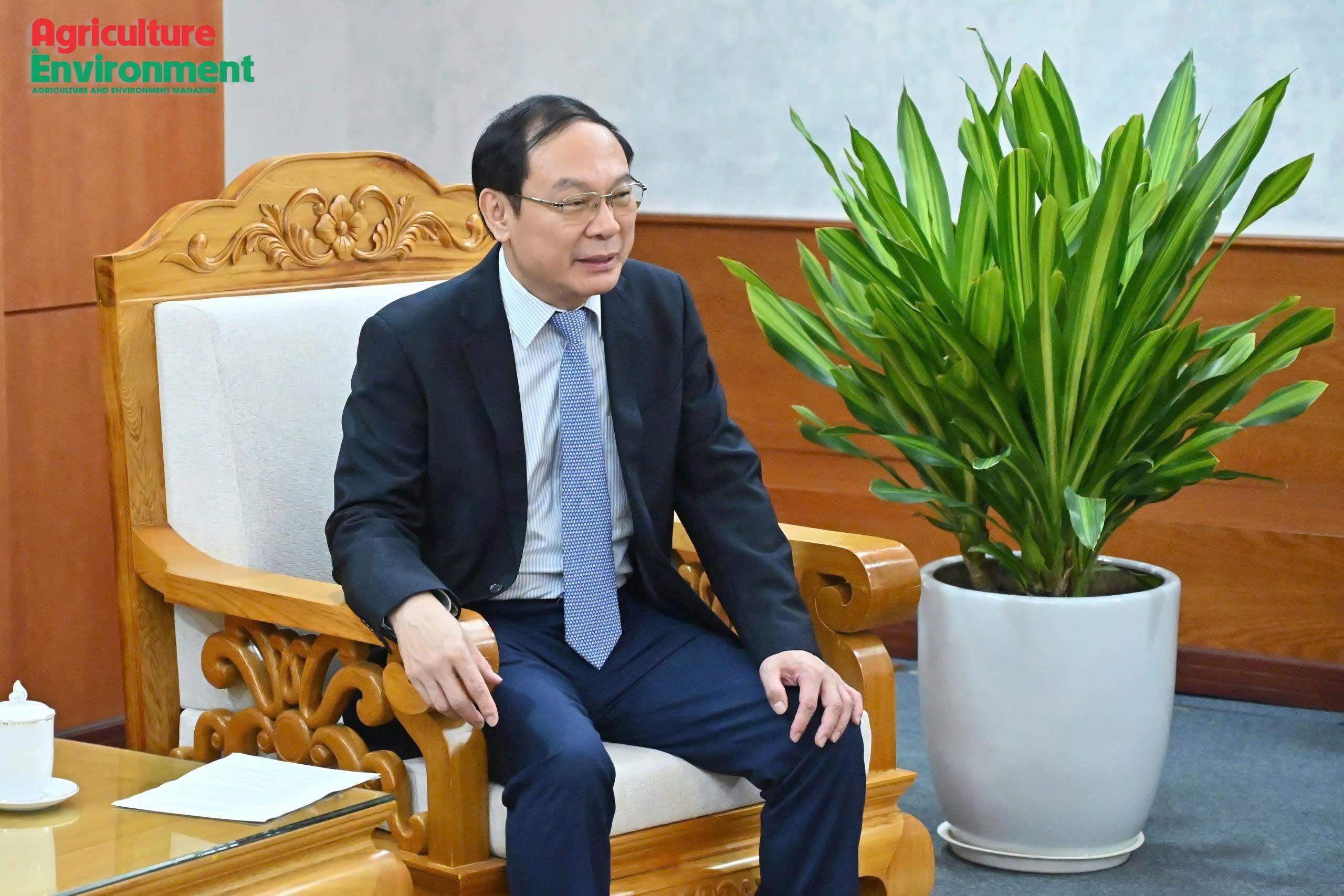
He reiterated Viet Nam’s policy of not sacrificing the environment for economic growth, emphasizing that environmental protection must be integrated into development processes. Resource extraction, he said, should go hand in hand with improving efficiency, minimizing environmental impacts, and promoting sustainable development.
“Viet Nam has significant mineral resource potential. We are keen to learn from more advanced countries to ensure efficient extraction, turning mineral resources into a driver of development rather than an environmental burden,” the Deputy Minister said.
Director Szabolcs Stejer said Nemesfém Kft. has extensive experience in metal extraction and processing, particularly precious metals, and is ready to share proven technologies to help Viet Nam shorten research and testing timelines.
The two sides also discussed potential cooperation with Vietnamese research institutions, including the Vietnam Institute of Rare Elements Technology, to develop solutions suited to local conditions and move toward mapping the distribution and potential of mineral resources.
E-waste recycling highlighted as key cooperation area
In addition to mineral resources, Deputy Minister Le Cong Thanh highlighted e-waste recycling as a promising area for cooperation, describing it as an increasingly important source of secondary raw materials.
With a population of over 100 million, Viet Nam is seeing a rapid rise in discarded electrical and electronic equipment, while recycling activities remain largely rudimentary and recovery value is limited. In this context, access to advanced technologies to recover precious metals such as gold and silver from e-waste is seen as a viable pathway.
Deputy Minister Le Cong Thanh noted that many countries now treat e-waste as a valuable resource, with some even importing it for recycling. He said this presents an opportunity for Hungarian companies, given their technological strengths and practical experience, to invest in Viet Nam.
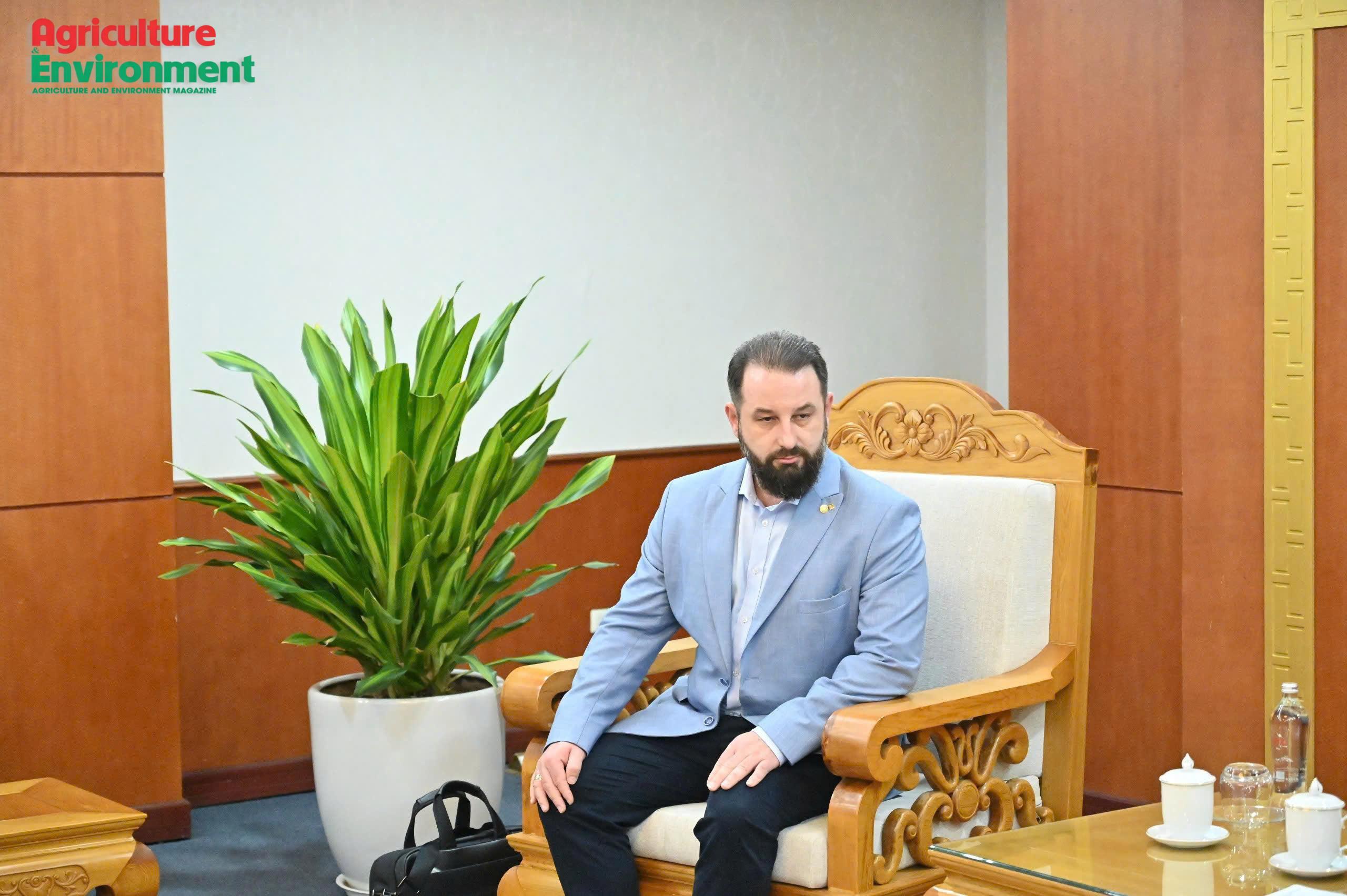
The Hungarian side expressed interest in establishing long-term cooperation, not only in technology transfer but also in developing production chains that meet European standards. Domestic production would be prioritized where feasible, while equipment and components not yet available locally would be imported.
All proposed technology lines would comply with strict European environmental regulations and aim to produce environmentally friendly outputs, Director Szabolcs Stejer said. Hungary’s experience in developing circular economy models, particularly in recovering precious metals from e-waste, is considered aligned with Viet Nam’s development priorities.
The meeting outlined concrete directions for cooperation in both mineral resource development and secondary resource recovery. These are expected to form the basis for future projects to strengthen technological capacity and support sustainable development in Viet Nam’s natural resources and environment sector.
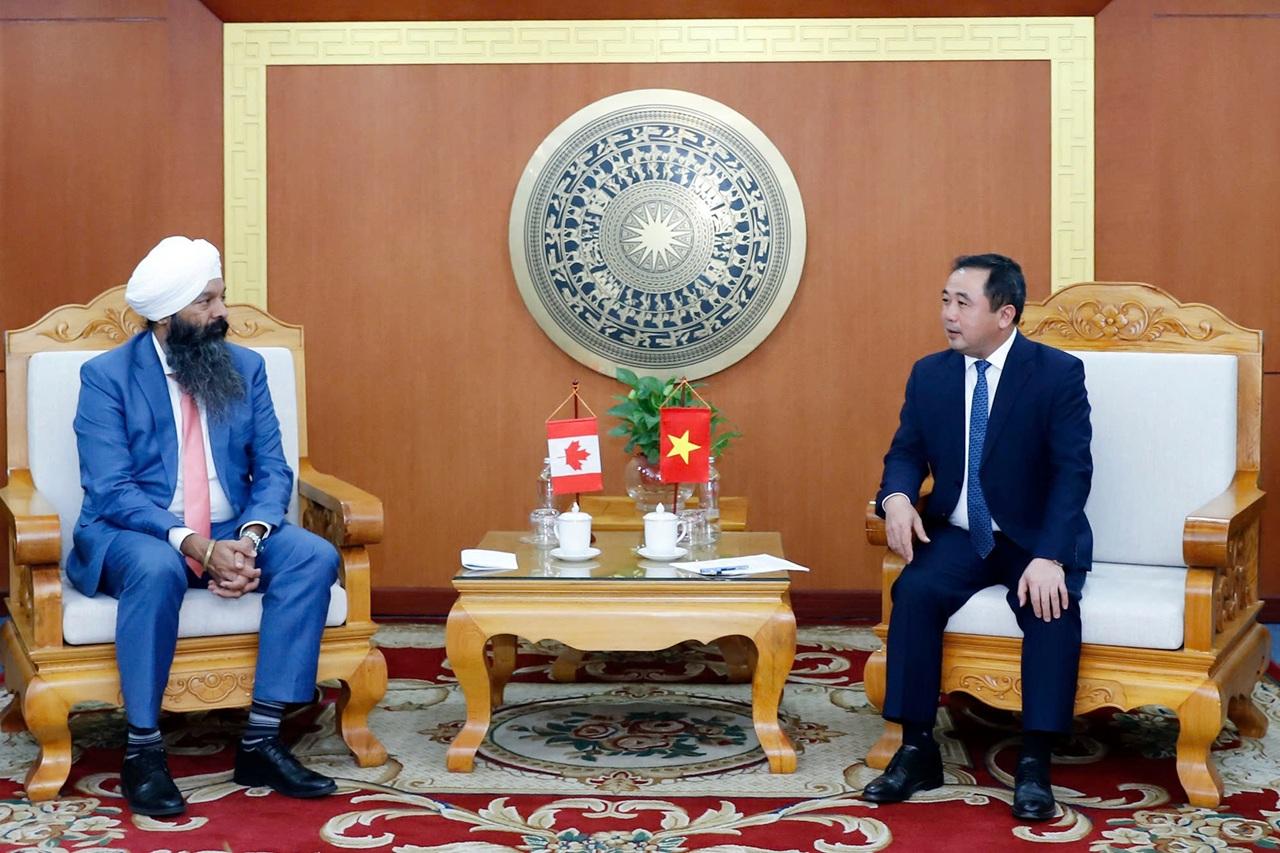
Viet Nam and Canada have agreed to strengthen practical cooperation in environment, clean energy, natural resource management, trade and investment, aiming toward green, low-emissions growth and sustainable development. The two sides described this cooperation as a long-term foundation for deepening bilateral relations amid global climate change and economic transformation.
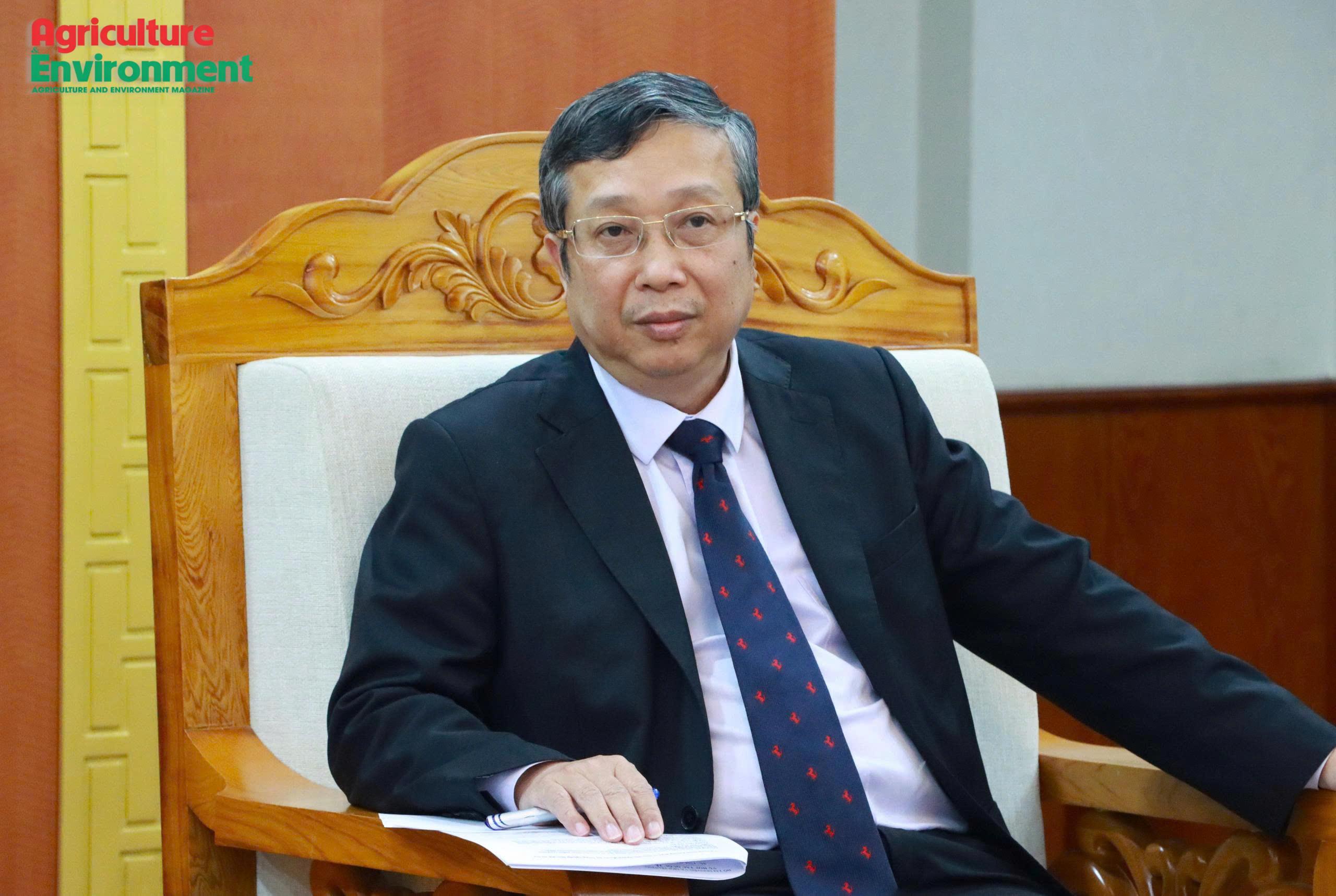
Viet Nam and the United States have agreed to strengthen cooperation in developing and implementing the “Trade in Agriculture and Food Safety Expanded” (TAFSE) project under the U.S. Department of Agriculture’s Food for Progress Program.
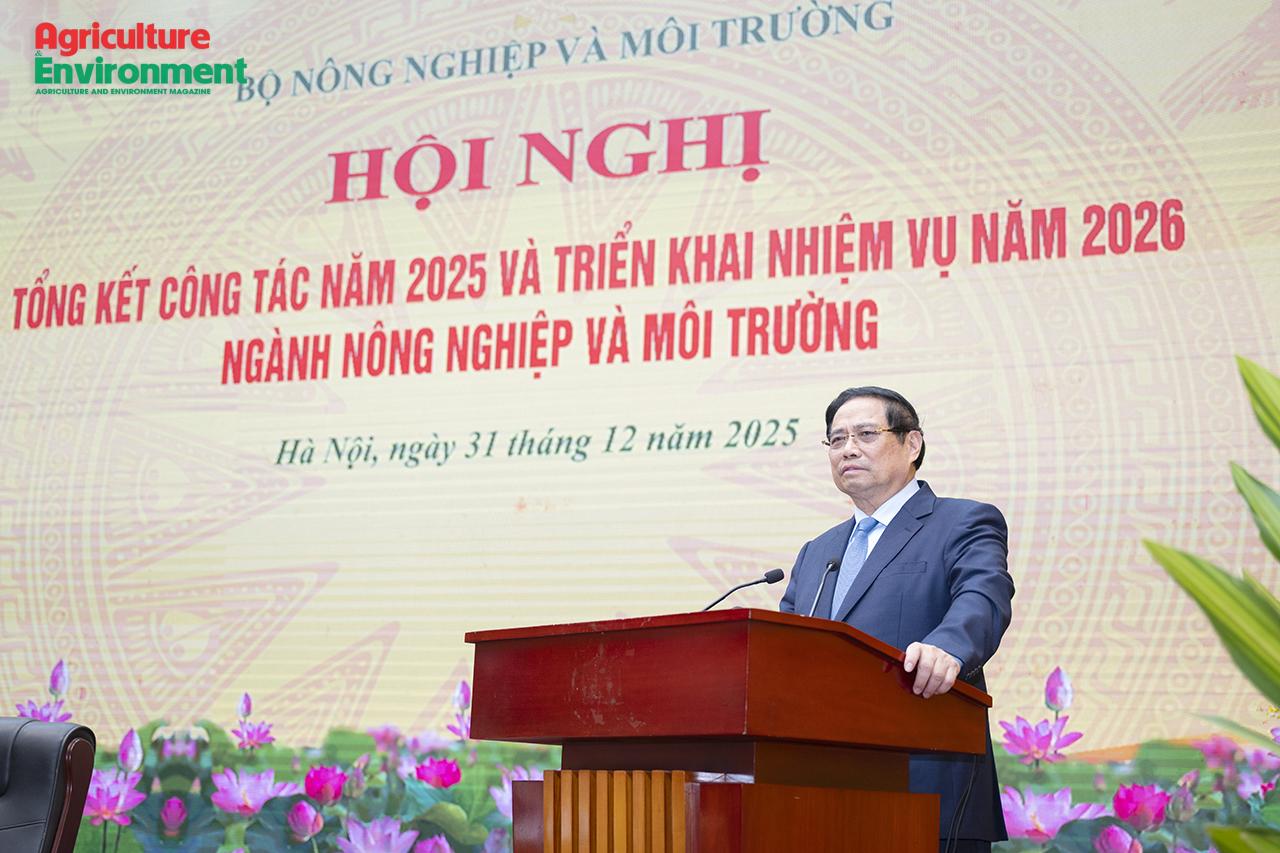
Reviewing the performance of the agriculture and environment sector in 2025 and the 2021–2025 period, Prime Minister Pham Minh Chinh emphasized the Ministry’s growing role in integrating agricultural development with natural resource governance and environmental protection, contributing to Viet Nam’s socio-economic growth and international commitments.
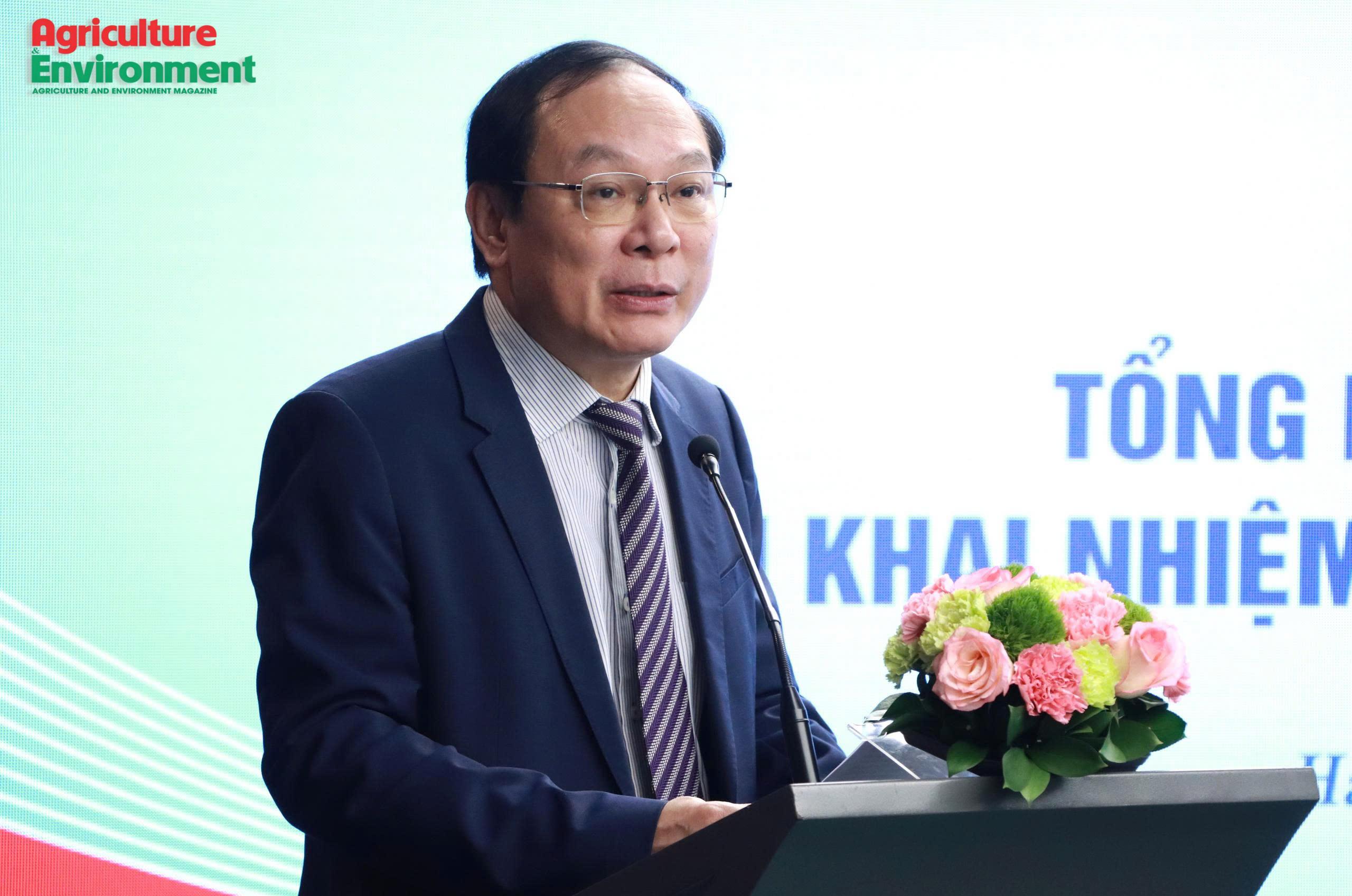
Amid mounting environmental challenges across the region, Viet Nam continues to uphold its role as the national focal point and coordinator in ASEAN environmental cooperation, participating fully and responsibly in regional mechanisms and cooperation programs. At the same time, practical implementation has underscored the need to renew participation approaches, moving toward greater proactiveness and closer alignment with national policy priorities.
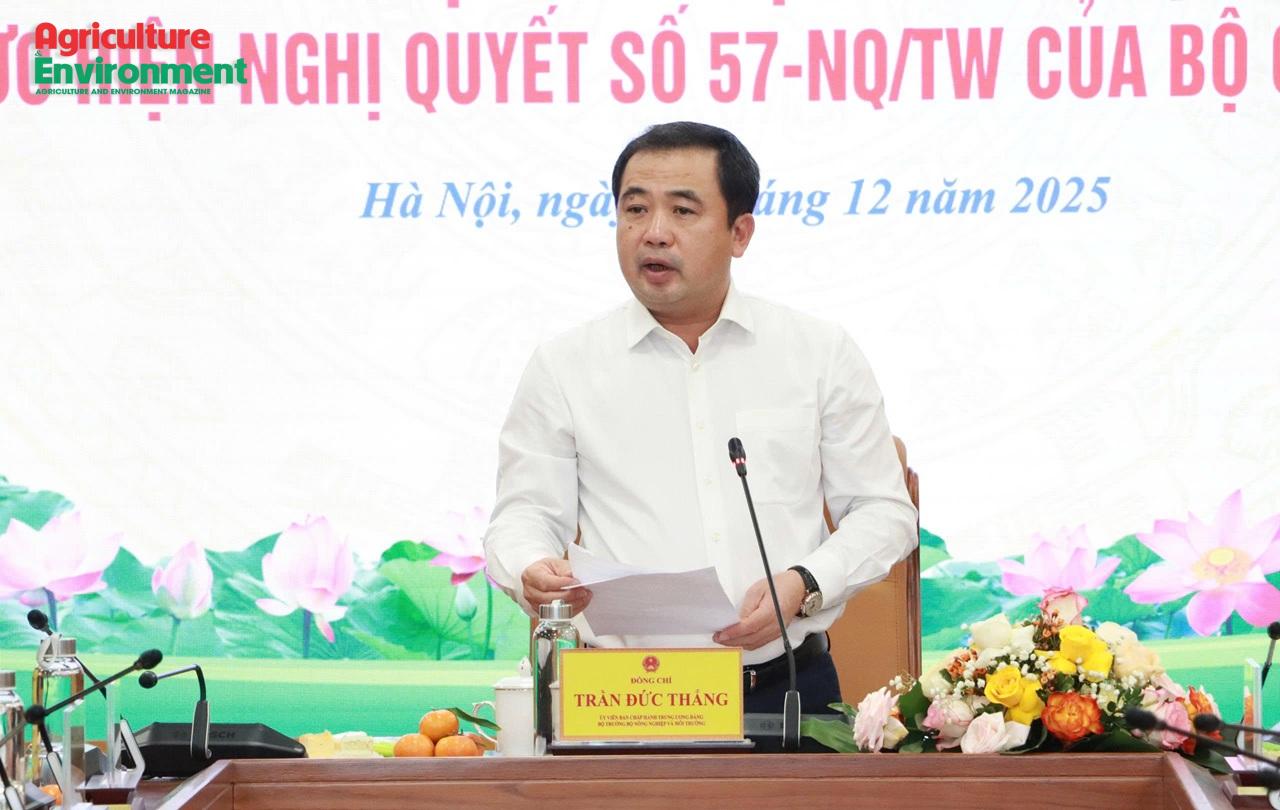
After one year of implementing Resolution No. 57-NQ/TW of the Politburo, the Ministry of Agriculture and Environment has completed a large volume of tasks related to science and technology, innovation, and digital transformation, with no overdue assignments. At a review conference held on December 23, participants assessed initial results while highlighting key challenges and priorities for the next phase, as the focus shifts from task completion to generating tangible impacts for governance, production, and livelihoods.