



 To operationalize the Party and State’s policies on advancing science and technology, innovation, digital transformation, the green economy, and public–private partnerships, CT Group has proposed a strategic cooperation framework with the Ministry of Agriculture and Environment. The proposals focus on deploying core technologies to drive breakthroughs in productivity, efficiency, and governance amid accelerating digital transformation.
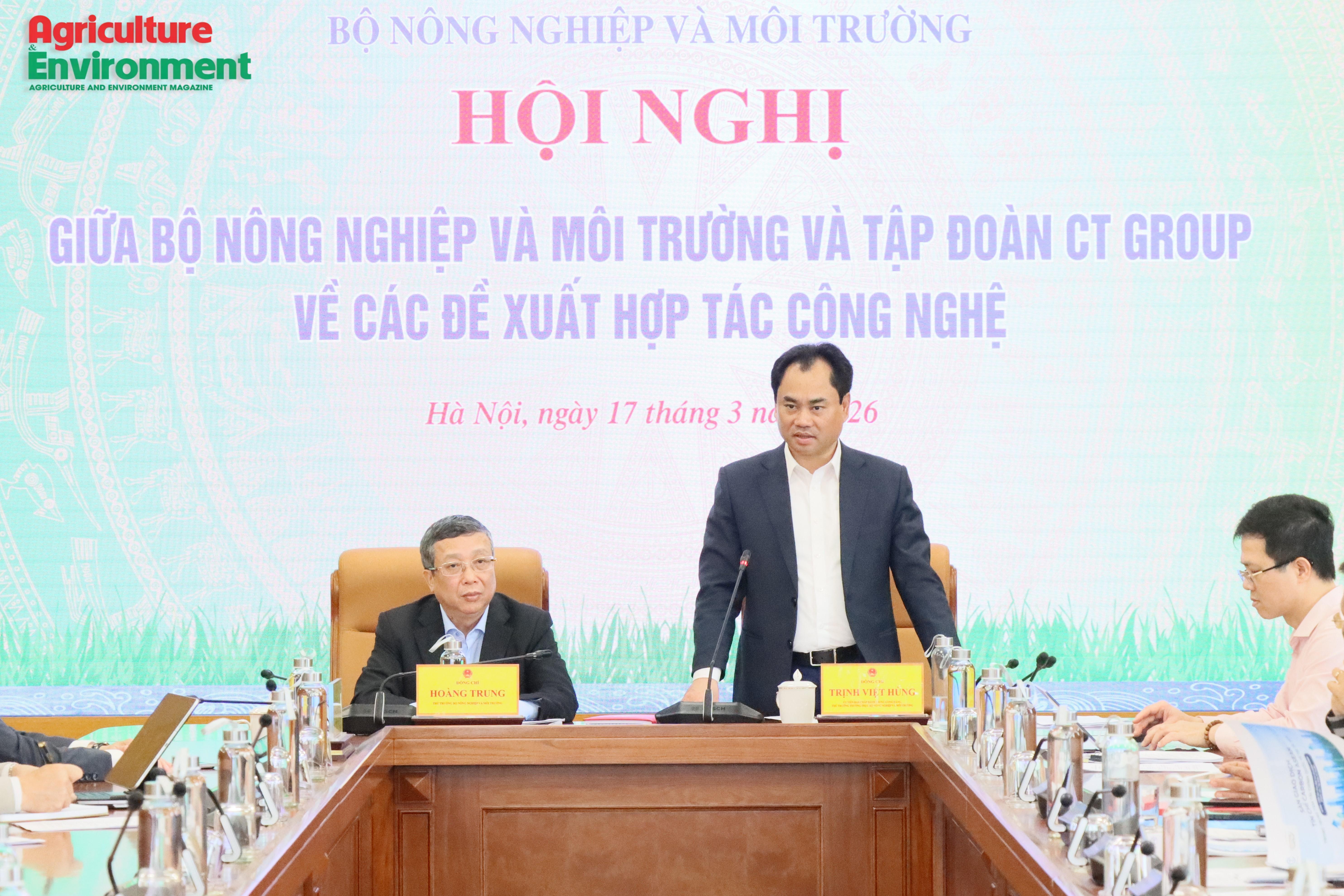
On March 17, Permanent Deputy Minister Trinh Viet Hung and Deputy Minister Hoang Trung co-chaired a meeting between the Ministry of Agriculture and Environment and CT Group to discuss technology cooperation proposals.
Ministry eyes pilot projects for unmanned farming technologies
Chairman of CT Group Tran Kim Chung said the “unmanned field” model is ready for deployment, as three key technological pillars have matured: digital technology based on Digital Twin platforms, low-altitude space economy technologies, and biotechnology, including gene editing and precision agriculture.
He described this convergence as a turning point, enabling fully digitalized agricultural production management. In this model, the Digital Twin acts as a virtual counterpart, reflecting real-time field conditions and providing a basis for artificial intelligence to optimize decision-making. Meanwhile, low-altitude infrastructure using unmanned aerial vehicles (UAVs) enhances operational efficiency, reduces costs, and addresses labor shortages. The company cited data showing that UAV applications in rice production have reduced costs by about 30 percent while offering significant potential for yield gains.
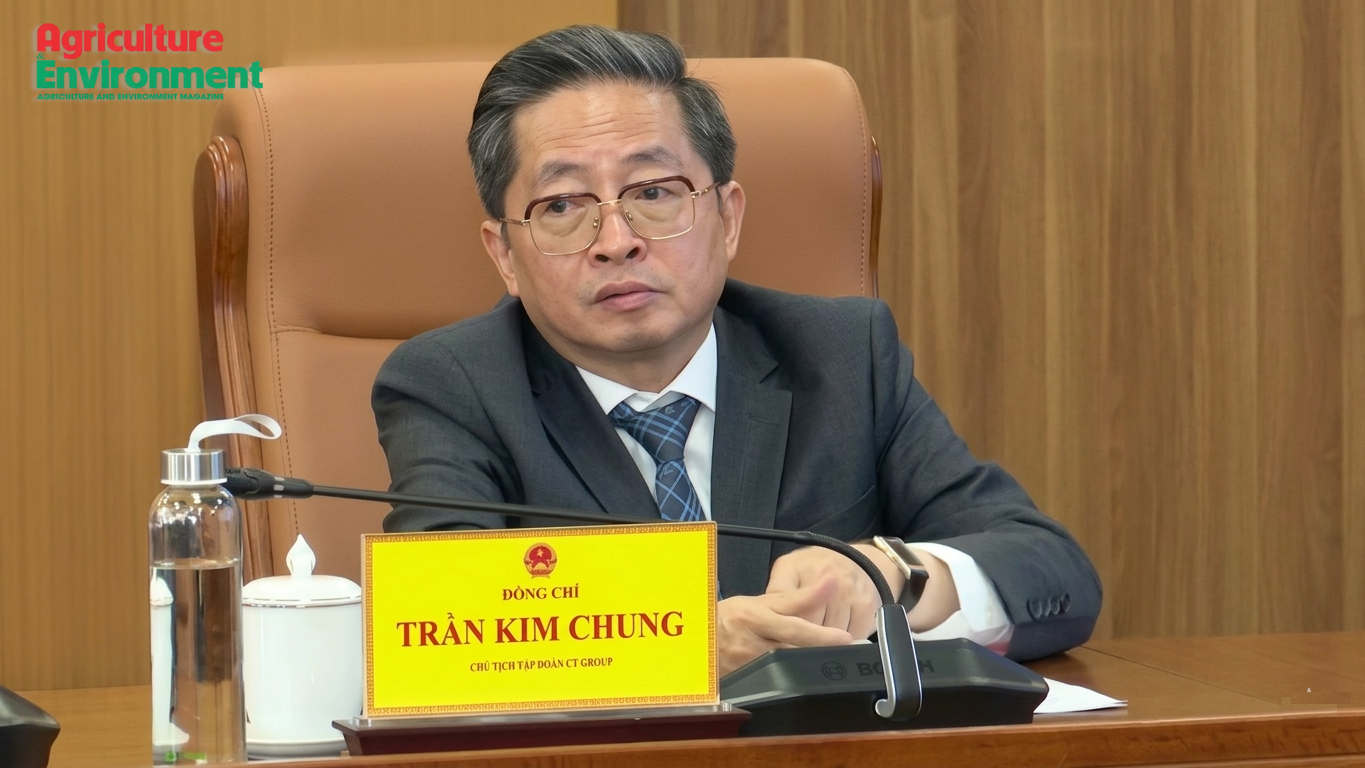
Leveraging its ecosystem of member companies to master core technologies, CT Group proposed that the Ministry allow pilot implementation of “unmanned model fields” in two key regions: the Mekong Delta and northern Viet Nam. The group also proposed a roadmap for piloting a multi-layer national Digital Twin in agriculture and natural resources, considering it a critical platform for AI development and enhanced governance capacity.
With the participation of strategic partners such as Can Tho University, local authorities, and leading domestic and international experts, the company expects the pilot models to deliver practical results, paving the way for nationwide scaling.
Speaking at the meeting, Permanent Deputy Minister Trinh Viet Hung praised CT Group’s capacity to access and master advanced technologies. He said the Ministry is ready to consider appropriate incentive mechanisms and encouraged expanded dialogue to attract more major technology corporations. Emphasizing a demand-driven approach from state management agencies, he said the Ministry is prepared to commission projects in CT Group’s areas of strength linked to science, technology, innovation, and digital transformation, in line with its key assigned tasks.
He noted that many of the company’s proposals are highly feasible in practice, particularly solutions involving agricultural robots and UAVs for transporting and harvesting agricultural products. The Ministry has also been tasked with developing 12 sectoral databases in agriculture, creating significant opportunities for collaboration with businesses in data development, integration, and use for governance.
Regarding implementation, he stressed prioritizing applied scientific products that can be deployed after research and deliver clear economic benefits. He also urged relevant units to promptly translate cooperation contents into concrete actions.
Agencies push government–business–academia links to scale up technology use
At the meeting, Deputy Director of the National Remote Sensing Department Pham Minh Hai expressed strong interest in CT Group’s technological capabilities, noting that its proposals largely align with priority technology categories. He proposed enhancing cooperation in developing and applying remote sensing data combined with artificial intelligence to support environmental protection.
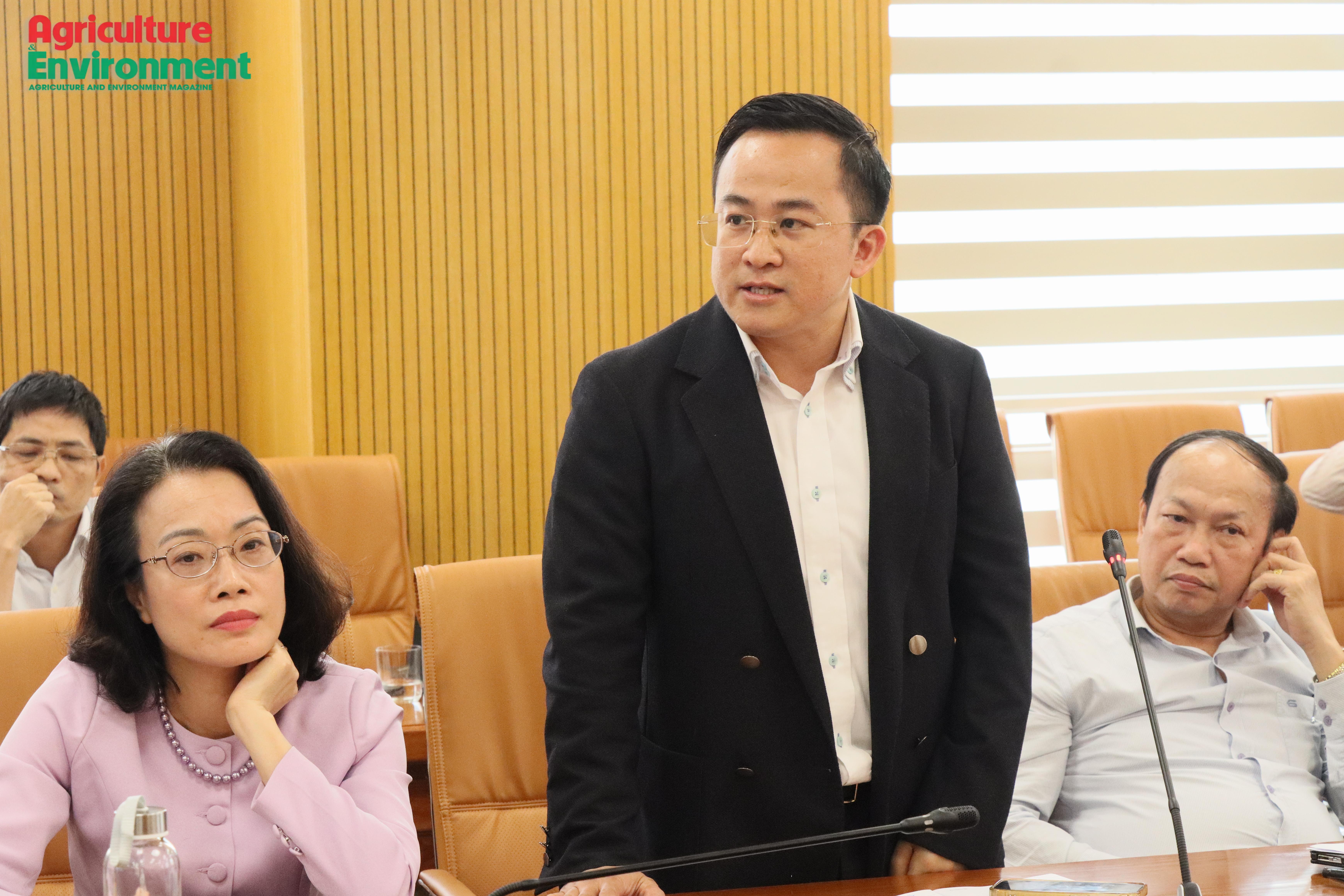
According to the department, the national remote sensing database is operating steadily, continuously collecting ultra-high- and high-resolution imagery over many years, covering the entire country. This is considered a valuable data source for building datasets and developing AI algorithms across specialized fields. However, application at the local level remains limited due to technological capacity constraints. Deputy Director Pham Minh Hai said he expects cooperation to promote simplified and highly automated solutions, enabling local authorities to better access and use remote sensing data for environmental protection.
In the field of seas and islands, Director of the Vietnam Administration of Seas and Island Nguyen Quoc Toan emphasized the urgent need to develop a Digital Twin for sustainable management of marine and island resources. This would support implementation of two major approved plans: the National Marine Spatial Plan for 2021–2030, with a vision to 2050, and the Master Plan for Sustainable Exploitation and Use of Coastal Resources for the same period.
He noted that planning can only be effective when accompanied by modern management tools. The Digital Twin is seen as a key platform to digitalize the entire marine space, supporting coordinated monitoring and implementation of plans in a synchronized and efficient manner.
The administration also proposed expanding the use of unmanned technologies, particularly UAVs, in baseline surveys serving marine economic development. Regarding deep-sea technologies, it noted challenges in defining orientations and technological frameworks due to their complexity and interdisciplinary nature. It called for the involvement of domestic and international experts, as well as businesses, to refine proposals in line with central-level directives.
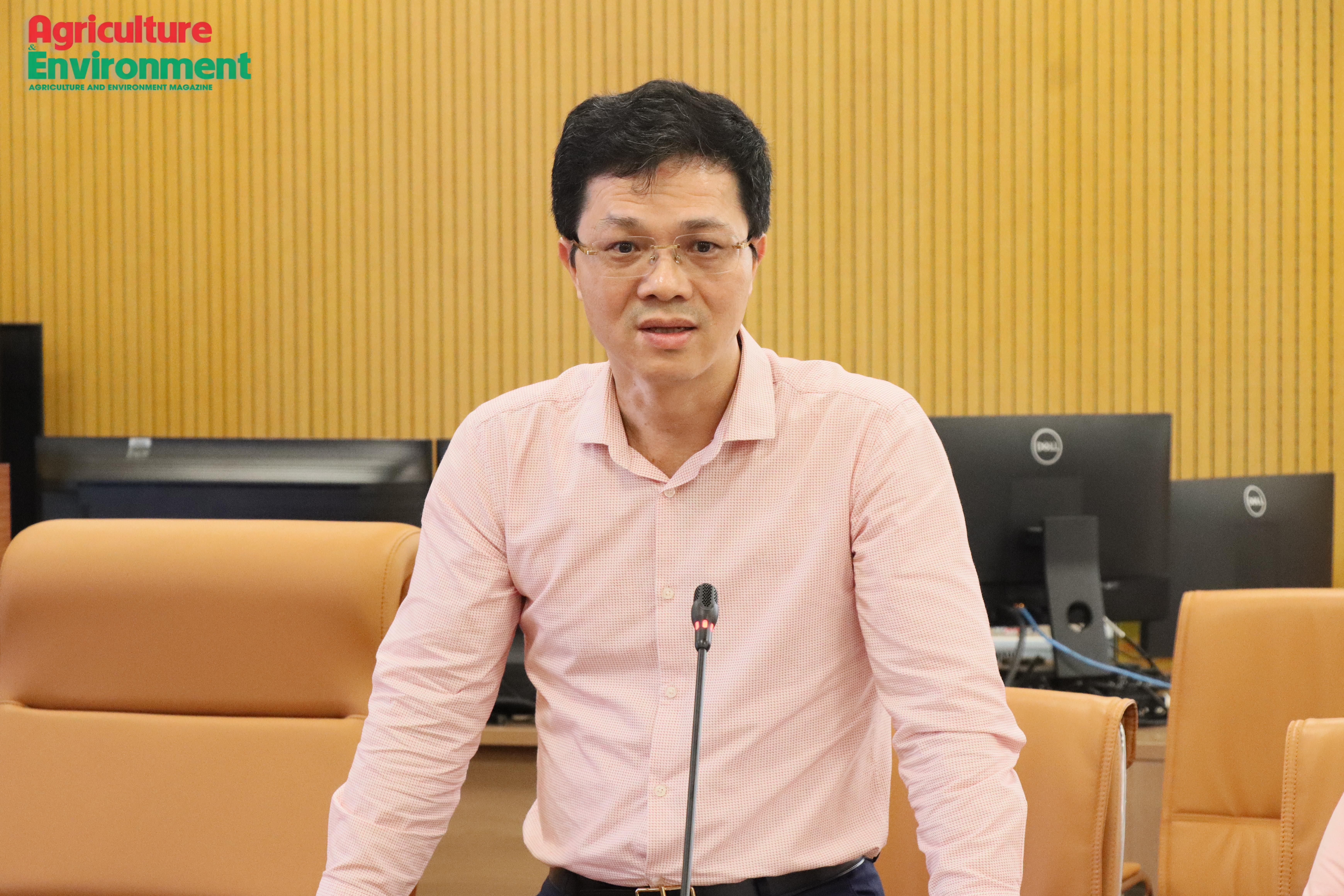
Alongside proposals from specialized units, the Ministry’s Department of Science and Technology outlined a structured and coordinated approach to cooperation with businesses. Director Nguyen Van Long said that units under the Ministry should proactively develop science and technology programs integrating cooperation with CT Group, reflecting the “triple helix” model of government, business, and academia. This is considered a key foundation to leverage each party’s strengths and shorten the gap between research and practical application.
Concluding the meeting, Deputy Minister Hoang Trung assigned the Department of Science and Technology to lead the development of an overarching cooperation program between the Ministry and CT Group, as a basis for a formal agreement. The program must clearly define a list of applicable technologies in the agriculture and environment sectors and be completed by March 31, 2026.
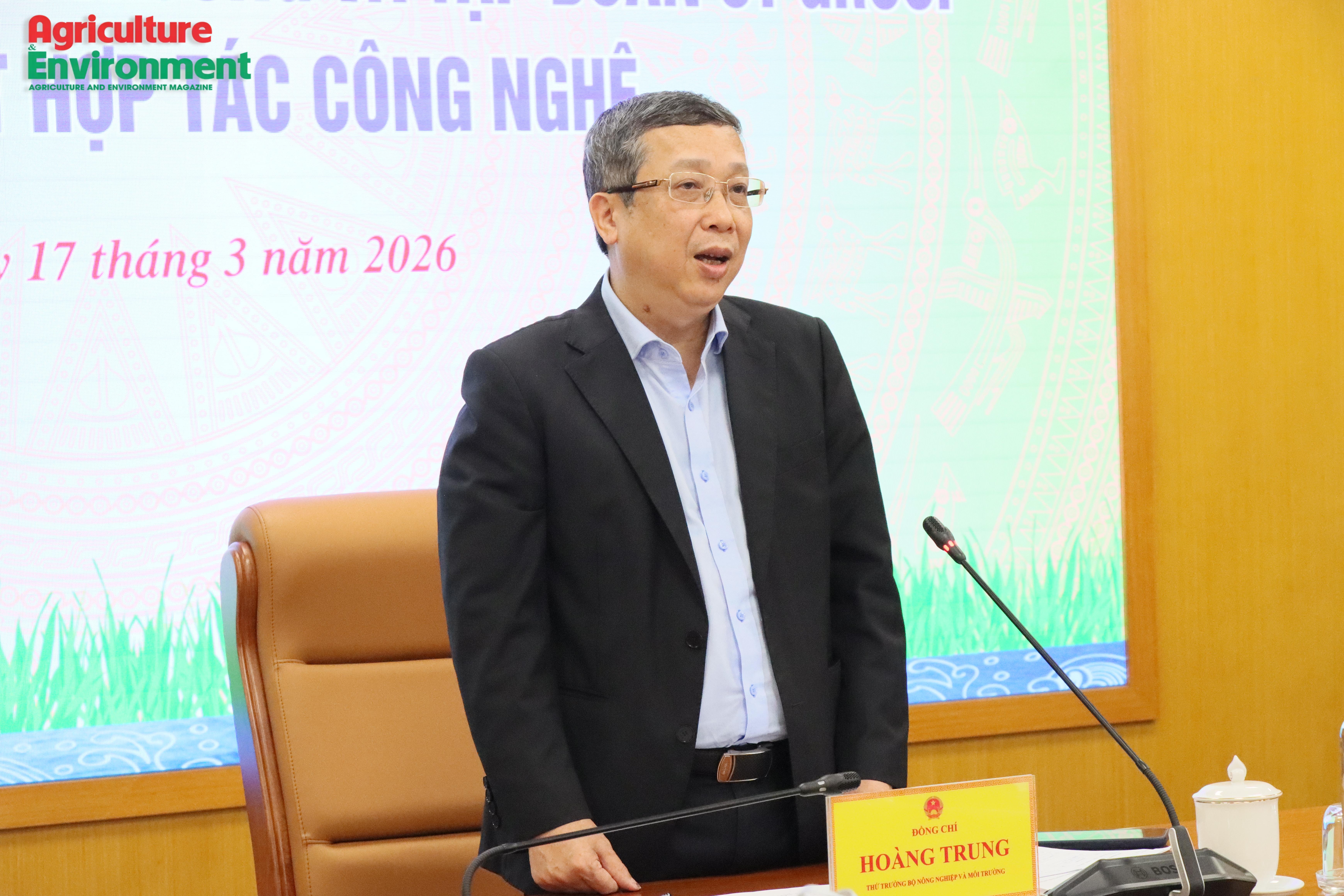
The department was also tasked with developing a detailed schedule for in-depth working sessions between the company and specialized units to ensure cooperation aligns with practical needs.
The Deputy Minister requested that relevant units proactively propose specific science and technology tasks and register them with the Ministry for implementation under a commissioning mechanism. For its part, the company should clarify financial and resource requirements in its proposals to support reporting to the Steering Committee.
Highlighting the importance of cooperation, Deputy Minister Hoang Trung said he will visit and work directly with CT Group in the near future. He expressed confidence that the cooperation outcomes would contribute to implementing Resolution No. 57-NQ/TW, promoting growth and enhancing the competitiveness of the agriculture and environment sectors.
On October 30 in Hanoi, Deputy Minister of Natural Resources and Environment of Vietnam, Le Cong Thanh, met with Caroline Beresford, New Zealand Ambassador to Vietnam, and Anna Broadhurst, Chief Climate Change Advisor for New Zealand’s Ministry of Foreign Affairs and Trade. The meeting signified the importance of addressing climate change as a top priority in the cooperation between Vietnam and New Zealand, particularly as the two countries approach the 50th anniversary of their diplomatic relations in 2025.
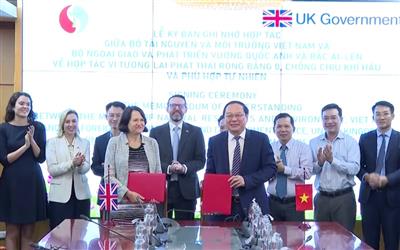
On October 24 in Hanoi, the Ministry of Natural Resources and Environment (MONRE) of Vietnam and the UK’s Foreign, Commonwealth & Development Office officially signed a Memorandum of Understanding (MoU) aimed at fostering cooperation in the fields of environment and climate change. This agreement marks a significant milestone in the longstanding partnership between the two nations, particularly as the global community intensifies efforts toward achieving net-zero emissions and sustainable development goals.
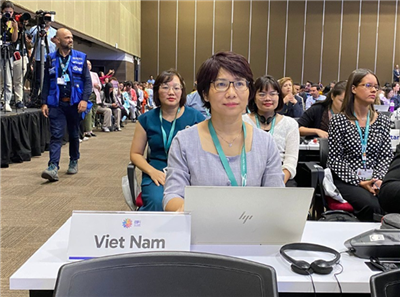
On October 20, 2024, the 16th Conference of the Parties to the Convention on Biological Diversity (CBD COP16) officially opened in Cali, Colombia, with over 23,000 delegates from around the world. Vietnam, as an active participant, reaffirms its commitment to international biodiversity conservation efforts, working toward the ambitious goals set by the Kunming-Montreal Global Biodiversity Framework (KMGBF).
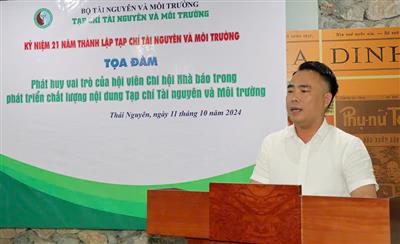
On October 11, 2024, at the Huynh Thuc Khang Press School in Tan Thai commune, Dai Tu district, Thai Nguyen province, Natural Resource and Environment Magazine celebrated its 21st anniversary (October 13, 2003 - October 13, 2024) and held a symposium on the theme: "Enhancing the role of members of the Journalists’ Association in developing the content of the Natural Resource and Environment Magazine."
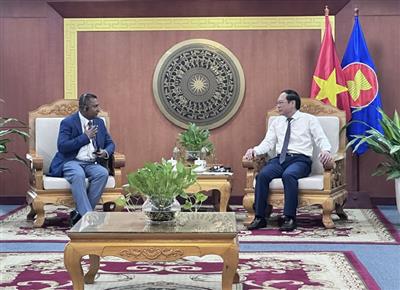
On October 14, at the headquarters of the Ministry of Natural Resources and Environment (MONRE), Deputy Minister Le Cong Thanh had a meeting with Mr. Prasanna De Silva, CEO of the International Office of the World Wide Fund for Nature (WWF). This meeting not only reaffirmed the strong and enduring partnership between Vietnam and WWF, which has lasted for more than 30 years, but also opened up new opportunities for expanded cooperation in areas such as nature conservation, climate change response, and tackling plastic pollution.