



 Building on a memorandum of understanding (MoU) signed in September 2023, Viet Nam and China’s Guangxi Zhuang Autonomous Region are advancing cooperation in agriculture and environment, focusing on smart agriculture, agri-product trade, fisheries, and cross-border disease control, with the aim of developing seamless and sustainable supply chains.
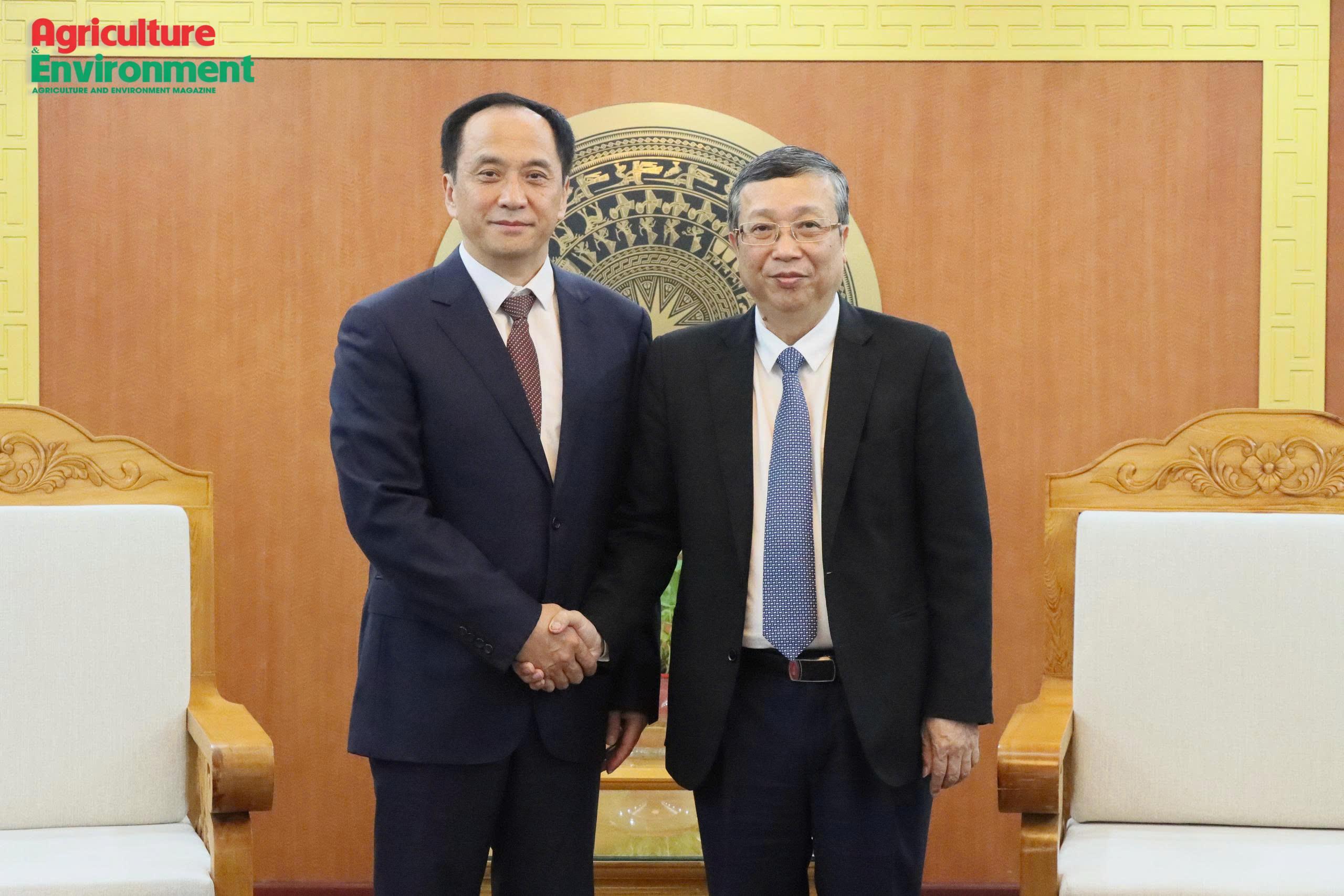
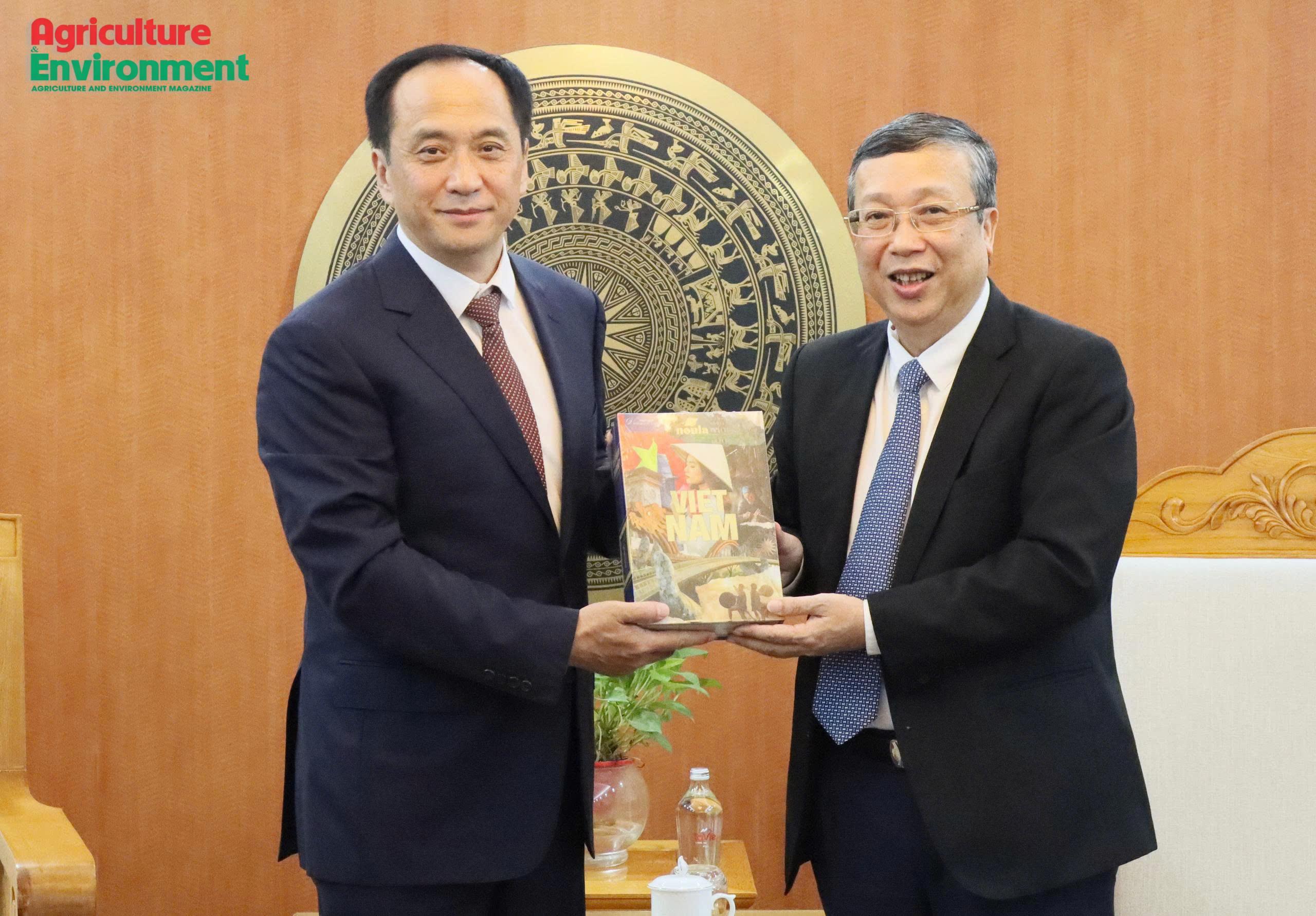
On March 26, at the headquarters of the Ministry of Agriculture and Environment, Deputy Minister Hoang Trung received Xu Xianhui, Vice Chairman of the Guangxi Zhuang Autonomous Region government.
Cooperation deepens under MoU framework
Deputy Minister Hoang Trung said the MoU provides an important foundation for promoting cooperation in areas of mutual strength. Based on agreed priorities, units under the Ministry of Agriculture and Environment have proactively coordinated with Guangxi authorities, achieving positive results.
The ministry has regularly sent officials to attend conferences of directors of agriculture departments hosted by Guangxi, with the participation of four Vietnamese border provinces, while actively engaging in other cooperative activities. Quarantine authorities on both sides have maintained regular coordination mechanisms at border gates, facilitating the customs clearance of agricultural products.
At the technical level, a range of bilateral programs have been implemented effectively. These include research projects on fruit crop varieties; forestry research and postdoctoral training; joint scientific projects between research institutes; cooperation to improve the quality of traded agro-forestry-fishery products; and proposals to establish a Vietnam–China geological science cooperation center.
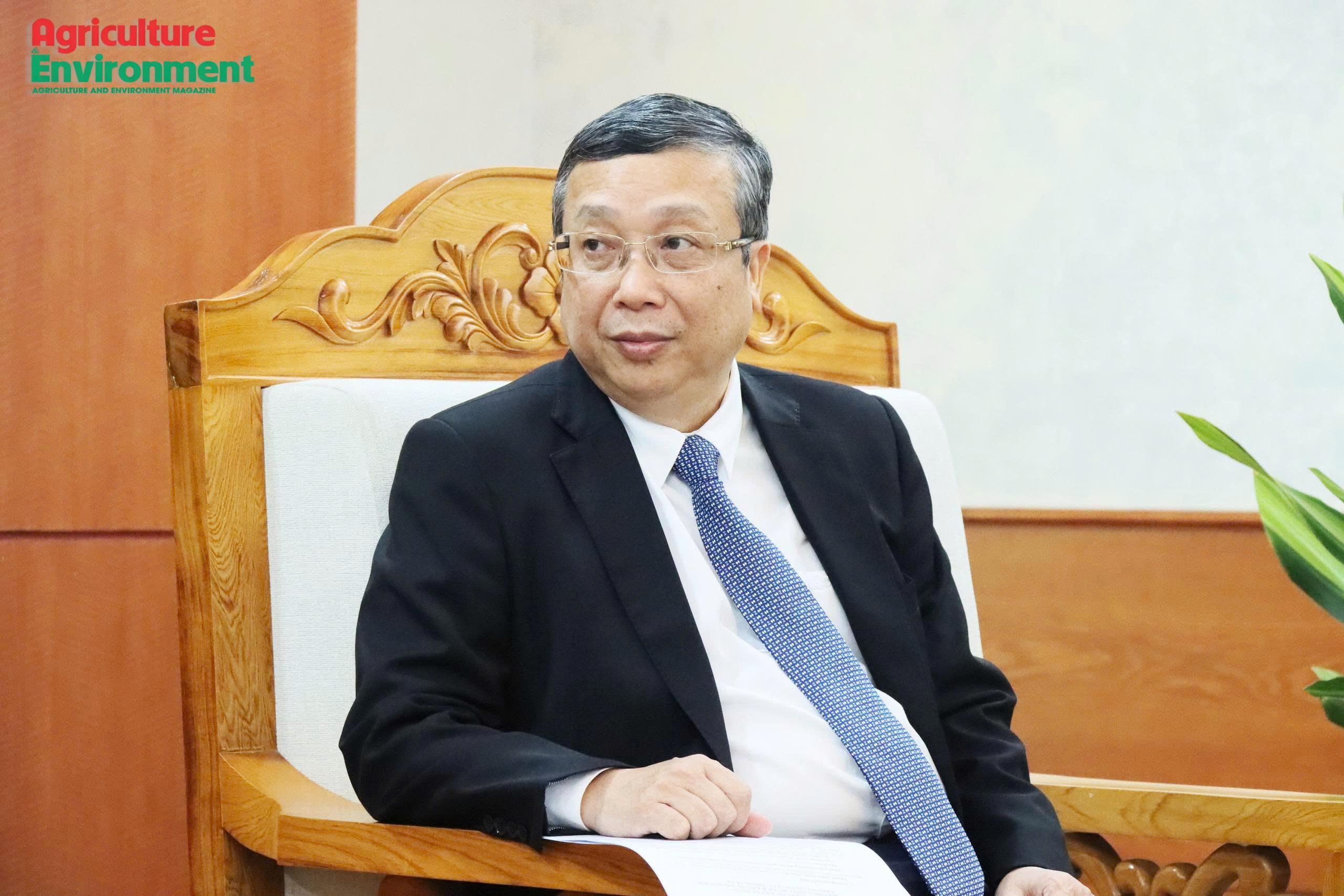
Vice Chairma Xu Xianhui said that during the visit, the Guangxi delegation conducted field surveys in Quang Ninh province to review ongoing cooperation projects. Quang Ninh was assessed as having favorable conditions for aquaculture development, particularly smart farming models, with significant room for expansion.
The two sides also discussed facilitating trade in agricultural products through improved customs clearance, while enhancing coordination on border management, disaster response, flood control, and goods inspection. As recent storms and floods have affected both Viet Nam and Guangxi, strengthening joint response capacity was seen as urgent.
According to Vice Chairman Xu Xianhui, agricultural cooperation has delivered positive outcomes in recent years, with investment deepening. Cooperation in smart agriculture is being stepped up, with several modern livestock production models deployed in Viet Nam alongside technology transfer.
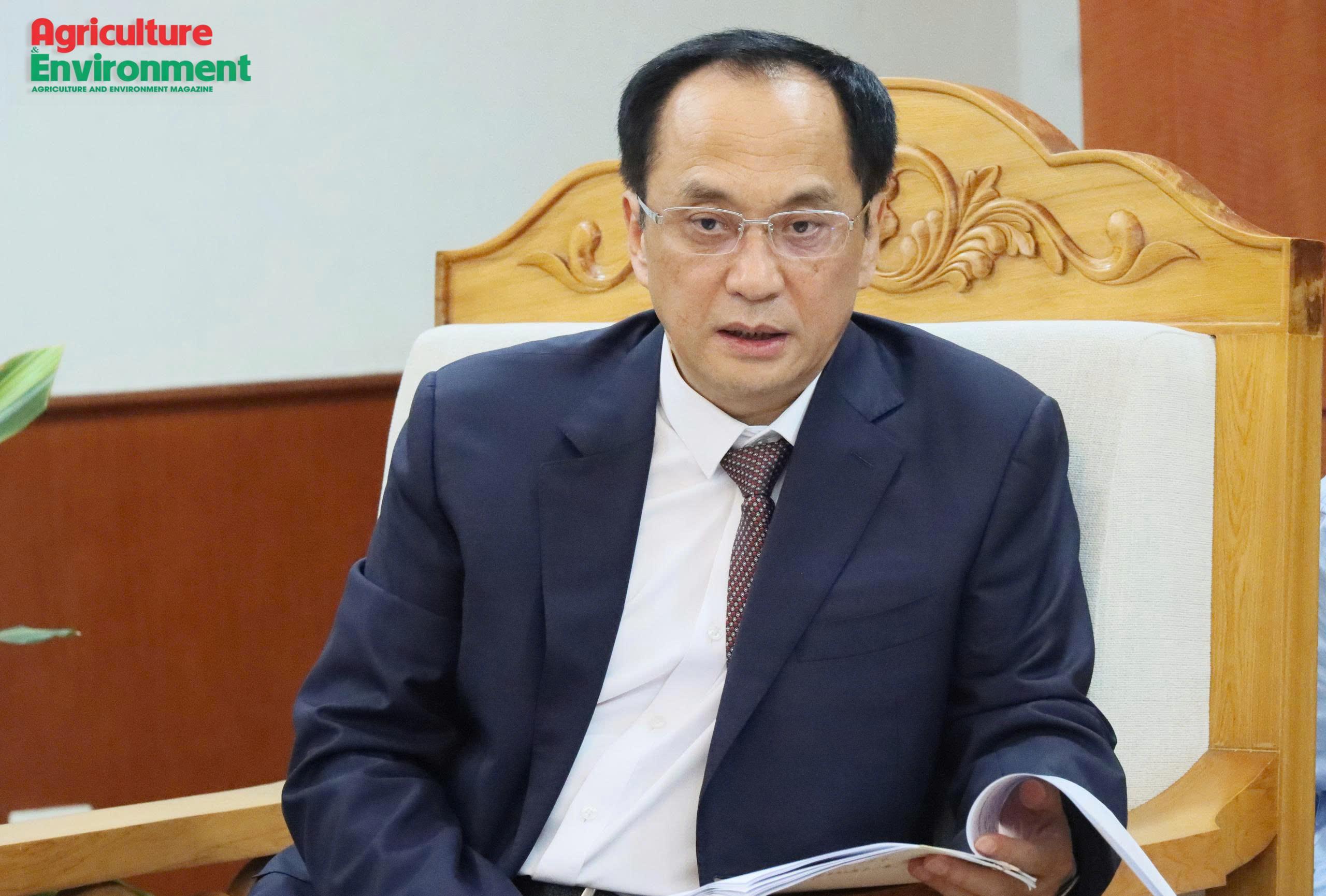
In fisheries, smart aquaculture projects have begun to emerge since 2025. At the same time, cooperation on cross-border animal disease prevention and control has been strengthened through joint laboratories, technical training, and collaborative research.
Cooperation in science, technology, and human resource development has also expanded, including the establishment of high-quality crop breeding research stations, increased expert exchanges, and broader collaborative activities.
Priority areas identified for expanding agricultural cooperation
Based on the discussions, both sides outlined directions to promote comprehensive cooperation in agriculture and agri-product trade, focusing on improving quarantine efficiency, expanding market access, and applying science and technology in production.
In plant quarantine, Deputy Minister Hoang Trung emphasized the need to establish regular information-sharing channels on plant pest outbreaks, along with sharing survey and monitoring data to enhance forecasting and prevention capacity. The two sides aim to develop coordinated pest control plans in high-risk areas, particularly for species capable of cross-border spread. Promoting biological control measures, technology transfer, and testing methods for biopesticides was also identified as a key direction.
In animal quarantine and veterinary cooperation, efforts will focus on effectively controlling transboundary animal diseases, establishing disease-free zones, and gradually removing technical barriers to trade. The two sides will coordinate to establish technical working groups to directly support localities and businesses in meeting export requirements for the Chinese market. Negotiations on the recognition of disease-free zones and the harmonization of veterinary health certificates were also identified as key tasks.
Meanwhile, science and technology cooperation will be deepened, focusing on high-yield livestock breeds, technology transfer in vaccine and veterinary drug production, and the application of automation and Internet of Things (IoT) technologies in agriculture. These are seen as essential to improving productivity, quality, and competitiveness in the context of international integration.
The Deputy Minister also called on Guangxi to continue developing smart border gates to improve customs clearance efficiency, reduce logistics costs, and enhance transparency in agricultural trade.
These proposals are expected not only to address existing bottlenecks but also to lay the groundwork for long-term, sustainable development of cross-border agricultural value chains between Viet Nam and China.
On March 12, Minister of Agriculture and Environment Do Duc Duy held talks with Mr. Tsutomu Takebe, a member of the Board of Trustees of Vietnam - Japan University and former Minister of Agriculture, Forestry, and Fisheries of Japan. The meeting focused on strengthening bilateral cooperation in developing high-quality human resources for Vietnam’s agricultural sector, with Japan serving as a key partner in training, technology transfer, and business management in agriculture.
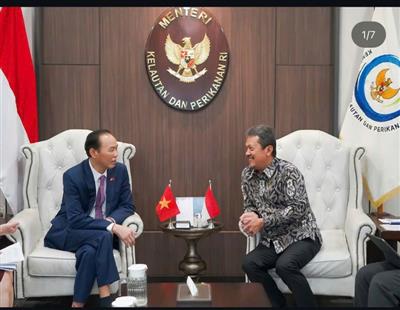
During a bilateral meeting on March 10, Deputy Minister of Agriculture and Environment Phung Duc Tien and Indonesia’s Minister of Maritime Affairs and Fisheries, Sakti Wahyu Trenggono, reaffirmed their commitment to fostering collaboration in sustainable aquaculture and legal fisheries exploitation. The meeting, held as part of Party General Secretary To Lam’s state visit to Indonesia, underscored the long-standing ties between the two nations, which celebrate 70 years of diplomatic relations in 2025.
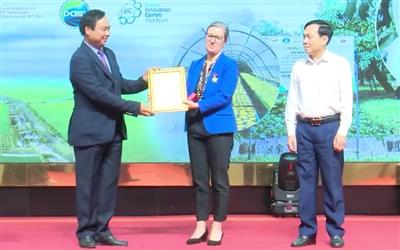
On March 10, The Ministry of Agriculture and Environment (MoAE), in collaboration with the German International Cooperation (GIZ), hosted the closing conference for the "Green Innovation Centers" (GIC) Project in Can Tho. The conference marked the successful implementation of the project, highlighting innovative solutions that have contributed to Vietnam's sustainable agricultural transformation.
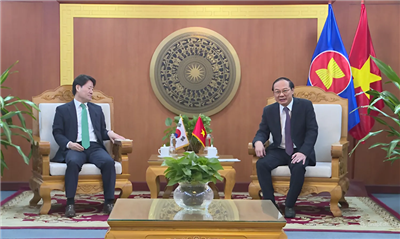
On March 5, Deputy Minister of Agriculture and Environment Le Cong Thanh met with Kim Young Ki, Acting President of the Korea Environmental Industry & Technology Institute (KEITI), to advance the implementation of a project aimed at establishing a resource recycling industrial park in Vietnam.
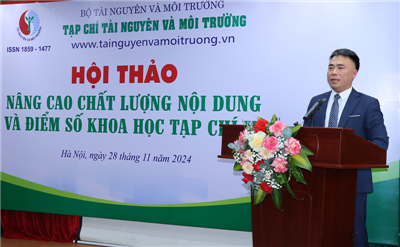
Minister of Agriculture and Environment Do Duc Duy has officially appointed Dr. Dao Xuan Hung as Editor-in-Chief of the Agriculture and Environment Magazine.