



 More accurate forecasts and earlier warnings significantly improve the ability of authorities and communities to respond proactively — a key message emphasized by Deputy Minister of Agriculture and Environment Le Cong Thanh, as increasingly extreme disasters require stronger application of advanced technologies such as artificial intelligence and big data.
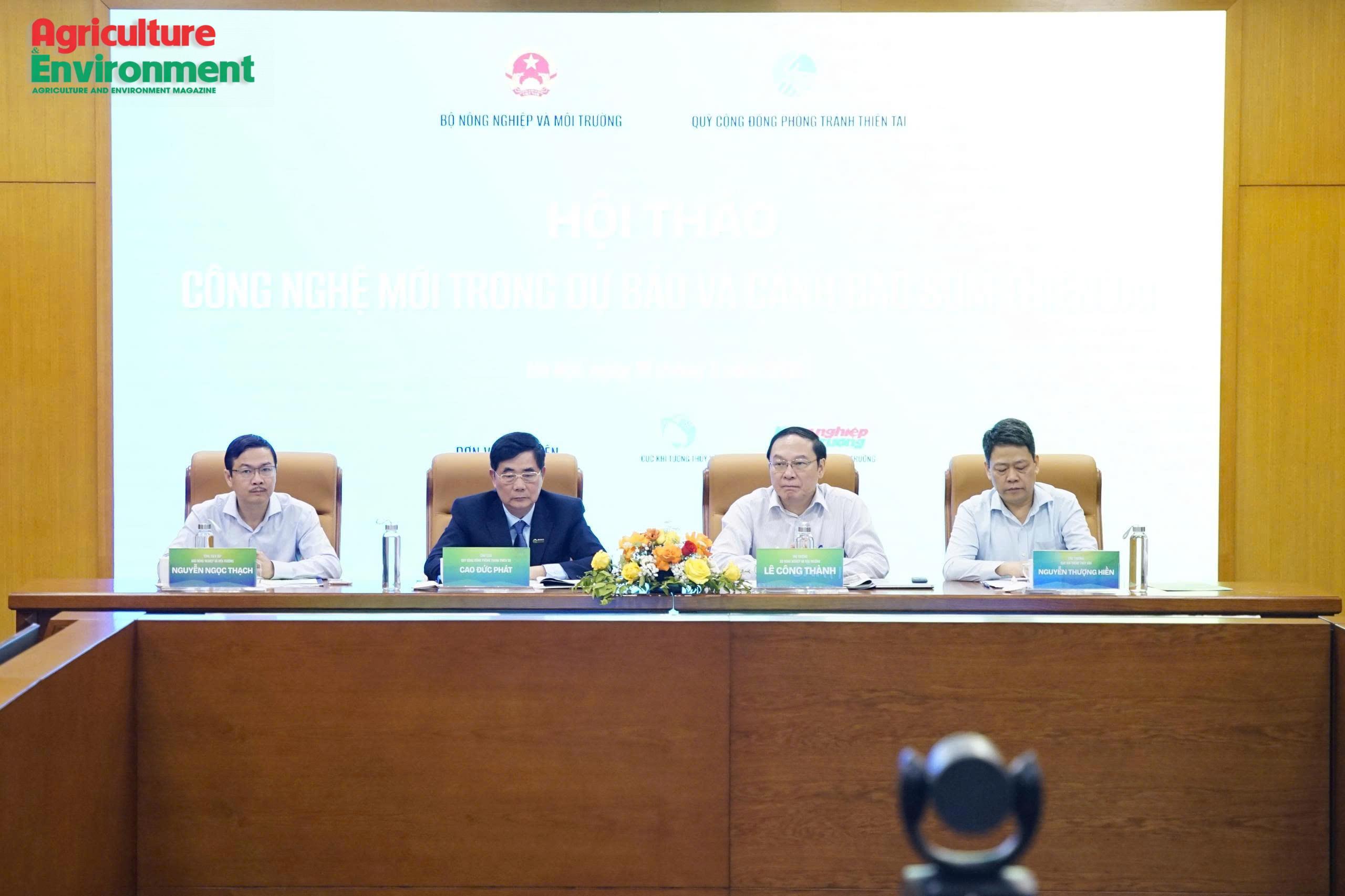
On March 18, a scientific workshop on “New technologies in disaster forecasting and early warning” was held with the participation of representatives from the Ministry of Agriculture and Environment, central and local government agencies, international organizations, scientists, experts, technology companies, and the media.
Disasters growing more extreme and unpredictable
Addressing the workshop, Deputy Minister Le Cong Thanh said that under the impacts of climate change, natural disasters in Viet Nam have been increasing in both frequency and intensity.
Statistics show that between 2021 and 2025, extreme weather events left more than 1,500 people dead or missing and caused economic losses totaling hundreds of trillions of Vietnamese dong. Flash floods and landslides, in particular, tend to occur on a localized scale but develop rapidly, posing significant challenges to conventional forecasting methods.
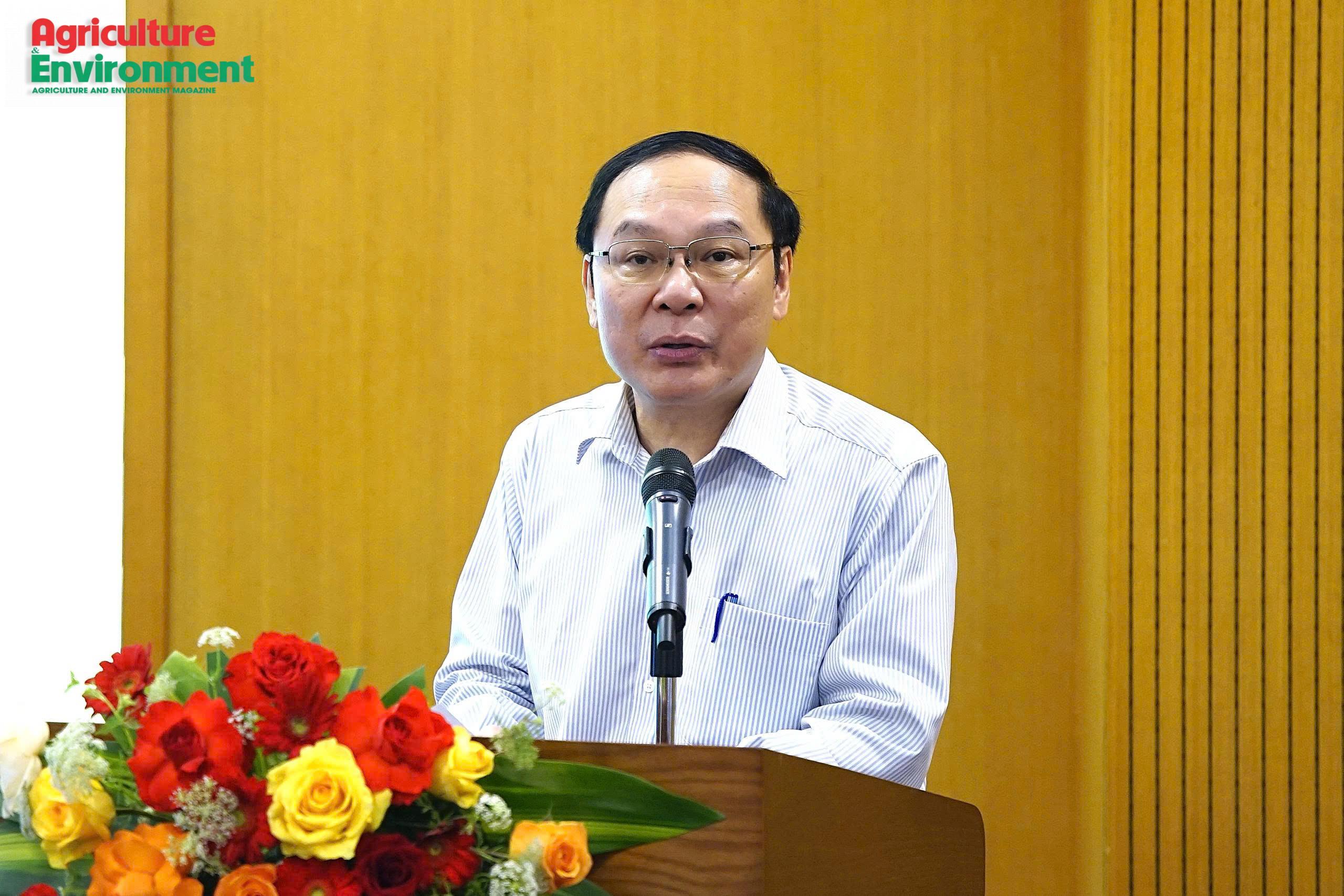
According to the Deputy Minister, advances in technologies such as artificial intelligence (AI), big data, remote sensing, high-resolution numerical weather prediction models, automated observation systems, and real-time data analytics platforms are opening new approaches for the hydrometeorological sector. These technologies help improve forecast accuracy, shorten data processing time, and strengthen risk analysis and disaster response planning.
In the coming period, the Ministry of Agriculture and Environment will prioritize digital transformation in hydrometeorology. Key measures include developing large-scale hydrometeorological and disaster databases, modernizing observation networks, advancing numerical forecasting systems, and building multi-hazard early warning platforms. The ministry also plans to enhance data connectivity and sharing, promote international cooperation and public–private partnerships, and mobilize resources for research, technology transfer, and application, with the aim of improving forecasting effectiveness and reducing disaster-related losses.
Providing further insights, Dr. Bui Du Duong of the Institute of Water Resources Science under the National Center for Water Resources Planning and Investigation said that disasters in Viet Nam have increased in both scale and intensity in recent years, with many events reaching historic or unprecedented levels.
The 2019–2020 dry-season drought and saltwater intrusion in the Mekong Delta were described as the most severe on record. In 2020, central Viet Nam experienced successive storms and floods that caused widespread flooding and severe landslides.
Typhoon Yagi in September 2024 was considered the strongest storm to hit northern Viet Nam in nearly 30 years, with rainfall at several stations reaching four to six times the long-term average, triggering large-scale flooding. Up to 20 of the 25 northern provinces and cities were affected.
In 2025, multiple records were broken, including an unusually high number of 27 storms and six tropical depressions in the East Sea. Several monitoring stations recorded their highest daily rainfall on record, including 1,740 mm in a single day at Bach Ma station in Hue. For the first time, exceptionally large or historic floods occurred simultaneously across most major river systems in the country.
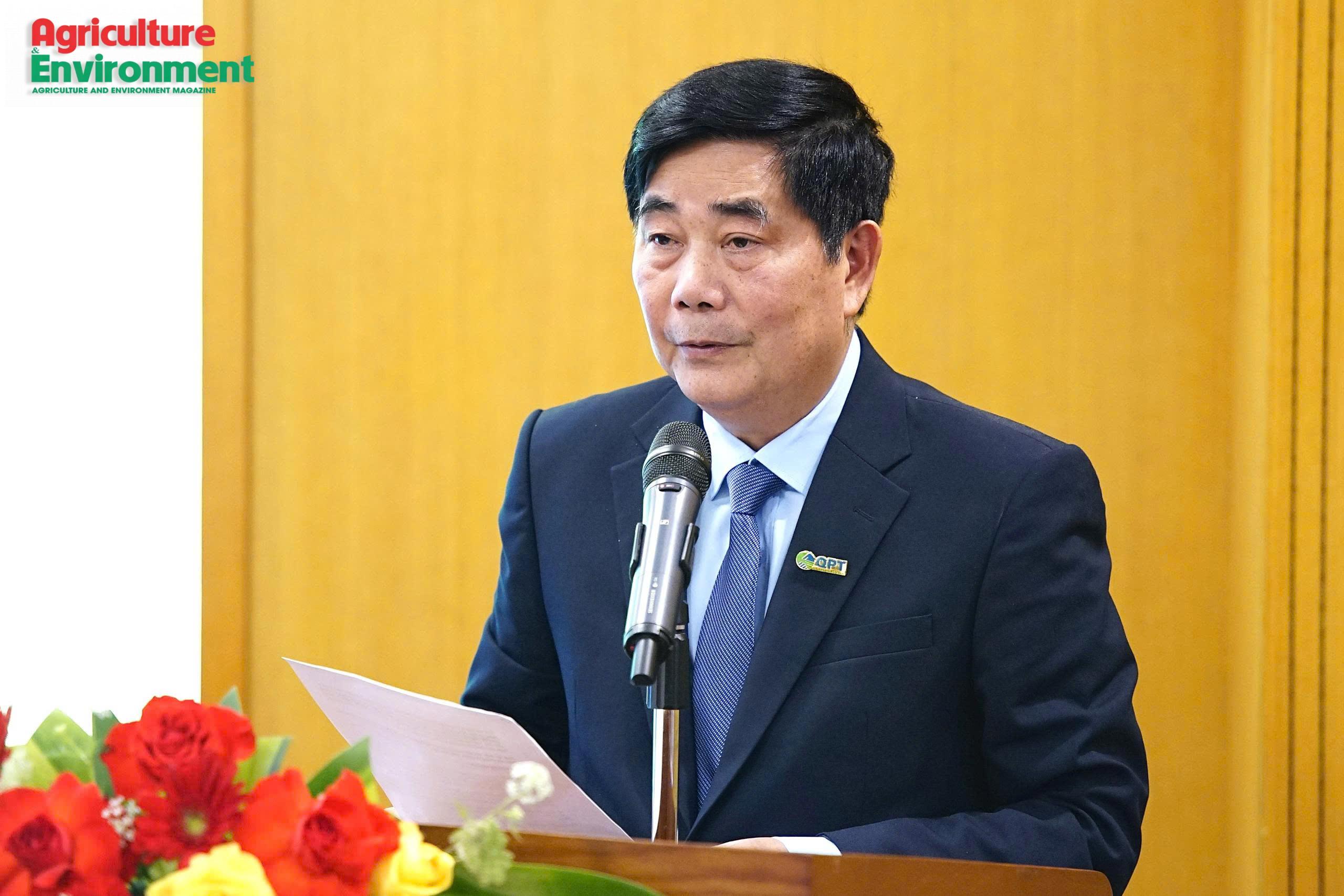
Chairman of the Community-based disaster risk management fund Cao Duc Phat said that as disasters become more extreme and unpredictable, improving the quality of forecasting and early warning is increasingly urgent. Despite progress in hydrometeorological forecasting, more effective solutions are needed to deliver timely and accurate warnings to communities.
The workshop aimed to provide a platform for sharing advances in disaster forecasting and early warning, particularly for floods, and to discuss the practical application of technological solutions. Representatives of the fund said they would continue mobilizing social resources to support the application of digital technologies and artificial intelligence, contributing to more effective disaster prevention and loss reduction.
New technologies seen as key to improving forecasts
At the workshop, presentations focused on a range of technological approaches to disaster forecasting and early warning, addressing key challenges facing the hydrometeorological sector as climate change drives increasingly extreme and unpredictable conditions.
According to Deputy Director of the Center for Disaster Prevention Policy and Technology (under the Department of Dyke Management and Disaster Prevention and Control) Bui Quang Huy, digital transformation is playing a central role in reshaping traditional disaster management approaches. A core component is the PDMS system, which operates on both web-based and mobile platforms and enables integrated data connectivity from the central level down to commune level and local communities.
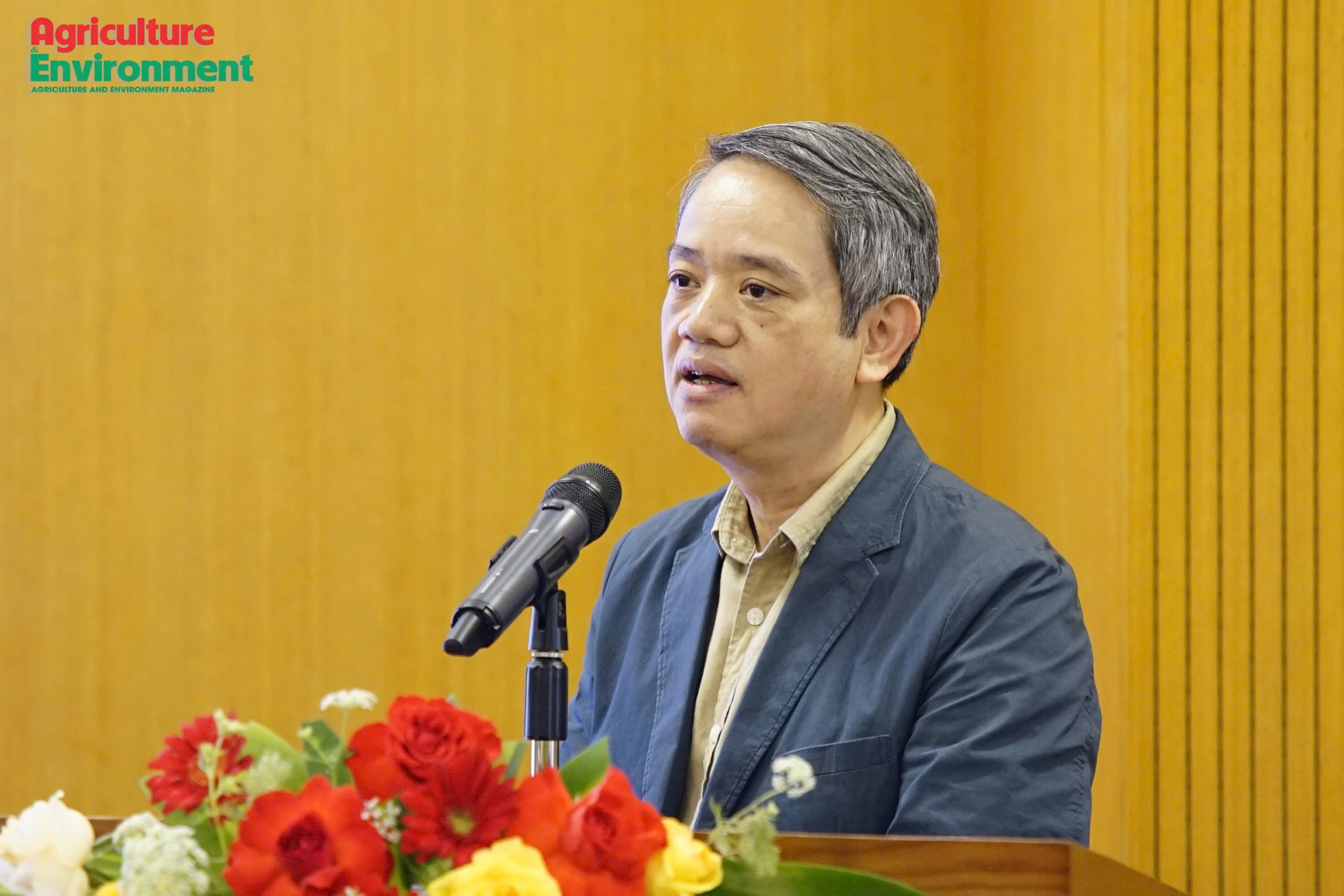
The PDMS system not only provides real-time hydrometeorological monitoring and warning information but also serves as an effective tool for authorities to track evacuation progress in affected areas. It also allows residents to send field images and report urgent needs directly to operation centers, helping ensure that information is updated in a timely, accurate, and actionable manner.
In addition, Dr. Bui Du Duong, Deputy Director of the Institute of Water Resources Science, introduced a hybrid solution combining traditional physical models with artificial intelligence (AI/ML) and remote sensing data.
This approach leverages the wide-area observation capabilities of satellite data alongside in-situ measurements from hydrological stations to improve model calibration. Practical results show that the hybrid model can improve forecasting accuracy by up to 40%.
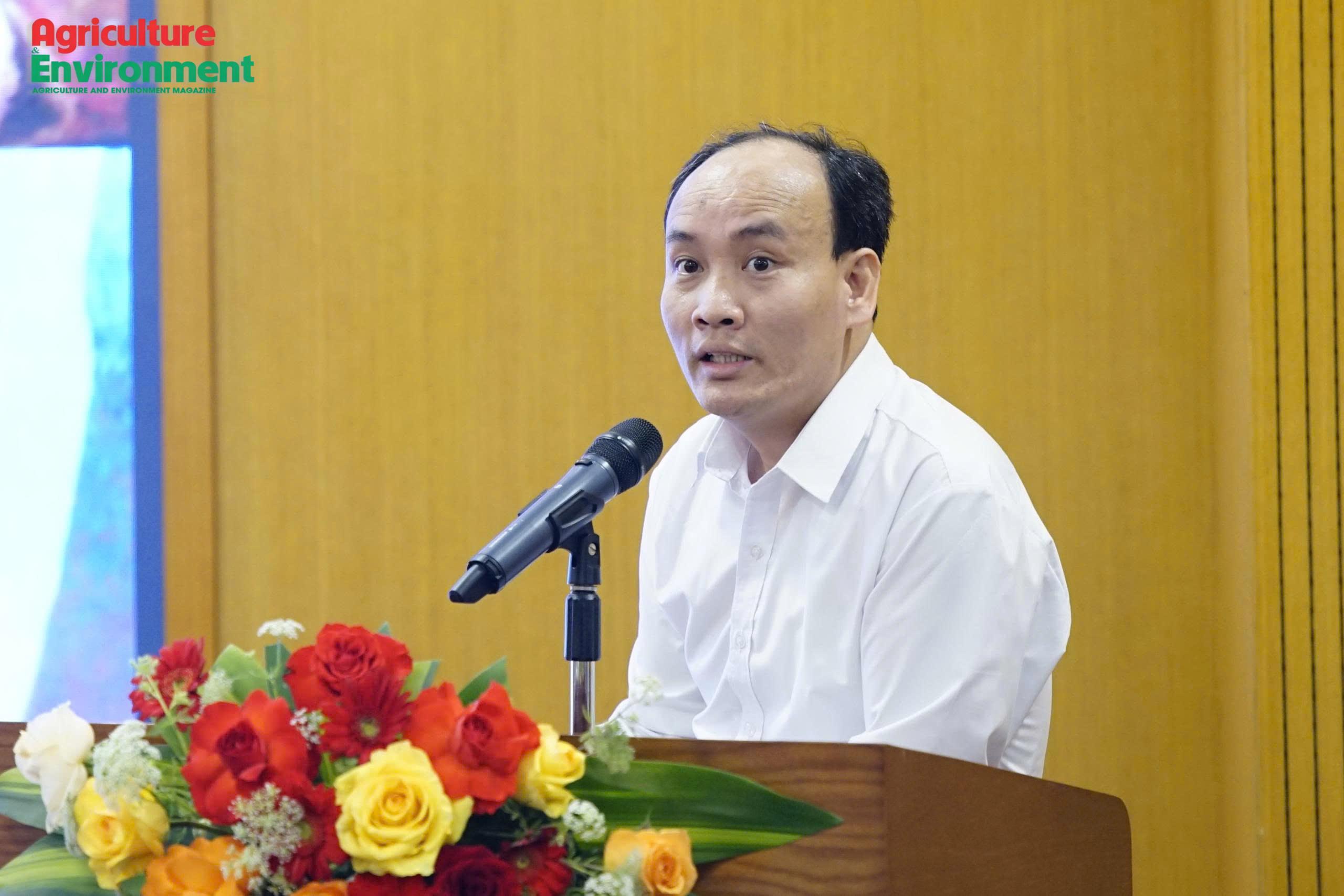
Notably, the system is capable of forecasting river flows and flooding in river basins such as the Red River and the Mekong River from 16 days to six months in advance. Flood extent and depth in downstream areas can be calculated in about 30 seconds, providing critical lead time for decision-making.
Experts emphasized the urgent need to further accelerate digital transformation in hydrometeorology, with priority given to developing and standardizing databases, building shared data infrastructure, and expanding modern, real-time observation networks. They also highlighted the importance of strengthening international cooperation and fostering collaboration among government agencies, the scientific community, and businesses to mobilize resources, facilitate technology transfer, and improve disaster risk management.
The workshop was seen as an important platform for knowledge exchange, experience sharing, and cooperation in hydrometeorology and disaster prevention and control. Beyond academic discussions, it also pointed to practical pathways for applying technology in management and operations.
Recommendations and solutions put forward at the event are expected to provide both scientific and practical inputs for policymaking and the development of action programs in the coming period, contributing to improved forecasting and early warning capacity, more proactive disaster response, reduced losses, and enhanced resilience of the socio-economic system to climate change.
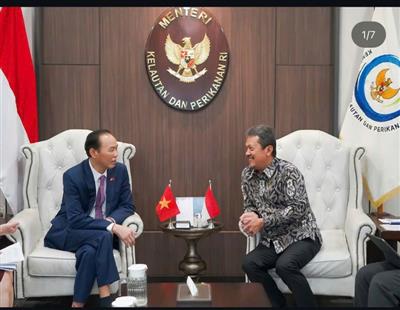
During a bilateral meeting on March 10, Deputy Minister of Agriculture and Environment Phung Duc Tien and Indonesia’s Minister of Maritime Affairs and Fisheries, Sakti Wahyu Trenggono, reaffirmed their commitment to fostering collaboration in sustainable aquaculture and legal fisheries exploitation. The meeting, held as part of Party General Secretary To Lam’s state visit to Indonesia, underscored the long-standing ties between the two nations, which celebrate 70 years of diplomatic relations in 2025.
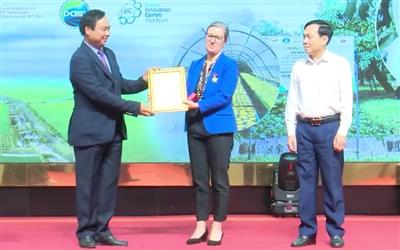
On March 10, The Ministry of Agriculture and Environment (MoAE), in collaboration with the German International Cooperation (GIZ), hosted the closing conference for the "Green Innovation Centers" (GIC) Project in Can Tho. The conference marked the successful implementation of the project, highlighting innovative solutions that have contributed to Vietnam's sustainable agricultural transformation.
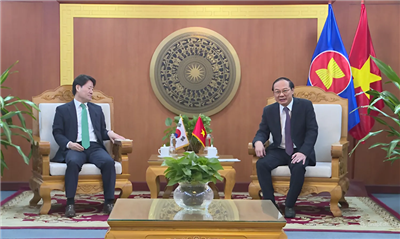
On March 5, Deputy Minister of Agriculture and Environment Le Cong Thanh met with Kim Young Ki, Acting President of the Korea Environmental Industry & Technology Institute (KEITI), to advance the implementation of a project aimed at establishing a resource recycling industrial park in Vietnam.
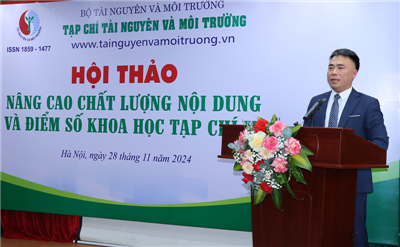
Minister of Agriculture and Environment Do Duc Duy has officially appointed Dr. Dao Xuan Hung as Editor-in-Chief of the Agriculture and Environment Magazine.
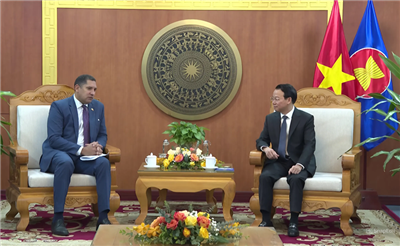
On February 20, in Hanoi, Minister of Agriculture and Environment Do Duc Duy met with Swedish Ambassador to Vietnam Johan Ndisi for a courtesy meeting. The meeting focused on enhancing bilateral cooperation, particularly in green development and the circular economy, to further strengthen the relationship between the two countries.