



 On December 17, 2025, in Quang Tri province, Agriculture and Environment Magazine, in coordination with the Quang Tri Provincial Department of Agriculture and Environment, convened the Forum on “The rational exploitation and sustainable use of Viet Nam’s marine and island resources.” The event drew strong interest from policymakers, scientists, businesses, and representatives of coastal localities.
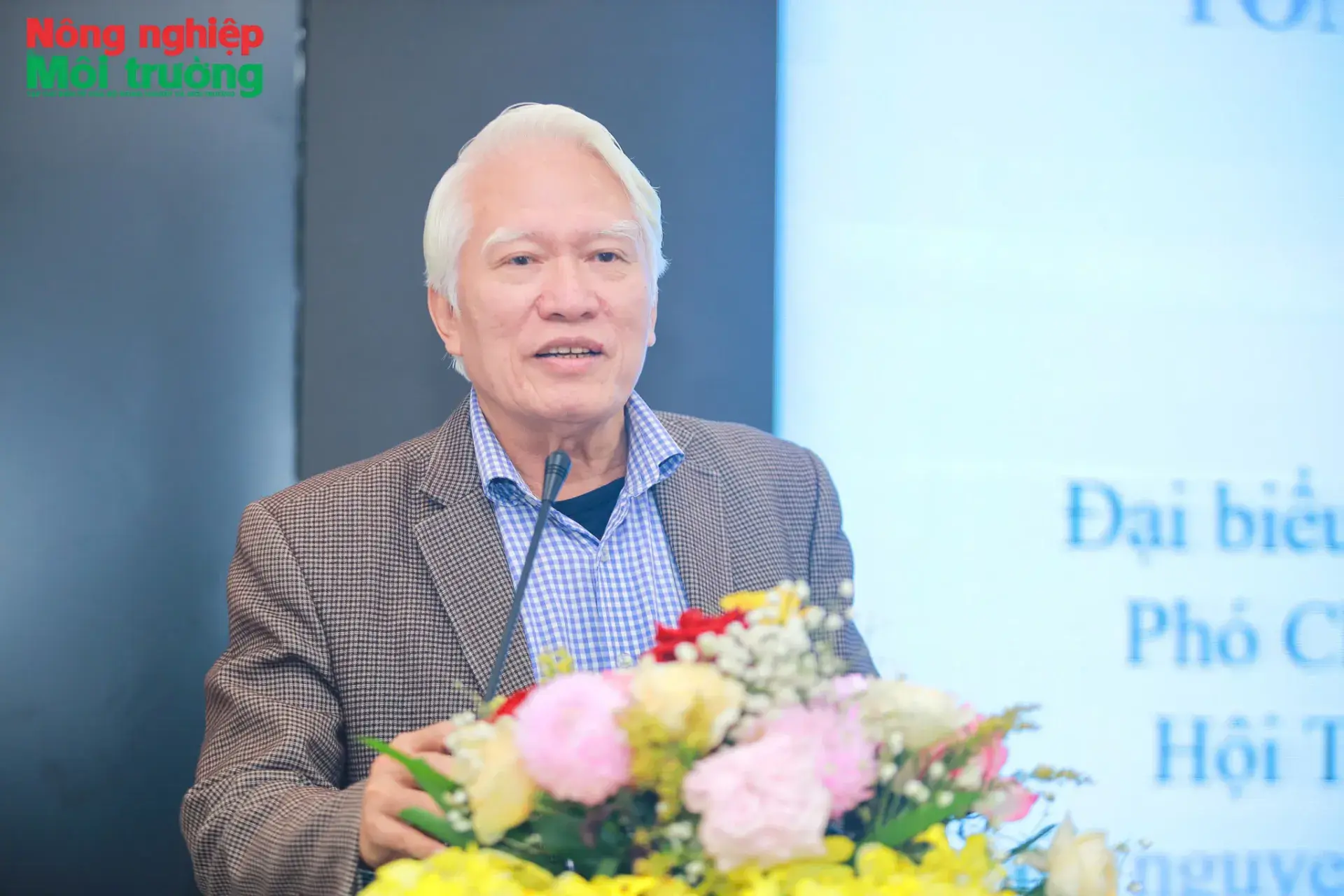
At the Forum, Associate Professor Dr. Nguyen Chu Hoi – Member of the 15th National Assembly, Standing Vice Chairman of the Viet Nam Fisheries Society, and former Deputy Director General of the Viet Nam Administration of Seas and Islands – delivered a keynote presentation entitled “An overview of Viet Nam’s seas and islands.” His presentation offered a comprehensive perspective on the country’s marine potential and values, as well as the challenges confronting the sustainable use of marine resources today.
The East Sea: Viet Nam’s strategic maritime domain
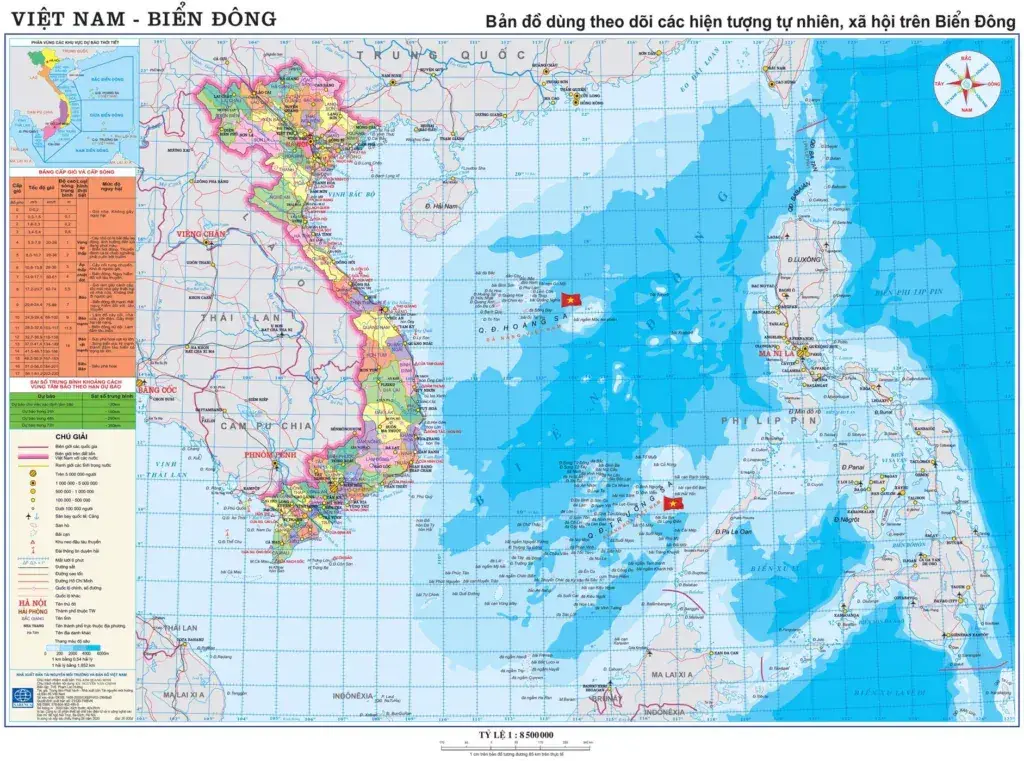
Viet Nam’s seas and islands lie at the heart of the East Sea, a maritime region of global importance in terms of natural conditions, economic activity, environmental integrity, and geopolitical connectivity. A clear understanding of the region’s values, interlinkages, and environmental risks is essential for shaping policies on the rational use of marine resources and the sustainable development of Viet Nam’s marine economy.
The East Sea is one of the world’s 64 seas and among the four largest, covering an area of approximately 3.5 million square kilometers. It is bordered by 10 countries and territories, including Viet Nam, and is home to nearly two billion people, encompassing some of the world’s most dynamic economies.
Viet Nam’s maritime space forms an inseparable part of the East Sea. It is approximately three times larger than the country’s land territory and accounts for about 29 percent of the total area of the East Sea. Viet Nam’s maritime zones are defined in accordance with the 1982 United Nations Convention on the Law of the Sea (UNCLOS), including internal waters, territorial sea, contiguous zone, an exclusive economic zone (EEZ) extending up to 200 nautical miles, and the continental shelf. This maritime space also includes the two offshore archipelagos of Hoang Sa (Paracel) and Truong Sa (Spratly), which hold particularly important strategic positions.
The East Sea serves as a vital maritime artery linking North America, East Asia, and the Pacific Ocean with South Asia, Europe, Africa, and the Middle East. It is the world’s second busiest shipping route, with an average of roughly 300 vessel transits per day, including nearly 200 oil tankers.
Such dense maritime traffic exposes the East Sea to considerable environmental risks, notably oil spills, unidentified oil pollution, and land-based pollutants entering the marine environment. These risks cause serious harm to marine ecosystems and directly affect livelihoods and environmental security across coastal nations.
Geographically, the East Sea features a complex structure, encompassing coastal zones, continental shelves to depths of around 200 meters, continental slopes, and deep oceanic basins rich in natural resources. The sea has an average depth of approximately 1,114 meters, while deep-sea basins reach average depths of about 2,500 meters; the deepest point, the Manila Trench, descends to 5,340 meters.
These deep-sea basins contain five major coral “oasis” systems developed on ancient volcanic foundations formed roughly 240 million years ago. Coral reefs are also widely distributed around offshore islands and along continental shelf coastlines.
The East Sea constitutes a unified maritime system encompassing airspace, sea surface, the water column, the seabed, and sub-seabed layers, forming a closely interconnected, multidimensional natural environment.
It is characterized by a dynamic surface current system driven by the Northeast and Southwest monsoons, creating convergence and divergence zones in the central sea. Together with waves and tides, this hydrodynamic system plays a decisive role in shaping transboundary ecological connectivity.
Ocean currents influence the migration routes and spatial distribution of marine species, particularly economically important fisheries, while linking offshore and coastal ecosystems. They also determine how oil spills and pollutants spread following maritime accidents or land-based discharges, as demonstrated by several major environmental incidents in recent years.
From a biological perspective, the East Sea is a critical arena for marine evolutionary processes. In particular, the coral island systems of the Truong Sa Archipelago are widely regarded as an important source of marine larvae for the entire East Sea, creating strong ecological linkages between offshore coral reefs and coastal ecosystems, including adjacent waters of the Philippines.
Marine biodiversity as the foundation of Viet Nam’s blue economy
The East Sea lies within one of the world’s most coral-diverse regions, adjacent to the global Coral Triangle (Philippines–Indonesia), and also encompasses a smaller “Truong Sa Coral Sub-Triangle.” Coral reef ecosystems play a central role in sustaining marine biodiversity, supporting fisheries, and underpinning the long-term viability of the East Sea and the development of a blue marine economy across the region.
The degradation or loss of coral reef ecosystems directly results in declining fisheries resources, the erosion of traditional fishing livelihoods, and heightened risks to livelihood security. If such degradation were to occur on a large scale, Viet Nam’s seas could gradually become a “marine desert,” depleted of fish and other marine life.
Ecosystem valuation studies highlight the substantial benefits derived from Viet Nam’s marine ecosystems. The total annual value of products and ecosystem services provided by Viet Nam’s coral reefs is estimated at approximately USD 100 million. One square kilometer of mangrove forest can supply around 450 kilograms of harvestable seafood.
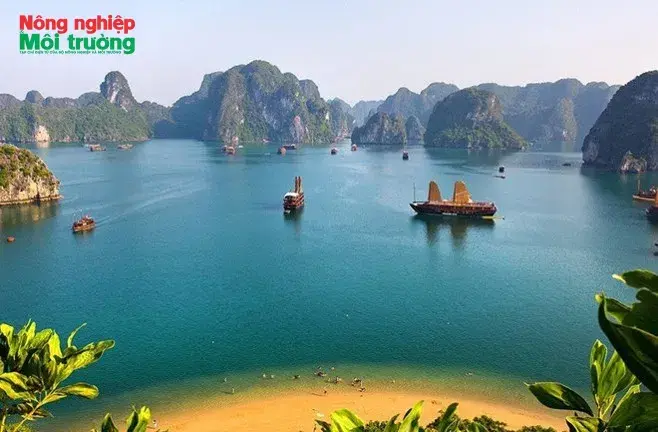
Seagrass meadows generate fisheries and ecosystem service values estimated at over USD 20 million and play an important role in climate regulation. Each square meter of seagrass can produce up to 10 liters of dissolved oxygen, contributing to carbon dioxide absorption and greenhouse gas mitigation. One acre (approximately 0.44 hectares) of seagrass generates about 10 tons of leaf biomass per year, providing food, habitat, and spawning grounds for numerous marine species. Coastal lagoons, with overall values exceeding USD 2,000 per hectare, can alone generate approximately USD 400,000 annually from diving-related services.
Beyond biological resources, Viet Nam’s seas possess considerable seabed resource potential, including oil and gas, gas hydrates, polymetallic nodules, phosphorite, geothermal energy, seawater resources, and marine renewable energy such as wind, waves, and tides. These resources represent key drivers for future marine economic development, but their exploitation must proceed cautiously and be closely aligned with environmental protection and ecological security.
Viet Nam’s seas and islands thus constitute a strategic development space—rich in resources and characterized by strong transboundary connectivity, yet highly vulnerable to human pressures and climate change. The rational exploitation and use of marine resources is not only an economic imperative but also a responsibility to protect the environment, conserve biodiversity, and safeguard a sustainable future for the nation and the region.
Environmental degradation and shared risks in the East Sea
With 21 coastal provinces and cities and a coastline extending 3,260 kilometers, the Party and State of Viet Nam have consistently recognized the particularly important role of the sea and islands in national development and defense strategies. This perspective has been institutionalized through major policy frameworks, including Resolution No. 09-NQ/TW and Resolution No. 36-NQ/TW on the Sustainable Development Strategy for Viet Nam’s Marine Economy to 2030, with a vision to 2045, and reaffirmed at the 13th National Party Congress. At the same time, environmental challenges affecting Viet Nam’s seas cannot be separated from those facing the East Sea as a whole. As a unified natural system, impacts in one area readily propagate across boundaries.
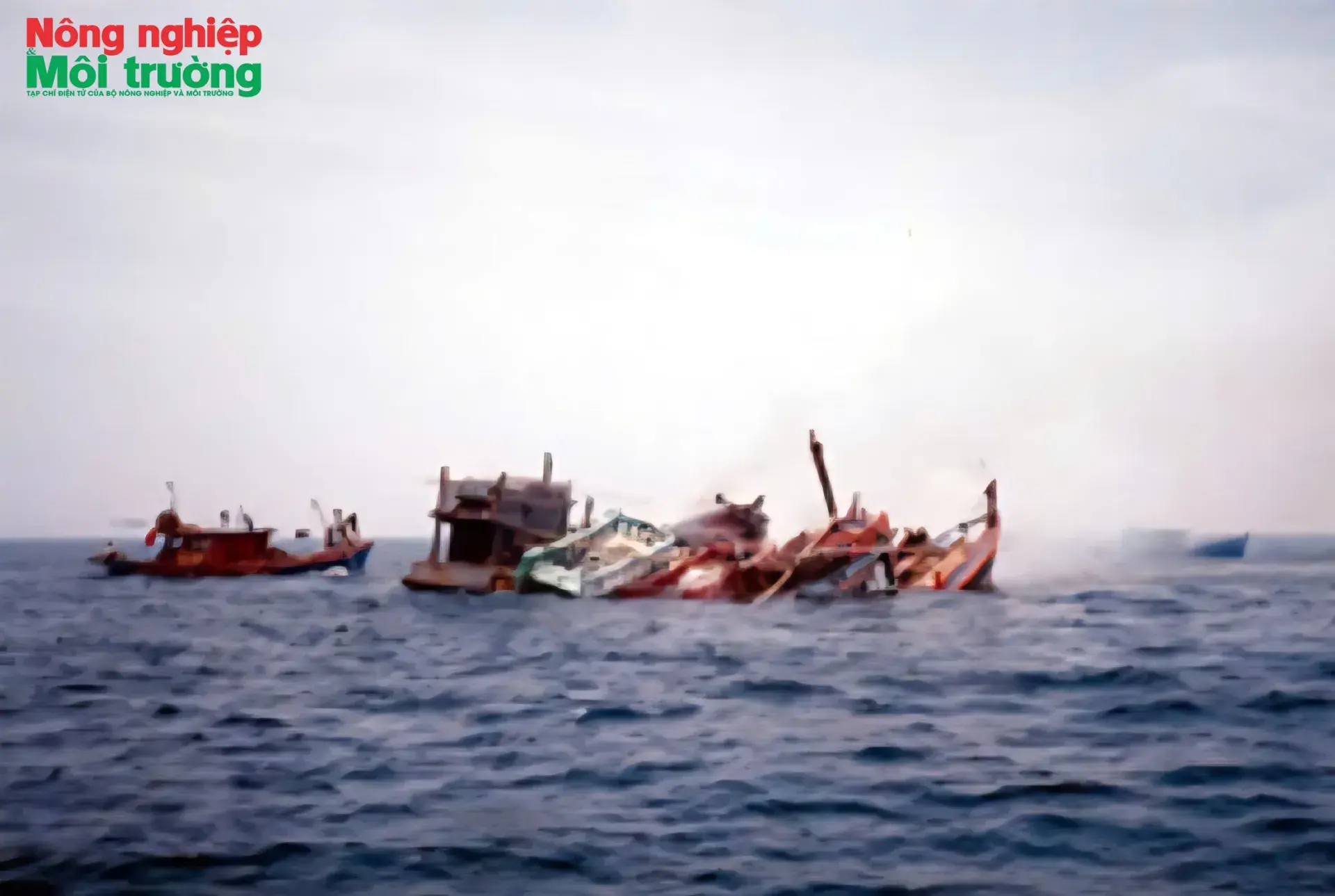
The East Sea currently contains seven major coral island systems of outstanding biological, ecological, and strategic importance. All are under increasing pressure from human activities. Coral reefs, together with seagrass beds and coastal mangroves, constitute the sea’s “natural capital,” forming the foundation of livelihoods for coastal and island communities and serving as essential inputs for sustainable fisheries and marine and coastal tourism.
The East Sea ranks among the world’s five most productive natural fishing grounds, hosting approximately 1.72 million fishing vessels and contributing about 14 percent of global marine capture production, estimated at 79–86 million tons annually. The economic value of one hectare of coral reef is estimated at around USD 350,000 per year, underscoring its exceptional ecological and economic significance.
However, in the context of accelerating climate change and ocean change, the East Sea in general—and Viet Nam’s maritime areas in particular—are experiencing increasingly pronounced long-term impacts. Mean sea level in the East Sea is rising at a rate of 4.05 ± 0.6 millimeters per year, exceeding the global average of 3.25 ± 0.08 millimeters per year.
Ocean acidification and declining ecosystem resilience have emerged as urgent concerns. Extreme weather events are intensifying; fishing seasons are shifting; storms are becoming more frequent and stronger and are moving southward; and ocean current systems are changing, directly affecting fisheries productivity and marine environmental conditions.
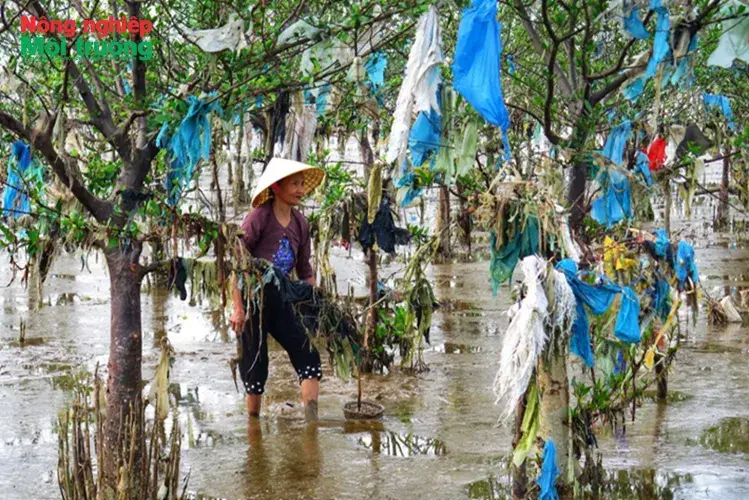
Marine pollution has become increasingly severe. Viet Nam’s seas and the broader East Sea continue to be contaminated by pollutants, approximately 70 percent of which originate from land-based sources, 28 percent from sea-based activities, and the remainder from atmospheric deposition and other sources. Viet Nam ranks fourth globally in marine plastic waste generation, after China, Indonesia, and the Philippines. Plastic debris, oil spills, red tides, and harmful algal blooms are increasing, causing serious damage to marine ecosystems and posing risks to the health of coastal communities.
Rising pollution levels, biodiversity loss, and the risk of fisheries collapse have prompted widespread concern. Projections indicate that by 2030, species-level biodiversity, marine ecosystems, and critical habitats will become increasingly scarce. Since the 1960s, fisheries resources in the East Sea have declined markedly; approximately 80 percent of coral reefs are threatened, and coastal ecosystems face similar pressures. Coastal waters have been overexploited since the early 2000s, placing traditional fisheries at risk of collapse.
Fish stocks in the western East Sea and the Truong Sa area alone have declined by about 16 percent compared to pre-2010 levels. Declining fish abundance and mounting livelihood pressures have contributed to illegal fishing practices, increasing the risk of violations related to illegal, unreported, and unregulated (IUU) fishing.
These challenges have significantly eroded the sea’s natural capital, as reflected in shrinking marine and coastal ecosystems, declining fish stocks, biodiversity loss, limited effectiveness of marine protected area management, and heightened risks to marine environmental security.
The underlying causes are largely human-induced, including overexploitation, destructive fishing practices, waste generation, dumping at sea, plastic pollution, oil spills, red tides, as well as broader socio-economic factors such as poverty and limited public awareness of marine environmental protection.
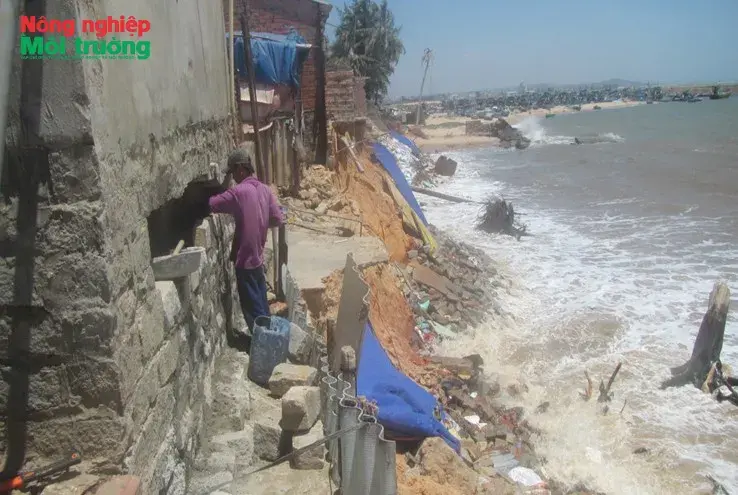
In his presentation, Associate Professor Dr. Nguyen Chu Hoi emphasized that marine environmental protection, marine resource conservation, and the safeguarding of national maritime sovereignty are not separate concerns but three interconnected dimensions of the same challenge. Unsustainable economic development undermines environmental integrity and indirectly threatens security and sovereignty; conversely, environmental degradation erodes the very foundation of economic development and livelihoods.
He therefore underscored several urgent priorities: developing an efficient and sustainable marine economy grounded in a blue economy and circular economy approach; ensuring harmony between economic development and environmental protection; proactively responding to climate change and ocean change; strengthening governance and monitoring; raising public awareness; and enhancing regional cooperation to protect critical marine ecosystems.
Against the backdrop of increasingly complex and unpredictable developments in the East Sea, safeguarding sovereignty, protecting the marine environment, and achieving sustainable development of Viet Nam’s seas are not only immediate tasks but long-term strategic imperatives. Only by conserving and effectively harnessing the sea’s natural capital can Viet Nam build a resilient marine economy, contribute to security and prosperity, and enhance its national standing in the maritime domain.
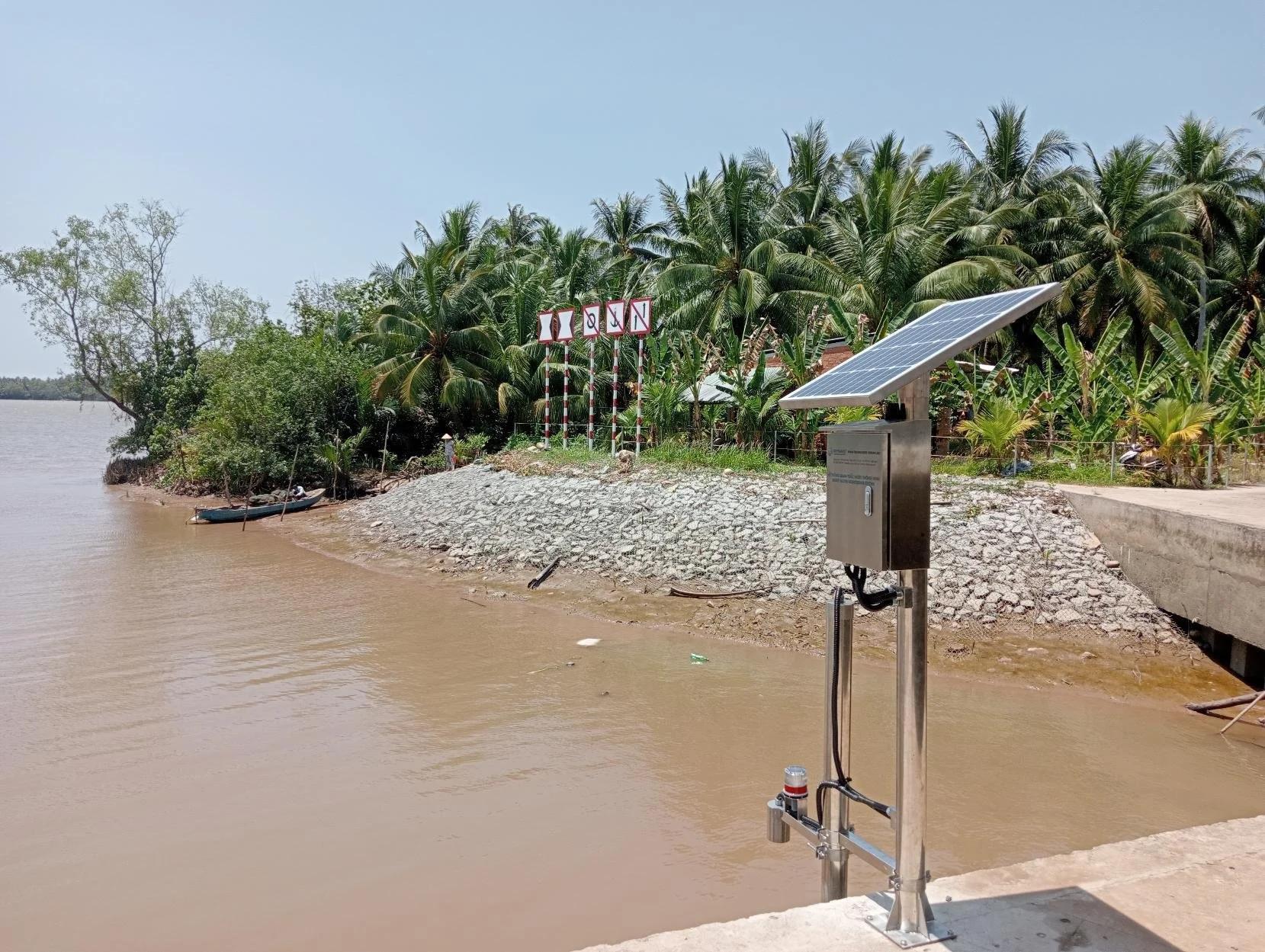
The Department of Water Resources Management (under the Ministry of Agriculture and Envinronment) is working with the Organisation for Economic Co-operation and Development (OECD) and the Asia Water Council (AWC) to implement the National Dialogues on Water Accounting, with the aim of identifying priority areas, appropriate tools and solutions to gradually incorporate water accounting into water resources management in Viet Nam.
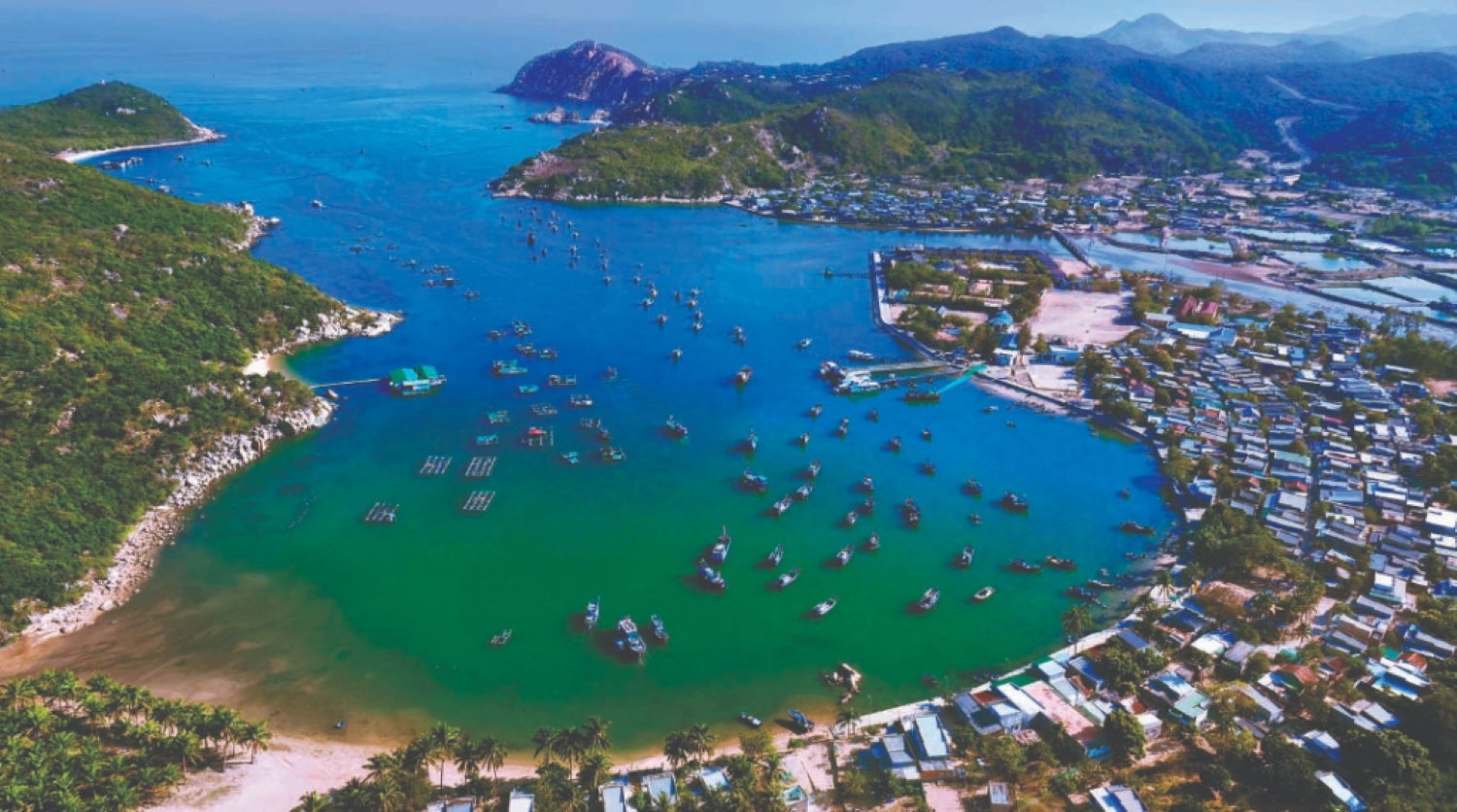
Viet Nam is drafting a new Law on Marine and Island Resources and Environment to meet the requirements of marine governance in the next stage of development. The draft law seeks to establish unified management of marine space, promote efficient use of resources, protect the environment, sustain community livelihoods and expand opportunities for international cooperation. It represents an important step in strengthening the institutional framework for a green, sustainable and responsible marine economy.
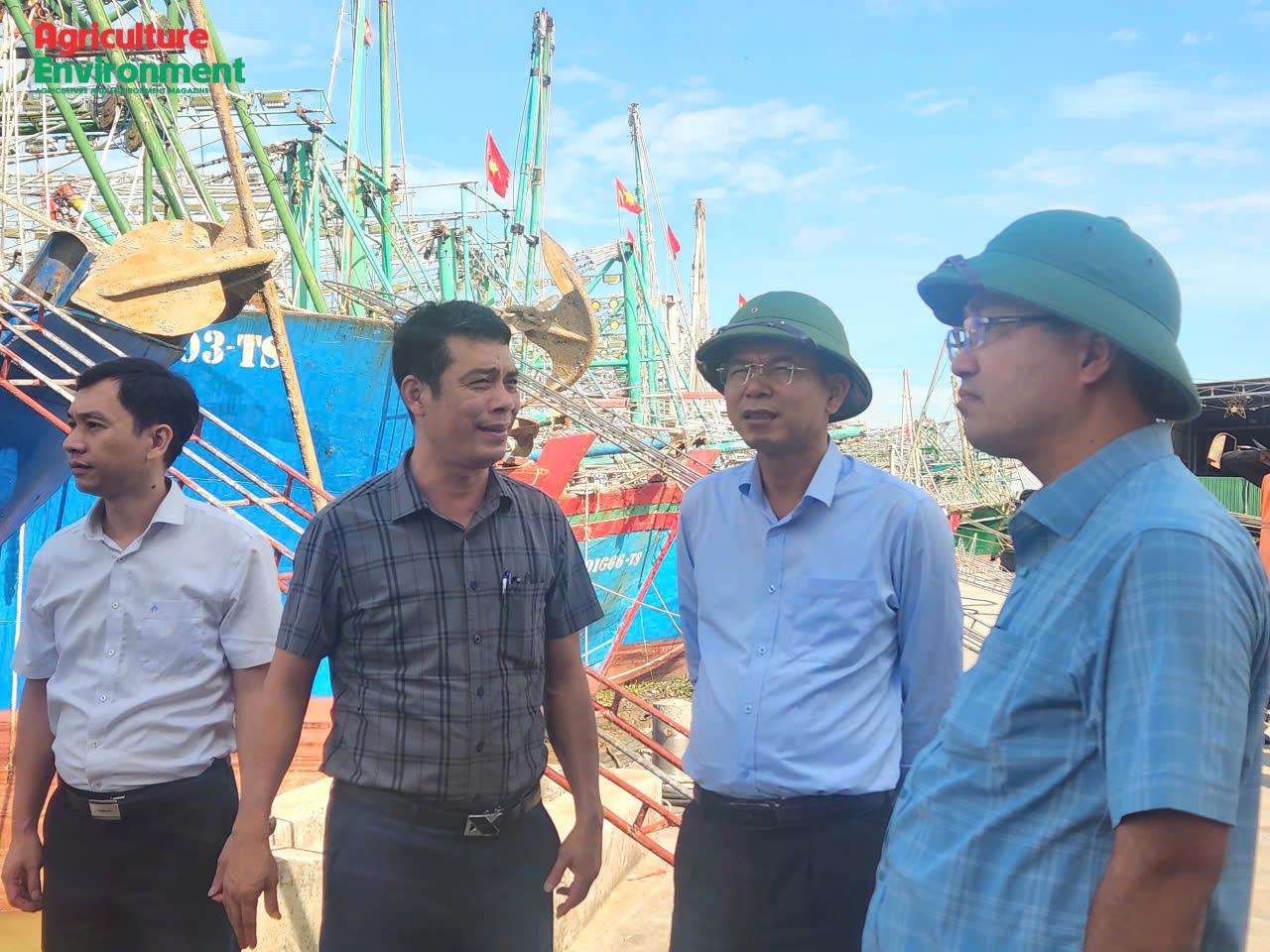
A major policy decision by the Party’s central leadership is opening up new development space and new thinking for the marine economy. However, these breakthrough policy directions also place greater demands on local governments’ governance capacity and ability to organize and implement them effectively.
Against the backdrop of increasingly complex climate change and growing demands for green, low-emission agriculture, protecting soil health should be considered a strategic priority for Vietnam's agricultural sector. To gain a broader perspective, Agriculture and Environment Magazine interviewed Nguyen Quang Hai, PhD, Deputy Director in charge of the Soils and Fertilizers Institute under the Vietnam Academy of Agricultural Sciences (VAAS).
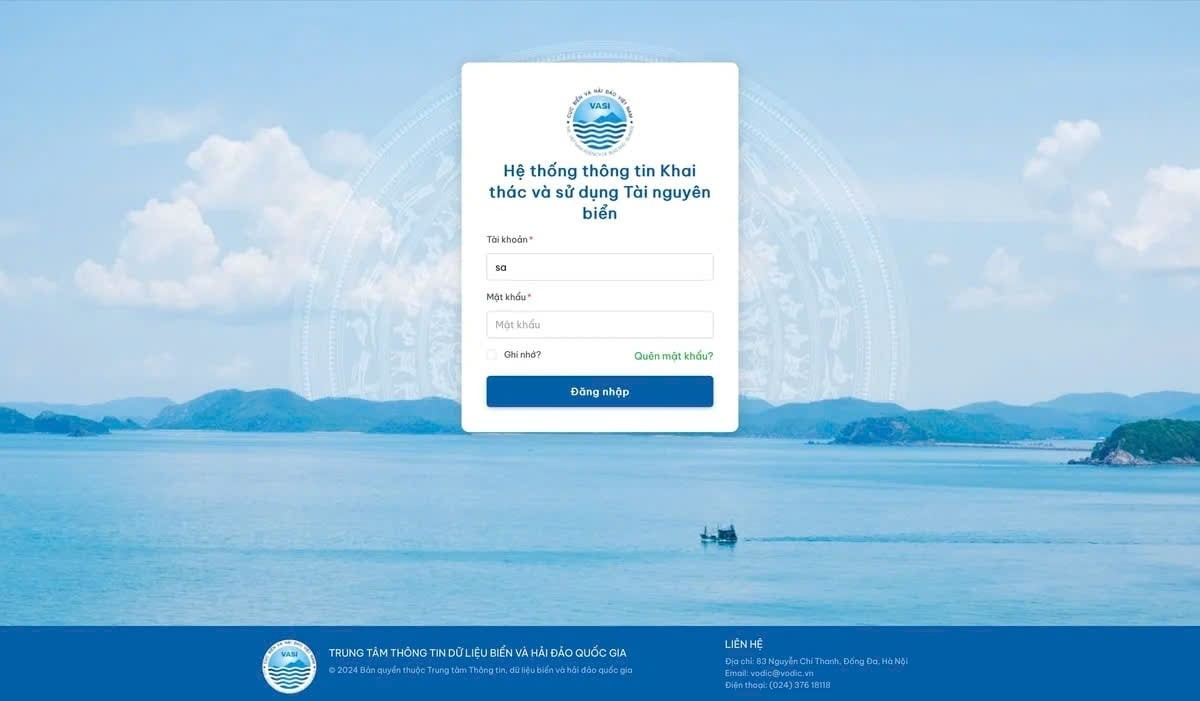
As countries around the world accelerate data-driven marine governance, Viet Nam is gradually building an integrated and modern marine data platform to support marine resource management, marine environmental protection, and the sustainable development of the marine economy.