



 On January 12, during a working session between the Ministry of Agriculture and Environment and a delegation from Son La province led by Deputy Chairman of the provincial People’s Committee Nguyen Thanh Cong, compliance with the European Union Deforestation Regulation (EUDR) for Son La’s coffee-growing areas was identified as an urgent issue.
Against the backdrop of a rapid expansion in coffee cultivation, coupled with persistent challenges related to forest land boundaries and traceability data, the proposal to select Son La as a pilot locality for EUDR adaptation was seen as a necessary step. The pilot is intended not only to address immediate difficulties but also to test Viet Nam’s ability to meet emerging sustainability standards as its coffee sector continues to access the EU market.
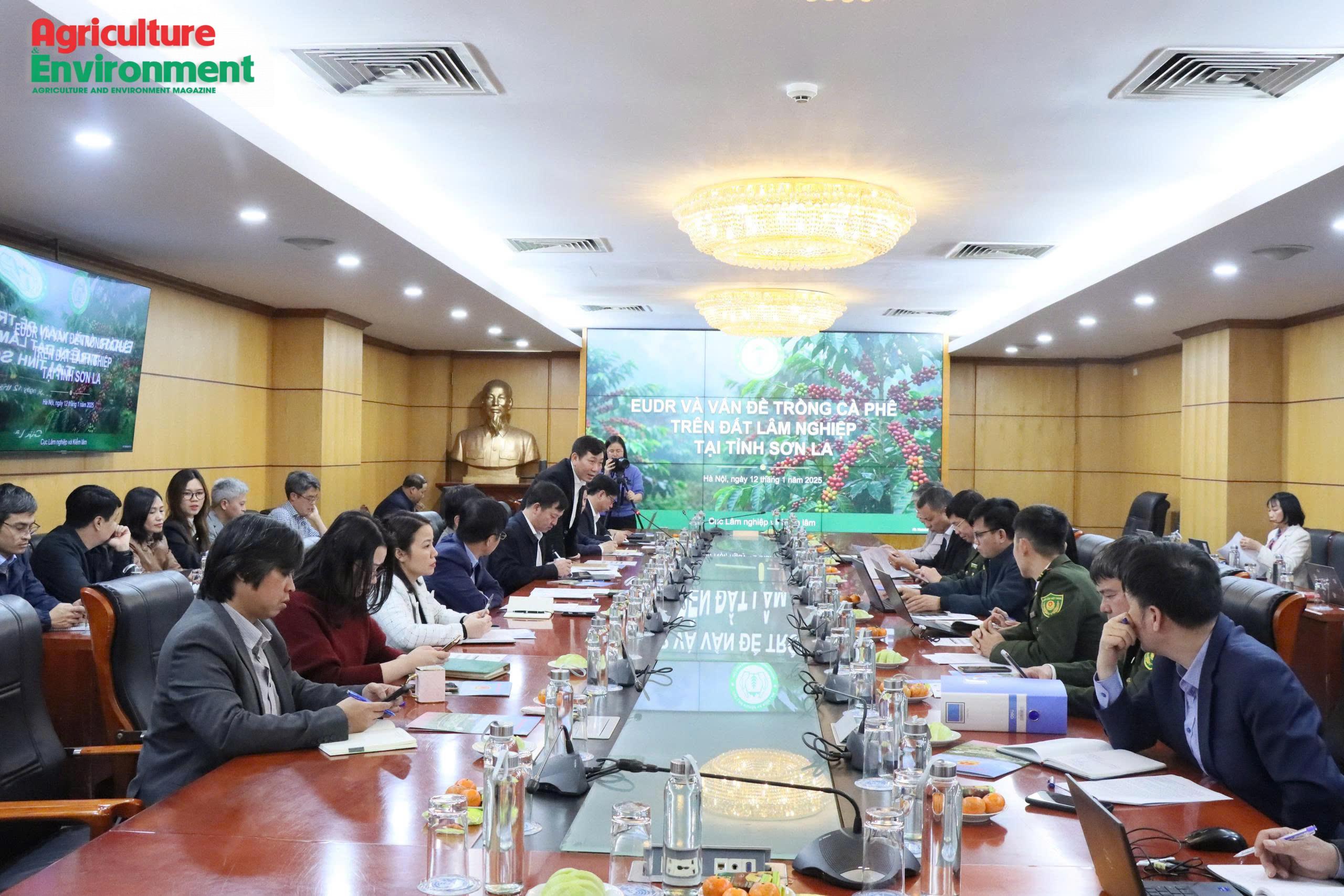
EUDR: A new legal framework reshaping the coffee supply chain
The European Union Deforestation Regulation is introducing fundamental changes to global agricultural supply chains, including coffee, by shifting from voluntary commitments to mandatory due diligence obligations for companies placing products on or exporting them from the EU market.
Under EUDR, commodities covered by seven regulated product groups, including coffee, must meet three core requirements: they must not originate from land subject to forest conversion after December 31, 2020; they must comply fully with the laws of the producing country; and they must be accompanied by geolocation data identifying production areas to ensure supply chain traceability and verification.
Although the EU has agreed to postpone EUDR enforcement until December 31, 2025 for medium and large enterprises, and until mid-2026 for small and micro-sized enterprises, the substance of the regulation remains unchanged. The extension is widely regarded as a preparation window for exporting countries, including Viet Nam, to strengthen data systems, institutional frameworks and implementation capacity.
For Viet Nam, one of the world’s leading coffee exporters, EUDR presents both technical and governance challenges, while also offering an opportunity to enhance transparency, credibility and value addition for Vietnamese coffee in the EU market.
Son La pressed to complete coffee area data
Within this context, Son La is among the provinces directly affected by EUDR requirements. According to reports presented at the meeting, the province’s coffee-growing area is estimated at more than 33,600 hectares, an increase of over 44% compared with 2024. The expansion has been driven largely by sustained high coffee prices, favorable market conditions and deeper involvement by purchasing and processing enterprises.
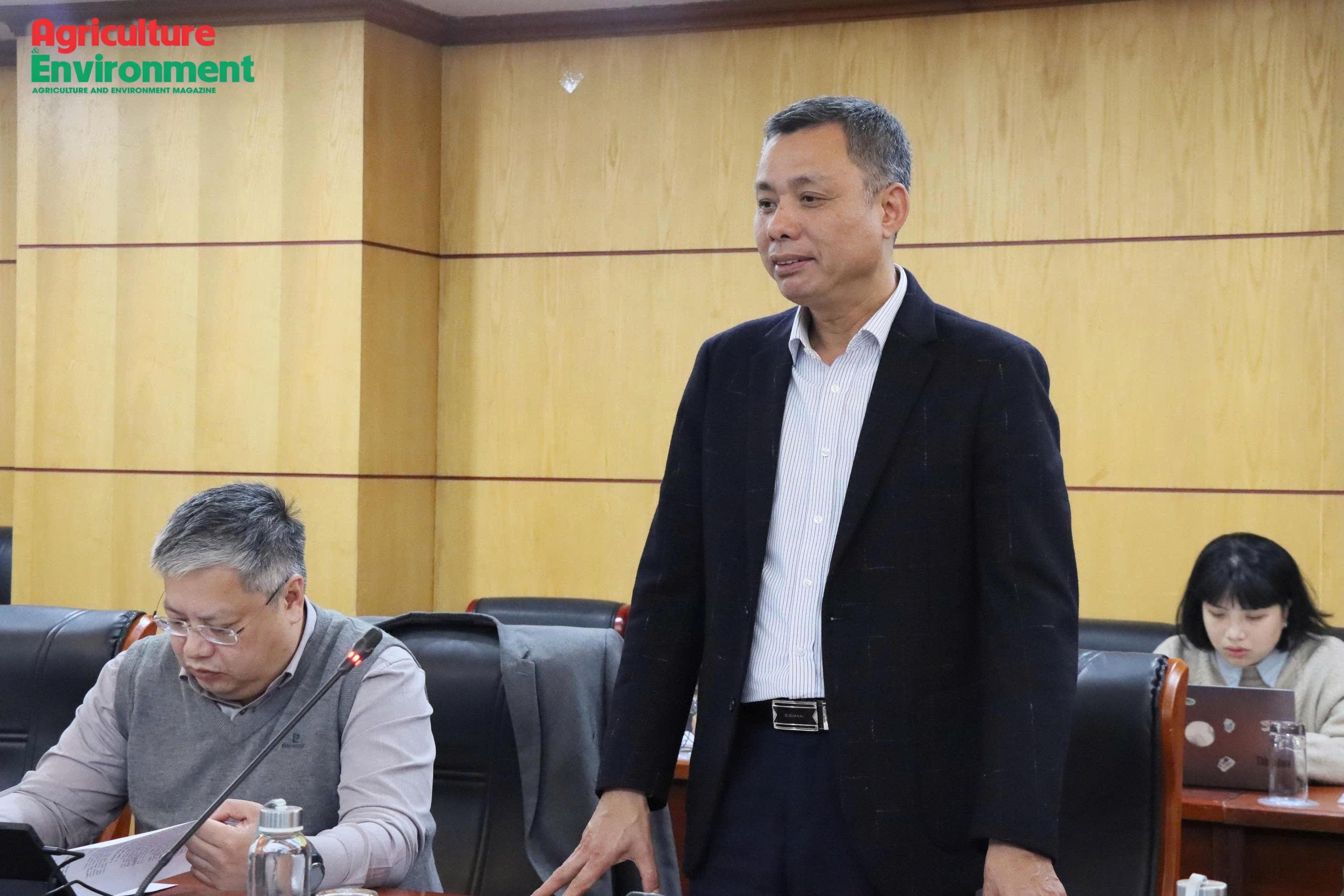
However, the rapid growth has also posed significant management challenges. Deputy Chairman Nguyen Thanh Cong noted that in many areas, boundaries between forest land and agricultural land remain unclear on the ground, with insufficient physical markers. Coffee plantations have been established over different historical periods, complicating efforts to determine which areas may have emerged after the December 31, 2020 cut-off date stipulated by EUDR.
In addition, incomplete and non-synchronized planting area and geospatial data have emerged as major bottlenecks for traceability. Under EUDR, each coffee shipment exported to the EU must be accompanied by precise geolocation coordinates that can be cross-checked against forest boundary maps as of the end of 2020. This requirement poses challenges not only for Son La but also for many mountainous coffee-growing regions, where cadastral records are incomplete and land-use histories are complex.
To address these issues, Son La has begun implementing measures to gradually strengthen the data foundation for its coffee sector. These include disseminating EUDR requirements to farmers, cooperatives and businesses; reviewing crop areas on forest land; orienting coffee development toward deforestation-free and forest-degradation-free models; and integrating conservation and livelihood objectives into land-use planning.
Son La pilot to test EUDR implementation capacity
From a state management perspective, selecting Son La as a pilot locality for EUDR implementation in the coffee sector is intended not only to support a single province but also to serve as a practical test of Viet Nam’s capacity to organize, coordinate and enforce policy responses to increasingly stringent sustainability requirements from international markets.
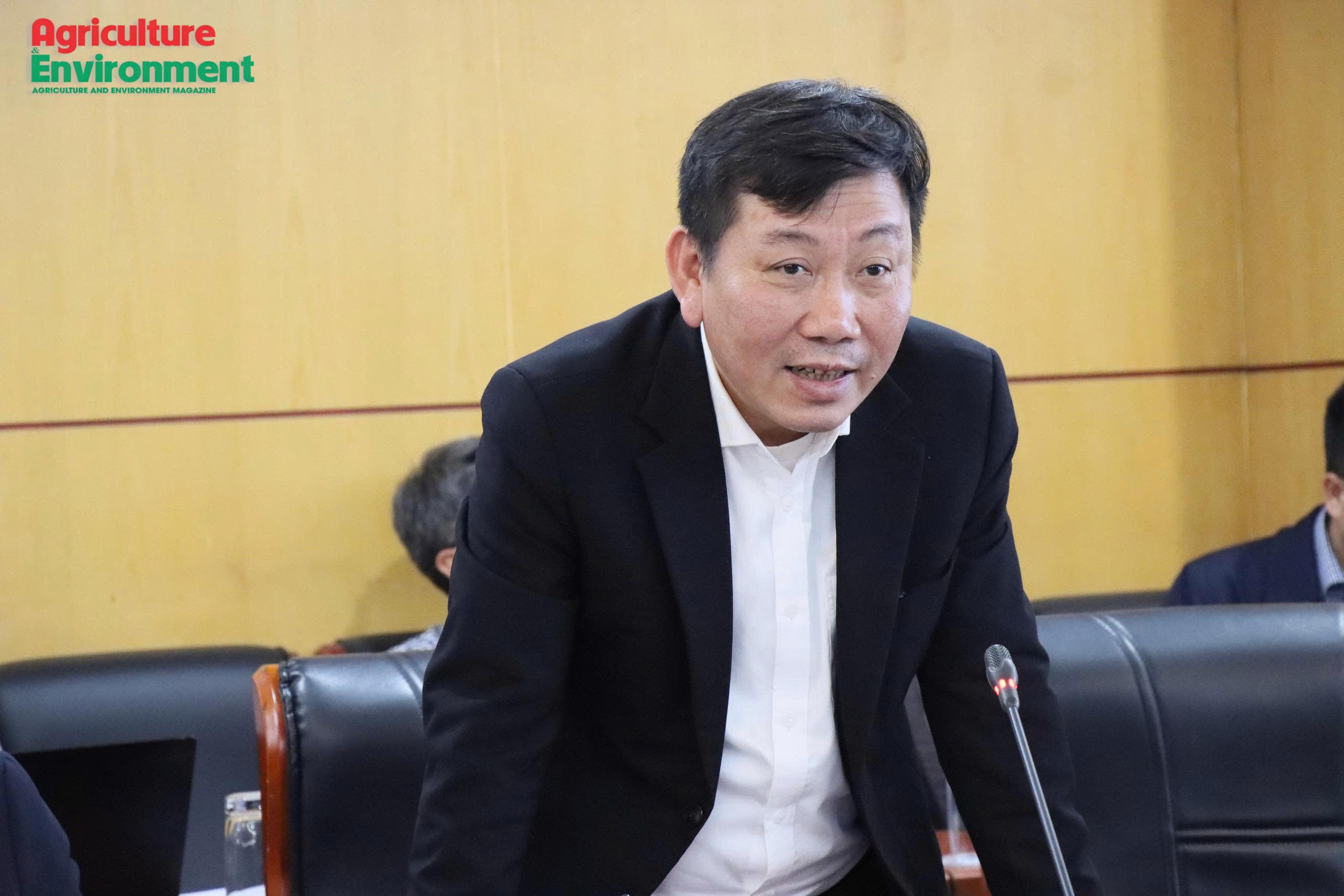
Providing an overview of EUDR preparations, Mr. Nguyen Do Anh Tuan, Director of the International Cooperation Department, said the Ministry of Agriculture and Environment has been working with local authorities, international organizations, industry associations, enterprises and producers to carry out a range of preparatory activities. These include policy dialogue, technical training and the development of inter-sectoral coordination frameworks. Although Viet Nam has been classified by the European Commission as a “low-risk” country for deforestation, meeting data and traceability requirements remains a major challenge in practice, particularly in smallholder-based and topographically complex production areas such as Son La, he noted.
Clarifying the role of the forestry sector, Mr. Tran Quang Bao, Director of the Department of Forestry and Forest Protection, emphasized that a unified forest data system with a clear legal basis is fundamental to effective EUDR implementation. He underscored the importance of reviewing, updating and officially publishing forest boundary maps as of December 31, 2020, which serve not only EUDR risk classification purposes but also as a basis for clarifying management responsibilities and addressing violations occurring after that date.
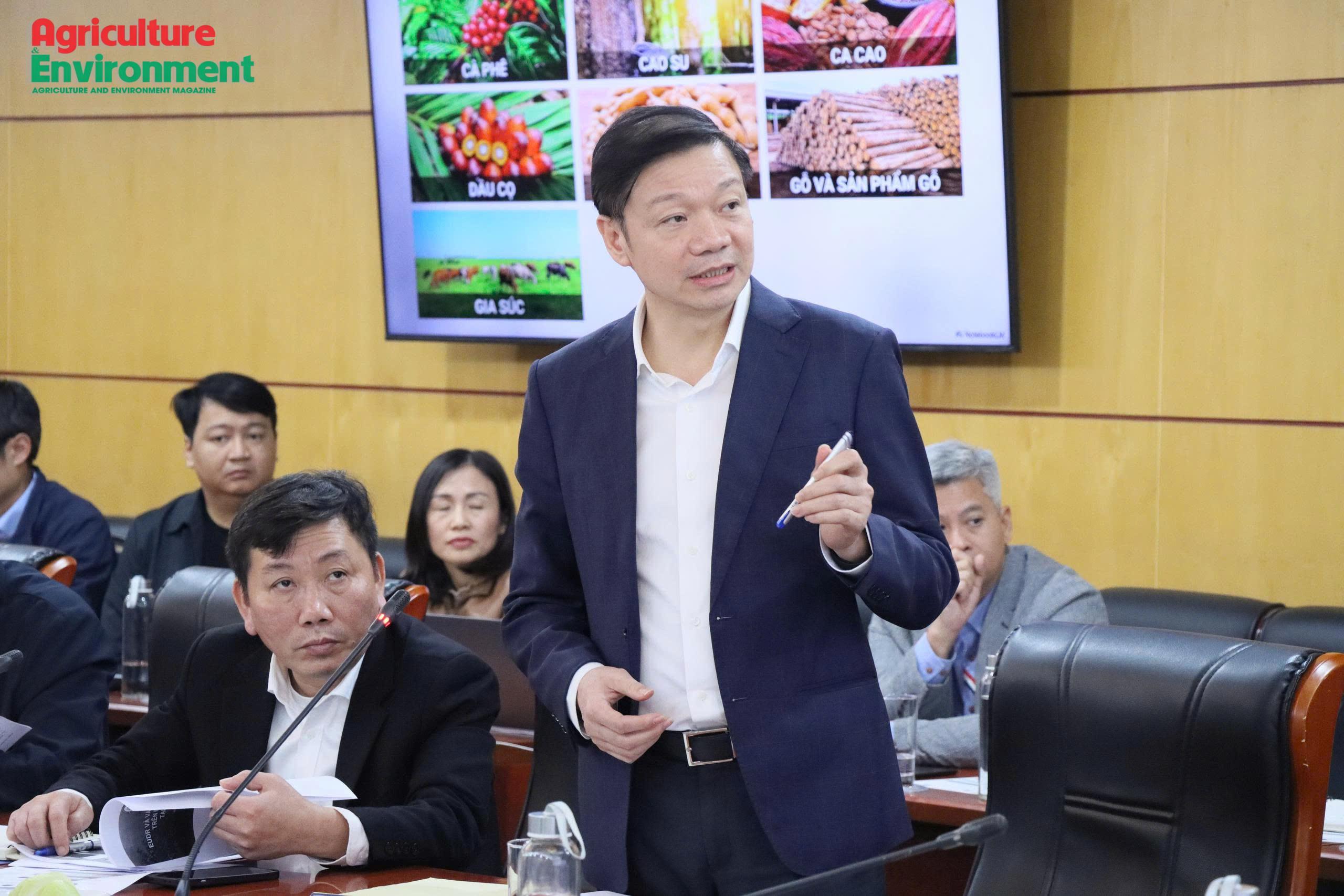
Based on this foundation, responsibilities will be delineated among specialized agencies. Forestry and forest protection authorities will focus on developing action plans and guiding the review and updating of forest data; plant production and plant protection agencies will implement EUDR for high-risk commodities such as coffee while building and managing planting area databases; and digital transformation units will play a central role in integrating cadastral data, remote sensing data and information-sharing systems to support management and traceability.
From a commodity perspective, Mr. Huynh Tan Dat, Director of the Department of Plant Production and Protection, said EUDR implementation requires a shift in approaches to organizing production and managing planting areas, with traceability as a cross-cutting requirement. He noted that EUDR should be seen not only as market pressure but also as an opportunity to standardize data, enhance transparency and promote the development of sustainable and responsible coffee-growing areas. The department will work with local authorities and enterprises through training, capacity building and support to address challenges arising during implementation and export.
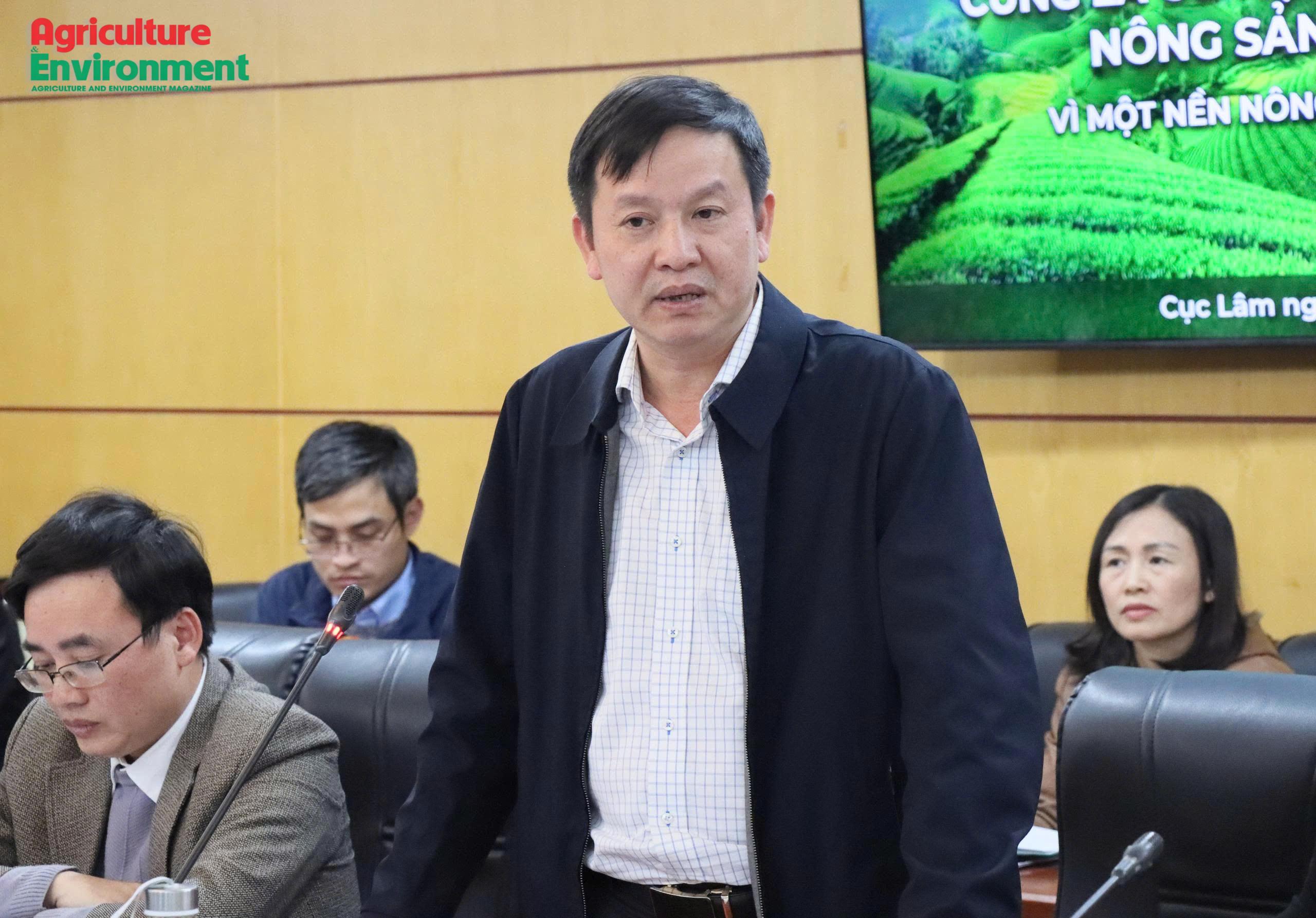
For Son La’s coffee sector in particular, several priority areas have been identified as central to the pilot process. These include using officially published forest boundary maps as the basis for EUDR-aligned risk classification; reviewing and completing the sanction framework to address violations related to forest conversion after Dec. 31, 2020; integrating coffee into the Ministry’s national traceability system; and examining livelihood transition measures alongside budget prioritization mechanisms for key crops in mountainous areas. Together, these measures are expected to help establish a more coherent institutional framework, enabling local producers and authorities to comply with EUDR requirements while maintaining economic stability and sustainable land use.
International cooperation support
Alongside domestic efforts, Viet Nam’s EUDR preparation process has received support from international partners, particularly the European Union. Within the framework of EU–Viet Nam cooperation on sustainable development and responsible agricultural trade, the EU is implementing a range of initiatives to assist partner countries in meeting EUDR requirements, including technical guidance, remote sensing data support and capacity building across supply chains.
Through the Team Europe Initiative on Deforestation-Free Value Chains, the EU and its member states have committed an €80 million support package to help develop legal, transparent and deforestation-free agricultural value chains. In Viet Nam, the Sustainable Agriculture for Forest Ecosystems (SAFE) project, co-funded by the EU, Germany and the Netherlands, is being implemented through 2027, with a focus on supporting coffee value chains in meeting new market and regulatory requirements.
As EUDR increasingly becomes a new benchmark in global agricultural trade, the Son La pilot is expected to generate practical lessons on planting area data management, risk classification and multi-level coordination mechanisms. If effectively implemented, the model could help Son La’s coffee maintain access to the EU market while contributing to the development of deforestation-free, sustainable and responsible coffee-growing regions across Viet Nam in the coming period.
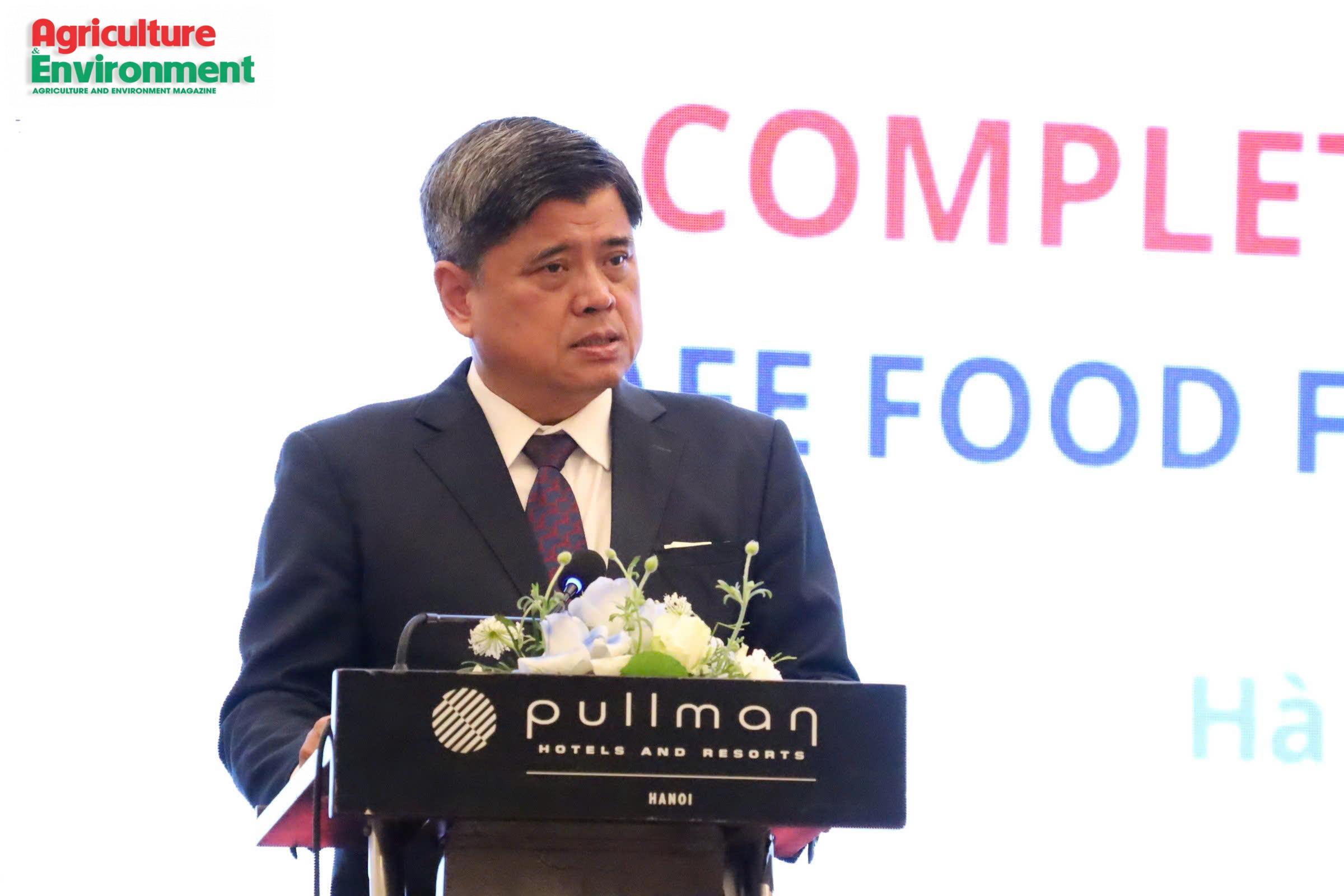
On April 16, the Ministry of Agriculture and Environment, in coordination with the Embassy of Canada in Viet Nam, held a conference to review the “Safe food for growth” (SAFEGRO) project, assessing its results, impacts and effectiveness over the 2020–2026 period. The event also aimed to share lessons learned and project outputs to support the continuation and scaling up of effective models, contributing to improved sustainability and effectiveness in ensuring food safety in Viet Nam.
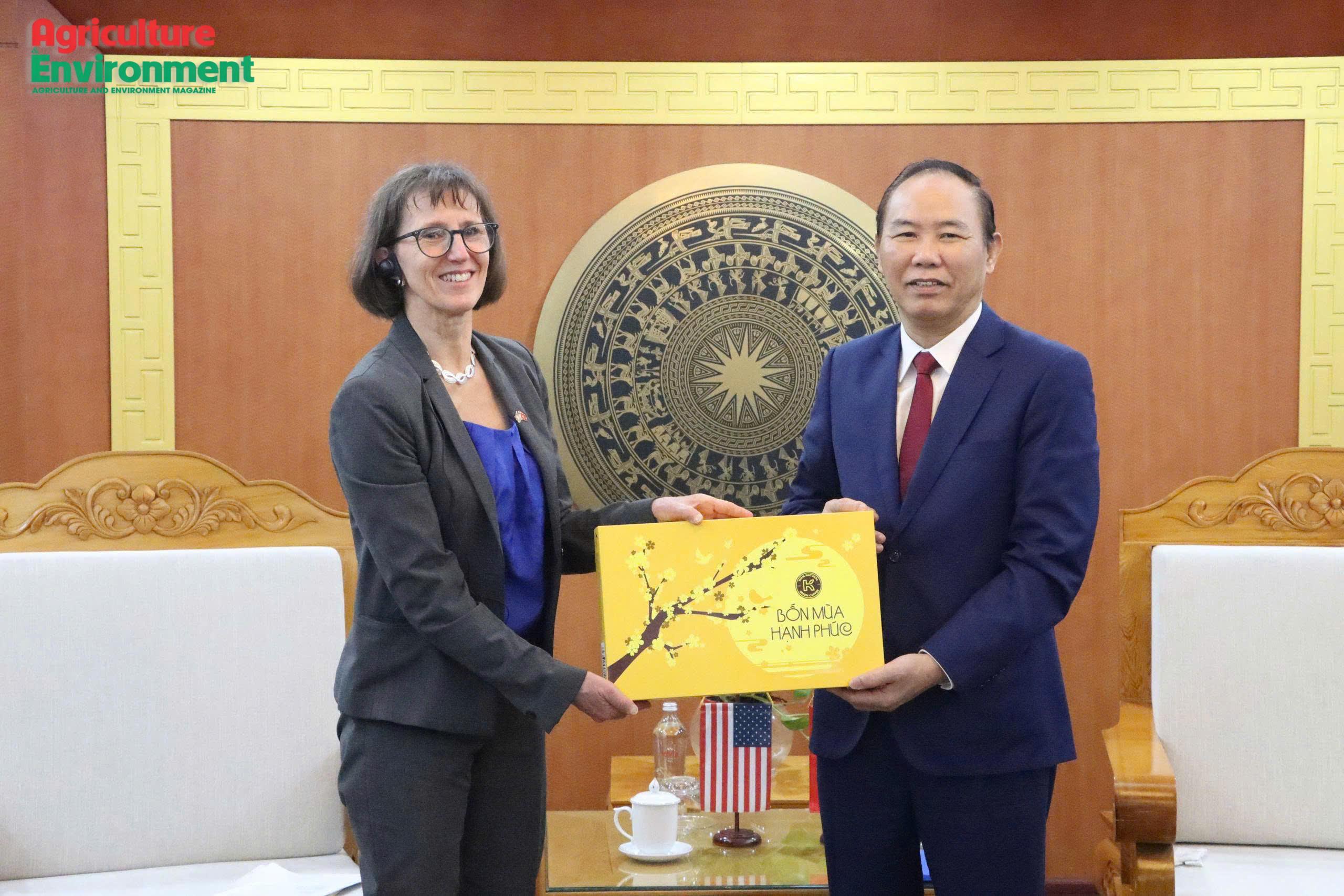
Viet Nam has welcomed U.S. support in strengthening health security, describing it as a key foundation for controlling cross-border diseases and promoting sustainable agricultural development. The two sides agreed to expand cooperation in surveillance, early warning, vaccine research, and implementation of the Global Health Security Program.
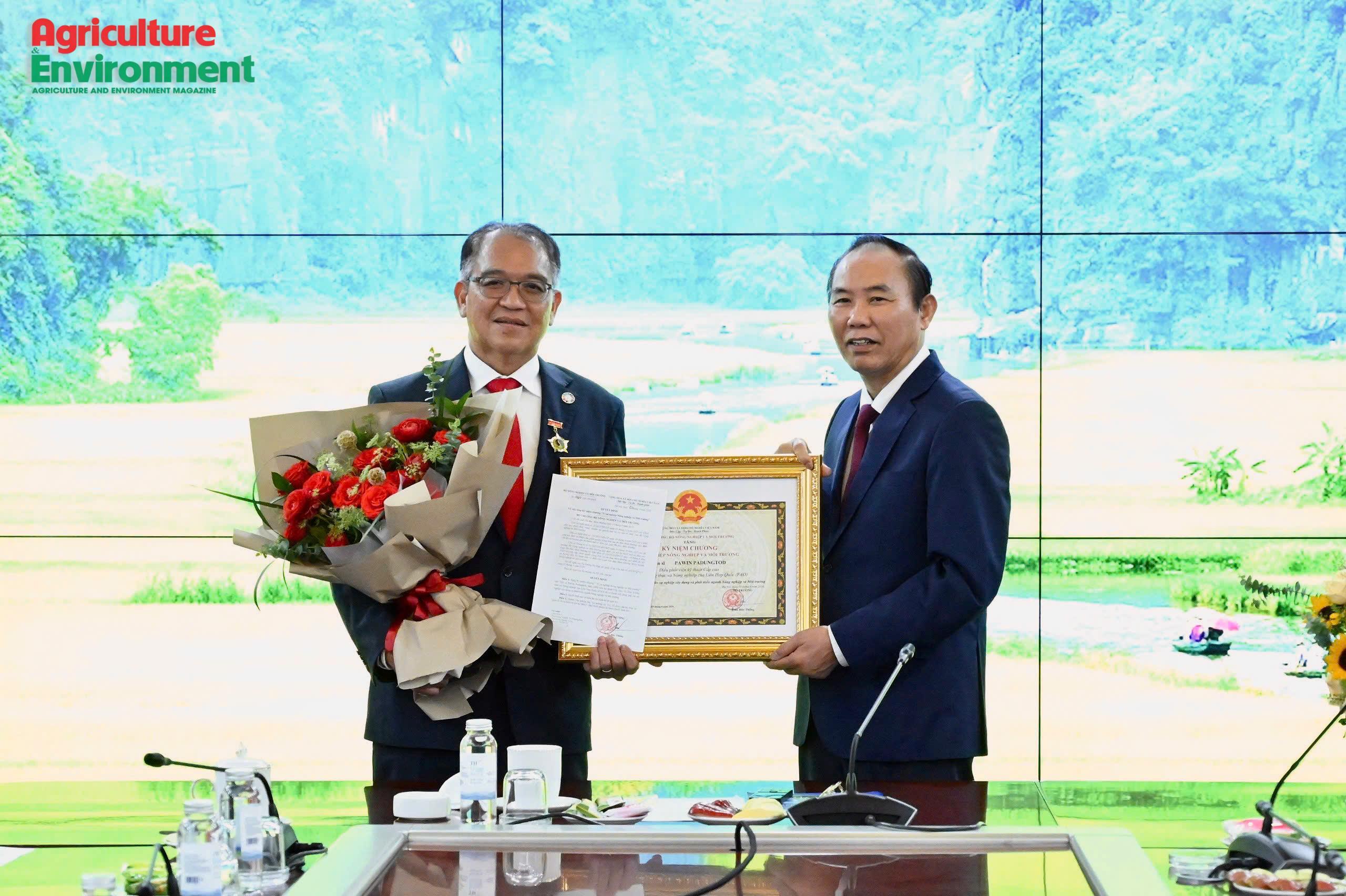
Deputy Minister of Agriculture and Environment Phung Duc Tien on April 10 presented the “For the cause of Agriculture and Environment” insignia to Dr. Pawin Padungtod, Senior Technical Coordinator of the Food and Agriculture Organization (FAO) in Viet Nam, in recognition of his contributions to advancing the One Health approach, strengthening veterinary systems, and promoting sustainable livestock production.
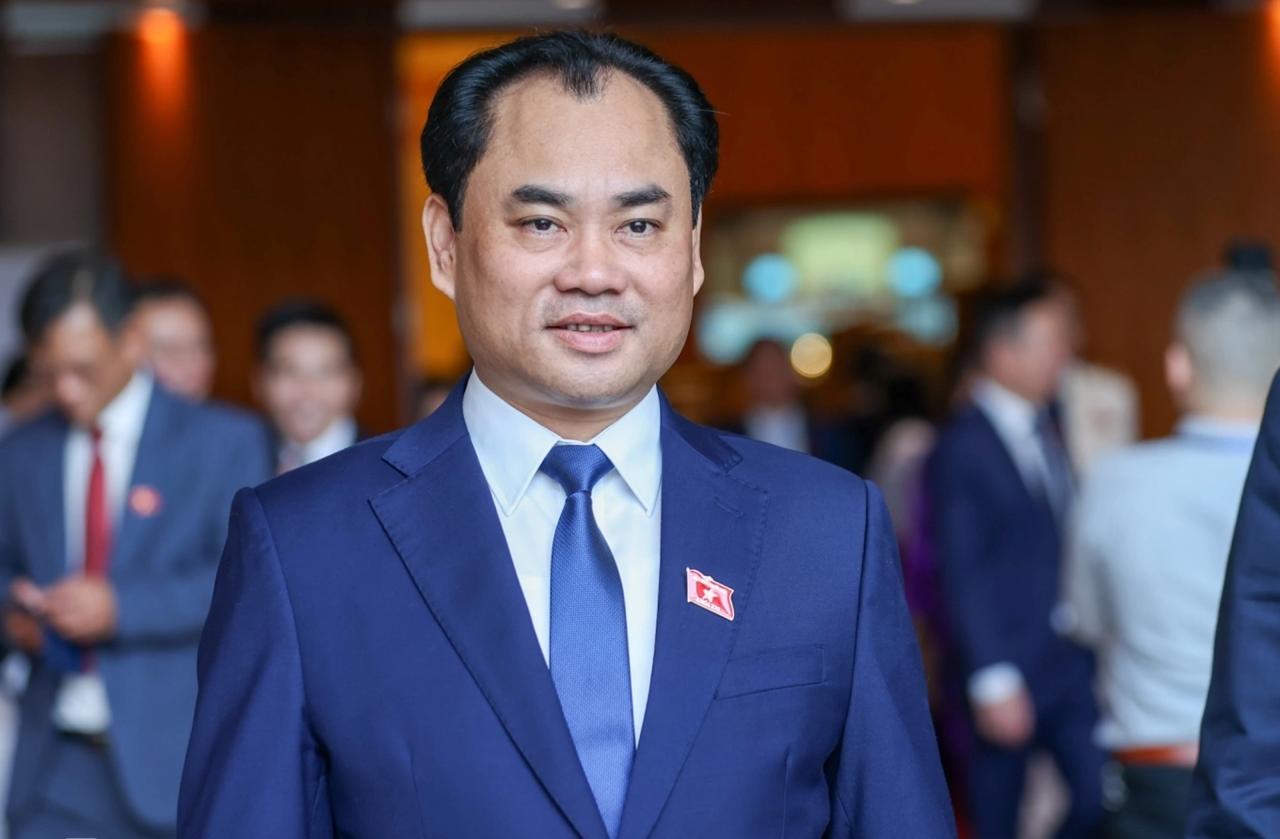
National Assembly on April 8 approved the appointment of Standing Deputy Minister Trinh Viet Hung as Minister of Agriculture and Environment for the 2026–2031 term, with all deputies present voting in favor.
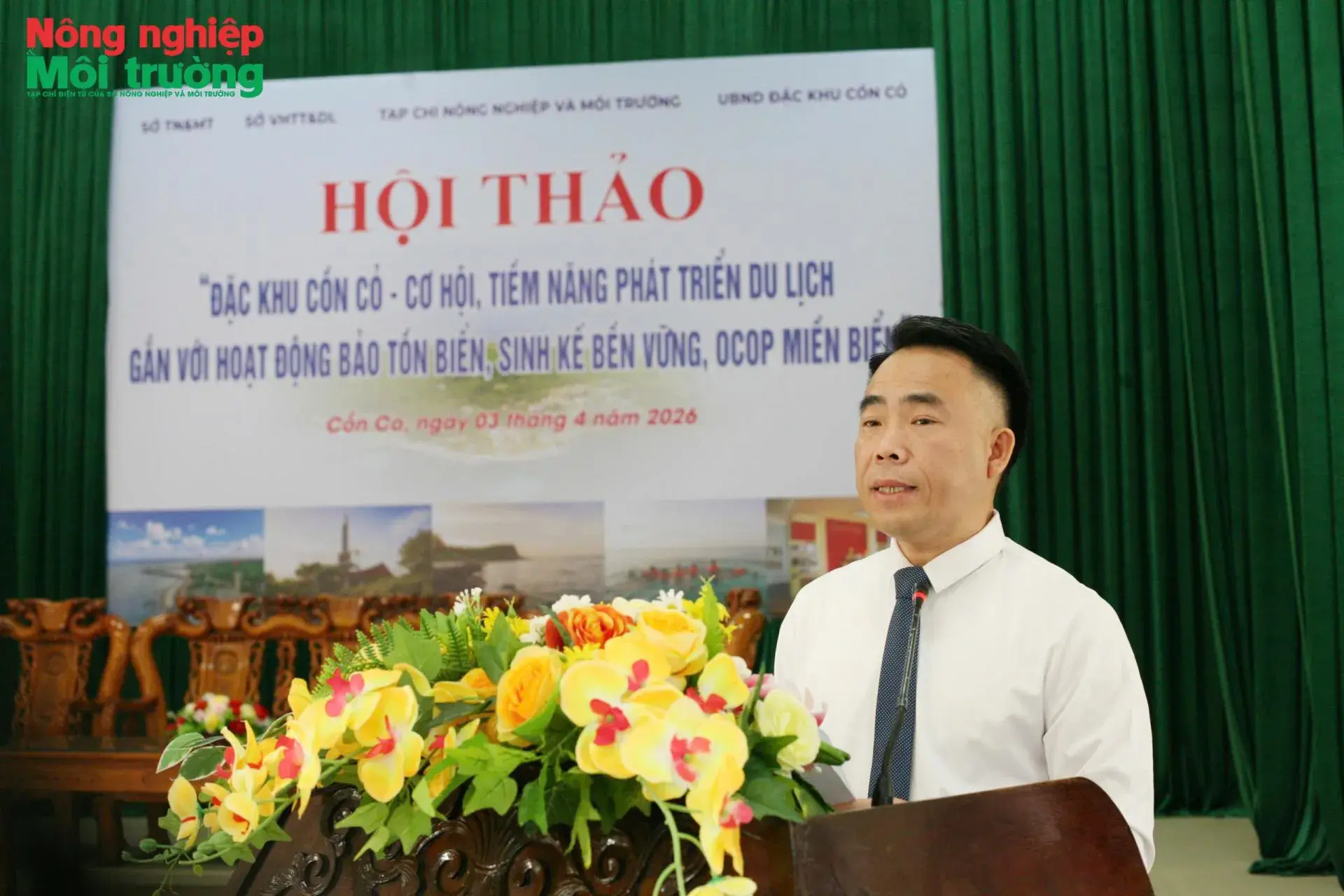
A policy workshop on “Con Co special zone – Opportunities and potential for tourism development linked to marine conservation, sustainable livelihoods, and coastal OCOP products” highlighted a new development approach in which growth must go hand in hand with conservation, and economic expansion must be grounded in ecological sustainability and community well-being.