



 Amid climate change, declining land resources, and increasingly stringent requirements from the food processing industry, potato breeding and seed production are facing a pressing need for innovation. In an interview with the press, Assoc. Prof., PhD Nguyen Xuan Truong, Director of the Institute of Biology and Agricultural Technology, said that the application of greenhouse-based soilless cultivation systems, combined with IoT and AI, not only improves potato seed quality but also lays the groundwork for developing a modern and sustainable agricultural value chain in Viet Nam.
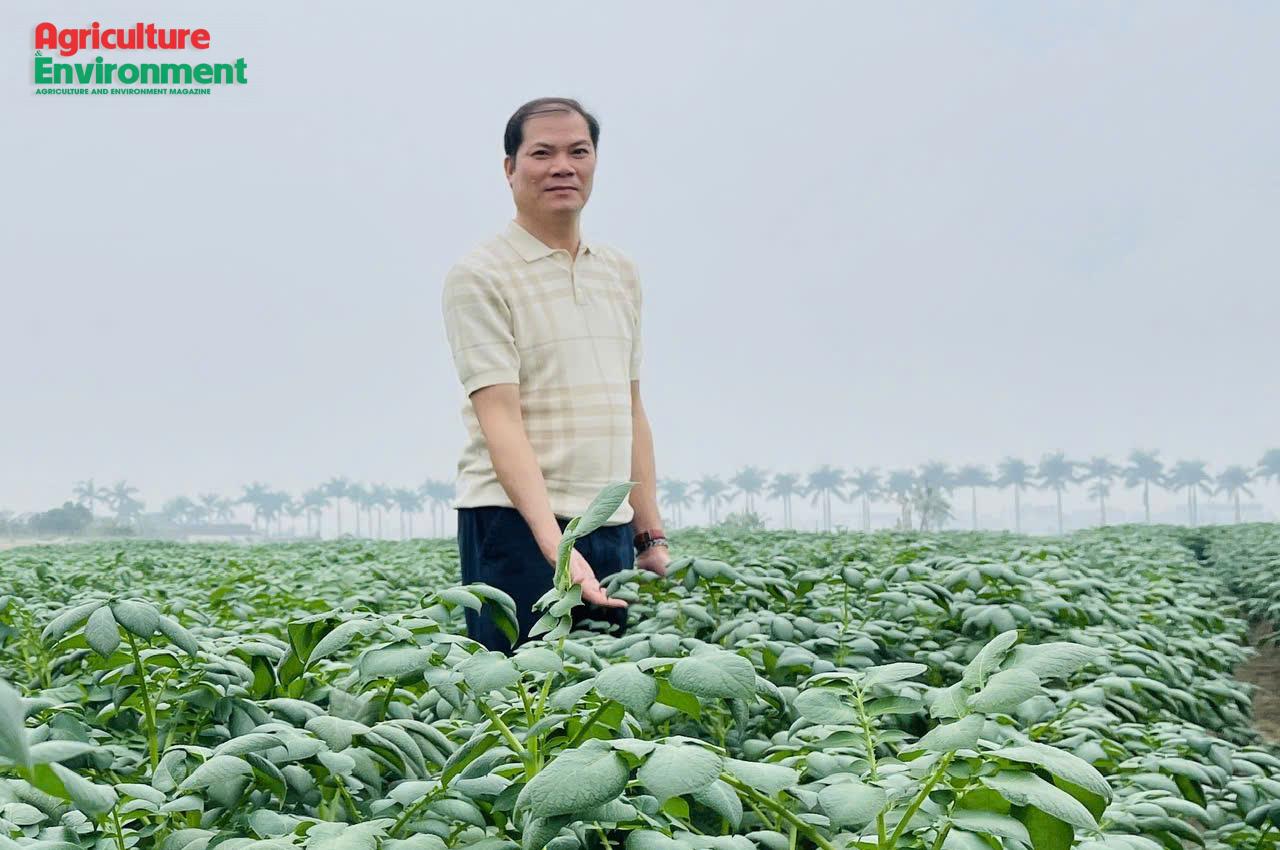
Interviewer: Why has potato been identified as one of the Institute’s current research priorities?
Assoc. Prof., PhD Nguyen Xuan Truong: Potato is one of the world’s most important food crops and a major raw material for the processing industry, particularly for snacks and chips. In Viet Nam, demand for processed potato products has been growing rapidly, yet domestic production still depends heavily on imported seed potatoes. Seed quality remains uneven, and production costs are relatively high.
Moreover, conventional potato production relies heavily on soil conditions, weather variability, and manual labor, which increases costs and production risks. Under climate change, advancing potato breeding and seed production through modern cultivation systems with controlled environments is no longer optional but essential.
Interviewer: How do plastic-film greenhouse systems contribute to potato seed research and production?
Assoc. Prof., PhD Nguyen Xuan Truong: Plastic-film greenhouses provide a highly controlled environment, allowing precise regulation of temperature, humidity, light, airflow, and pest pressure. This is particularly critical for potato breeding, as it ensures stable growth conditions, reduces pest and disease incidence, and minimizes the negative impacts of adverse weather.
At the Institute, greenhouse systems are designed in an integrated manner for each stage of the process—from tissue culture and the production of disease-free plantlets to pre-basic seed tuber production and the evaluation of new lines and varieties. As a result, research activities are no longer constrained by seasonal cycles, breeding timelines are shortened, and varietal assessments become more accurate and consistent.
Interviewer: What advantages does soilless cultivation offer over conventional methods in potato seed production?
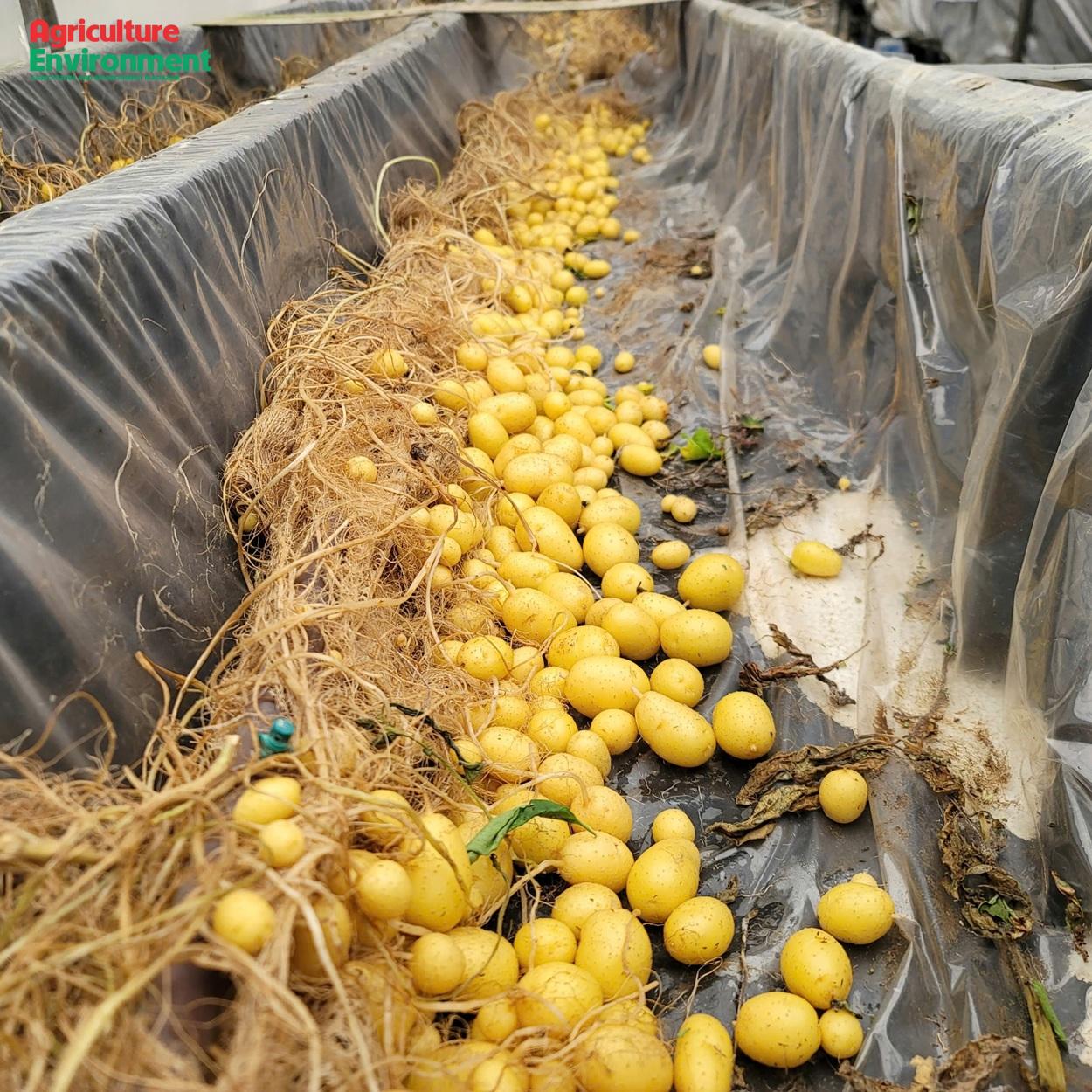
Assoc. Prof., PhD Nguyen Xuan Truong: Soilless cultivation significantly reduces exposure to soil-borne pathogens, which are a primary cause of seed degeneration. At the same time, it enables precise control over nutrient supply, irrigation, and growth conditions, leading to more uniform plant development and consistent seed tuber size and quality.
Another major advantage is the ability to increase planting density and improve space-use efficiency. As agricultural land becomes increasingly limited, this is a critical consideration. Initial research results indicate that soilless seed potato production increases multiplication rates, shortens production cycles, and raises the proportion of tubers meeting quality standards compared with conventional soil-based methods.
Interviewer: How do you assess the economic efficiency and sustainability of this model?
Assoc. Prof., PhD Nguyen Xuan Truong: The benefits extend beyond biological yield to include more efficient use of resources and labor. Soilless cultivation reduces dependence on arable land, lowers pest and disease pressure, and minimizes the need for plant protection products, thereby reducing production costs and improving environmental sustainability.
When integrated with IoT and AI, many processes can be automated, significantly reducing manual labor while improving management precision. This represents a clear advantage over traditional seed production systems.
Interviewer: How are IoT and AI applied in practice?
Assoc. Prof., PhD Nguyen Xuan Truong: We have installed IoT sensors throughout the greenhouse systems to continuously monitor temperature, humidity, light intensity, pH, electrical conductivity (EC), and nutrient concentrations. These data are transmitted to a central platform for real-time monitoring and automated adjustments, ensuring optimal growing conditions at each stage of plant development.
Building on these large datasets, AI algorithms are used to analyze growth patterns, predict pest and disease risks, and optimize nutrient and irrigation regimes. This approach helps reduce costs, mitigate risks, and standardize research and seed production processes at a commercial scale.
Interviewer: How does the Institute link potato breeding research with enterprises and market demand?
Assoc. Prof., PhD Nguyen Xuan Truong: We clearly recognize that potato varieties must not only deliver high yields and good stress tolerance but also meet the specific requirements of the processing industry. These include tuber shape, eye depth, flesh color, dry matter content, and reducing sugar levels.
Through order-based collaboration, enterprises are involved from the outset—helping define breeding objectives, participating in quality assessment, and supporting production trials and market uptake. This approach shortens the gap between research and application while reducing the risks associated with commercialization.
Interviewer: From a long-term strategic perspective, what do you expect from this model?
Assoc. Prof., PhD Nguyen Xuan Truong: Our goal goes beyond varietal development. We aim to build a sustainable agricultural value chain encompassing research, seed production, raw material zones, processing, and market distribution. Within this value chain, enterprises are key partners.
At the same time, the Institute places strong emphasis on human resource development. Undergraduate and graduate students, as well as doctoral candidates, are directly involved in greenhouse and soilless cultivation models, gaining hands-on experience with IoT and AI as part of their training. This provides a solid foundation for the long-term development of high-tech agriculture in Vietnam.
Interviewer: Thank you for your insights!
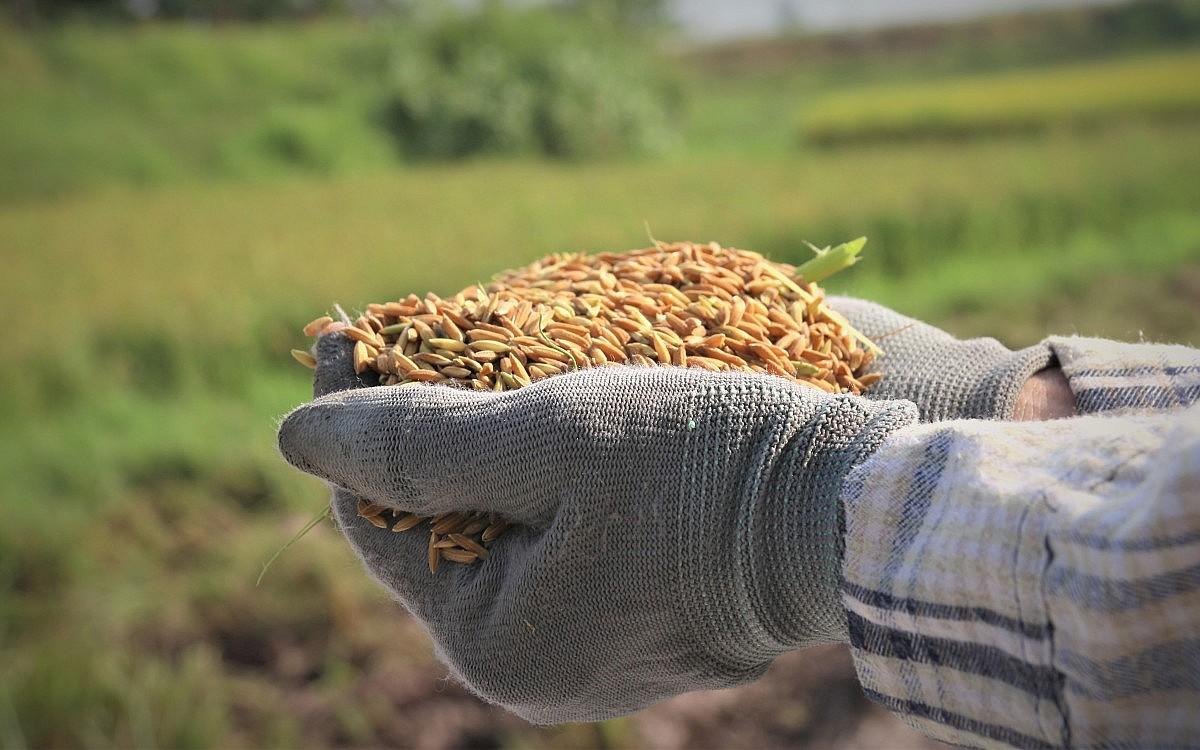
Policies achieve lasting impact only when they translate into changes in production practices. This is particularly true of efforts to reduce food loss and waste: setting reduction targets or encouraging the productive use of agricultural by-products will have limited effect unless producers can see clear economic returns and businesses have access to sufficiently stable markets.
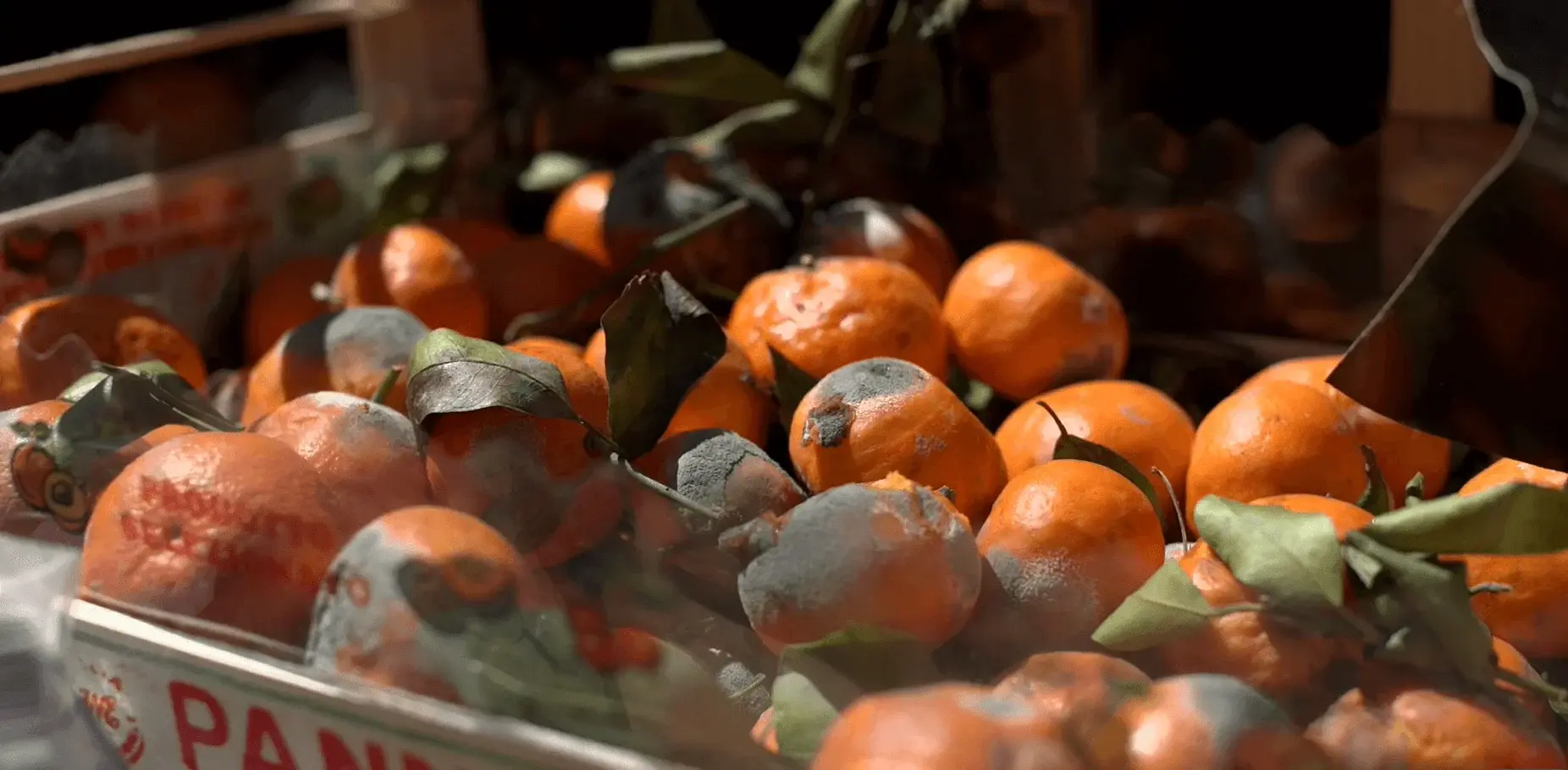
Viet Nam has gradually established a policy foundation for reducing food loss and waste (FLW), increasingly linking the issue to sustainable development, the circular economy, and food system transformation. The challenge in the next phase is therefore not to start from scratch, but to connect existing policies into a coherent, data-driven governance framework that prioritizes prevention and is supported by sufficiently strong coordination mechanisms to drive action at the national level.
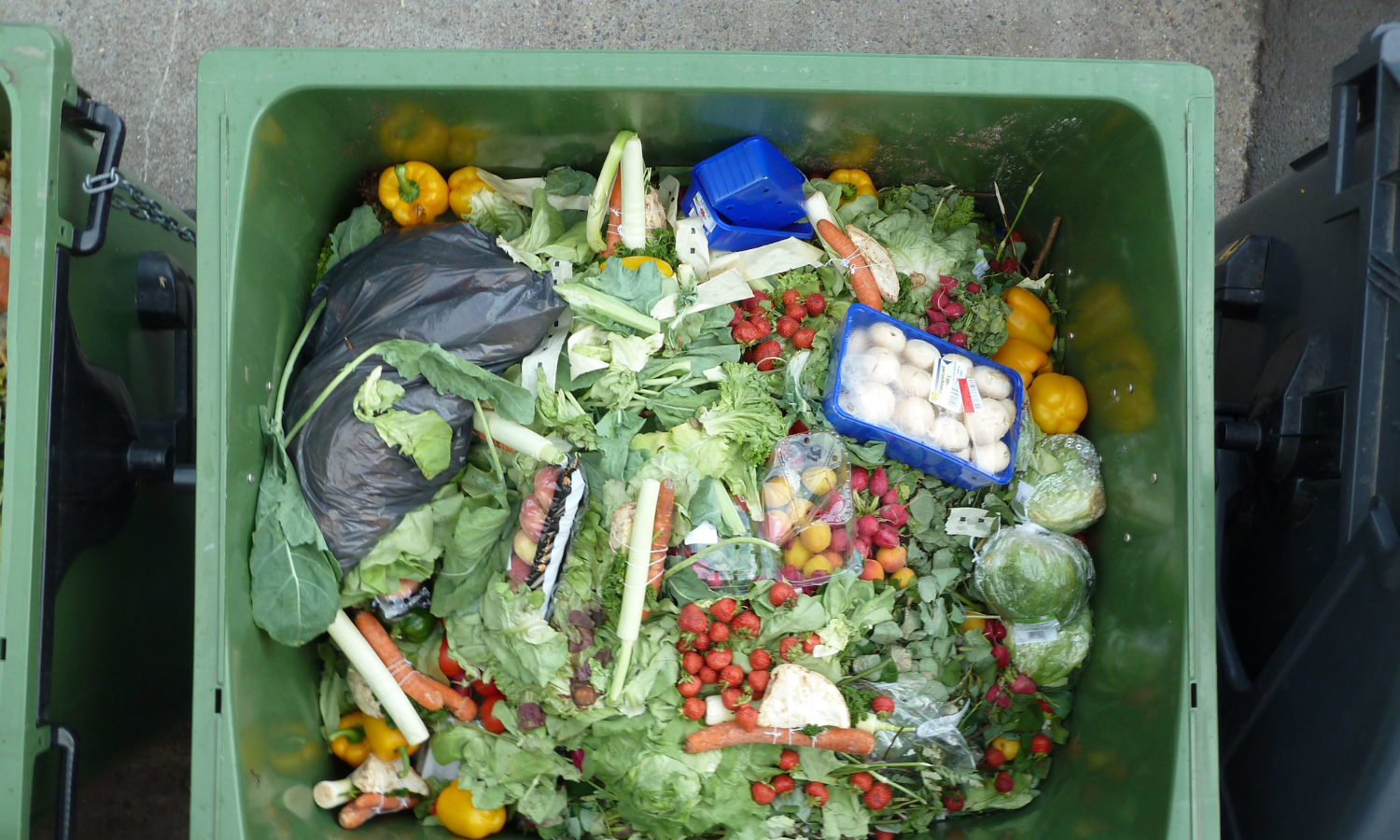
International experience suggests that food loss and waste (FLW) is not a problem that can be resolved through a single policy measure. Effective action requires institutions capable of coordinating stakeholders, data that can identify where losses occur, regulations that do not create unnecessary barriers, and mechanisms that allow businesses and communities to participate.
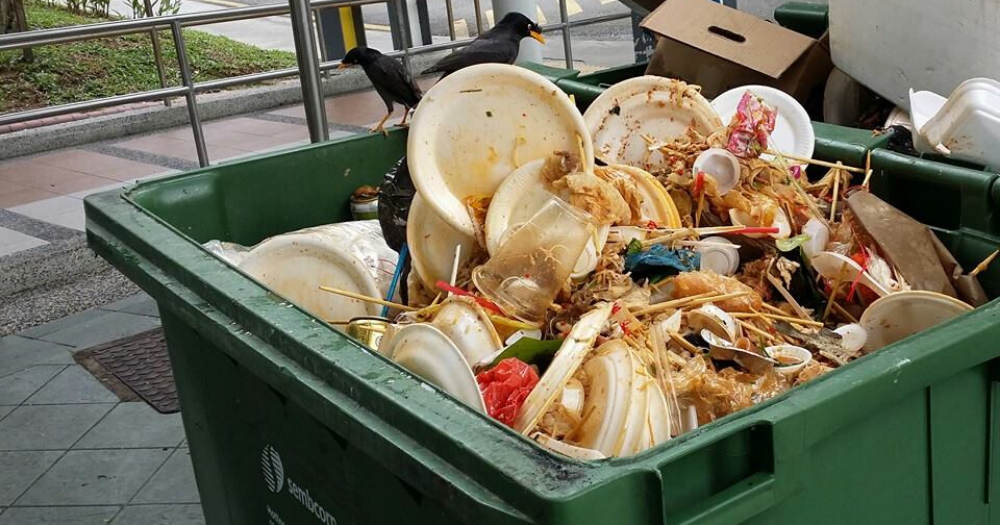
Food loss and waste are emerging as major bottlenecks in global agrifood systems, with large quantities of food lost or discarded despite the land, water, energy and labor invested in producing it. In Viet Nam, the issue not only diminishes the value of agricultural products but also generates substantial economic, environmental and social costs. Research on selected value chains shows that food losses occur throughout the chain, from production and harvesting to transportation, post-harvest handling and storage, while food waste continues to arise at the retail, food service and household levels. A clear understanding of the current situation is essential for Viet Nam to further strengthen its policies to reduce food loss, curb food waste and improve the efficiency of the agrifood system as a whole.
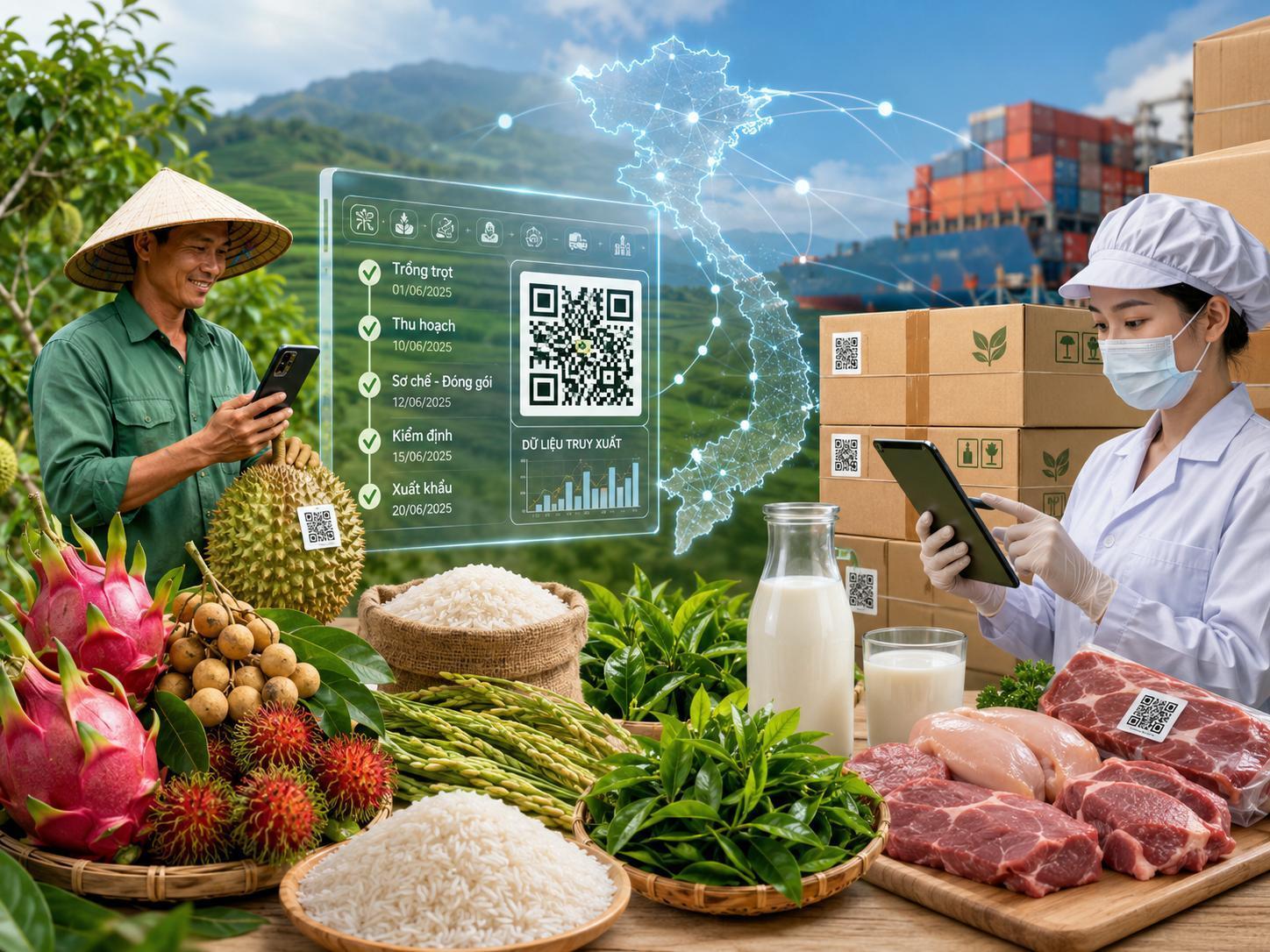
Resolution No. 36/2026/NQ-CP and new regulations on growing-area codes (GACs) and packing-facility codes (PFCs) are prompting changes in how these codes are managed, registered, and maintained. At a training session on implementation of the new regulations held on August 20, government officials and experts focused on procedural changes, requirements for digitizing records, and the supporting role of agricultural extension services at the local level.