



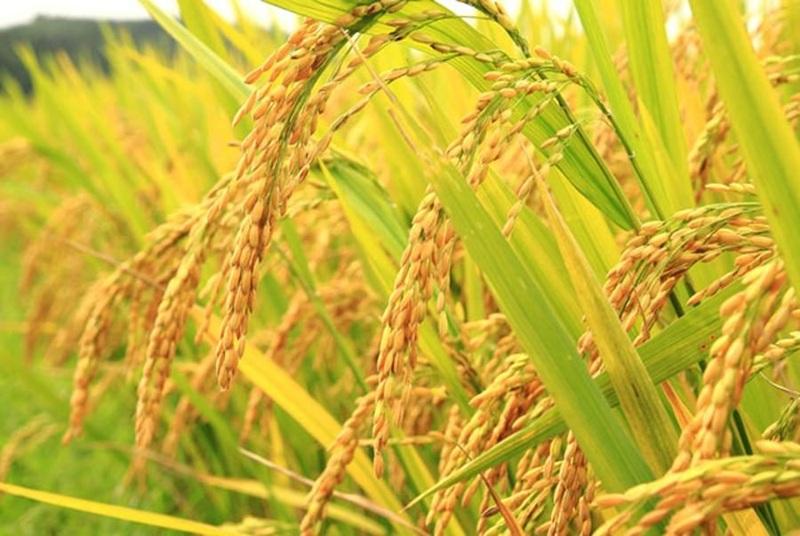
 The Cai hoa vang glutinous rice variety is a well-known specialty of Thanh Hoa province, appreciated for its opaque white grains, characteristic aroma, and sticky texture when cooked—qualities that give it high economic value. However, after many years of traditional cultivation and informal seed exchange, the variety has shown signs of segregation and genetic degradation, resulting in unstable yields and inconsistent grain quality. This trend threatens not only production efficiency but also the preservation of an important local germplasm resource.
In response, a research team consisting of Tong Van Giang (Faculty of Agriculture, Forestry and Fisheries, Hong Duc University), Nguyen Ba Thong (Thanh Hoa Association of Crop Varieties and Agricultural Materials), and Le Thi Xuan Ha and Tran Thi An (Sao Khue Trading Joint Stock Company) implemented a restorative selection program across three consecutive Summer–Autumn crops (2022–2024) in accordance with TCVN 12181:2018. From an initial population of 1,000 plants, the team identified 12 uniform and stable G₂ lines, which retained the hallmark characteristics of the traditional variety and yielded 1,050 kg of nucleus seed—a critical input for expanding high-quality glutinous rice production in Thanh Hoa.
Cai hoa vang glutinous rice: A specialty variety requiring urgent genetic conservation
Cai hoa vang is a representative glutinous rice variety in Thanh Hoa, closely tied to local farming traditions and the livelihoods of many rural households. Its opaque-white grain, soft sticky texture and subtle fragrance make it particularly suitable for traditional products such as sticky rice, bánh chưng and bánh gai. Owing to its superior organoleptic qualities, the variety commands a price premium compared with common glutinous rice varieties, sustaining its position as a local specialty.
However, prolonged, informal seed use and continuous cultivation have led to progressive segregation and genetic deterioration. Key morphological and quality traits have become less uniform; yield and resistance to pests and diseases vary between seasons; and signature attributes, including grain translucence and aroma, have weakened in some lots. Unless corrective action is taken, the genetic erosion of this indigenous germplasm is likely to continue—particularly as cultivation areas shrink under pressure from higher-yielding varieties. The decline therefore represents both an economic threat and a loss of agricultural heritage.
Against this backdrop, conserving and restoring Cai hoa vang has become imperative. Restorative selection aims to reestablish genetic stability, standardize agronomic traits, and secure grain quality—prerequisites for sustainable production zones, premium marketing, and development of value chains tied to local specialty products. The present program sought to deliver these outcomes by applying the established technical framework of TCVN 12181:2018 for self-pollinated crop purification.
Three seasons of restorative selection under TCVN 12181:2018
The restorative selection was implemented across three consecutive Summer–Autumn crops (2022–2024), following the standard sequence of single-plant selection, line evaluation, and comparative trials with formal field inspection.
G₀ (Summer–Autumn 2022): Initial screening from 1,000 plants
In the first season, an initial population of 1,000 plants—sourced from local farmer seed lots—was established. Each plant was evaluated against twenty agronomic and morphological criteria, including plant height, stem and leaf morphology, panicle form and length, number of panicles per hill, filled grains per panicle, growth duration, incidence of pests and diseases, and grain quality attributes. Plants that deviated markedly from the reference phenotype or showed signs of degeneration were eliminated.
A total of 181 G₀ lines met the baseline criteria for phenotypic uniformity, genetic purity and growth vigor. This step provided a high-quality initial genetic pool that served as the foundation for further line development in subsequent crops.
G₁ (Summer–Autumn 2023): Monitoring segregation and selecting stable lines
The 181 lines retained from G₀ were advanced separately as individual G₁ lines. This phase demanded continuous monitoring and careful record-keeping: field observations were taken at regular intervals to detect segregation, variable expression of traits, pest or disease susceptibility, and any other departure from the target phenotype. Lines exhibiting notable inconsistency—e.g., divergent plant height, leaf sheath color, panicle number, or grain traits—were removed.
At the end of this season, 50 G₁ lines showing the highest stability and conformity were selected for comparative evaluation.
G₂ (Summer–Autumn 2024): Comparative trials, field inspection and selection of 12 uniform lines
The 50 selected G₁ lines were evaluated in comparative field trials and in on-farm plots, with inspections conducted strictly in accordance with the technical requirements of TCVN 12181:2018. Performance across key indicators—morphology, growth duration, yield components, grain quality and resilience—was assessed. Every recorded deviation from the descriptor served as grounds for elimination of non-conforming lines. Following this rigorous process, 12 G₂ lines were identified that consistently met the varietal descriptor and demonstrated high phenotypic uniformity.
A notable strength of the program was the mandatory field inspection at critical growth stages and the use of quantitative metrics (mean values and standard deviations) to define acceptable ranges for selection. By sequencing single-plant selection, line evaluation and comparative testing, the team produced a set of genetically stable lines suitable for nucleus seed production.
Twelve elite lines emerge: Restoring the Cai hoa vang specialty
The 12 selected G₂ lines showed a high degree of uniformity in both morphology and agronomy. Key averaged values across the selected lines were:
- Growth duration: 154 days
- Plant height: 139.9 cm
- Main panicle length: 24.0 cm
- Panicles per hill: 5.8
- Filled grains per panicle: 128.6
- 1,000-grain weight: 26.9 g
- Average grain yield: 0.49 kg/m²
These components collectively reflect the variety’s characteristic anatomy—relatively tall plants with long panicles and large, rounded grains—which supports stable grain yield and favorable milling attributes. The yield figure of 0.49 kg/m² corresponds to the improved, uniform performance observed after restorative selection and compares favorably with previously observed yields during periods of varietal decline.
Grain quality remained a defining attribute of the selected material. Sensory evaluations and morphological comparisons confirmed retention of the variety’s signature opaque-white appearance, natural translucence, sticky cooking quality and mild aroma—traits that determine consumer acceptance and market value for specialty glutinous rice.
In terms of pest and disease response, the selected lines exhibited light to moderate resistance to prevalent pests and pathogens, including small leaf rollers, brown planthoppers, sheath blight and blast. Importantly, this resistance was consistent across seasons in the trials, contributing to production stability and potential reductions in pest-management inputs for farmers.
Seasonal resilience was also evident: observations from the G₂ (2024) season indicated that the 12 lines displayed reasonable tolerance to episodic drought and temporary waterlogging, and no large-scale storm-induced lodging was recorded. This resilience further validates the robustness of the selected phenotypes after successive elimination of weak or unstable lines.
Taken together, the emergence of these 12 elite G₂ lines demonstrates the effectiveness of a structured restorative selection program in recovering the varietal identity and production reliability of Cai hoa vang.
From selected lines to nucleus seed: Moving toward production
Following line selection, the research team proceeded to composite the 12 G₂ lines to produce nucleus seed. Each line was harvested separately, dried under controlled conditions, cleaned and tested for physical purity and germination. The lines were then combined at standardized ratios to ensure that the composite seed pool represented the desirable attributes of the selected set.
The process produced 1,050 kg of nucleus seed, which met the seed-quality requirements for purity, germination and morphological uniformity. The seed lot was tested and certified by the Thanh Hóa Center for Testing and Certification of Agricultural, Forestry and Fishery Product Quality under certificate number 38.SNC.M24.001. This certification confirms the material’s suitability for producing pre-basic and certified seed at larger scales, and it marks an essential step in scaling up area-wide production.
This transition—from experimental lines to a standardized seed source—is critical. Access to certified nucleus seed enables seed multiplication schemes that preserve genetic stability, limits unintended mixing of varieties, and helps farmers obtain consistent planting material that retains the variety’s special characteristics.
Prospects: Scientific and practical significance
The restorative selection program (2022–2024) delivers both scientific contributions and practical benefits.
From a scientific perspective, the program validates the TCVN 12181:2018 framework for restorative selection in a real-world context. It demonstrates that a systematic program of single-plant selection, line evaluation and comparative trials, backed by quantitative monitoring and field inspection, can reconstitute a uniform, high-quality germplasm base from a largely segregated population. The selected G₂ lines furnish material for further genetic and breeding studies, including molecular characterization, diversity analysis and targeted improvement for stress tolerance or quality traits.
Practically, the availability of certified nucleus seed addresses a key constraint for local producers: reliable, high-quality planting material. Certified seed supports the reestablishment of production zones for Cai hoa vang, helps stabilize yields and quality, and underpins efforts to build a regional brand for this specialty rice. Standardized seed supply reduces farmers’ exposure to the risks of seed mixing and degeneration, thereby protecting producer income and consumer trust.
At the value-chain level, restoring seed quality is a prerequisite for coordinated development across production, processing and marketing. A certified seed base makes it feasible to promote higher-value products (including OCOP items), attract investment in post-harvest processing and implement quality assurance along the chain—steps that ultimately raise the economic return to growers and strengthen local agri-food identity.
The three-year restorative selection of Cai hoa vang has successfully recovered a set of uniform, high-performing G₂ lines that retain the variety’s defining grain quality and show stable agronomic performance. The production and certification of 1,050 kg of nucleus seed (38.SNC.M24.001) constitute a tangible outcome that bridges research and production. These achievements provide a clear pathway to restoring and expanding specialty rice production in Thanh Hóa while preserving an important component of local agro-cultural heritage.
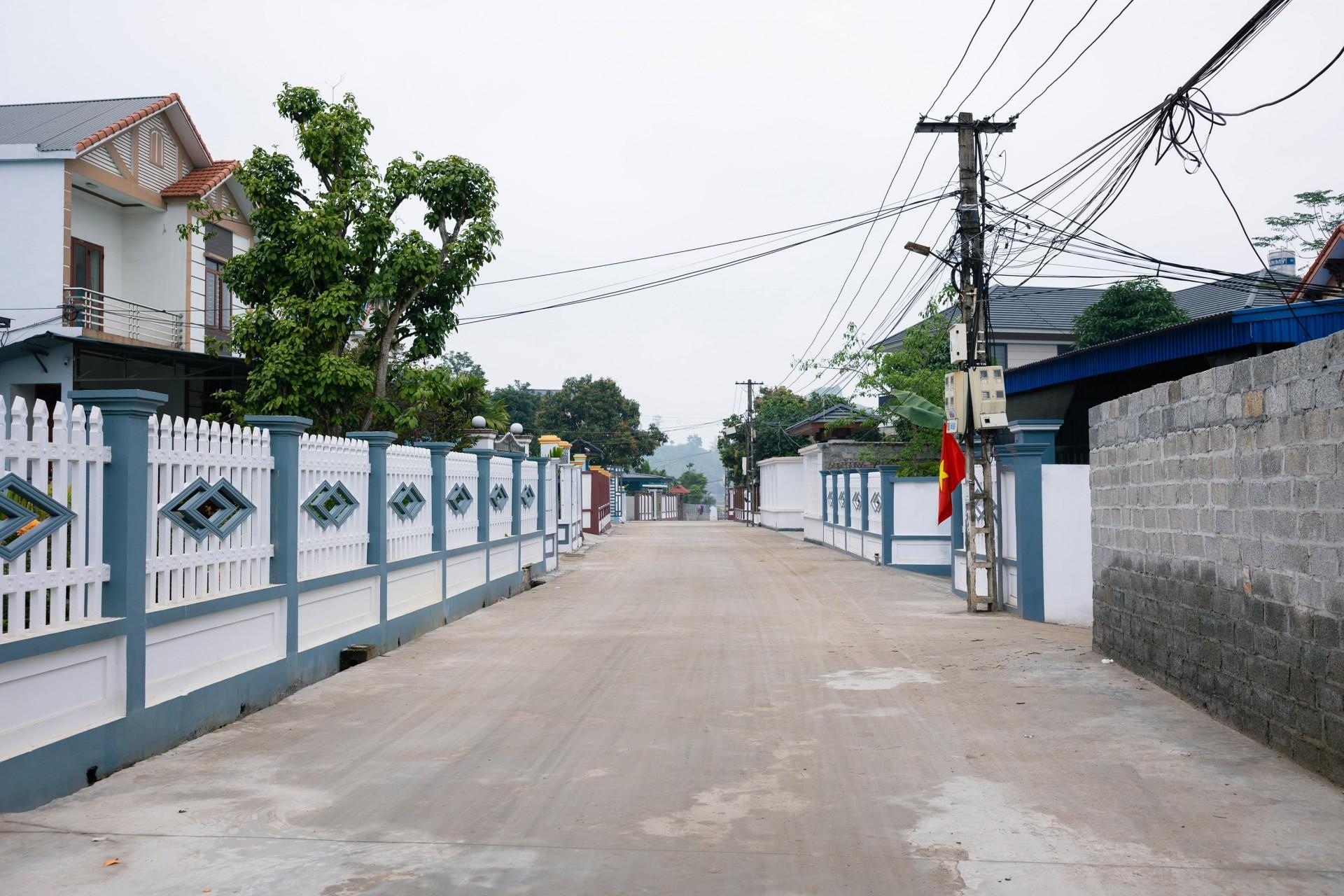
Meeting established criteria is an important measure of new rural development, but it is not sufficient to answer a more fundamental question: what are residents actually gaining from the development process? A study in Thai Nguyen, drawing on subjective well-being theory and examining the relationship between importance and satisfaction, identifies notable gaps in employment, housing, infrastructure, health, individual capabilities, and time. The findings suggest that residents’ perceptions and quality of life should be incorporated into assessments of new rural development outcomes at the village level.
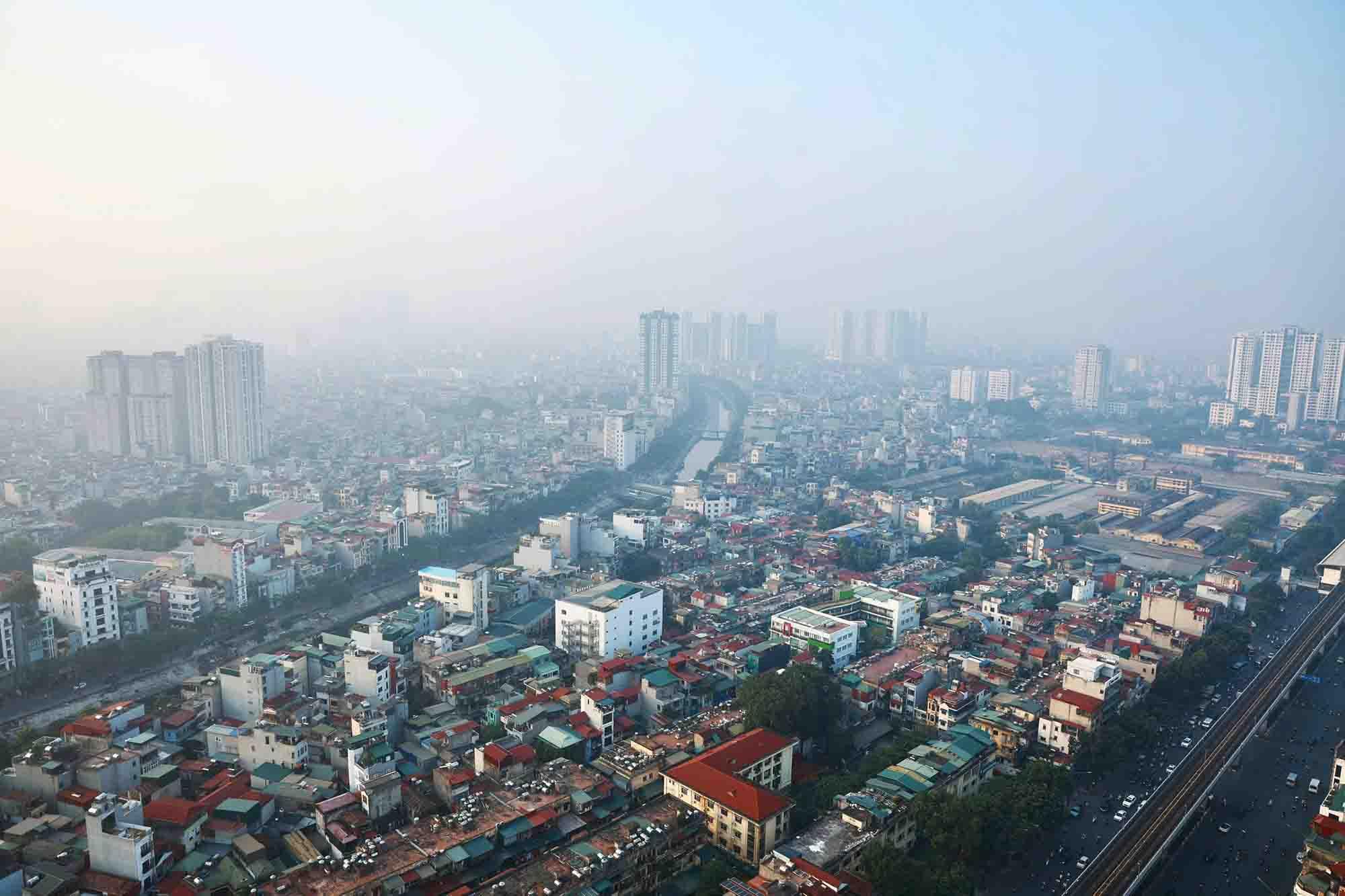
Against the backdrop of air pollution continuing to pose significant challenges to sustainable development, Viet Nam has made notable progress in strengthening its legal framework amid a broader process of institutional consolidation during the 2024–2025 period. Research conducted by a team from Can Tho University indicates that the current focus of air quality governance in Viet Nam is shifting from institutional development toward strengthening implementation and enforcement capacity, with growing demands for monitoring capability, cross-sector coordination, and the effective application of economic instruments for emissions control.
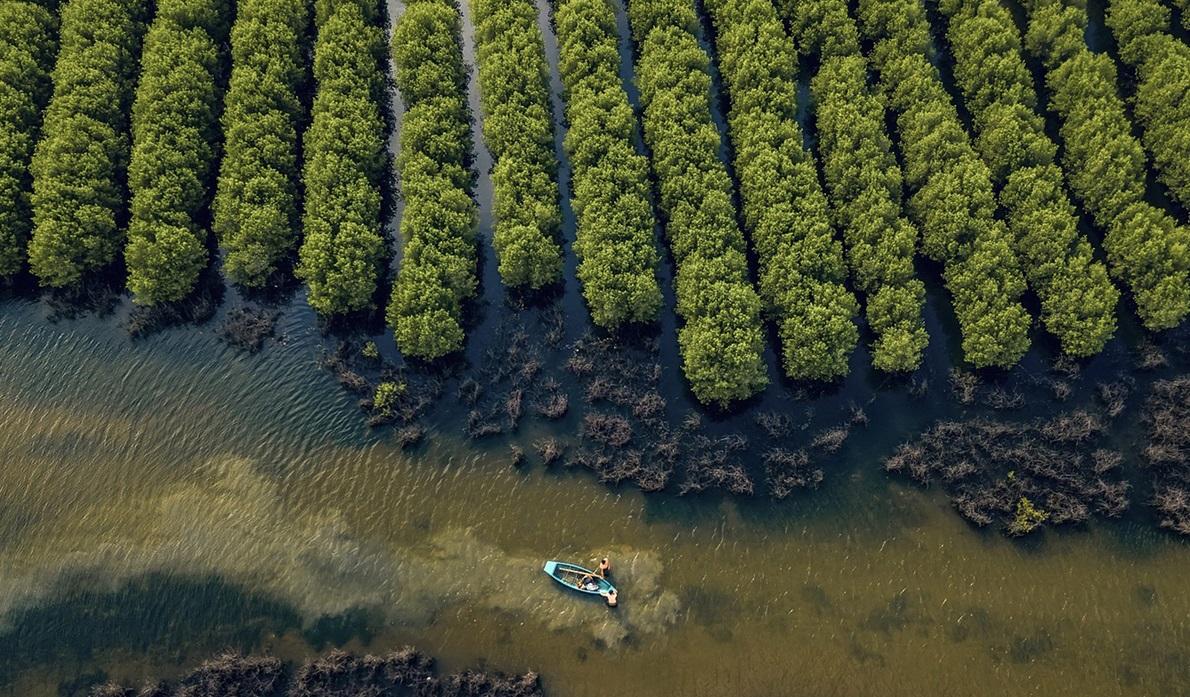
The Mekong Delta is one of the world’s most important deltaic systems, yet it is also among the regions most severely affected by coastal erosion, mangrove degradation, sea-level rise, land subsidence, and declining sediment supply. Against this backdrop, a study by Prof. Dr. Thieu Quang Tuan of the Faculty of Engineering, Thuyloi University proposes a scientifically grounded perspective: effective coastal protection and mangrove restoration must begin with a proper understanding of the natural dynamics governing muddy coasts and fine-grained sediment balance.
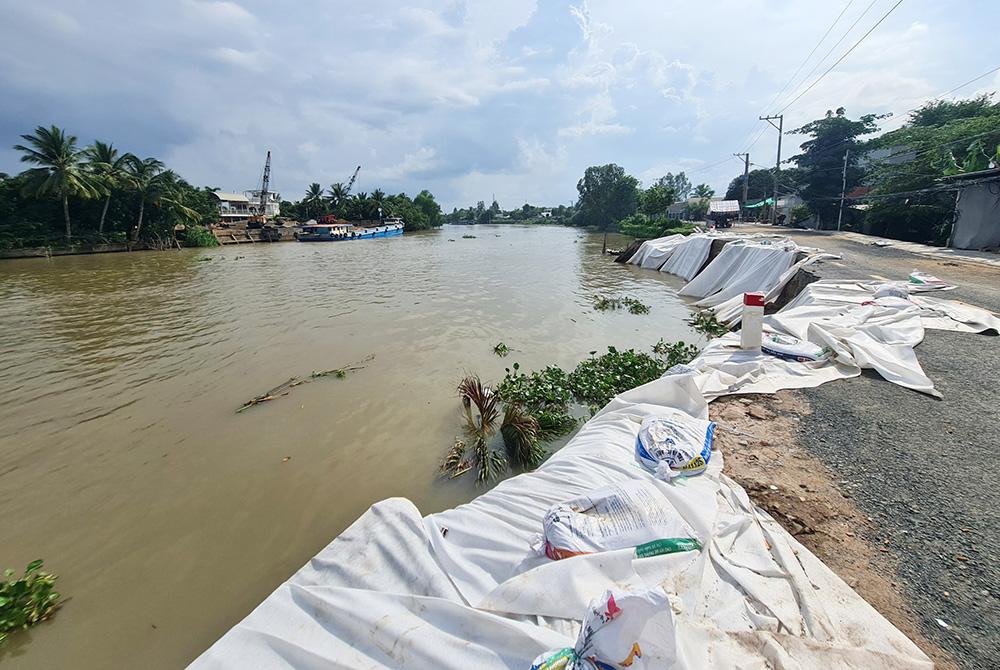
As riverbank erosion becomes increasingly severe in the Mekong Delta, many localities have begun piloting nature-based riverbank protection solutions that utilize locally available materials and minimize hard-engineering interventions in river flows. However, evaluating the effectiveness of these solutions remains challenging, particularly when international assessment frameworks do not fully align with the socio-ecological conditions of the delta region.

As organic farming and safe agricultural production gain momentum, botanical plant protection products are increasingly being viewed as a promising alternative to conventional chemical pesticides. Drawing on more than half a century of research, a review by Nguyen Thi Lan Huong, Dang Thi Thanh Le, and Vuong Dang Le Mai from Thuyloi University and University of Transport Technology highlights Viet Nam’s rich plant resources and their potential for developing a new generation of biological plant protection products.