



 The study “Reducing CO₂ emissions from the coffee value chain toward sustainable agriculture” was conducted by the research team including Thai Phuong Vu, Nguyen Thi Mong Quynh, Nguyen Khuong Duyen, Tran Thi Que Tran, and Nguyen Thi Cam Tien from the Faculty of Environment, Ho Chi Minh City University of Natural Resources and Environment. This research is of significant importance as Vietnam’s coffee sector plays a key role in agricultural export while facing increasing pressure to mitigate greenhouse gas (CO₂) emissions across the entire value chain—from cultivation and harvesting to processing and consumption.
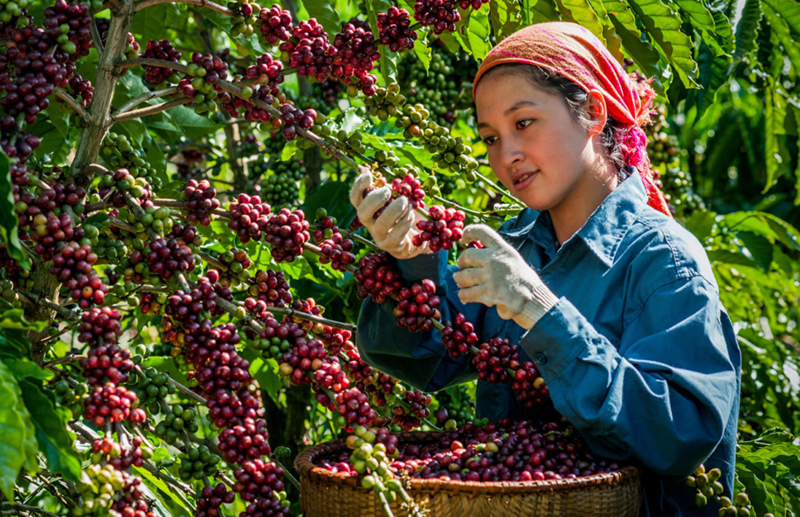
The study assessed greenhouse gas emissions (CO₂) generated throughout the coffee value chain in Lam Dong province, covering cultivation, harvesting, processing, and consumption stages, based on the 2006 IPCC Guidelines. The results indicated that CO₂ emissions from the coffee value chain amounted to 14,300 kg CO₂/ha/year, with major sources including chemical fertilizers (42%), fossil fuels (36%), and electricity (22%). Notably, the research also found that organically grown coffee demonstrated significant CO₂ absorption capacity, averaging 17,249 kg CO₂/ha/year, thereby offsetting a substantial portion of total emissions.
The study proposed a broad set of solutions for reducing CO₂ emissions along the coffee value chain, including the use of organic fertilizers, biochar derived from coffee husks, water-saving irrigation systems, renewable energy, and the application of digital technologies in production. These solutions not only help reduce CO₂ emissions but also contribute to establishing an environmentally friendly and sustainable coffee value chain.
Why the study matters
The objective of the study was to quantify CO₂ emissions across the entire coffee value chain in Lam Dong province while determining the CO₂ absorption capacity of coffee grown under organic farming practices. The study also aimed to propose feasible solutions to reduce greenhouse gas emissions in the coffee sector, thereby contributing to sustainable agricultural development and supporting Vietnam’s emission-reduction commitments.
How the research was conducted
The study was conducted at three organic coffee farms in Tan Ha commune, Lam Ha district, Lam Dong province—one of Vietnam’s key coffee-producing areas—with a total farming area of 4 hectares. These farms all apply organic cultivation methods.
Data were collected through field surveys and interviews with coffee farm owners, processing facilities, and coffee shop operators. The key parameters surveyed included: the volume of fertilizers used, fossil fuel consumption (gasoline and diesel), electricity consumption for irrigation, processing, roasting, storage, and commercial activities (transportation and retail).
CO₂ emission calculation method: CO₂ emissions were calculated according to the 2006 IPCC Guidelines, using the formula:
CO₂=Activity Data×Emission Factor
where Activity Data represents quantities of inputs and energy used (kg, liters, kWh, tons, etc.), and Emission Factor refers to CO₂ emission coefficients (kg CO₂/kg or kg CO₂/liter) sourced from the IPCC 2006 Guidelines and relevant scientific literature.
CO₂ absorption calculation: The CO₂ absorption capacity of coffee trees was estimated based on above-ground biomass (AGB), applying the standard carbon-conversion formula:
C=AGB×CFandCO2=C×3.67
where AGB is above-ground biomass, CF is the carbon fraction, and 3.67 is the molecular conversion factor from carbon to CO₂.
Measuring CO₂ emissions along the coffee chain
CO₂ emissions in the coffee value chain: The study quantified CO₂ emissions for each stage of the coffee value chain—cultivation, harvesting, processing, and consumption. The findings show that the cultivation stage contributes the highest proportion, accounting for approximately 68.5% of total CO₂ emissions, including:
- 6,000 kg CO₂/ha/year from chemical fertilizers
- 2,200 kg CO₂/ha/year from machinery fuel
- 1,600 kg CO₂/ha/year from electricity for irrigation
The harvesting, processing, and consumption stages also contribute to total CO₂ emissions, at 9.09%, 14.69%, and 7.69%, respectively.
CO₂ absorption capacity of coffee trees: The study demonstrated that coffee trees have a high CO₂ absorption capacity, averaging 17,249 kg CO₂/ha/year. The organic coffee farms surveyed absorbed more CO₂ than they emitted, creating a positive carbon balance and contributing to reducing environmental impacts.
Pathways to cutting CO₂ in the coffee sector
Replacing chemical fertilizers with organic fertilizers: This is one of the most effective measures to reduce CO₂ emissions in coffee cultivation. Organic fertilizers not only lower emissions but also improve soil fertility and reduce environmental pollution.
Applying digital technologies and renewable energy: Water-saving irrigation systems, solar power, and bioenergy utilization in coffee processing can significantly reduce fossil fuel consumption and thus lower CO₂ emissions across the value chain.
Using biochar from coffee husks: Biochar derived from coffee husks can be used as a soil amendment or organic fertilizer. It effectively sequesters CO₂ while reducing waste discharged into the environment.
Upgrading processing technologies: Conventional coffee processing methods require substantial electricity and fuel. Improving equipment and adopting energy-efficient technologies for drying and grinding coffee can significantly reduce processing-stage CO₂ emissions.
The study reveals that although the coffee value chain in Lam Dong emits a considerable amount of CO₂, these emissions can be significantly reduced through integrated technical and technological solutions. Importantly, coffee trees have a strong capacity for CO₂ absorption. When combined with organic cultivation and renewable energy use, the coffee sector can transition toward a low-carbon value chain, contributing to sustainable agricultural development and supporting international climate commitments.
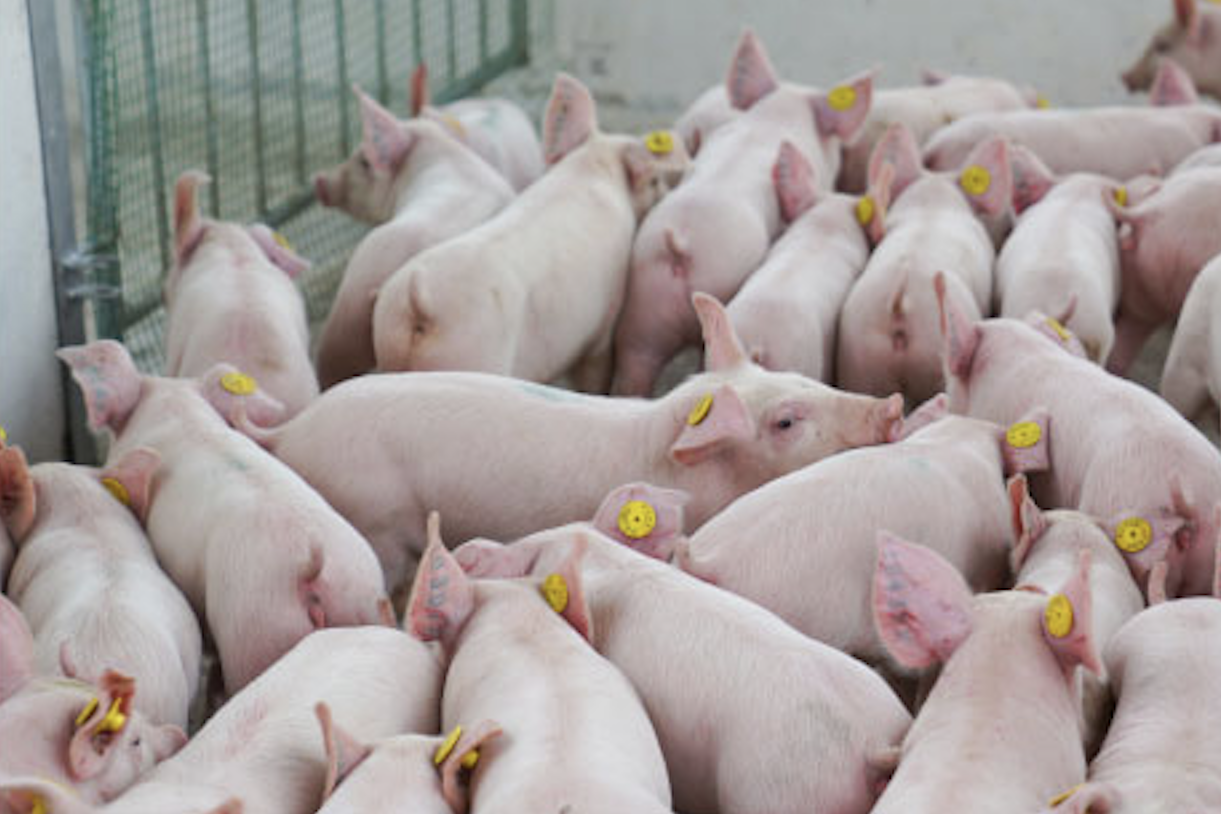
The emergence of recombinant African swine fever virus (ASFV) strains derived from genotypes I and II (rASFV I/II) poses a new challenge to the effectiveness of currently available vaccines in Viet Nam. A preliminary study conducted in experimental pigs by Nguyen Van Diep, Nguyen Van Duc, Vu Xuan Dang, Nguyen Thi Ngoc, Do Phuc Tue, Tran Ngoc Tiep (AVAC Vietnam Joint Stock Company), and Pham Ngoc Doanh (Institute of Biology, Vietnam Academy of Science and Technology) shows that the AVAC ASF LIVE vaccine confers cross-protective efficacy against this strain, with outcomes influenced by vaccination regimen and challenge dose.
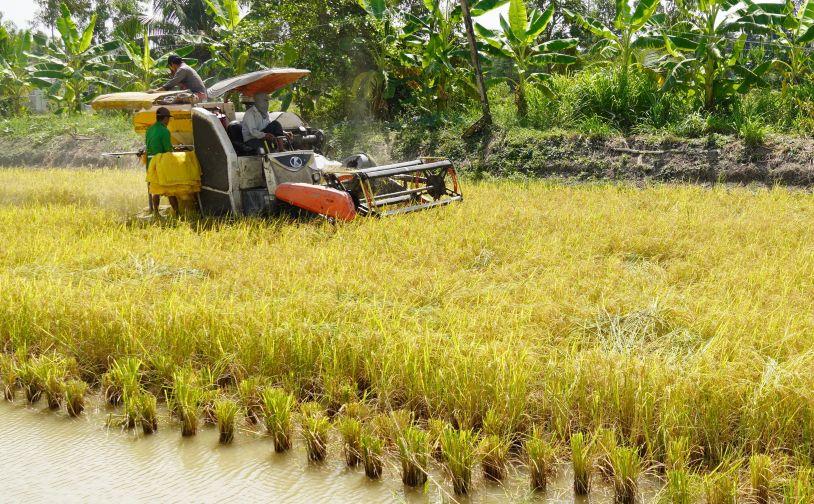
Following episodes of drought and saltwater intrusion that required restructuring agricultural production in coastal areas, rice–shrimp and shrimp monoculture systems were adopted as adaptive strategies. However, changes in farming practices are accompanied by shifts in agroecosystem structure.
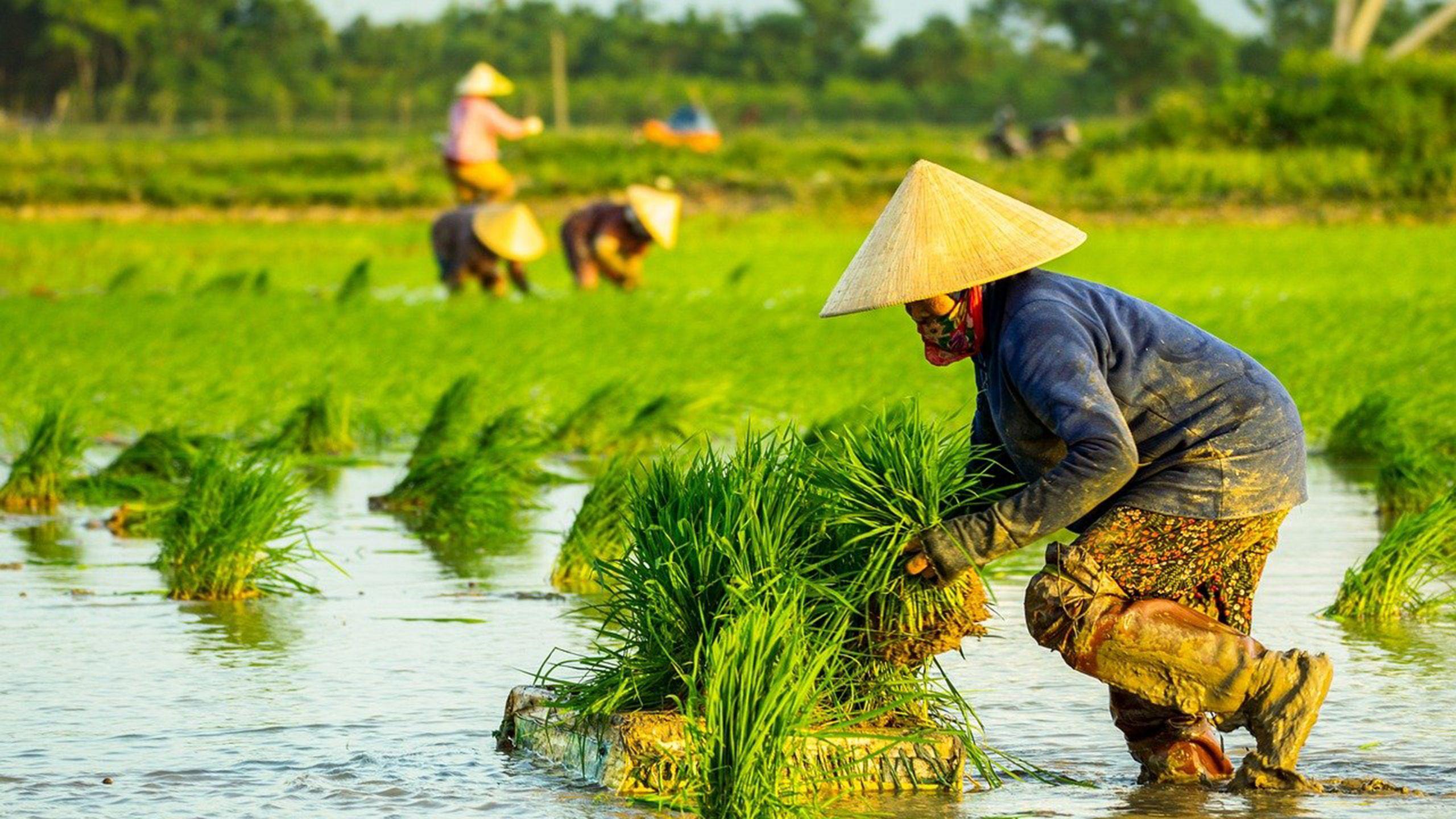
As climate change accelerates saltwater intrusion across many of Viet Nam’s major rice-growing regions, the need to develop rice varieties capable of adapting to saline conditions has become increasingly urgent. Systematic evaluation of the morphological and agronomic characteristics of newly bred salt-tolerant rice lines is considered a key step in screening and selecting suitable planting materials for production.
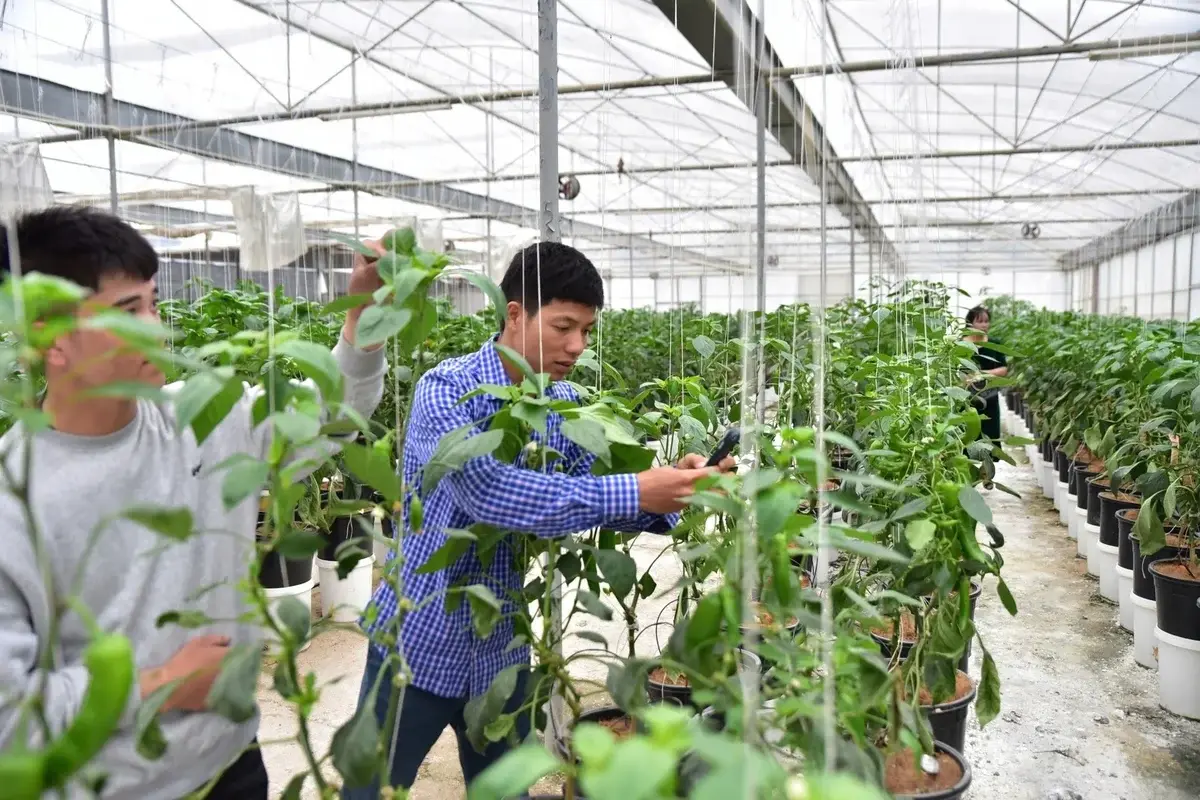
Vegetable production has emerged as one of the fastest-growing sectors of agriculture in Son La province in recent years; however, it continues to face significant challenges related to product quality, food safety, and production efficiency. In this context, greenhouse and net house vegetable cultivation is increasingly viewed as a promising approach to better control growing conditions and enhance value added. The study “Current status and solutions for developing greenhouse and net house vegetable production in Son La province,” conducted by a research team from the Fruit and Vegetable Research Institute and the Vietnam National University of Agriculture, draws directly on on-the-ground production and distribution practices. It provides a relatively comprehensive assessment of the scale, performance, and key challenges associated with this production model across the province.
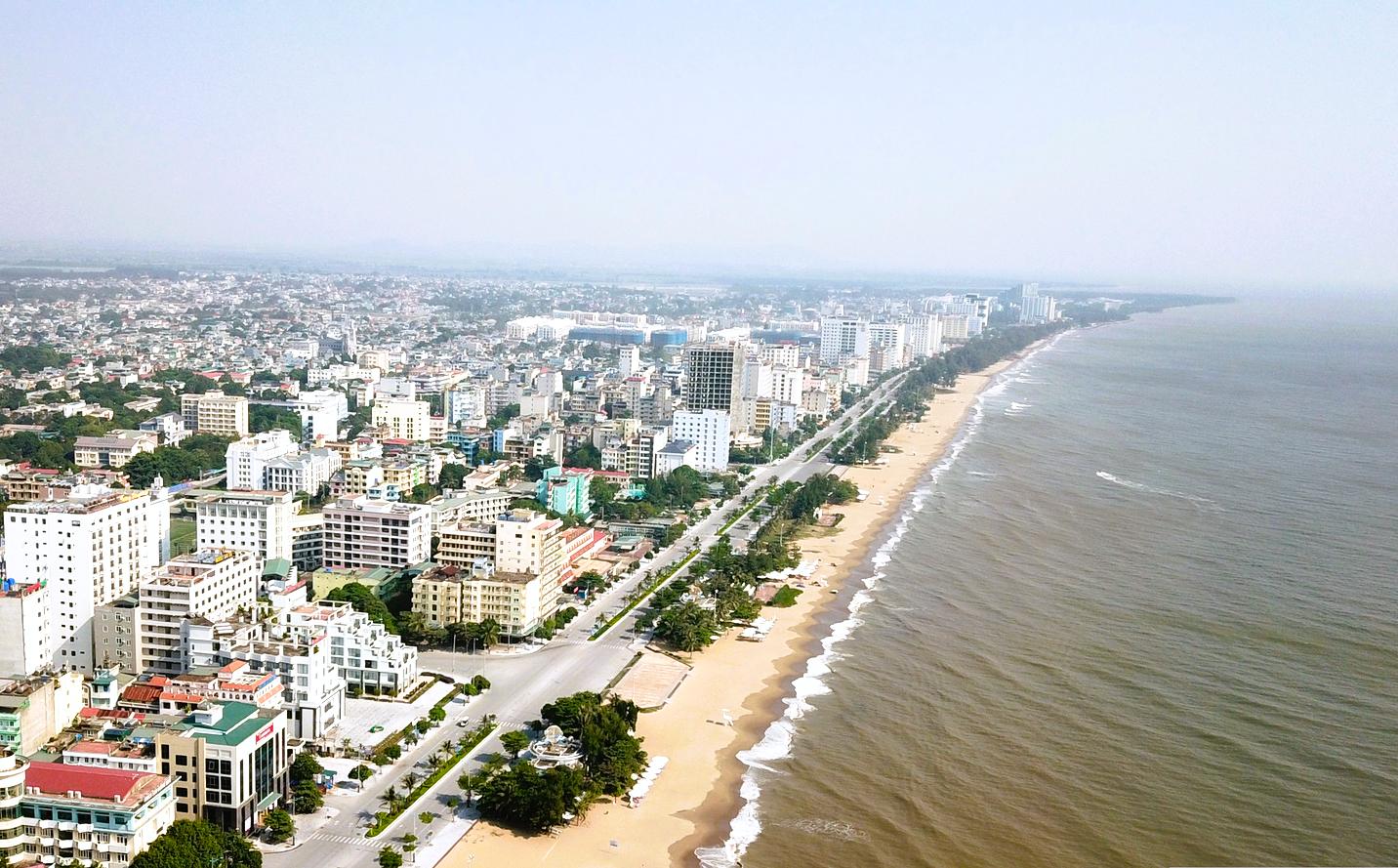
In response to the increasingly evident impacts of climate change and sea level rise on coastal areas, a research team from Thanh Dong University and the Thai Nguyen University of Agriculture and Forestry has developed a sea level rise–related inundation risk database for the coastal zone of Thanh Hoa province. Based on digital elevation models (DEM), remote sensing data, and Representative Concentration Pathway (RCP) climate scenarios, the study provides a quantitative assessment of the projected increase in inundation risk over time, thereby clarifying potential impacts on coastal land use patterns at the time milestones of 2050, 2080, and 2100.