



 In recent years, agriculture has continued to play an important role in Quang Ninh’s local economic structure and remains a key source of livelihoods for tens of thousands of farming households. Beyond its economic contribution, the sector underpins rural employment and social stability across many districts. However, the development of key agricultural product value chains in the province still faces persistent challenges, including fragmented small-scale production, aging fruit orchards, unstable consumption markets, and increasing risks associated with climate change.
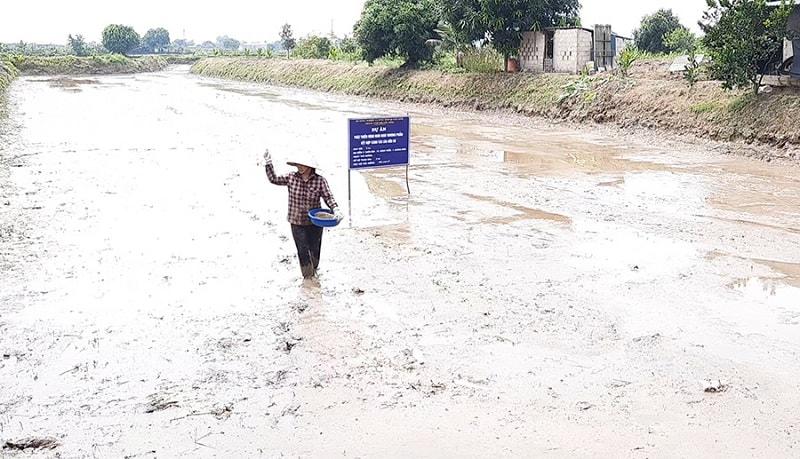
These constraints have limited the ability of agricultural products to move beyond primary production and to generate higher added value through processing, branding, and stable market access.
A comprehensive assessment of key agricultural product value chains (2020–2024)
In response to these challenges, the Institute of Agricultural and Rural Planning Research conducted the study “Assessment of the current status of key agricultural product value chains in Quang Ninh province” for the period 2020–2024. The research was led by MSc. Bui Thi Minh Tuyet and BSc. Hoang Thi Thu Thom.
The study provides a comprehensive assessment of production, processing, consumption, and economic efficiency, while examining the level of production–consumption linkages within value chains. The analysis focuses on key agricultural products, including high-quality rice, vegetables, and fruit crops such as custard apple, lychee, and passion fruit. Through this approach, the research aims to generate evidence-based inputs to support agricultural restructuring toward greater sustainability.
Stable production trends, but yields and orchard aging raise concerns
Based on the synthesis of official statistical data, reports from the provincial agricultural sector, and field surveys of 120 farming households in Dong Trieu, Dam Ha, Tien Yen, Ba Che, and Van Don, the study indicates that the cultivated area and yields of key agricultural products remained generally stable or increased slightly during the 2020–2024 period.
High-quality rice continued to account for the largest share of cultivated land, representing approximately 40–45 percent of the annual planted area, followed by specialty fruit crops and vegetable production. This stability reflects sustained investment and policy attention at the provincial level.
At the same time, the study identifies several structural concerns. Rice yields remain below the regional average; custard apple and lychee orchards in several areas are entering an aging phase, reducing productivity and quality; and geographical conditions in districts such as Ba Che and Van Don constrain the expansion of cultivated areas. Vegetable and tea production has formed several concentrated zones and high-tech models, yet remains vulnerable to seasonal risks and increasing price competition.
Value chains are taking shape, yet production–consumption linkages remain uneven
Value-chain analysis shows that key agricultural products in Quang Ninh typically pass through multiple stages, including production, collection, preliminary processing, and distribution. In recent years, several production–consumption linkage models involving farmers, cooperatives, and enterprises have emerged, particularly in vegetable production and selected fruit crops such as custard apple, lychee, and passion fruit.
These linkages have contributed to higher added value, with vegetables generating approximately 45 percent added value, custard apple around 50 percent, and lychee about 52 percent—significantly higher than that of high-quality rice, which stands at roughly 28 percent.
However, the study also highlights that these linkages remain uneven and often lack stability. Many farmers continue to rely heavily on traders, while cooperatives frequently face limitations in management capacity, market access, and commercial negotiation. As a result, many products struggle to enter modern retail systems or access export markets, constraining the development of high-value agriculture.
VietGAP and organic models improve added value, at higher cost
A key component of the assessment is the comparison of economic efficiency between conventional production systems and VietGAP- and organic-oriented production models.
The results indicate that in vegetable production, profits increase from approximately VND 90 million per hectare under conventional practices to about VND 130–150 million per hectare when VietGAP or organic standards are applied. For fruit crops such as custard apple, lychee, and passion fruit, profits rise by an estimated 15–25 percent under VietGAP or organic production models. In the case of high-quality rice, VietGAP-based production demonstrates higher economic efficiency, while organic rice remains limited due to stringent technical requirements and high initial investment costs.
Overall, standards-based production contributes to higher selling prices, improved quality control, reduced market risks, and better access to formal markets. Nevertheless, higher input costs, certification expenses, and technical requirements continue to pose significant barriers, discouraging many farmers from transitioning to these models.
Market volatility and climate risks continue to affect economic efficiency
Beyond structural limitations within value chains, the study identifies several external risks that directly affect the economic efficiency of key agricultural products in Quang Ninh. Dependence on traders exposes farmers to price pressure and income instability, while the limited capacity of cooperatives constrains collective bargaining and market expansion.
Climate-related risks—including drought, localized heavy rainfall, and frost—have increasingly affected crop yields and production stability. In addition, fluctuations in market demand and rising input costs have further eroded profit margins, particularly for small-scale producers.
The study emphasizes that without improvements in logistics infrastructure, post-harvest storage and processing facilities, and overall value-chain organization, Quang Ninh’s agriculture will face difficulties in achieving a qualitative breakthrough in the coming years.
From assessment to action: Building sustainable agricultural value chains
Based on its findings, the research proposes a set of strategic solutions to promote sustainable agricultural development in Quang Ninh Province. These include restructuring crop varieties, rejuvenating aging fruit orchards, and developing varieties better suited to climate change conditions.
The study also recommends expanding VietGAP and organic production models, accompanied by targeted financial and technical support to help farmers overcome transition costs. Investments in infrastructure—such as smart irrigation systems, cold storage facilities, and post-harvest preservation—are identified as critical to reducing losses and improving product quality.
Strengthening linkages among farmers, cooperatives, and enterprises through stable off-take contracts, along with enhanced trade promotion to facilitate access to modern retail systems and export markets, is also highlighted as a priority.
Taken together, these measures aim not only to improve economic efficiency but also to enhance resilience to climate and market risks, in line with the transition toward green, smart, and circular agriculture.
The study “Assessment of the current status of key agricultural product value chains in Quang Ninh province” provides a solid empirical foundation and a coherent set of policy recommendations to support agricultural restructuring at the provincial level. As market demand and quality requirements continue to rise, the development of sustainable agricultural value chains will be essential to improving farmers’ incomes and strengthening the role of Quang Ninh’s agriculture within the broader economic landscape of Vietnam’s Northeast region.
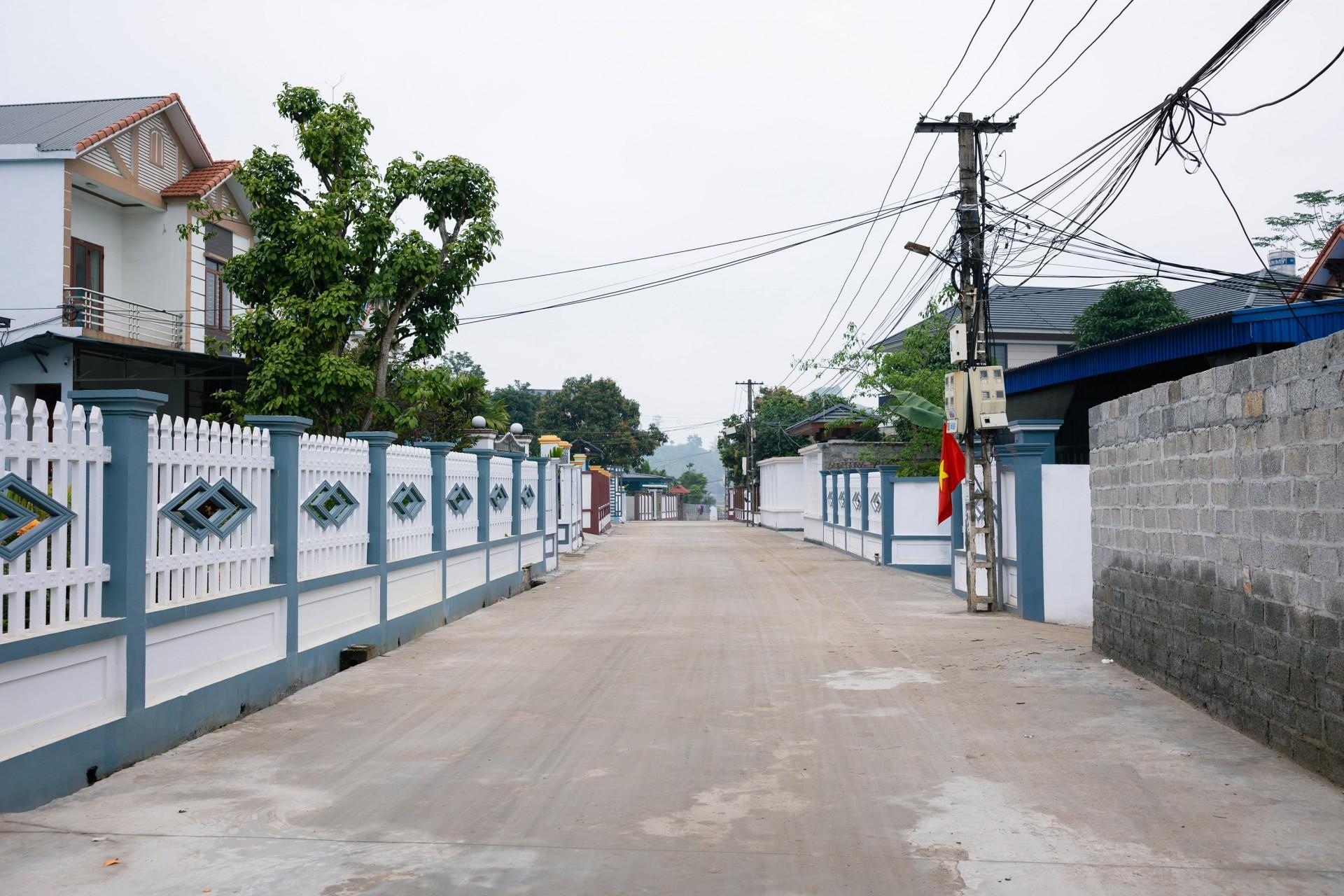
Meeting established criteria is an important measure of new rural development, but it is not sufficient to answer a more fundamental question: what are residents actually gaining from the development process? A study in Thai Nguyen, drawing on subjective well-being theory and examining the relationship between importance and satisfaction, identifies notable gaps in employment, housing, infrastructure, health, individual capabilities, and time. The findings suggest that residents’ perceptions and quality of life should be incorporated into assessments of new rural development outcomes at the village level.
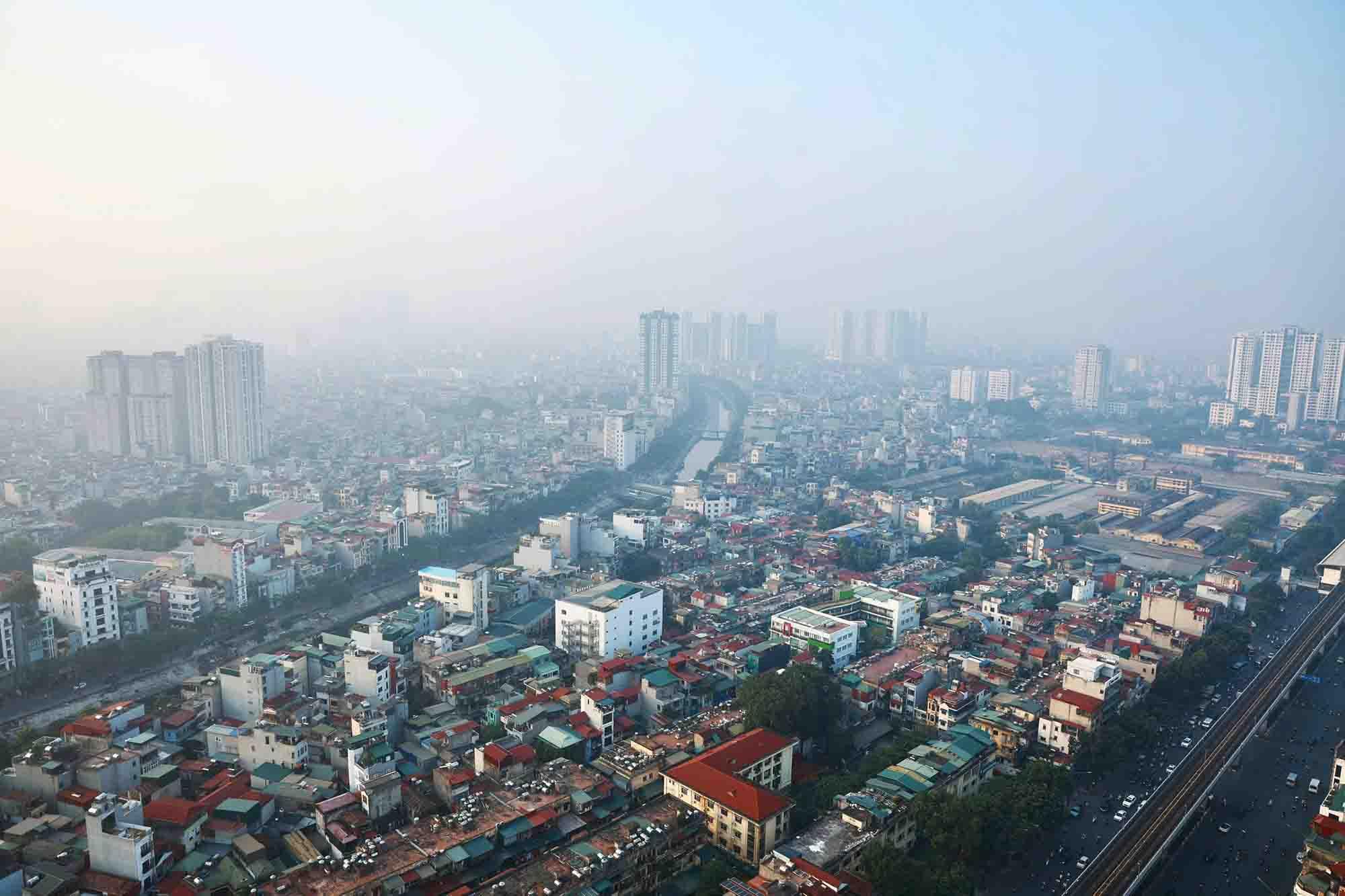
Against the backdrop of air pollution continuing to pose significant challenges to sustainable development, Viet Nam has made notable progress in strengthening its legal framework amid a broader process of institutional consolidation during the 2024–2025 period. Research conducted by a team from Can Tho University indicates that the current focus of air quality governance in Viet Nam is shifting from institutional development toward strengthening implementation and enforcement capacity, with growing demands for monitoring capability, cross-sector coordination, and the effective application of economic instruments for emissions control.
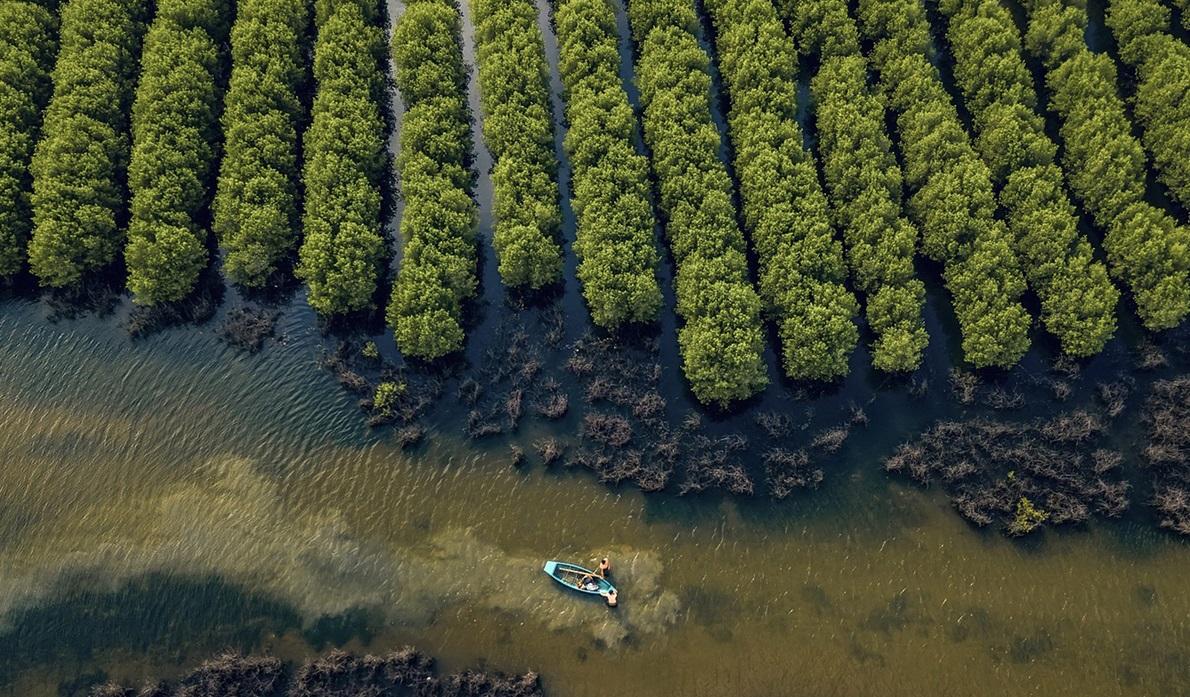
The Mekong Delta is one of the world’s most important deltaic systems, yet it is also among the regions most severely affected by coastal erosion, mangrove degradation, sea-level rise, land subsidence, and declining sediment supply. Against this backdrop, a study by Prof. Dr. Thieu Quang Tuan of the Faculty of Engineering, Thuyloi University proposes a scientifically grounded perspective: effective coastal protection and mangrove restoration must begin with a proper understanding of the natural dynamics governing muddy coasts and fine-grained sediment balance.
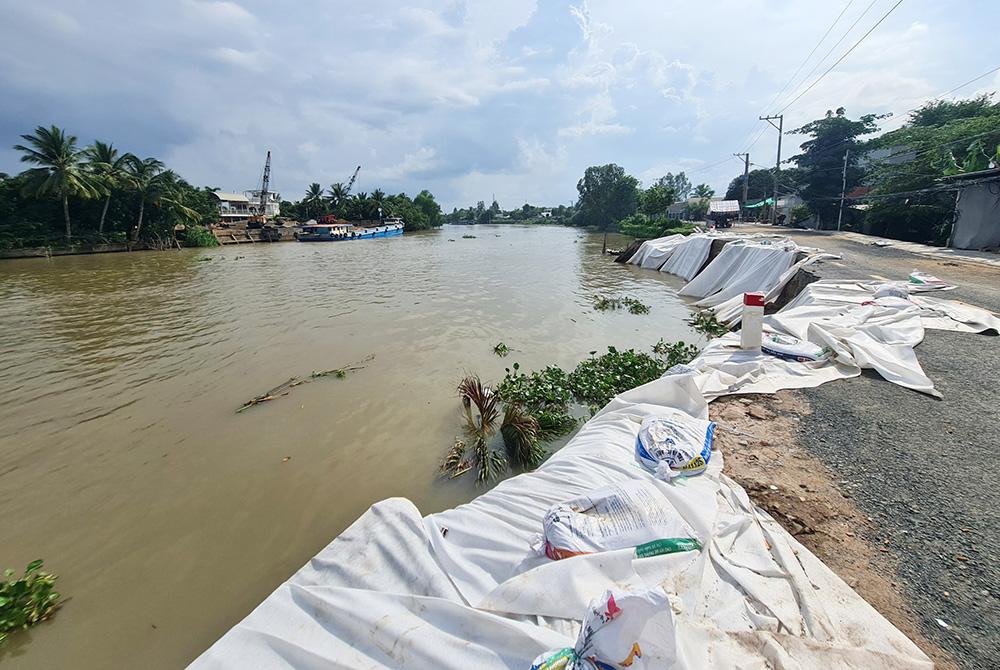
As riverbank erosion becomes increasingly severe in the Mekong Delta, many localities have begun piloting nature-based riverbank protection solutions that utilize locally available materials and minimize hard-engineering interventions in river flows. However, evaluating the effectiveness of these solutions remains challenging, particularly when international assessment frameworks do not fully align with the socio-ecological conditions of the delta region.

As organic farming and safe agricultural production gain momentum, botanical plant protection products are increasingly being viewed as a promising alternative to conventional chemical pesticides. Drawing on more than half a century of research, a review by Nguyen Thi Lan Huong, Dang Thi Thanh Le, and Vuong Dang Le Mai from Thuyloi University and University of Transport Technology highlights Viet Nam’s rich plant resources and their potential for developing a new generation of biological plant protection products.