




 Resolution No. 57-NQ/TW, issued on December 22, 2024 by the Politburo, identifies science, technology, and innovation as key drivers of rapid and sustainable national development. It also underscores the need to improve institutional frameworks, strengthen investment in basic research, and better leverage high-quality human resources. Drawing on his experience in agricultural research, Nguyen Duy Phuong, Ph.D., Head of the Molecular Pathology Department at the Agricultural Genetics Institute, shared with Agriculture and Environment Magazine that while institutional reforms are moving in a positive direction, a deeper concern remains: how to build and retain a strong scientific workforce—especially younger researchers—who will ultimately determine whether the Resolution can be realized in practice over the long term.
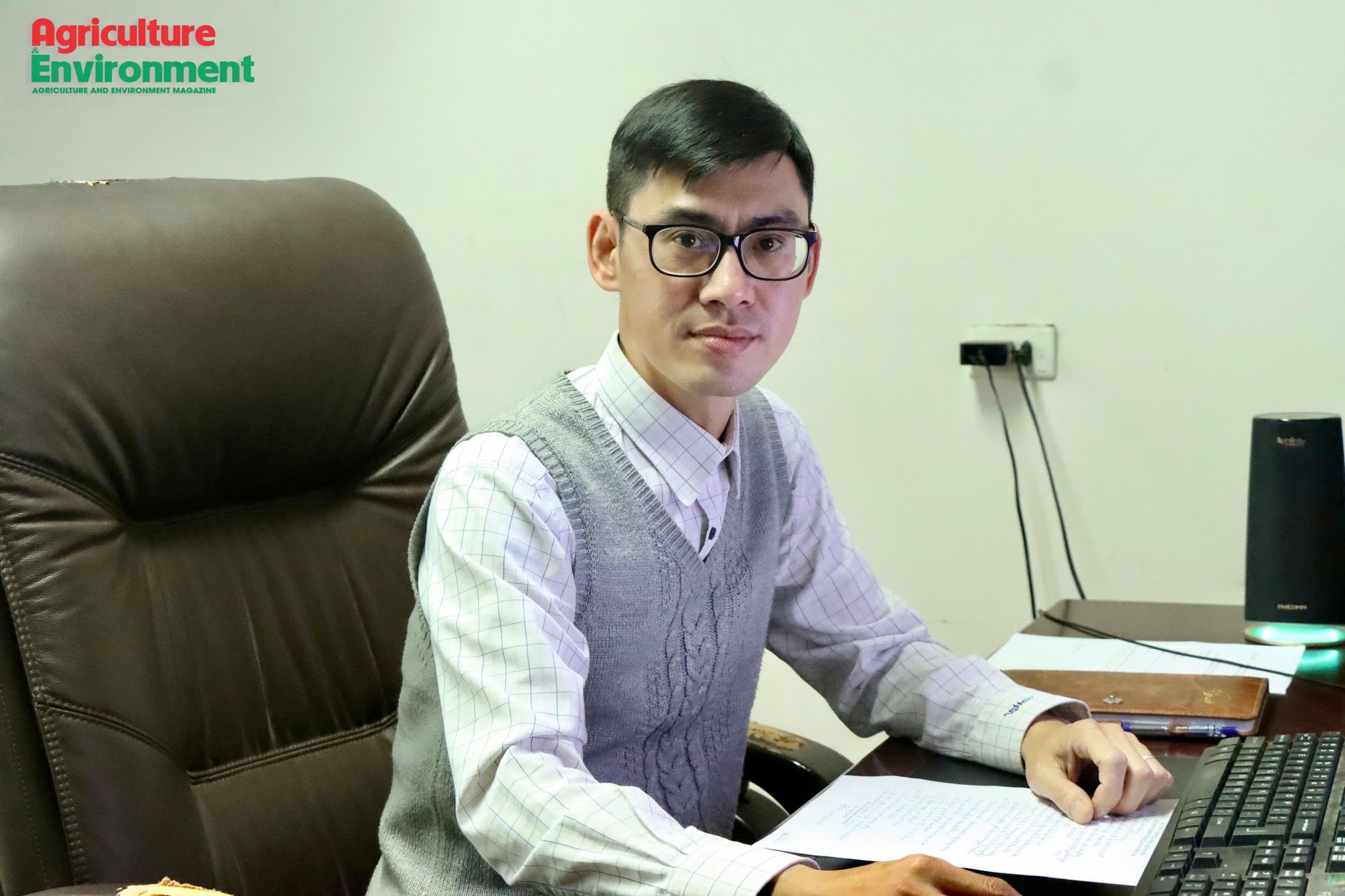
Interviewer: Resolution No. 57-NQ/TW has been under implementation since 2025 and is now entering its second year. From your perspective as a researcher, what positive changes have you observed so far in agricultural science and technology?
Nguyen Duy Phuong, Ph.D.: One of the most visible and immediate changes is the active effort by regulatory bodies to revise legal procedures and update existing laws. This is a necessary and well-directed first step, as it lays the groundwork for subsequent actions. These efforts include amendments to the Law on Science and Technology, adjustments to the Law on Biodiversity Safety to reflect evolving realities, and the issuance of detailed implementing regulations for the Law on Crop Production.
In terms of strategic direction, the State has also identified priority technologies for investment, while assessing national strengths and constraints to guide development pathways. Research aligned with these priorities is now receiving greater support through national programs, projects, and funding schemes—particularly in areas such as digital transformation and innovation.
Interviewer: Within that broader framework, where do you see gene-editing technology, and why has it been identified as a strategic priority?
Nguyen Duy Phuong, Ph.D.: Gene-editing technology is, in my view, one of the most advanced tools currently available in agricultural science. At its core, it involves modifying or correcting specific genes in crops in order to eliminate undesirable traits or enhance beneficial ones.
In natural ecosystems, wild plant species often possess strong resistance to pests, diseases, and environmental stress. However, during the process of domestication—when crops are selected for yield and quality—many of these natural resilience traits have been reduced. Gene editing makes it possible to restore or refine those traits, in a way that is consistent with naturally occurring mutations and without introducing foreign genetic material, while still maintaining the desirable characteristics of modern cultivars.
A key advantage of this technology lies in its precision. It allows targeted modifications at the gene level without the need for lengthy breeding cycles, making it possible to directly improve valuable traits. Importantly, the resulting products do not contain foreign DNA and are therefore fundamentally different from genetically modified organisms (GMOs).
Given that Resolution No. 57-NQ/TW places innovation at the center of development strategy, the prioritization of gene editing is a clear reflection of that vision. It is not only a strategic choice for Vietnam but also aligns with broader global trends in agricultural science.
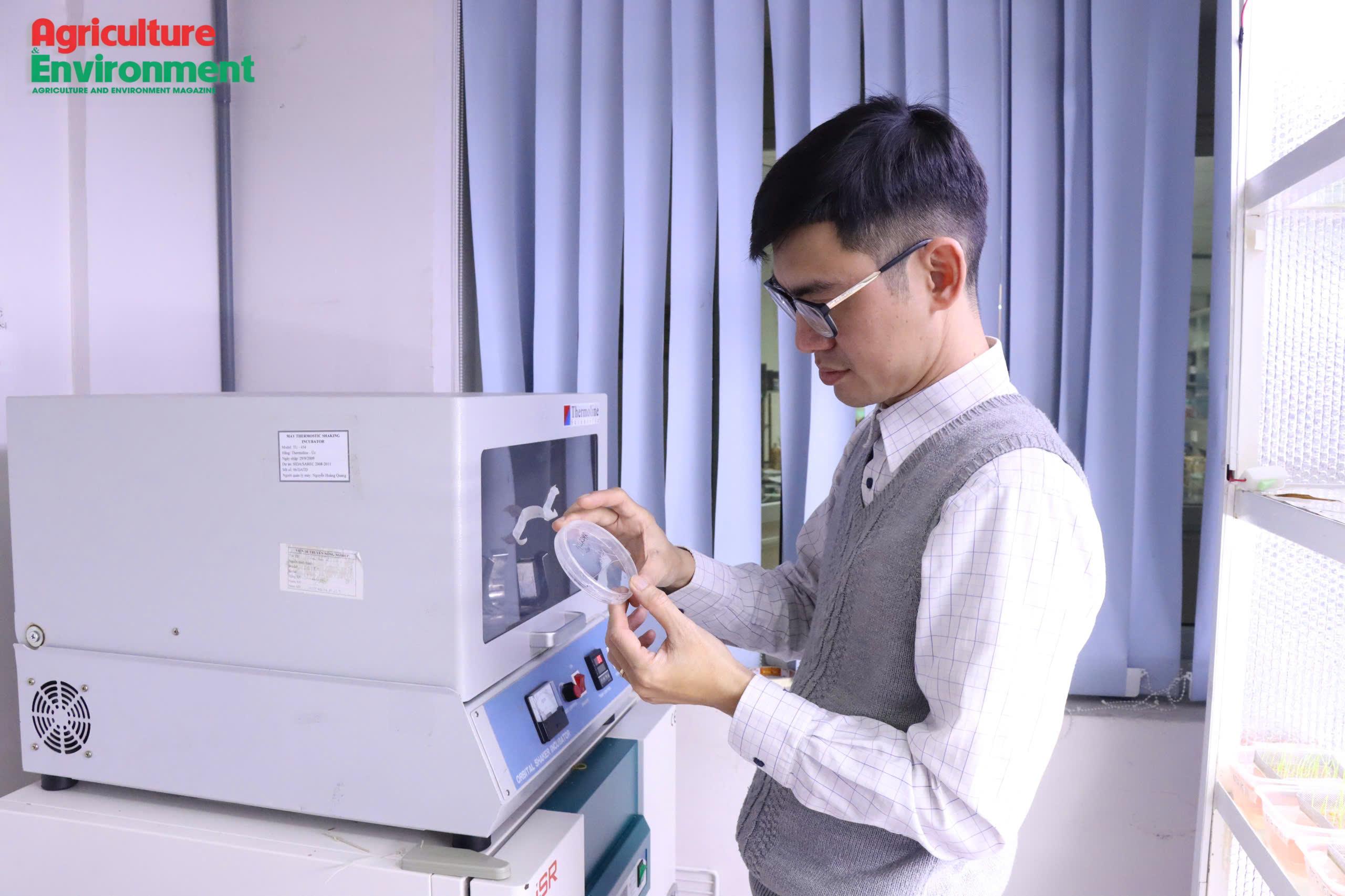
Interviewer: How has your department at the Agricultural Genetics Institute positioned itself to contribute to this area?
Nguyen Duy Phuong, Ph.D.: In reality, our institute had already identified gene editing as a strategic research direction well before the Resolution was issued. What the Resolution has done is to reinforce and sharpen that direction, aligning it more clearly with national priorities.
As an institution engaged in basic research with an applied orientation, we focus on two main areas. First, we work to access and master gene-editing technologies through international collaboration and technology transfer, and then apply them in both basic and applied research. Second, we prioritize the application of these technologies to key crop groups in Viet Nam.
These include rice; high-value fruit crops such as banana and citrus; industrial crops—such as cassava and sugarcane; and forest tree species such as eucalyptus and acacia. These crops occupy large production areas and play an important role in the national economy. At the same time, specialty crops facing production challenges—such as pepper, cashew, and durian—also present important research questions that need to be addressed. Our aim is to use gene editing to improve both productivity and value across these crop systems.
Interviewer: From your research experience, what results would you consider concrete steps toward implementing the Resolution?
Nguyen Duy Phuong, Ph.D.: At the Agricultural Genetics Institute, our work does not focus solely on gene editing. We are also applying other advanced breeding approaches, including marker-assisted selection and mutation breeding. These approaches reflect a broader commitment to innovation and to bringing science and technology closer to agricultural production.
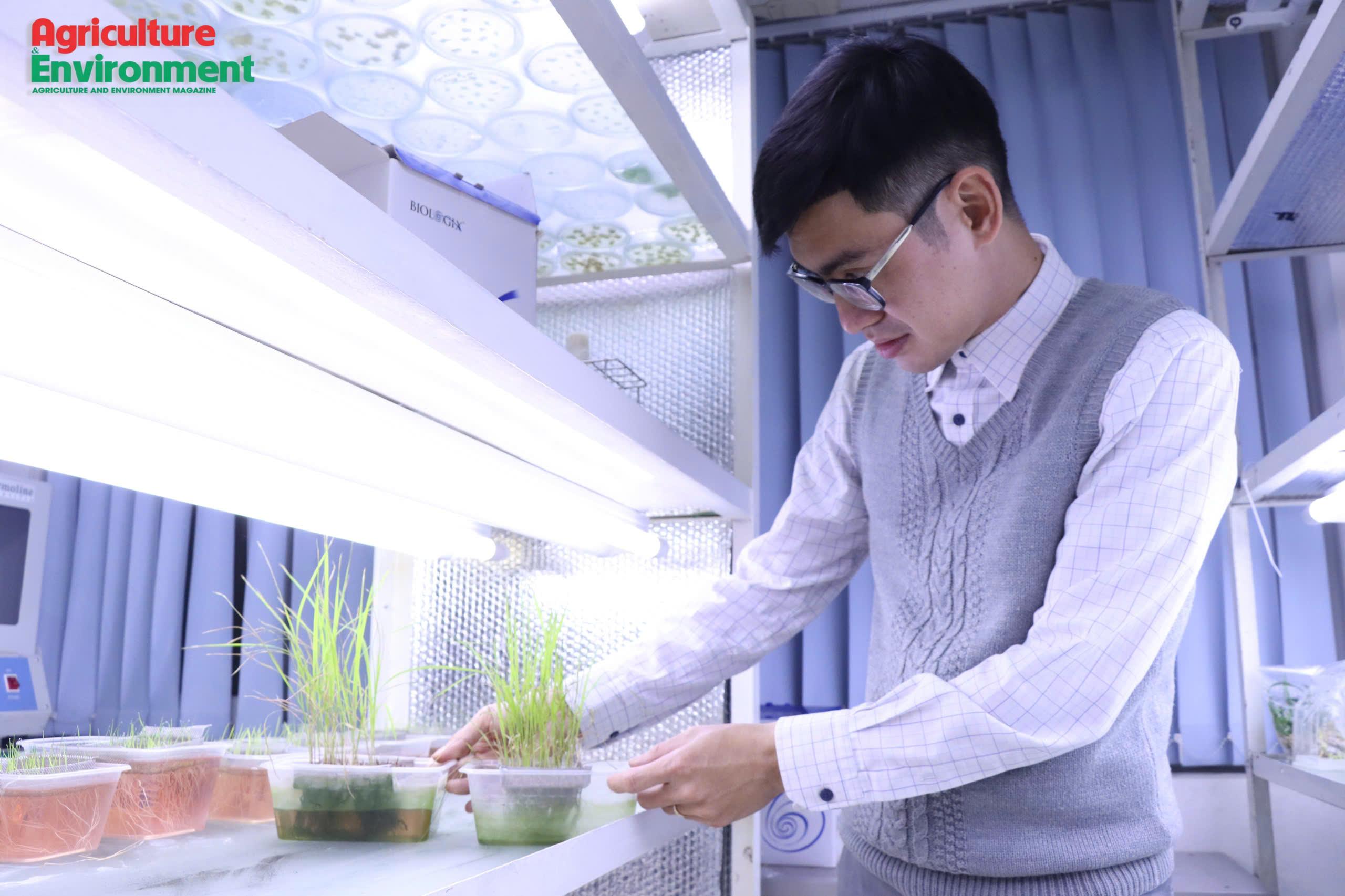
In the case of gene editing, we have focused on some of the most pressing constraints in rice production—particularly bacterial leaf blight and rice blast. Building on this work, we have developed rice lines resistant to bacterial leaf blight using elite, high-quality varieties widely cultivated in northern Vietnam, such as Bac Thom 7 and TBR25.
In practice, high-quality rice varieties are often highly susceptible to disease, which can lead to significant yield losses. By improving these varieties, we are able to maintain yield stability at levels comparable to medium-quality varieties, while preserving their superior grain quality. If applied at scale, such results would not only support domestic supply but also create opportunities to expand exports of high-quality rice, thereby enhancing the value of Viet Nam’s rice sector in international markets. This is a clear example of how advanced technologies can be directly linked to production outcomes, in line with the objectives of the Resolution.
Interviewer: The Resolution places strong emphasis on talent development and incentives. From your perspective, what remains most challenging in building and retaining a research workforce, particularly among younger scientists?
Nguyen Duy Phuong, Ph.D.: While the Resolution highlights the importance of developing high-quality human resources, I believe there is still a need for more practical adjustments. At present, there is a strong focus on identifying and investing in leading experts—the “locomotives”—but less attention is given to sustaining the broader workforce that actually carries out the work.
Institutional streamlining is necessary, but it needs to be accompanied by appropriate incentive mechanisms to retain researchers who are actively engaged in scientific work. Otherwise, there is a risk of focusing too much on new recruitment while overlooking the value that has already been built up over time. In research, if a scientist’s work is interrupted for an extended period, it can be extremely difficult to resume.
For younger scientists, a bachelor’s or master’s degree is not sufficient for conducting independent research. In most cases, a doctoral degree is essential for long-term development. At the same time, the outflow of researchers from public institutions is becoming increasingly common in agricultural science. While we continue to invest in training new personnel, we have not paid sufficient attention to retaining the talent we already have. Training a leading expert can take 15 to 20 years, but if that person leaves, rebuilding a comparable generation may take at least another decade.
Interviewer: What policy adjustments are needed to accelerate the translation of gene-editing research into practical applications?
Nguyen Duy Phuong, Ph.D.: To move research more effectively into practice, implementation mechanisms need to be both more concrete and more substantive. Once emerging and strategic technologies have been identified as priorities, it is essential to invest in basic research in a systematic and sustained way. This type of research does not produce immediate economic returns, but instead depends on long-term knowledge accumulation and the contributions of many scientists.
Small, isolated research groups are not equipped to address large and complex challenges. In many cases, multiple research teams need to work in parallel, each focusing on a specific component. Only when these efforts are brought together can comprehensive solutions emerge.
Another key issue is how we understand “scientific autonomy.” This should not mean that researchers are expected to generate their own income to sustain themselves or their institutions. Rather, it should refer to a system in which scientists are able to focus fully on research and innovation, with the State ensuring the basic conditions needed for their work.
There is also a need for stronger investment in infrastructure, along with changes in how research activities are organized and managed. What scientists want most is to be able to work in laboratories without having to constantly worry about operational costs—electricity, water, laboratory reagents, or the continuity of research funding. The goal is to focus on producing scientific outputs, rather than on whether resources will still be available in the coming months. In many countries, research is not a pathway to wealth, but scientists are provided with stable conditions that allow them to work over the long term.
The Resolution also calls for the development of large-scale laboratories and centers of excellence. However, key questions remain insufficiently addressed—who will operate these facilities, how they will be sustained, and how stable salaries will be ensured for the scientists working in them. There is still a tendency to focus more on infrastructure and equipment, while not paying enough attention to people and long-term operational sustainability.
Interviewer: What would help build confidence for private-sector engagement in gene-editing research?
Nguyen Duy Phuong, Ph.D.: Gene-editing technology has significant potential. In one of our recent projects, we were able to attract strong private-sector participation, with enterprises contributing around 70% of the total investment, while the State provided the remaining 30%. This shows that businesses are capable of recognizing the potential value of this technology.
However, the main barrier lies in the regulatory framework. Even after research is completed, transferring results to enterprises remains difficult, meaning that many outcomes are effectively confined to the laboratory. For technologies of this kind, it is not realistic to expect businesses to engage from the outset. Given the long timelines involved in agricultural research, the State needs to take the lead in early-stage investment—both to demonstrate feasibility and to produce tangible results. Once those results are in place, confidence from the private sector will follow.
With appropriate legal and policy adjustments, the State could then transfer complete technology packages to enterprises for commercialization once they are ready.
Interviewer: Looking ahead to 2026–2030, what changes do you consider most critical for gene-editing technology to reach its full potential?
Nguyen Duy Phuong, Ph.D.: Gene-editing technology is advancing at an extremely rapid pace. Although it only emerged around 2013, global progress over the past decade has been remarkable. Vietnam, however, is still at an early stage—at a point that many countries have already moved beyond. This creates a clear risk of falling behind.
In my view, the most urgent priority for the 2026–2030 period is the completion of the regulatory framework. At present, gene-edited crops are still often misunderstood as genetically modified organisms, which has prevented many research results from moving beyond the laboratory. With clear regulations recognizing gene editing as a conventional breeding tool—distinct from GMOs—these products could be treated similarly to conventionally bred crops. This would allow research results to be deployed much more quickly, typically within two to three years.
Despite all the discussion around technology and regulation, what concerns me most remains the question of people—how to build and retain the next generation of scientists. This should ideally be addressed by earlier generations, yet even now, the shortage of successors is already evident. I hope that Resolution No. 57-NQ/TW will help remove this bottleneck, allowing scientists to focus fully on their work without being constrained by administrative burdens./.
Ensuring food security, adapting to climate change and delivering on sustainable development commitments have become increasingly interconnected policy priorities for Viet Nam. Against this backdrop, food systems transformation is emerging as a key pillar of the country's long-term development agenda.
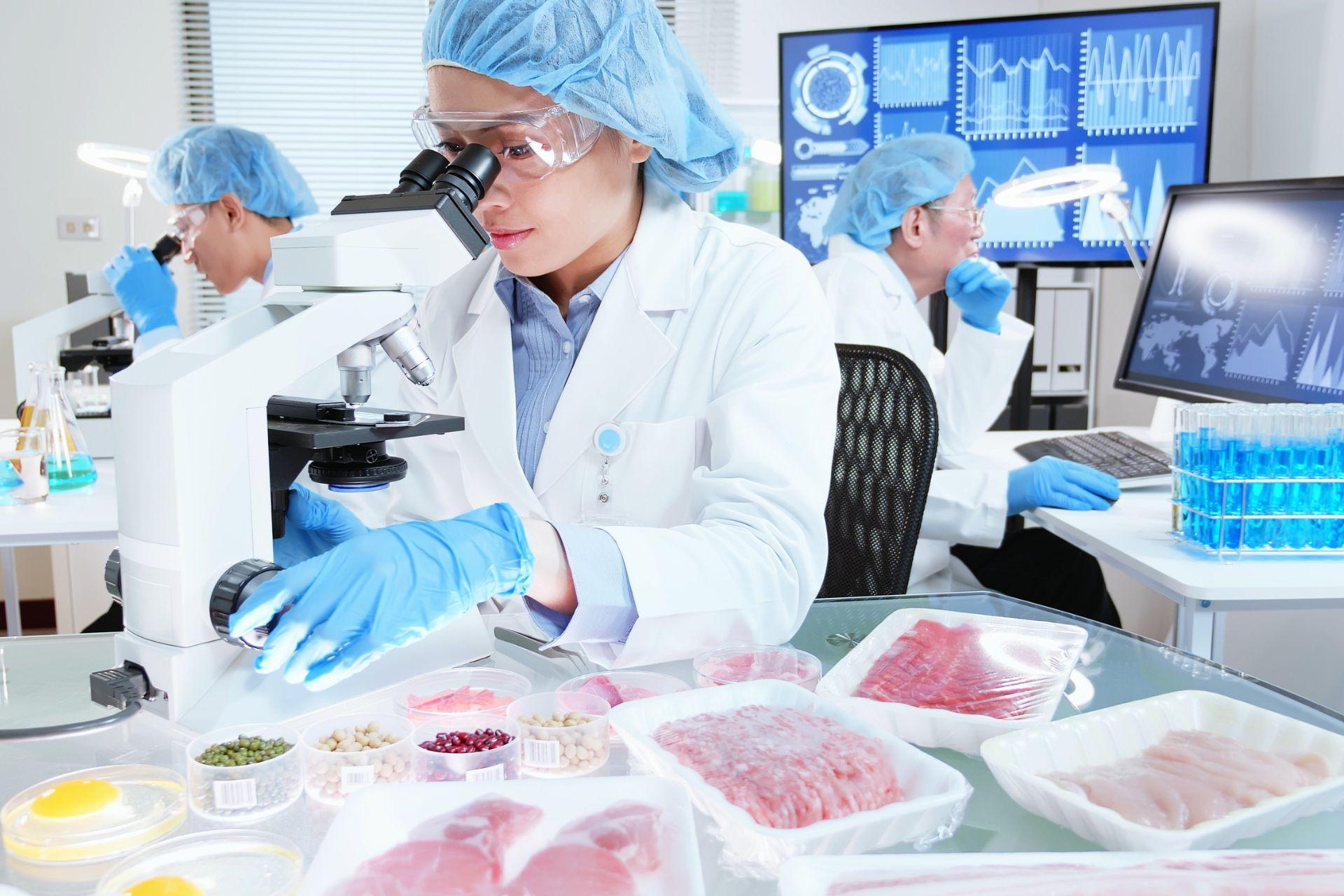
In recent years, the One Health has become an increasingly important approach for addressing complex health challenges worldwide. The growing frequency of zoonotic disease outbreaks, rising antimicrobial resistance (AMR), food safety incidents, environmental pollution, and the impacts of climate change are gradually blurring the traditional boundaries between the health, agriculture, and environmental sectors.
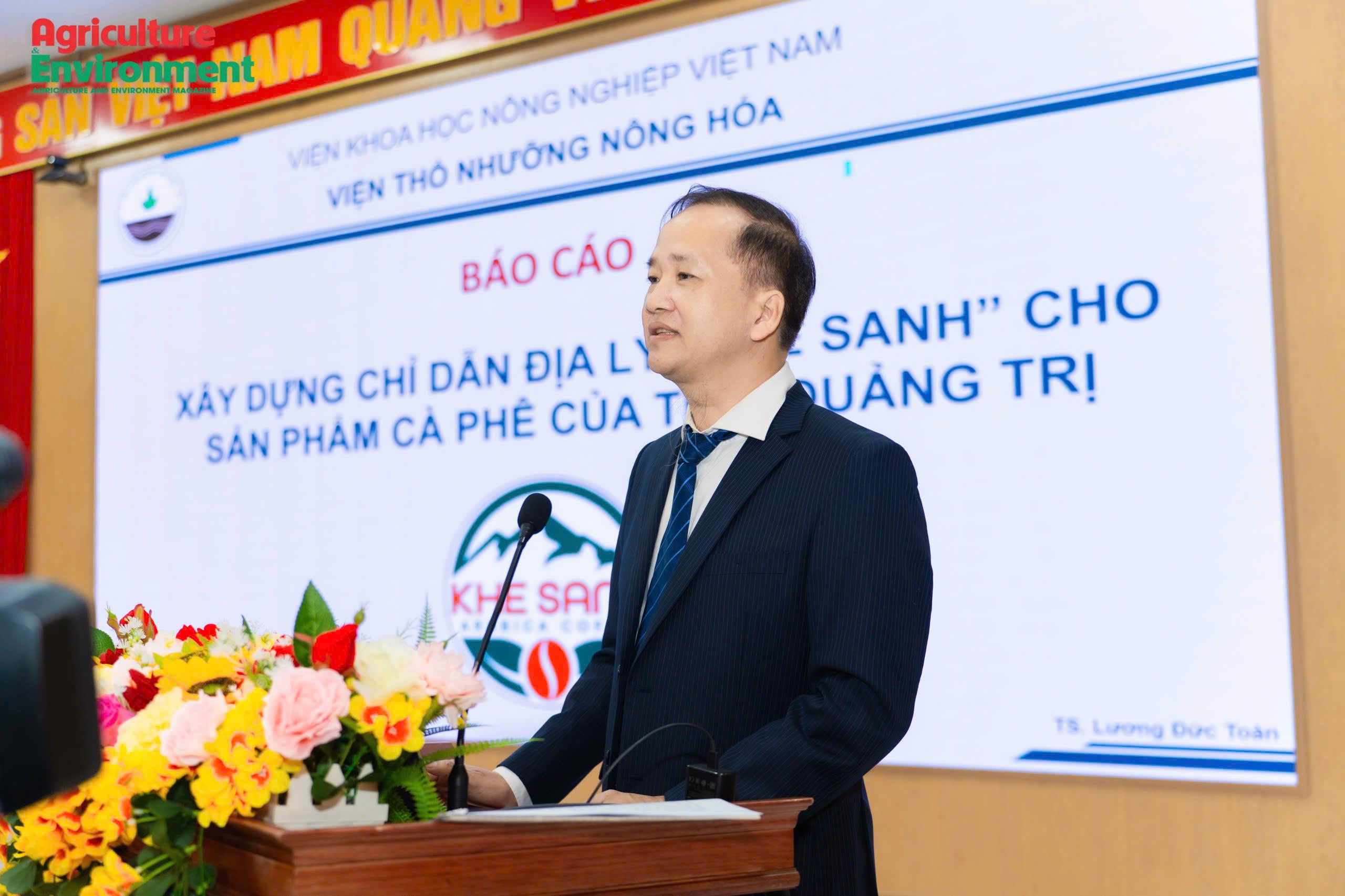
As Viet Nam’s agricultural sector shifts from a production-driven model toward one centered on value creation, geographical indications (GIs) are emerging as an increasingly important tool for strengthening the competitiveness of local agricultural products. Beyond intellectual property protection, GIs are helping regions build distinctive identities, reorganize production along more professional lines and lay the groundwork for more sustainable agricultural development.
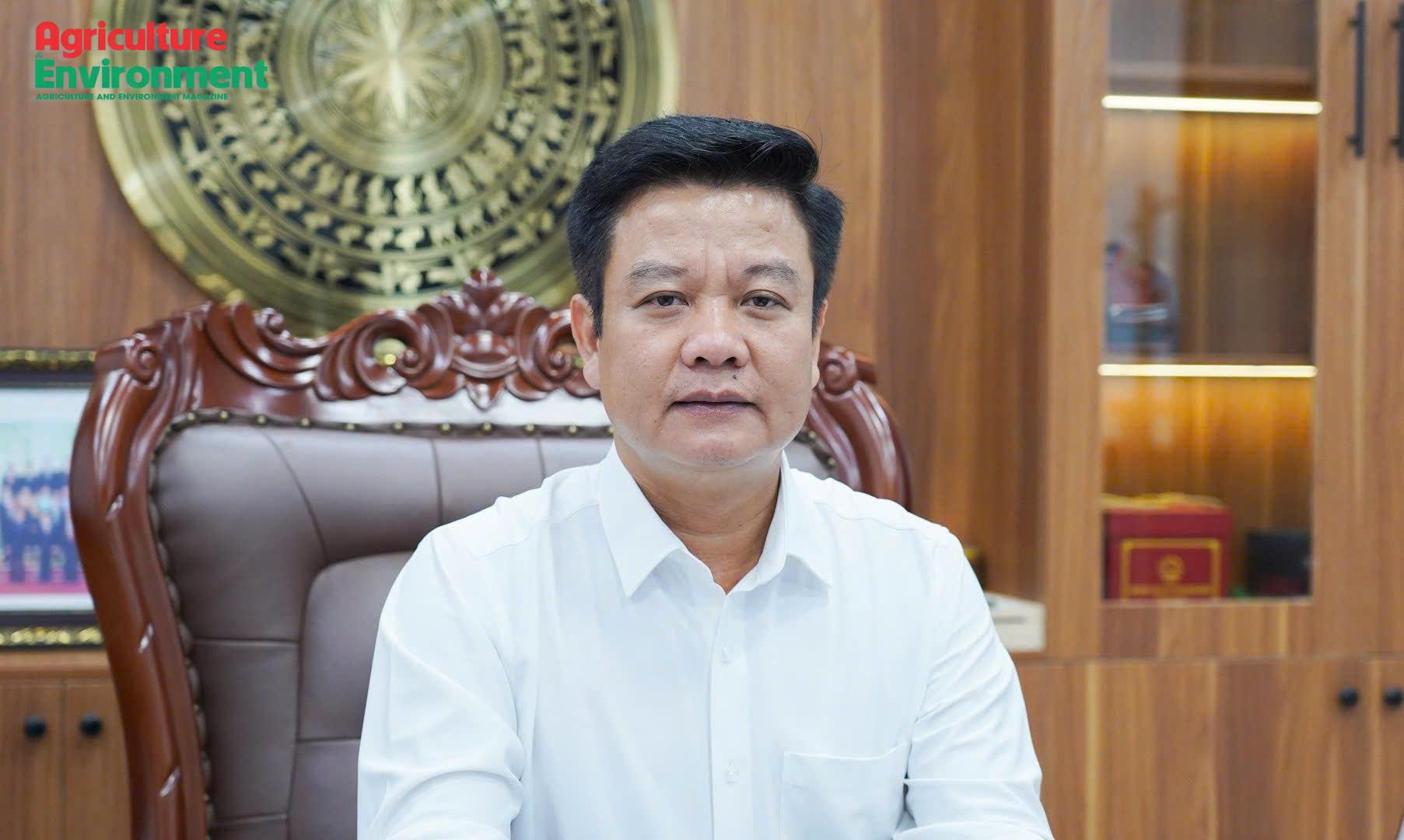
As green standards increasingly become mandatory requirements in global trade, green transition is no longer an option but a development imperative. In Quang Tri province, this transition is being advanced through science and technology, digital transformation, and low-carbon circular economy models. In this context, Agriculture and Environment Magazine interviewed Tran Quoc Tuan, Director of the Department of Agriculture and Environment of Quang Tri province.
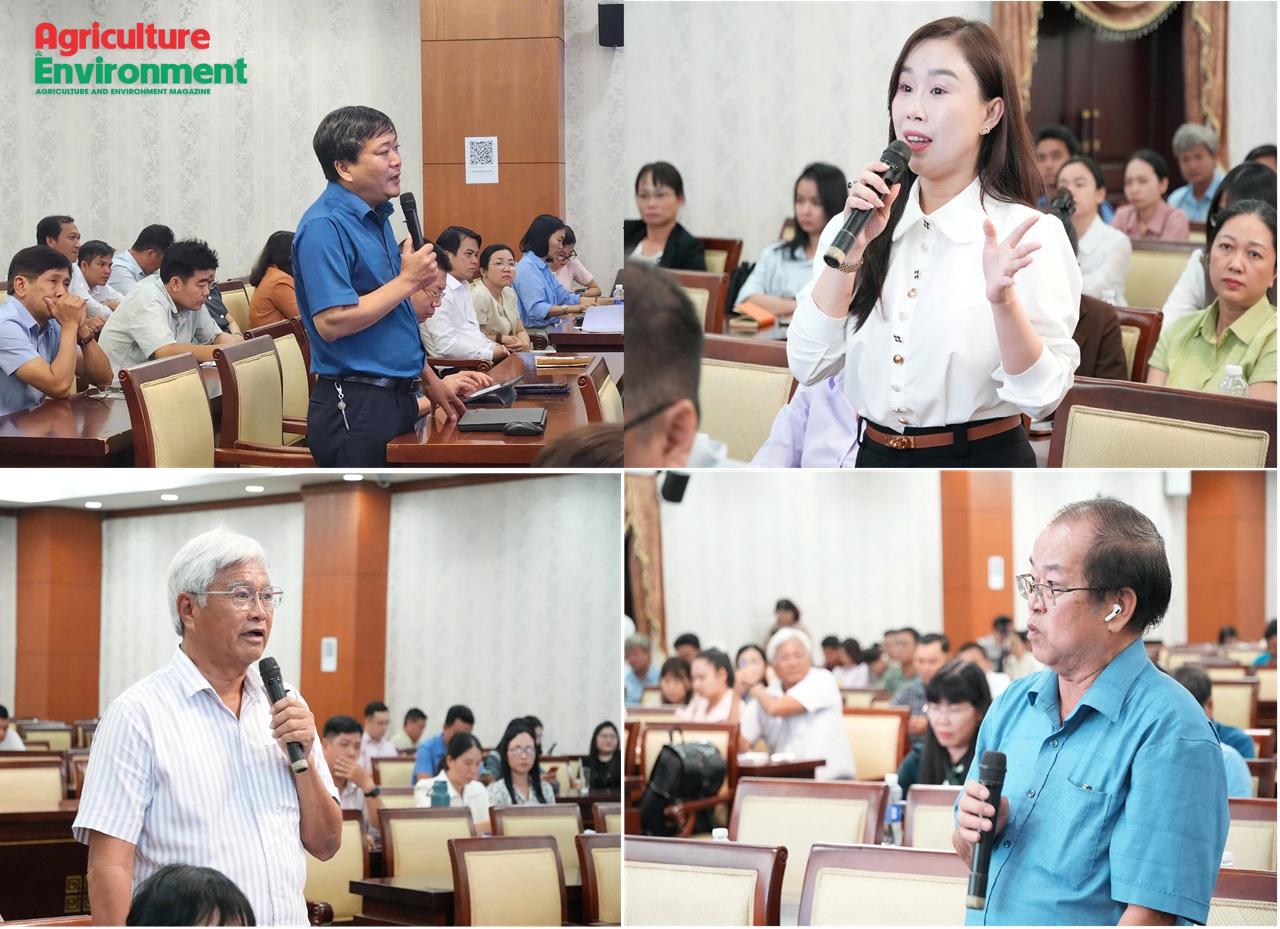
China’s official market access approval for fresh Vietnamese pomelos and lemons has been widely regarded as a major opportunity for the fruit and vegetable sector following years of technical negotiations. However, at the conference on implementing the Protocol on phytosanitary requirements for these two commodities, held on May 14 in Ho Chi Minh City, representatives from regulatory agencies, enterprises, and local authorities emphasized that the greatest challenge now lies not in market access itself, but in the capacity to organize standardized production systems starting at the farm level.