



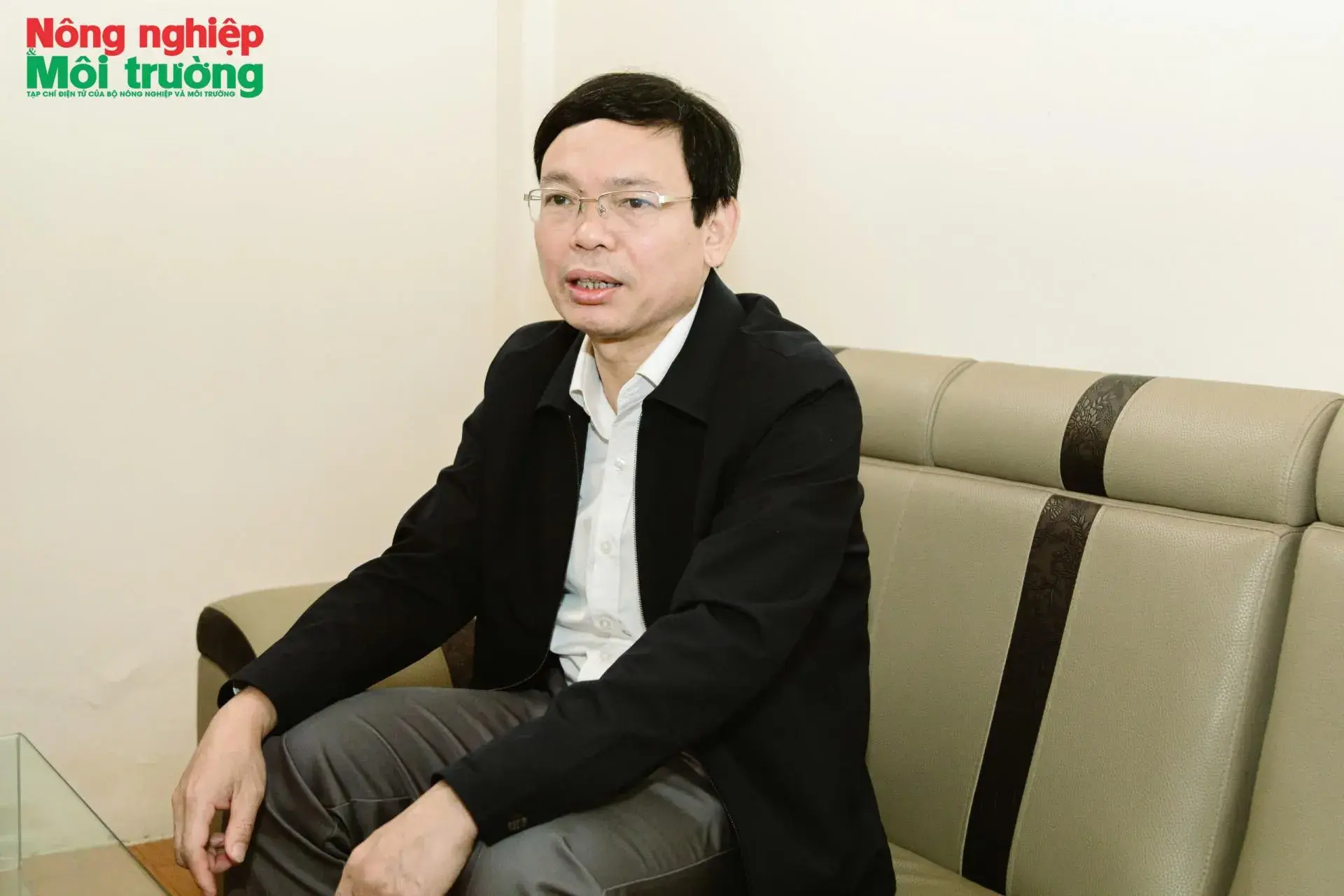
 As the impacts of climate change become increasingly evident, extreme weather events are directly affecting livelihoods and agricultural production. In response, the Nghe An Provincial Agricultural Extension Center has implemented a range of measures to support farmers, strengthen adaptive capacity, and promote more sustainable agricultural production.
To provide an objective assessment of the role of agricultural extension services in the context of climate change, Agriculture and Environment Magazine interviewed Nguyen Hong Giang, Deputy Director of the Nghe An Provincial Agricultural Extension Center.
Interviewer: How do you assess the impacts of climate change on agricultural production in Nghe An at present? Which areas and farming communities are most severely affected by drought, saltwater intrusion, flooding, and landslides?
Deputy Director Nguyen Hong Giang: Nghe An is a province with a large natural area and diverse terrain, soils, and microclimates, which provides advantages for developing a wide range of crops and livestock. However, these characteristics, combined with its geographic location—bordering the sea to the east and the Truong Son mountain range to the west—result in steep terrain and complex climatic conditions. Winters are often affected by severe cold spells, while summers experience strong impacts from hot, dry foehn winds. As climate change becomes increasingly complex and unpredictable, extreme weather events have occurred more frequently, seriously affecting agricultural production and local livelihoods.
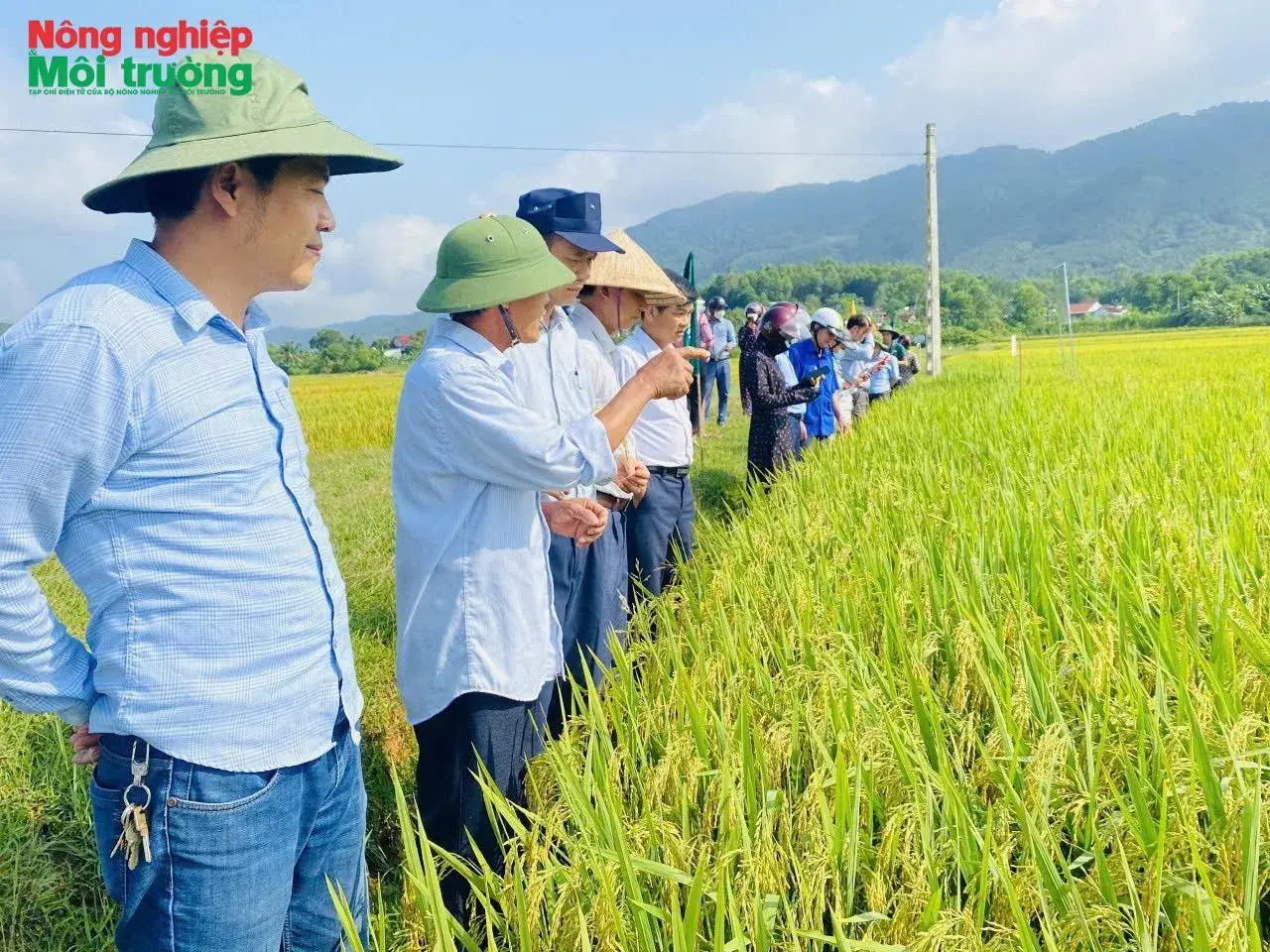
A notable example was the 2025 spring rice crop. Unfavorable conditions—including low temperatures, large day–night temperature differences, limited sunshine, and high humidity during the panicle initiation and flowering stages—led to panicle degeneration and green, unfilled grains in some rice-growing areas, causing significant losses for farmers.
In addition, tropical storms No. 3, No. 5, and No. 10 caused widespread flooding, landslides that disrupted transport, house collapses, and crop damage. Losses were estimated at several trillion dong, with substantial impacts on agricultural production across the province.
Climate change affects all production zones in Nghe An. Low-lying areas frequently face flooding risks, while upland areas experience severe water shortages during the dry season. In some years, thousands of hectares of tea plantations have dried out and died, while many crops and livestock have shown reduced growth. Prolonged cold spells slow development and can cause losses, while periods of high humidity combined with alternating sunshine and rainfall create favorable conditions for pests and diseases, directly affecting agricultural production and livelihoods province-wide.
Interviewer: What major challenges does climate change pose for agricultural extension work in the province? How is the extension system supporting farmers in adapting?
Deputy Director Nguyen Hong Giang: Climate change has significantly affected the transfer of scientific and technical advances, particularly the development and implementation of demonstration models. New technologies need to be applied through field-based models to demonstrate effectiveness, evaluate results under actual production conditions, and enable farmers to observe and replicate them. However, climate-related impacts have adversely affected many models, and some have failed entirely, making evaluation impossible. In such cases, implementation must be shifted to another production season or reassessed in order to adjust technical processes to local conditions. This has increased implementation time and costs from the state budget.
Training, capacity-building, and communication activities have also been affected. Although annual plans are developed in advance, adverse weather such as storms and prolonged rainfall has required schedule adjustments, creating pressure to meet implementation timelines.
Agricultural production is closely linked to weather conditions, and technical measures are applied to reduce adverse impacts and support crop and livestock growth. In this context, agricultural extension services focus on training, communication, and demonstration models that apply new technologies, contributing to improved production capacity and climate adaptability among farmers. Climate-resilient production processes for crops and livestock remain a core focus of extension activities.
Interviewer: Could you share examples of effective production models in climate-vulnerable areas, and their economic and environmental impacts?
Deputy Director Nguyen Hong Giang: Each year, the Agricultural Extension Center develops and implements more than 20 types of demonstration models funded by the provincial budget, in coordination with relevant agencies. Many of these models are designed to enhance climate adaptability.
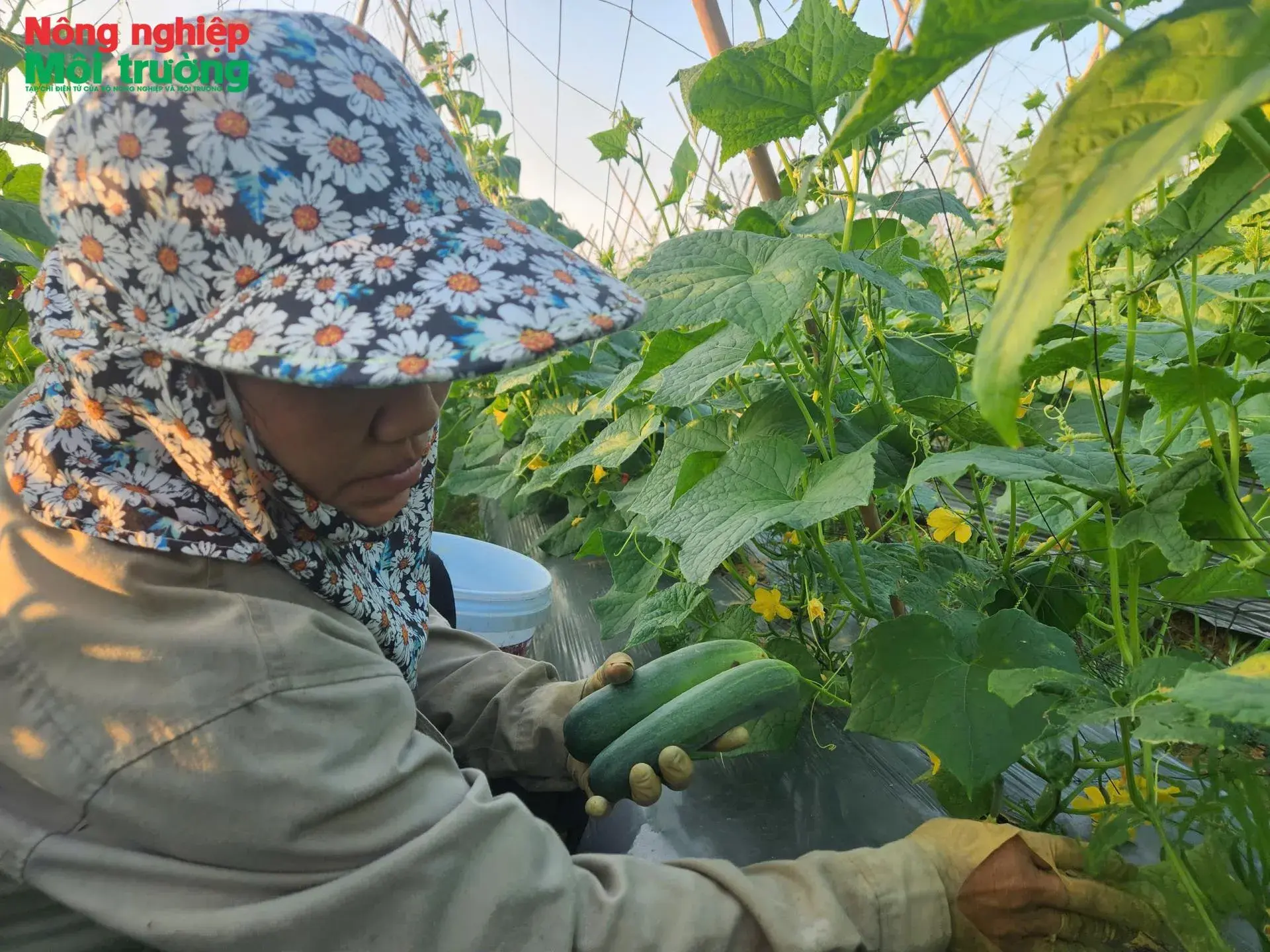
Crop structure conversion models have delivered positive results, particularly through converting low-efficiency rice land or areas facing water shortages to more suitable crops. Examples include VietGAP-standard cucumber cultivation in Van Du commune, winter garlic production in Hung Nguyen Nam commune, and peanut cultivation in Yen Hoa commune. These models have improved land-use efficiency and production sustainability.
Water-saving irrigation models using automated sprinkler and drip irrigation systems for crops such as melons, fruit trees, and vegetables have demonstrated effectiveness in conserving water and reducing soil erosion and degradation. Examples include VietGAP vegetable production using automated irrigation in Vinh Hung commune and drip-irrigated fruit cultivation in Hoa Quan and Van An communes.
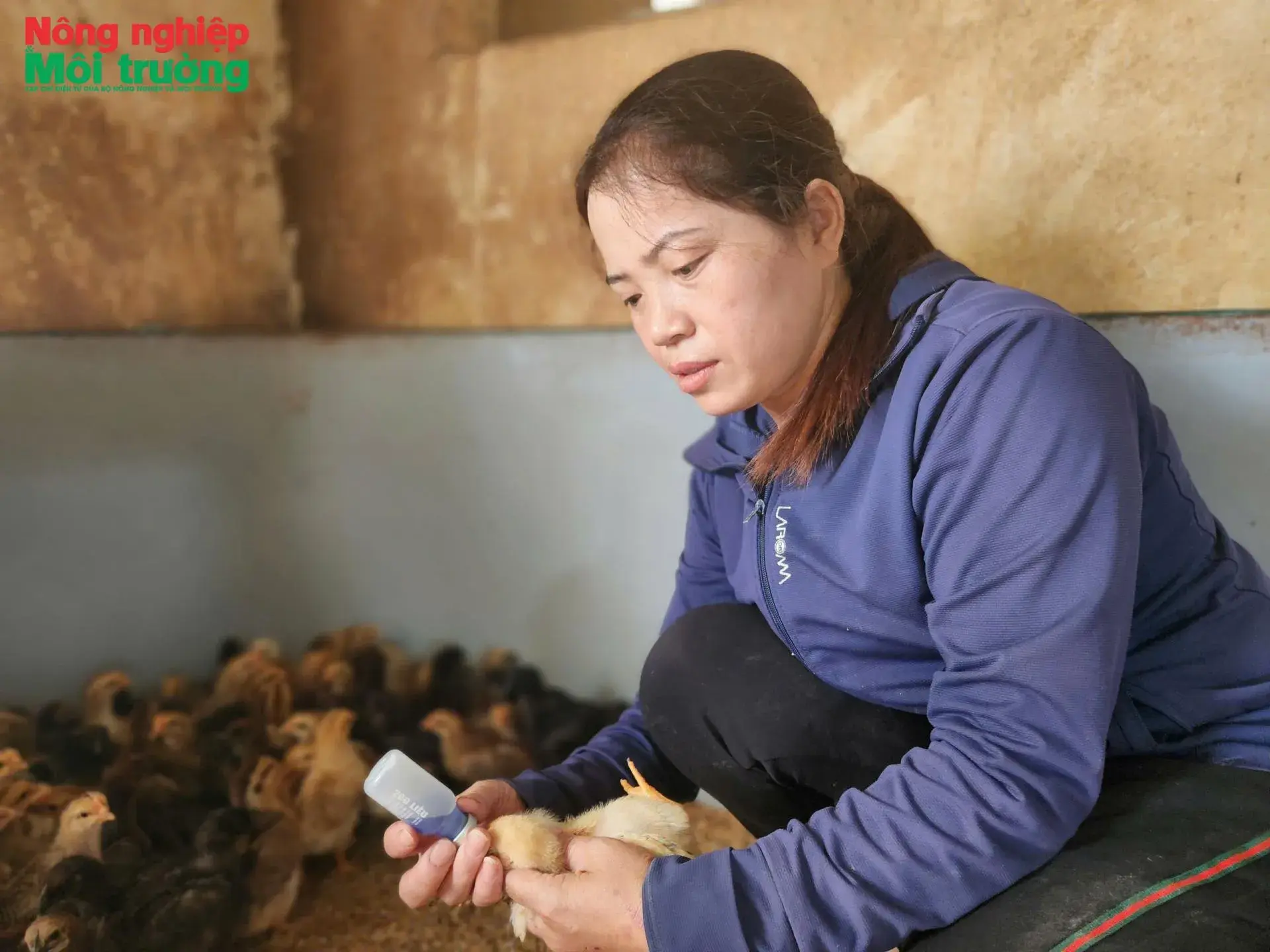
Climate-adaptive livestock models include beef cattle fattening using Belgian Blue crossbred cattle, integrated forage cultivation linked with product marketing, and breeding goat production. These models apply technical measures such as biological bedding systems and forage processing and storage, contributing to reduced environmental impacts.
High-tech aquaculture models include whiteleg shrimp farming using digital monitoring and management technologies and three-stage closed recirculating aquaculture systems. These approaches support water efficiency, environmental control, and reduced climate-related risks.
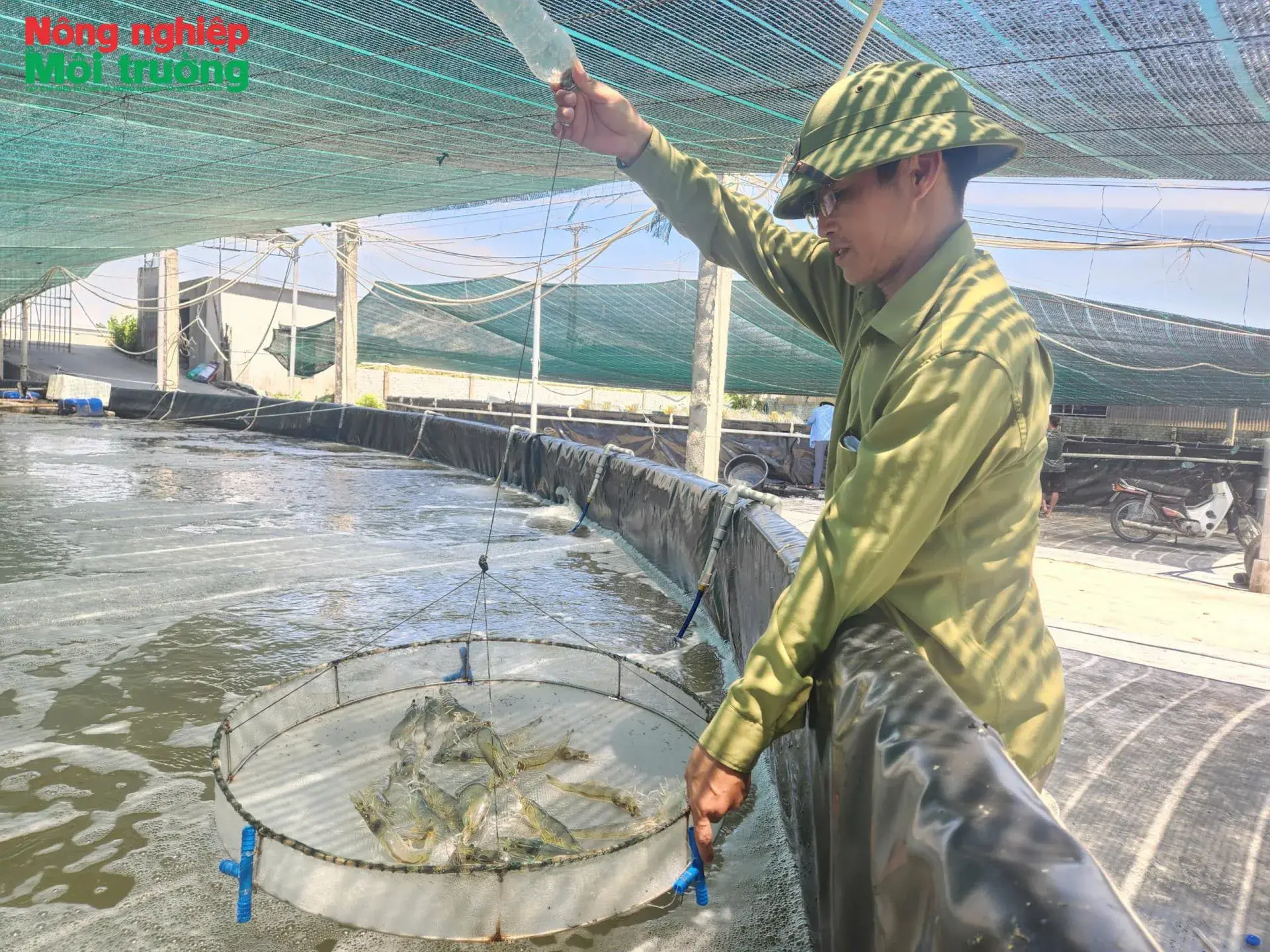
Overall, the demonstration models have achieved higher productivity and economic efficiency than traditional production methods. The results have been disseminated and replicated, contributing to improved incomes and adaptive capacity among farmers.
Interviewer: What priorities will the Center focus on going forward, and what recommendations do you have for improving climate-adaptive extension work?
Deputy Director Nguyen Hong Giang: The Center will continue to strengthen training, communication, and outreach to help farmers better understand climate change and its impacts on agriculture. Based on local conditions, farmers will be guided to apply appropriate technical solutions to reduce risks. The Center will also expand models for crop and seasonal adjustments, apply new technologies linked to processing and product marketing, and support value chain development in line with the province’s agricultural strategy.
As climate change becomes increasingly unpredictable, forecasting and early warning systems play an important role in preparedness and risk reduction. Continued investment in meteorological and hydrological forecasting systems, equipment, and infrastructure—including irrigation and flood control works—remains necessary to improve resilience to extreme weather events
Policies that encourage enterprise participation in agricultural processing and product marketing can help increase added value. In practice, enterprise involvement enables farmers to shift toward higher-value crops with shorter production cycles, helping reduce exposure to adverse weather conditions. Examples include baby corn production linked with TH Group for dairy feed and medicinal plant cultivation and processing by Pu Mat Pharmaceutical Joint Stock Company.
In this context, agricultural extension services will continue to support state management functions and work with enterprises to develop raw material zones, provide technical support, and connect products to markets, serving as a link between farmers, enterprises, scientists, and government agencies in promoting sustainable, climate-resilient agriculture
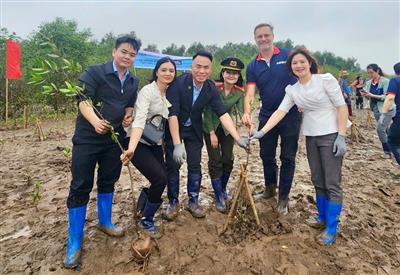
On April 10, 2025, in Thuy Xuan commune, Thai Binh province, the Centre for Natural Resources and Environment Communication (Ministry of Agriculture and Environment), the Thai Binh provincial government, and Airbus Vietnam held a tree planting ceremony as part of the “Airbus in Action with the One Billion Trees Campaign”. The event supports a national initiative to plant one billion trees and advances Vietnam’s COP26 commitment to achieve Net-Zero emissions by 2050.
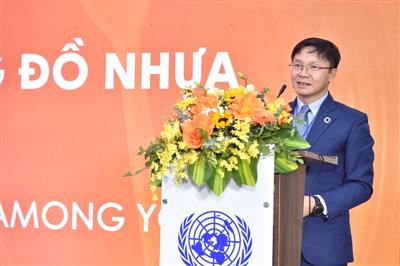
On February 26, a new initiative aimed at tackling plastic pollution in Vietnam has been launched under a regional program by the United Nations Development Programme (UNDP). With a total of $240,000 in grant funding, the program seeks to support innovative solutions that reduce plastic waste and improve recycling systems.
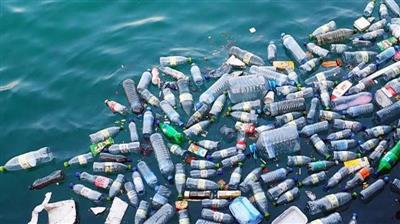
One of the key objectives of the “Mitigating marine plastic debris in Vietnam” project is to promote behavioral and awareness changes regarding plastic use in order to protect the environment and preserve the blue ocean. These efforts target individuals, organizations, and coastal communities. As a result, the communication activities conducted by WWF-Vietnam and the Vietnam Agency of Seas and Islands (VASI under the Ministry of Natural Resources and Environment) are tailored to specific groups, including businesses, commercial establishments, schools, and coastal community residents.
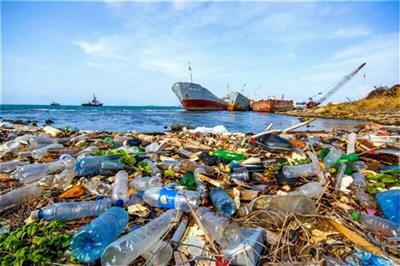
Throughout the journey of the "Mitigating marine plastic debris in Vietnam" project in Vietnam, the WWF has undertaken numerous activities, supporting and collaborating with the Vietnam Agency of Seas and Islands (VASI under the Ministry of Natural Resources and Environment) in research, strategy development, and communication planning aimed at changing behaviors and raising environmental awareness in various coastal localities. These activities were integrated with meaningful and practical content, encouraging active participation and playing a significant role in raising awareness and promoting plastic reduction behaviors within the community. These efforts have contributed to the sustainable protection of the Blue Ocean, with the journey yielding several notable results.
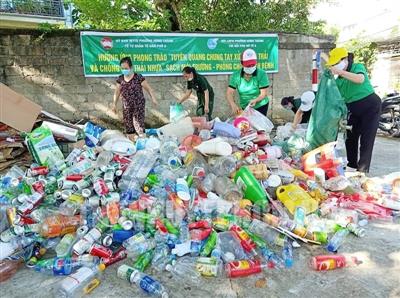
The implementation of models on plastic smart cities program in Vietnam has demonstrated significant value in raising public awareness and disseminating environmental protection information, especially in a context where environmental consciousness remains limited. These pilot models have yielded positive outcomes, contributing to the reduction of both organic and plastic waste while enhancing community awareness of environmental issues. The most notable achievement of these models lies in their potential to transform public perceptions and behaviors regarding waste management. However, sustaining and scaling up these initiatives will require robust support from local authorities and active community participation.