



 As Viet Nam’s agricultural sector shifts from a production-driven model toward one centered on value creation, geographical indications (GIs) are emerging as an increasingly important tool for strengthening the competitiveness of local agricultural products. Beyond intellectual property protection, GIs are helping regions build distinctive identities, reorganize production along more professional lines and lay the groundwork for more sustainable agricultural development.
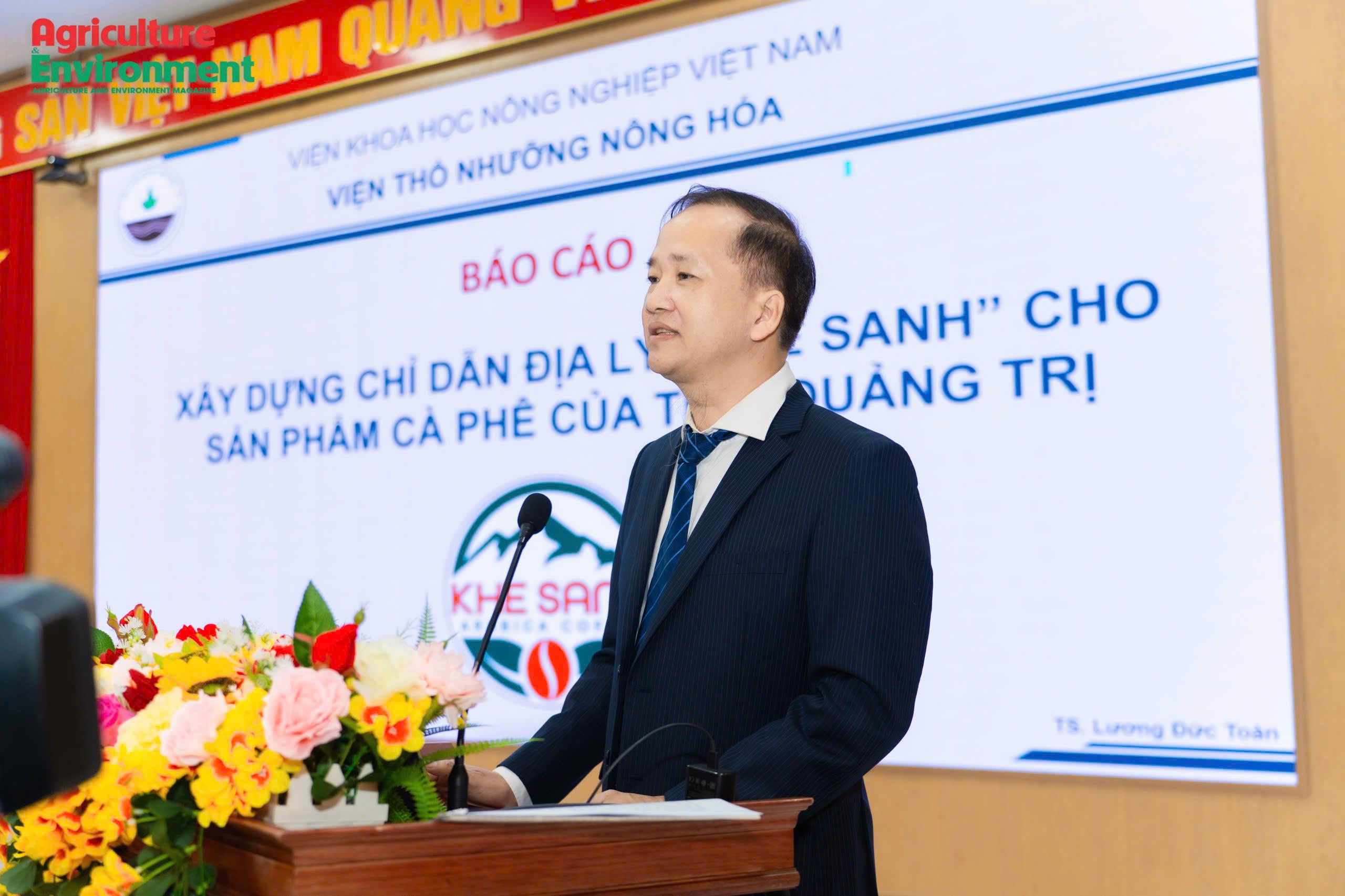
In an interview with Agriculture and Environment Magazine, Dr. Luong Duc Toan, Head of the Department of Land Use Research at the Soils and Fertilizers Research Institute, said that with proper investment and effective governance, geographical indications could serve as a “passport” enabling Vietnamese agricultural products to access increasingly demanding markets where quality, traceability and local identity matter more than ever.
Interviewer: In recent years, geographical indications have attracted growing attention in discussions about local agricultural development. From a scientific perspective, how do you assess their role today?
Dr. Luong Duc Toan: Over the past several years, localities with GI-protected products have gradually established the distinctive value of their agricultural specialties in the marketplace. From a scientific standpoint, geographical indications are an important mechanism for linking product quality to the natural and human factors specific to a given region.
A product’s quality and uniqueness may stem from a combination of factors, including soil characteristics, climate, water resources and generations of traditional farming knowledge. These are the core elements that create a product identity difficult for other production areas to replicate.
In practice, GI-protected products tend to enjoy clear advantages in building consumer trust, safeguarding reputation, preventing counterfeiting and increasing commercial value. More importantly, the process of developing geographical indications often encourages local authorities and producers to reorganize production in a more standardized and sustainable way.
As Viet Nam’s agricultural sector moves away from a focus on output volume toward one emphasizing quality and value, geographical indications will play an increasingly strategic role in local agricultural development.
Interviewer: In your view, what are the greatest opportunities that geographical indications create for localities?
Dr. Luong Duc Toan: Geographical indications create opportunities on multiple fronts, but perhaps the most significant is their ability to increase the economic value of local products while strengthening regional branding.
GI-certified products tend to command greater consumer trust because their origins and distinctive qualities are easier to verify. That, in turn, helps raise market value, expand market access and improve competitiveness.
At the same time, a GI is not simply the brand of a single product. It also represents the identity of a region and its farming community. When consumers think of a well-known specialty product, they often associate it with a specific place, landscape and cultural tradition. That connection creates substantial long-term value for local economic development.
Another important benefit is that GIs encourage localities to professionalize production systems. Maintaining a geographical indication requires stable production areas, technical standards, quality-control systems and clear governance mechanisms.
Many GI-certified products can also become focal points for agricultural tourism, traditional craft villages, OCOP products and broader rural economic development. When managed strategically, GIs can become a powerful development tool rooted in local advantages and indigenous resources.
Interviewer: What criteria must a product meet to qualify for geographical indication protection?
Dr. Luong Duc Toan: In general, a product seeking GI protection must satisfy several key requirements.
First, it must have a clearly defined geographical origin, meaning it is produced or processed within a specific geographical area with identifiable boundaries.
Second, the product must possess a recognized reputation or distinctive characteristics that consumers can identify. A GI only carries weight when a product has qualities consumers genuinely recognize as distinctive.
Another core requirement is proving the connection between the product’s quality and the natural or human factors associated with the region. Soil conditions, climate, topography, water resources and traditional cultivation techniques can all contribute to a product’s distinctive character.
In addition, local authorities must develop a comprehensive scientific dossier, including product descriptions, maps of the geographical area, quality indicators and quality-control mechanisms.
However, in my view, the real challenge is not simply obtaining GI recognition, but maintaining product quality afterward. Without effective management, the value of a geographical indication can quickly diminish in practice.
Interviewer: Looking specifically at Quang Tri province, how would you assess the impact of geographical indications there?
Dr. Luong Duc Toan: Quang Tri possesses strong potential for specialty agricultural products thanks to its relatively distinctive ecological conditions. To date, several local products have received GI protection, including Quang Tri pepper, Quang Tri che vang herbal tea and Khe Sanh coffee.
One of the clearest benefits has been improved product recognition and credibility. When products carry verified origins and legal protection, consumers have greater confidence in their quality and authenticity.
The GI development process has also encouraged the province to pay closer attention to production-area planning, technical standards, traceability systems and quality control. These are essential foundations for building a modern and sustainable agricultural sector.
Another positive effect has been stronger coordination among farmers, cooperatives, businesses and government agencies. Geographical indications only achieve their full potential when there is close collaboration across the entire value chain, from production to commercialization.
Quang Tri also holds significant advantages in terms of land resources, climate and midland ecosystems. If managed properly, these natural assets can be transformed into sustainable economic value through GI-certified specialty products.
That said, obtaining protection is only the beginning. Long-term success will depend on continued investment in governance, brand promotion, quality assurance and digital technologies. Those factors ultimately determine whether a GI can generate lasting value.
Interviewer: As digital transformation accelerates across Viet Nam, how do you see technology shaping the fields of land management, soil science and GI governance?
Dr. Luong Duc Toan: Digital transformation is already reshaping scientific research, natural-resource management and agricultural production in profound ways.
In the past, much research relied heavily on conventional field surveys, fragmented datasets and disconnected information systems. Today, digital technologies make it possible to integrate multi-source data, digitize mapping systems and monitor resources using remote sensing, GIS technologies, sensors and artificial intelligence.
For land and soil science in particular, the potential is enormous. One priority is developing digital databases on soil quality and soil health to support land-use planning, land degradation assessments and sustainable agricultural development.
Technology can also significantly improve traceability and GI management. When geographical indications are integrated with growing area codes, digital mapping and blockchain-based traceability systems, product transparency and consumer confidence can be greatly enhanced.
In addition, big data and artificial intelligence can strengthen forecasting capabilities related to soil degradation, drought, saltwater intrusion and climate adaptation, helping local authorities and policymakers make more informed decisions.
In the years ahead, scientists will need to move beyond traditional research models toward approaches that are data-driven, interdisciplinary and closely connected to real-world governance needs. This transition is no longer optional — and it presents a major opportunity for Viet Nam’s agriculture and environmental sectors.
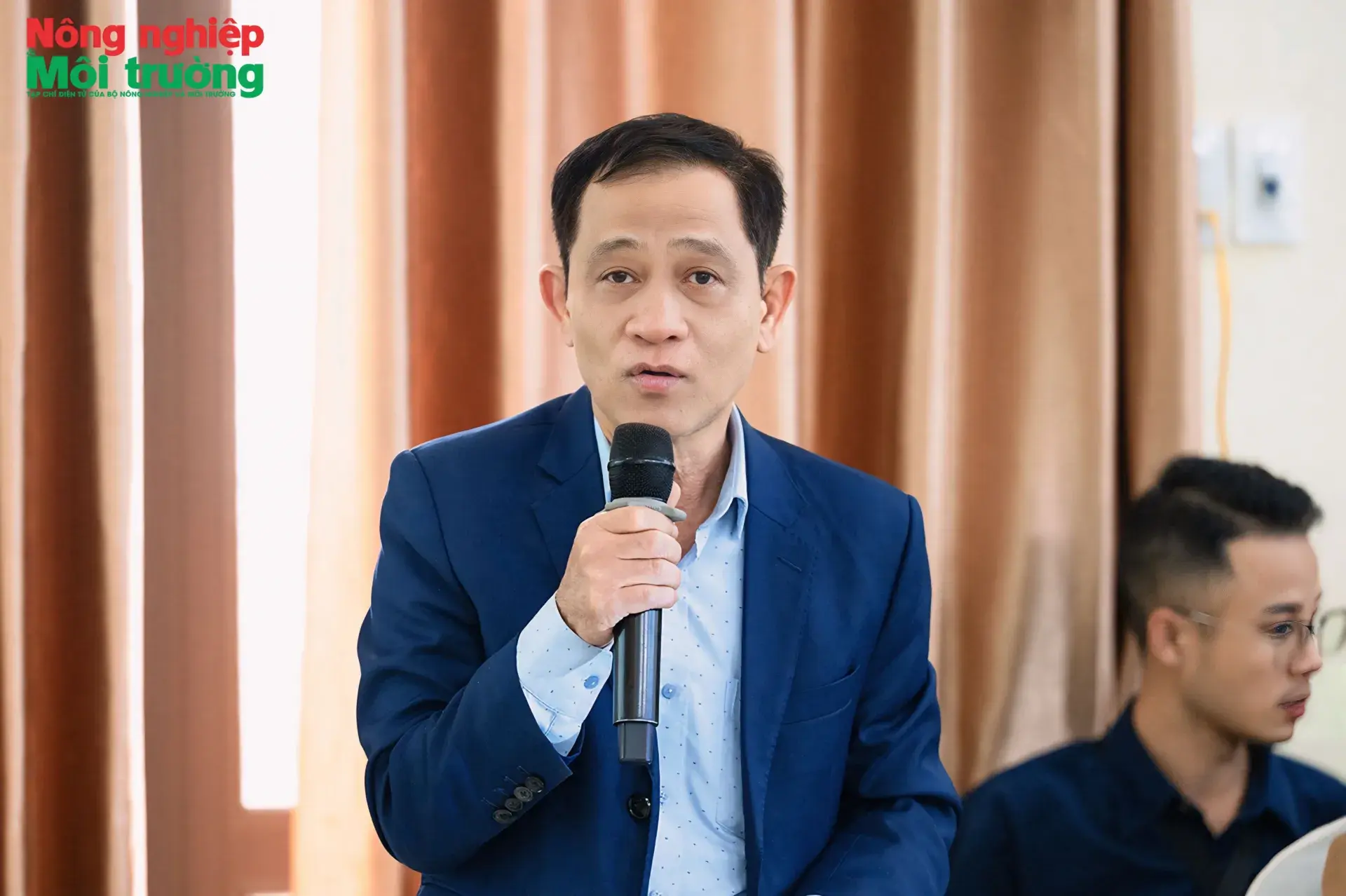
At the workshop “Developing and enhancing the value of Shan Tuyet tea,” organized by the Agriculture and Environment Magazine in Lao Cai, Assoc. Prof. Dr. Pham Anh Tuan, Director of the Institute of Agricultural Engineering and Post-Harvest Technology, emphasized that the future of Shan Tuyet tea lies not only in its unique raw material areas, but also in how science and technology can pave the way for a more diverse and sustainable product ecosystem.
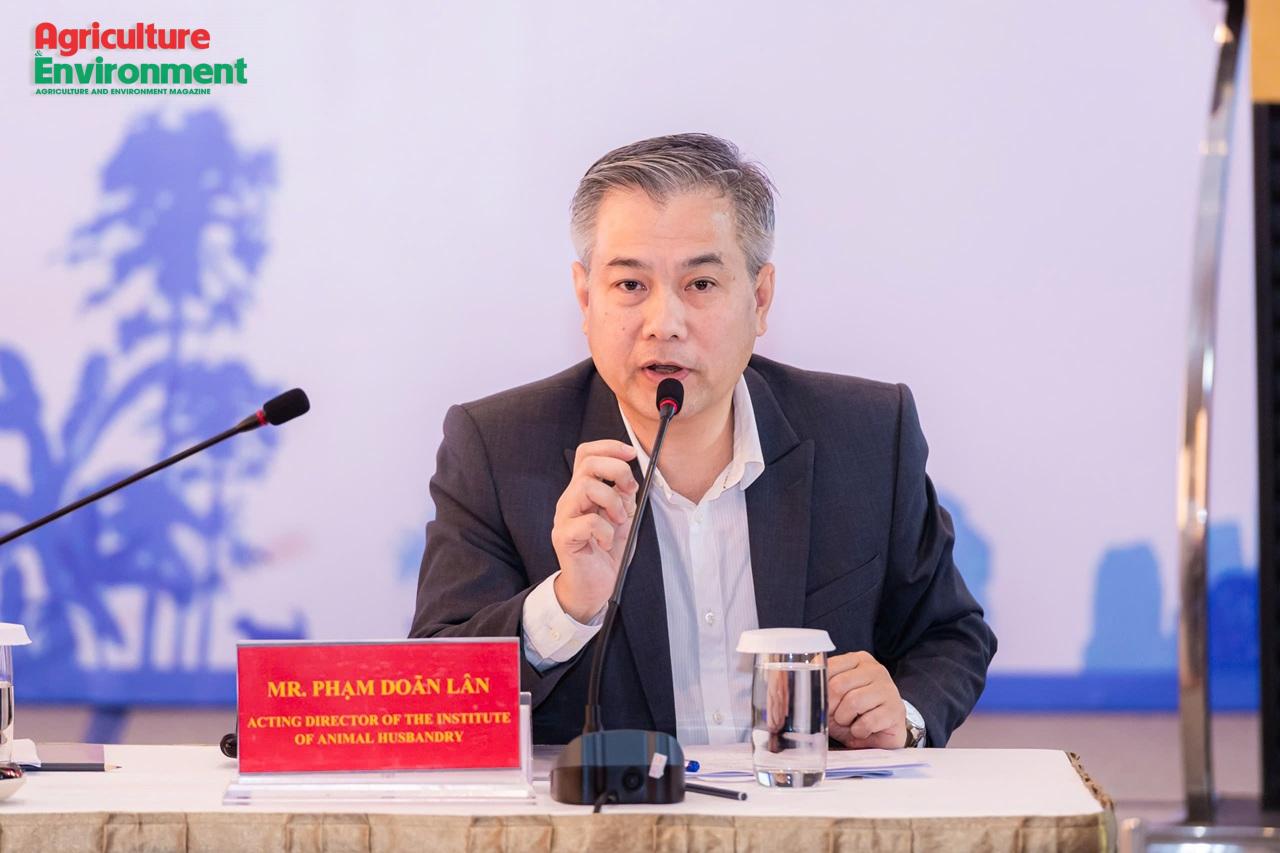
On December 5, the 4th Meeting of the Food Safety Technical Working Group (FSTWG) was convened under the co-chairmanship of the Ministry of Agriculture and Environment, the International Livestock Research Institute (ILRI), and development partners within the One Health Partnership (OHP) framework.
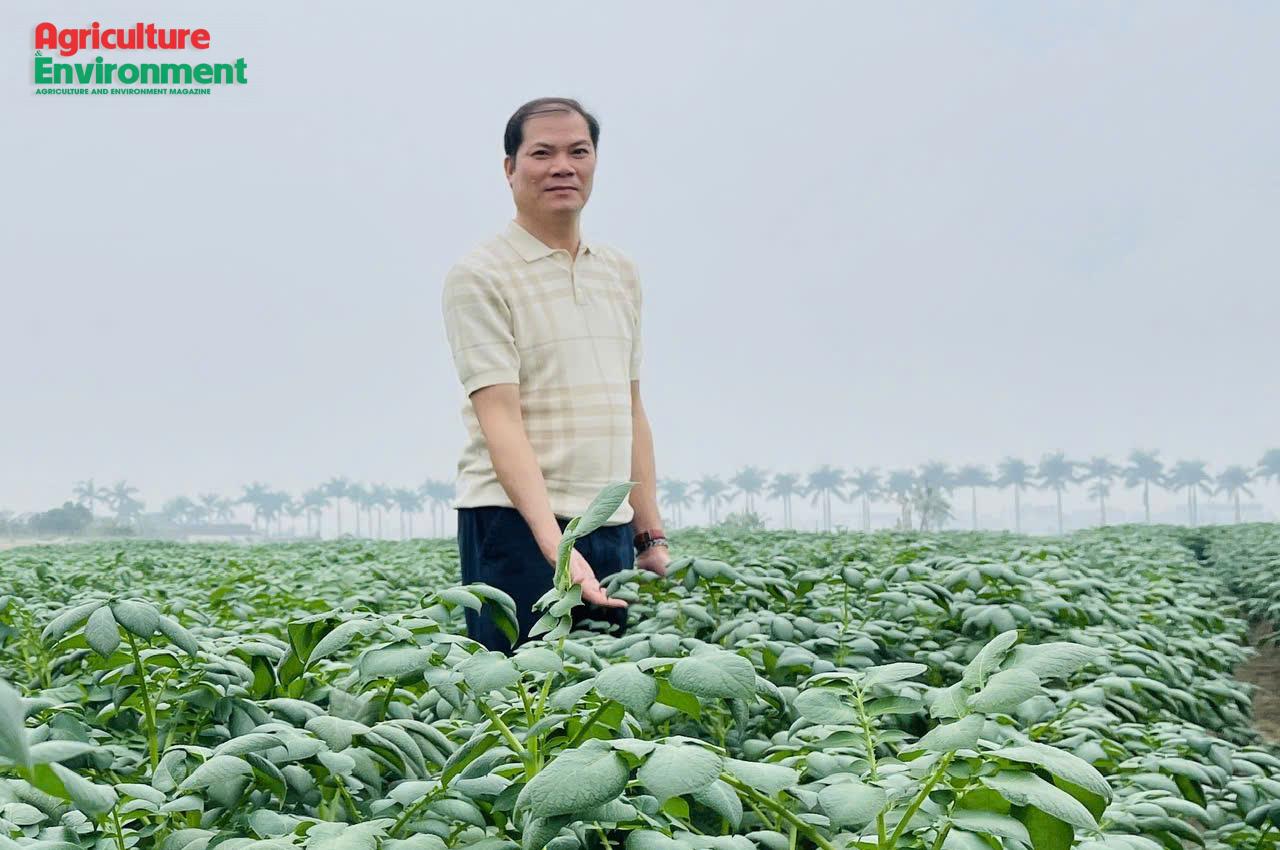
Amid climate change, declining land resources, and increasingly stringent requirements from the food processing industry, potato breeding and seed production are facing a pressing need for innovation. In an interview with the press, Assoc. Prof., PhD Nguyen Xuan Truong, Director of the Institute of Biology and Agricultural Technology, said that the application of greenhouse-based soilless cultivation systems, combined with IoT and AI, not only improves potato seed quality but also lays the groundwork for developing a modern and sustainable agricultural value chain in Viet Nam.

At the workshop “Regional linkages - Promoting green value chains in Vietnamese agriculture,” Deputy Minister Phung Duc Tien emphasized that the Ministry of Agriculture and Environment will prioritize advancing regional linkage strategies and developing comprehensive cooperative models centered on farmers, businesses, scientists, and local authorities.
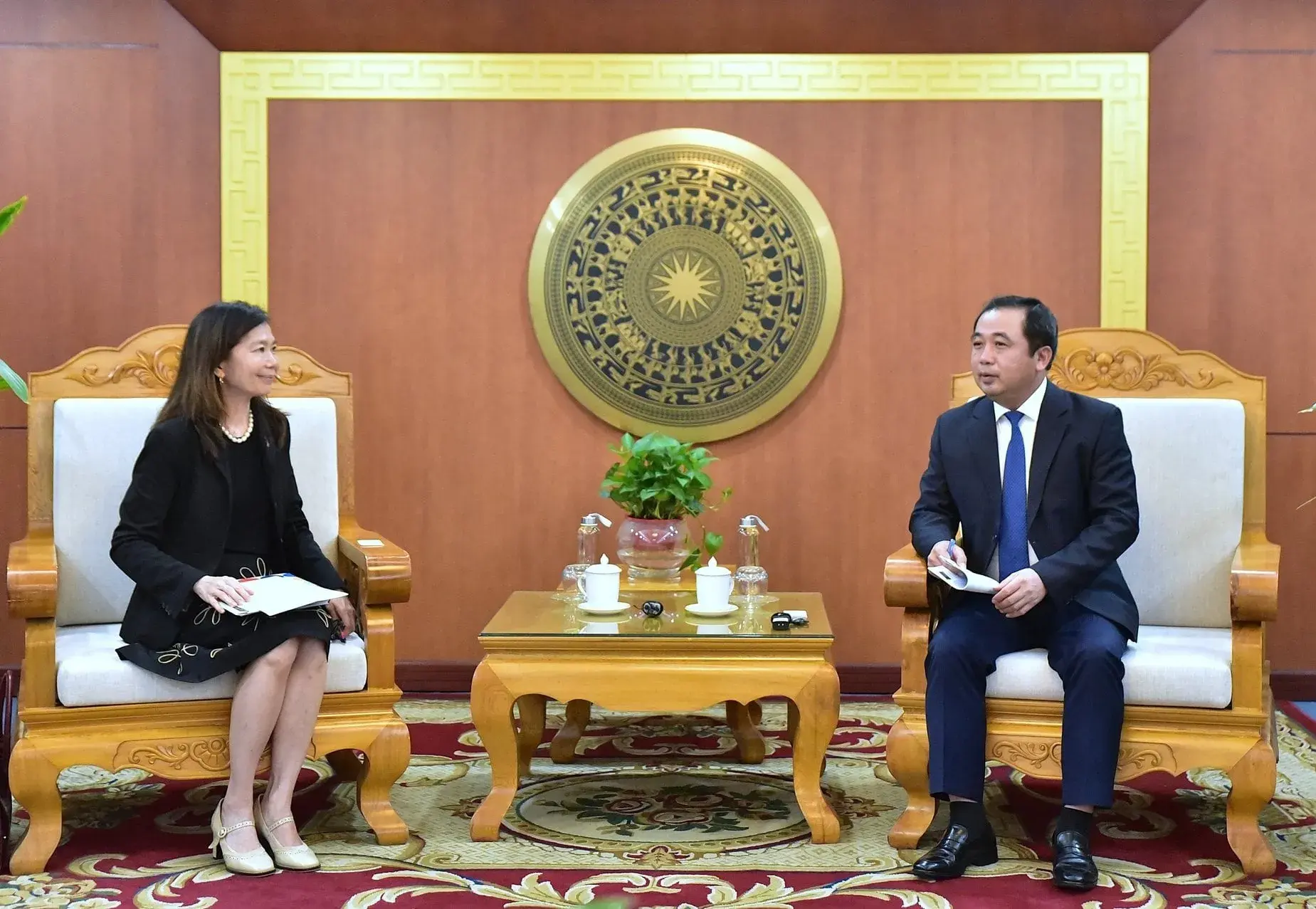
Throughout Viet Nam’s development journey, communities have always been the foundation of its sustainable strength. In particular, in agriculture and the environment, the direct participation of local people has played a crucial part in maintaining livelihoods and conserving and restoring natural values.