



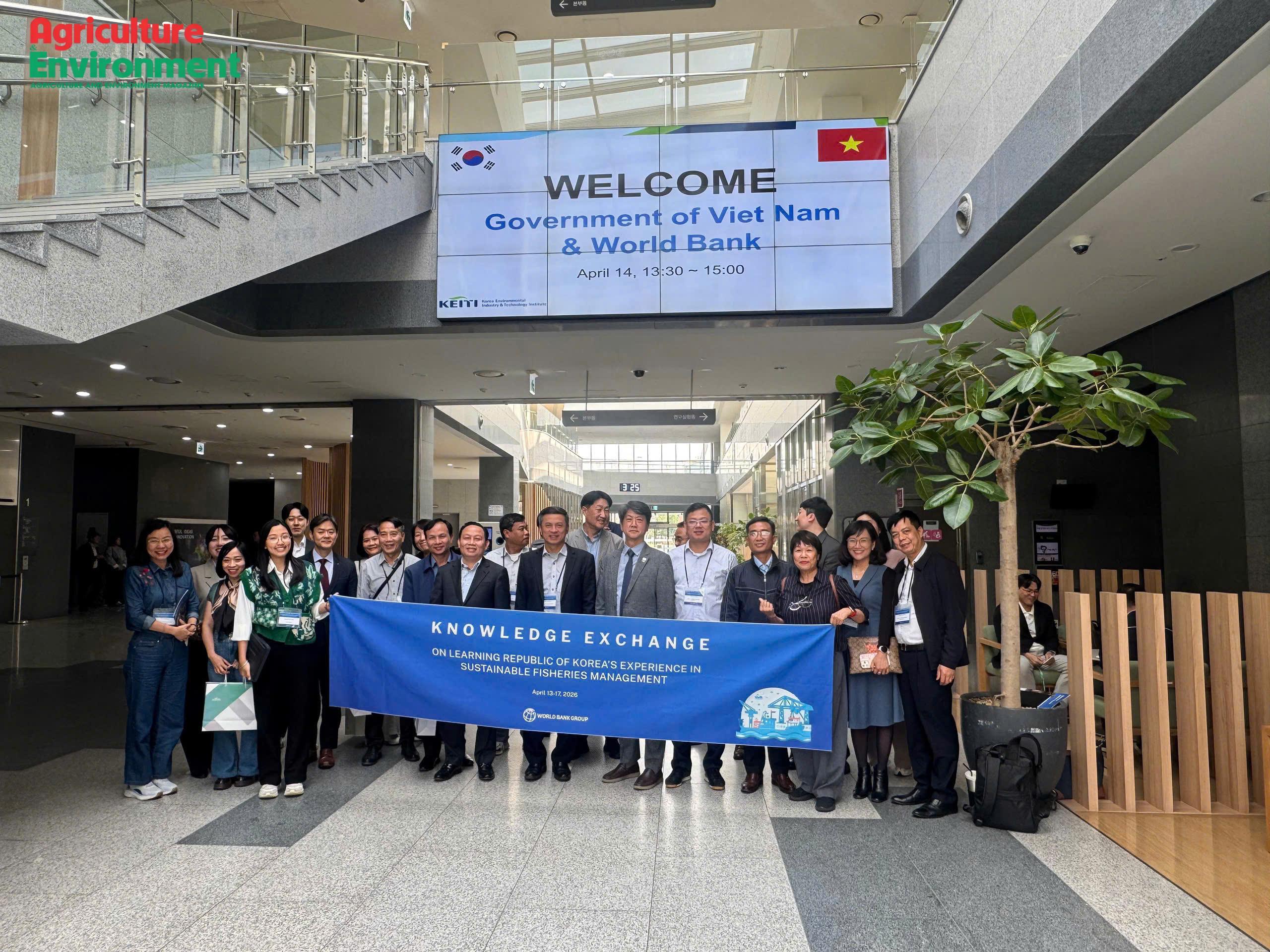
 The fight against Illegal, Unreported, and Unregulated (IUU) fishing in Viet Nam is not merely a matter of completing technical reports to lift the European Commission’s (EC) "yellow card". Data from the 34th meeting of the National Steering Committee on IUU on April 16, 2026, shows that Viet Nam has made significant strides in legal frameworks and monitoring systems. However, looking at South Korea—a fisheries powerhouse driven by data-centric governance and sustainable livelihoods—it is clear that to truly escape the "shadow" of IUU, a revolution in governance is required: shifting from "administrative control" to "ecosystem operation".
This is especially critical as the Sustainable Fisheries Development Project (SFDP), funded by the World Bank and managed by the Ministry of Agriculture and Environment (MAE) alongside local provinces, prepares to sign its loan agreement in May 2026. Implemented over five years, this project represents a vital window for the fisheries sector to transition from "remediation" to "restructuring".
The race from "quantity" to "quality" and the power of AI
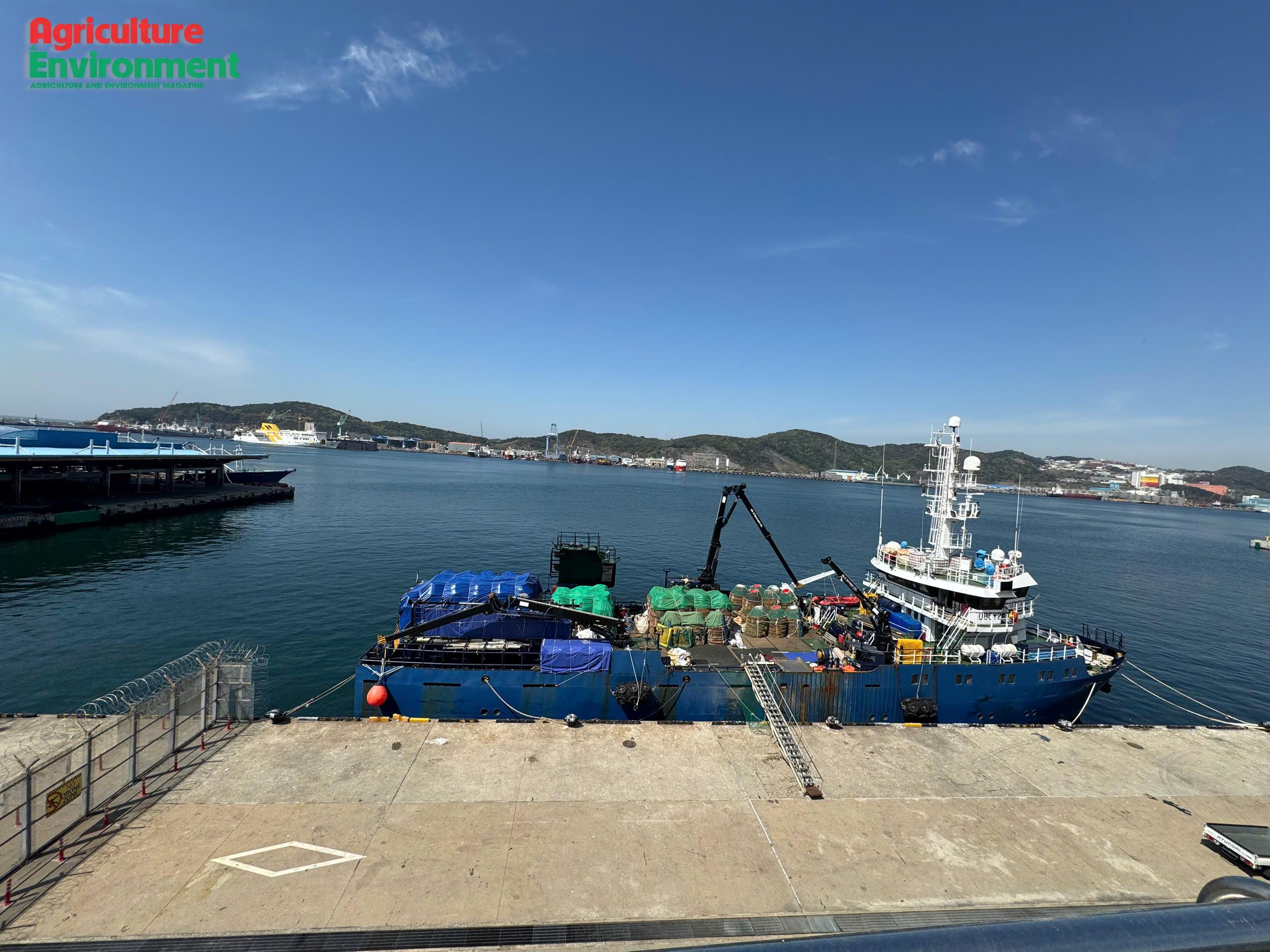
South Korea has proven that in modern fisheries, power lies in data control rather than the number of vessels. While Viet Nam manages a fleet of 80,350 vessels (6m and above, as of April 14, 2026) with the VNFishbase system linked to VNeID, enforcement at ports remains a challenge.
The core difference lies in South Korea’s "brain"—the Fisheries Monitoring Center (FMC) integrated with Artificial Intelligence (AI). Their system does more than simple GPS tracking; it automatically identifies illegal fishing behavior by analyzing movement trajectories, even before a fisherman reports it. This technological solution addresses the "VMS disconnection" issue and coordinate fraud that Viet Nam is currently struggling to handle. Viet Nam must look toward major partners like the World Bank and ADB to build a Big Data fisheries system integrated with AI, replacing manual processes with real-time digital data.
Fishing port infrastructure and the “New Deal 300” livelihood solution
A primary reason Viet Nam has yet to lift the "yellow card" is weak port infrastructure, leading to incomplete oversight of offloaded catch. South Korea’s "Fishing Village New Deal 300" initiative offers a new philosophy: transforming fishing villages into multi-value ecosystems. Instead of only investing in "concrete" piers, South Korea selected 300 villages to be restructured into centers for experiential tourism and marine cultural preservation. Here, fishermen are no longer pressured to overexploit resources because they have alternative livelihoods in tourism and homestays.
The SFDP project, with a total investment of over $211 million, provides a rare opportunity to fix Viet Nam's port bottlenecks. However, South Korean experience shows that effectiveness comes from standardizing digitalization alongside infrastructure upgrades. Implementing "Smart Ports" with 24/7 AI camera surveillance and 100% QR coding will not only ensure transparency for the EC but also lay the foundation for a South Korean-style marine tourism economy.
"Fisheries banking" as an economic lever to change behavior
To encourage voluntary compliance, a financial mechanism is needed where fishermen see that "compliance brings wealth; violation brings ruin". South Korea’s Suhyup Fisheries Bank acts as a tool to shift behavior from "spontaneous" to "self-aware". It operates a "compliance-linked credit" mechanism, where only vessels with "clean" VMS data and strict electronic logs (ECDT) can access preferential interest rates of 1–2%. Conversely, a single violation in foreign waters results in the immediate cut-off of all capital and insurance.
Viet Nam could propose that international organizations (IFC, GCF, etc.) work through Vietnamese commercial banks to establish similar "green interest" packages. By legalizing fishing rights and quotas (TAC) as collateral, as South Korea has done, fishermen will protect marine resources as they would their own personal property.
Blue carbon: The sustainable future of the marine economy
The future of the marine industry lies in how much resource we preserve, not just how much we extract. South Korea is a pioneer in "blue carbon" through seaforesting. Fishermen become "ocean forest rangers," earning additional income by selling carbon credits to international climate funds.
This is a breakthrough direction for Viet Nam's livelihood challenges. Environmental tasks within the SFDP project—such as marine waste management and ecosystem protection—should be linked to global climate finance mechanisms to attract international resources and encourage fishermen to leave old wooden vessels for low-emission aquaculture models.
A synchronized three-front strategy
Viet Nam's greatest challenge is not a lack of resources, but how to mobilize and integrate them. In the coming period, an international cooperation model must be designed across three key fronts:
Lifting the "yellow card" should not be seen as the finish line, but as the starting point for a deeper reform process. By selectively learning from South Korea and leveraging the SFDP project, Viet Nam can reposition its fisheries sector to be more transparent, efficient, and sustainable for future generations.
|
Sustainable Fisheries Development Project (SFDP) Total investment: USD 211.57 million (over VND 5 trillion), including World Bank (IBRD) loans, domestic counterpart funding, and mobilized social capital. |
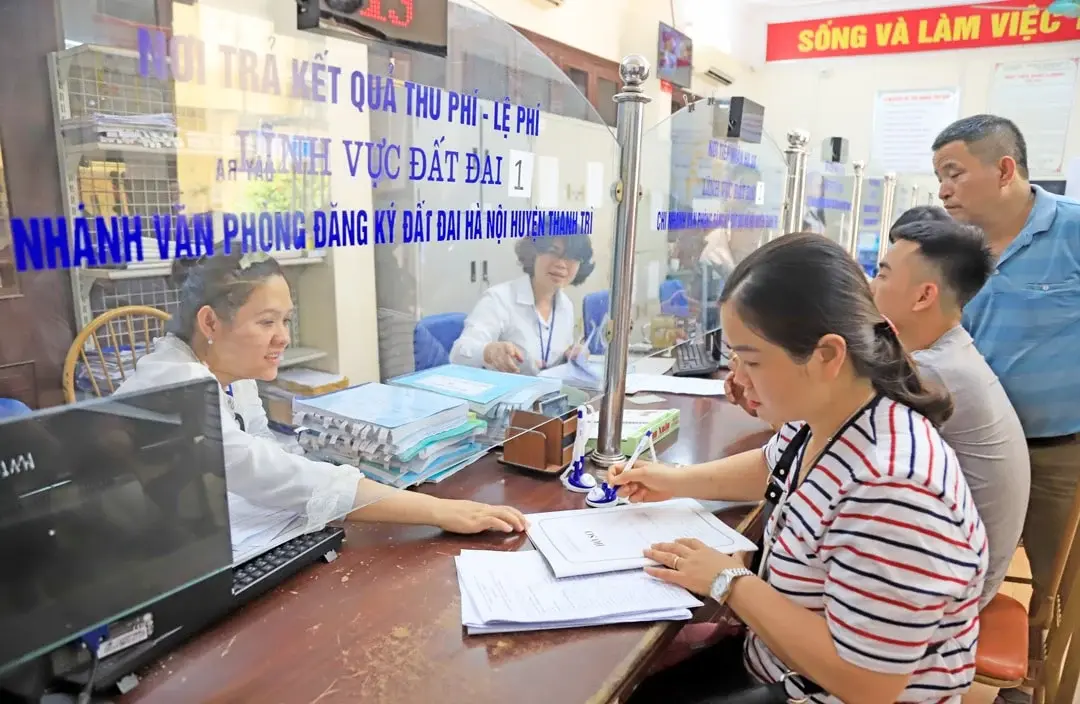
The Ministry of Agriculture and Environment has issued Circular No. 22/2026/TT-BNNMT dated May 19, 2026, amending and supplementing several circulars related to decentralization and the reduction and simplification of administrative procedures under the ministry’s state management authority. The document, signed by Deputy Minister Nguyen Hoang Hiep, marks a further step in Viet Nam’s institutional reform efforts and the modernization of governance in the agriculture and environment sectors.
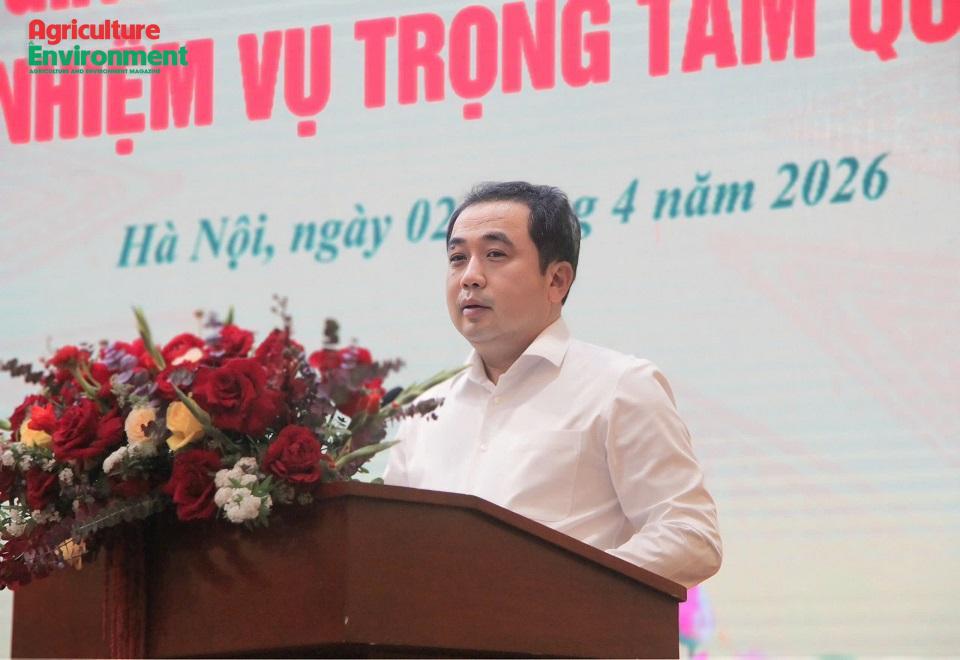
A first-quarter growth rate of 3.5–3.7% and export turnover of $16.69 billion reaffirm the resilience of Viet Nam’s agriculture and environment sector. Yet emerging pressures—from weakening export momentum to rising standards in global markets—are exposing structural constraints and underscoring the need for a transition toward a more innovation- and data-driven growth model. The first-quarter review conference held on April 2 marked not only an assessment point, but also the starting line for a critical policy acceleration phase in Q2 2026.
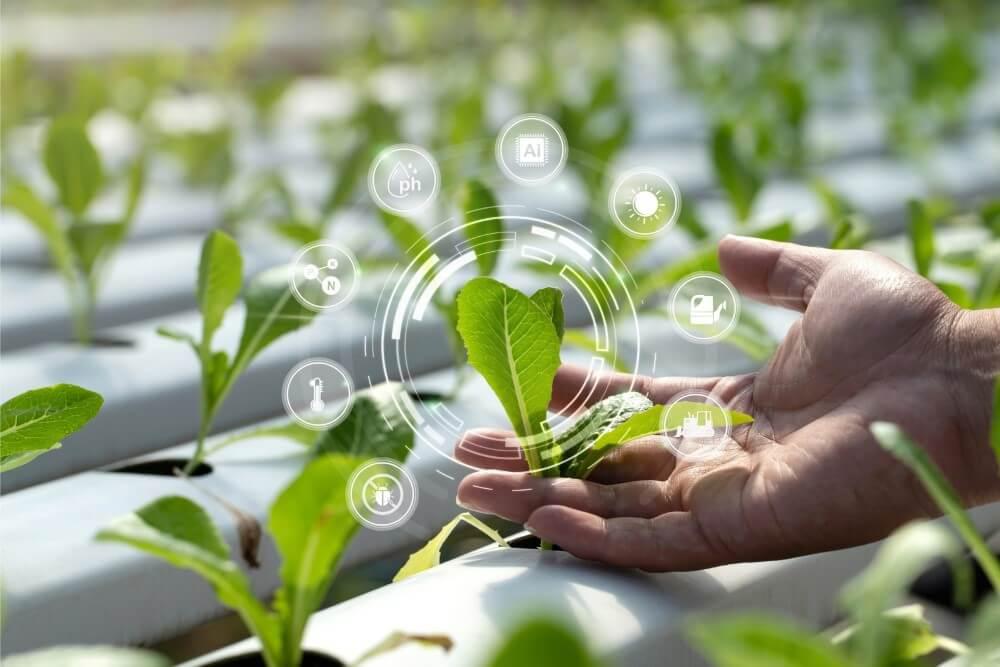
After the initial year of implementing the Action Program for Resolution No. 57-NQ/TW, the Ministry of Agriculture and Environment has entered a phase that requires directly confronting the core bottlenecks revealed during implementation. Part II of this series examines the difficulties and challenges emerging from practice; how the Ministry has articulated solutions to address foundational issues related to institutions, data, and operational capacity; and the outlook for implementing Resolution No. 57-NQ/TW from 2026 onward, with an emphasis on generating substantive, measurable value for the economy and for citizens.

After one year of implementing Resolution No. 57-NQ/TW of the Politburo on breakthroughs in science, technology, innovation, and national digital transformation, the Ministry of Agriculture and Environment has completed a substantial volume of tasks under conditions of high requirements for progress, quality, and nationwide scope. The year 2025 was identified as a start-up phase, focusing on institutional refinement, foundational development, and the coordinated implementation of key tasks. The initial results—particularly in digital transformation, administrative procedure reform, and the construction of the national land database—not only demonstrate the sector’s organizational capacity but also lay an essential foundation for the transition toward generating tangible value from 2026 onward.
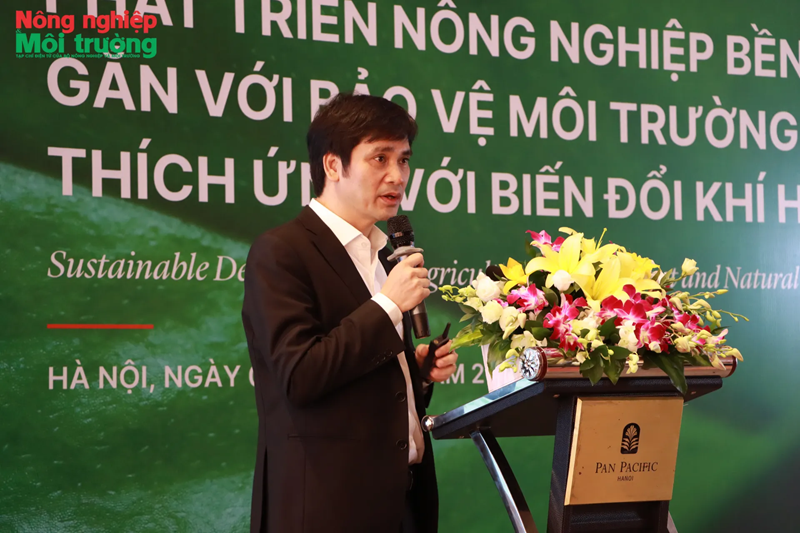
Amid the increasingly rapid and complex impacts of climate change, adopting a circular economy (CE) plays a crucial role in advancing an efficient, sustainable, and green agricultural sector.