



 A large-scale study conducted by researchers Nguyen Dinh Tao, Dang Van Dong, and Le Hung Anh of the Institute of Biology, Vietnam Academy of Science and Technology (VAST), and the Graduate University of Science and Technology (VAST) has produced the first integrated assessment of stream fish diversity in the Dong Chau – Khe Nuoc Trong Nature Reserve in Quang Tri province.
The findings reveal the presence of 42 fish species, belonging to 38 genera, 20 families, and 7 orders, including threatened and endemic species, as well as an alarming detection of invasive Nile Tilapia (Oreochromis niloticus) inside the core zone of pristine forest. This study is one of the few extensive surveys ever conducted in one of the most intact upstream forest regions of central Vietnam, providing critical baseline data for freshwater biodiversity conservation and resource management.
A rare core zone of Central Vietnam – where life quietly thrives
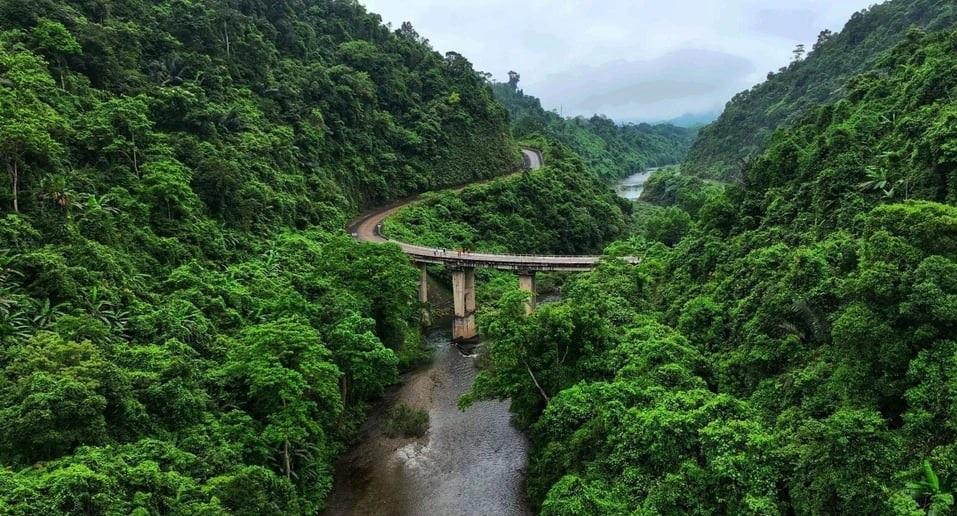
Covering nearly 22,596 hectares in Kim Ngan commune, Dong Chau – Khe Nuoc Trong is among the last areas preserving lowland sub-tropical evergreen forest. It forms the headwaters of the Long Dai and Kien Giang rivers—lifelines for communities in Quang Binh and Quang Tri.
Its interlaced system of streams—Khe Bung, Suoi Vang, Rao Chan, Khe Bang, among others—creates ideal habitats for stream fish adapted to fast currents, steep gradients, rocky substrates, and strong seasonal variation.
Despite its biodiversity potential, no comprehensive freshwater fish research had been conducted here until now.
A highly specialized research team
The study was carried out by three specialists from the Institute of Biology, VAST, and the Graduate University of Science and Technology, VAST: Nguyen Dinh Tao; Dang Van Dong and Le Hung Anh. The research was funded under project IEBR.CS.01.2025.
To ensure accuracy, two field surveys were conducted: November 16–20, 2024 (dry season); June 10–16, 2025 (wet season).
Specimens were collected using cast nets, block nets, hand nets, cage traps, and through collaboration with local residents. All samples were photographed, labeled, fixed in formalin, and taken to the laboratory for identification using international taxonomic keys.
Findings: 42 species across 7 orders
Analysis confirmed: 42 species, 38 genera, 20 families, 7 orders.
The order Cypriniformes dominated with 22 species (52.38%), consistent with their prevalence in central Vietnam’s mountain streams.
Other orders include:
- Anabantiformes: 8 species
- Siluriformes: 5 species
- Gobiiformes: 3 species
All 42 species are freshwater fish, 41 of which are native.
Rare and endemic species of high conservation value
The study recorded species of significant importance:
- IUCN Red List (2025)
+ Poropuntius deauratus: Endangered (EN)
+ Scaphognathus gerlachi: Near Threatened (NT)
- Vietnam Red Data Book (2024):
+ Poropuntius deauratus — Vulnerable (VU)
- Endemic to Vietnam:
+ Micronemacheilus cruciatus
+ Hemibagrus centralus
+ Pterocryptis cochinchinensis
These species serve as ecological indicators reflecting the health of mountain stream ecosystems.
A concerning finding: Widespread nile tilapia in deep forest waters
The widespread presence of Nile Tilapia (Oreochromis niloticus)—a non-native invasive species normally associated with lowland aquaculture—raises serious concerns: competition with native fish for food, pressure on small-bodied stream species, disruption of community structure, potential ecological imbalance.
Its spread into pristine upstream forests indicates that human impacts are reaching even the most remote ecosystems.
Unidentified species: Potential for new discoveries
Five taxa were identified only to the genus level due to insufficient comparative material or notable morphological differences: Rhinogobius sp, Glyptothorax sp, Schistura sp., Mystacoleucus cf. lepturus, Scaphostoma cf. meridionale
This suggests the potential presence of undescribed species or locally endemic subspecies.
Significance: Baseline data for conservation planning
The research conducted by the Institute of Biology holds substantial value, providing important supplementary data for Vietnam’s ichthyofauna. The 22,596 hectares of primary forest with its 42 recorded fish species represent a rare and highly valuable resource for scientific study.
The findings support the management and conservation of aquatic resources by identifying threatened species, assessing the impacts of non-native species, and monitoring seasonal changes in stream habitats.
They also serve as a scientific basis for sustainable upstream planning. In the context of central Vietnam’s frequent natural disasters and accelerating climate change, protecting headwater stream ecosystems is essential for mitigating floods, erosion, and land degradation.
The presence of several unidentified taxa and the distinctly steep-stream ecosystems present both challenges and opportunities for further work—ranging from the description of potentially new species to evolutionary studies and assessments of habitat-specific adaptation.
A biological treasure trove that must be protected
With 42 confirmed species, including threatened, endemic, and invasive species, this research provides the most comprehensive picture to date of the stream fish fauna in Dong Chau – Khe Nuoc Trong.
It is not only a scientific milestone but also a call to protect one of central Vietnam’s most valuable natural landscapes.
Safeguarding this ecosystem is essential to maintaining the “natural immune system” of Quang Tri—and of Vietnam as a whole.
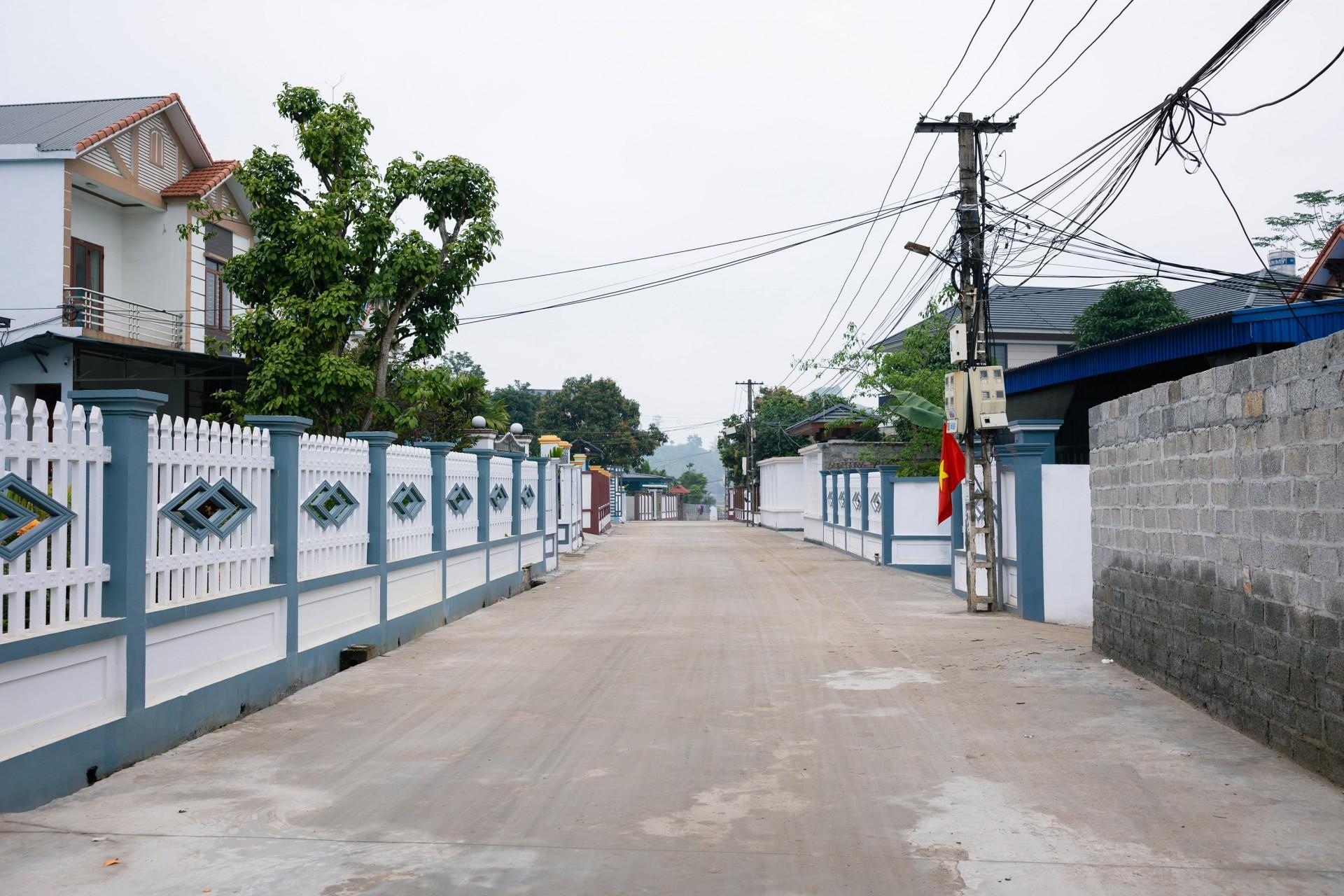
Meeting established criteria is an important measure of new rural development, but it is not sufficient to answer a more fundamental question: what are residents actually gaining from the development process? A study in Thai Nguyen, drawing on subjective well-being theory and examining the relationship between importance and satisfaction, identifies notable gaps in employment, housing, infrastructure, health, individual capabilities, and time. The findings suggest that residents’ perceptions and quality of life should be incorporated into assessments of new rural development outcomes at the village level.
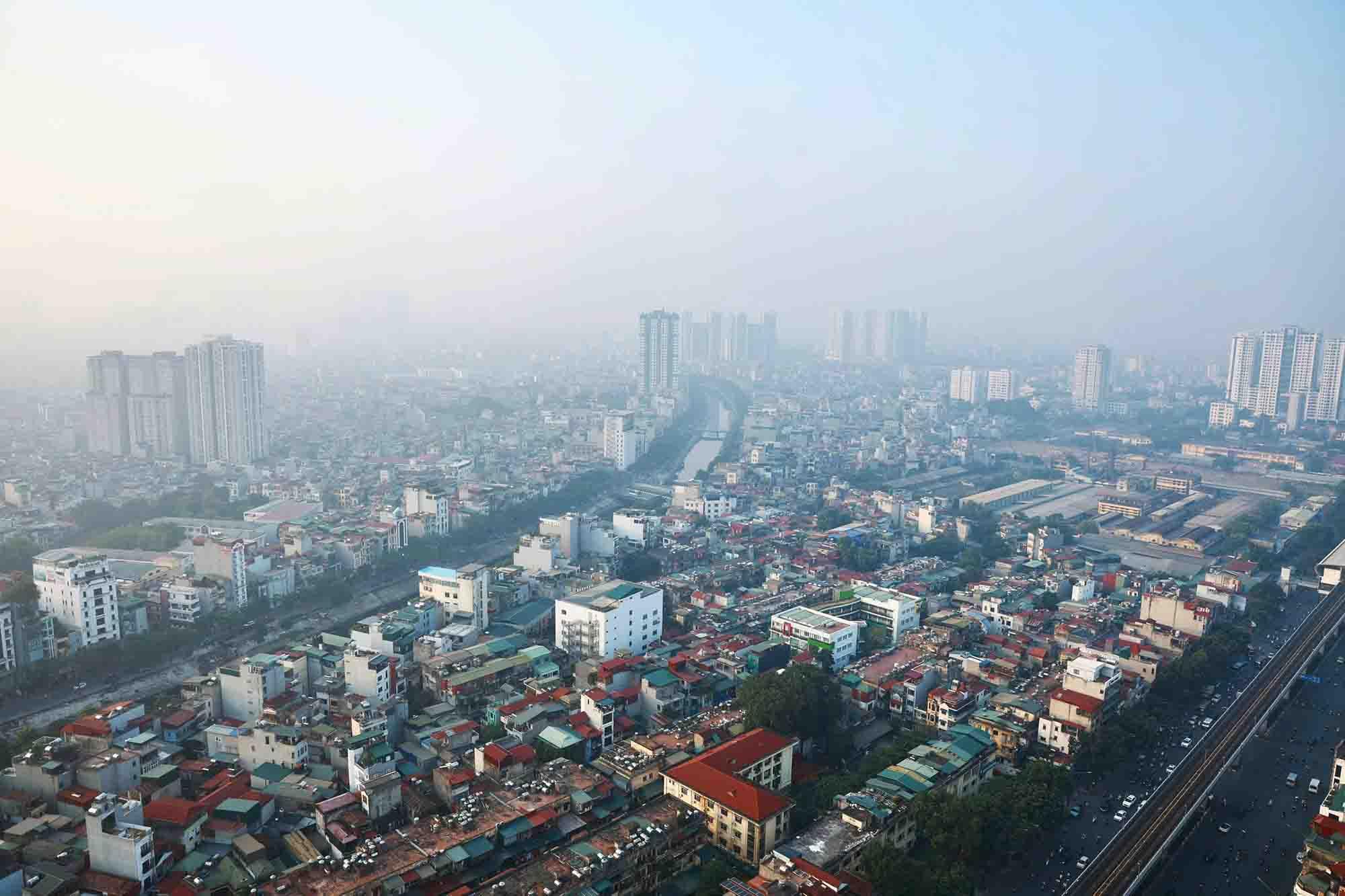
Against the backdrop of air pollution continuing to pose significant challenges to sustainable development, Viet Nam has made notable progress in strengthening its legal framework amid a broader process of institutional consolidation during the 2024–2025 period. Research conducted by a team from Can Tho University indicates that the current focus of air quality governance in Viet Nam is shifting from institutional development toward strengthening implementation and enforcement capacity, with growing demands for monitoring capability, cross-sector coordination, and the effective application of economic instruments for emissions control.
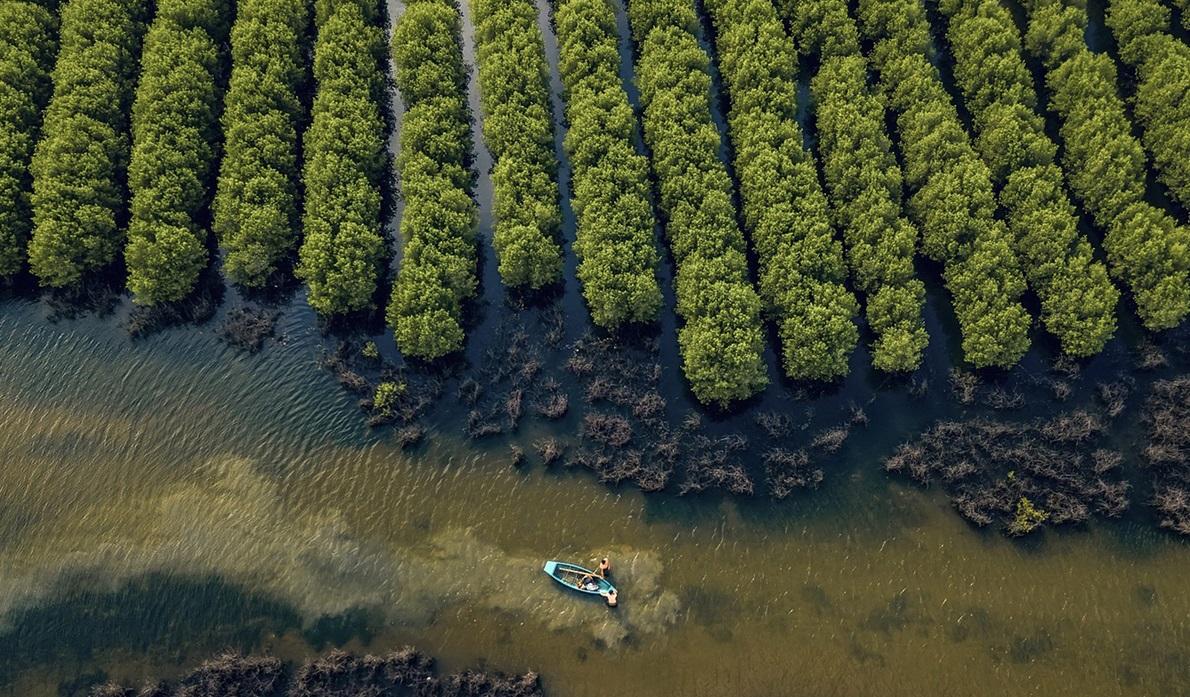
The Mekong Delta is one of the world’s most important deltaic systems, yet it is also among the regions most severely affected by coastal erosion, mangrove degradation, sea-level rise, land subsidence, and declining sediment supply. Against this backdrop, a study by Prof. Dr. Thieu Quang Tuan of the Faculty of Engineering, Thuyloi University proposes a scientifically grounded perspective: effective coastal protection and mangrove restoration must begin with a proper understanding of the natural dynamics governing muddy coasts and fine-grained sediment balance.
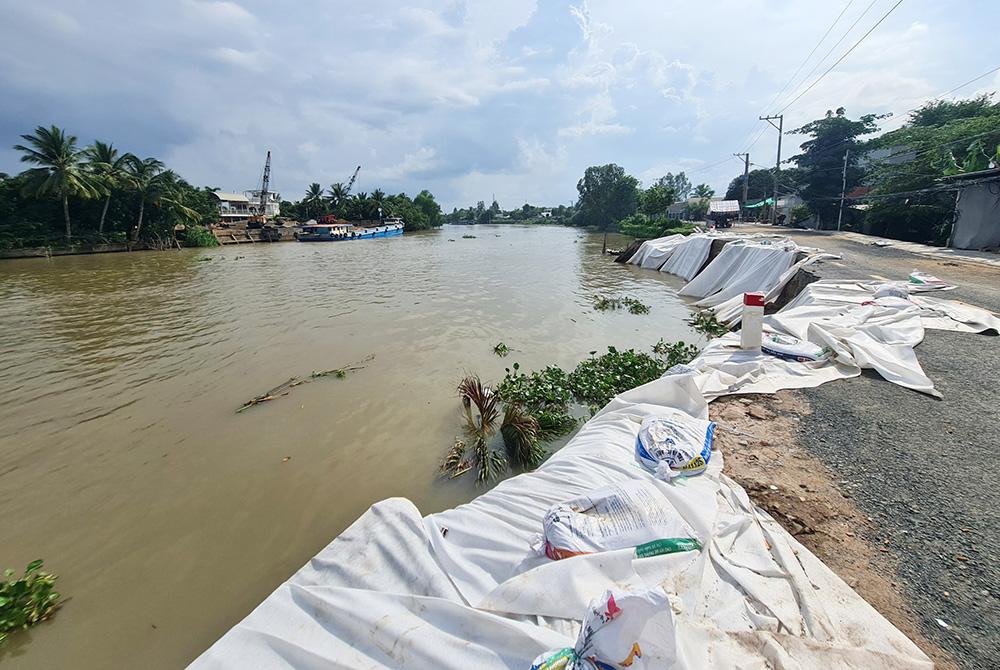
As riverbank erosion becomes increasingly severe in the Mekong Delta, many localities have begun piloting nature-based riverbank protection solutions that utilize locally available materials and minimize hard-engineering interventions in river flows. However, evaluating the effectiveness of these solutions remains challenging, particularly when international assessment frameworks do not fully align with the socio-ecological conditions of the delta region.

As organic farming and safe agricultural production gain momentum, botanical plant protection products are increasingly being viewed as a promising alternative to conventional chemical pesticides. Drawing on more than half a century of research, a review by Nguyen Thi Lan Huong, Dang Thi Thanh Le, and Vuong Dang Le Mai from Thuyloi University and University of Transport Technology highlights Viet Nam’s rich plant resources and their potential for developing a new generation of biological plant protection products.