



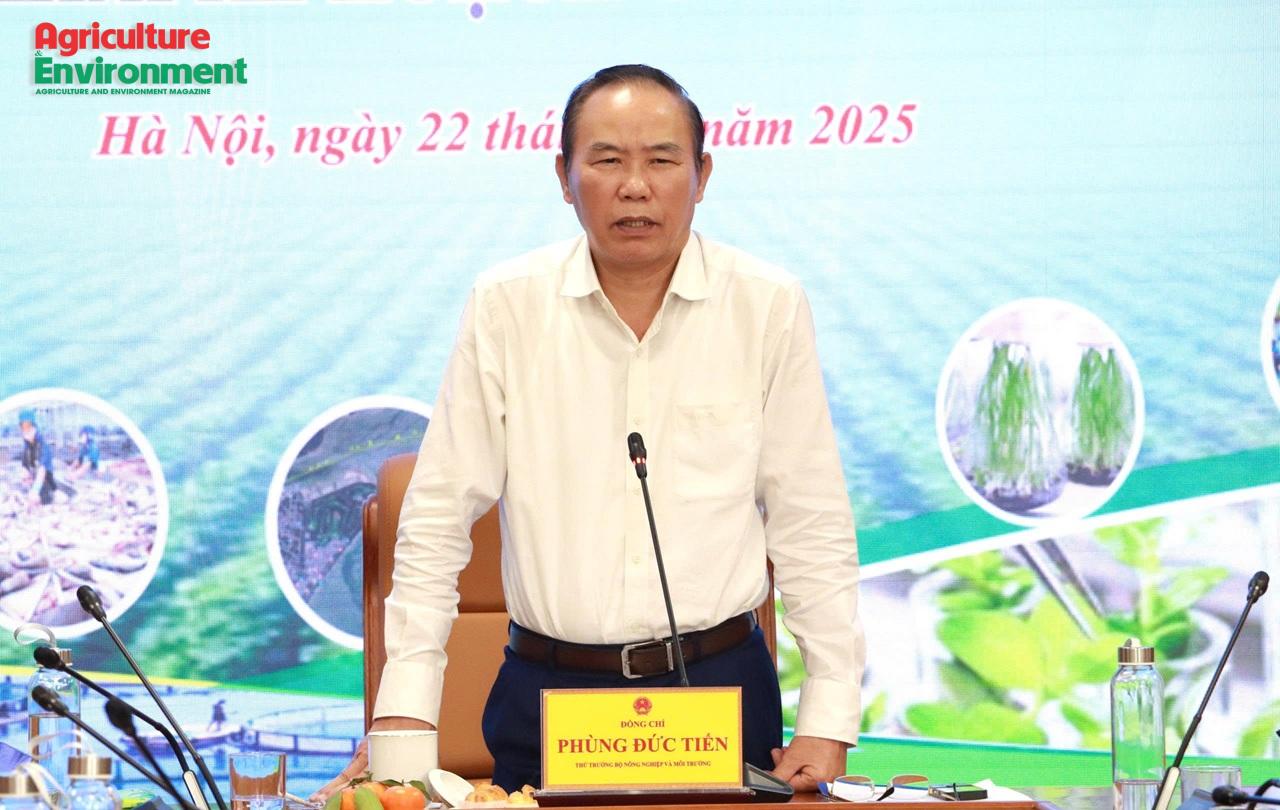
 At a year-end review of the Department of Science and Technology on December 22, Deputy Minister Phung Duc Tien highlighted science and technology as the key drivers shaping the future of Vietnam’s agriculture and environment sector.
Turning Resolution No. 57-NQ/TW into action
In his keynote address, Deputy Minister Phung Duc Tien emphasized that science and technology play a core, pillar role in improving productivity, quality, and production efficiency, while also determining the overall competitiveness of the agriculture and environment sector.
According to the Deputy Minister, the sector’s development trajectory clearly demonstrates that all progress toward modern agriculture has been closely associated with science and technology. From large-scale irrigation systems to transformations in crop production, livestock and fisheries, and further to notable achievements in agricultural, forestry and fishery exports, all advances have been built upon research, the application of technical progress, and technological innovation. Sustained growth in both production output and export value over many consecutive years stands as clear evidence of the irreplaceable role of science and technology in sectoral development.
Mr. Nguyen Van Long, Director of the Department of Science and Technology, reported that under the implementation of Resolution No. 57-NQ/TW, the Ministry of Agriculture and Environment was assigned 188 tasks. To date, 146 tasks have been completed; four tasks are being implemented on schedule and are committed to completion before December 24, 2025; no tasks are overdue or behind schedule; and the remaining tasks are scheduled for completion in 2026.
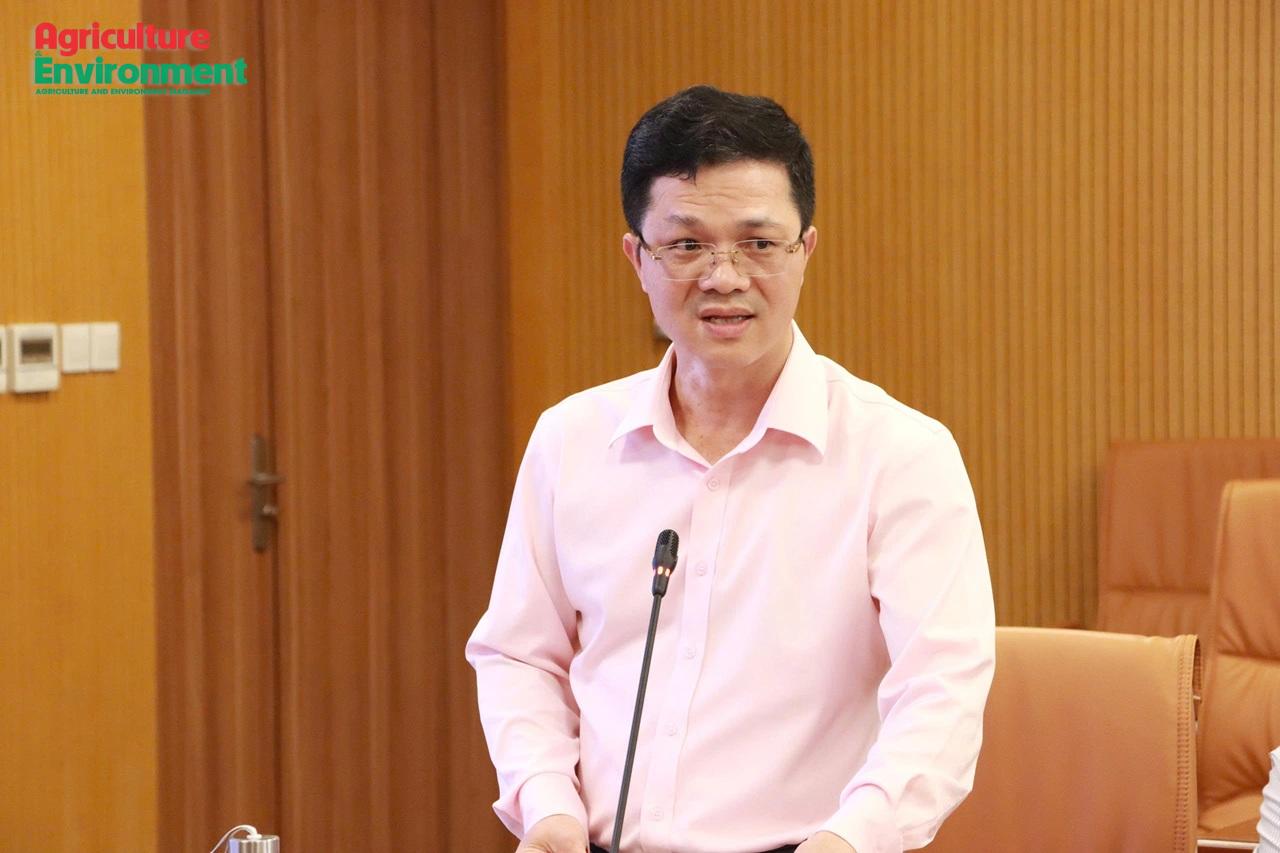
Closely adhering to the spirit of Resolution No. 57-NQ/TW, the Department of Science and Technology has developed and submitted to the Standing Committee of the Party Committee and the Ministry more than 50 directive documents and action plans to concretize assigned objectives and tasks. These documents strictly follow the principle of “six clarities”: clear tasks; clear implementing and coordinating agencies and individuals; clear timelines; clear outputs and deliverables; clear responsibilities; and clear authority.
Among them, several key documents were issued in a timely manner, establishing a coherent legal framework and providing consistent strategic direction for the entire sector. Notable examples include Action Plan No. 13-KH/ĐU dated June 27, 2025, issued by the Ministry’s Party Committee to implement Action Plan No. 02-KH/BCĐTW of the Central Steering Committee; and Resolution No. 14-NQ/ĐU dated July 31, 2025, adopted by the Standing Committee of the Ministry’s Party Committee on breakthroughs in science, technology, innovation and digital transformation in the agriculture and environment sector.
Alongside institutional development, the Department of Science and Technology organized more than 40 meetings, conferences and workshops to disseminate, guide and coordinate the implementation of Resolution No. 57-NQ/TW across the sector.
Many of these events were held on a large scale, attracting wide participation from policymakers, experts and enterprises. In particular, conferences promoting scientific research and innovation in connection with training and linkages under the “three stakeholders” model—scientists, enterprises and policymakers—have contributed to spreading new thinking and practical approaches throughout the sector.
Setting practical and results-oriented priorities for 2026
Deputy Minister Phung Duc Tien stressed that, to ensure Resolution No. 57 is implemented in an effective and substantive manner, the Department of Science and Technology must further strengthen its role as a coordination hub linking research institutes, universities, enterprises and local authorities; expand international cooperation; and enhance the absorption, mastery and localization of advanced technologies, directly serving the sector’s sustainable development objectives.
According to the Deputy Minister, a critical factor lies in the capacity of science and technology management personnel and project leaders. New requirements demand solid professional expertise, a deep understanding of practical realities, and proactive updating of new knowledge and technologies at both domestic and international levels. Alongside experienced experts, greater attention should be given to identifying, training and creating favorable conditions for young scientific staff capable of undertaking major and complex tasks.
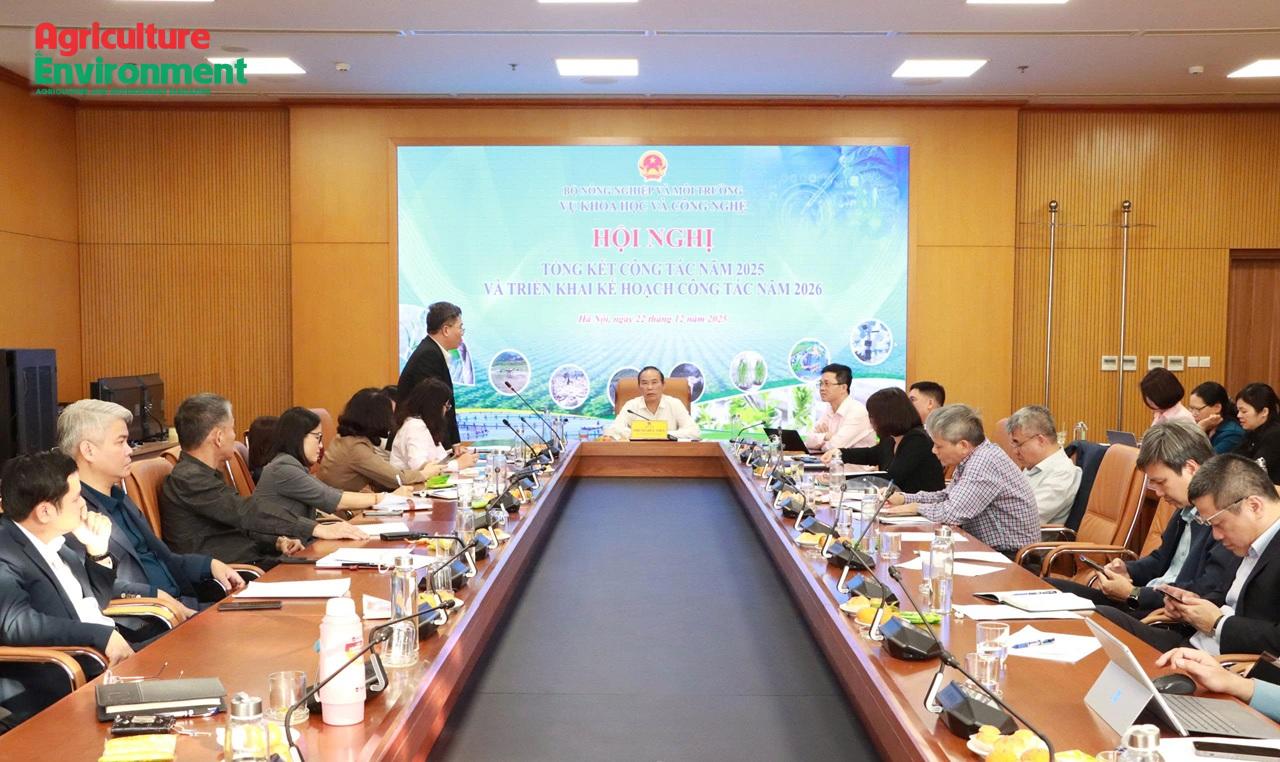
The Deputy Minister requested the Department of Science and Technology to proactively review and refine the regulatory framework and management mechanisms for science and technology tasks, with a focus on clearly defining responsibilities, standardizing procedures, ensuring transparency and practical feasibility, and addressing overlap and formality in implementation.
From the Department’s perspective, in identifying key priorities for 2026, Mr. Nguyen Van Long emphasized that the Department will formulate and implement major science and technology tasks aimed at promoting technological innovation in agricultural production, natural resource management and environmental protection. These efforts will generate advanced processes, technologies and production models, contributing to increased value added in agriculture, reduced greenhouse gas emissions, and enhanced environmental management capacity based on digital data systems, traceability mechanisms and international standards.
In implementing Resolution No. 57-NQ/TW dated December 22, 2024, of the Politburo on breakthroughs in science, technology, innovation and national digital transformation, together with Government Resolution No. 71/NQ-CP dated April 1, 2025, the Department of Science and Technology is focusing on synchronously deploying tasks and solutions specified in the Ministry’s programs and action plans, ensuring coherence, substance and effectiveness.
At the same time, the Department is implementing Decision No. 1131/QĐ-TTg dated June 12, 2025, of the Prime Minister on the list of strategic technologies and technological products, providing orientation for research and application in the agriculture and environment sector, and laying a foundation for rapid and sustainable development based on science, technology and innovation.
According to Director Nguyen Van Long, in 2026 the Department will continue to accelerate comprehensive digital transformation, strengthen the application of artificial intelligence, big data and virtual reality technologies in management, training and research, and gradually build a digital training ecosystem for the agriculture and environment sector. Progress and quality reviews of assigned tasks will be conducted regularly, ensuring strict compliance with reporting, inspection and supervision requirements.
The Department will also focus on strengthening science and technology human resources, accelerating the digitization of specialized data to ensure effective connectivity, interoperability and data sharing, while proactively researching and proposing highly applicable science, technology, innovation and digital transformation tasks. In parallel, investments will be made to enhance the capacity of science and technology organizations under the Ministry, meeting development requirements in the new phase.
The Department of Science and Technology has progressively affirmed its core role in advising, organizing and coordinating science, technology, innovation and digital transformation activities within the agriculture and environment sector. With a systematic, practice-oriented approach that takes effectiveness as the key benchmark, tasks have been implemented in a synchronized and timely manner, generating clear improvements in research, management and the application of science and technology. This provides an important foundation for the sector to continue promoting innovation, enhancing value added, and advancing toward rapid and sustainable development in the coming period.
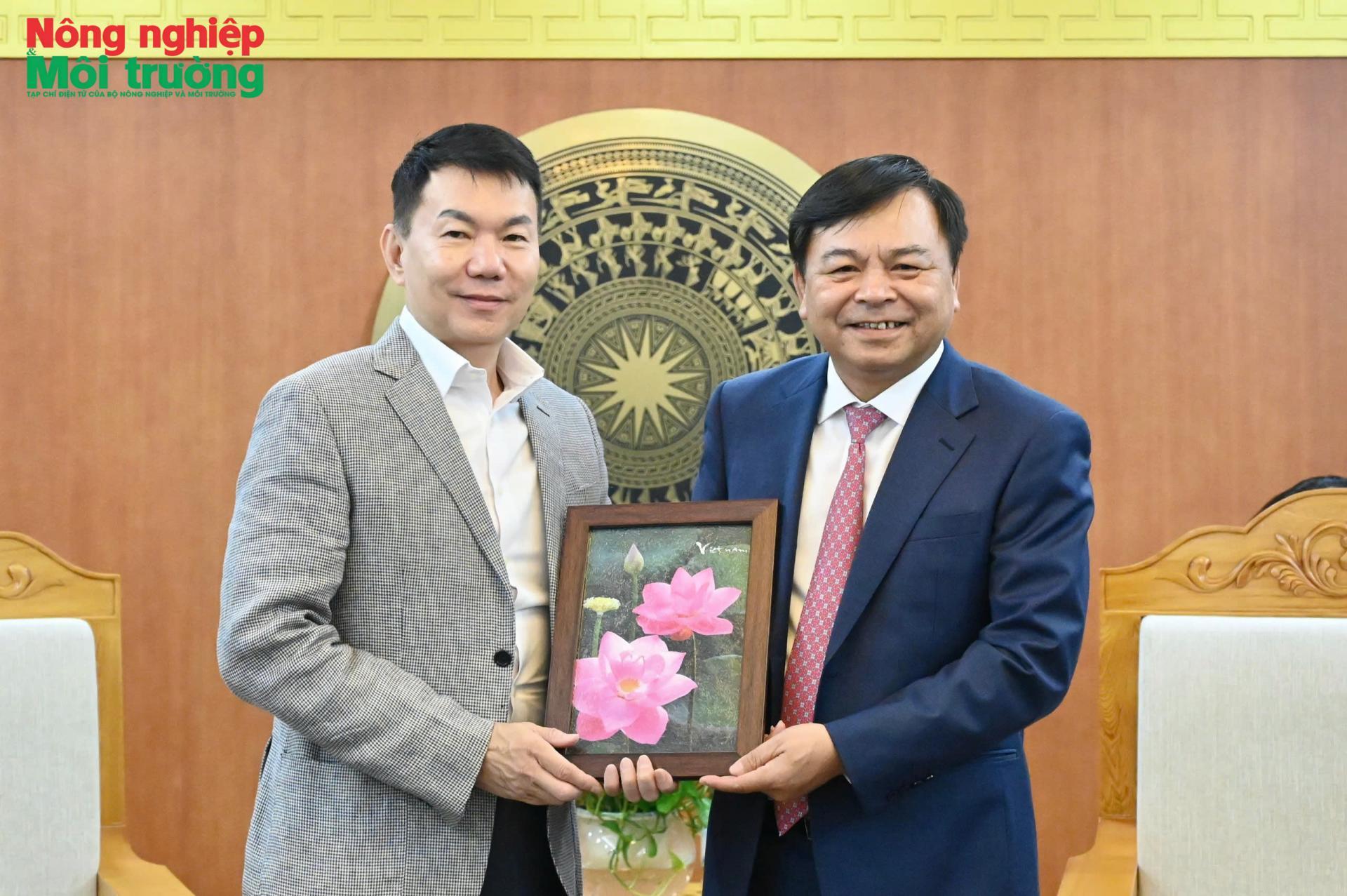
Viet Nam is working to expand low-emission rice production models to increase value and farmers’ incomes, while gradually creating conditions for the development of markets for low-emission rice and carbon credits.
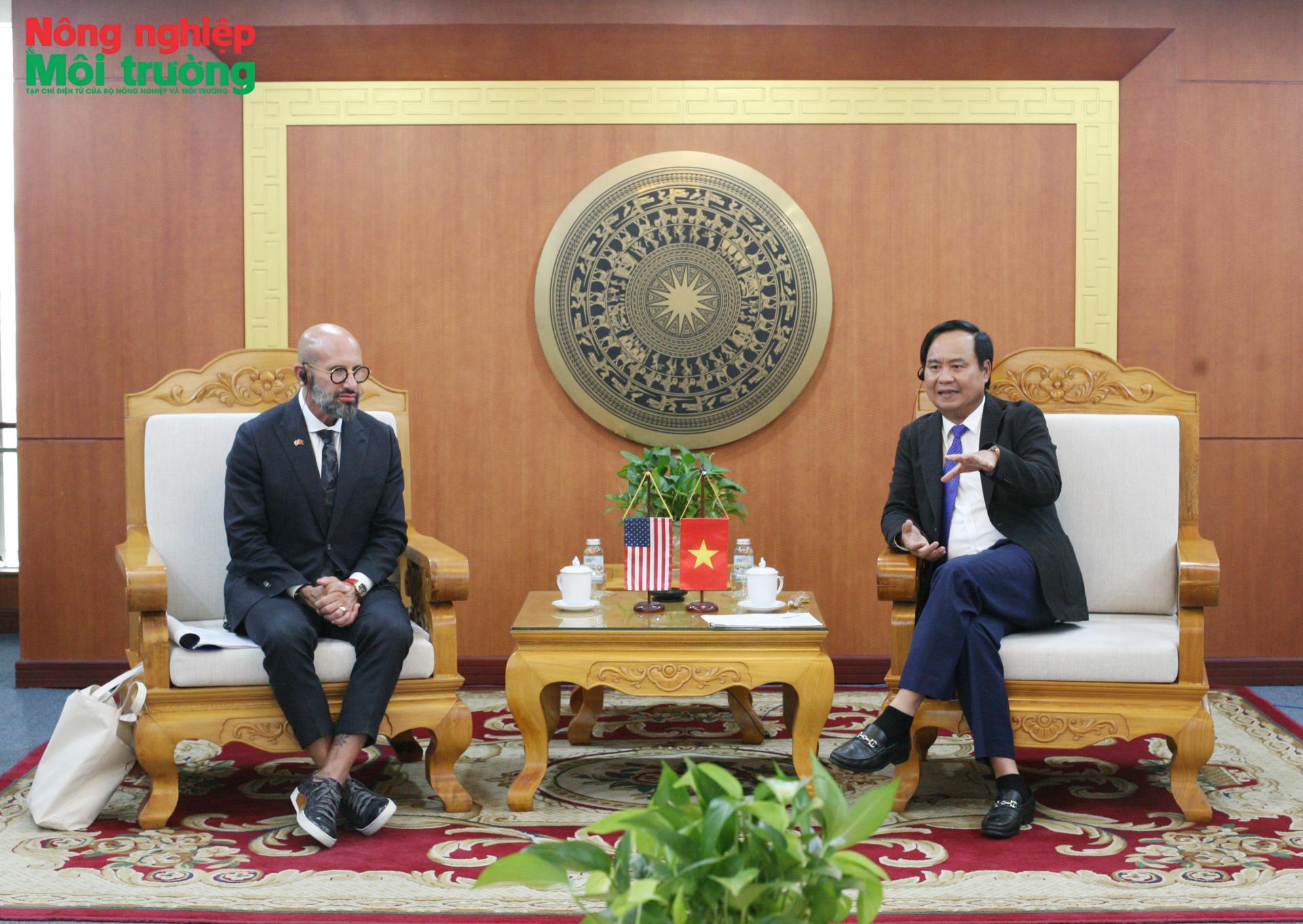
The U.S. Food and Drug Administration's (FDA) decision to establish its first ASEAN regional office in Vietnam is expected not only to strengthen cooperation between the two countries' regulatory authorities but also to support the harmonization of food safety standards, improve supply chain oversight and facilitate agricultural trade as international market requirements become increasingly stringent.
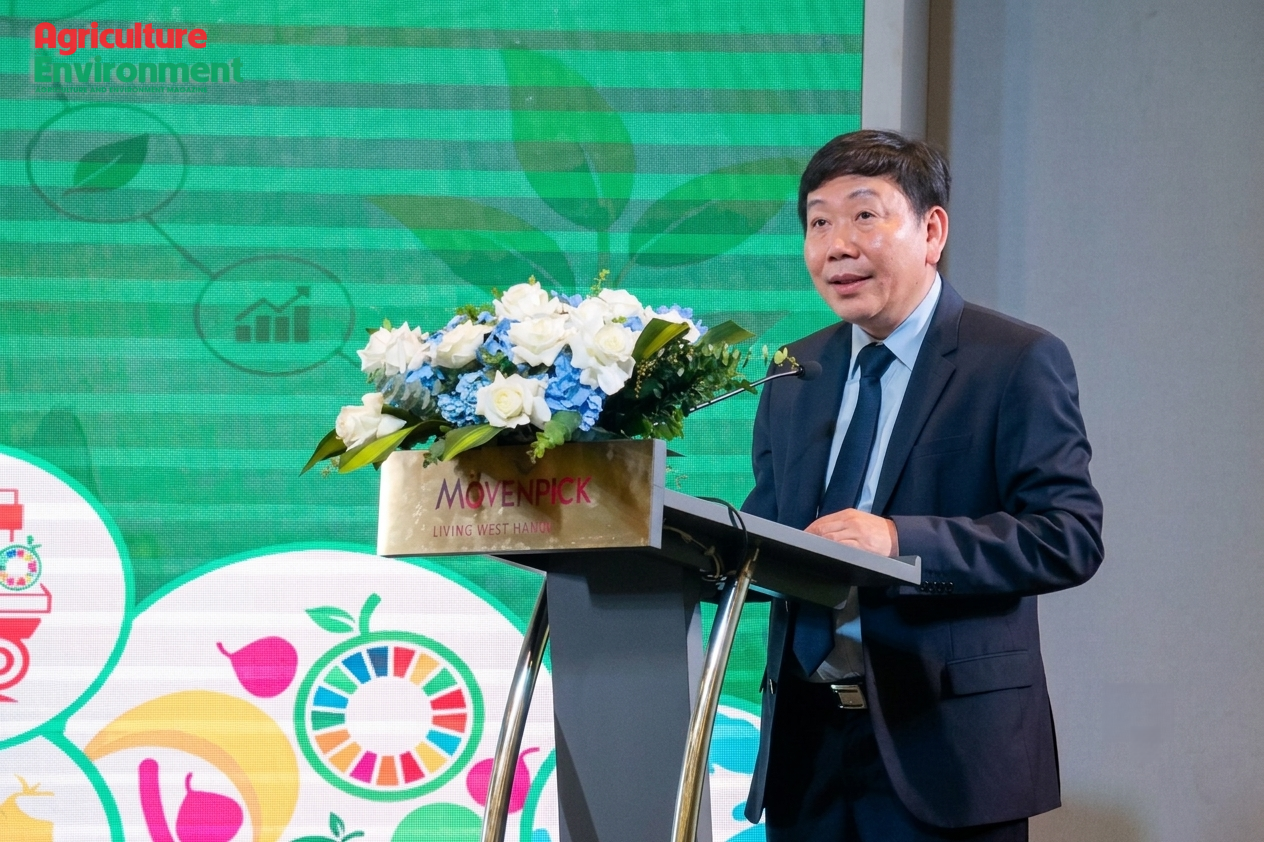
Ensuring food security, adapting to climate change and delivering on sustainable development commitments have become increasingly interconnected policy priorities for Viet Nam. Against this backdrop, food systems transformation is emerging as a key pillar of the country's long-term development agenda.
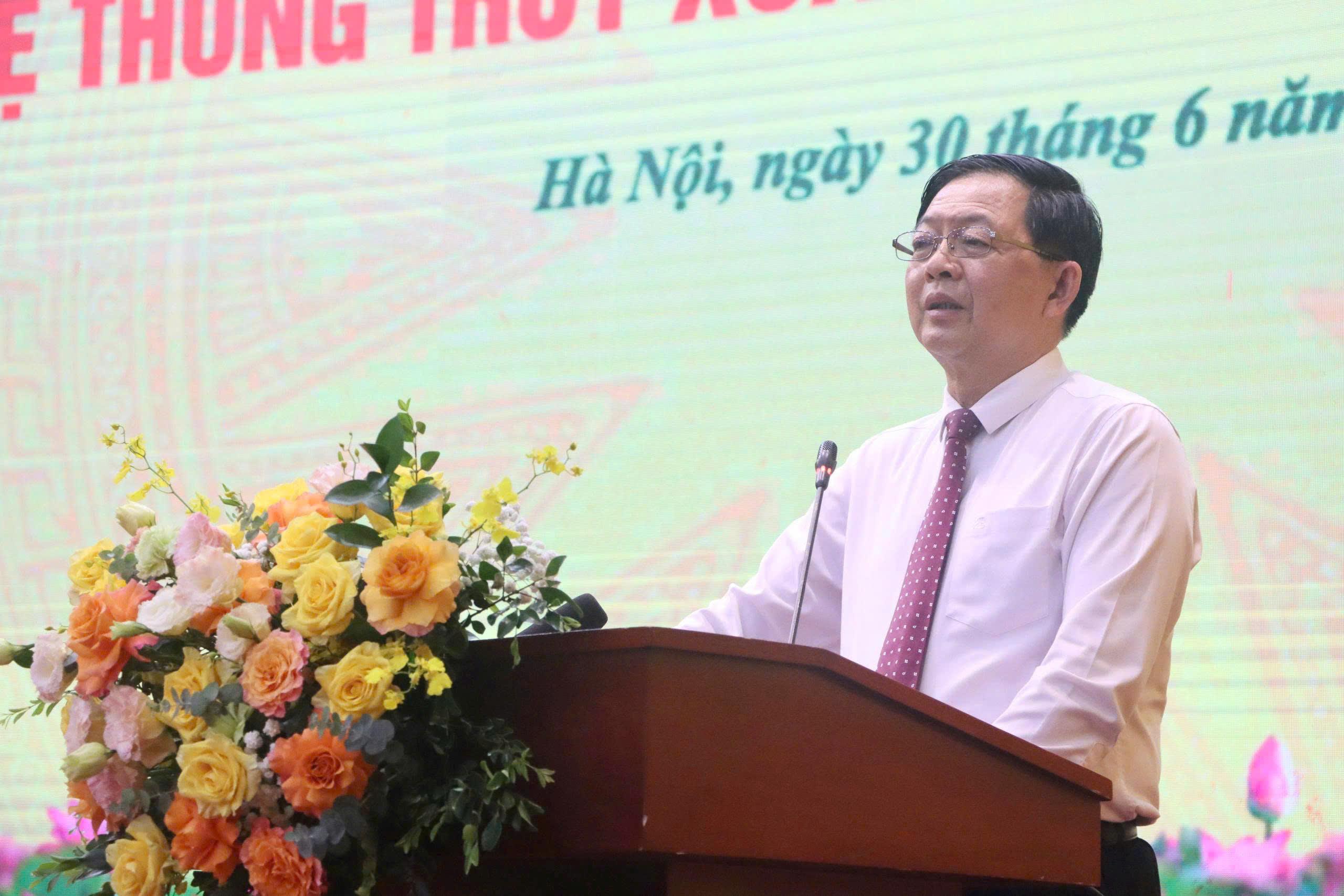
The launch of Viet Nam’s national agricultural product traceability system marks a new step in the digital transformation of the agriculture sector, supporting data-driven public administration, improving product quality management, and strengthening the competitiveness of Vietnamese agricultural products in global markets.
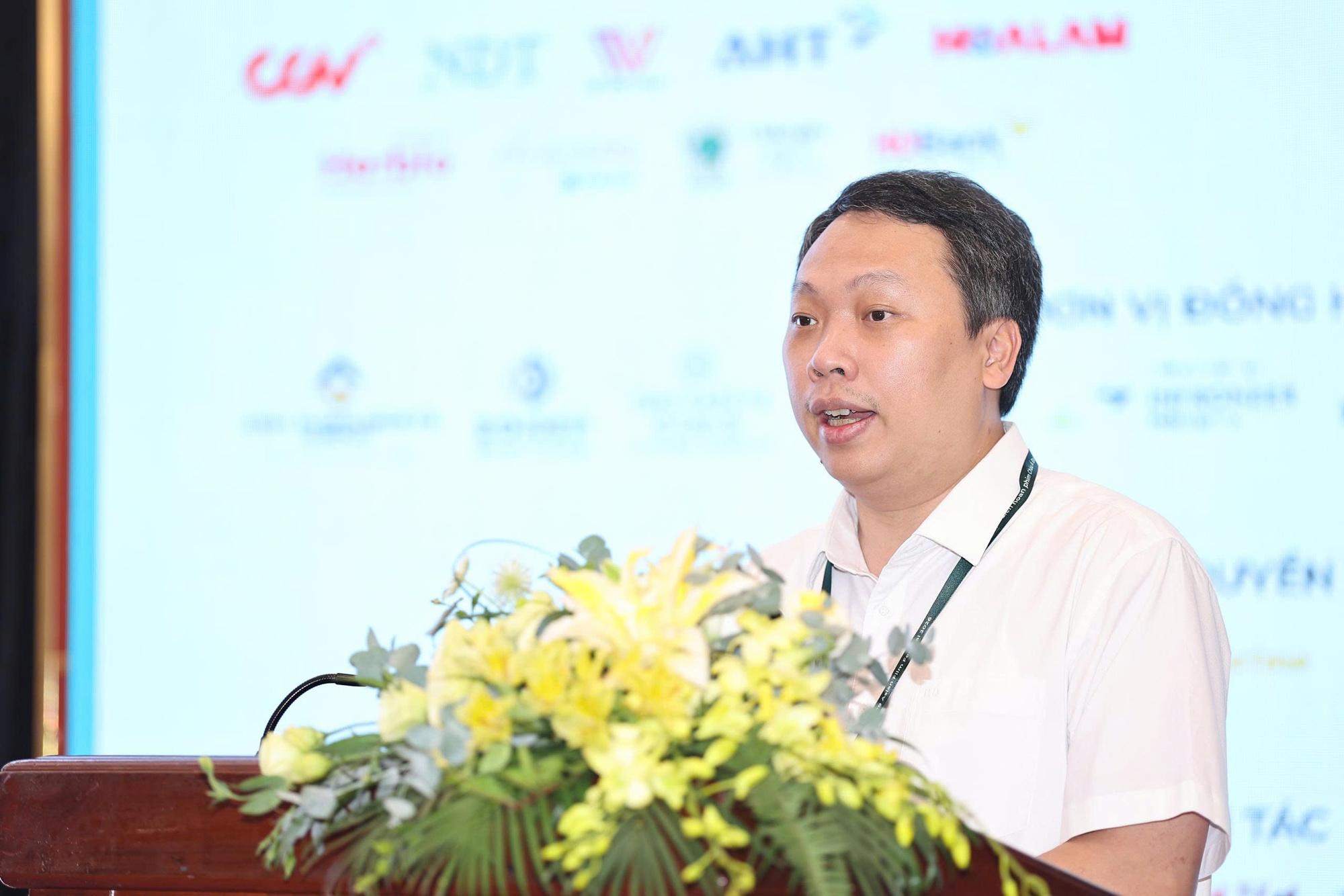
A conference titled “Artificial intelligence, digital technology and intellectual property protection in cinema” was held on June 30 in Da Nang as part of the 4th Da Nang Asian Film Festival (DANAFF IV).