



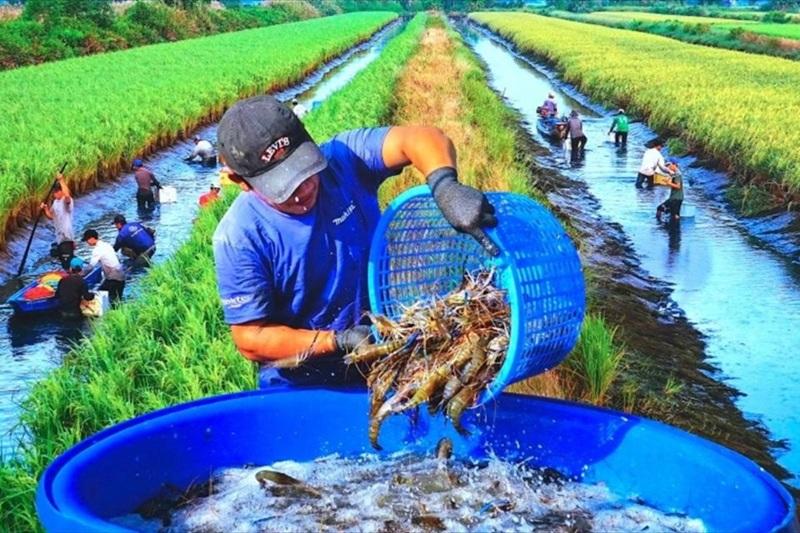
 In the U Minh Thuong area (formerly Kien Giang province, now part of An Giang), the shrimp–rice system has long been regarded as a key production model. Yet in recent years, the system has been under pressure due to salinization, soil degradation, and continuous shrimp farming, all of which have contributed to declining yields and deteriorating water quality. A research team from Can Tho University conducted a field trial using two native aquatic plant species — Nan tuong (Scirpus littoralis) and Co nuoc man (Paspalum vaginatum) — in shrimp ponds. Their findings show that these plants can improve water conditions and increase black tiger shrimp productivity by 14–21%, offering a promising biological management approach for shrimp–rice systems in the Mekong Delta.
Rising pressures on the shrimp–rice system: Salinity, soil degradation, and yield decline
U Minh Thuong is a seasonally saline region with more than 80,000 hectares dedicated to shrimp–rice production each year. However, several areas have recently experienced reduced shrimp and rice yields, and in some cases, rice fields have died off after only a short cultivation period. These issues are closely linked to long-term salinization, declining soil quality, and unstable water parameters—conditions that directly affect shrimp growth.
When rice fails, many households resort to year-round shrimp farming (two to three cycles annually). This continuous production intensifies environmental stress, increases disease risks, and destabilizes the ecological balance of shrimp–rice systems. Farmers have observed that ponds retaining certain aquatic plants tend to support better shrimp growth, but this observation has not been scientifically verified in U Minh Thuong. The lack of systematic evidence highlights the need for data-driven solutions tailored to this key production zone.
How aquatic plants improve water quality in shrimp ponds
Aquatic plants have long been recognized as important biological tools for managing water quality in aquaculture. Studies show that these plants can improve soil and water conditions, reduce nutrient pollution, limit eutrophication, and mitigate heavy metal accumulation. Fast-growing aquatic plants and algae often act as “biological filters,” absorbing excess nutrients and competing with harmful algae, thus helping maintain ecological balance.
In brackish-water shrimp farming in the Mekong Delta, low dissolved oxygen and high biological oxygen demand are common causes of low productivity. Incorporating aquatic plants into pond systems can help reduce organic matter, stabilize water quality, and support stronger shrimp growth.
Previous studies indicate that Nan tuong (Scirpus littoralis) can effectively absorb nutrients from shrimp pond effluents, reducing total nitrogen by up to 91% and total phosphorus by 44%, while increasing nitrogen content in plant tissue by 23–47%. This underscores its strong phytoremediation potential in nutrient-rich water.
Co nuoc man (Paspalum vaginatum) also performs well under saline conditions. Greenhouse experiments show that its biomass increased by a factor of 7.7 after 90 days—higher than Nan tuong (4.03). This vigorous growth allows the species to play an active role in nutrient uptake and water stabilization.
These biological characteristics justify selecting these two native plants for experimental evaluation in shrimp ponds within the shrimp–rice system of U Minh Thuong.
Field experiment to evaluate aquatic vegetation in shrimp ponds
The trial was carried out from August to December 2020 in Kim Quy B Hamlet, Van Khanh Commune (An Minh District, Kien Giang Province), an area where many rice fields can no longer be cultivated due to persistent salinity. Based on preliminary screening, Paspalum vaginatum and Scirpus littoralis—the most salt-tolerant among surveyed aquatic species—were selected for field testing. The plants were cleaned, trimmed, and planted on ridges covering 25% of the pond surface to enable clear comparisons with non-vegetated ponds.
The experiment consisted of three treatments arranged in a completely randomized design, with four replicates per treatment and a plot size of 500 m²: (1) Control (no aquatic plants); (2) Ponds planted with Paspalum vaginatum; (3) Ponds planted with Scirpus littoralis. Black tiger shrimp (Penaeus monodon) were stocked at 8 individuals/m² under an extensive system with supplemental feeding from 1.5 months onward. No water exchange was applied, and pond preparation followed guidelines from the Kien Giang Agricultural Extension Center.
Water quality indicators—including salinity, pH, alkalinity, dissolved oxygen, and ammonium—were monitored regularly. Shrimp growth was assessed at 45, 75, 90, and 127 days of culture. Data were analyzed using ANOVA and Duncan’s test at P < 0.05.
Aquatic plants as biological filters: Clear gains in water quality and shrimp growth
The presence of Scirpus littoralis and Paspalum vaginatum significantly improved multiple water parameters compared with the control ponds. Salinity ranged from 7.2–14.6‰ across treatments, but plant-based treatments maintained more stable salinity levels and avoided dips below 10‰ observed in control ponds.
Water pH in the control increased to 8.7 at the end of the crop—higher than recommended for black tiger shrimp—while plant-based ponds maintained pH around 7.7, a more suitable range for shrimp growth.
Alkalinity remained within the recommended range of 100–142 mg/L but was consistently higher in the vegetated ponds from weeks 3 to 13, with statistically significant differences.
Dissolved oxygen ranged from 4.0–5.4 mg/L in ponds with vegetation, higher than the control and within the optimal range for shrimp development. Meanwhile, ammonium concentrations in the control fluctuated between 1.1–2.7 mg/L, at times exceeding the recommended threshold (<1.5 mg/L). In contrast, vegetated ponds maintained ammonium levels between 1.33–1.63 mg/L.
These improvements translated into higher survival and biomass. Ponds planted with Scirpus littoralis recorded the highest survival and yield, followed by Paspalum vaginatum. Final shrimp productivity increased by 21% and 14%, respectively—both statistically significant and practically meaningful.
A biological approach to sustainable shrimp–rice farming amid climate stress
Findings from the study demonstrate that planting Scirpus littoralis and Paspalum vaginatum in shrimp ponds can significantly improve water quality—enhancing pH stability, alkalinity, dissolved oxygen, and ammonium levels—while increasing shrimp survival and yield. With productivity gains of 14–21%, this approach holds strong potential for real-world application in U Minh Thuong, where shrimp–rice systems are under growing pressure from salinization and continuous shrimp farming.
This biological management method leverages natural ecological processes. Native aquatic plants require low investment, match the environmental conditions of smallholder farms, and sustain biomass well in brackish water. Their nutrient uptake capacity helps reduce organic accumulation and ammonium buildup—common problems in year-round shrimp farming. Compared to chemical treatments, plant-based solutions lower input dependency and operational costs.
More stable salinity and pH conditions also support shrimp resilience amid increasingly unpredictable weather patterns. Additionally, plant cover provides shelter, enhances ecological diversity, and supports natural food webs within ponds.
The study provides scientific evidence for developing technical recommendations for sustainable shrimp–rice models. The use of aquatic vegetation covering 25% of pond surface—similar to the experiment—may be a practical option for farmers. The two native plant species are well adapted to the climatic and hydrological conditions of Kien Giang and the broader Mekong Delta.
Future research could examine optimal planting schedules, integration with other pond management practices, or comparisons with additional native species. Long-term assessments may also clarify impacts on soil quality and system stability over multiple production cycles.
Overall, the use of Scirpus littoralis and Paspalum vaginatum represents a promising biological measure that can help maintain both economic viability and ecological sustainability in shrimp–rice systems. In the context of climate adaptation and increasing environmental pressures, this solution can become a viable management pathway for brackish-water aquaculture areas across the Mekong Delta.
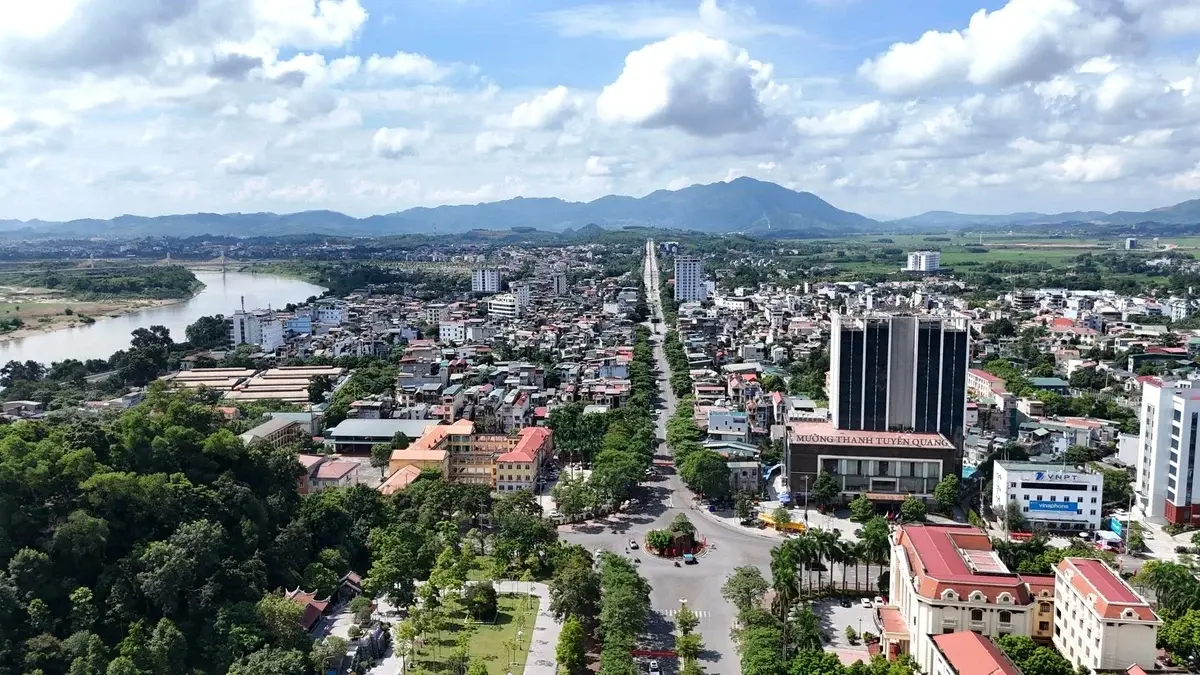
As land management becomes increasingly digitized, greater attention is being paid to organizing data in an integrated manner and making it accessible through digital mapping platforms. A study by Nguyen Dinh Trung of the Faculty of Natural Resources and Environment, Viet Nam National University of Agriculture, developed a land price database for four wards in Tuyen Quang Province by combining cadastral data, land price information, and field survey results. The database was organized using a GIS-based approach, linking land price information to individual land parcels and facilitating data updating and retrieval.
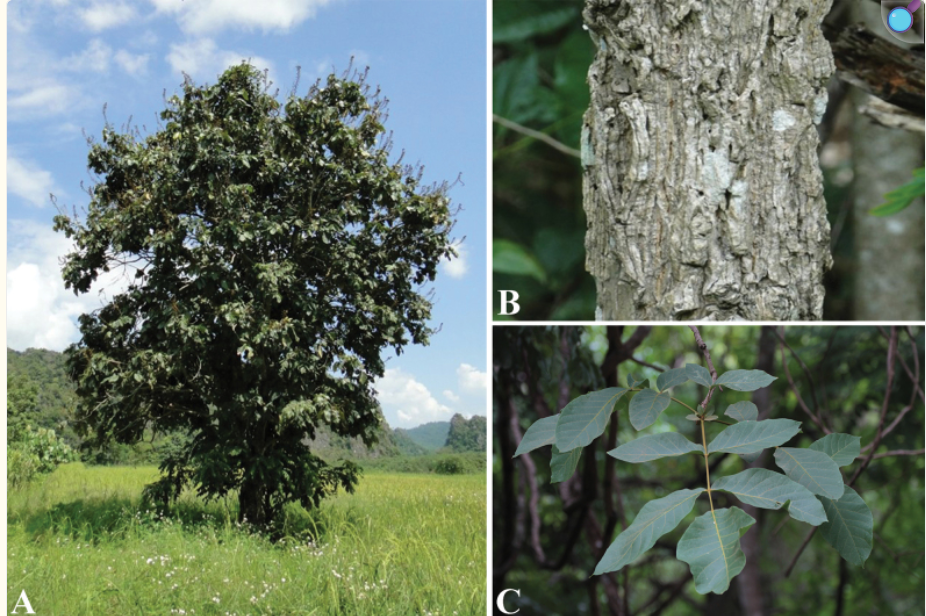
The Than Sa–Phuong Hoang Nature Reserve in Thai Nguyen province is one of northern Viet Nam's most important special-use forests, recognized for its high biodiversity and its role in conserving numerous rare and threatened plant and animal species. A study conducted by Le Van Phuc and colleagues provides a comprehensive assessment of the biological and ecological characteristics, as well as the natural regeneration capacity, of two endangered and rare Fernandoa species. The findings not only strengthen the scientific basis for species conservation but also highlight the importance of natural forest ecosystems in maintaining Viet Nam's valuable plant genetic resources.
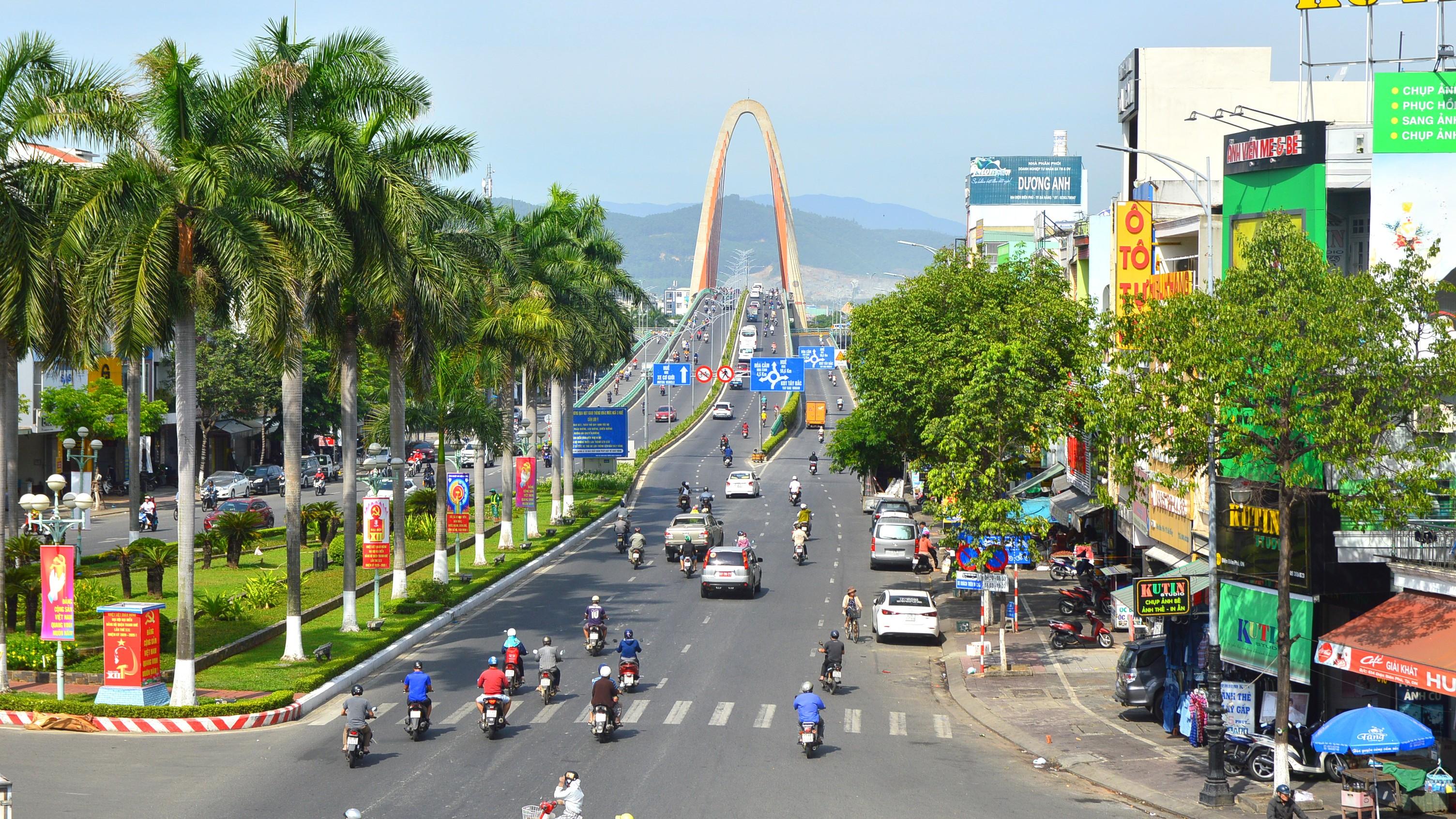
Street trees contribute to providing shade, improving the urban environment, and shaping the appearance of cities. For an urban tree system to develop sustainably, species selection, the provision of adequate growing space, and coordination with technical infrastructure need to be considered in an integrated manner. A study by researchers from the University of Agriculture and Forestry, Hue University, examined the street-tree system in the Han river and Eastern Coastal Zone of Da Nang City, identifying strengths and limitations in planting, maintenance, and management practices and proposing management and development approaches better suited to the characteristics of each area.
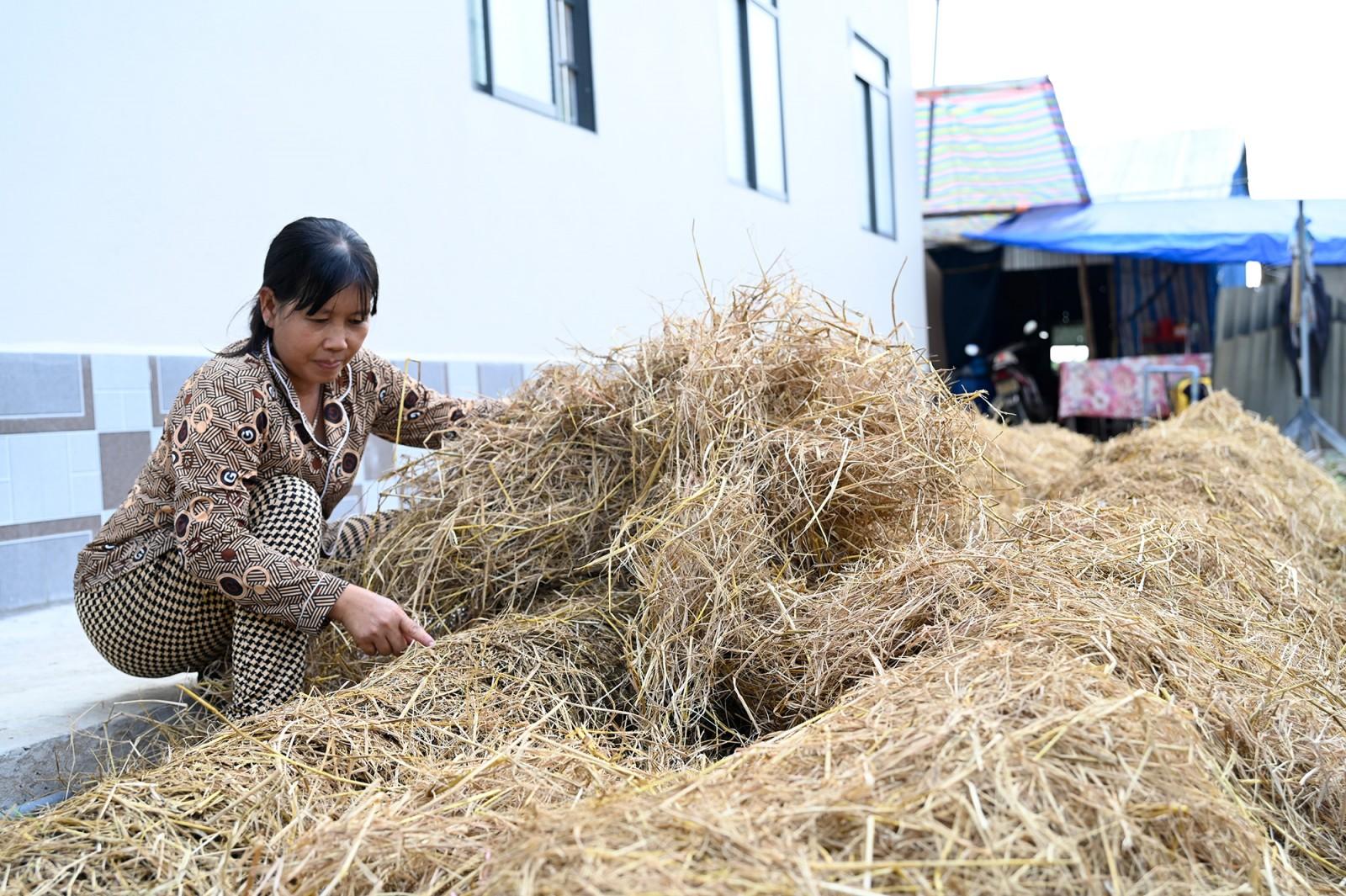
The 2020–2025 period witnessed significant changes in Viet Nam’s legal framework governing land, environmental protection, water resources, and state management, providing an additional legal basis for the development of a circular agricultural economy in Viet Nam. A study by Nguyen Thi Lanh, Nguyen Van Linh, and Nguyen Thanh Giao shows that these changes center on four main policy instruments: expanding the multi-purpose land use mechanism, strengthening technical regulations governing secondary agricultural materials, establishing incentives for water resources and green credit, and enhancing the decentralization of environmental management and monitoring at the grassroots level.
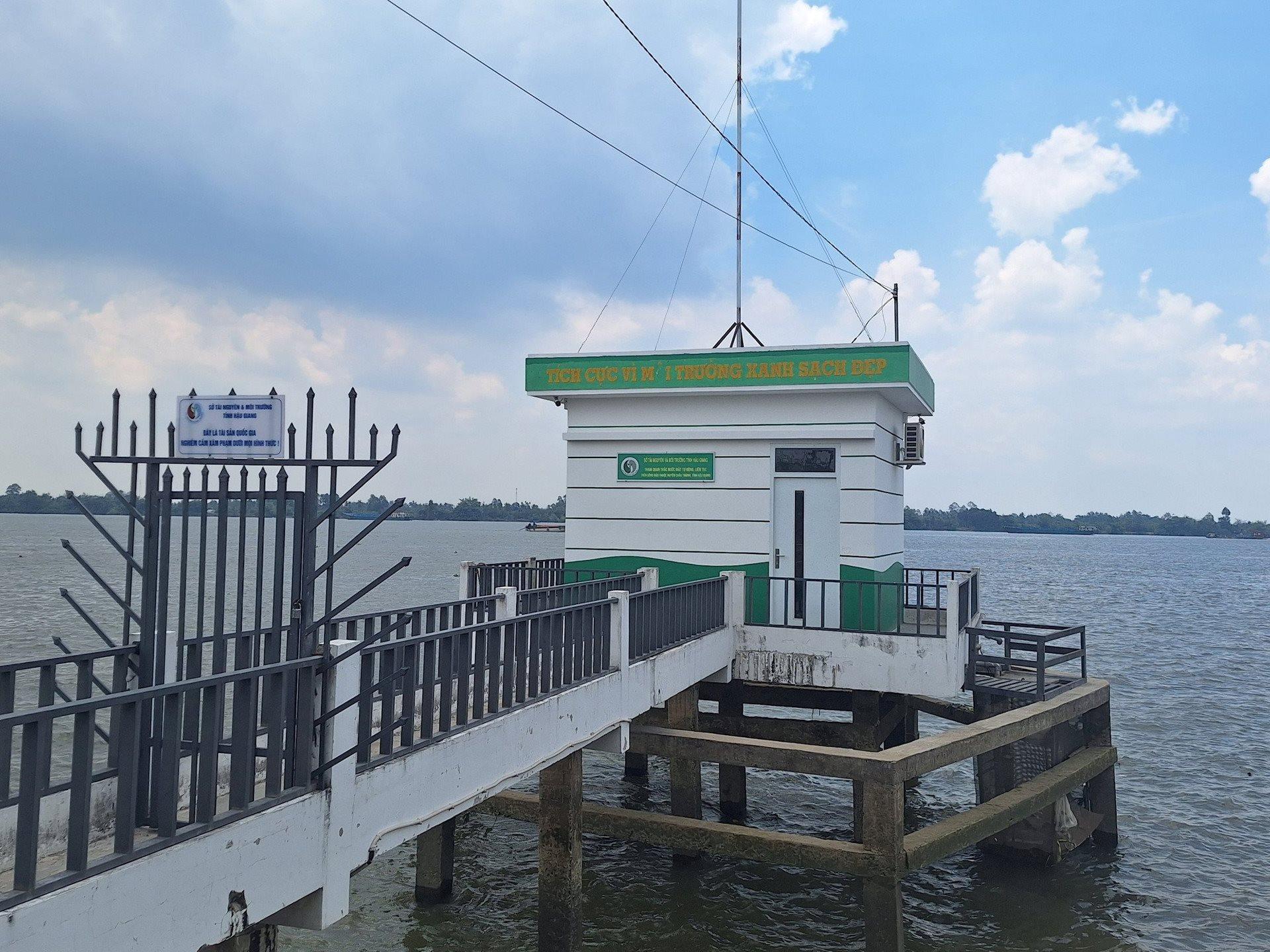
As pressure from water pollution continues to intensify and environmental management moves toward more modern approaches, the transition from conventional manual monitoring to real-time digital data-based monitoring has become an inevitable trend. A study conducted by researchers from Can Tho University and the Can Tho Department of Agriculture and Environment examines this transition through an analysis of Vietnam's legal framework on environmental protection and water resources during the 2020–2025 period. The findings clarify the foundation for a transparent, proactive, and data-driven water quality management model in Viet Nam.