



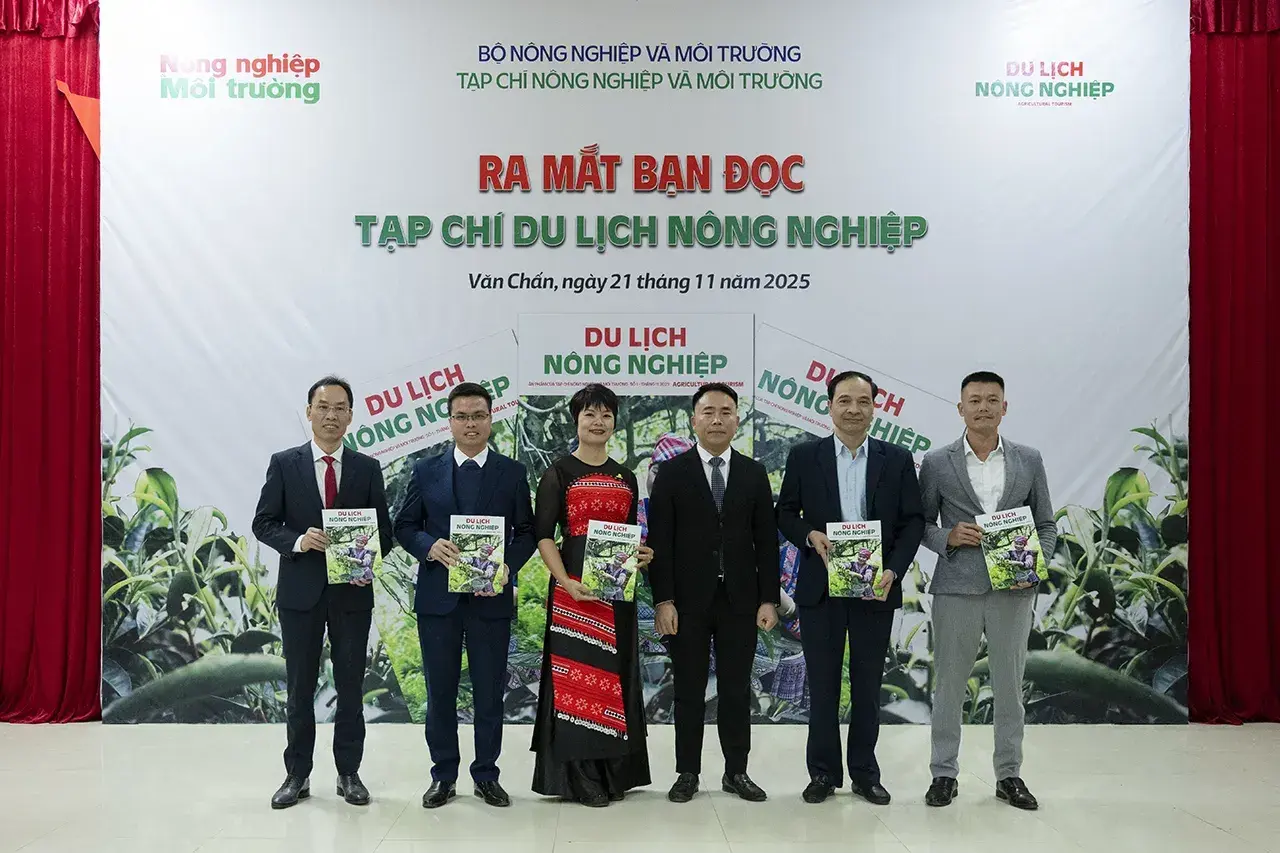
 On November 21 in Lao Cai province, Agriculture and Environment Magazine, in collaboration with the People’s Committee of Van Chan Commune, organized a workshop titled “Developing and elevating the value of Shan Tuyet tea” ...
The event brought together a large number of central and local delegates. From central agencies, participants included: Ms. Hoang Thi Hanh, Former Deputy Minister and Vice Chair of the Committee for Ethnic Minority Affairs; Dr. Dao Xuan Hung, Editor-in-Chief, Agriculture and Environment Magazine; Assoc. Prof. Dr. Pham Anh Tuan, Director of the Vietnam Institute of Agricultural Engineering and Post-harvest Technology (VIAEP); Historian Duong Trung Quoc; Mr. Hoang Vinh Long, Chairman of the Vietnam Tea Association (VITAS); Mr. To Dinh Dung, Chairman of the Vietnam Aviation Science Association; Dr. Nguyen Ngoc Binh, Deputy Director, Northern Mountainous Agriculture and Forestry Science Institute; Mr. Pham Hai Quynh, Director, Asia Tourism Development Institute; Mr. Le Huy Cuong, Member of the Executive Committee of the Heritage Trees Program, Vietnam Association for Conservation of Nature and Environment (VACNE); Dr. Do Minh Ha, Lecturer, University of Science, Vietnam National University–Hanoi.
From Lao Cai Province, Ms. Vu Thi Mai Oanh, Deputy Director of the Department of Culture, Sports and Tourism, attended the workshop. Representing Van Chan Commune were Mr. Dang Duy Hien, Party Secretary and Chairman of the Commune People’s Council; and Mr. Nguyen Huu Luc, Deputy Party Secretary and Chairman of the Commune People’s Committee; together with members of the Standing Committee, leaders of subordinate units, and departmental representatives. The workshop also welcomed participants from neighboring Shan Tuyet–growing communes, including Son Luong, Phinh Ho, A Mu Sung, Bac Ha, and Ta Cu Ty.
From the business community, attendees included Mr. Nguyen Cong Han, Chairman of the Board of Directors, Dragon Tea Suoi Giang JSC; and Ms. Lam Dieu Linh, Chairwoman of Viet Cultural Media JSC and representative of the Vietlink Tea brand; along with many experts and speakers specializing in agriculture and Shan Tuyet tea. The presence of central and local press agencies helped amplify the impact of the event.
The workshop served as an important platform for exchanging insights, assessing the potential and current status of Shan Tuyet tea, and discussing strategic solutions for its sustainable development. It also aimed to promote trade, expand market access, and increase the value of Suoi Giang’s ancient specialty tea.
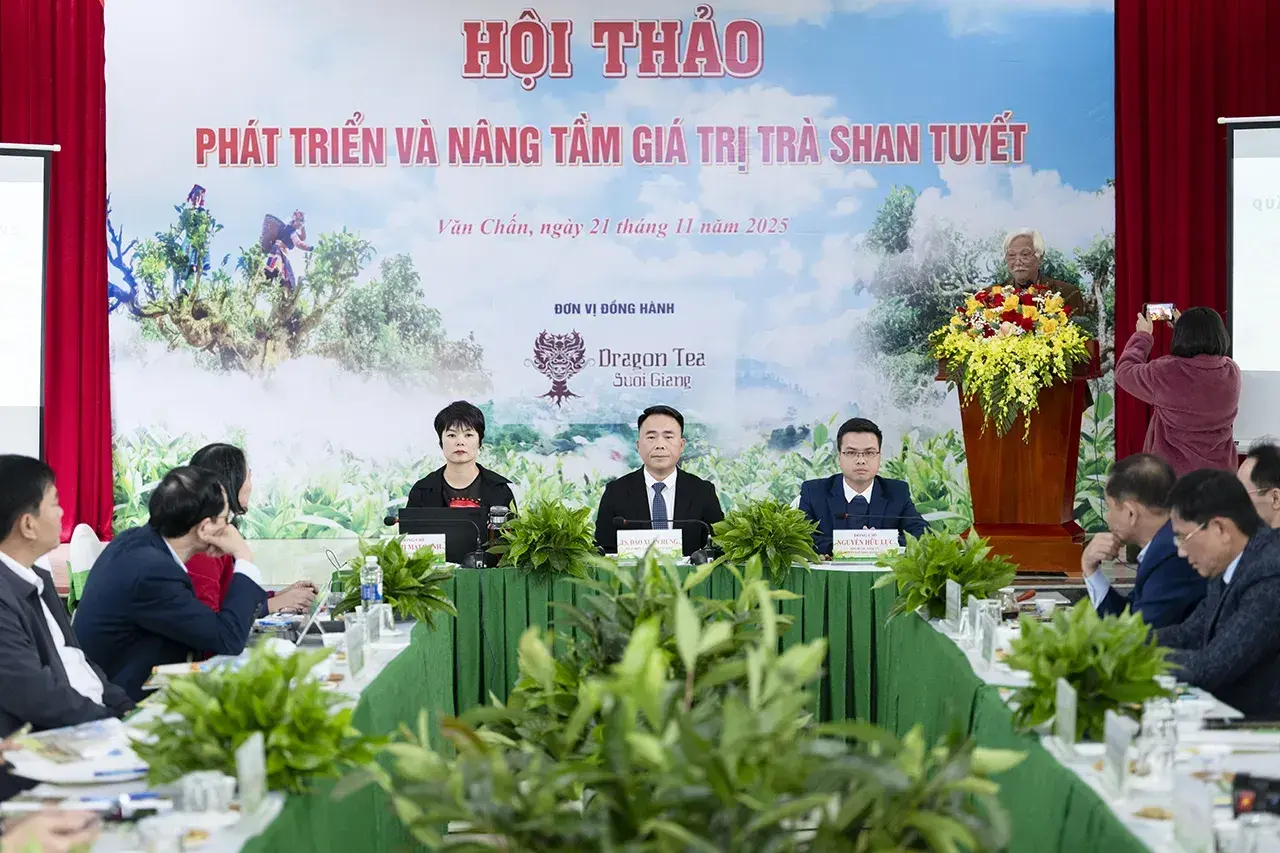
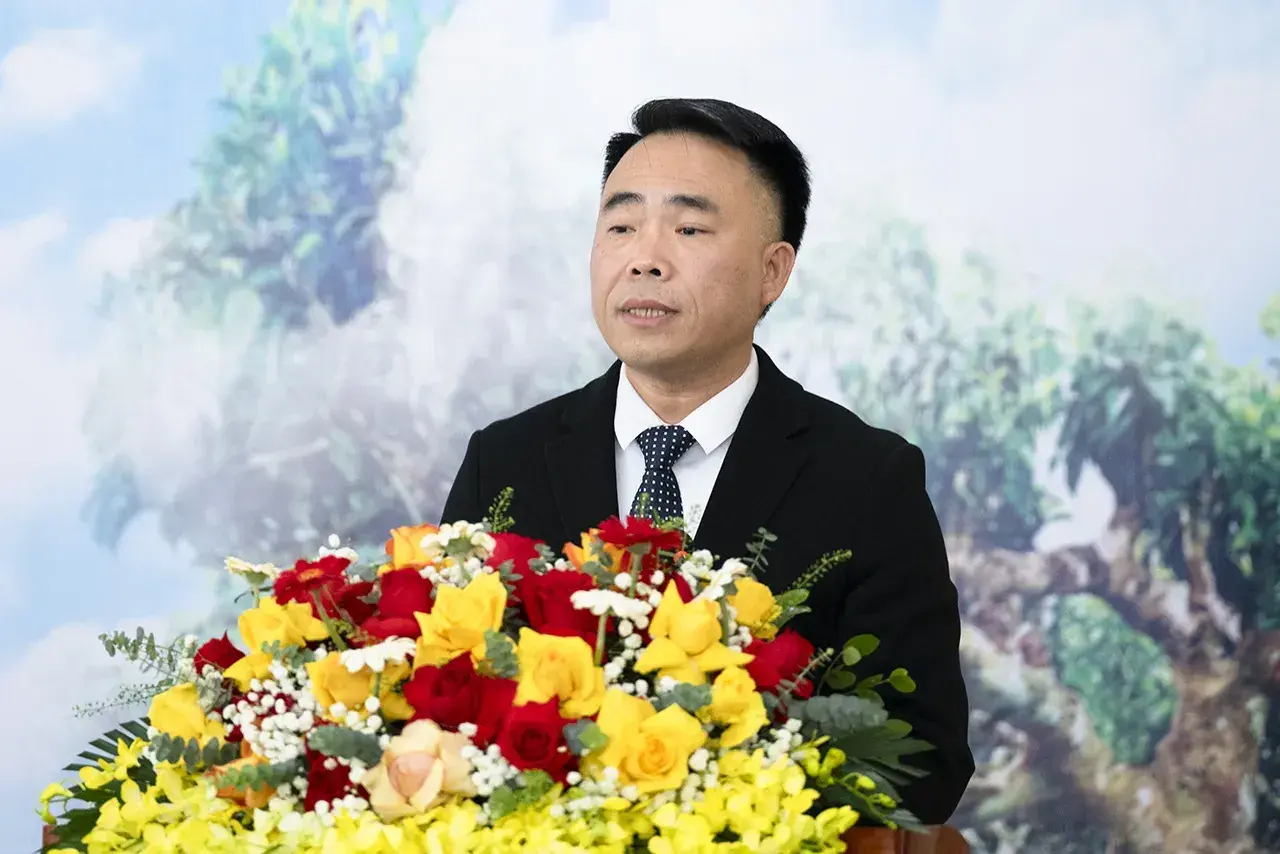
Delivering his opening remarks, Editor-in-Chief Dao Xuan Hung emphasized that the in-depth presentations, discussions, and policy recommendations put forward during the workshop would constitute an essential “identity document” for shaping a long-term strategy to position Shan Tuyet tea as a signature brand of the Northwest highlands. He noted that this will meaningfully contribute to green economic development, ecological agriculture, improved incomes and livelihoods for ethnic communities, and preservation of Suoi Giang’s precious heritage for future generations.
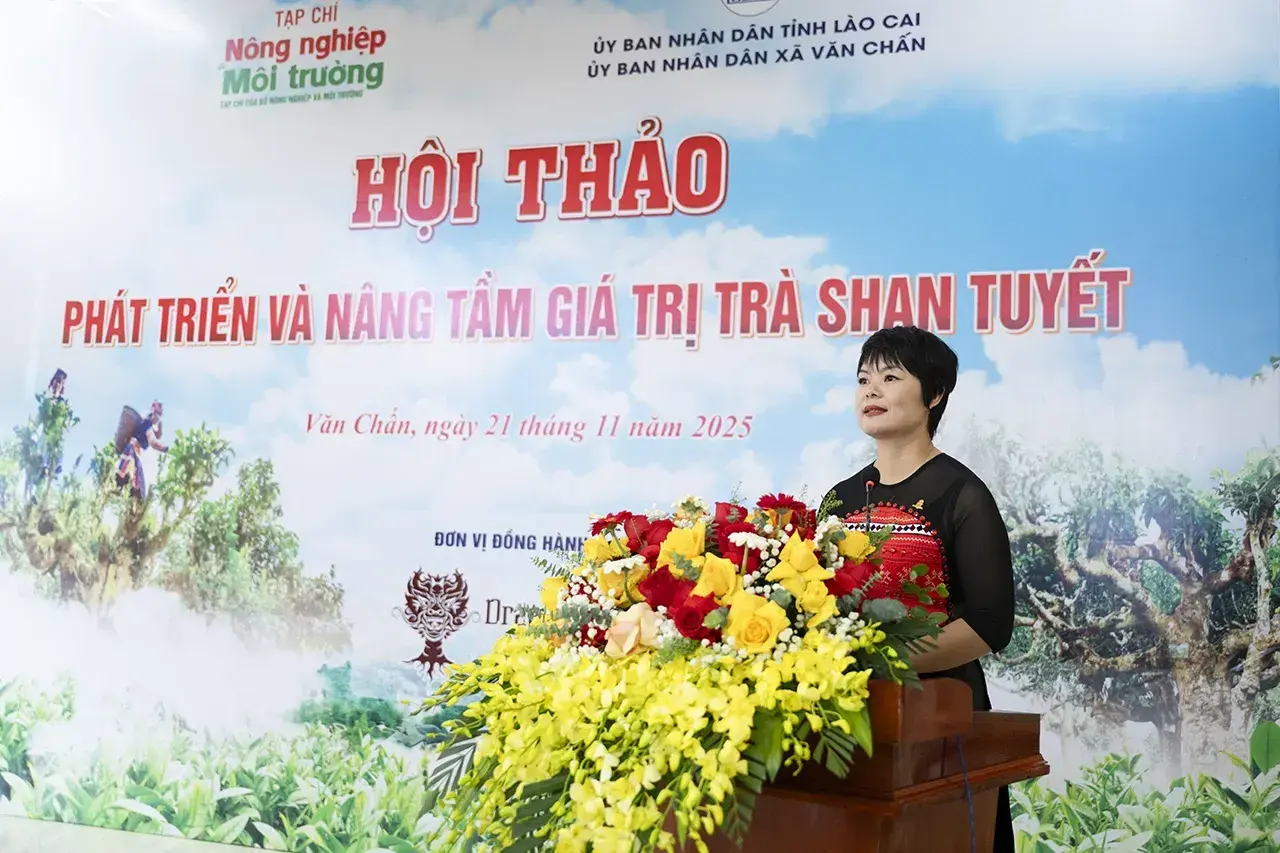
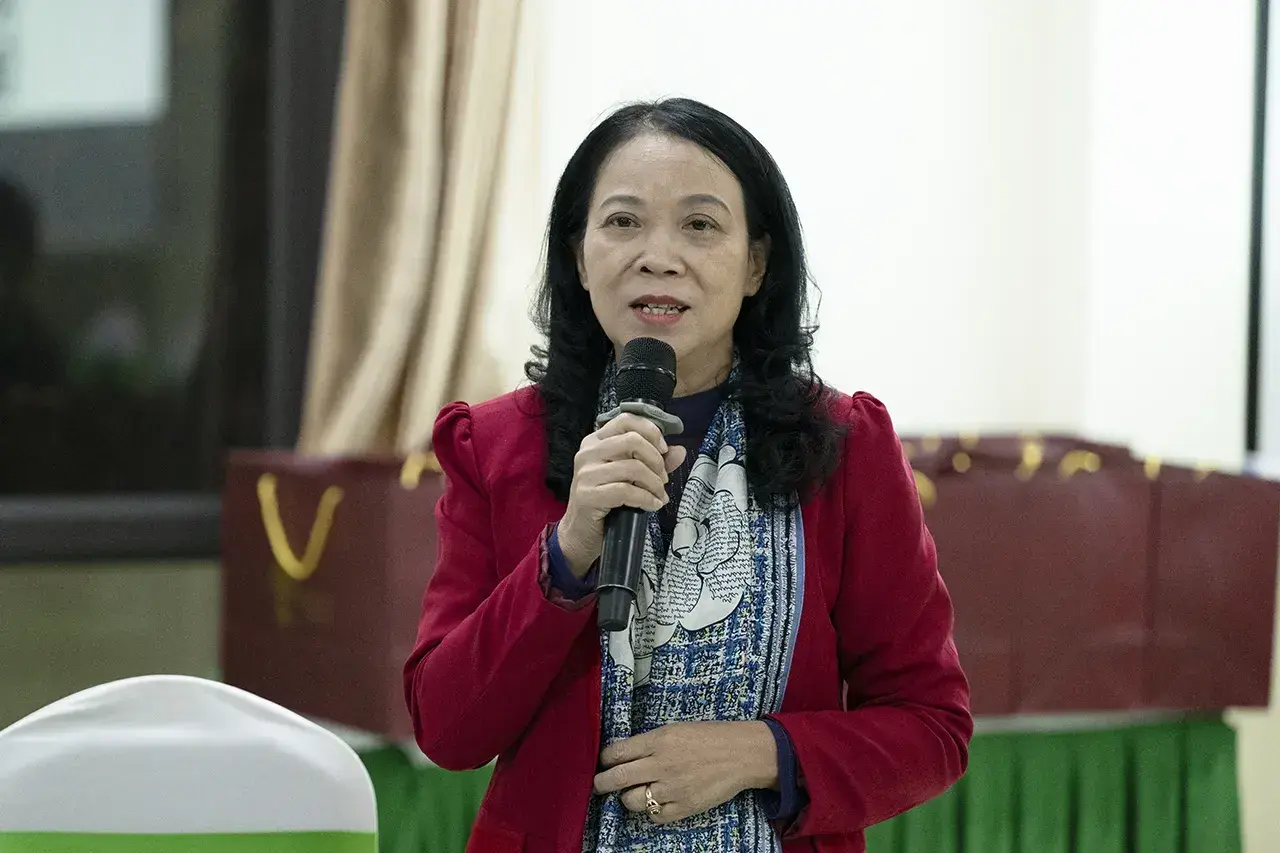
According to Ms. Vu Thi Mai Oanh, agricultural tourism can only develop when the people of Suoi Giang take genuine pride in the heritage they possess, supported by clear orientation and scientific approaches. “This is a critical moment for Lao Cai to affirm the position of Shan Tuyet tea not only domestically but also globally,” she stressed.
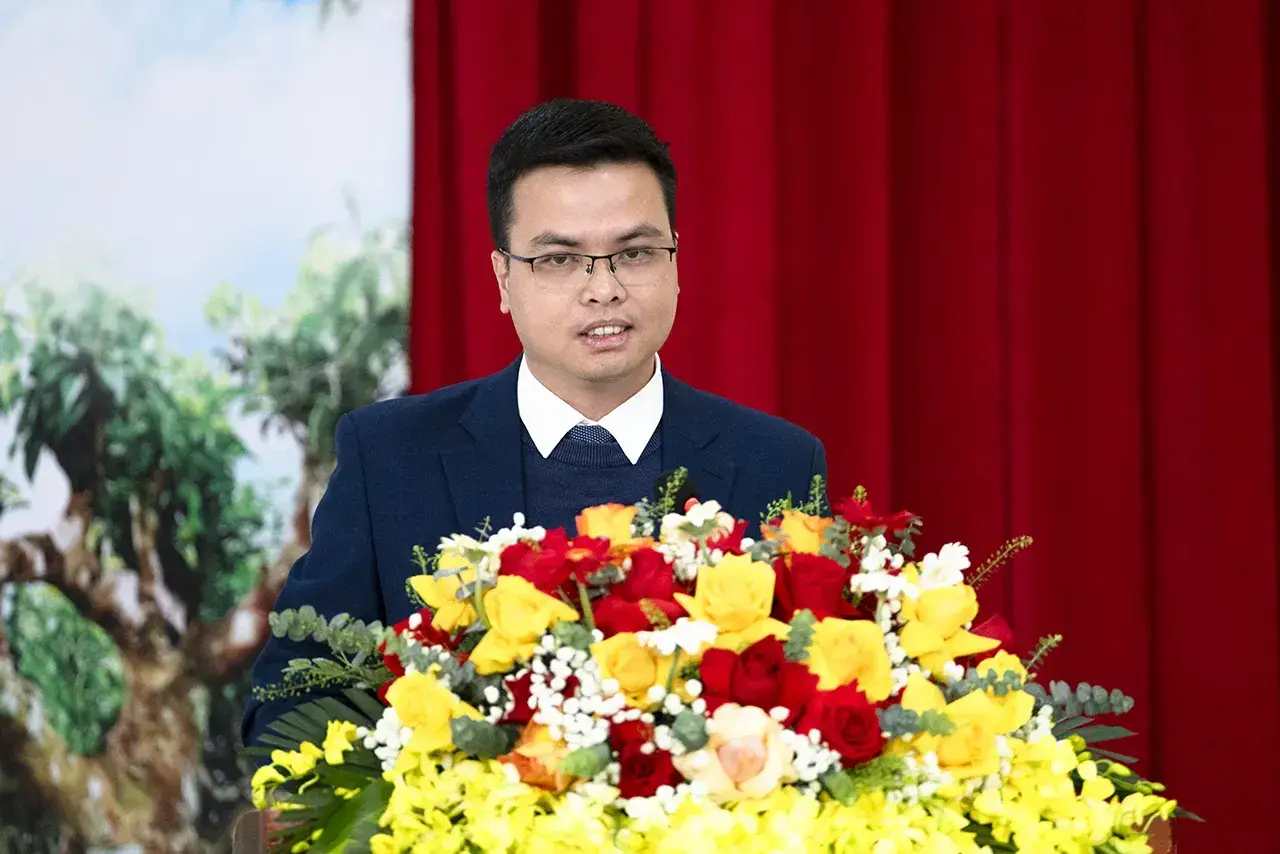
The Chairman of the Van Chan Commune People’s Committee underlined that, to develop ancient tea trees into a flagship and spearhead product for the highland economy, the commune is promoting trade activities, diversifying tea products, and targeting various consumer groups—so that Suoi Giang Shan Tuyet tea becomes not only a favored domestic product but also a competitive export to European and Asian markets.
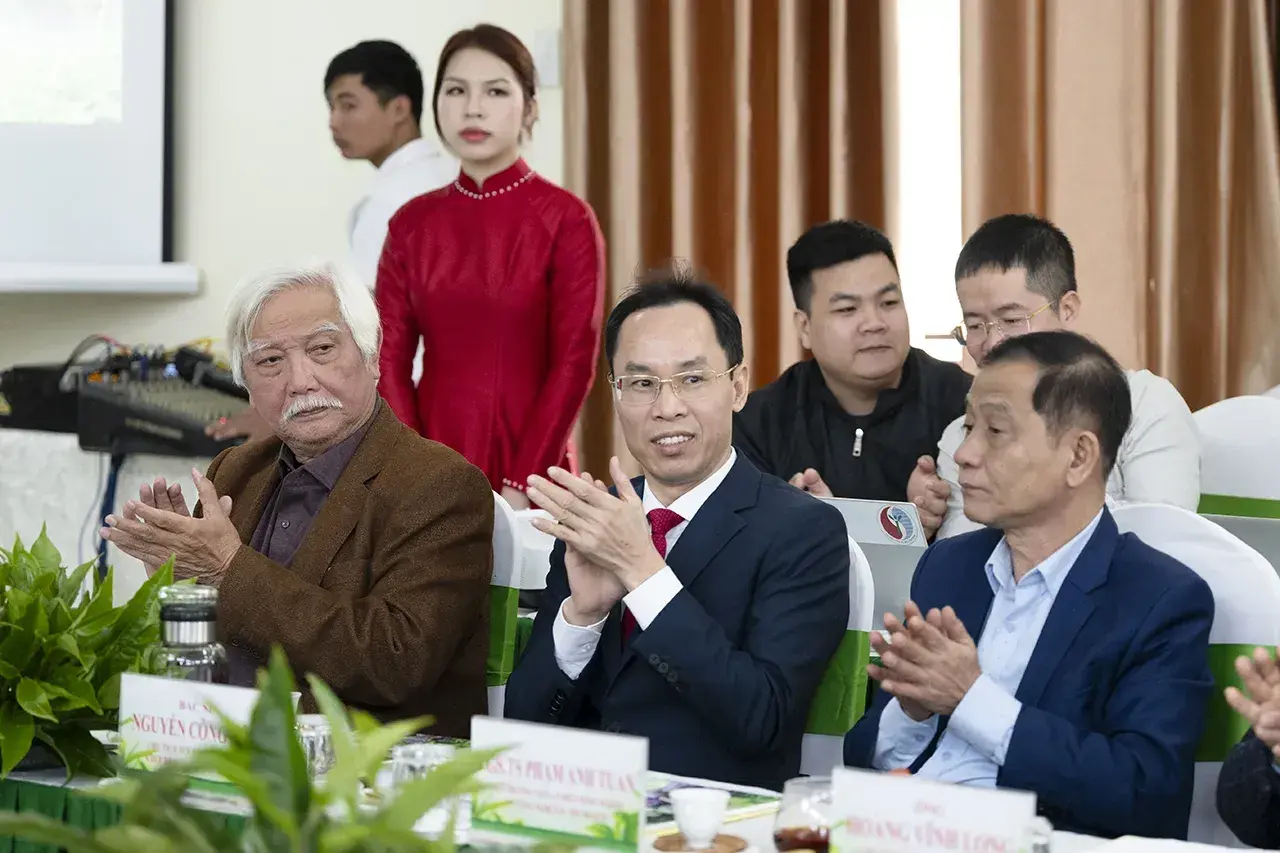
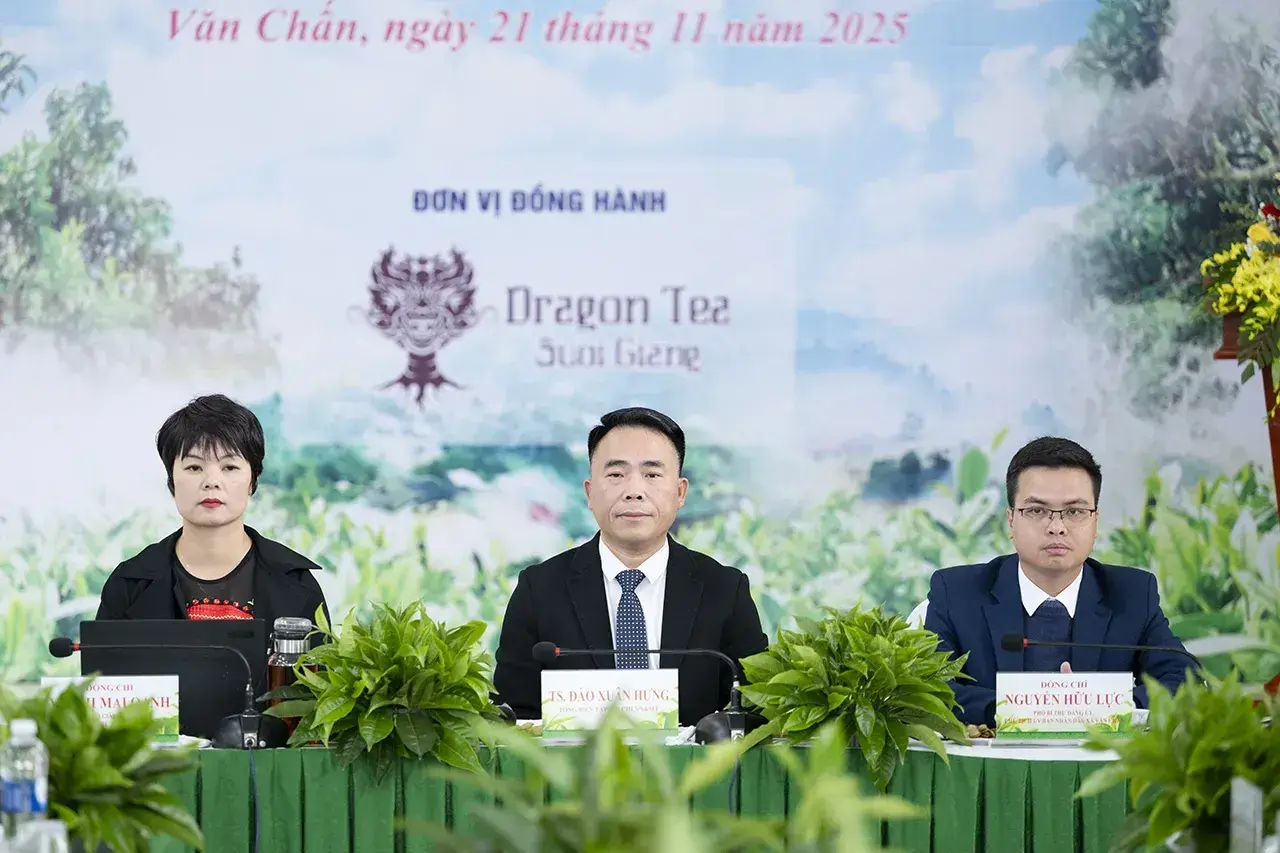
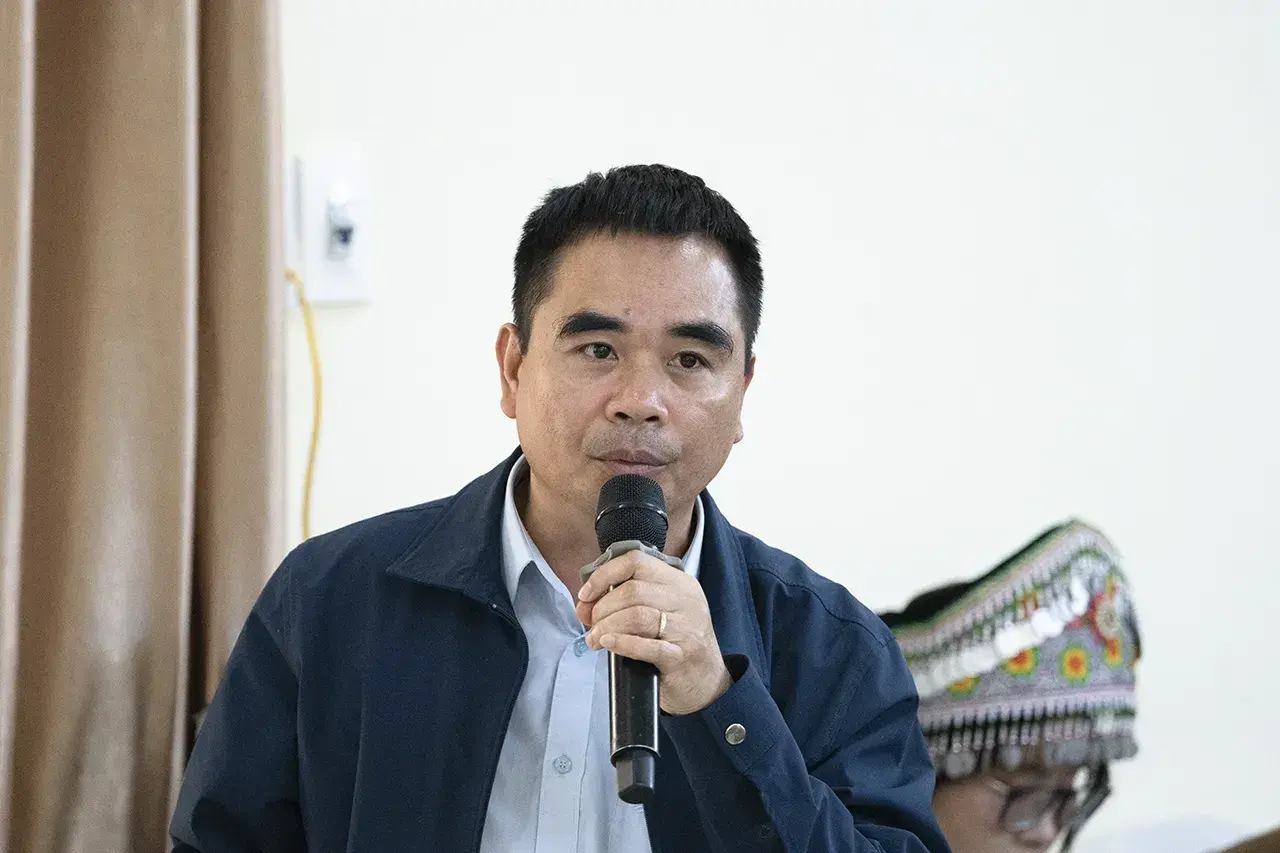
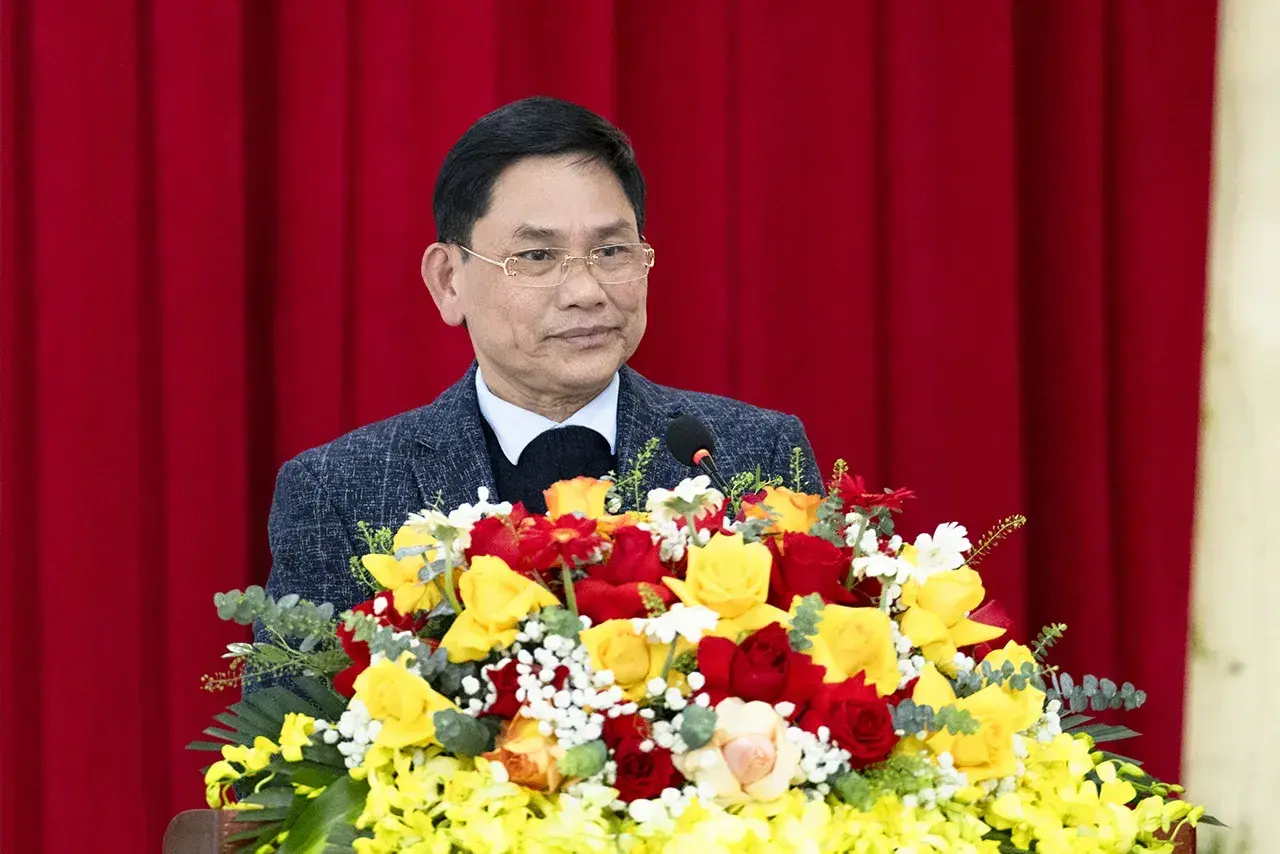
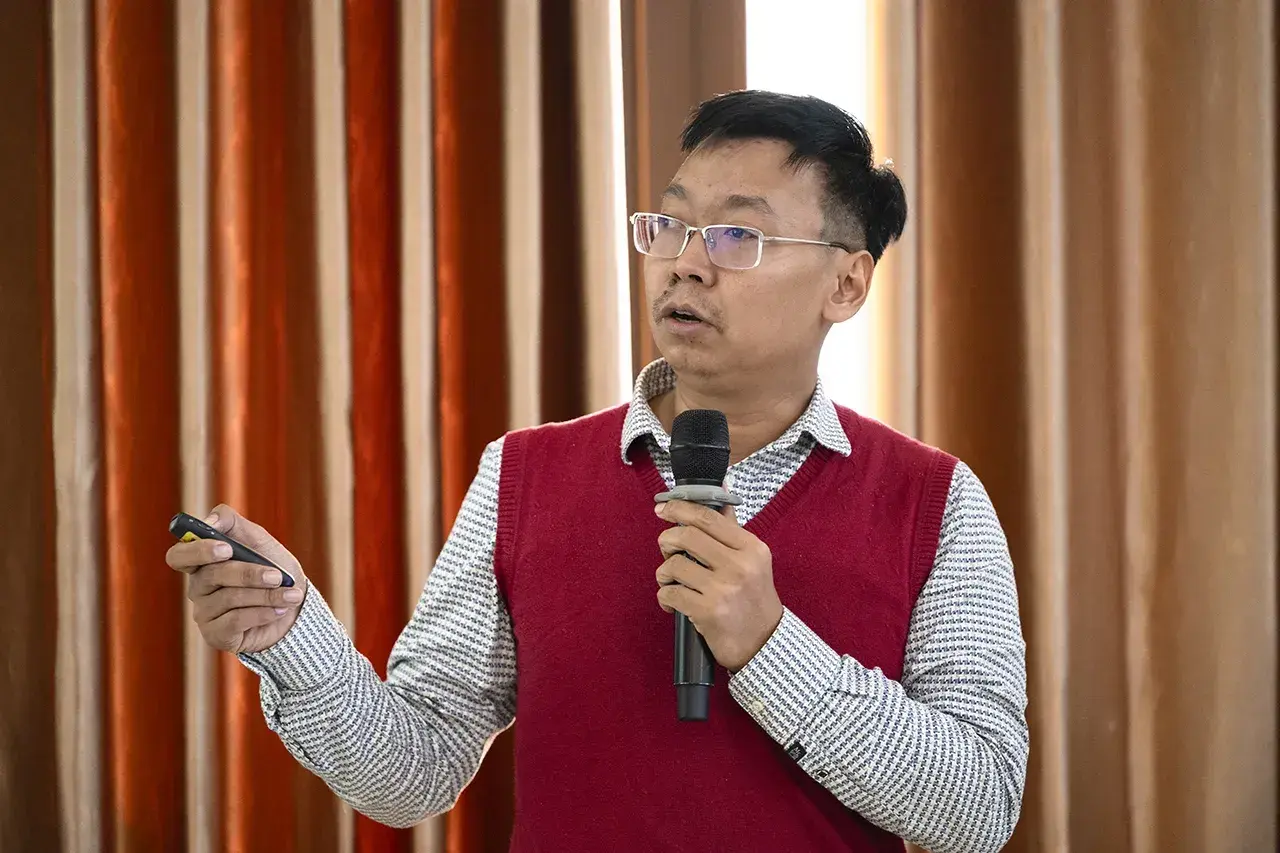
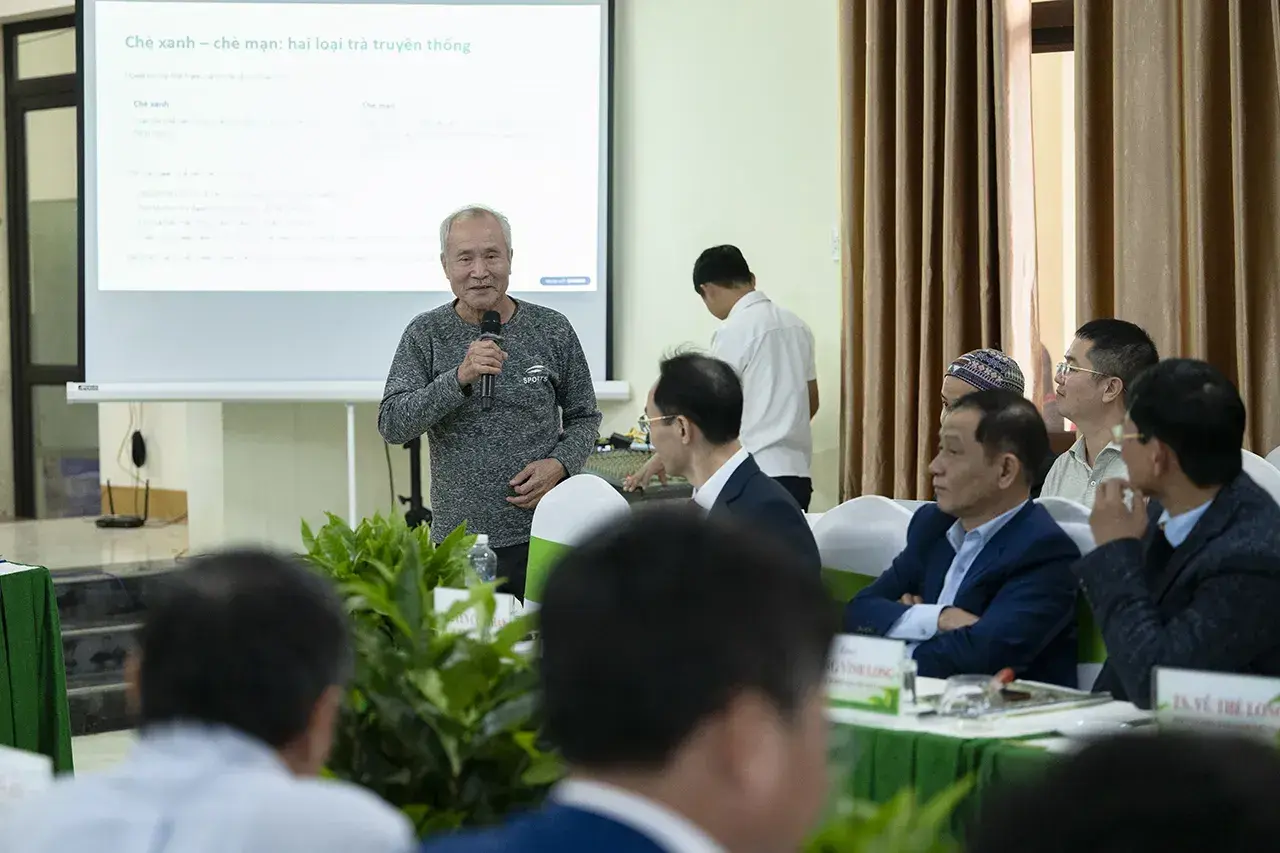
The workshop then proceeded with technical presentations from policymakers, local leaders, agricultural experts, green technology specialists, cultural scholars, historians, and leading agribusiness representatives.
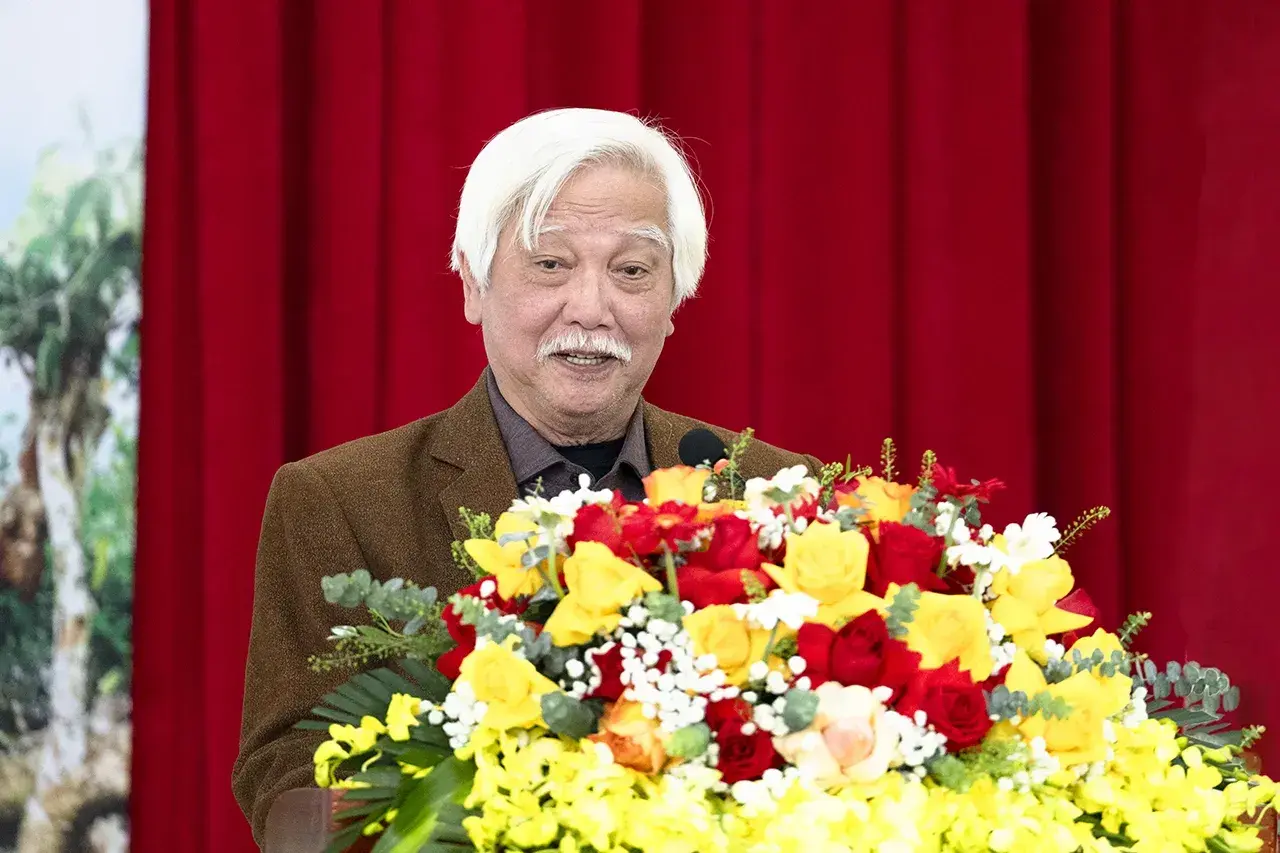
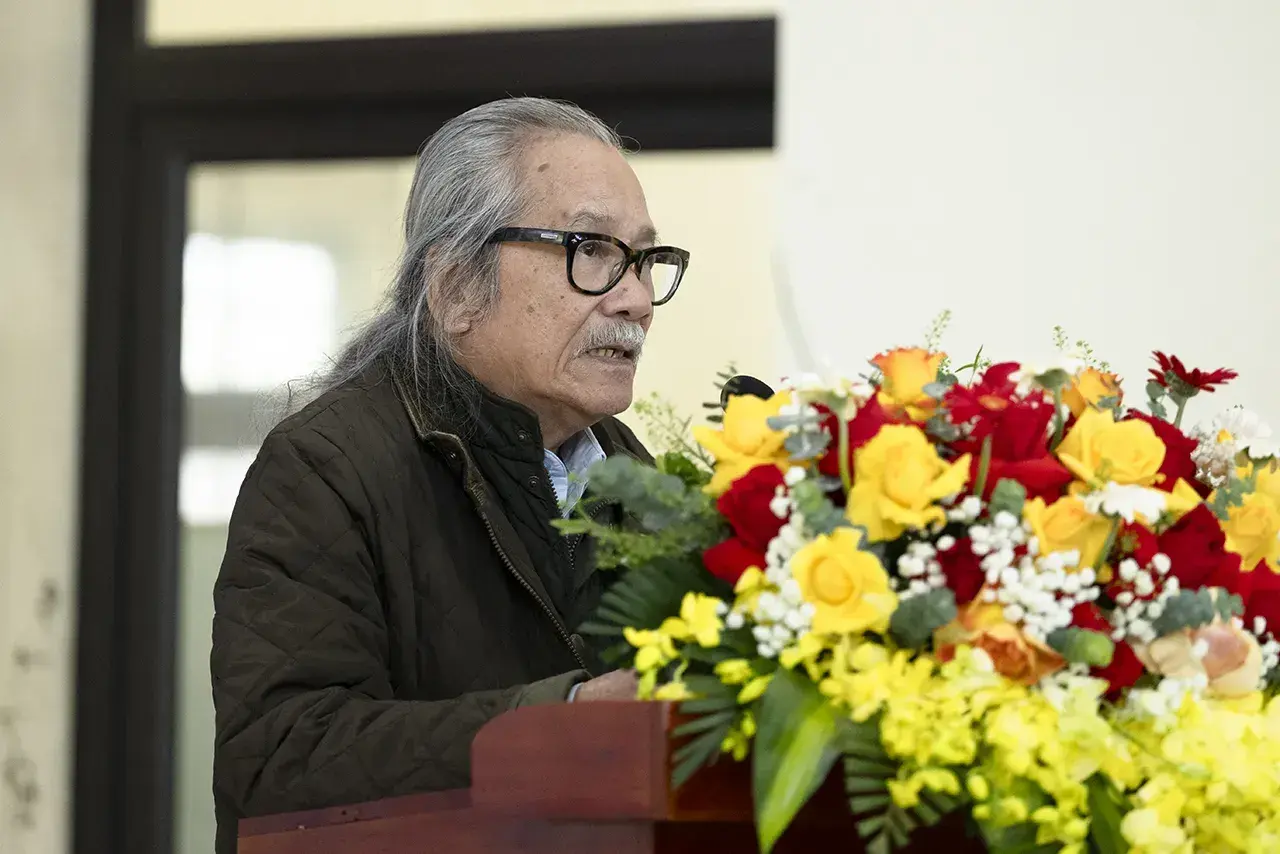
Mr. Le Huy Cuong, from the Vietnam Heritage Tree Association and VACNE, noted that Shan Tuyet tea trees grow scattered along mountain slopes, creating distinctive landscapes, attracting tourists, and generating significant income for local residents. To conserve and develop this heritage, he recommended establishing a conservation strategy, zoning tea-growing areas, developing tourism infrastructure, and establishing a heritage management unit. Collaboration among authorities, communities, and producers is essential, particularly in standardizing harvesting procedures, protecting the 400 heritage trees, and promoting cultural values.
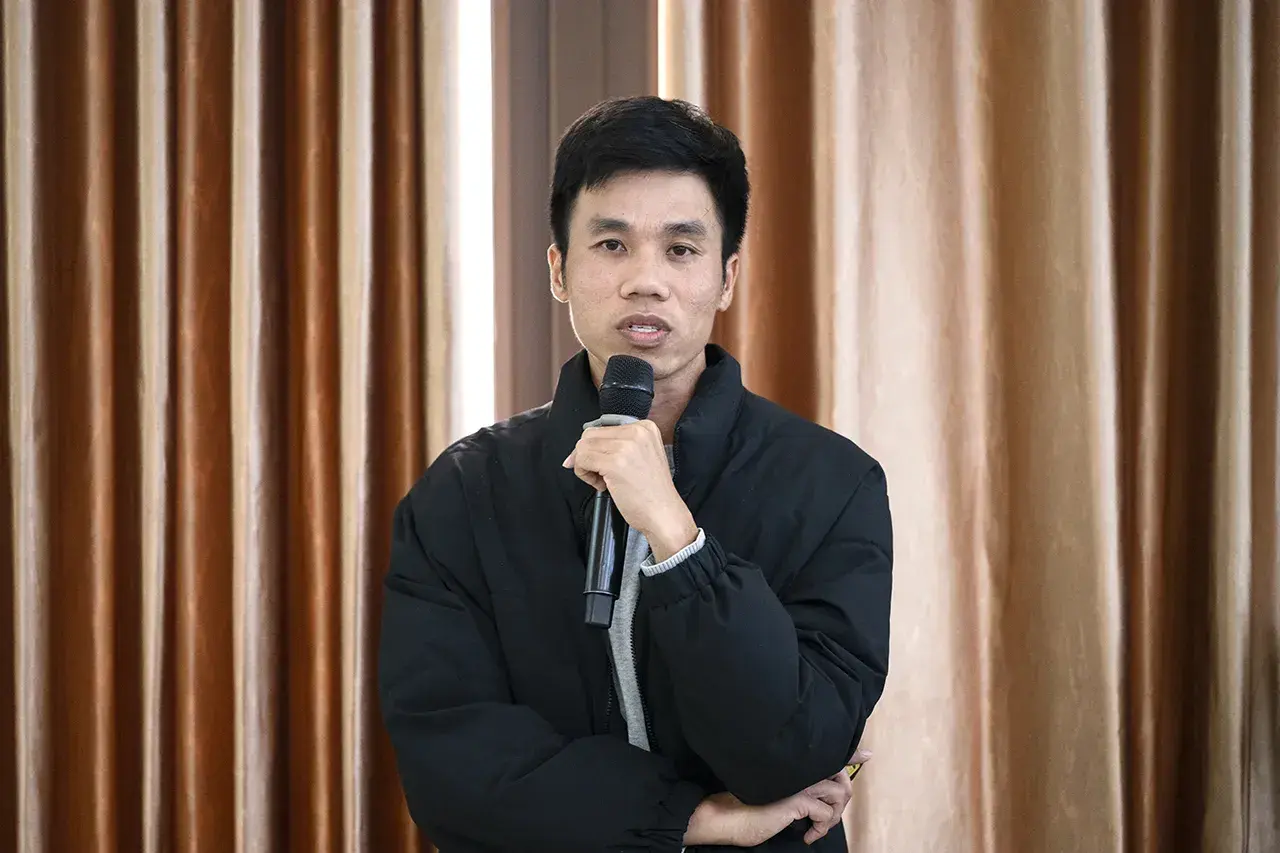

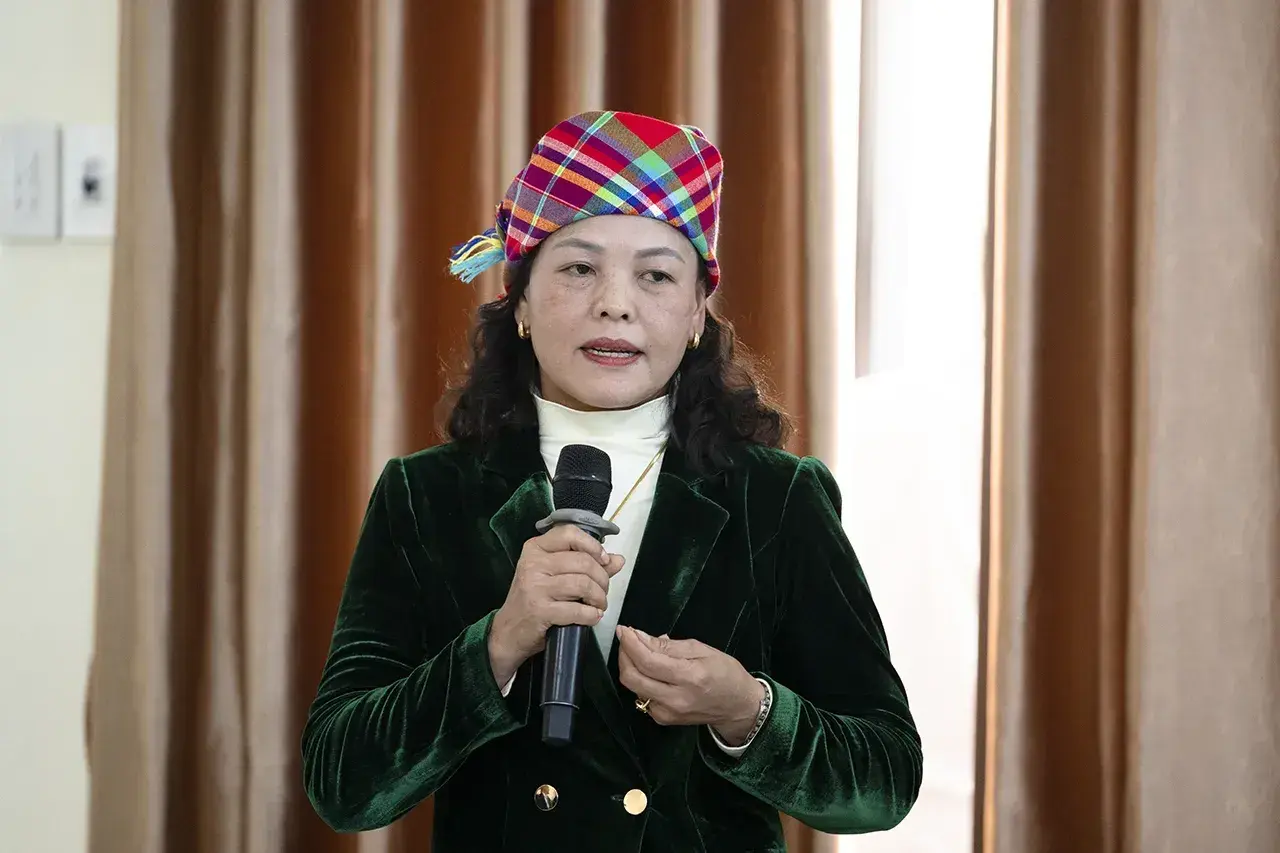
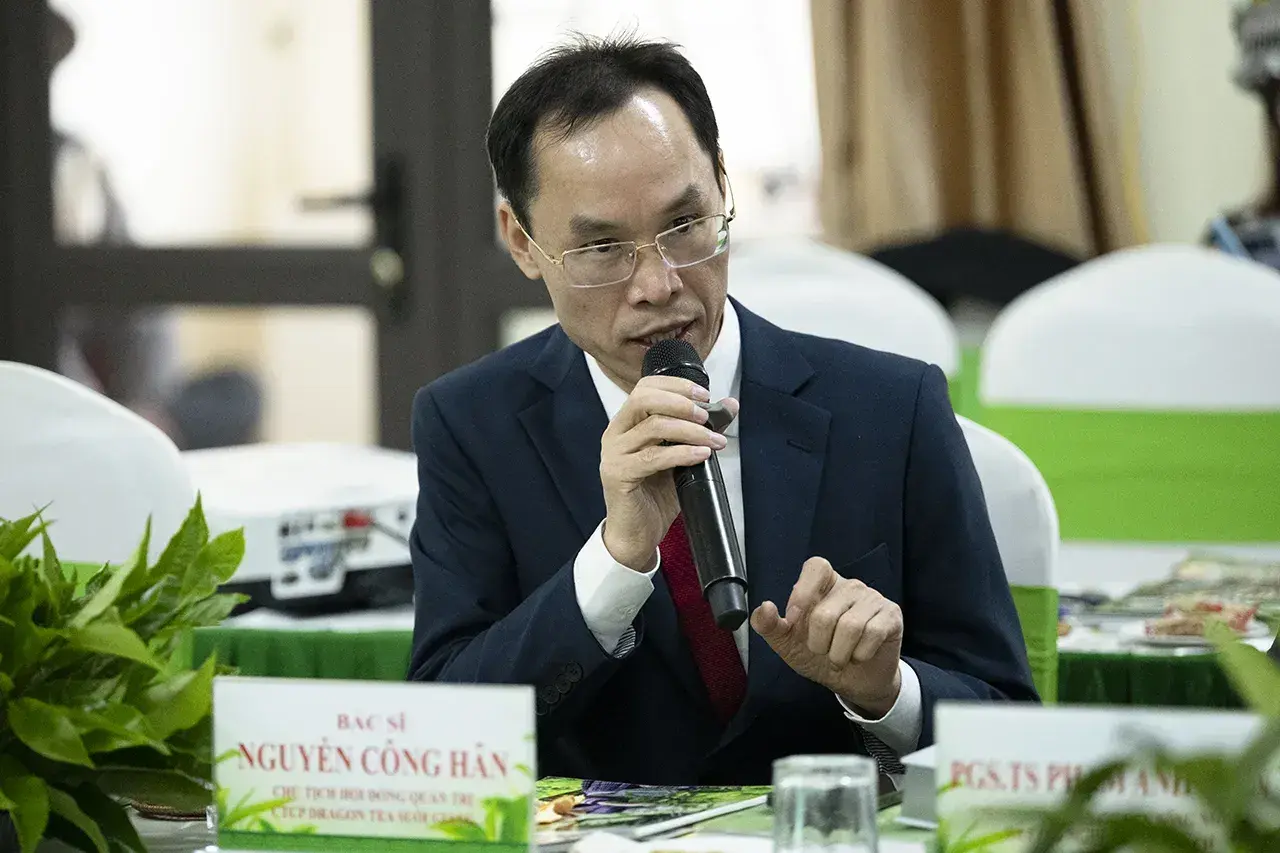
Dragon Tea Suoi Giang Joint Stock Company was recognized as an enterprise consistently engaged in community initiatives, particularly in programs coordinated with local authorities for the conservation and development of Suoi Giang’s ancient Shan Tuyet tea. Its participation in the 2025 Shan Tuyet Tea Festival reaffirmed its long-term commitment to preserving and promoting the value of the ancient tea region.

When communications, local government, and businesses join hands, the ancient Shan Tuyet tea tree becomes not only a symbol of pride for the highlands but also an emblem of Vietnam’s green, sustainable, and globally integrated agriculture.
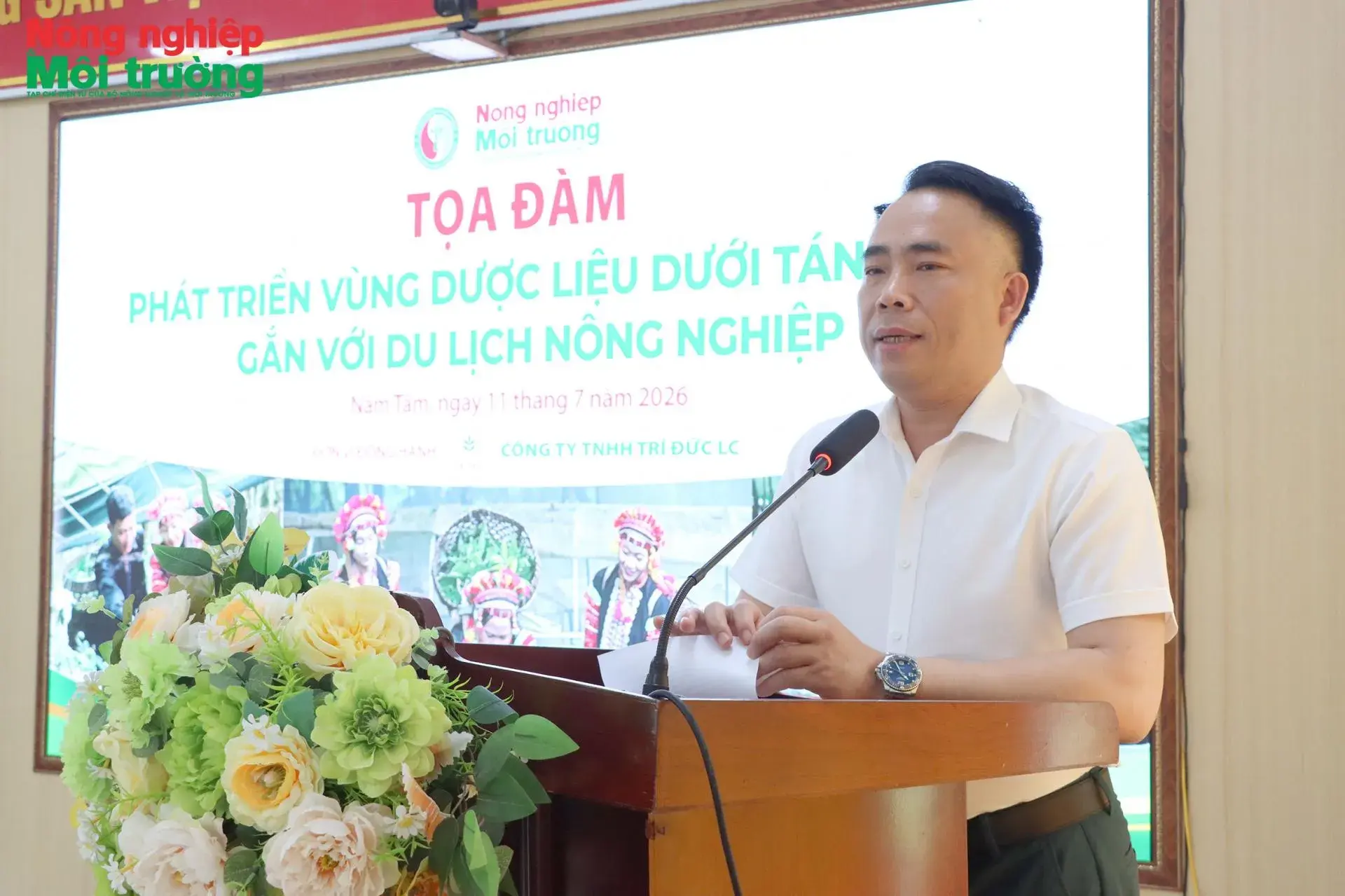
On July 11, the Agriculture and Environment Magazine, in coordination with the Nam Tam Commune People's Committee, hosted a discussion titled "Developing medicinal herb areas under forest canopies in association with agricultural tourism" in Nam Tam commune, Lai Chau province. The event brought together government officials, scientists, businesses and local residents to discuss solutions for developing forest-based livelihoods, promoting a green economy and improving incomes in upland communities. Tri Duc LC Co., Ltd. supported the event.
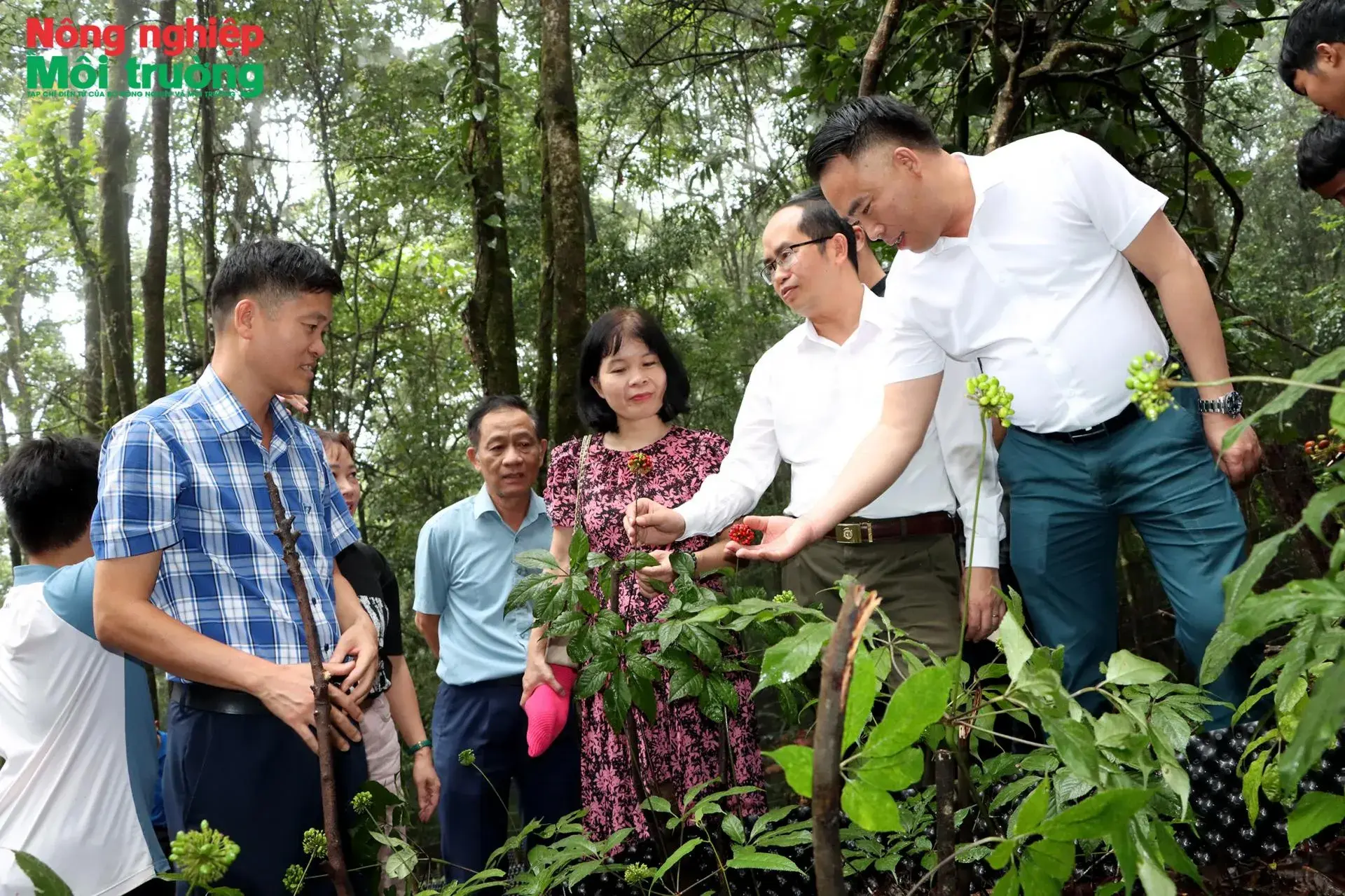
A delegation from the Agriculture and Environment Magazine, together with scientists and experts, conducted a field survey on July 11 of a medicinal herb cultivation model linked to agricultural tourism in Nam Tam commune, Lai Chau province, as part of the seminar "Developing medicinal herb areas under forest canopies in association with agricultural tourism."
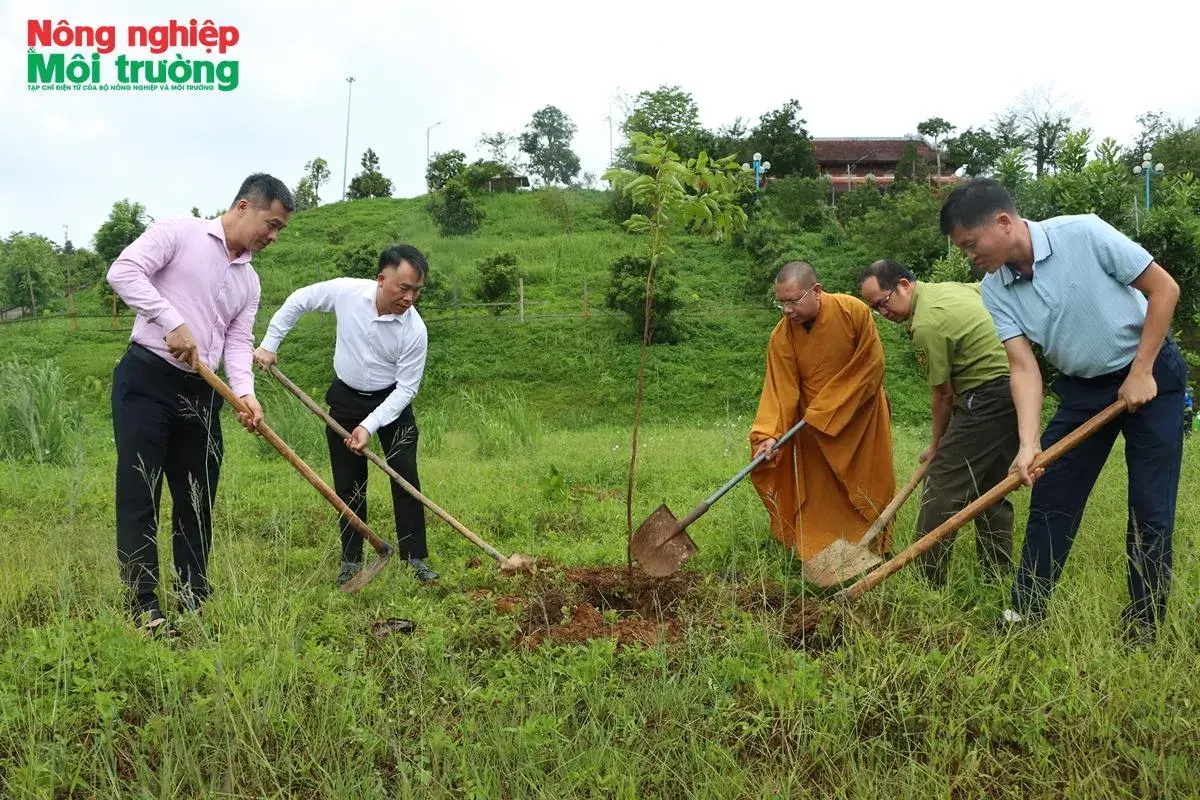
On July 10, the Agriculture and Environment Magazine planted 405 trees at Linh Son pagoda in Lai Chau province under its "Green pagoda" environmental initiative to promote environmental protection, help create greener, cleaner surroundings, and support sustainable development. The program was organized with the support of Tri Duc LC Co., Ltd.
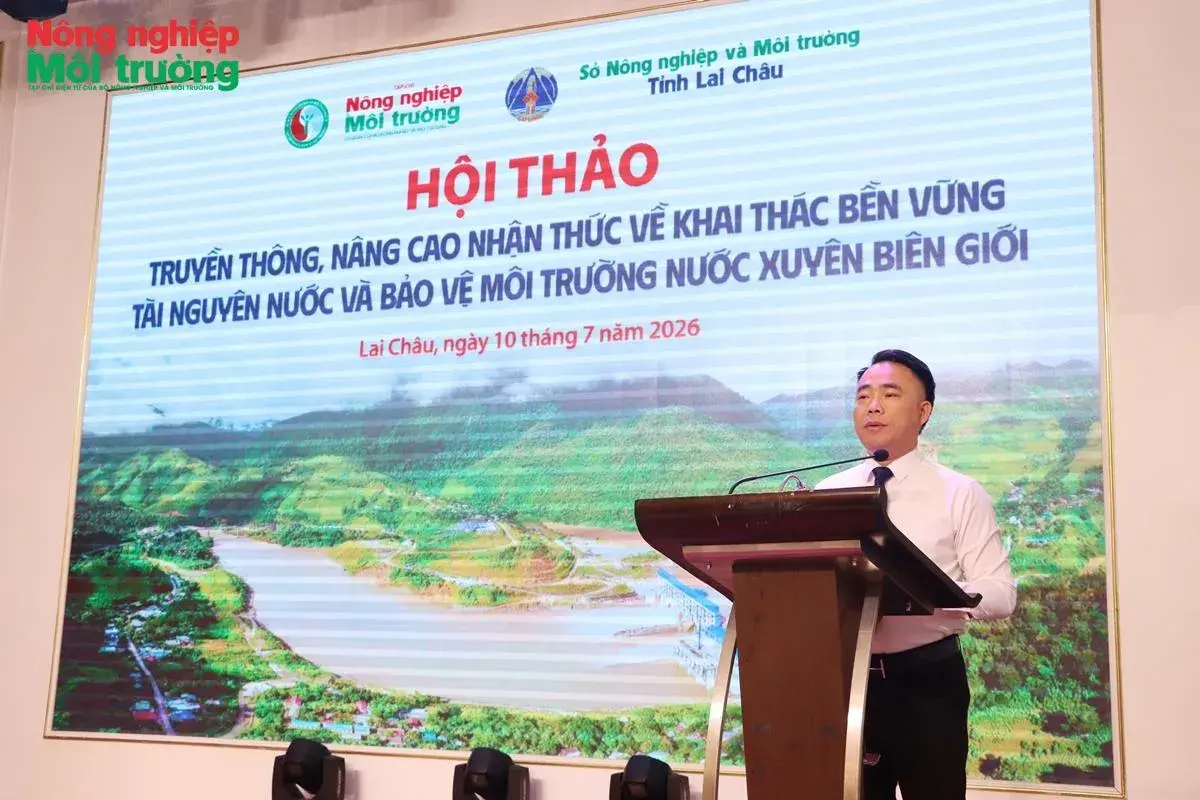
On July 10, the Agriculture and Environment Magazine, in coordination with the Lai Chau Department of Agriculture and Environment, held a seminar titled "Communication and public awareness on sustainable use of water resources and transboundary water environment protection" in Tan Phong ward, Lai Chau province.
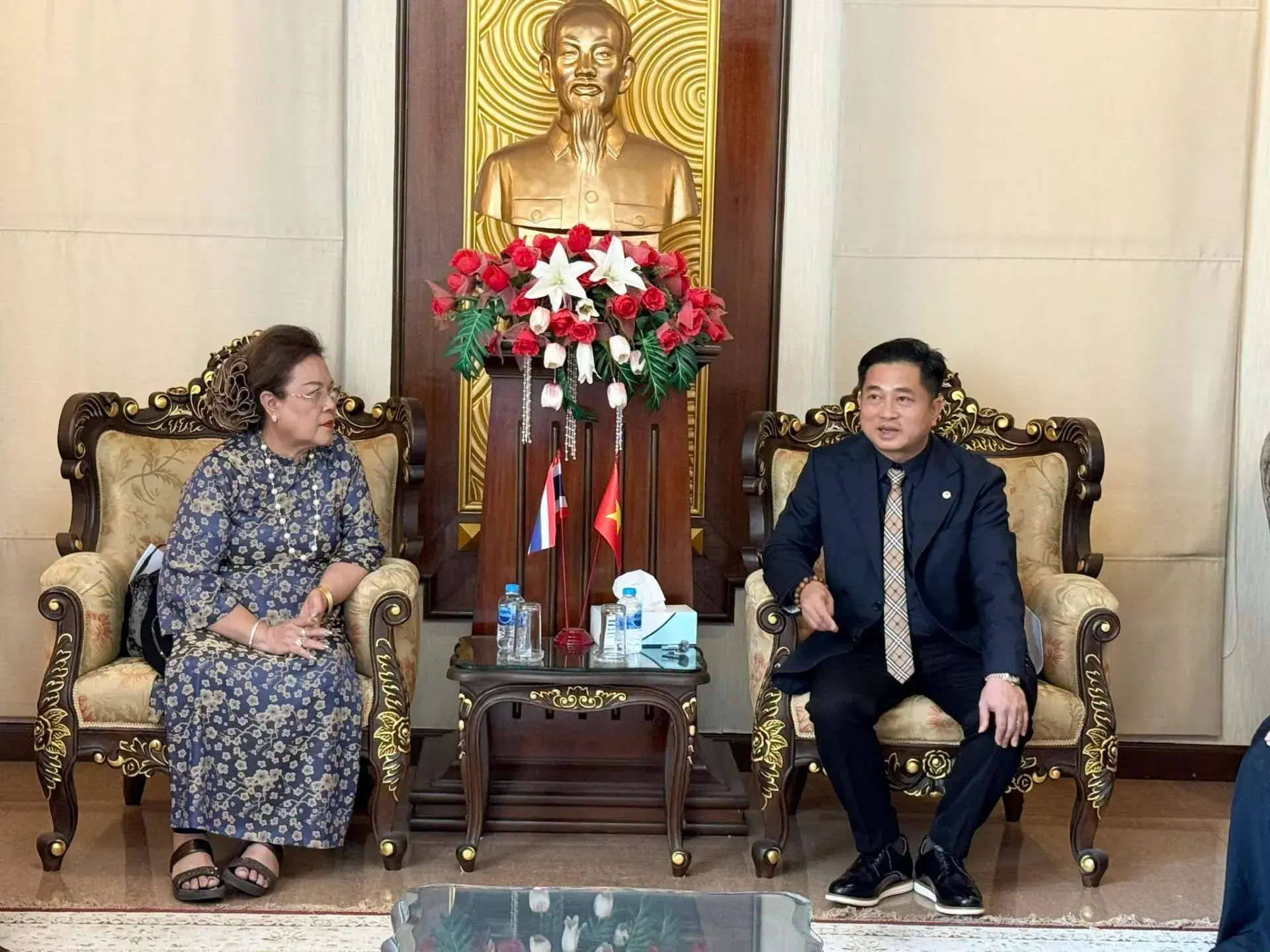
The Consulate General of Viet Nam in Khon Kaen held a working session on June 23, 2026, with the Executive Committee of the Viet Nam Ao Dai Culture Association in Thailand to discuss plans for cultural and artistic activities marking the 50th anniversary of diplomatic relations between Viet Nam and Thailand, while further promoting the role of the ao dai in showcasing Vietnamese culture and strengthening ties within the Vietnamese community in Thailand.