



 The ISG Plenary Conference, co-organized by the Ministry of Agriculture and Environment and the Food and Agriculture Organization of the United Nations (FAO), reaffirmed the strong commitment of international partners to Viet Nam’s agri-food system. The conference also identified opportunities for technical cooperation and appropriate financial support to help transform Viet Nam’s food systems toward greener, lower-emission and more sustainable development through cooperation and innovation.
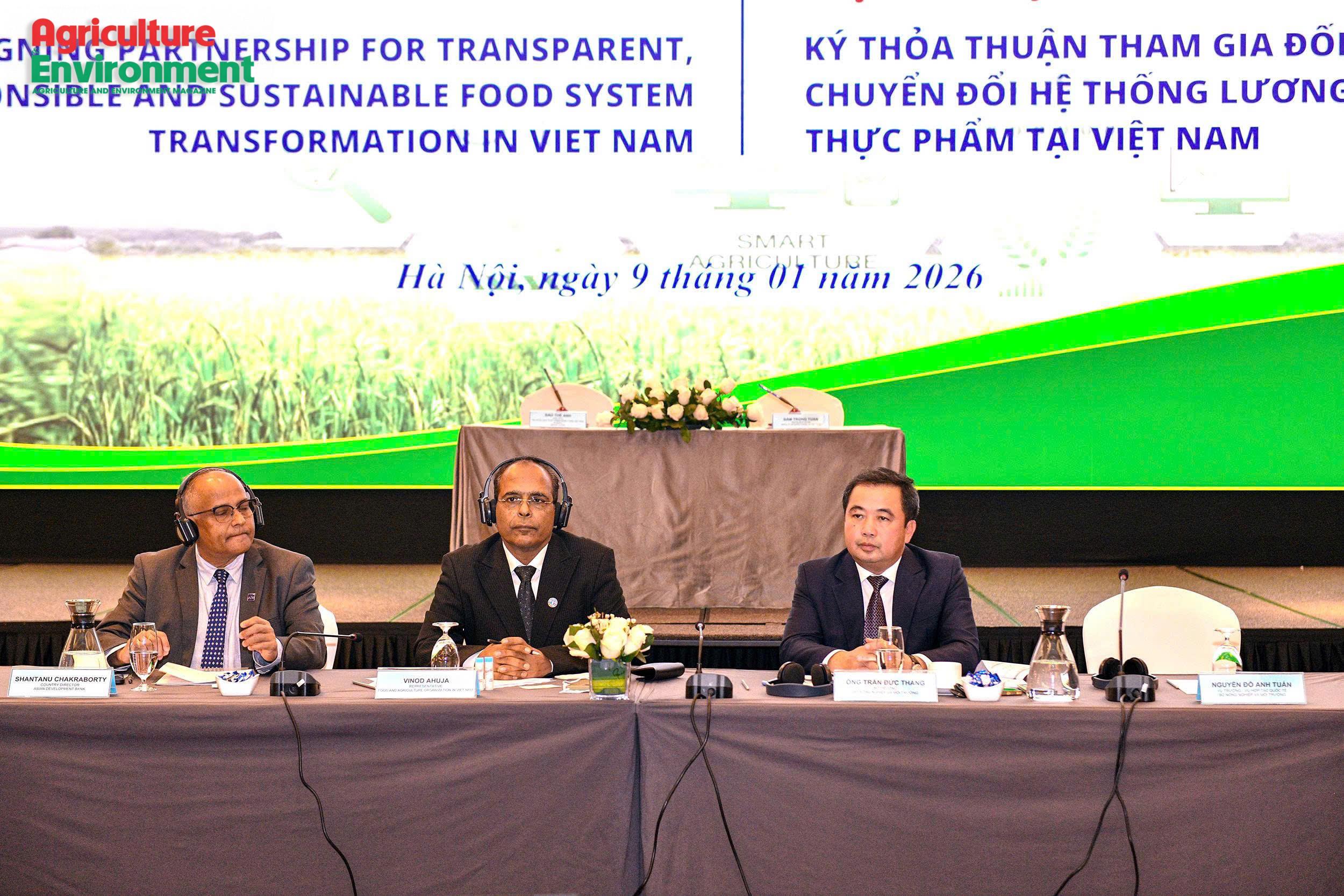
On January 9, the Ministry of Agriculture and Environment, in coordination with FAO Viet Nam and the Asian Development Bank (ADB), held the International Support Group (ISG) Plenary Conference: Advancing the transformation of agri-food systems toward green, low-emission and sustainable Development through cooperation and innovation. The conference was co-chaired by Minister of Agriculture and Environment Tran Duc Thang, ADB Country Director for Viet Nam Shantanu Chakraborty, and FAO Representative in Viet Nam Vinod Ahuja.
High-level forum discusses green, low-emission agri-food system transition
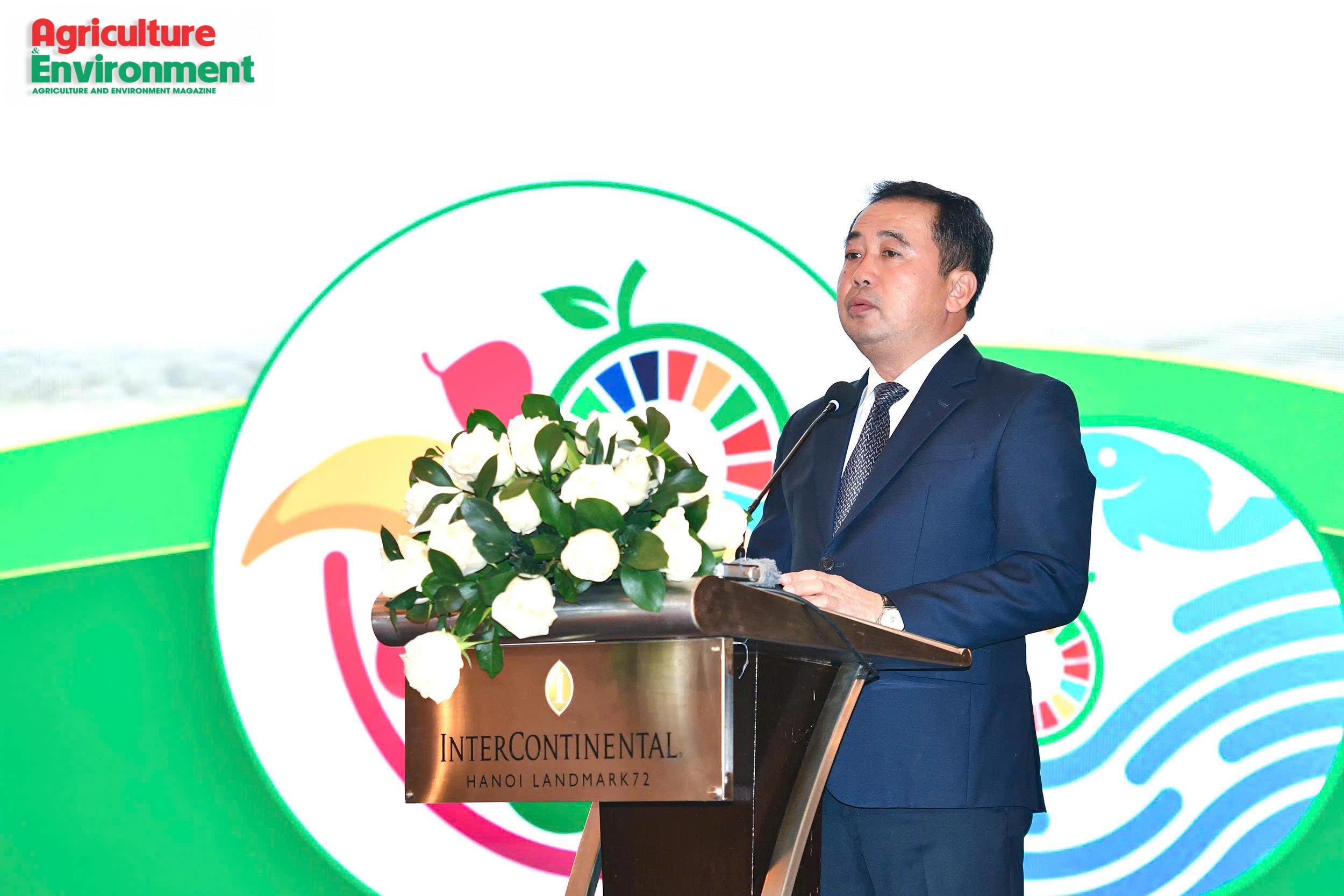
In his opening remarks, Minister Tran Duc Thang emphasized that transforming agri-food systems toward green, low-emission and sustainable development is not an option but an inevitable pathway. He said food safety is no longer limited to individual meals but has become a social welfare issue, directly affecting public health and consumer confidence. He stressed the need for a stronger shift toward preventive approaches, with tighter frameworks from policy formulation to implementation, particularly at the local level. He also highlighted the responsibility of all stakeholders involved in food production and business to proactively manage risks from the outset, describing this as a prerequisite for sustainable development.
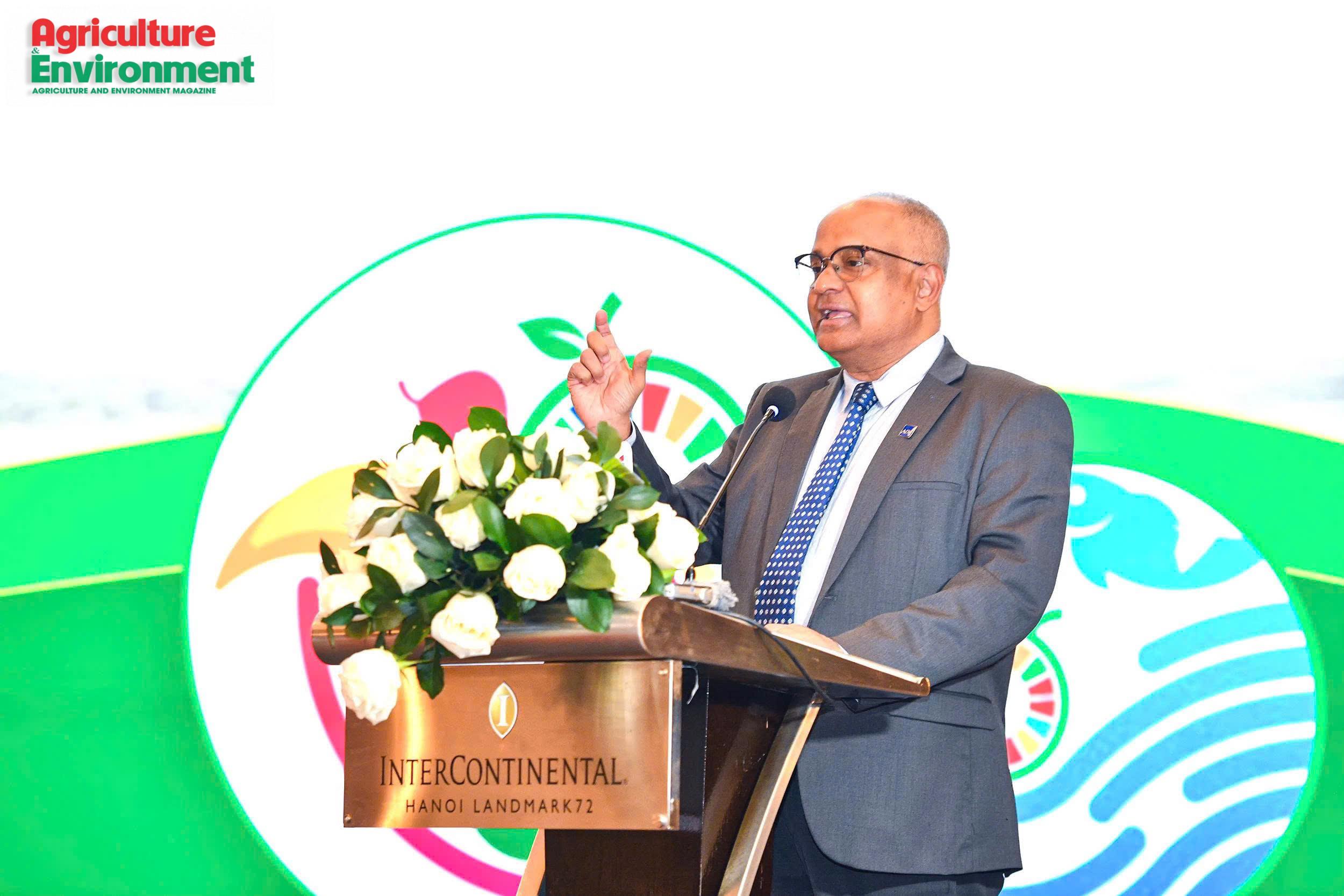
ADB Country Director Shantanu Chakraborty confirmed agri-food system transformation is among ADB’s top priorities, noting the bank’s commitment of 40 billion U.S. dollars to support the sector across the Asia-Pacific region. He said the transition requires an integrated approach built on five pillars: modernization of agri-food value chains; investment in natural capital to enhance system resilience; infrastructure development for sustainable food systems; integration of nutrition and healthy diets; and strengthened social protection and regional cooperation. In Viet Nam, he said, ADB is working closely with ministries, sectors and local authorities to invest in and develop agri-food systems that are sustainable, transparent and economically efficient.
UK Deputy Ambassador to Viet Nam Alex Strugnel highlighted Viet Nam is pursuing an ambitious vision for agri-food system transformation, while achieving notable progress in poverty reduction and food security. He said the United Kingdom is ready to support Viet Nam in implementing national action programs, focusing on coastal ecosystem restoration, mangrove planting, coral reef protection, and livelihood enhancement through nature-based solutions. He also highlighted support for mobilizing resources for the fisheries sector, promoting low-emission rice cultivation models, and improving resource-use efficiency.
During the conference, cooperation agreements under the Agri-Food System Transformation Partnership, first signed in October 2024 with 47 partners, were expanded to include two additional partners—Rikolto and the Viet Nam Association of Rural Development Science (PHANO). The signings reaffirmed the partners’ commitment to supporting national priorities for a transparent, accountable and sustainable agri-food system transition.
Minister Tran Duc Thang called on international organizations to continue accompanying and supporting the agriculture and environment sector in transforming agri-food systems, developing ecological agriculture, and advancing a green and circular economy. He stressed the need to shift from extensive growth toward sustainable value creation driven by science, technology and innovation. He also highlighted the importance of scaling up low-emission production models, conserving biodiversity, promoting sustainable forest management, establishing green standards, and strengthening the branding of Vietnamese agricultural products through traceability systems, geographical indications and carbon credit mechanisms.
He further underscored the need to improve governance effectiveness and mobilize resources for the green transition, including domestic and international financing, particularly climate finance, next-generation official development assistance, and private capital for green investment. Viet Nam, he said, should continue to actively participate in global initiatives on net-zero emissions, low-carbon development, and green, low-emission and sustainable agriculture.
FAO launches the “International year of women in agriculture 2026”
At the conference, FAO launched the “International year of women in agriculture 2026”, highlighting the critical role of women in building inclusive and sustainable agri-food systems. The initiative aims to raise awareness of women’s contributions to food security, nutrition and rural livelihoods, while promoting gender-responsive policies, investments and partnerships.
FAO Representative in Viet Nam Vinod Ahuja said that, under the Viet Nam–FAO Country Programming Framework, FAO will work closely with the government and partners to advance the transition toward green, low-emission and climate-resilient agri-food systems. He said the transition would help strengthen food security and nutrition, improve livelihoods and resilience, support sustainable economic growth, and protect natural resources and the environment. He stressed that transformation can succeed only when policies are coherently aligned, implementation is measurable and transparent, and all stakeholder groups are effectively engaged. FAO, he said, will continue to support Viet Nam in strengthening the foundations for transformation through program design, monitoring systems and scientific evidence, ensuring that investment resources deliver long-term impact.
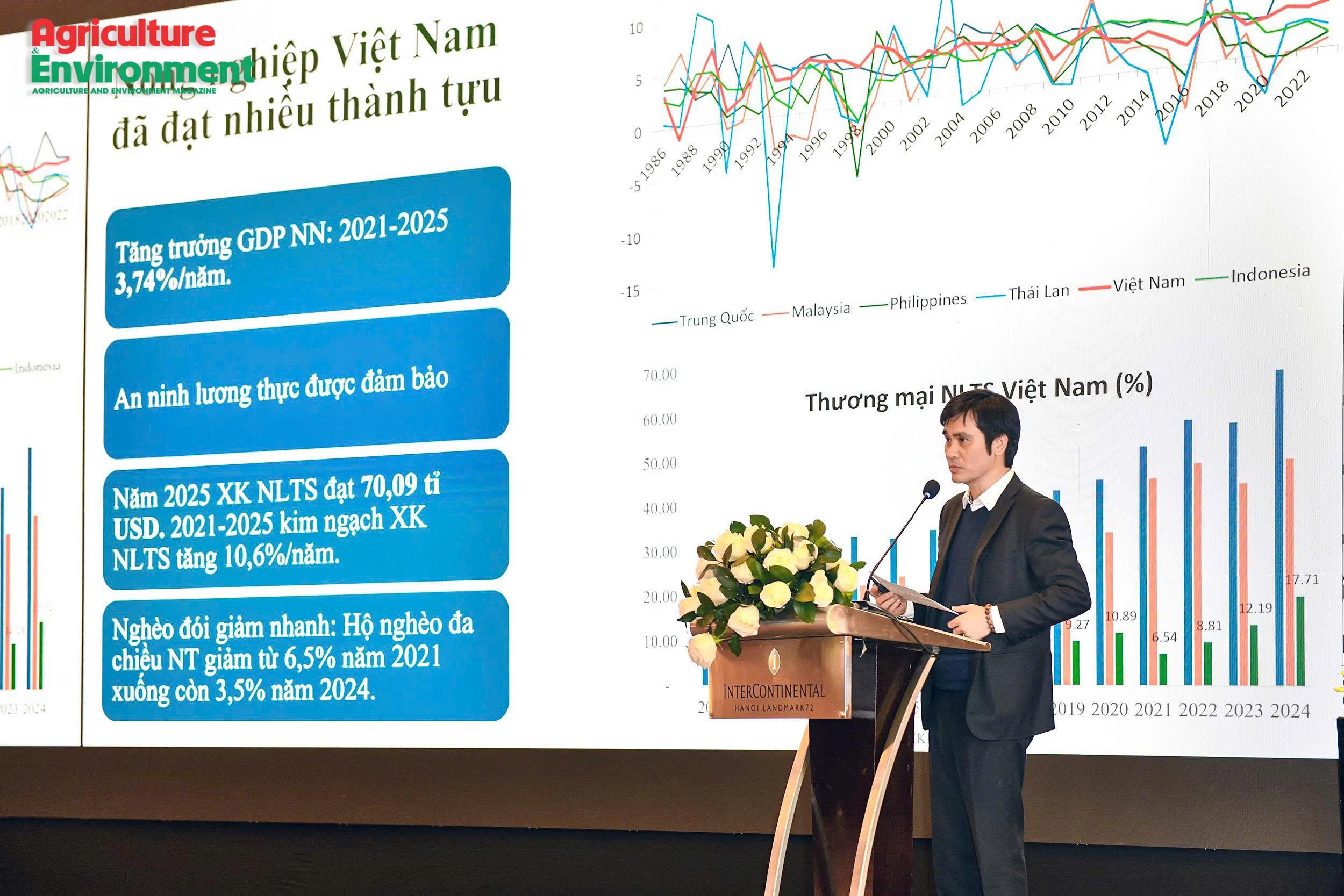
Dr. Tran Cong Thang, Director of the Institute of Strategy and Policy on Agriculture and Environment, said transparent agricultural transformation requires the development and implementation of traceability systems to ensure clear and reliable information on the origin of agricultural, forestry and fishery products from production to consumption. He also called for accelerating digital transformation in production management and supply chains, including wider application of digital technologies, shared data platforms, and stronger intersectoral and interprovincial connectivity.
UN Resident Coordinator in Viet Nam Pauline Tamesis said agri-food system transformation plays a central role in sustainable development, with domestic resource mobilization being particularly important. She called for stronger efforts to mobilize new financial resources, including natural capital, green finance and innovative financial instruments. Unlocking channels such as green bonds, expanding technical assistance, and strengthening coordination with credit institutions to prepare investment pipelines and concessional credit for agriculture, she said, are essential.
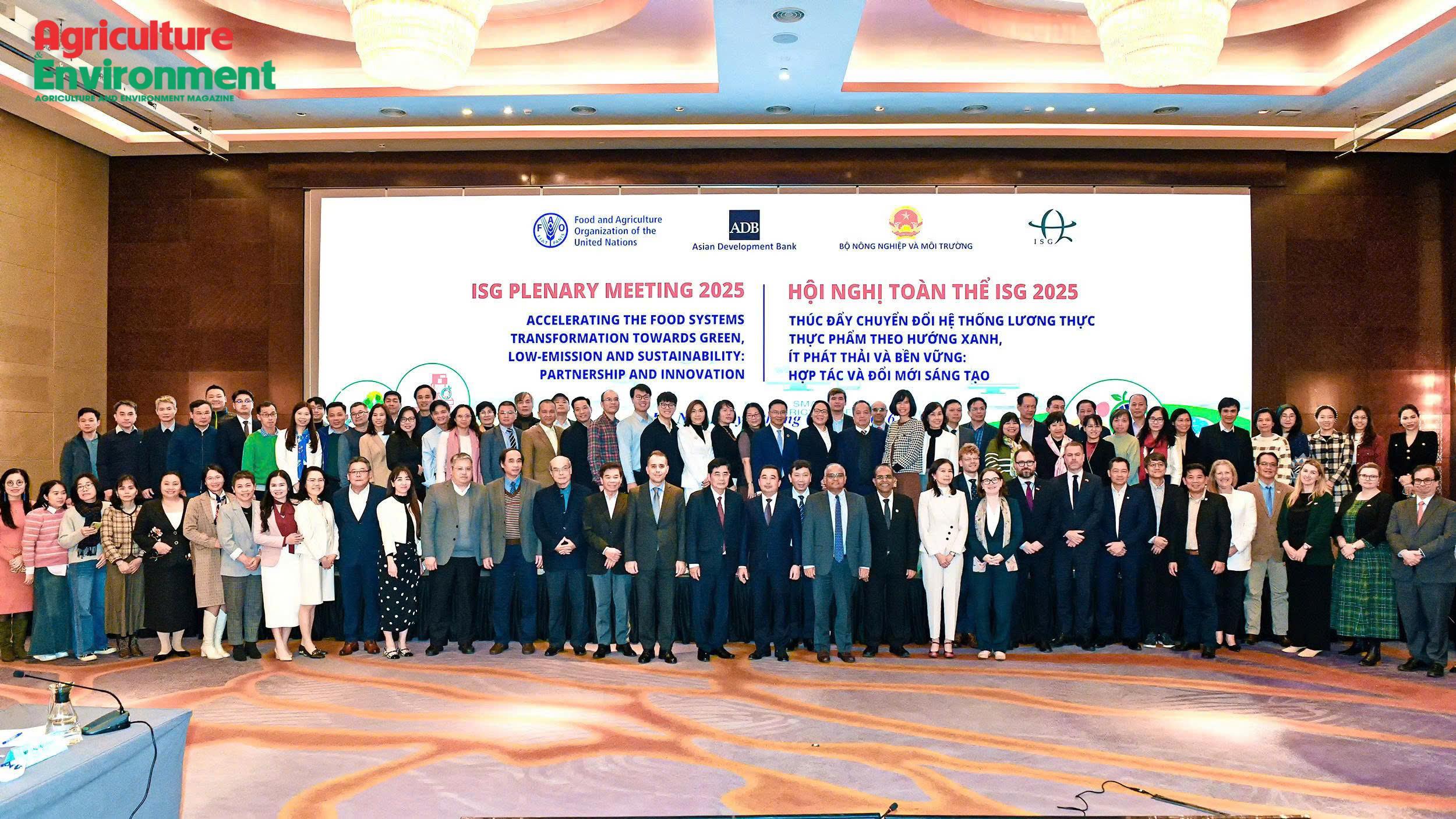
Participants also proposed initiatives and potential areas of cooperation in low-emission and sustainable production, responsible and sustainable consumption, and the governance and operational orientation of the ISG. Discussions focused on priority areas for cooperation and innovation in the coming period to support the transformation of agri-food systems toward green, low-emission and sustainable development. At the plenary session, delegates agreed on measures to strengthen coordination among stakeholders and mobilize resources to support agri-food system transformation for the 2026–2030 period.
The ISG Plenary Conference reaffirmed its role as a high-level forum for policy dialogue, technical exchange and resource mobilization to advance Viet Nam’s agri-food system transformation in line with climate objectives, nature conservation, ecological agriculture development, food security and nutrition, and the broader Sustainable Development Goals.
The 5th session of the Intergovernmental Negotiating Committee on the Global Agreement on Plastic Pollution (INC-5) officially opened in Busan, South Korea, with the expectation of concluding negotiations and adopting the Global Agreement on Plastic Pollution. However, the negotiation process faces significant challenges due to differing perspectives among participants.
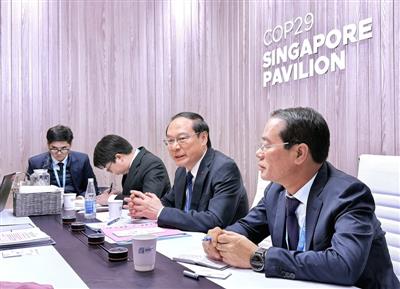
On the sidelines of the 29th Conference of the Parties to the United Nations Framework Convention on Climate Change (COP29) in Azerbaijan, Deputy Minister of Natural Resources and Environment Le Cong Thanh held a bilateral meeting with Mr. Stanley Loh, Permanent Secretary of Sustainability and Environment of Singapore.
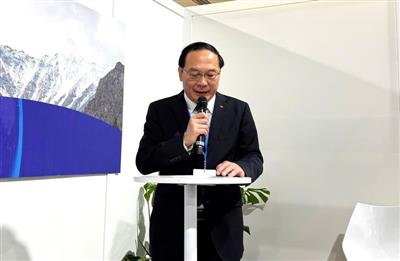
On November 19, at the 29th Conference of the Parties to the United Nations Framework Convention on Climate Change (COP29) in Azerbaijan, Deputy Minister of Natural Resources and Environment, Mr. Le Cong Thanh, presided over a significant event. This event marked the announcement of Vietnam's updated National Adaptation Plan for Climate Change for the 2021-2030 period, with a vision to 2050 (NAP).
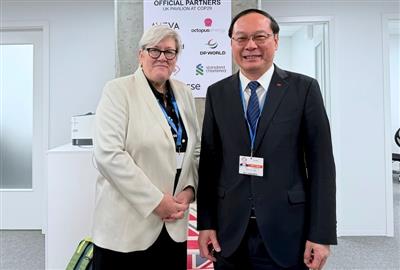
On November 19, on the sidelines of the 29th Conference of the Parties to the United Nations Framework Convention on Climate Change (COP29) in Azerbaijan, Deputy Minister of Natural Resources and Environment, Mr. Le Cong Thanh, held a bilateral meeting with Ms. Rachel Kyte, the UK’s Special Representative on Climate.
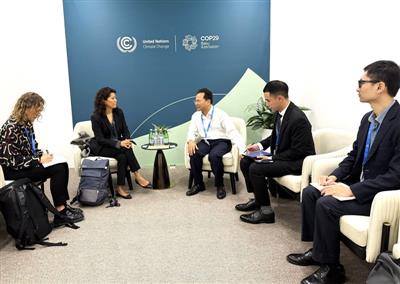
On November 16, in Azerbaijan, Mr. Pham Van Tan, Deputy Director General of the Department of Climate Change under the Ministry of Natural Resources and Environment and Deputy Head of Vietnam's Negotiation Delegation at COP 29, met with Ms. Anne Hammill, Vice President of the International Institute for Sustainable Development (IISD). Their discussion focused on potential areas of cooperation, including implementing climate change adaptation initiatives and developing a carbon market.