



 Amid mounting environmental challenges across the region, Viet Nam continues to uphold its role as the national focal point and coordinator in ASEAN environmental cooperation, participating fully and responsibly in regional mechanisms and cooperation programs. At the same time, practical implementation has underscored the need to renew participation approaches, moving toward greater proactiveness and closer alignment with national policy priorities.
On December 26, the Ministry of Agriculture and Environment convened a conference to review the 2025 performance and outline tasks for 2026 of Viet Nam’s ASEAN Senior Officials on the Environment (ASOEN Viet Nam).
Strengthening Viet Nam’s national focal point role
Opening the conference, Deputy Minister Le Cong Thanh, Chair of ASOEN Viet Nam, emphasized that amid the merger of the former Ministry of Natural Resources and Environment with the Ministry of Agriculture and Rural Development, along with the reorganization of affiliated agencies, ASOEN Viet Nam has continued to effectively perform its role as the national focal point for ASEAN environmental cooperation. Viet Nam has remained active, proactive, and responsible in regional cooperation mechanisms, programs, and initiatives.
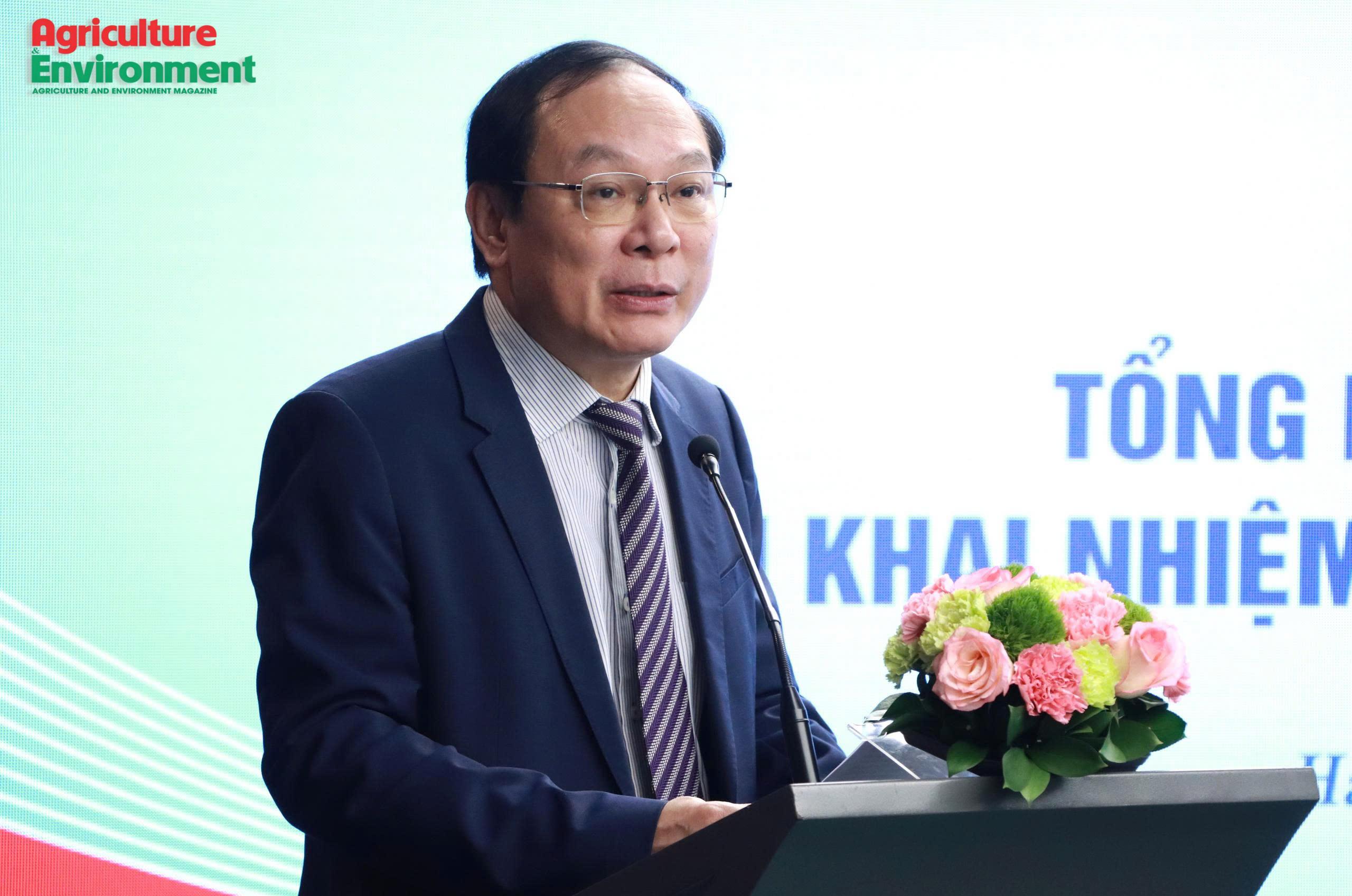
According to the 2025 review report, against a backdrop of complex international and regional developments and the increasing frequency and severity of non-traditional security challenges, ASOEN Viet Nam has maintained full participation in ASEAN environmental programs, plans, and cooperation mechanisms, while contributing actively to shaping a common regional voice.
Deputy Minister Le Cong Thanh noted that activities carried out over the past year have delivered significant results, contributing to the implementation of ASEAN environmental cooperation objectives and providing practical support for Viet Nam’s national strategies and policies on environmental protection, climate change response, and sustainable development.
In 2025, Viet Nam contributed inputs on environmental issues to documents submitted to the 47th ASEAN Summit and related meetings. Notably, the Government of Viet Nam approved the Agreement on the Establishment of the ASEAN Centre for Climate Change and the Agreement on the Establishment of the ASEAN Coordinating Centre for Transboundary Haze Pollution Control. These steps are regarded as important milestones, demonstrating Viet Nam’s strong commitment to working with ASEAN to strengthen coordinated responses to transboundary environmental challenges.
At the regional coordination level, Viet Nam participated in and contributed to the 36th ASEAN Senior Officials on the Environment Meeting (ASOEN 36), the 18th ASEAN Ministerial Meeting on the Environment (AMME 18), as well as annual meetings of ASEAN working groups on environmental issues. Through these forums, Viet Nam took part in reviewing the implementation progress of cooperation activities in 2025 and contributed to the formulation of work plans for 2026.
Key contributions across cooperation areas
In the field of nature conservation and biodiversity, Ms. Truong Quynh Trang, representative of the Department of Nature Conservation and Biodiversity, reported that Viet Nam completed procedures for the designation of three protected areas and national parks as ASEAN Heritage Parks, and successfully hosted the 8th ASEAN Heritage Parks Conference. The increasing number of ASEAN Heritage Parks not only enhances Viet Nam’s profile within the regional conservation network, but also promotes the exchange of experience in management, conservation, and sustainable use of valuable ecosystems.
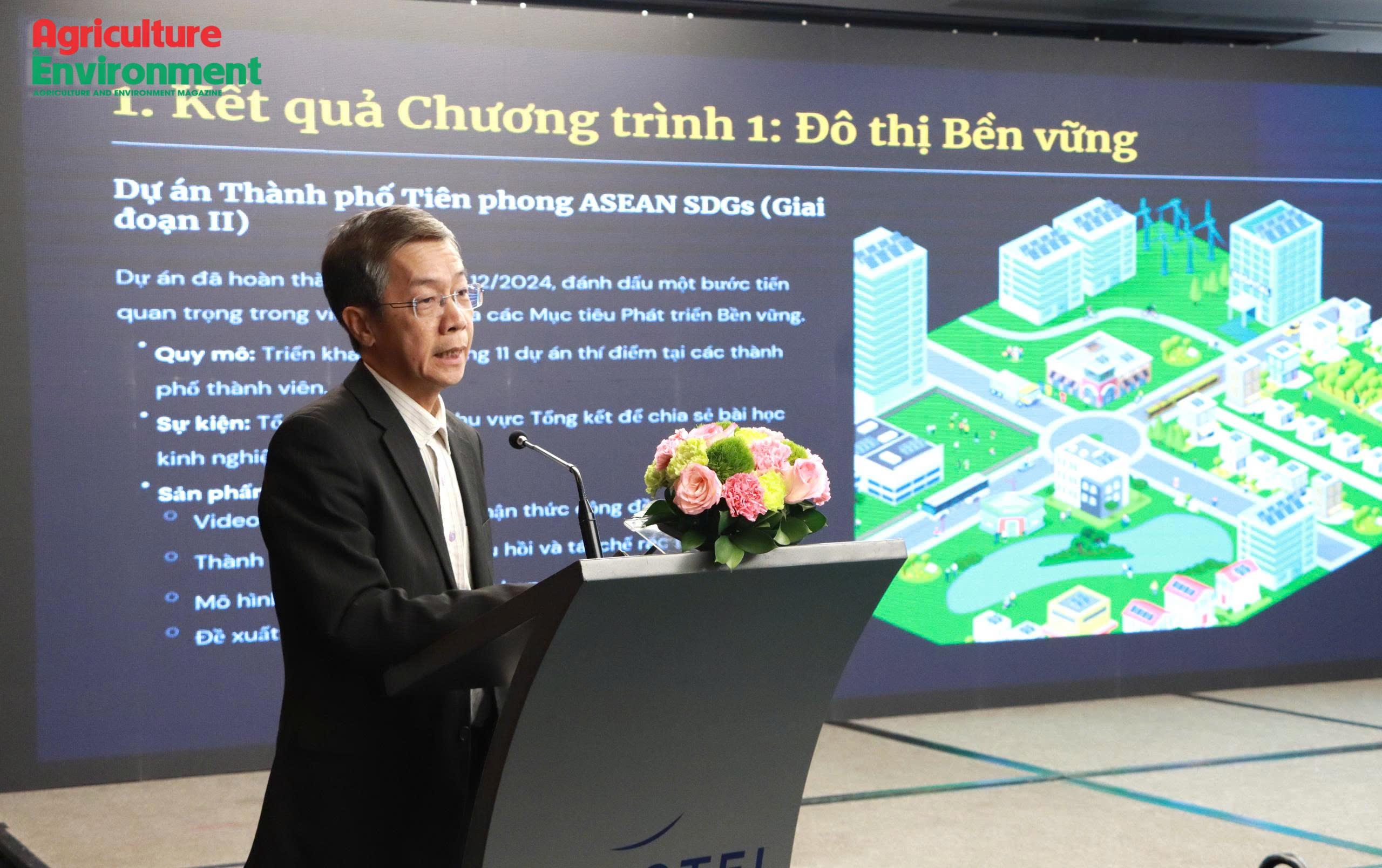
Reporting at the conference, Mr. Nguyen Minh Cuong, Deputy Head of the Waste Management Division under the Department of Environment, stated that in 2025, Viet Nam continued to serve as Chair of the ASEAN Working Group on Environmentally Sustainable Cities (AWGESC), thereby clearly demonstrating its leadership and coordinating role in regional cooperation activities. Viet Nam chaired, participated in, and made active contributions to numerous regional and international meetings and workshops, ensuring that AWGESC programs and action plans were implemented on schedule and effectively.
Notably, two Vietnamese cities were recognized by ASEAN under the AWGESC framework: the former Hoa Binh City (now part of Phu Tho Province) in the category of Green City for environmental management, and Hai Phong City in the category of Biodiversity and Green Spaces. According to Mr. Nguyen Minh Cuong, these recognitions acknowledge the efforts of Vietnamese localities in promoting sustainable urban development, while further affirming Viet Nam’s role and substantive contributions to ASEAN urban environmental cooperation.
In environmental education, the 2025 ASEAN Eco-Schools Award Viet Nam, themed “Plastic-free schools,” generated positive momentum within the education system, helping to raise awareness and foster green lifestyles among younger generations. This initiative is also considered an important foundation for Viet Nam to assume the role of regional lead of the ASEAN Working Group on Environmental Education in the coming period.
In addition, Viet Nam continued to participate in numerous regional cooperation projects between ASEAN and partners such as the European Union, Japan, the Republic of Korea, the World Bank, and UNDP, focusing on waste management, circular economy, marine environmental protection, and climate change response. These initiatives have contributed to mobilizing resources and strengthening implementation capacity across ASEAN member states.
Call for more proactive participation
Speaking at the conference, Deputy Minister Le Cong Thanh candidly pointed out that, despite notable achievements, ASOEN Viet Nam’s activities still face certain limitations. Participation in some meetings and working groups has remained somewhat passive, while inputs to regional initiatives and declarations have at times lacked depth, even as Viet Nam’s role and standing within the region have evolved significantly.
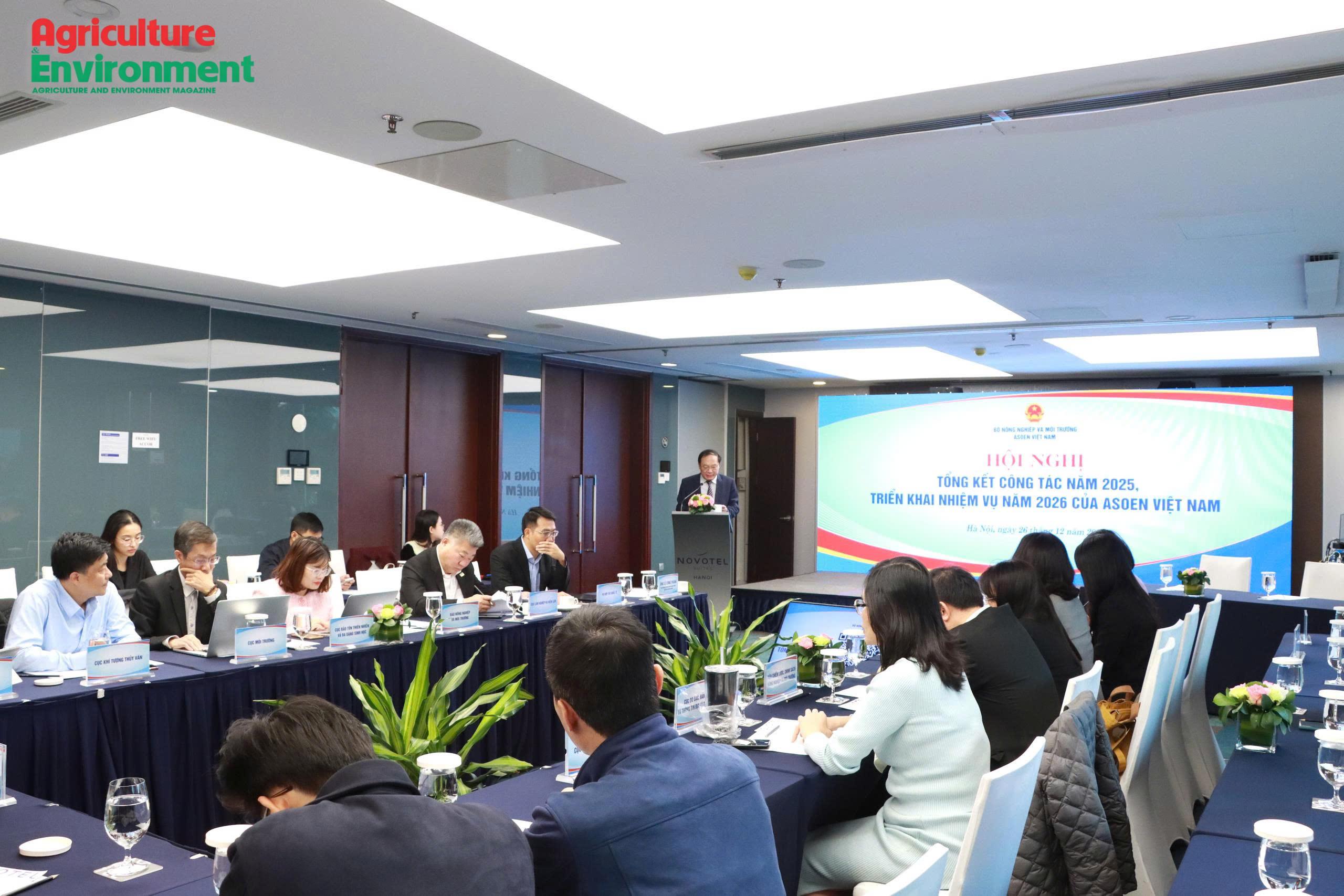
Based on these realities, the Deputy Minister called on ASOEN Viet Nam to change its mindset, shifting from participation to the proactive proposal of ideas, initiatives, and cooperation projects. More effective use of ASEAN’s cooperation mechanisms with partners such as the EU, Japan, the Republic of Korea, and ASEAN+3 was identified as a key direction for mobilizing technical and financial support to address pressing regional environmental challenges.
Issues including carbon market operation, carbon taxation, greenhouse gas inventories, urban air quality management, solid waste management, marine plastic debris reduction, marine environmental protection, and transboundary water resource management were identified as shared priorities for Viet Nam and many ASEAN countries, requiring proactive inclusion in the cooperation agenda with clear focus and tangible outcomes.
The year 2026, marking 30 years of Viet Nam’s participation in ASOEN, was identified as an important opportunity to further enhance the country’s role and standing in ASEAN environmental cooperation. Based on major orientations adopted at the 47th ASEAN Summit and the 18th ASEAN Ministerial Meeting on the Environment, ASOEN Viet Nam has set the objective of moving decisively from commitments to action, and from participation to leadership.
Viet Nam’s assumption of the role of regional lead for the ASEAN Working Group on Environmental Education for the 2025–2028 period, along with plans to host multiple ASEAN meetings in Viet Nam in 2026, is seen as an opportunity to demonstrate coordination capacity and reaffirm Viet Nam’s voice in shaping and implementing regional environmental cooperation programs.
To realize these objectives, Deputy Minister Le Cong Thanh called on the ASOEN Viet Nam Office and relevant working groups and focal points to strengthen coordination, proactively develop plans, and propose concrete initiatives from the beginning of 2026, ensuring that ASEAN environmental cooperation activities are more closely aligned with domestic policy priorities while making substantive contributions to the region’s sustainable development goals.
Building on 30 years of participation in ASOEN, together with the determination of national focal agencies and clear guidance from ministry leadership, ASOEN Viet Nam is expected to continue making increasingly substantive contributions, leaving a clear imprint on the shaping of ASEAN environmental cooperation initiatives and programs, and thereby contributing effectively to addressing shared environmental challenges across the region in the years ahead.
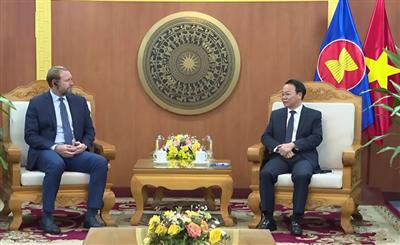
Vietnam is reaffirming its commitment to fostering a favorable investment environment for wind energy development, as highlighted during a recent meeting between Minister of Agriculture and Environment Do Duc Duy and Mr. Nate Franklin, Founder and CEO of Pacifico Energy, a leading U.S. renewable energy corporation.
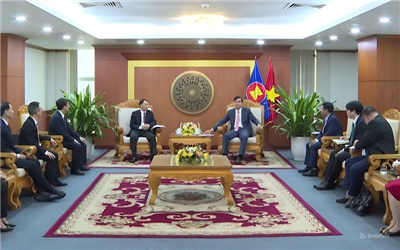
On March 12, in Hanoi, Deputy Minister of Agriculture and Environment Tran Quy Kien hosted a working session with the Secretariat of the China-ASEAN Mining Cooperation Conference, led by Secretary-General Li Xiudan. The meeting underscored the commitment of both nations to deepening their collaboration in mineral exploration and mining technology, with a focus on sustainability and environmental protection.
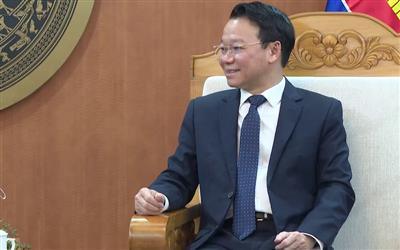
On March 12, Minister of Agriculture and Environment Do Duc Duy held talks with Mr. Tsutomu Takebe, a member of the Board of Trustees of Vietnam - Japan University and former Minister of Agriculture, Forestry, and Fisheries of Japan. The meeting focused on strengthening bilateral cooperation in developing high-quality human resources for Vietnam’s agricultural sector, with Japan serving as a key partner in training, technology transfer, and business management in agriculture.
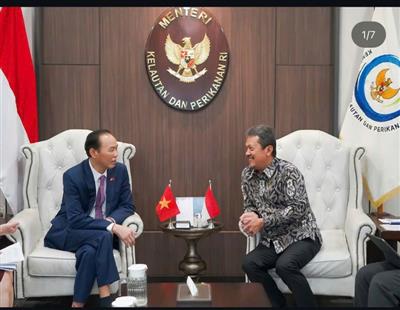
During a bilateral meeting on March 10, Deputy Minister of Agriculture and Environment Phung Duc Tien and Indonesia’s Minister of Maritime Affairs and Fisheries, Sakti Wahyu Trenggono, reaffirmed their commitment to fostering collaboration in sustainable aquaculture and legal fisheries exploitation. The meeting, held as part of Party General Secretary To Lam’s state visit to Indonesia, underscored the long-standing ties between the two nations, which celebrate 70 years of diplomatic relations in 2025.
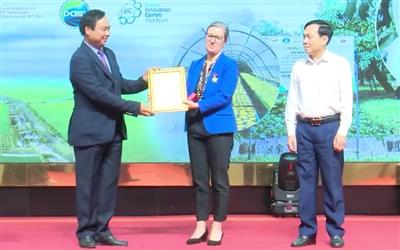
On March 10, The Ministry of Agriculture and Environment (MoAE), in collaboration with the German International Cooperation (GIZ), hosted the closing conference for the "Green Innovation Centers" (GIC) Project in Can Tho. The conference marked the successful implementation of the project, highlighting innovative solutions that have contributed to Vietnam's sustainable agricultural transformation.