




 The use of pesticides is an integral part of modern intensive agriculture. Alongside their effectiveness in controlling pests and diseases, however, comes the risk of environmental pollution from wastewater generated during the production, formulation, and application of chemical active ingredients. Of particular concern is the fact that many pesticide compounds are poorly biodegradable, persistent in the environment, and prone to bioaccumulation, posing major challenges for wastewater treatment.
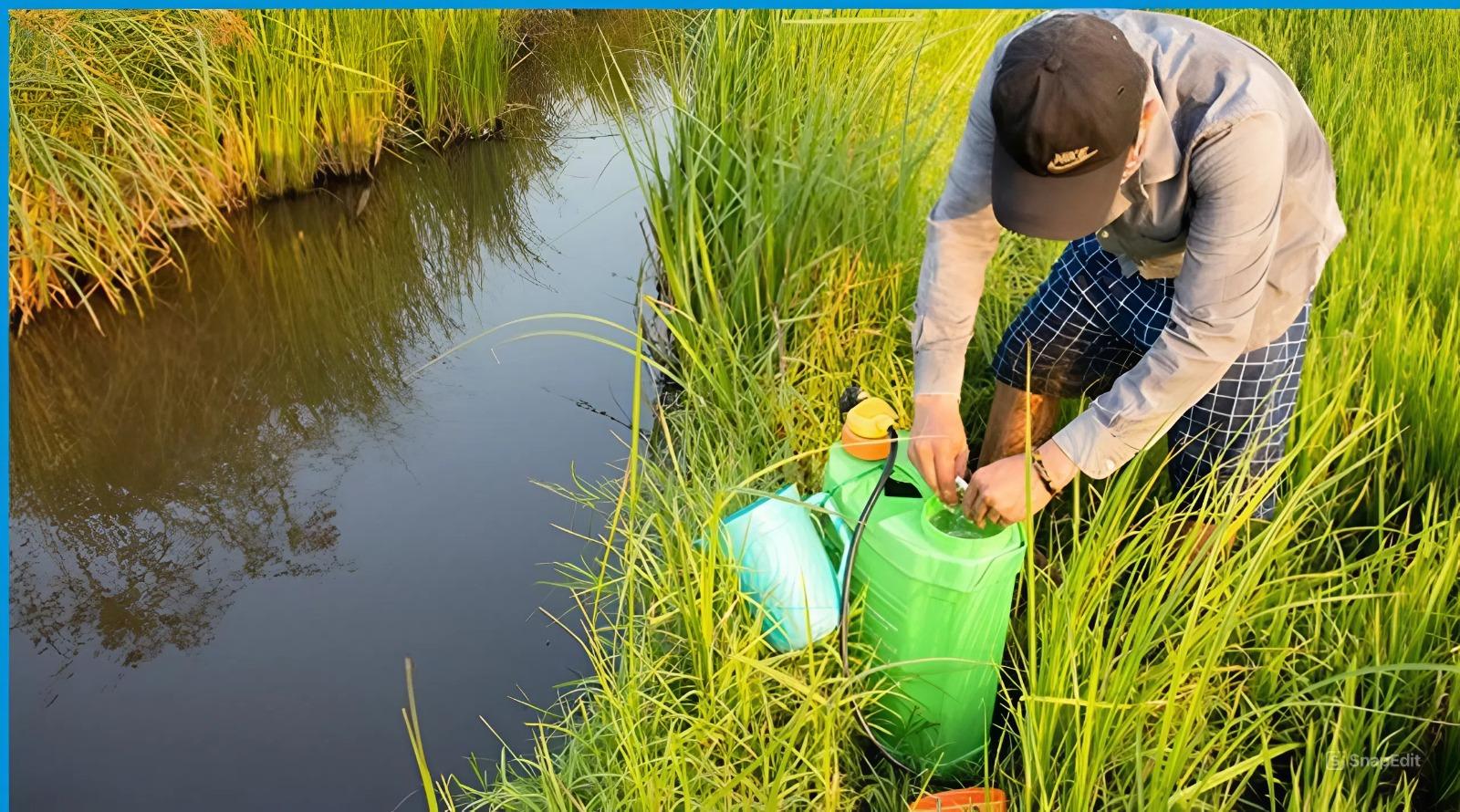
Isoprothiolane, a fungicidal active ingredient widely used in rice cultivation to control blast, stem rot, and leaf spot, is a representative example. Although its acute toxicity is relatively low, Isoprothiolane has an extremely long half-life under anaerobic conditions—ranging from 800 to 1,100 days—and can readily accumulate in soil, water, and biological tissues. This persistence creates latent risks for ecosystems and human health.
Why the H₂O₂/UV system was chosen
Over recent decades, advanced oxidation processes (AOPs) such as Fenton, Fenton/UV, ozonation, and photocatalysis have been widely studied for the treatment of recalcitrant organic compounds in wastewater. In Vietnam, research on Isoprothiolane treatment has so far focused mainly on Fenton and Fenton/UV processes. The H₂O₂/UV system—an AOP that does not generate secondary sludge—has not yet been independently investigated for this active ingredient.
To address this research gap, Nguyen Khoa Dang, Pham Nguyen Hoai Tran, and Huynh Thi Ngoc Han* from the Faculty of Environment, Ho Chi Minh City University of Natural Resources and Environment conducted the study entitled “Treatment of COD and Isoprothiolane in Wastewater by the H₂O₂/UV System.” The study aimed to evaluate the treatment efficiency of Isoprothiolane and the reduction of chemical oxygen demand (COD) using the H₂O₂/UV system under laboratory-scale conditions.
Experimental design at laboratory scale
The experiments were carried out using synthetic wastewater prepared from a commercial pesticide formulation containing Isoprothiolane. The initial Isoprothiolane concentration was 50 ppm, with an initial COD of approximately 555 mg/L and an initial pH of 4.5. The H₂O₂/UV system was evaluated under both batch and continuous models.
Key operating factors—including pH, H₂O₂ dosage, UV lamp intensity, and reaction time—were systematically varied under controlled conditions. This experimental design allowed the research team not only to determine suitable operating conditions, but also to clarify the influence of individual factors on COD treatment efficiency and Isoprothiolane degradation.
The decisive role of pH and H₂O₂ dosage
The results showed that pH was a dominant factor affecting treatment efficiency. Under mildly acidic conditions (pH 3), COD treatment efficiency was significantly higher than under neutral or alkaline conditions. This observation is consistent with the reaction mechanism of the H₂O₂/UV system, in which acidic conditions favor the formation of hydroxyl radicals (·OH). These radicals possess very high oxidation potential and are capable of breaking the stable chemical bonds within the Isoprothiolane molecule.
H₂O₂ dosage also exhibited a non-linear relationship with treatment efficiency. Increasing the H₂O₂ concentration from 200 ppm to 800 ppm led to a marked improvement in both COD reduction and Isoprothiolane treatment efficiency. When the dosage exceeded this level, however, treatment performance declined due to hydroxyl radical scavenging, whereby excess H₂O₂ reacts with ·OH to form less reactive species. Within the experimental range, 800 ppm was identified as the suitable H₂O₂ dosage.
Outstanding removal of Isoprothiolane, limited COD reduction
One of the most notable findings of the study was the exceptionally high treatment efficiency for Isoprothiolane. Under suitable operating conditions (pH 3, H₂O₂ dosage 800 ppm, UV lamp intensity 16 W), Isoprothiolane treatment efficiency reached 99.8%. The compound was almost completely removed after only 10 minutes of UV irradiation.
By contrast, COD treatment efficiency was more moderate, reaching approximately 60% in the batch model and 64% in the continuous model. These results indicate that while the H₂O₂/UV system is highly effective in degrading the molecular structure of Isoprothiolane, complete oxidation of intermediate organic compounds remains limited. In other words, Isoprothiolane is rapidly broken down, but the resulting transformation products continue to contribute significantly to overall COD.
Implications for practice and environmental management
When applied under the continuous model—a critical step in evaluating practical applicability—the H₂O₂/UV system maintained stable treatment performance. COD decreased from 555 mg/L to 201 mg/L after a hydraulic retention time of 60 minutes, while Isoprothiolane continued to be removed almost completely.
Nevertheless, the study also showed that the effluent COD did not fully meet discharge requirements. This suggests that the H₂O₂/UV system is unlikely to serve effectively as a standalone treatment process and should instead be combined with other methods, such as biological treatment, coagulation–flocculation, or complementary AOPs.
From an environmental science perspective, the study fills an important data gap regarding the treatment of Isoprothiolane using the H₂O₂/UV system in Vietnam and provides experimental evidence of the system’s effectiveness in removing persistent pesticide active ingredients. From a management perspective, the findings point to a treatment strategy that prioritizes the targeted removal of high-risk pollutants to reduce ecological risks, followed by additional treatment stages to improve overall effluent quality. This approach is consistent with contemporary environmental management practices, which emphasize not only the reduction of aggregate indicators such as COD, but also the control of priority pollutants with significant environmental and health implications.
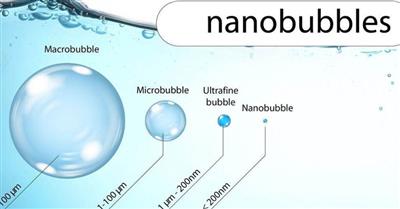
As the demand for food safety and reduction of post-harvest losses continues to increase, technological innovations for seafood preservation and treatment are gaining growing attention from researchers. One emerging “green” solution is nanobubble (NB) technology, which has been extensively studied in medicine, water treatment, and aquaculture, and is now being explored for seafood preservation. According to researchers Vu Dinh Tien and Vu Duy Hung from Hanoi University of Science and Technology, this technology promises breakthrough improvements, yet challenges remain regarding cost, standardized protocols, and the need for further research to optimize its application in the aquaculture and seafood industry.
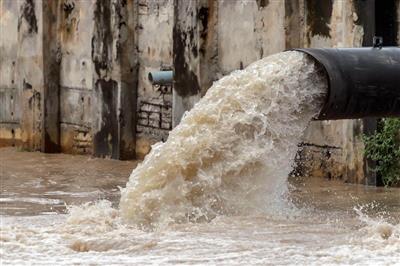
Domestic wastewater is one of the most significant environmental pressures in urban areas of Vietnam, particularly in densely populated neighborhoods with limited infrastructure. A recent study by Le Hoang Viet and Nguyen Vo Chau Ngan (Faculty of Environment and Natural Resources, Can Tho University) evaluated a three-stage aerobic biological rotating cage (an improved form of the rotating biological contactor - RBC) using K3 media, demonstrating high treatment efficiency and promising applicability due to its low investment cost and simple operation.
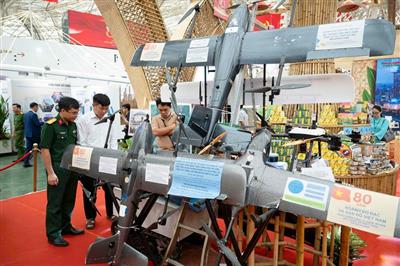
Amid increasingly severe climate change and unpredictable natural disasters, the demand for accurate, continuously updated geospatial data to protect people and support socio-economic development has become urgent. In implementing the Government’s Resolution No. 57/NQ-CP on sustainable agriculture, environmental protection, and climate change response, our research team has adopted a science-driven approach closely linked to practical needs, measuring success by application effectiveness and prioritizing community service as the ultimate goal.

With the spirit that “science and technology are the driving force and the key to sustainable agricultural development,” on September 12 the Ministry of Agriculture and Environment convened the national conference on "Science and technology for agro-forestry-fishery preservation, processing, and agricultural mechanization 2025" under the theme “Enhancing quality and efficiency, reducing losses and food waste.” The conference not only reaffirmed the role of innovation in increasing the value of agricultural products but also served as an important forum for sharing research findings, proposing breakthrough solutions, advancing public-private partnerships, and shaping policies to support enterprises in deep processing, digital transformation, and sustainable agricultural development.

In the context of climate change and greenhouse gas emissions becoming global challenges, quantifying the carbon sequestration capacity of forest ecosystems holds both scientific and practical significance. Particularly in the Mekong Delta, where wetland forest ecosystems are ecologically valuable yet vulnerable to environmental change, studies on forest carbon stocks are increasingly essential.