



 Amid the increasingly rapid and complex impacts of climate change, adopting a circular economy (CE) plays a crucial role in advancing an efficient, sustainable, and green agricultural sector.
At the forum titled “Sustainable agriculture development for environmental protection and climate change adaptation” held on November 4, experts and policymakers focused on discussing concrete models and solutions to accelerate Vietnam’s transition toward a circular economy and net-zero emissions.
Policies and legal framework for circular economy development in Vietnam
Dr. Tran Cong Thang, Director of the Institute for Agricultural and Environmental Strategy and Policy
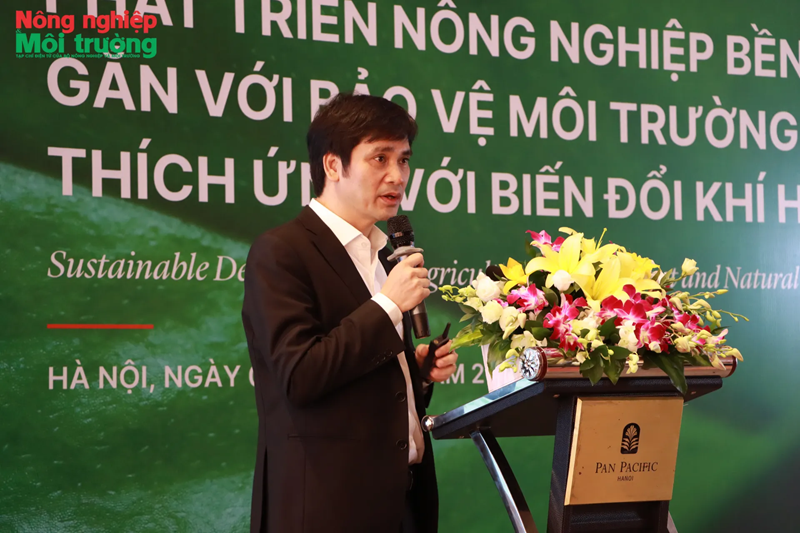
The circular economy is an economic model based on the principle that “everything is an input for something else,” operating on three core principles: avoiding waste and minimizing pollution, extending the lifecycle of products and materials, and regenerating both natural and industrial systems (Ellen MacArthur Foundation, 2019). In agriculture, CE aims to optimize the use of biomass, create material and nutrient cycles, and reduce resource exploitation and environmental emissions.
Vietnam has issued several key legal documents supporting CE development. Notably, the 2020 Law on Environmental Protection and Decree 08/2022/ND-CP explicitly encourage circular business models, waste reuse, and recycling. Additionally, Decision 687/QD-TTg approved the National Circular Economy Development Scheme, while the National Strategy on Green Growth and the Sustainable Consumption and Production (SCP) Program further specify the development orientation.
Significantly, Resolution 198/2025/QH15 provides a 2% annual interest subsidy for green and circular projects that adopt ESG standards. Decree 156/2025/ND-CP allows loans up to 70% of project value without collateral, and Decision 21/2025/QD-TTg establishes a green classification list for credit and green bond allocation.
However, awareness and understanding of CE among enterprises, cooperatives, and the public remain limited. Technology and techniques are not yet standardized, and clear technical guidelines are lacking. Some policies are difficult to implement in practice, and marketing promotion for environmentally friendly and recycled products is insufficient. Moreover, the risk of “greenwashing” in policy implementation poses a significant challenge.
To meet specific targets by 2030—such as processing, recycling, or reusing 50% of crop by-products and collecting and reusing 80% of straw through technology—Vietnam must continue to refine its legal framework, green financing policies, technical standards, and innovation support mechanisms. Only when these tools operate cohesively can the circular economy truly become a driver for green growth and sustainable development.
UNDP promotes circular economy transition linked with environmental protection and climate adaptation
Ms. Hoang Thi Dieu Linh, Waste and Circular Economy Officer, United Nations Development Programme (UNDP)
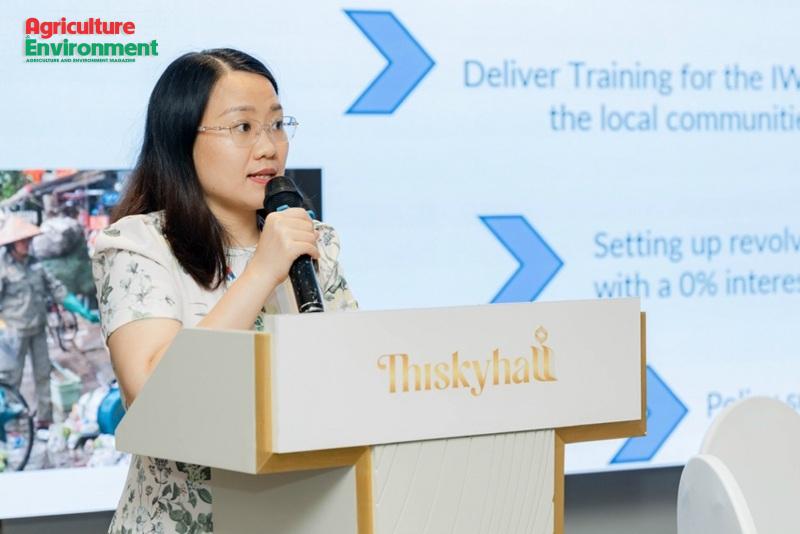
In recent years, UNDP has partnered with ministries, sectors, and localities to implement pioneering programs. At the policy level, we have supported the development of the National Action Plan for Circular Economy, integrated CE concepts into the Law on Environmental Protection and the Socio-Economic Development Strategy, and guided regulations on Extended Producer Responsibility (EPR).
UNDP is working with Da Nang, Hue, and Gia Lai provinces to develop local CE roadmaps. In Gia Lai, the “Bring Waste Ashore” initiative for fishing vessels has become a flagship program, engaging over 200 fishing vessels and 1,200 fishermen. This model has helped recover hundreds of tons of plastic waste while establishing sustainable waste management mechanisms, institutionalized through Decision 89/QD-SNN by the Provincial People’s Committee. The establishment of Material Recovery Facilities (MRFs) has also contributed to processing and recycling nearly 200,000 kg of plastic waste as of October 2025—clear evidence of the synergy between innovation and effective waste management.
For the business sector, UNDP supports the development of a secondary materials exchange platform, where 20.57 tons of recycled materials and over 118 tons of traceable textile waste have been transacted. This model reduces resource extraction pressure while promoting domestic recycling markets.
Beyond technology and production, UNDP emphasizes social equity in the circular transition. Through the “Responsible Procurement” initiative, we have enabled hundreds of informal waste collectors to access microfinance, health insurance, and protective equipment, fostering a fair and sustainable recycled plastics supply chain.
In agriculture, UNDP and the Ministry of Agriculture and Rural Development (MARD) developed CARICE, the first greenhouse gas emission accounting tool for circular rice models. More than 10,000 farmers, staff, and women in eight provinces have benefited from ecological farming practices spanning rice production to coffee, durian, cassava, and maize value chains.
To achieve green growth and sustainable development goals, Vietnam must vigorously accelerate the transition to a circular economy—a model that reduces emissions and resource pressure while creating inclusive development opportunities and livelihoods for millions of informal workers.
Building a circular economy through policy, innovation, and industry: Lessons for Vietnam
Prof. Ali Abbas, Associate Dean for Research, School of Engineering, University of Sydney
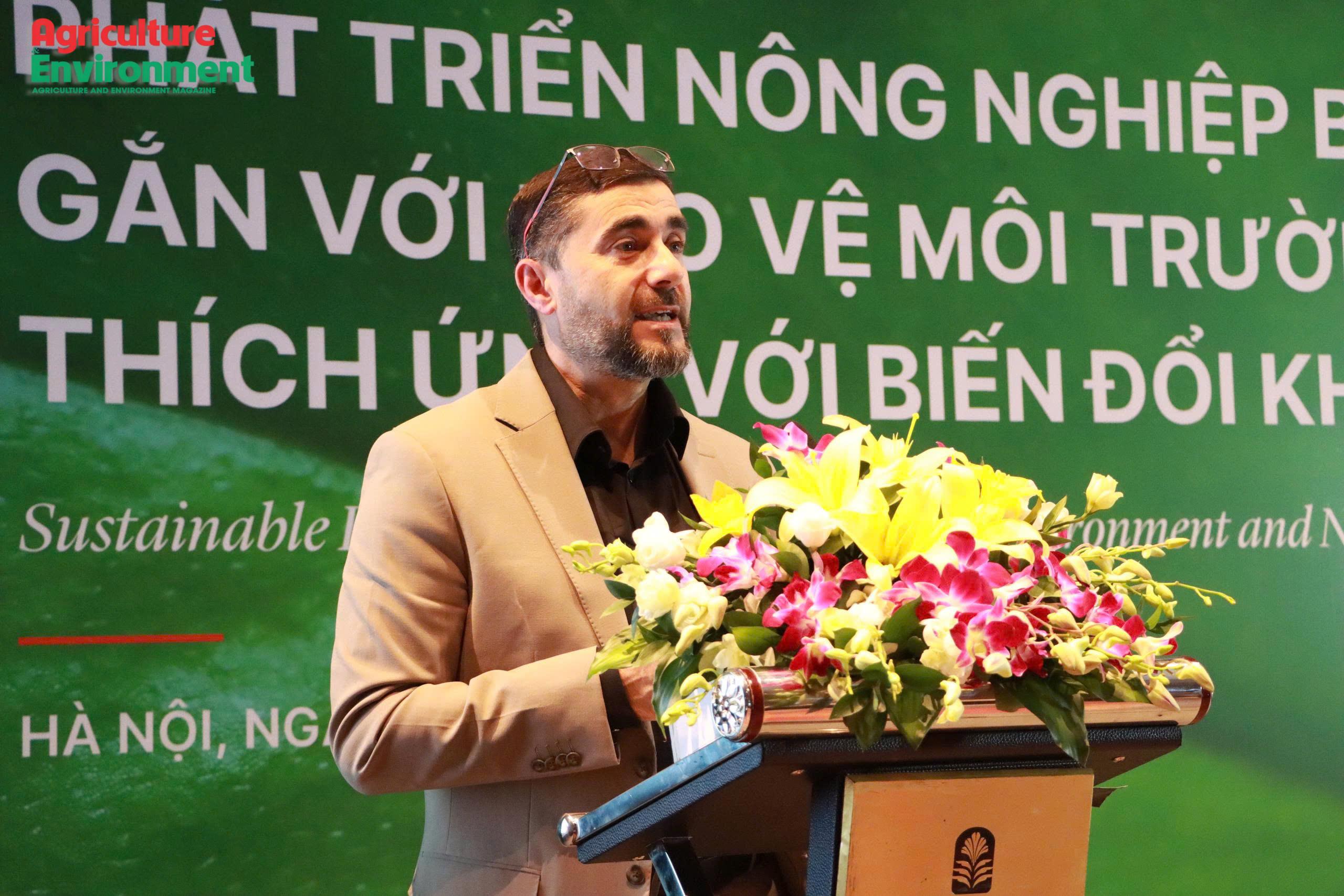
Currently, waste generation continues to grow alongside economic development, while investment in collection, recycling, and treatment infrastructure remains limited. Stronger government and corporate policies and actions can gradually control waste, expand collection and recycling activities, and aim for 100% coverage by 2050.
In a circular economy, ecological design and product reuse are widely applied, reducing waste to 2020 levels, achieving a 60% recycling rate, and fully eliminating uncontrolled disposal by 2050. This demonstrates that achieving a true circular economy requires a shift in approach—not only managing waste after it is generated but designing products, processes, and production systems from the outset to prevent waste creation.
Australia is finalizing its National Circular Economy Framework by December 2024. This framework aims to promote efficient resource use across key sectors and enhance sustainability through a coordinated national approach.
Australia’s circular economy transition is implemented through national policies with clear goals and roadmaps, guiding society toward sustainable development. The Chief Circular Economy Engineer leads collaboration across engineering, policy, business, and community sectors. The Australian government plays a pioneering role by setting waste reduction and recycling targets, supporting the transition through funding policies and public-private partnerships, and encouraging innovation in product design and supply chains to eliminate waste at the source.
For Vietnam, the first recommendation is to update the legal framework to encourage reuse and recycling, including requiring producers to assume responsibility for plastic and electronic waste under the EPR model. Investing in modern recycling infrastructure via public-private partnerships and technology transfer is essential to strengthen resource recovery capacity.
Developing eco-industrial parks—where the waste and resources of one company become inputs for another—is a sustainable strategy. Additionally, source-level waste sorting and collection must be strengthened to ensure high-quality inputs for recycling. The government should lead by setting specific recycling and waste reduction targets while prioritizing green procurement and recycled products.
Digital technologies such as IoT sensors and artificial intelligence (AI) should be applied to monitor waste and optimize recycling processes in real time. Human resource development is equally crucial, including collaboration with universities and vocational institutes and implementing R&D projects on plastic recycling and converting agricultural by-products into energy.
Finally, Vietnam-Australia business collaboration in circular solutions and community engagement—raising awareness on waste sorting and recycled product usage—is a key factor for building a circular economy that is sustainable economically, socially, and environmentally.
Transitioning to a circular economy is not only essential for green development but also offers Vietnam an opportunity to restructure its growth model, enhance competitiveness, and secure long-term resource security. Support from international organizations, active participation from government agencies, and innovation from enterprises and the public will lay the foundation for achieving net-zero emissions, building a green, circular, and sustainable agricultural sector, and advancing Vietnam’s progress toward a green economy and international integration.
The circular economy is a development model that aims to eliminate waste from the design stage rather than merely “treating it at the end of the pipe,” as in traditional approaches. Products are designed to be reusable, repairable, or recyclable, minimizing single-use items. The core principle of CE is to keep materials in circulation, maximize resource utilization, and reduce waste and pollution. Its ultimate goal is to build a sustainable, regenerative economy, replacing the linear “extract-produce-dispose” model that places heavy pressure on the environment.
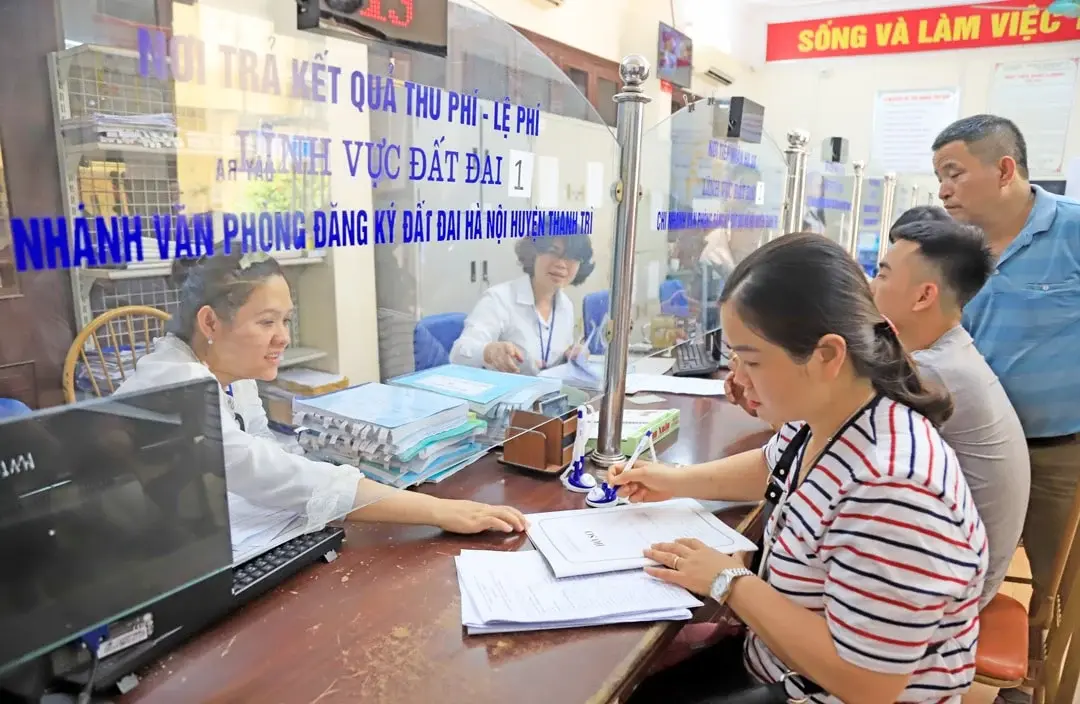
The Ministry of Agriculture and Environment has issued Circular No. 22/2026/TT-BNNMT dated May 19, 2026, amending and supplementing several circulars related to decentralization and the reduction and simplification of administrative procedures under the ministry’s state management authority. The document, signed by Deputy Minister Nguyen Hoang Hiep, marks a further step in Viet Nam’s institutional reform efforts and the modernization of governance in the agriculture and environment sectors.
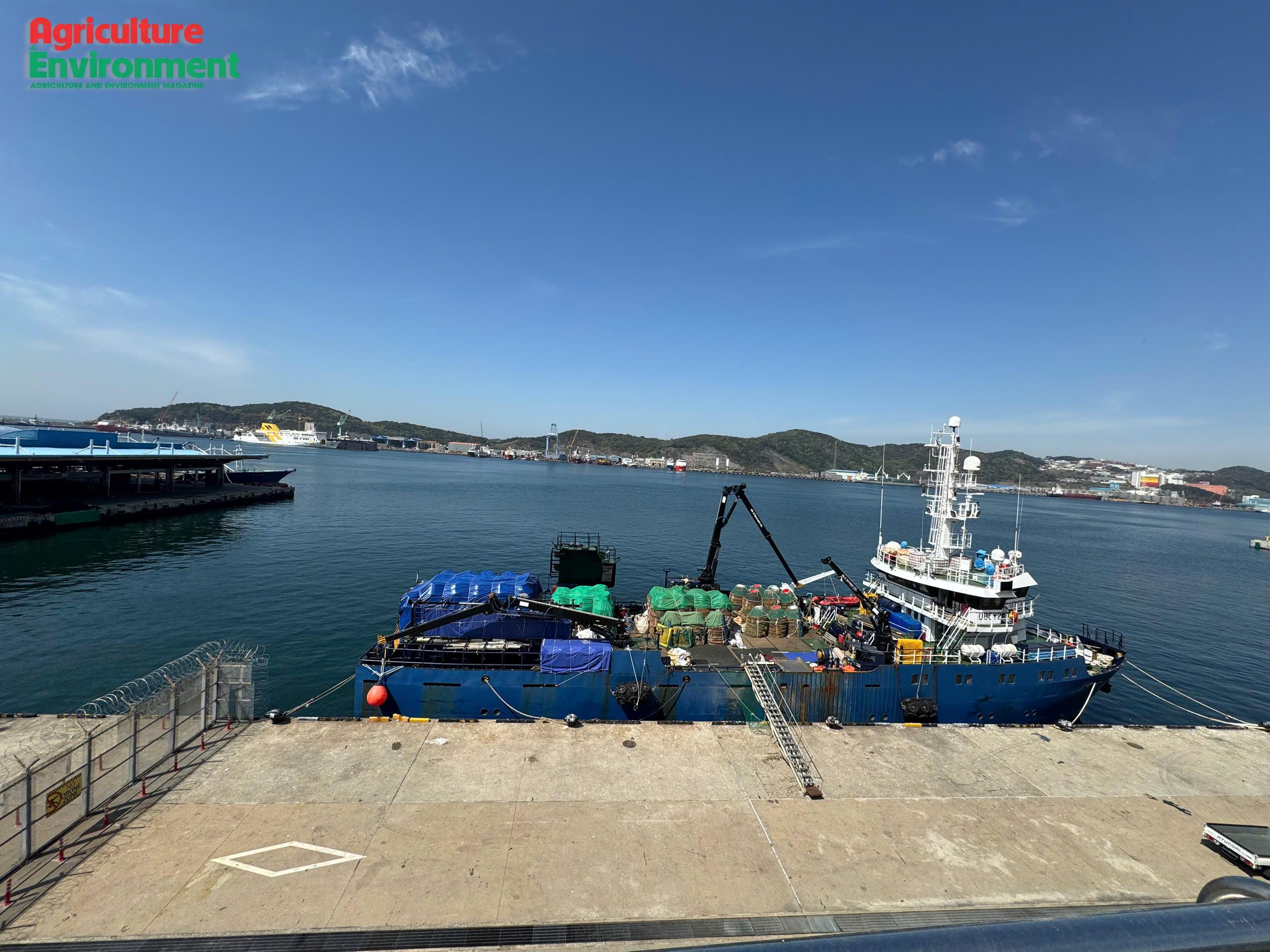
The fight against Illegal, Unreported, and Unregulated (IUU) fishing in Viet Nam is not merely a matter of completing technical reports to lift the European Commission’s (EC) "yellow card". Data from the 34th meeting of the National Steering Committee on IUU on April 16, 2026, shows that Viet Nam has made significant strides in legal frameworks and monitoring systems. However, looking at South Korea—a fisheries powerhouse driven by data-centric governance and sustainable livelihoods—it is clear that to truly escape the "shadow" of IUU, a revolution in governance is required: shifting from "administrative control" to "ecosystem operation".
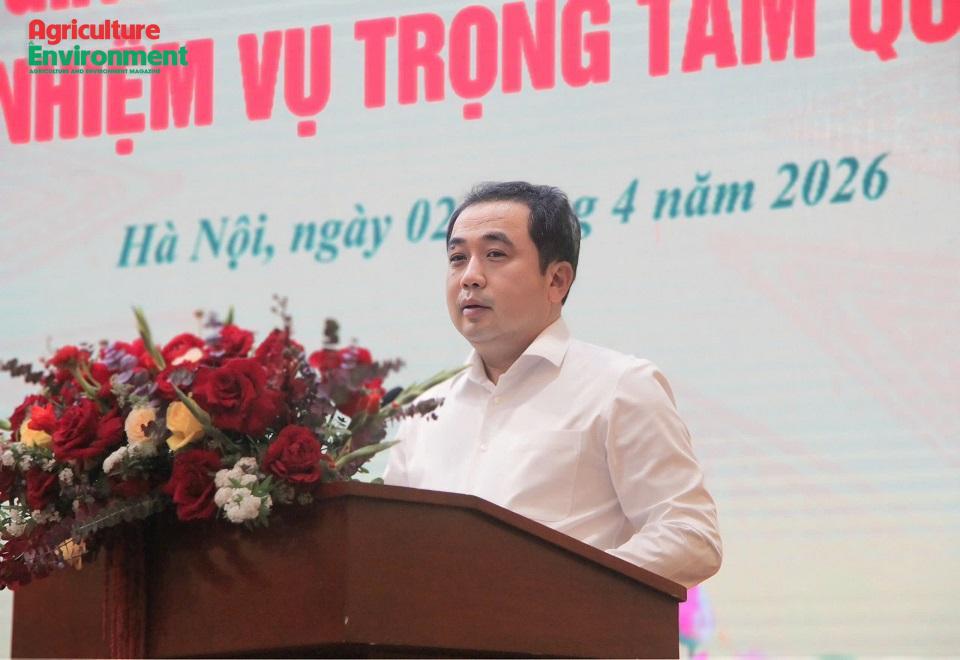
A first-quarter growth rate of 3.5–3.7% and export turnover of $16.69 billion reaffirm the resilience of Viet Nam’s agriculture and environment sector. Yet emerging pressures—from weakening export momentum to rising standards in global markets—are exposing structural constraints and underscoring the need for a transition toward a more innovation- and data-driven growth model. The first-quarter review conference held on April 2 marked not only an assessment point, but also the starting line for a critical policy acceleration phase in Q2 2026.
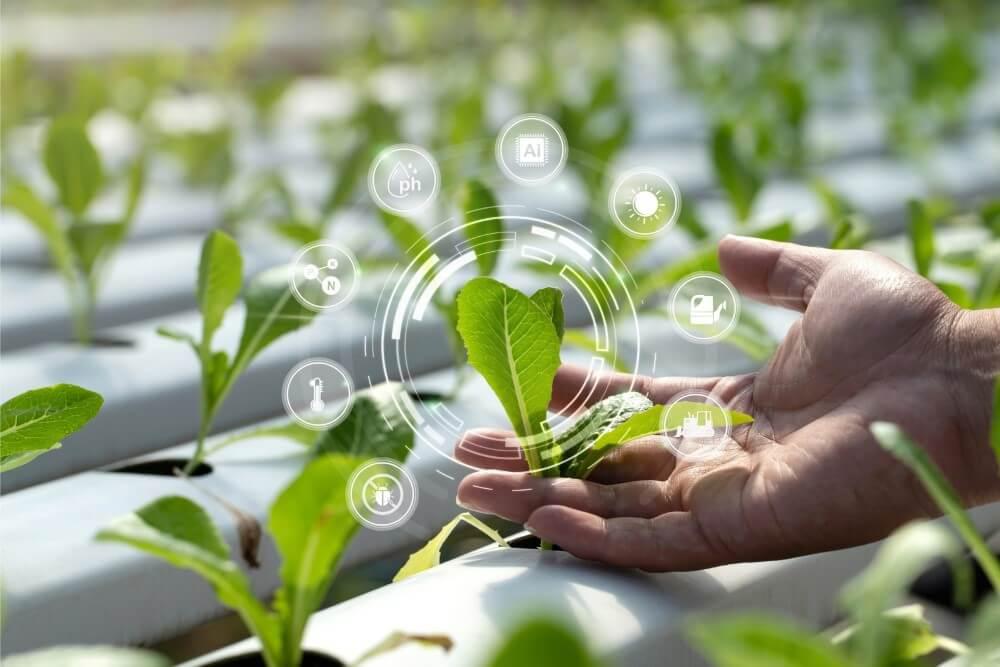
After the initial year of implementing the Action Program for Resolution No. 57-NQ/TW, the Ministry of Agriculture and Environment has entered a phase that requires directly confronting the core bottlenecks revealed during implementation. Part II of this series examines the difficulties and challenges emerging from practice; how the Ministry has articulated solutions to address foundational issues related to institutions, data, and operational capacity; and the outlook for implementing Resolution No. 57-NQ/TW from 2026 onward, with an emphasis on generating substantive, measurable value for the economy and for citizens.

After one year of implementing Resolution No. 57-NQ/TW of the Politburo on breakthroughs in science, technology, innovation, and national digital transformation, the Ministry of Agriculture and Environment has completed a substantial volume of tasks under conditions of high requirements for progress, quality, and nationwide scope. The year 2025 was identified as a start-up phase, focusing on institutional refinement, foundational development, and the coordinated implementation of key tasks. The initial results—particularly in digital transformation, administrative procedure reform, and the construction of the national land database—not only demonstrate the sector’s organizational capacity but also lay an essential foundation for the transition toward generating tangible value from 2026 onward.