




 After the initial year of implementing the Action Program for Resolution No. 57-NQ/TW, the Ministry of Agriculture and Environment has entered a phase that requires directly confronting the core bottlenecks revealed during implementation. Part II of this series examines the difficulties and challenges emerging from practice; how the Ministry has articulated solutions to address foundational issues related to institutions, data, and operational capacity; and the outlook for implementing Resolution No. 57-NQ/TW from 2026 onward, with an emphasis on generating substantive, measurable value for the economy and for citizens.

Challenges in the start-up year: Institutions, data, and capacity gaps
Alongside the notable achievements reported at the one-year review conference held on December 23, 2025, technical reports from the Ministry of Agriculture and Environment candidly acknowledge that 2025 was only a start-up year. The implementation of Resolution No. 57-NQ/TW continues to face a range of structural challenges related to institutional frameworks, data readiness, and practical implementation capacity.
In his summary report at the review conference, Dr. Nguyen Van Long, Director of the Department of Science and Technology, noted that while the Ministry had proactively reviewed, amended, and issued numerous legal documents to operationalize Resolution No. 57-NQ/TW, several sectoral databases still lacked a complete legal framework to ensure stable operation once construction had been completed.
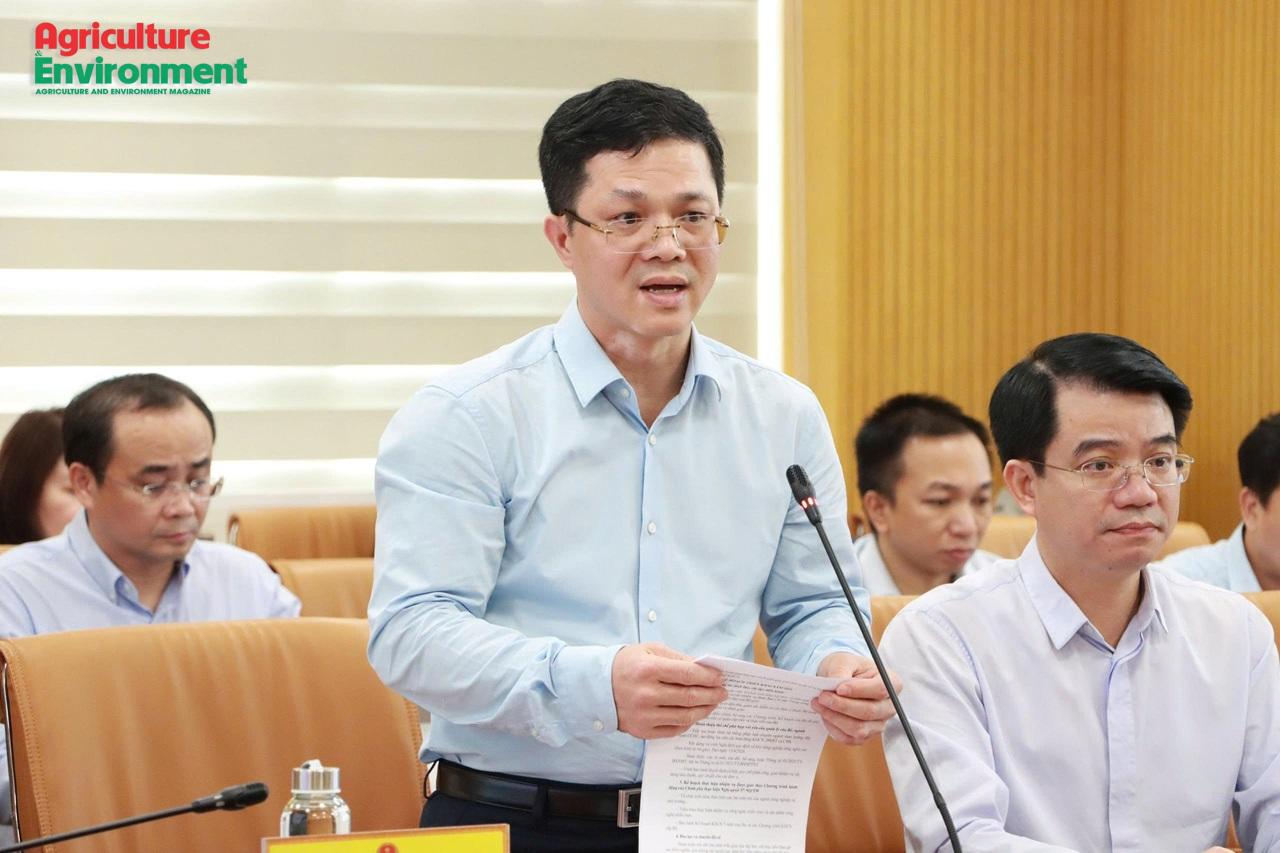
This represents a significant challenge. Under Resolution No. 57-NQ/TW, data systems are not expected merely to be “built,” but to operate effectively, enable data sharing and interoperability, and generate practical value for state management, citizens, and enterprises. Where the legal framework remains incomplete, many systems—despite substantial investment—have yet to fully realize their potential.
In addition, reports indicate that certain financial mechanisms and expenditure norms for science and technology and digital transformation have not kept pace with the requirements of the new governance model, particularly for large-scale data initiatives, shared digital platforms, and digital services that cut across sectors and administrative levels.
In the area of digital transformation, Mr. Le Phu Ha, Director of the Digital Transformation Department, observed that although the Ministry had issued eight implementation plans, two strategies, and one digital architecture framework—providing strategic direction for sector-wide digital transformation—the quality and depth of implementation have varied considerably across subsectors and localities.
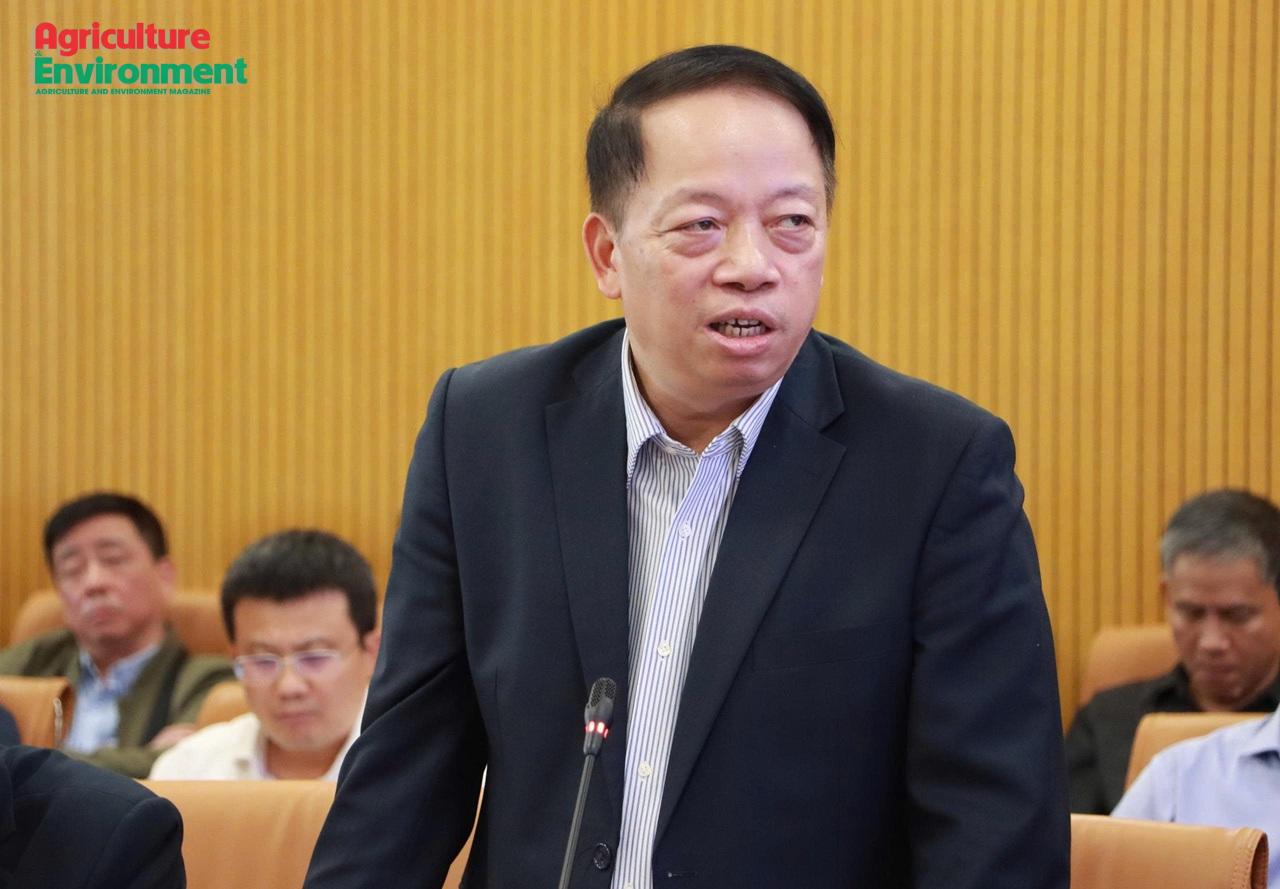
Some information systems and databases were developed on schedule, but regular updates, standardization of input data, and interoperability remain limited. As a result, data in many systems are not yet truly “live” and therefore fall short of supporting real-time operations and decision-making.
Notably, assessments conducted during technical working sessions in 2025 indicated that the national land database met approximately seven out of nine national criteria, while the agricultural database met only about two out of nine. This gap highlights significant disparities among subsectors within the same Ministry and underscores the considerable challenge of standardizing, integrating, and sharing agricultural data—an area characterized by fragmentation, multiple stakeholders, and heavy reliance on local-level inputs.
Although the Ministry provided 252 administrative procedures through its administrative procedures information system—of which 89 were fully online services, covering 100 percent of eligible procedures—technical reports noted wide disparities in actual usage rates. Some services processed large volumes of applications and were used frequently by citizens and businesses, while others saw minimal demand, resulting in low utilization efficiency. This has prompted calls to restructure the portfolio of public services to prioritize those with substantive impact, rather than dispersing resources across a large number of low-demand services.
According to reports from the Land Administration Department, the 90-day campaign to enrich and clean land data represented an extraordinary effort, but also exposed a number of sector-specific challenges. Under tight timelines, an exceptionally large workload—covering more than 61.72 million land parcels nationwide—and adverse conditions such as natural disasters and flooding in several localities, ensuring data accuracy, completeness, and consistency placed heavy pressure on the entire system, from central to local levels.
Moreover, in provinces where land databases had not yet been established, the collection and digitization of data from land use right certificates depended heavily on local conditions, staff capacity, and inter-agency coordination, resulting in uneven progress and data quality.
Fixing the bottlenecks: How implementation is being reorganized
Experience during the start-up year of Resolution No. 57-NQ/TW demonstrates that the challenges encountered stem not simply from the volume of work or tight deadlines, but primarily from implementation methods amid a broader transition in governance models. Accordingly, the solutions articulated by the Ministry of Agriculture and Environment have focused not on “doing more,” but on reorganizing how work is done and addressing the core bottlenecks revealed through practice.
First, with regard to institutions and policy mechanisms, the overarching solution is to refine the legal framework with a focus on operational effectiveness, not merely formal issuance. The fact that several databases have been built but remain underutilized underscores that technology investments cannot deliver value unless institutions evolve in parallel. The Ministry has therefore prioritized continued review and adjustment of existing regulations to ensure that information systems, databases, and digital platforms can operate stably, interconnect effectively, and be used routinely in state management once completed.
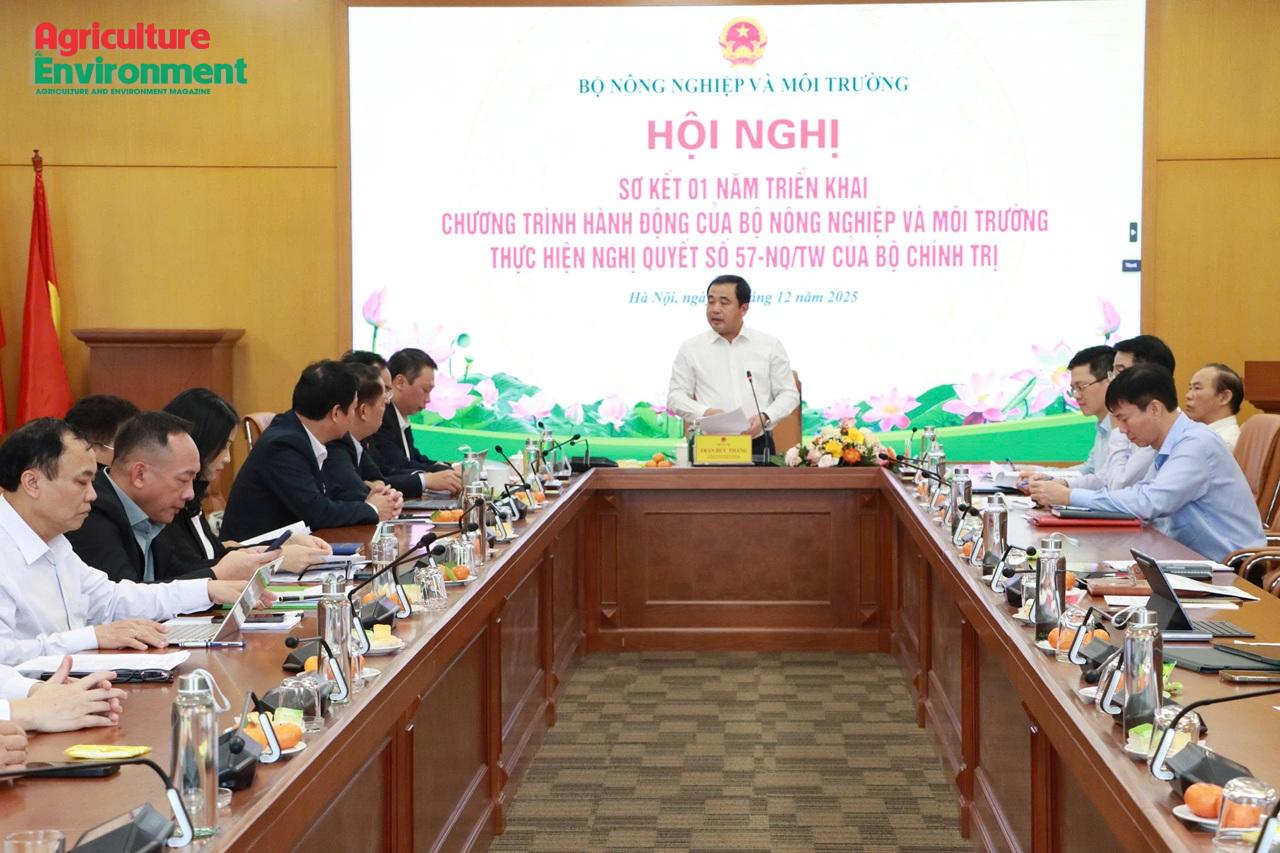
In science and technology, Director Nguyen Van Long emphasized that the key solution lies not in expanding the number of research topics or projects, but in reorienting research objectives. Science and technology tasks are being required to align more closely with the practical needs of the agriculture and environment sector, focusing on concrete challenges in production, natural resource management, environmental protection, and disaster risk reduction. This approach seeks to overcome a longstanding gap whereby research outputs remain largely confined to reports, with limited real-world impact.
In digital transformation, the strategic shift is explicitly from construction to operation, and from quantity to quality. Experience has shown that issuing plans, strategies, and digital architecture frameworks is only a necessary condition. The more critical requirements are standardizing input data, ensuring regular updates, and strengthening connectivity and data sharing across systems. Only when data are truly “live” can digital platforms effectively support decision-making and public service delivery.
In administrative reform and online public service provision, the Ministry has recognized the need to reassess actual usage and effectiveness. Rather than allocating resources across hundreds of procedures, the priority is to improve the quality of high-frequency services that directly serve citizens and businesses. This reflects a user-centered approach, with convenience and satisfaction serving as key indicators of digital transformation success.
For the national land database—one of the fastest-moving and most resource-intensive areas—the central lesson has been the importance of maintaining data discipline. The 90-day campaign demonstrated that data deliver value only when they are continuously updated, standardized, and synchronized. As a result, data enrichment and cleaning are no longer viewed as short-term campaigns, but as ongoing responsibilities embedded at every level, locality, and stage of the land administration process.
Taken together, these solutions indicate that the Ministry of Agriculture and Environment is gradually shifting from a “plan-driven implementation” mindset to a results-based governance approach. Under this framework, each task under Resolution No. 57-NQ/TW is evaluated through a central set of questions: What value does it create? What problem does it solve? And can it be sustained and scaled?
From foundations to measurable value: The next phase of Resolution No. 57-NQ/TW
After one year of implementing the Action Program for Resolution No. 57-NQ/TW, the overall picture of the agriculture and environment sector suggests that the start-up phase has fulfilled its role: establishing foundations, completing initial institutional frameworks, and piloting new approaches. From this point forward, the imperative is no longer to “implement more,” but to transition toward generating substantive, measurable, and verifiable value.
This orientation was clearly articulated by Mr. Nguyen Huy Dung, a member of the Central Steering Committee on Science, Technology, Innovation, and Digital Transformation, who emphasized that from 2026 onward, policies and programs under Resolution No. 57-NQ/TW must penetrate the real economy and produce tangible impacts for enterprises and citizens. This framing shifts evaluation criteria from progress tracking to effectiveness, and from task completion to end results.
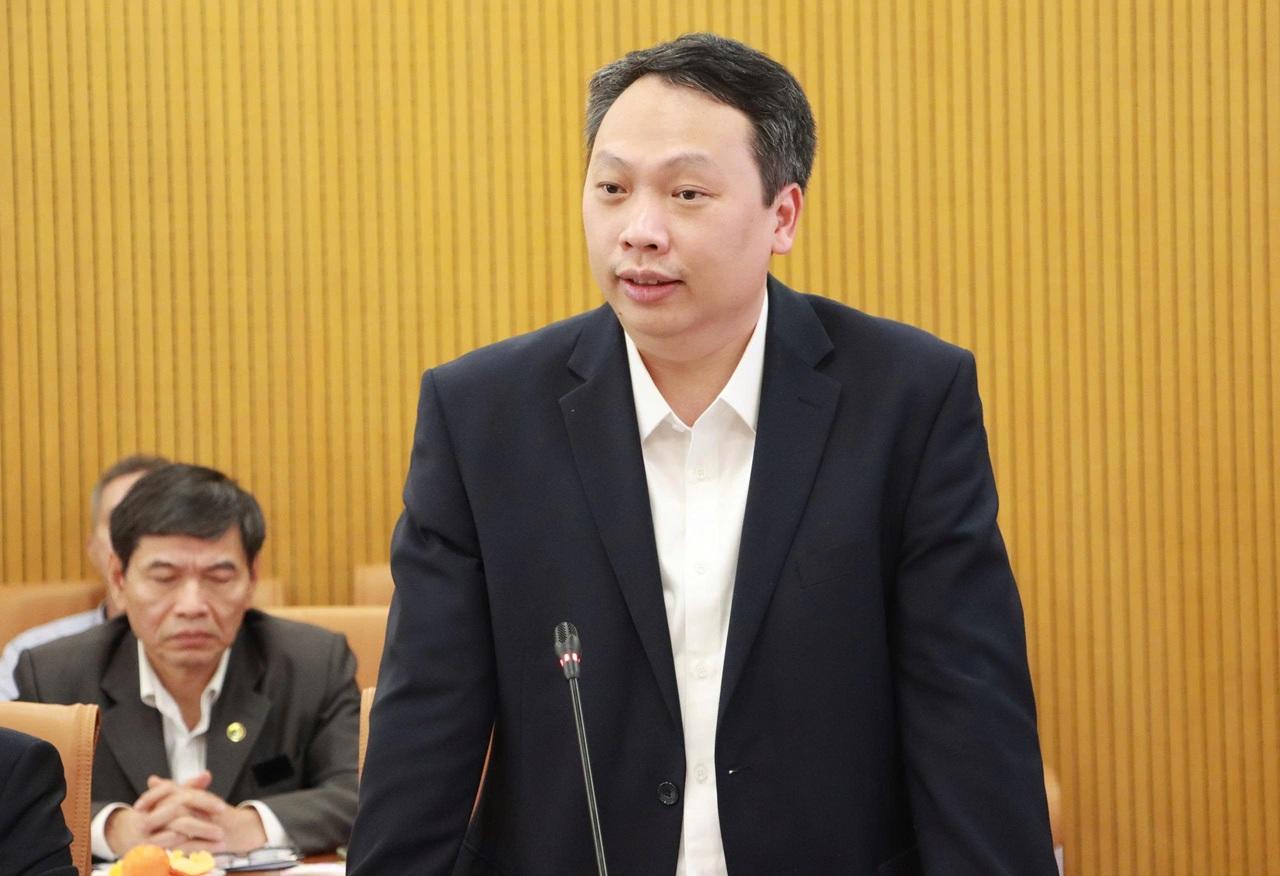
Under this perspective, science and technology are no longer viewed solely as medium- and long-term research domains detached from practice, but must be organized to directly support the transformation of the sector’s growth model. Innovation is identified as the key driver for converting knowledge into economic and social value, while digital transformation serves as the organizational instrument ensuring that policies and programs operate effectively on a foundation of data and technology.
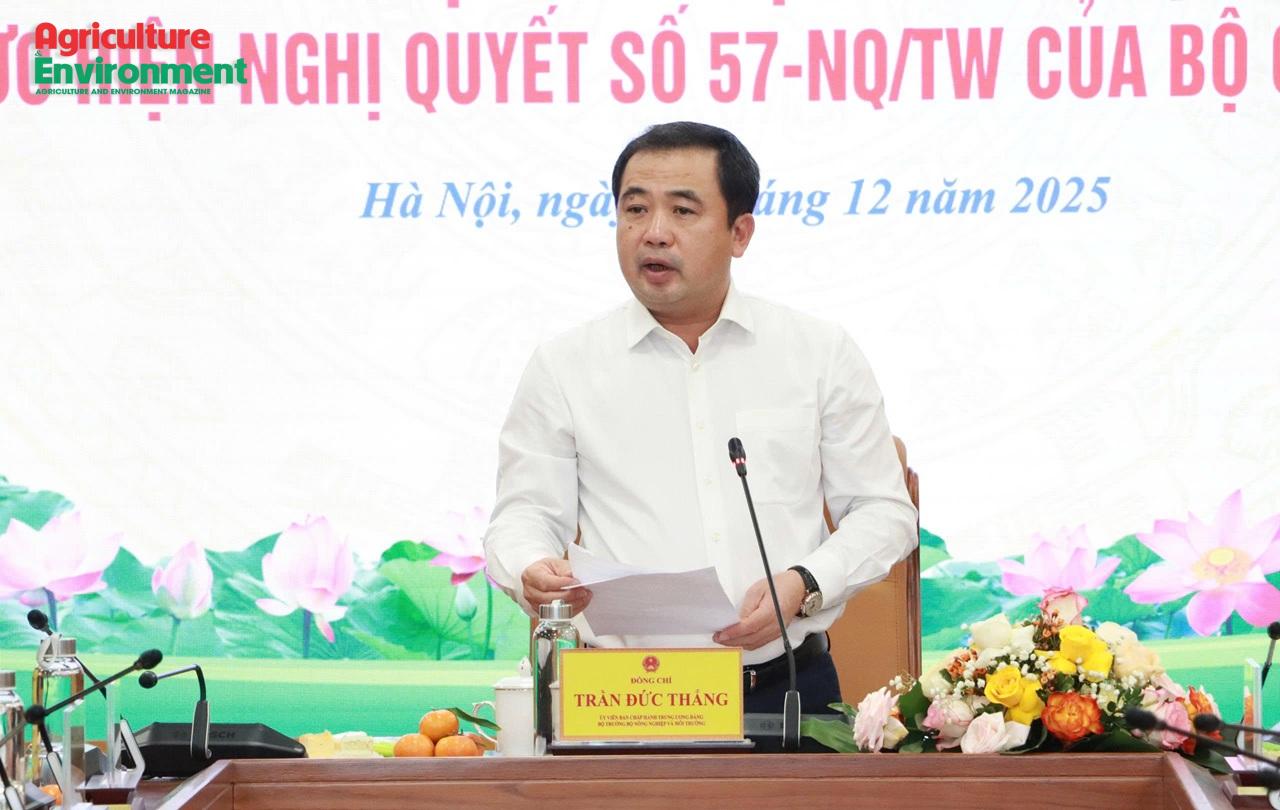
From this “expectation benchmark,” the Ministry’s governance orientation for the next phase reflects a clear transition: from expansion to selectivity, from dispersion to focus, and from platform investment to effective utilization. Remarks by Minister Tran Duc Thang at the review conference indicate that the Ministry will prioritize critical areas capable of generating spillover effects, while requiring every task under Resolution No. 57-NQ/TW to demonstrate concrete value for state management, production, and livelihoods.
In science and technology, the outlook for 2026–2030 is defined not by the number of approved projects, but by the emergence of practical application models that can be scaled across agricultural production, natural resource management, and environmental protection. This underscores a clear commitment to linking research with application and using real-world impact as the primary metric.
In innovation, building an innovation ecosystem specific to the agriculture and environment sector is viewed as essential. Enterprises play a central role in bringing science and technology outcomes into production and business, while the State and educational institutions act as enablers by shaping institutions and supplying human capital and knowledge. This aligns with the “triple-helix” cooperation model—State, universities, and enterprises—repeatedly emphasized by the Central Steering Committee.
In digital transformation, 2026 is widely regarded as a pivotal year for shifting from system construction to substantive operation. The progress achieved in the land database in 2025 demonstrates that when data are standardized, updated, and synchronized, digital technology can function as an effective governance tool. Building on this foundation, accelerating the completion of remaining criteria for the agricultural database is expected to unlock new potential for data-driven sectoral governance, improved public service quality, and more informed decision-making.
Overall, the success of Resolution No. 57-NQ/TW from 2026 onward will not be measured by the number of new plans or tasks introduced, but by the extent to which it delivers meaningful changes in governance practices, production organization, and public service provision in the agriculture and environment sector. The shift from a “plan completion” mindset to one focused on “measurable value creation” will serve as the defining benchmark for evaluating the Resolution’s impact in the next phase.
Starting July 1, 2025, 34 provinces and centrally governed cities across Vietnam officially began operating under a new two-tier local government model, comprising only provincial and communal levels—effectively dissolving the district-level government structure. This historic shift marks a major milestone in Vietnam’s ongoing administrative reform agenda, aimed at streamlining governance, improving operational efficiency, and enhancing public service delivery. As one of the key ministries deeply involved in agricultural development and environmental protection, the Ministry of Agriculture and Environment (MAE) has taken a proactive approach in adapting to the new model. It has reviewed and revised policy frameworks, delegated appropriate authority, and prioritized capacity-building for grassroots-level officials. This proactive stance not only ensures continuity in sectoral governance but also lays the foundation for advancing digital transformation, green agriculture, circular econom
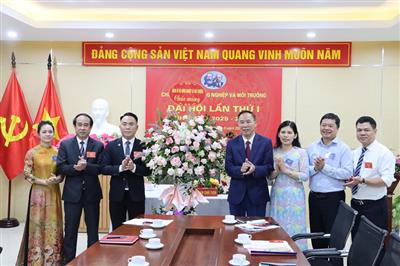
On May 26, 2025, the Party Cell of the Agriculture and Environment Magazine solemnly convened its First Congress for the 2025-2030 term. The event was held in the sacred and heroic atmosphere of historic May, as the nation commemorated the 50th anniversary of national reunification (April 30, 1975 - 2025), along with the President Ho Chi Minh's 135th birthday (May 19, 1890 - 2025). The Congress carried special political significance, marking a milestone in the Party Cell’s growth and development as Vietnam enters a new era of digital transformation, while the agriculture and environment sectors face increasing demands for reform and international integration.
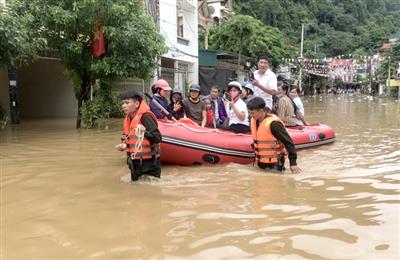
Prime Minister Pham Minh Chinh has issued a directive for swift and comprehensive action to mitigate the aftermath of severe flooding in northern and midland regions of Vietnam. From June 8-10, heavy rainfall led to extensive flooding in the provinces of Quang Ninh, Hai Phong and Ha Giang, causing significant disruption and damage.
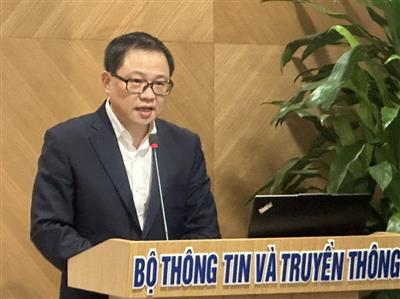
On April 25th, the Ministry of Information and Communications (MIC) hosted a training workshop on media coverage of integration, UNESCO, and ASEAN in 2024 for journalists from various media agencies in Hanoi.

By 2030, Vietnam is planning to develop new Marine Conservation Areas (MCAs) and restore marine ecosystems, increasing the area of marine and coastal conservation zones to approximately 6% of Vietnam's coastal area. This plan, initiated by the Ministry of Natural Resources and Environment, is currently undergoing feedback and input from various coastal regions and entities.