



 At the workshop “Developing and enhancing the value of Shan Tuyet tea,” organized by the Agriculture and Environment Magazine in Lao Cai, Assoc. Prof. Dr. Pham Anh Tuan, Director of the Institute of Agricultural Engineering and Post-Harvest Technology, emphasized that the future of Shan Tuyet tea lies not only in its unique raw material areas, but also in how science and technology can pave the way for a more diverse and sustainable product ecosystem.

Shan Tuyet’s priceless heritage regions and untapped potential
According to Assoc. Prof. Dr. Pham Anh Tuan, Vietnam currently has around 40,000 hectares of Shan Tuyet tea. This genetic resource spans high mountain regions in Tuyen Quang, Son La, Lao Cai, Lai Chau, and parts of Phu Tho. In areas such as Suoi Giang, Bac Ha, and Hoang Su Phi, centuries-old ancient tea trees have created distinct local brands thanks to cold, humid conditions and elevations ranging from 700 to 1,500 meters.
What is noteworthy is that the polyphenol, catechin, and caffeine contents in Shan Tuyet tea far exceed those of many common tea varieties. As a result, the brewed liquor is dense, mildly astringent, and pleasantly sweet aftertaste. This biochemical profile forms a strong foundation for upgrading Shan Tuyet tea into premium tea lines, health-oriented teas, or ingredients for functional foods.
Assoc. Prof. Dr. Pham Anh Tuan noted: “Shan Tuyet tea has exceptionally high intrinsic value. The issue is not whether we have good raw materials, but how technology enables us to preserve, transform, and elevate these intrinsic qualities into products with real market competitiveness.”

Preservation tech: The key to unlocking bioactive value
Dr. Pham Anh Tuan’s presentation outlined the essential technology chain needed for modern processing—from harvesting to preservation. The overarching principle is “maximum retention, minimal loss”: preserving bioactive compounds, color, and natural aroma of Shan Tuyet tea while minimizing losses throughout the production process.
Enzyme deactivation at 90–95°C for a short duration helps maintain the green color and characteristic flavor of fresh leaves. Advanced drying technologies such as cold drying, freeze-drying, and spray-drying create opportunities for diversified product lines—from premium floral teas and medicinal tea blossoms to matcha powders and instant teas. When combined with ultrasound-assisted extraction, the yield of bioactive compounds can exceed 90%, enabling the production of tea extracts or functional food products rich in catechins and anthocyanins.
Dr. Pham Anh Tuan explained: “If we rely only on traditional hot-air drying, we lose a large amount of aroma and active compounds. Modern technologies not only preserve the natural quality but also open pathways into the health and wellness product sector—an area with tremendous global demand.”
From processing to post-harvest: Quality depends on technology
Another key point in the presentation was post-harvest preservation. Given tea’s sensitivity and susceptibility to chemical, biochemical, and microbiological changes, controlling the preservation environment is essential for product stability.
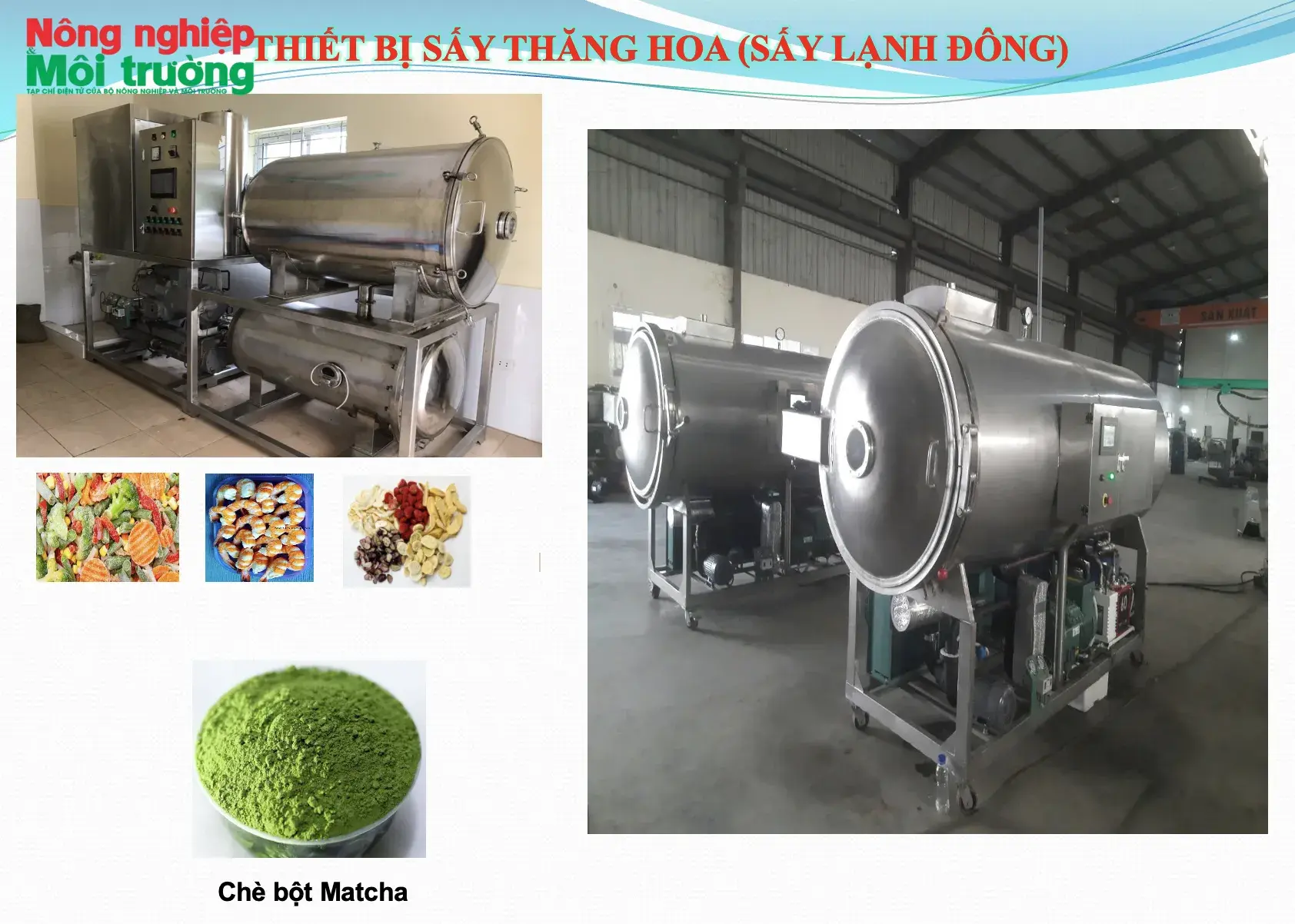
Modern preservation technologies—modified-atmosphere packaging (MAP), cold-dry storage, infrared and microwave treatments, or antioxidant supplementation—allow quality to be maintained for longer periods. In particular, silo systems with controlled gas composition, temperature, humidity, and automated monitoring help reduce packaging and labor costs while ensuring uniformity—crucial for large-scale export shipments.
Between 2013 and 2015, the Institute of Agricultural Engineering and Post-Harvest Technology successfully deployed a silo system for drying, preserving, and dosing CTC black tea, with a capacity of 60 tons per cycle. This model demonstrated that full automation can deliver stable quality while meeting stringent hygiene and food safety standards.
Assoc. Prof. Dr. Pham Anh Tuan stressed: “If enterprises aim for stable export markets, they cannot rely solely on manual experience. Automation and computer-based control are the foundations for elevating Shan Tuyet tea products to a new level.”
One distinctive advantage of Shan Tuyet Tea is its versatility. Thanks to its rich chemical profile, the tea can be developed into a wide range of products: green tea, black tea, high-end semi-fermented teas; floral teas or scented teas retaining color and aroma through cold drying; dried tea blossoms for medicinal use; Shan Tuyet matcha with vibrant color and deep flavor; tea extracts rich in catechins; tea tablets and instant teas for convenience markets.
This capacity for diversification is the key for Shan Tuyet tea to break away from the mindset of raw-material products. Building an “expanded value chain” that integrates local culture, tourism, and OCOP products will help strengthen highland branding.
Recommendations for enterprises and cooperatives on sustainable investment
From the standpoint of a research and technology transfer institution, Dr. Pham Anh Tuan made several clear recommendations. First, enterprises must clearly define their target markets and production scales before investing. Given the wide range of technological options, choosing the right one can significantly reduce costs. Second, priority should be given to technologies that preserve bioactive compounds—the attributes that create the highest value of Shan Tuyet. Third, enterprises and cooperatives should leverage national, ministerial, and local science and technology programs to upgrade their equipment.
Assoc. Prof. Dr. Pham Anh Tuan emphasized: “The Institute of Agricultural Engineering and Post-Harvest Technology is ready to accompany enterprises in consulting, design, technical improvement, and developing science and technology tasks. To fully unlock the potential of Shan Tuyet tea, enterprises cannot walk alone.”
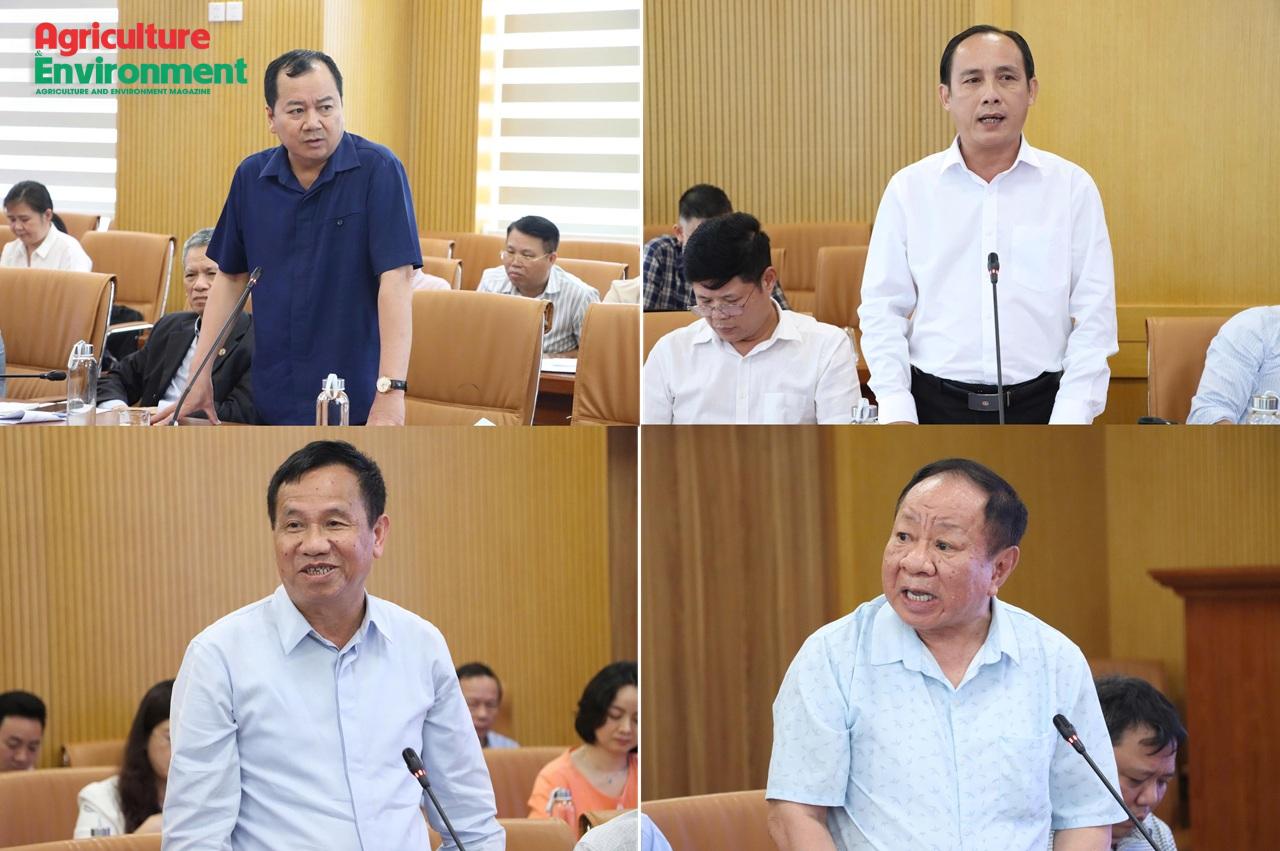
As global trade conditions remain volatile, Viet Nam’s agriculture, forestry, and fisheries sectors continue to post encouraging export growth. Yet the momentum comes with mounting pressure from stricter market requirements, environmental standards, traceability rules, and rising compliance costs.
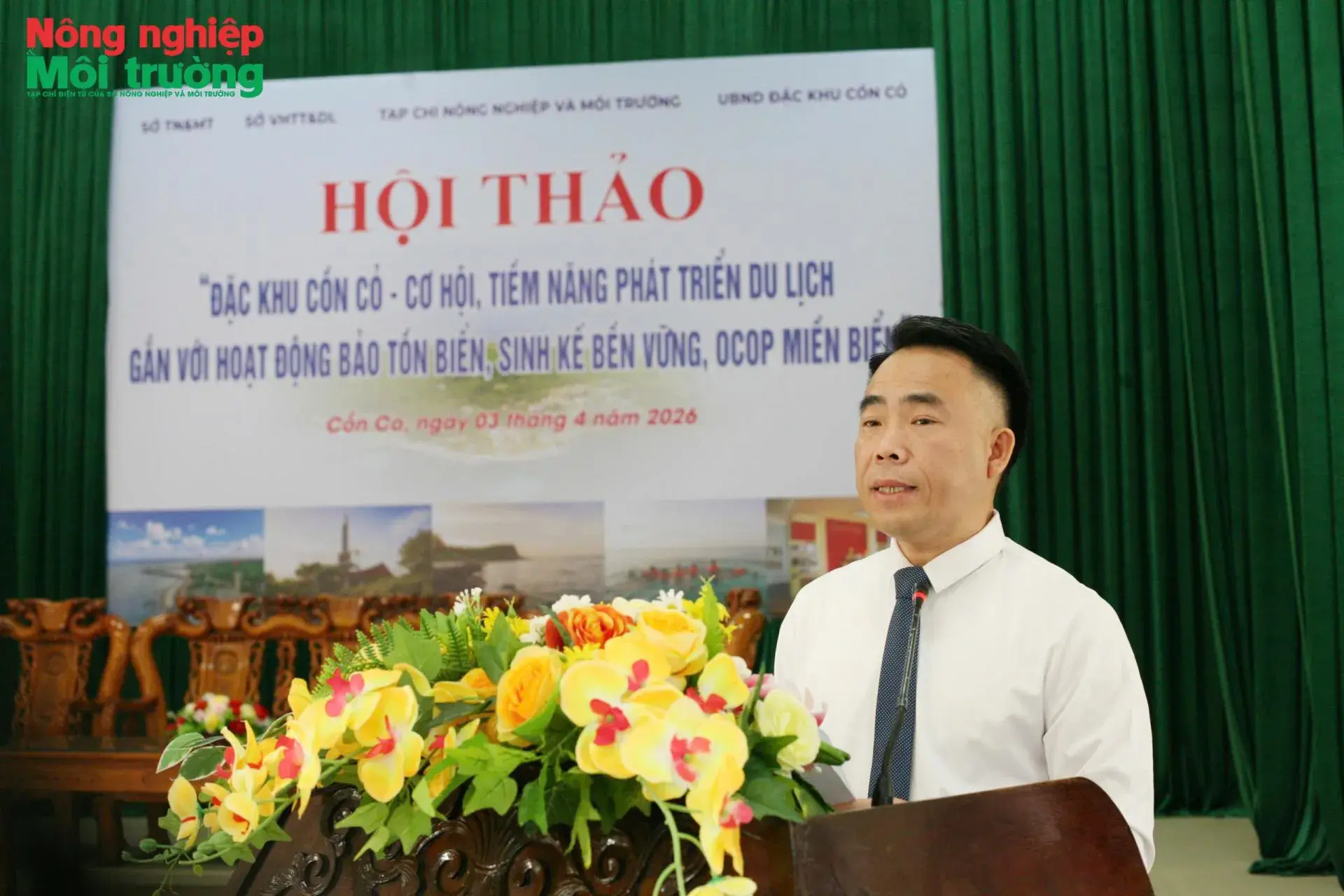
A policy workshop on “Con Co special zone – Opportunities and potential for tourism development linked to marine conservation, sustainable livelihoods, and coastal OCOP products” highlighted a new development approach in which growth must go hand in hand with conservation, and economic expansion must be grounded in ecological sustainability and community well-being.
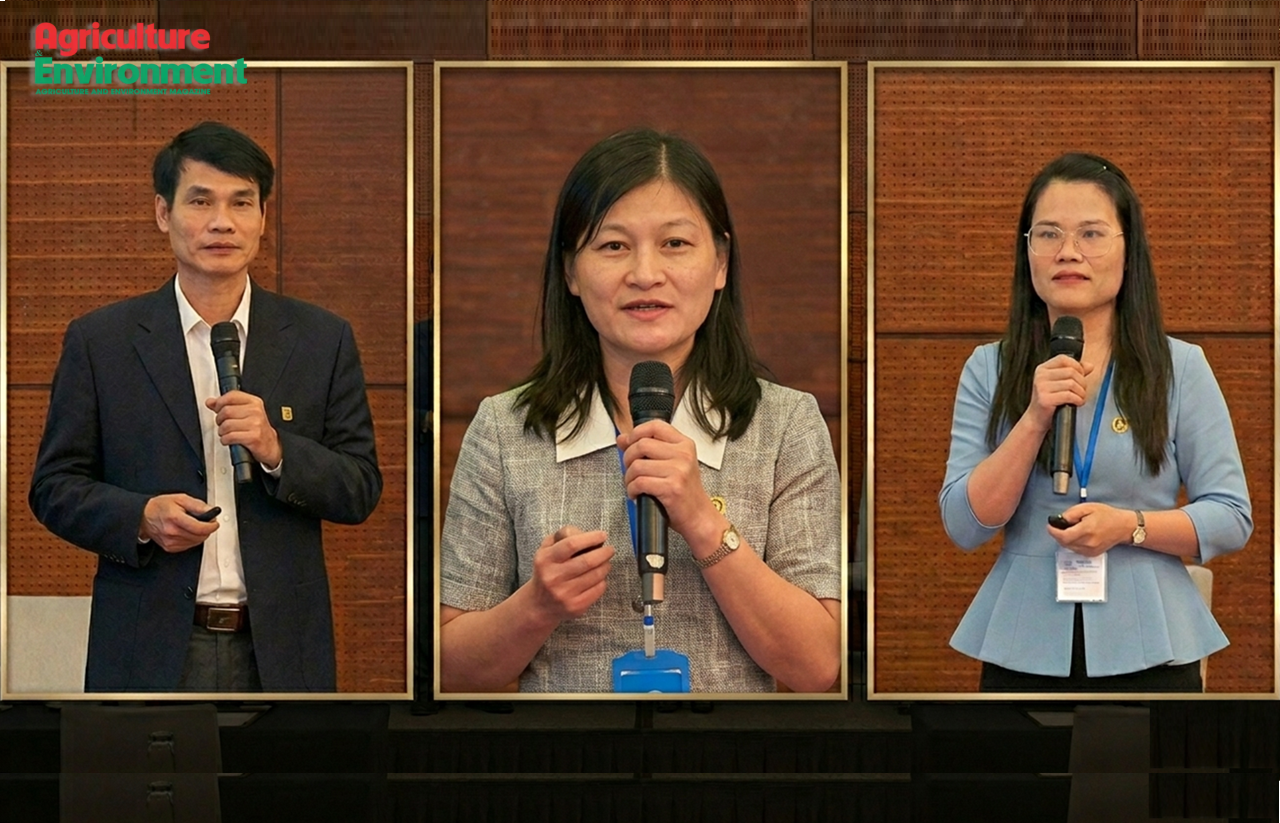
Within the framework of the first National Conference on Livestock and Veterinary Science and Technology organized by the Ministry of Agriculture and Environment, a subcommittee on ruminant science and technology convened on March 28 at the National Convention Center (Hanoi) to discuss solutions to reduce methane emissions — one of the main sources of greenhouse gas emissions in the livestock sector. Studies presented at the session indicated that adjusting feed rations, using feed additives, and optimizing feed resources can directly influence rumen fermentation processes. The findings suggest that nutrition-based interventions are emerging as a practical approach to promoting more sustainable livestock production.

After the initial phase of building legal frameworks and piloting traceability systems in selected commodity sectors, Viet Nam’s agricultural, forestry, and fisheries sectors are now entering a far more complex challenge: organizing and operating data across the entire production chain. From farming areas and cooperatives to exporting enterprises, growing demands for transparency are forcing many parts of the agriculture sector to rethink management practices and operational models that have remained largely unchanged for years.
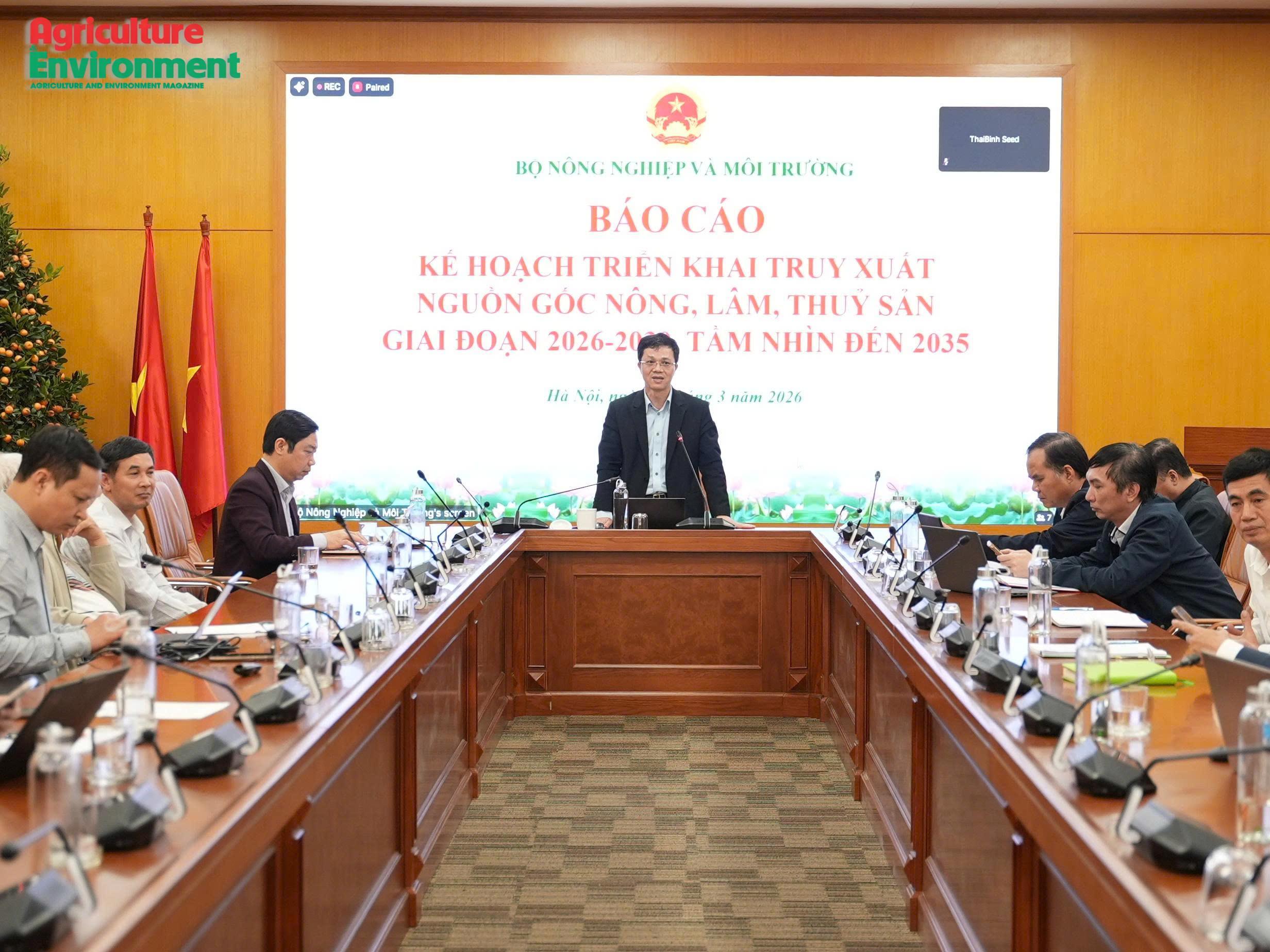
For many years, Vietnamese agricultural exports entered global markets largely on the strength of seasonal advantages and competitive pricing. However, as importing countries tighten requirements on product quality, food safety, and supply chain transparency, the limitations of that production model have become increasingly apparent. Traceability is therefore no longer limited to labeling or QR-code identification; it has become a catalyst for broader changes in the way agricultural production is governed and managed.