



 The technical discussion session held on the morning of January 9, as part of the ISG 2025 Conference themed “Advancing a green, low-emission and sustainable food systems transition: Cooperation and innovation,” focused on reviewing implementation progress and clarifying key pillars of Viet Nam’s National Action Plan for a transparent, responsible and sustainable food systems transformation (FST-NAP) through 2030. Through policy updates, FAO’s technical support orientations and in-depth group discussions, the session identified critical bottlenecks and priority actions aimed at translating strategic commitments into tangible outcomes on the ground.
As Viet Nam accelerates its green transition and restructures the agricultural sector toward low-emission and sustainable development, the ISG technical discussions were convened to address the foundational requirements of food systems transformation. The session focused on analyzing the policy framework, technical support capacity and conditions for mobilizing resources, while reviewing implementation progress of the National Action Plan, helping identify gaps requiring priority attention in the coming period.
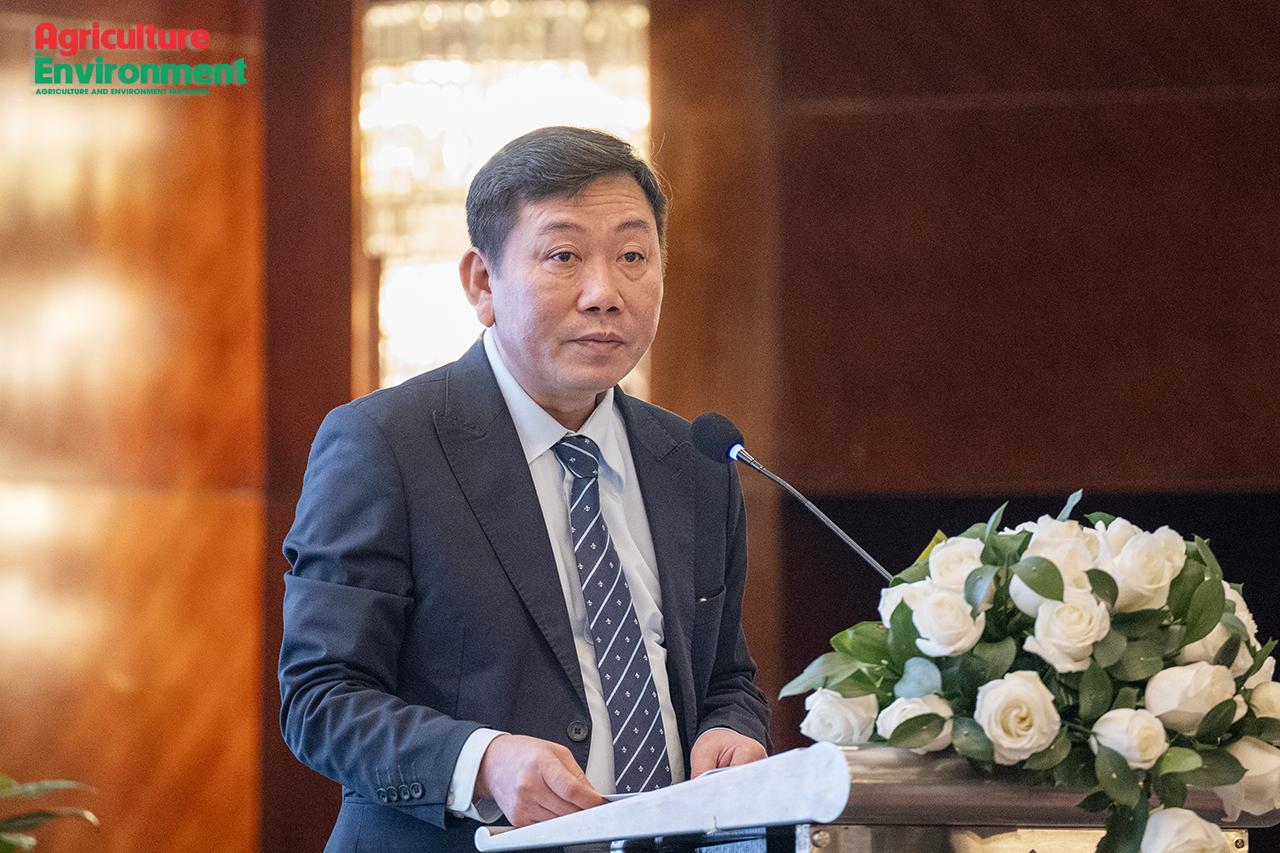
Opening the technical session, Mr. Nguyen Do Anh Tuan, Director of the Department of International Cooperation under the Ministry of Agriculture and Environment, said food systems transformation cannot be approached through a sector-based or stand-alone project mindset. Instead, it must be viewed as an integrated agri-food ecosystem in which production, environment, nutrition, consumption and livelihoods are closely interconnected. He noted that the technical session aimed to clarify the foundational basis for policymaking, ensuring that strategic directions are grounded in scientific evidence and practical feasibility.
Implementing the national food systems action plan
A central focus of the morning session was an update on the implementation of the National Action Plan for a Transparent, Responsible and Sustainable Food Systems Transformation through 2030 (FST-NAP). Presenting the update, Mr. Tran Van The, representing the Food Systems Transformation Partnership, said the plan was developed in a context where Viet Nam identified food systems transformation as a key pillar for achieving the Sustainable Development Goals, ensuring food security, improving incomes and responding to climate change.
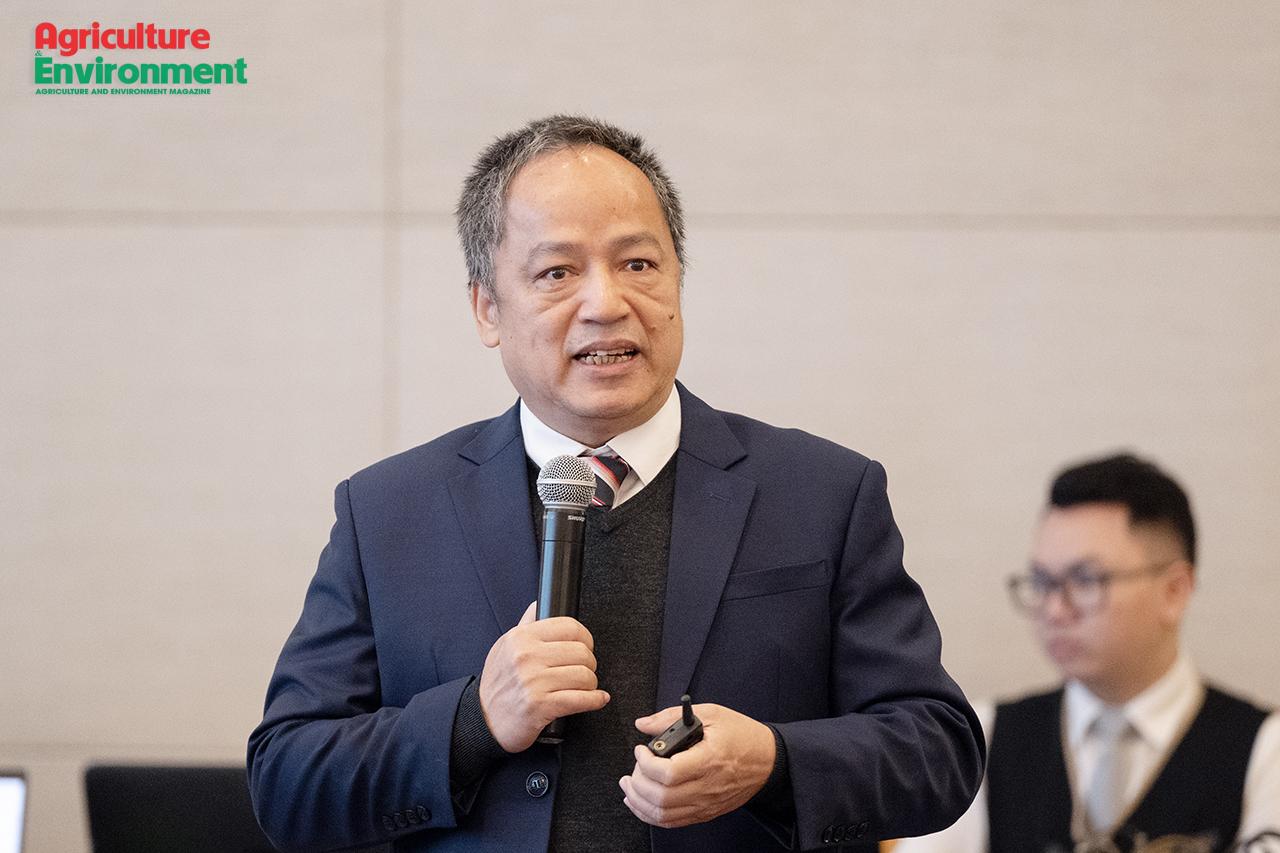
According to Mr. Tran Van The, the FST-NAP sets out comprehensive objectives across the pathway from production to consumption, with specific targets related to income growth, multidimensional poverty reduction, nutrition, food safety, processing development, traceability and greenhouse gas emission reductions. The plan goes beyond promoting sustainable production models, aiming to restructure the entire food value chain by linking production with markets, consumption patterns and environmental protection.
To support implementation, Viet Nam has established the Food Systems Transformation Partnership (FST-P), involving dozens of domestic and international partners, alongside five inter-disciplinary technical working groups focusing on institutions and policy, agroecology, nutrition, food loss and waste reduction, and responsible distribution and consumption. This mechanism serves as a coordination platform connecting ministries, local authorities, international organizations and the private sector.
Implementation faps hindering FST-NAP
Alongside reported progress, the technical discussions also highlighted challenges constraining effective implementation of the FST-NAP. Mr. Tran Van The noted that disruptions in focal points and coordination mechanisms following organizational restructuring have created difficulties in monitoring and carrying out assigned tasks.
Limited availability of dedicated financial resources for the FST-NAP was identified as another major constraint. Most localities and central agencies currently rely on mainstreaming food systems transformation activities into other programs and projects, resulting in delays or partial implementation. Shortages in specialized human resources, technical equipment and funding for communication, training, and monitoring and evaluation have also affected implementation effectiveness.
Participants further observed that agricultural production remains fragmented, with insufficiently coordinated input management, making it difficult to apply transformation technologies and models at scale. While many internationally supported models have demonstrated effectiveness, limitations in replication and transfer have reduced their broader impact.
These assessments indicate that challenges facing the FST-NAP are primarily related to implementation capacity, coordination and resource mobilization within a systems-based transformation framework, rather than gaps in policy direction.
FAO outlines technical support priorities for 2026–2030
Against this backdrop, technical support orientations from international partners, particularly the Food and Agriculture Organization of the United Nations (FAO), were highlighted as critical to strengthening implementation of the FST-NAP. Speaking at the technical session, Nguyen Song Ha, Assistant Representative of FAO in Viet Nam, said FAO would continue supporting Viet Nam during the 2026–2030 period with a more comprehensive approach focused on building system-wide capacity rather than isolated projects.
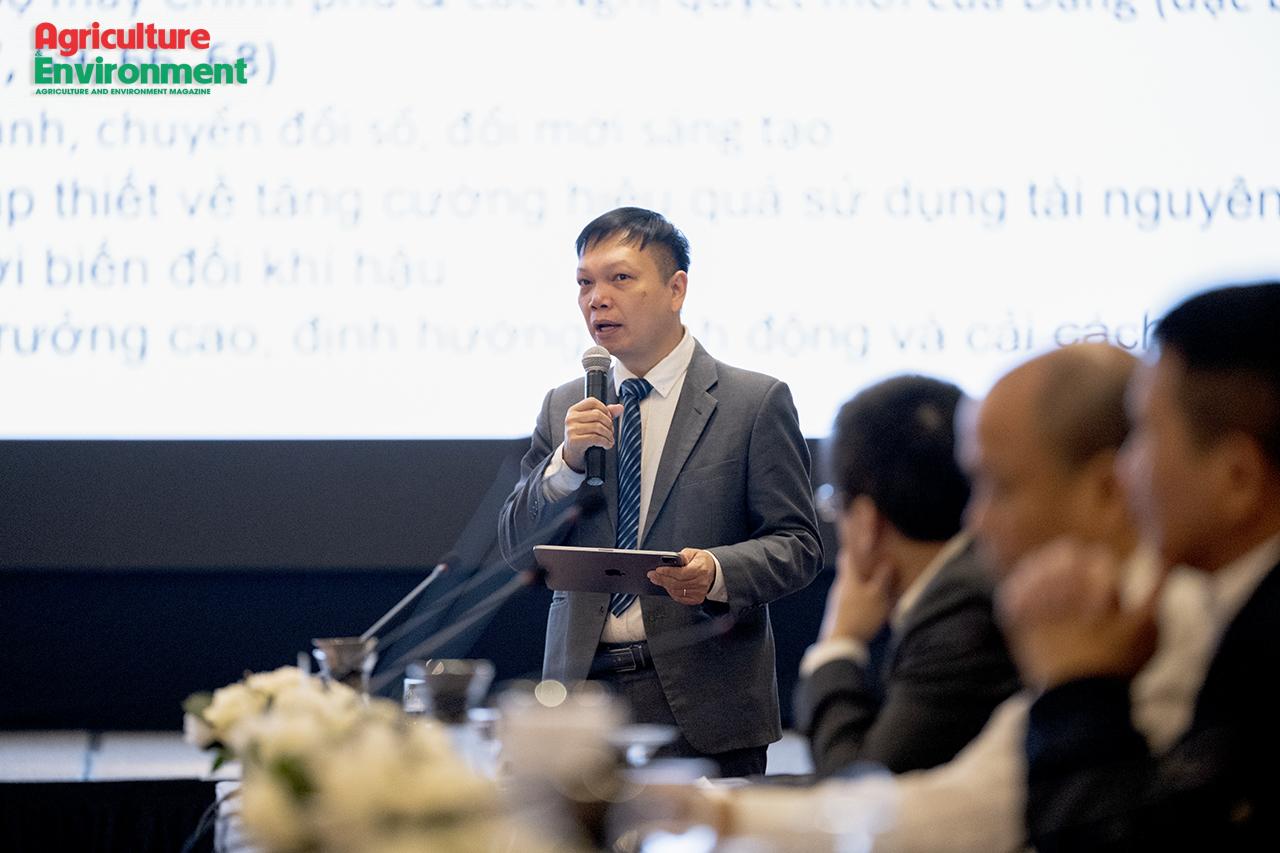
According to Mr. Nguyen Song Ha, FAO’s technical assistance will focus on four priority areas: inclusive human development; economic transformation linked with digital transformation; climate action and environmental sustainability; and strengthened governance and rule of law. Specific support areas include promoting food safety and nutrition under a One Health approach, applying data, remote sensing and artificial intelligence for pest surveillance and resource management, and advancing circular, low-emission and climate-resilient agriculture.
FAO also underscored the importance of green finance instruments, agricultural insurance and carbon markets in reducing risks and attracting investment for food systems transformation. Harmonizing standards, strengthening monitoring and evaluation, and expanding multi-stakeholder cooperation, including engagement with the private sector and cooperatives, were identified as key priorities.
Technical groups identify priority actions
Following the thematic presentations, participants joined technical group discussions focusing on addressing bottlenecks and proposing practical solutions for FST-NAP implementation. Discussion outcomes showed consensus on the need to integrate policies at regional and value-chain levels, strengthen data systems and measurement, reporting and verification (MRV) mechanisms, and invest in logistics infrastructure supporting sustainable production and distribution.
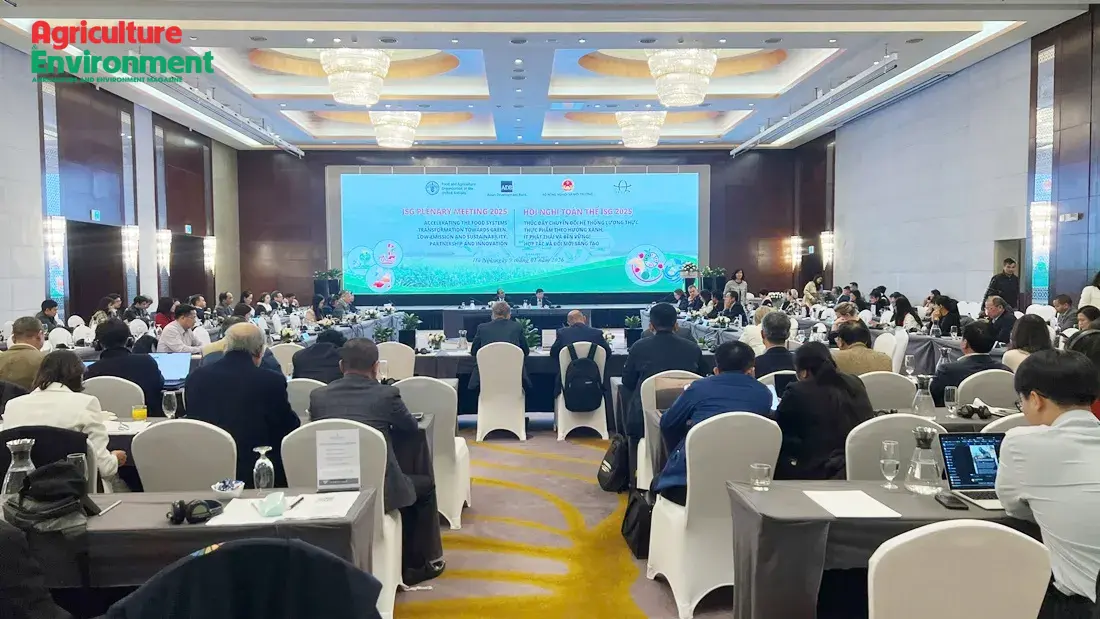
Agroecology was widely recognized as a key connecting approach linking emission reduction, resource protection and livelihood improvement. Participants emphasized the importance of using official development assistance (ODA) as seed capital to reduce risks, mobilize private sector investment and promote public-private partnerships.
At the conclusion of the morning session, discussion outcomes were consolidated and shared, clarifying priority actions and policy recommendations for the next phase. These results were seen as an important technical foundation for subsequent discussions at the ISG Plenary Conference, ensuring that policy directions are grounded in solid analysis and aligned with practical implementation needs.
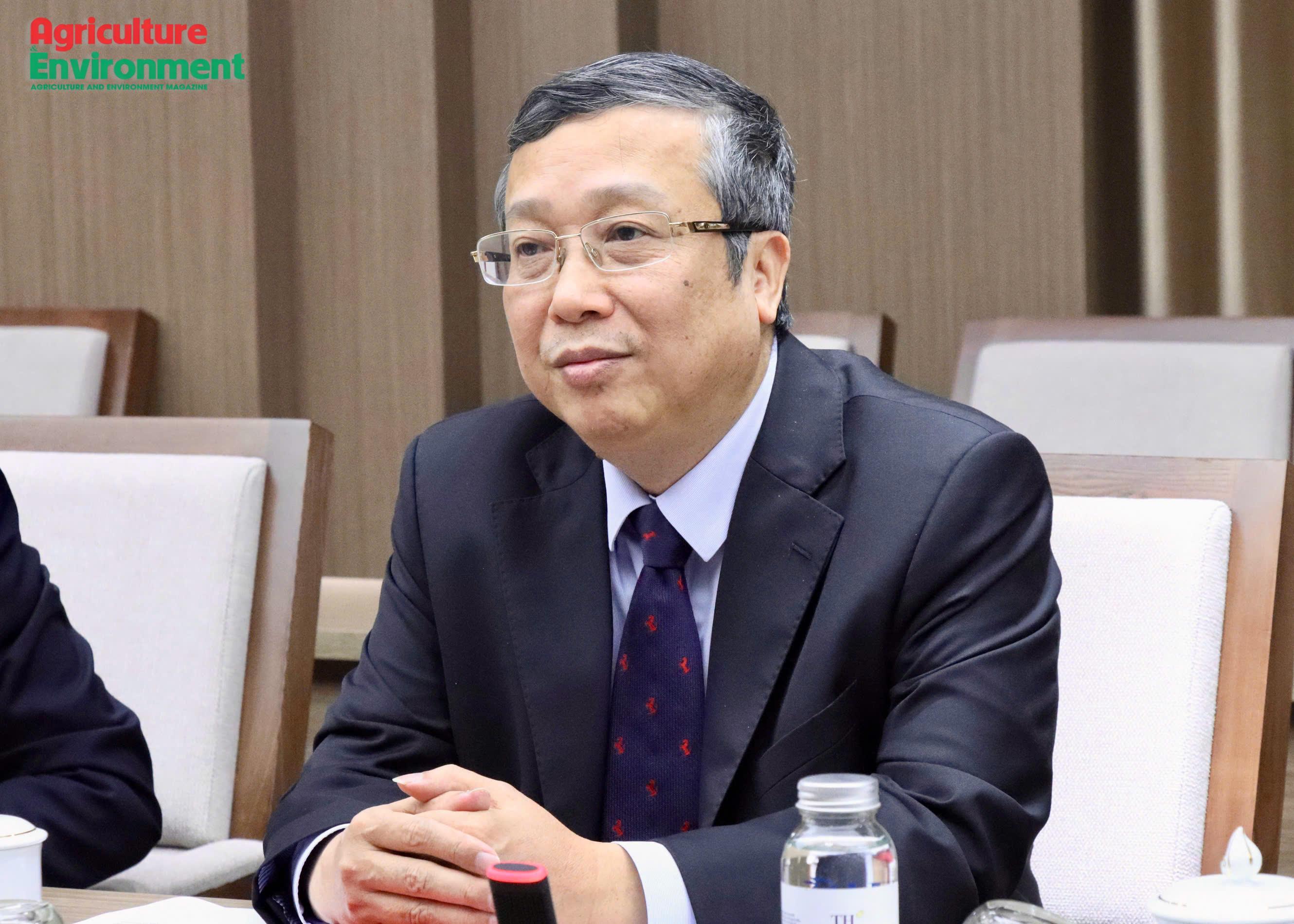
Viet Nam and Zambia discussed measures to strengthen bilateral agricultural cooperation during a working visit by a Zambian delegation to Viet Nam, focusing on accelerating the drafting and signing of a Memorandum of Understanding (MoU) on agriculture to expand practical cooperation between the two countries.
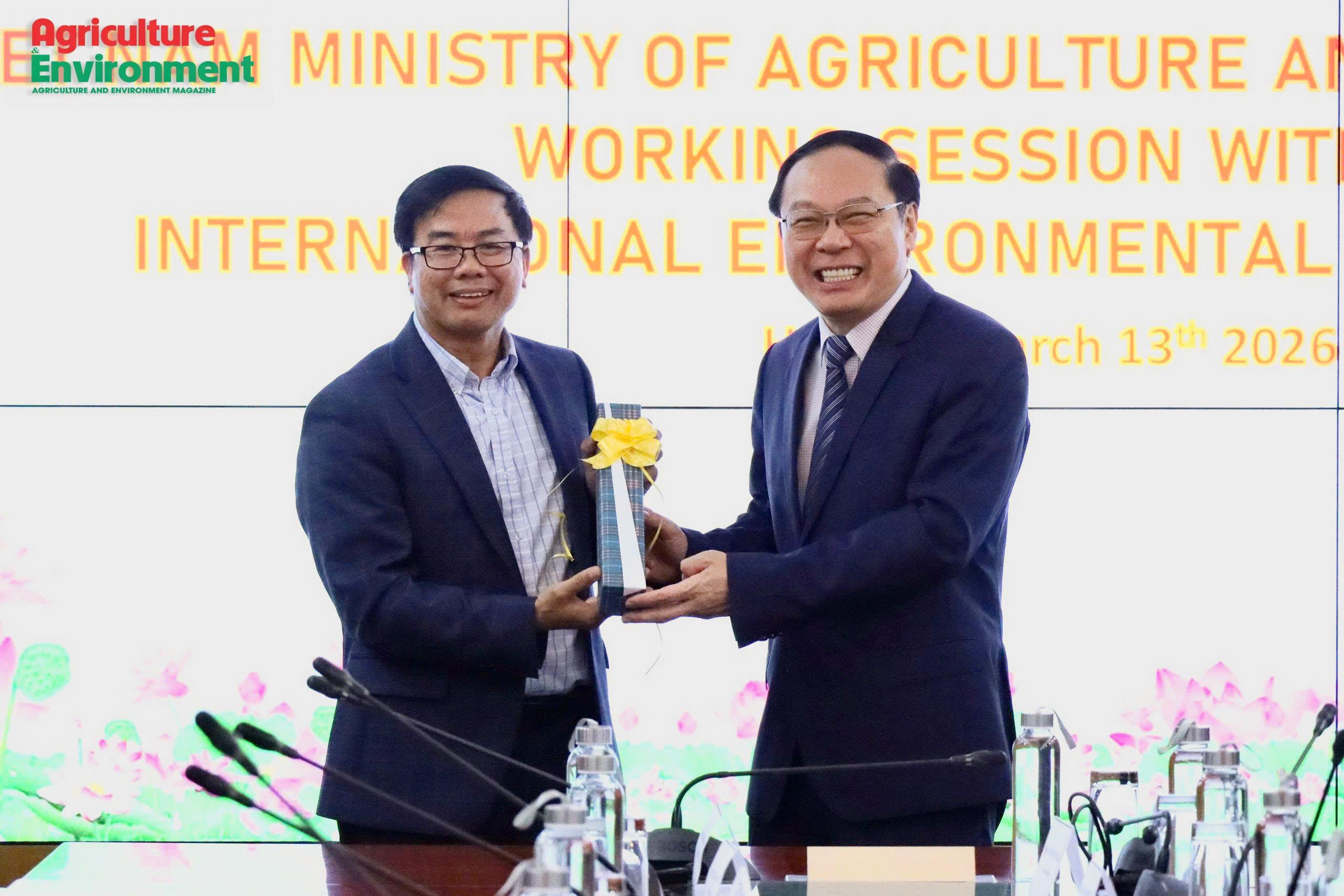
As Viet Nam accelerates efforts to pursue rapid growth while reducing emissions, science and technology, together with international cooperation, are increasingly viewed as key drivers in addressing environmental challenges.

After the initial phase of building legal frameworks and piloting traceability systems in selected commodity sectors, Viet Nam’s agricultural, forestry, and fisheries sectors are now entering a far more complex challenge: organizing and operating data across the entire production chain. From farming areas and cooperatives to exporting enterprises, growing demands for transparency are forcing many parts of the agriculture sector to rethink management practices and operational models that have remained largely unchanged for years.
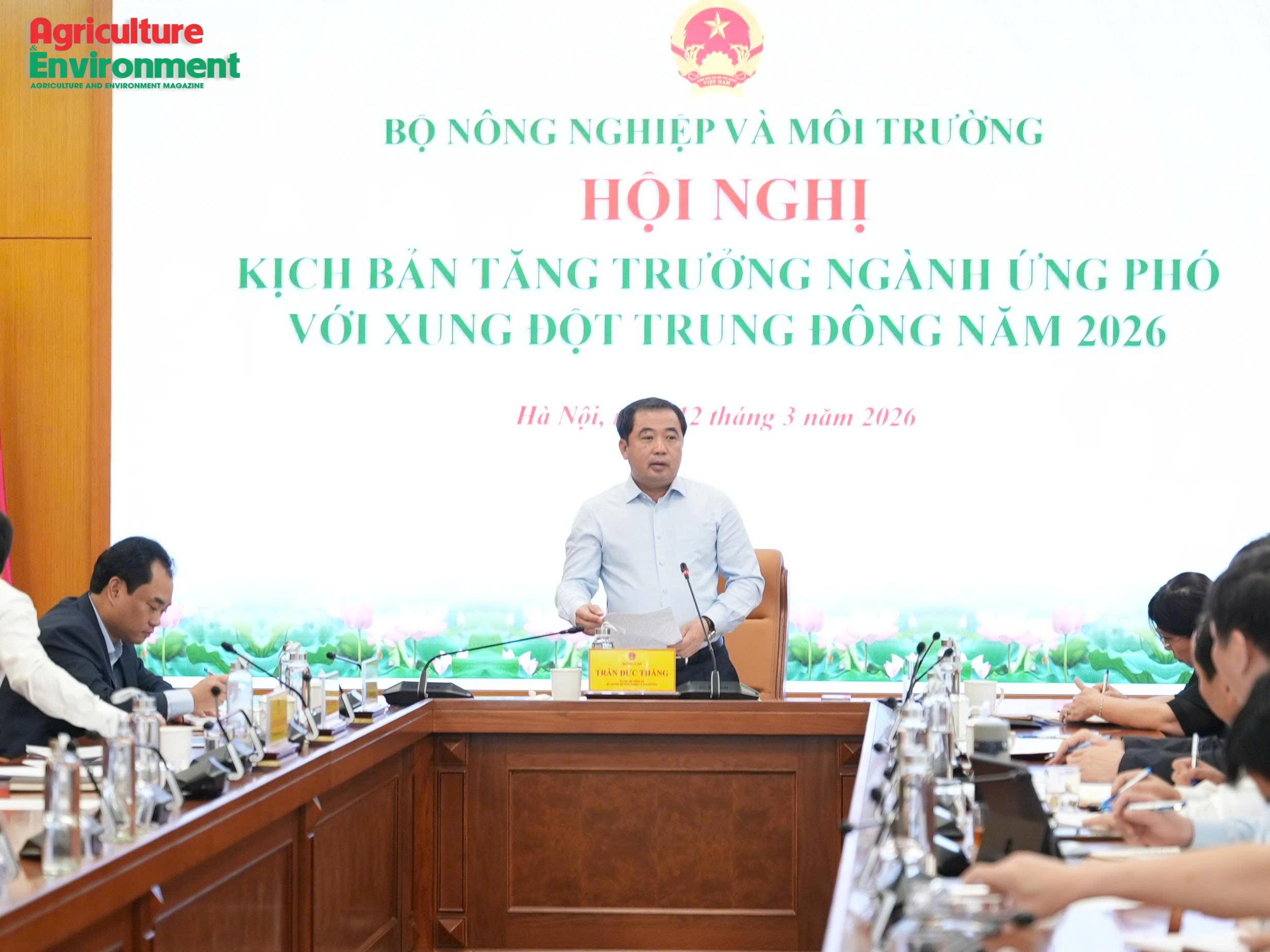
The ongoing conflict in the Middle East is posing new challenges to global supply chains, particularly through rising energy and international logistics costs. In response, the Ministry of Agriculture and Environment is developing growth scenarios and implementing measures to minimize impacts and maintain stable production and exports.
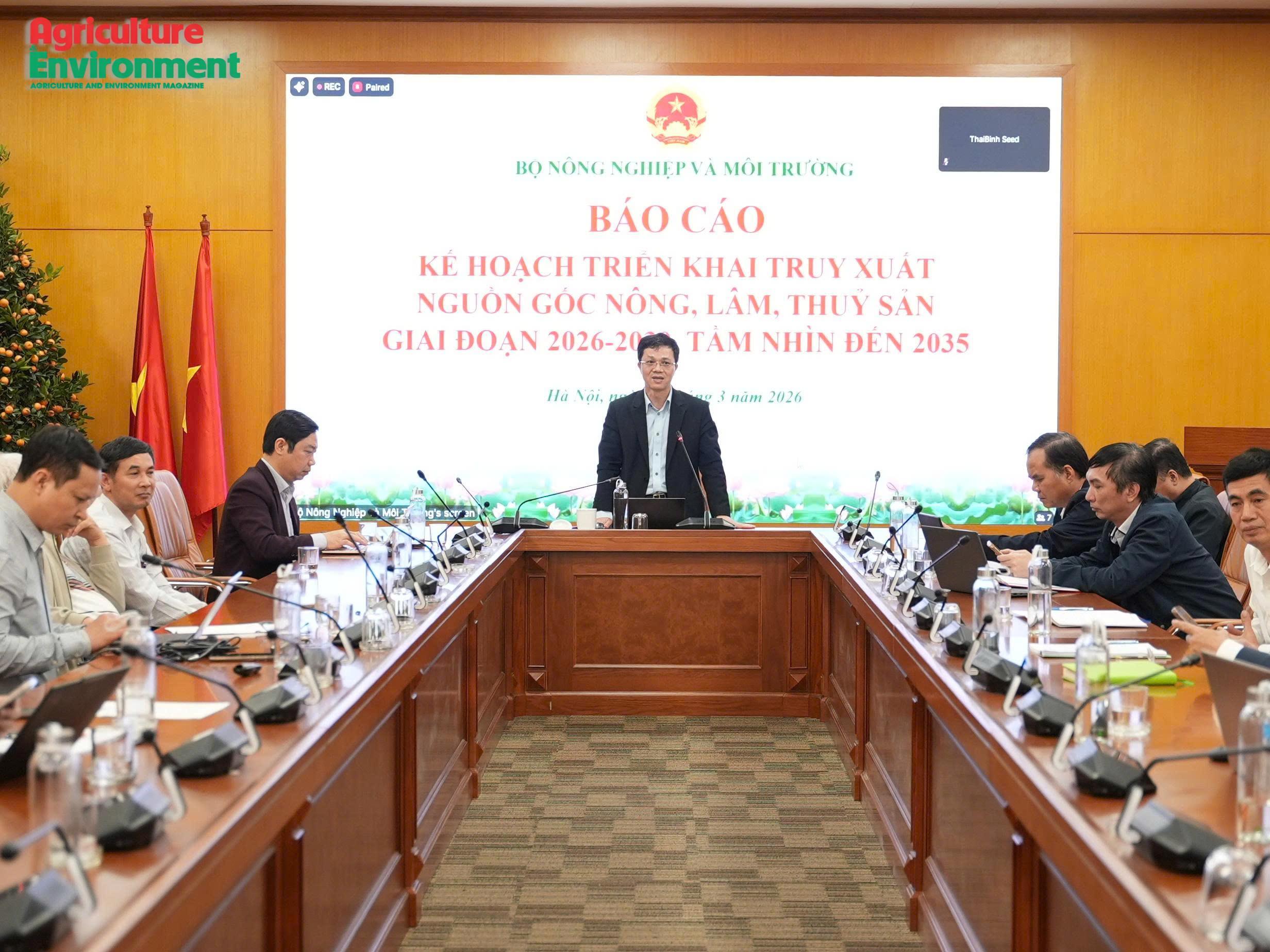
For many years, Vietnamese agricultural exports entered global markets largely on the strength of seasonal advantages and competitive pricing. However, as importing countries tighten requirements on product quality, food safety, and supply chain transparency, the limitations of that production model have become increasingly apparent. Traceability is therefore no longer limited to labeling or QR-code identification; it has become a catalyst for broader changes in the way agricultural production is governed and managed.