



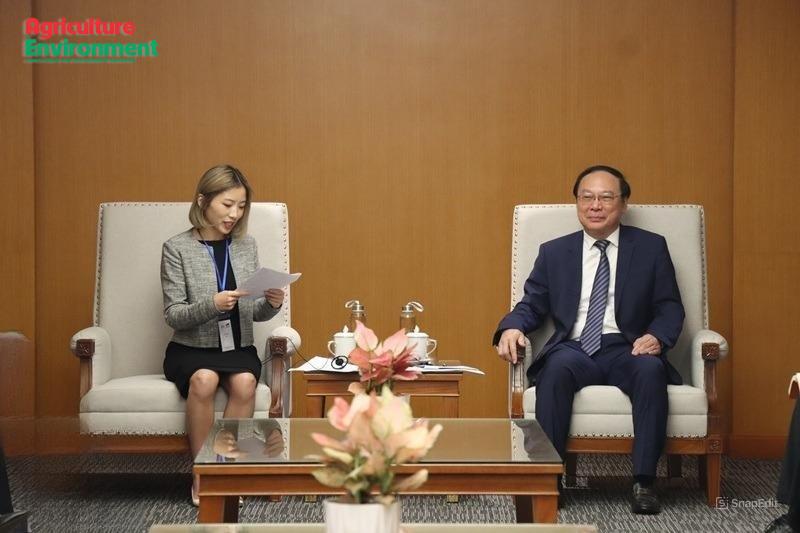
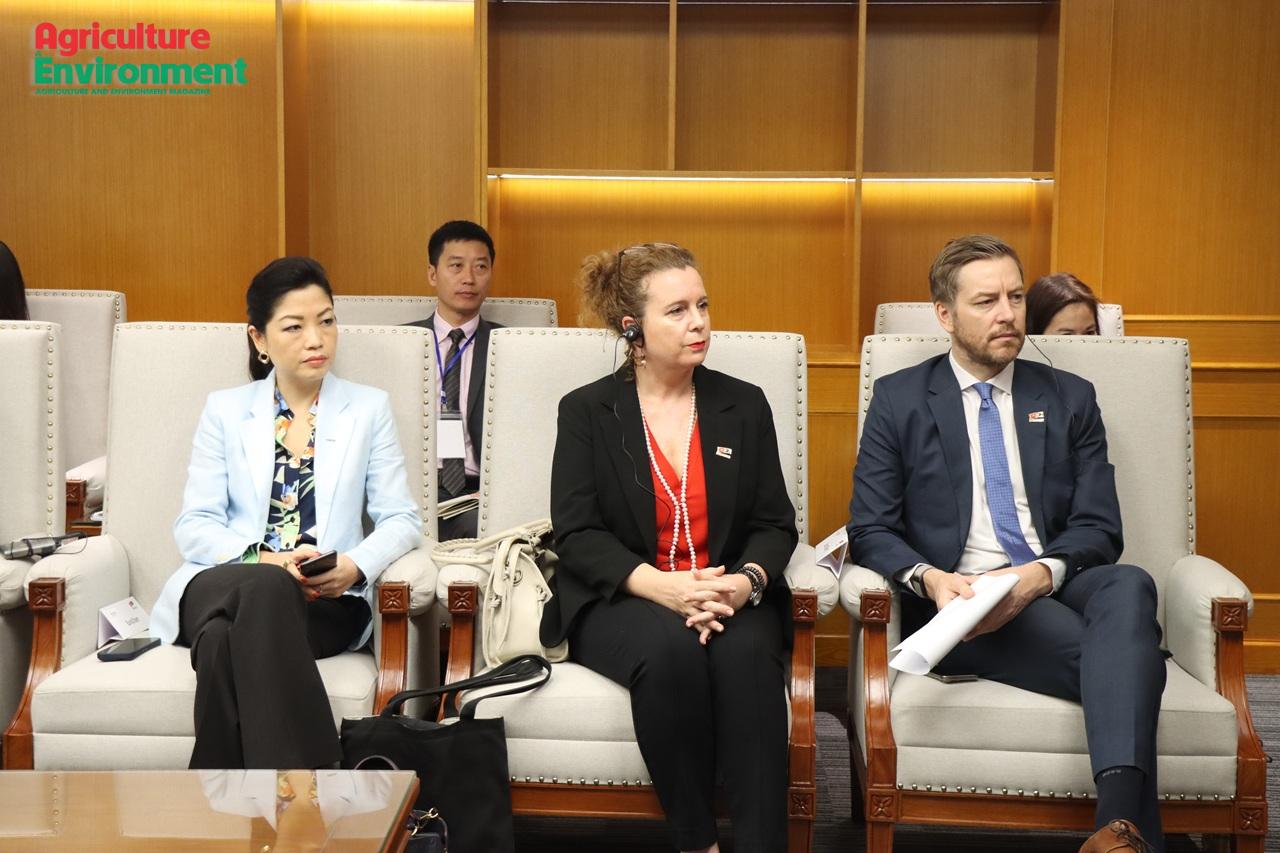
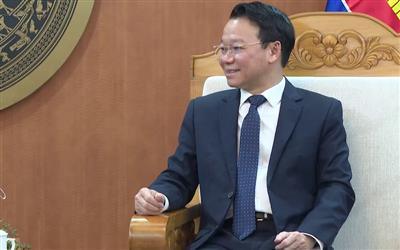
 On November 26 in Hanoi, Deputy Minister of Agriculture and Environment Le Cong Thanh met with a delegation from the EU–ASEAN Business Council (EU-ABC) and the European Chamber of Commerce in Vietnam (EuroCham). The dialogue took place as Vietnam accelerates its green transition and strengthens its legal framework for sustainable development—creating new space for European businesses to expand cooperation in circular economy initiatives, carbon markets, recycling, and smart agriculture.
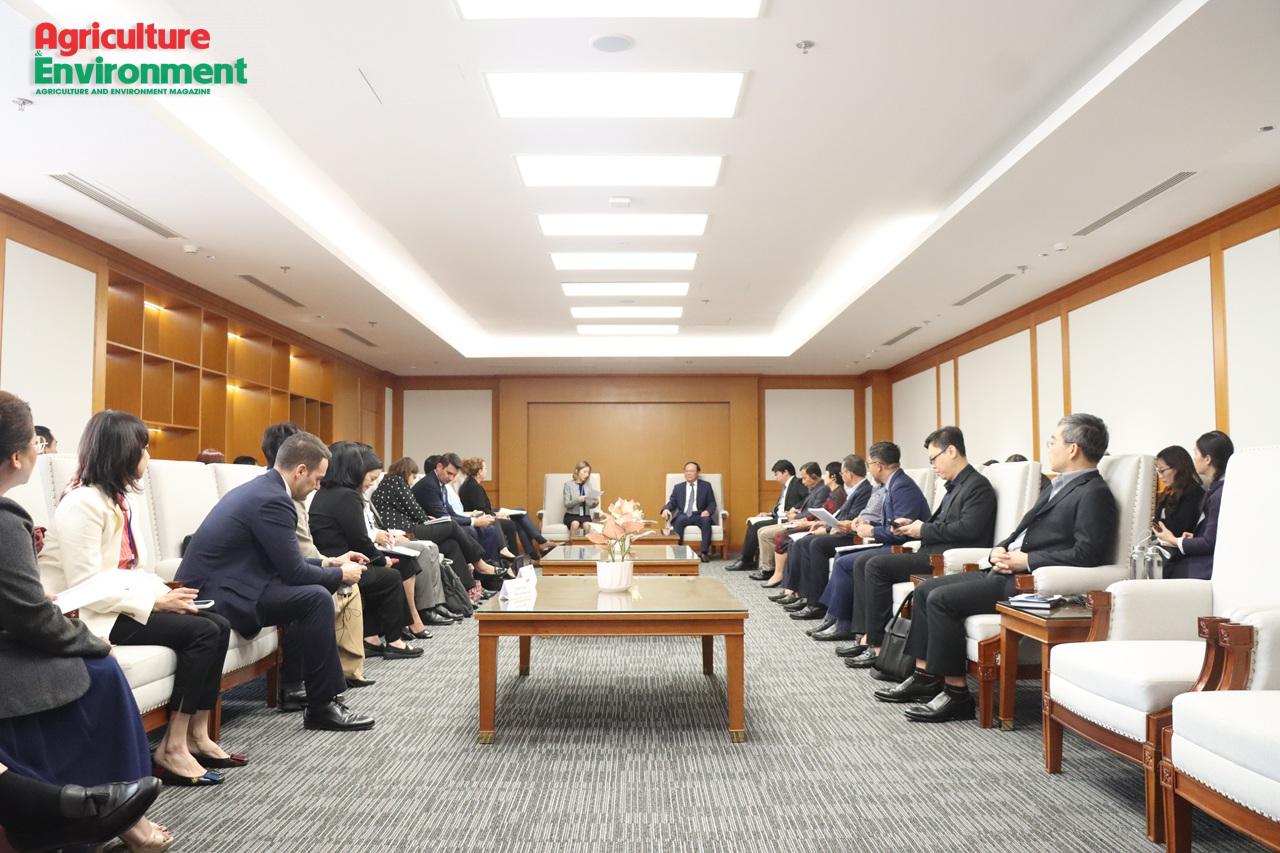
Vietnam and EU–ABC deepen collaboration in agriculture and environment
At the meeting, Deputy Minister Le Cong Thanh affirmed that cooperation with the European Union (EU) remains a central pillar in Vietnam’s strategy for building a modern, competitive, and sustainable agricultural sector. As Vietnam pursues its commitment to achieve net-zero emissions by 2050, the country considers the green transition, circular economy, and smart agriculture as priority areas in which European businesses can play an important supporting role.
Ms. Li Chen, Head of Public Affairs, ASEAN, HSBC, and a member of the Executive Board of the EU-ASEAN Business Council (EU-ABC), provided an overview of the Council. Recognized by both the European Commission and the ASEAN Secretariat, EU-ABC represents the interests of European enterprises active across Southeast Asia. In Vietnam, EuroCham serves as the key connector, representing more than a thousand European companies operating in a wide range of sectors. According to Ms. Li Chen, the delegation’s visit from November 24 to 27 precedes the Green Economy Forum (GEF) 2025 led by EuroCham, underscoring European businesses’ strong commitment to expanding investment and cooperation in Vietnam.
The year 2025 also marks the 35th anniversary of diplomatic relations between Vietnam and the EU (1990–2025), highlighting an increasingly deep and comprehensive partnership. Over the years, the EU–Vietnam Free Trade Agreement (EVFTA) has remained a strong driver of two-way agricultural trade, enabling Vietnam’s key agricultural products to access the European market with 0% tariffs. The EVFTA also provides a platform for both sides to address technical barriers, SPS standards, food safety requirements, and sustainability issues.
EU-ABC and EuroCham praised the Vietnamese Government’s efforts in institutional reform, particularly the Ministry of Agriculture and Environment’s work in developing and revising key legislation such as the Land Law and amendments to various agricultural and environmental laws. These reforms, they noted, create new opportunities for European businesses to engage more deeply in Vietnam’s green transition. Representatives of the delegation affirmed that the European business community stands ready to promote circular economy models, improve resource efficiency, and enhance the value of Vietnam’s agricultural production.
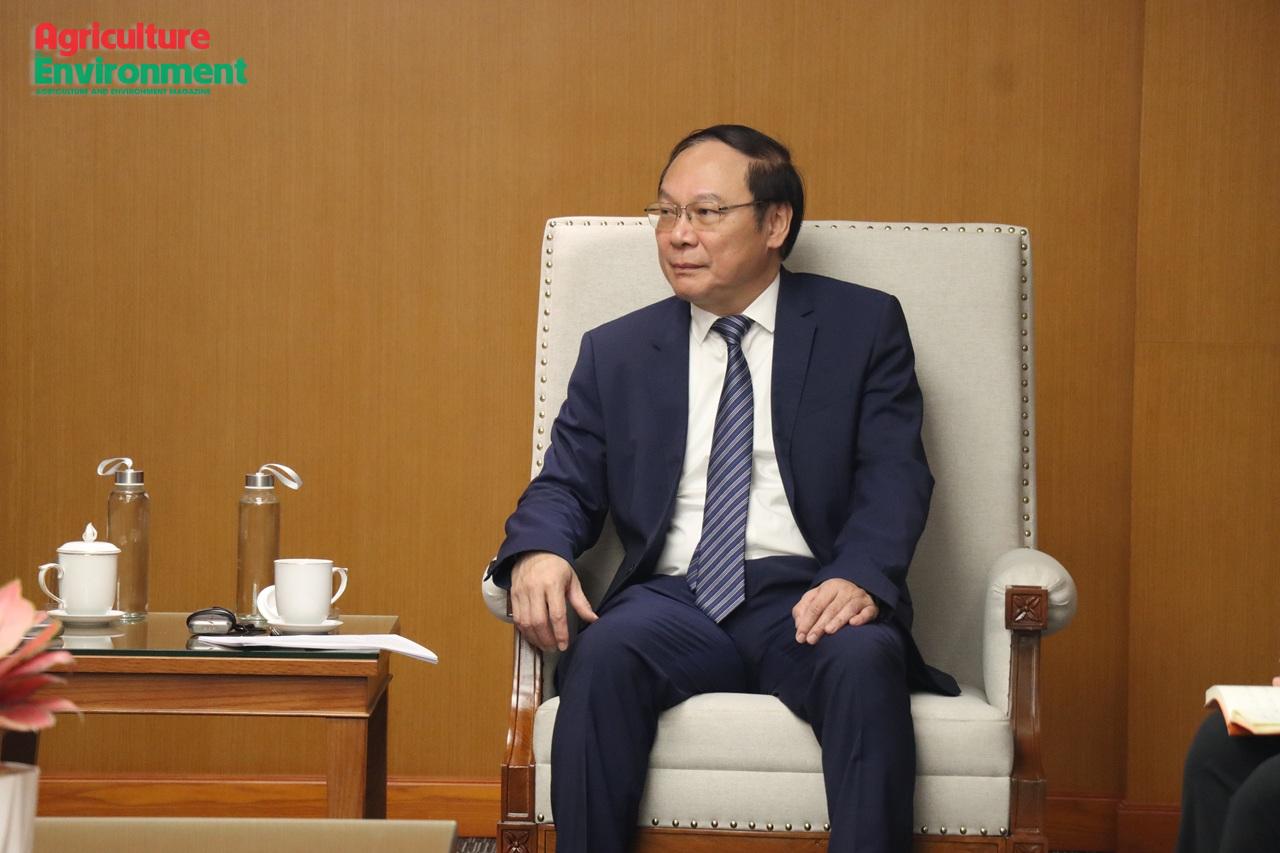
Deputy Minister Le Cong Thanh welcomed the practical insights shared by the European businesses. He emphasized that the Ministry is working to upgrade the agricultural sector from a traditional production model to a high-value industry capable of meeting stringent international standards. Environmental protection, climate adaptation, and green production linked with science and technology remain central priorities for the Ministry.
European businesses set cooperation priorities: Carbon markets, recycling, green logistics
During the in-depth discussion, representatives of the European high-level business delegation expressed strong interest in Vietnam’s development of a carbon market. They asked the Ministry to clarify its roadmap for expanding sectors covered under the Emissions Trading System (ETS) from 2026, as well as plans for building a Measurement–Reporting–Verification (MRV) system. According to the businesses, MRV is the technical backbone that ensures transparency and compatibility with regional and global carbon markets, thereby strengthening the competitiveness of Vietnam’s export goods.
Several companies voiced their intention to participate more actively in forest-based carbon credit programs. Vietnam’s Emission Reductions Payment Agreement (ERPA) for the North Central region has opened new opportunities to scale up REDD+ models, support forest-linked livelihoods, and attract European companies to sustainable agro-forestry value chains.
In the circular economy space, Tetra Pak urged the Ministry to finalize regulations on eco-label certification for paper-based packaging and to develop more practical criteria that enable wider business participation in recycling programs. Companies highlighted the growing volume of waste materials—paper and plastic packaging, electronic waste, and end-of-life solar panels—that require coordinated efforts between regulators and industry to develop advanced recycling models aligned with European standards.
European logistics firms, meanwhile, expressed interest in Vietnam’s long-term Logistics Development Strategy to 2050, especially initiatives that promote green logistics and reduce emissions across supply chains. They emphasized potential cooperation in low-emission transport solutions, smart warehousing systems, and the adoption of renewable energy in logistics operations.
Health-related issues were also discussed, with several companies proposing closer coordination between the Ministry of Agriculture and Environment and the Ministry of Health on sustainable health initiatives linked to climate change. Businesses noted that an inter-sectoral platform could help strengthen disease prevention and protect public health as climate risks escalate globally.
Open dialogue paves the way for new green cooperation initiatives
After listening to the inputs from EU-ABC and EuroCham, Deputy Minister Le Cong Thanh welcomed the constructive proposals, describing them as both “questions and valuable recommendations” for Vietnam’s ongoing institutional reforms. He noted that environmental regulations have been significantly updated in recent years, shifting from pre-check to post-check mechanisms—an approach that is increasingly aligned with European standards. The National Assembly is currently reviewing amendments to 15 laws in the agriculture and environment sectors, which the Deputy Minister said is only the first step toward broader reforms, including new rules to advance the green transition.
Regarding Extended Producer Responsibility (EPR), the Ministry is studying adjustments to make compliance more practical for businesses and expects to issue an updated decree in the near future. The Ministry is also drawing on European best practices, such as mandatory recycling rates for products and packaging, to encourage investment in advanced recycling technologies.
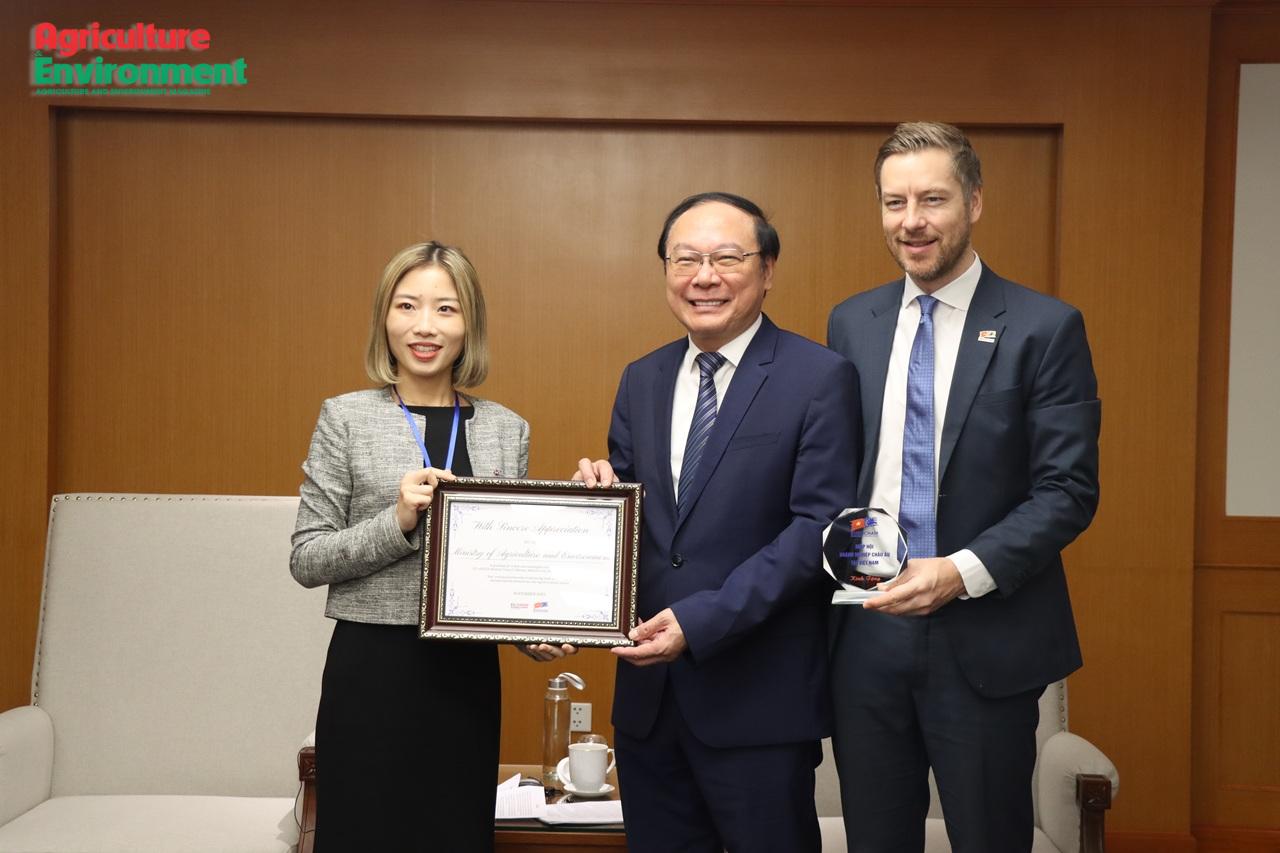
The Deputy Minister further acknowledged the contributions of European companies in disaster prevention, emergency response, and cooperation in areas including remote sensing, spatial data, renewable energy, water and wastewater treatment, and biomass energy derived from agricultural byproducts. These sectors, he said, are strategically important to Vietnam’s goals of green agricultural development, circular economy advancement, and improved climate resilience.
Concluding the meeting, Deputy Minister Le Cong Thanh affirmed that the Ministry of Agriculture and Environment remains committed to open dialogue with the European business community and to building a modern legal framework aligned with international commitments. He expressed confidence that EU-ABC companies will continue to explore opportunities and partner with Vietnam on its green transition, contributing to the country’s aspiration to evolve from a major food producer into a regional and global hub for green and sustainable agriculture.
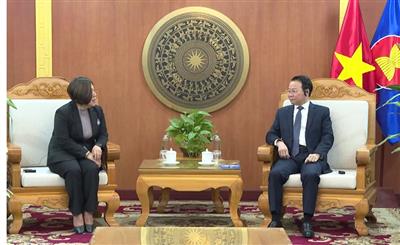
International cooperation plays a crucial role in addressing the challenges of climate change and water resource management in the Mekong River Basin. This message was emphasized by Minister of Agriculture and Environment, Do Duc Duy, during his meeting with Ms. Busadee Santipitaks, CEO of the Mekong River Commission (MRC) Secretariat, on March 20.
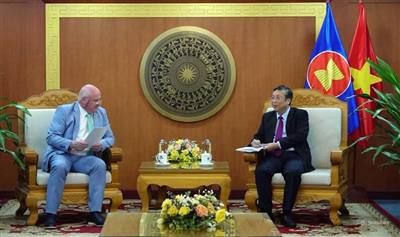
Vietnam and Ireland are working to facilitate mutual market access for their agricultural products, particularly fruits, as part of broader efforts to enhance bilateral trade in the sector. This commitment was reaffirmed during a meeting between Vietnam’s Deputy Minister of Agriculture and Environment, Hoang Trung, and Ireland’s Minister of State at the Department of Agriculture, Food, Fisheries and the Marine, Noel Grealish, on March 13.
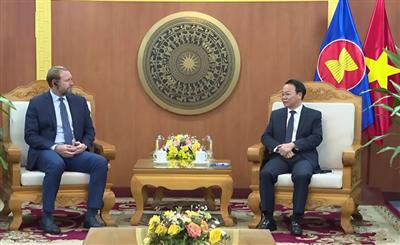
Vietnam is reaffirming its commitment to fostering a favorable investment environment for wind energy development, as highlighted during a recent meeting between Minister of Agriculture and Environment Do Duc Duy and Mr. Nate Franklin, Founder and CEO of Pacifico Energy, a leading U.S. renewable energy corporation.
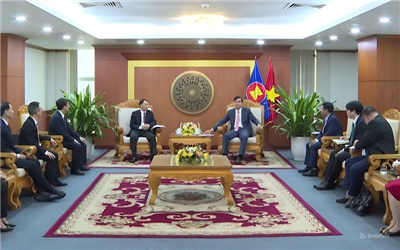
On March 12, in Hanoi, Deputy Minister of Agriculture and Environment Tran Quy Kien hosted a working session with the Secretariat of the China-ASEAN Mining Cooperation Conference, led by Secretary-General Li Xiudan. The meeting underscored the commitment of both nations to deepening their collaboration in mineral exploration and mining technology, with a focus on sustainability and environmental protection.
On March 12, Minister of Agriculture and Environment Do Duc Duy held talks with Mr. Tsutomu Takebe, a member of the Board of Trustees of Vietnam - Japan University and former Minister of Agriculture, Forestry, and Fisheries of Japan. The meeting focused on strengthening bilateral cooperation in developing high-quality human resources for Vietnam’s agricultural sector, with Japan serving as a key partner in training, technology transfer, and business management in agriculture.