



 As Viet Nam’s agricultural sector faces growing pressure to shift toward greener, more efficient and climate-resilient growth models, Deputy Minister of Agriculture and Environment Tran Thanh Nam said that developing a circular economy technology transfer project, with a focus on promoting public–private partnerships, is a necessary step to lay the groundwork for sustainable agricultural development in the coming period.
On the January 20, the Ministry of Agriculture and Environment held a conference to review the results of the 2020–2025 cooperation program on organic agriculture and the circular economy between its affiliated agencies and Que Lam Group, and to outline cooperation directions for 2026–2030. Deputy Minister Tran Thanh Nam attended and chaired the meeting.
Positive outcomes from public–private cooperation
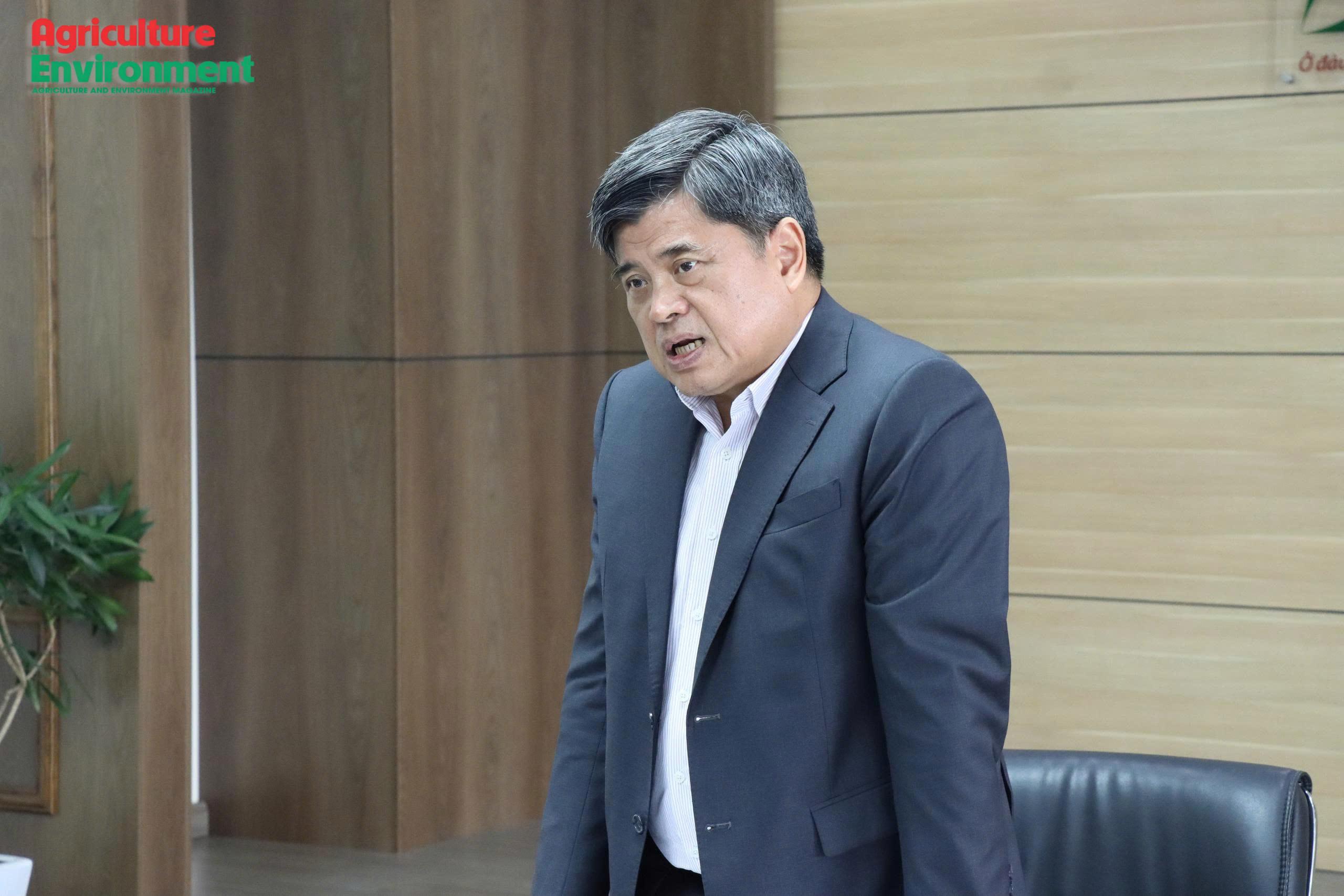
At the conference, Deputy Minister Tran Thanh Nam acknowledged efforts to develop circular economy models in agriculture, contributing to the production of organic and environmentally friendly products. He said that to date, 12 provinces and centrally run cities have signed cooperation agreements to implement agricultural models linked to the circular economy.
Implementation results show that these models have delivered not only ecological benefits but also measurable economic, environmental and social gains, with outcomes verified across multiple localities.
Reporting on cooperation between the National Agricultural Extension Center and Que Lam Group, Mr. Le Quoc Thanh, Director of the National Agricultural Extension Center, said the center had coordinated with the group and local authorities to implement agricultural extension activities under public–private partnership (PPP) arrangements. These activities included demonstration models, training programs, preparation of technical guidelines, and information and outreach efforts, helping integrate organic agriculture and circular economy solutions into production practices.
The results indicate that organic livestock and circular economy models are viable under both household-based and farm-scale production conditions. On average, the models saved 1,387 liters of water per animal, reduced odors, and improved livestock housing environments. Economic efficiency increased by 10–15 percent, while product prices were 25–30 percent higher than those of conventional livestock production. Notably, amid outbreaks of African swine fever, the models met biosafety requirements and recorded no disease outbreaks, contributing to production stability and farmer confidence.

In crop production, organic rice models organized along value chains and combined with microbial treatment of agricultural by-products delivered clear results. Through nine production–consumption linkage models, 2,320 tons of rice were sold, accounting for 69.3 percent of total output, at prices 1,500–2,000 dong per kilogram higher than prevailing market levels. Rice farming profits rose by 23.5 percent. Reduced straw burning and increased reuse of residues helped improve field environments, enhance soil fertility, and demonstrate the sustainability of circular economy approaches in agriculture.
Training programs closely linked to production practices enabled most participants to apply newly acquired knowledge and skills immediately in local operations, shortening technology transfer timelines and supporting wider replication of organic and circular agriculture models.
In the livestock and veterinary sector, Ms. Nguyen Thu Thuy, Deputy Director of the Department of Animal Health and Production, said coordination among relevant agencies had helped ensure biosafety, disease control and regulatory compliance for products and technical processes introduced into production, creating a foundation for scaling up organic and circular livestock models through agricultural extension programs.
Businesses accompanying farmers along the value chain
Speaking at the conference, Mr. Nguyen Hong Lam, Chairman of the Board of Directors of Que Lam Group, said sustainable agricultural development requires businesses not only to participate in production but also to work alongside farmers throughout the value chain, supported by appropriate state policies, particularly in training and changes in production practices.
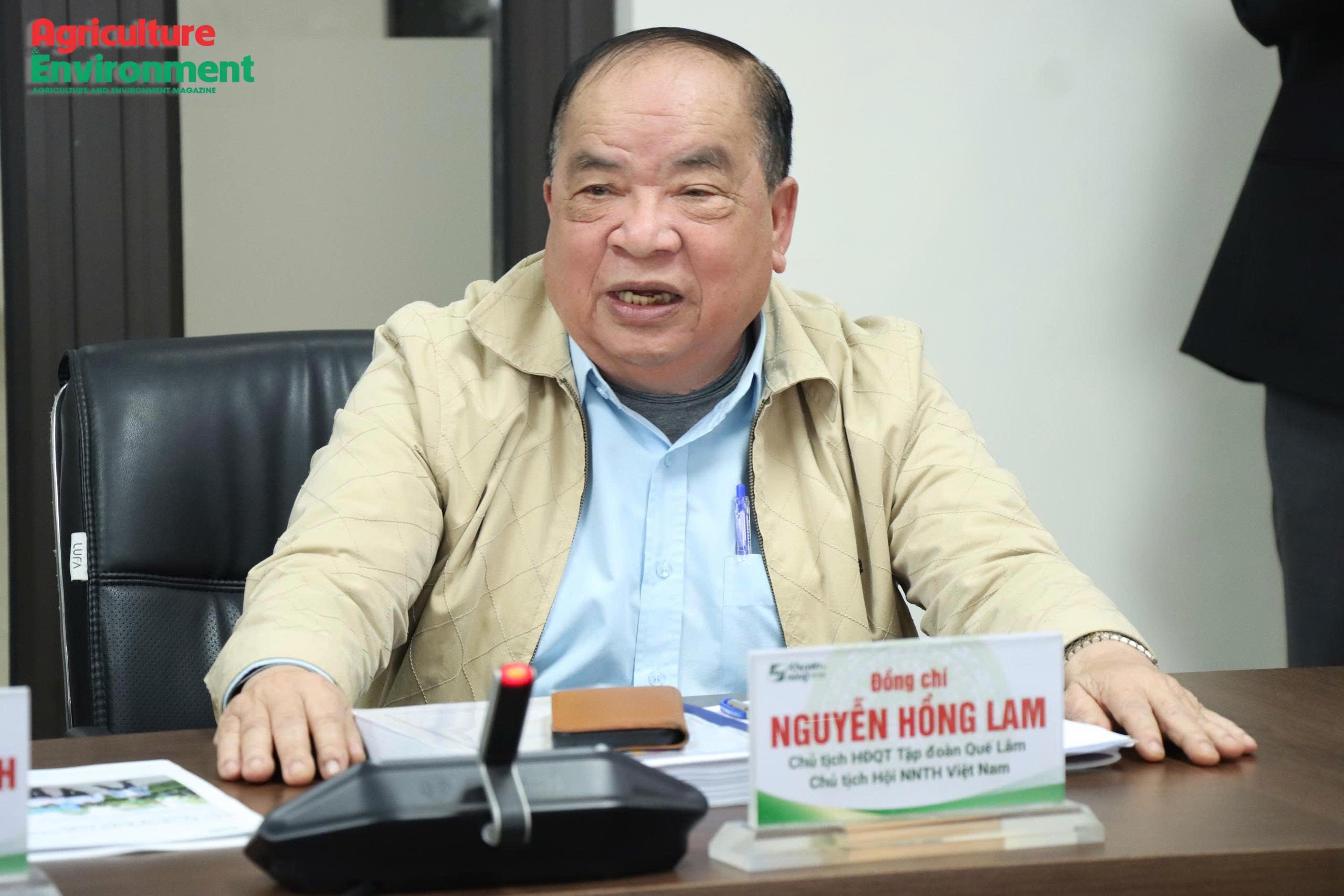
He said the group remains committed to a development model based on the application of microbial technologies and the use of herbal and botanical solutions for disease prevention, with the aim of establishing safe and sustainable production systems that support long-term cooperation among businesses, cooperatives and farmers.
From a state management perspective, Mr. Nguyen Huu Ninh, Deputy Director General of the Department of Science and Technology, said the department has prioritized the allocation of research and application projects in key areas, with organic agriculture and circular agriculture identified as focal points. He emphasized the need to strengthen the proactive role of local authorities in adopting and expanding models after project completion, while encouraging greater business participation.
Proposing a circular economy technology transfer project
Based on the outcomes achieved, Deputy Minister Tran Thanh Nam proposed promoting public–private cooperation in developing a circular economy technology transfer project for sustainable agricultural development, linked to environmental protection and climate change adaptation, for the 2026–2035 period.
He said that in formulating and implementing the project, the state would play a guiding role, focusing on developing standards and technical regulations, training human resources, and advancing science and technology, while implementation would follow a public–private partnership model to attract business investment.
The proposed project is expected to focus on key areas including research and transfer of circular economy technologies; development of standards and technical regulations for circular agriculture practices; and capacity building for management officials, cooperatives and farmers.
From the local level, Mr. Nguyen Van Trang, Deputy Director of the Hung Yen Department of Agriculture and Environment, said the province has proactively implemented models using slow-release fertilizers to reduce input costs and improve production efficiency, and plans to expand them in areas with favorable conditions.
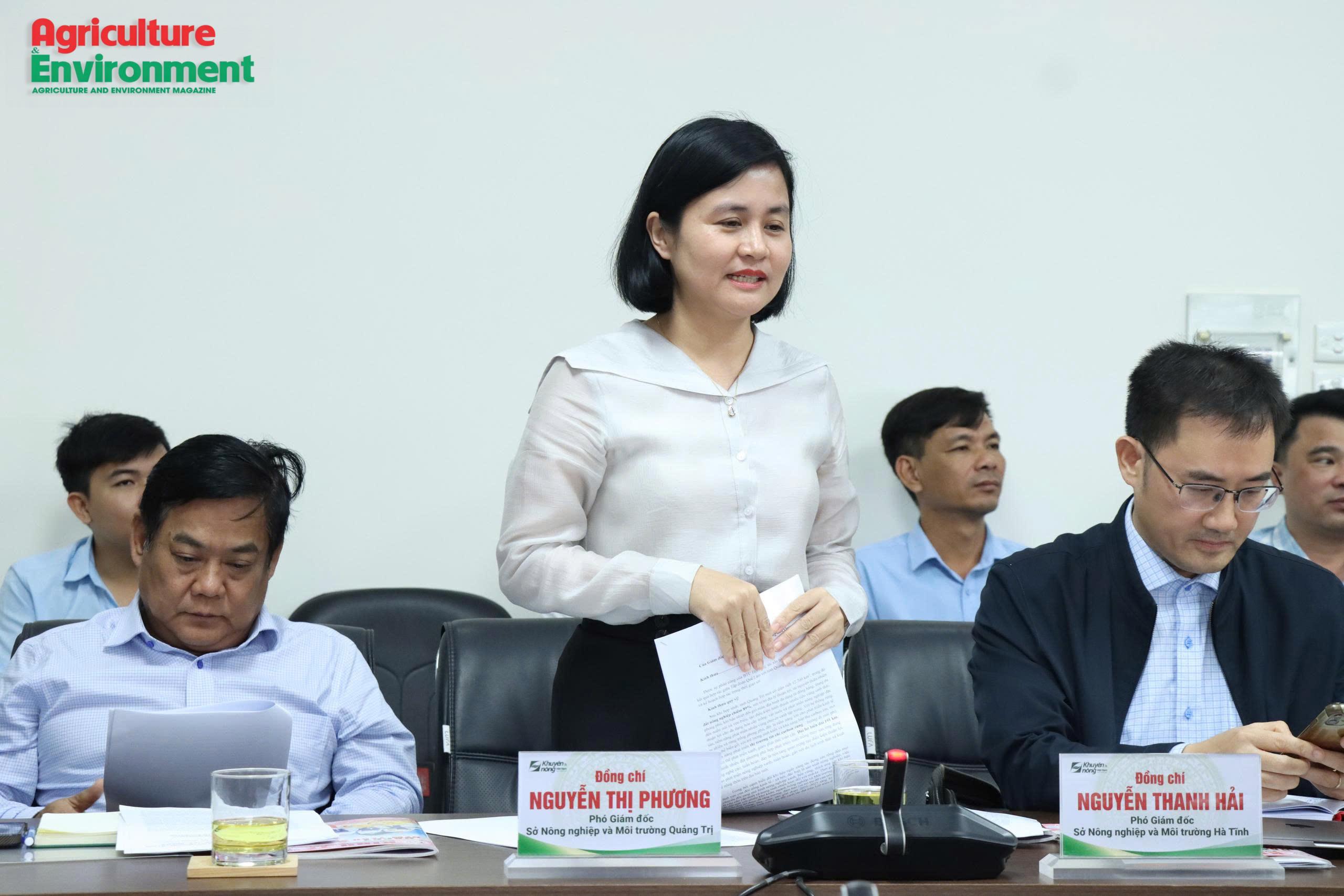
Meanwhile, Ms. Nguyen Hong Phuong, Deputy Director of the Quang Tri Department of Agriculture and Environment, called for stronger public–private cooperation to attract businesses to develop pilot models based on closed-loop value chains, such as the 4F model (Farm – Food – Feed – Fertilizer), toward the formation of circular agriculture villages and communities.
With results validated in practice, the cooperation program between agencies under the Ministry of Agriculture and Environment and Que Lam Group demonstrates that public–private partnerships can be an effective approach to developing organic and circular agriculture, contributing to improved economic efficiency, environmental protection, disease safety and gradual shifts toward greener and more sustainable farming practices.
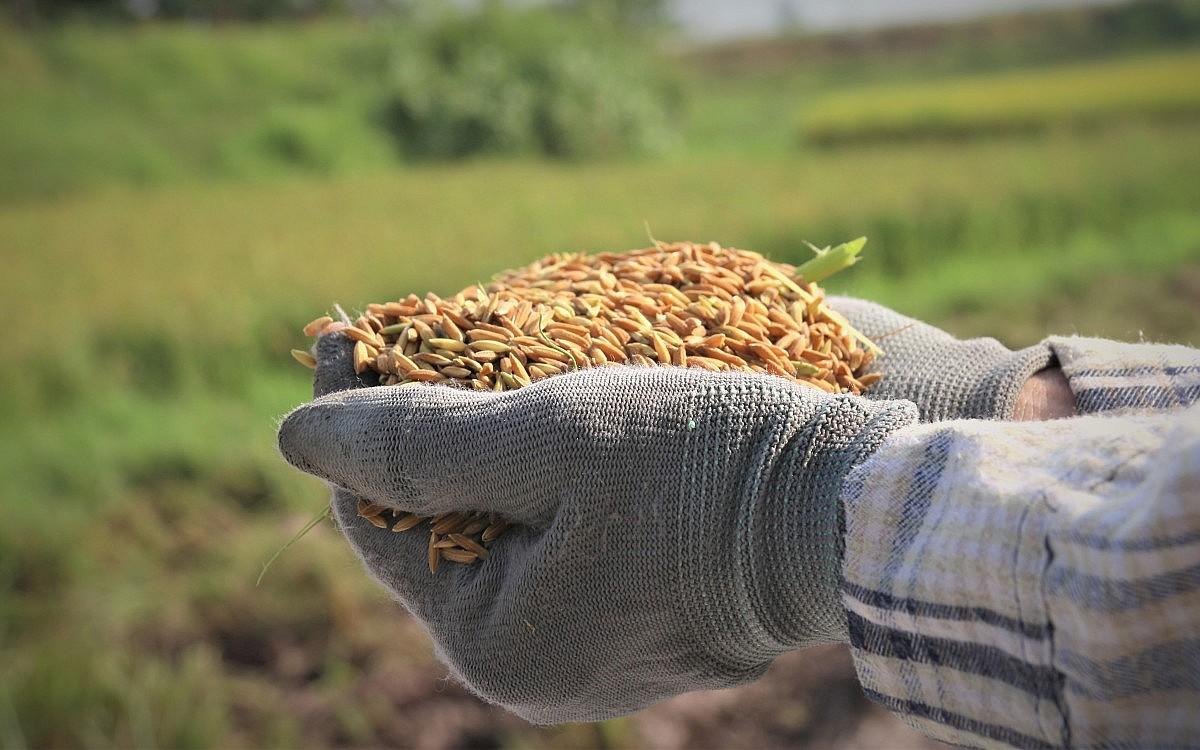
Policies achieve lasting impact only when they translate into changes in production practices. This is particularly true of efforts to reduce food loss and waste: setting reduction targets or encouraging the productive use of agricultural by-products will have limited effect unless producers can see clear economic returns and businesses have access to sufficiently stable markets.
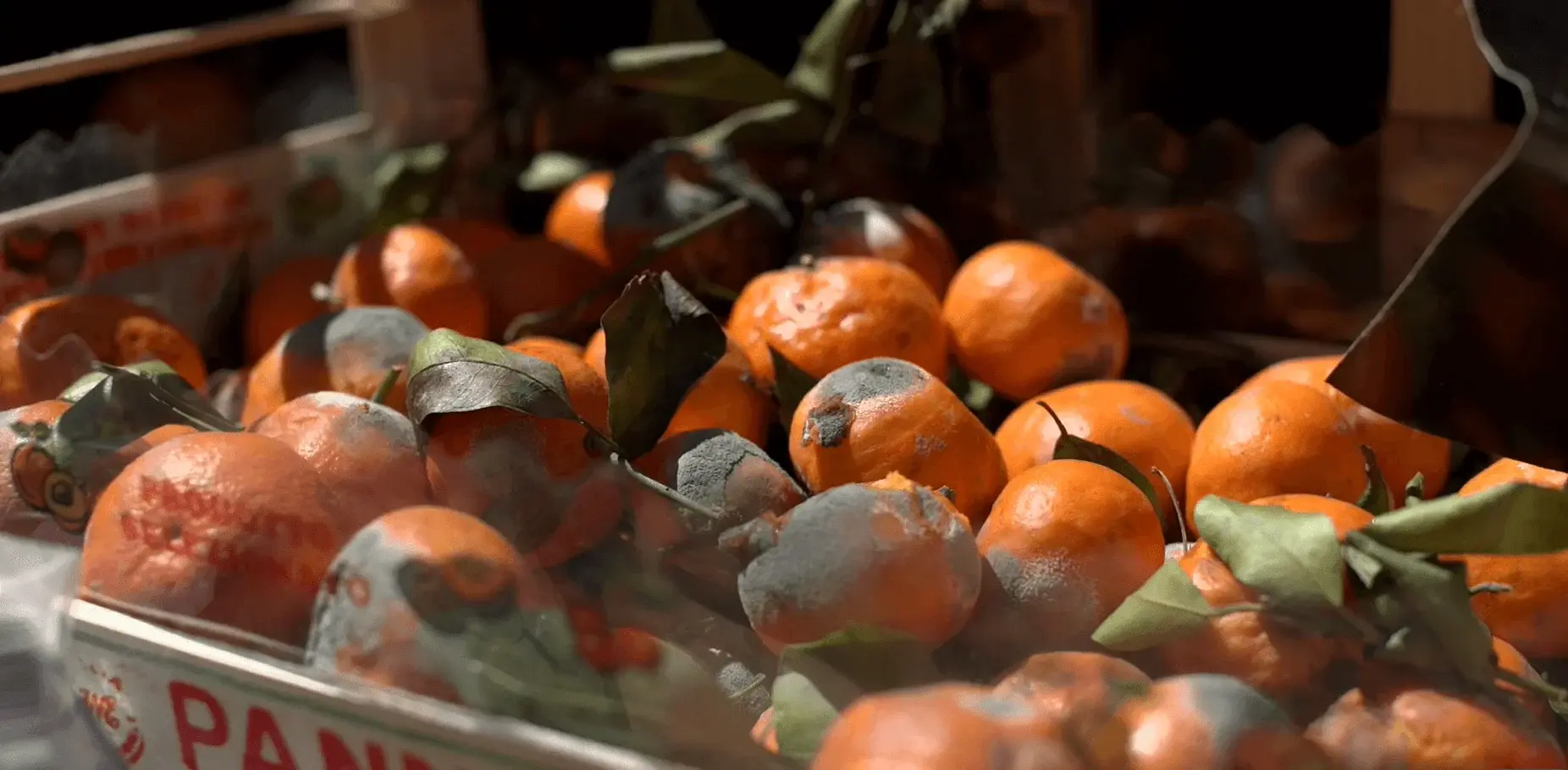
Viet Nam has gradually established a policy foundation for reducing food loss and waste (FLW), increasingly linking the issue to sustainable development, the circular economy, and food system transformation. The challenge in the next phase is therefore not to start from scratch, but to connect existing policies into a coherent, data-driven governance framework that prioritizes prevention and is supported by sufficiently strong coordination mechanisms to drive action at the national level.
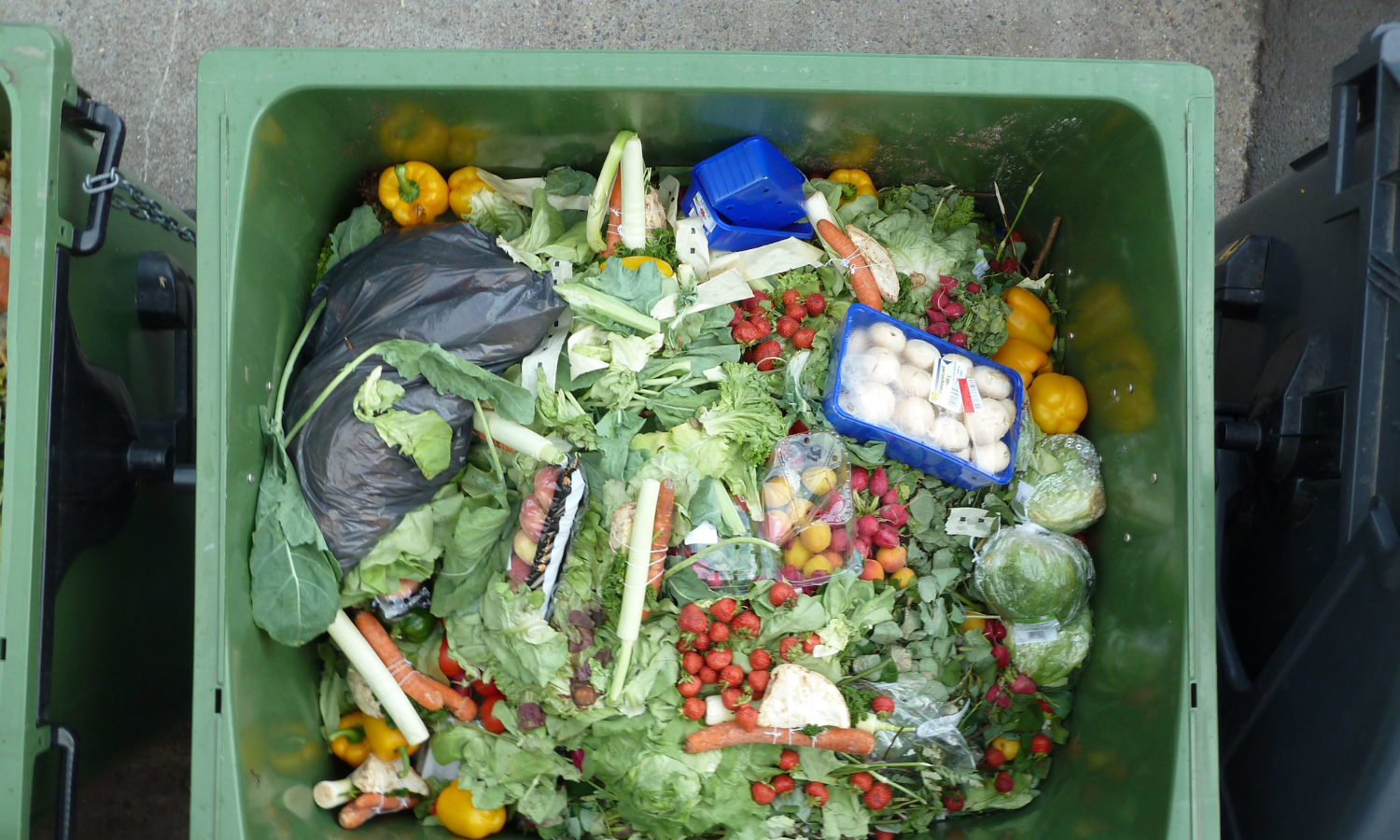
International experience suggests that food loss and waste (FLW) is not a problem that can be resolved through a single policy measure. Effective action requires institutions capable of coordinating stakeholders, data that can identify where losses occur, regulations that do not create unnecessary barriers, and mechanisms that allow businesses and communities to participate.
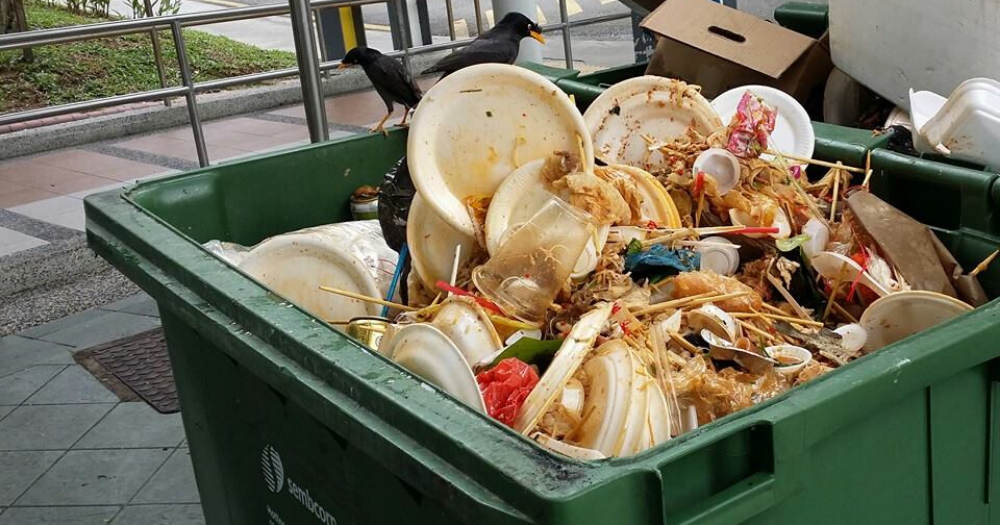
Food loss and waste are emerging as major bottlenecks in global agrifood systems, with large quantities of food lost or discarded despite the land, water, energy and labor invested in producing it. In Viet Nam, the issue not only diminishes the value of agricultural products but also generates substantial economic, environmental and social costs. Research on selected value chains shows that food losses occur throughout the chain, from production and harvesting to transportation, post-harvest handling and storage, while food waste continues to arise at the retail, food service and household levels. A clear understanding of the current situation is essential for Viet Nam to further strengthen its policies to reduce food loss, curb food waste and improve the efficiency of the agrifood system as a whole.
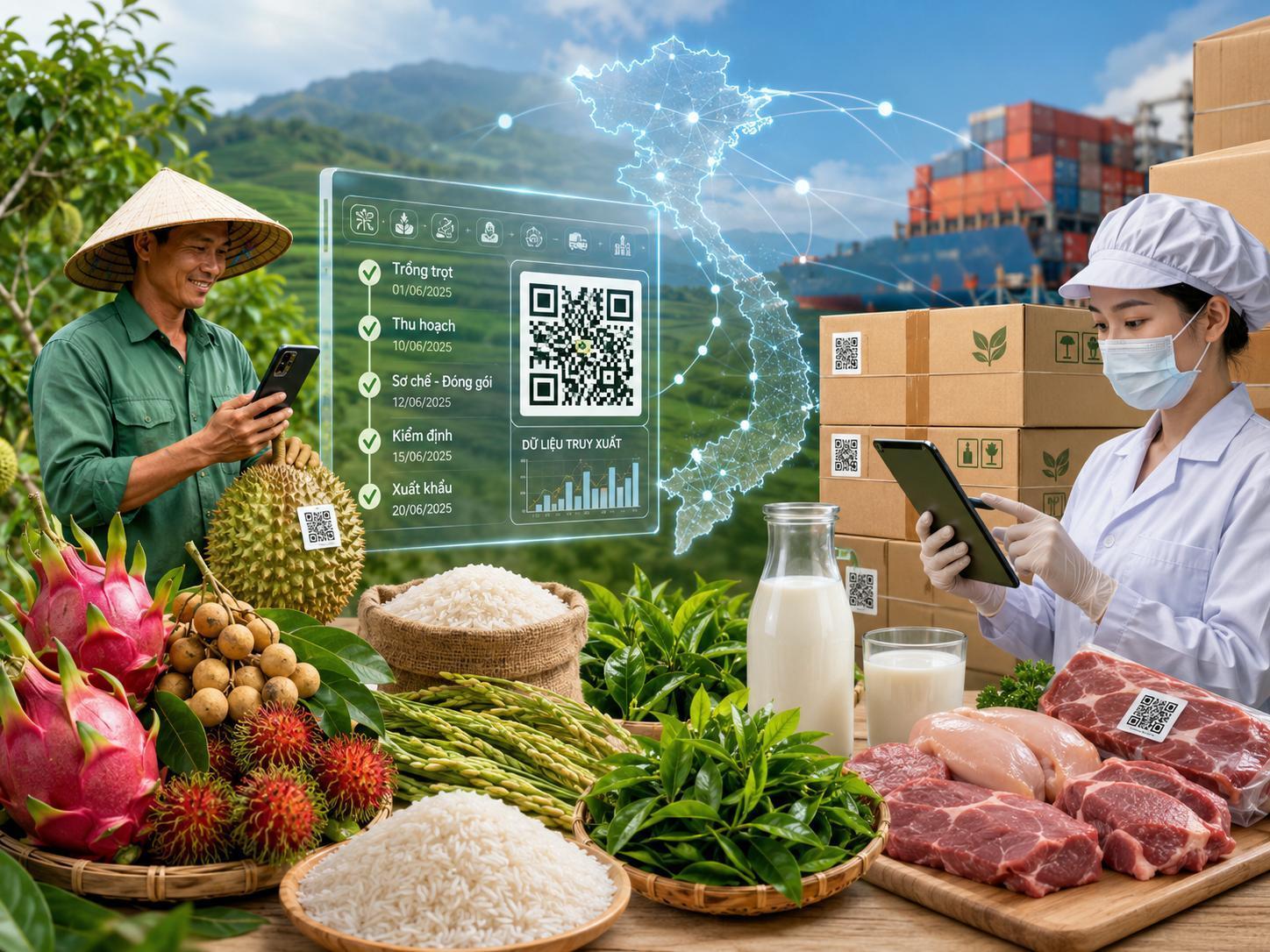
Resolution No. 36/2026/NQ-CP and new regulations on growing-area codes (GACs) and packing-facility codes (PFCs) are prompting changes in how these codes are managed, registered, and maintained. At a training session on implementation of the new regulations held on August 20, government officials and experts focused on procedural changes, requirements for digitizing records, and the supporting role of agricultural extension services at the local level.