




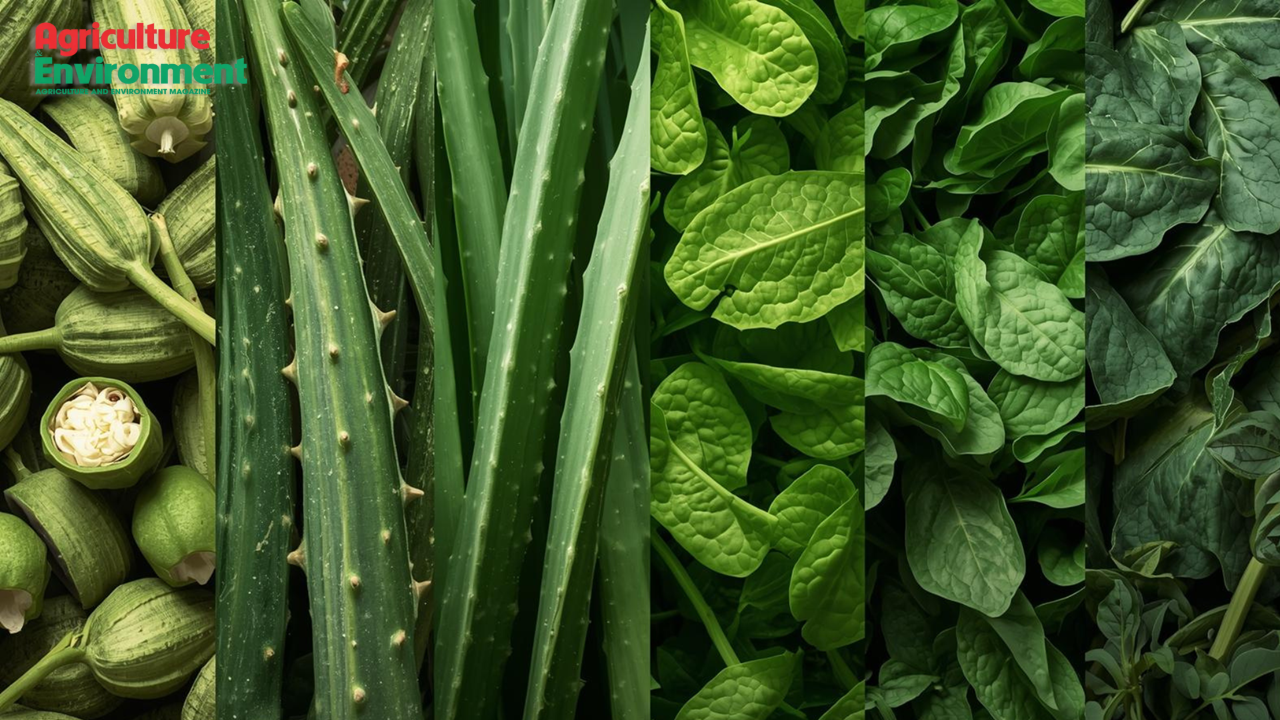
 From familiar plants such as okra, jute, Malabar spinach, and aloe vera, a research team from Kien Giang University has explored a new pathway to improve the treatment of domestic wastewater—one of the major pollution sources, accounting for more than 30% of all wastewater generated today. The study found that okra extract, a natural and readily available plant-based coagulant substance, achieved a chemical oxygen demand (COD) removal efficiency of 64.18%, reduced turbidity by more than 89%, and significantly enhanced nitrogen and phosphorus removal when combined with PAC. These findings suggest strong potential for using plant-derived coagulant substances in small-scale household and community wastewater treatment models.
Domestic wastewater: A widespread pollution source with limited treatment
Domestic wastewater has become a major contributor to environmental pollution in residential areas, especially where collection and treatment systems remain underdeveloped. According to a 2019 report by the Ministry of Natural Resources and Environment (now the Ministry of Agriculture and Environment), domestic wastewater accounts for over 30% of total wastewater discharged into the environment, with up to 90% released without treatment into lakes, canals, and rivers. This leads to increasing organic pollution, eutrophication, and deteriorating surface water quality across many localities.
Samples collected by the research team from a drainage pit in Residential Area A (Kien Giang Province, now An Giang Province) reflect this situation. Initial measurements showed COD at 34.32 ± 4 mg/L, BOD at 58 ± 0.5 mg/L, total nitrogen at 34.32 ± 0.1 mg/L, total phosphorus at 2.84 ± 0.05 mg/L, turbidity at 107 ± 5.3 NTU, and pH at 6.69. Compared with QCVN 14:2025, most values exceeded allowable limits for treated domestic wastewater, except pH. This indicates that wastewater in the surveyed area was likely discharged untreated into the environment.
These findings underscore the urgent need for effective, affordable, and scalable treatment solutions—particularly for households, residential clusters, schools, and marketplaces without centralized wastewater treatment systems.
Unlocking the potential of natural plant-based coagulants
In wastewater treatment, coagulation–flocculation plays a crucial role in removing colloidal particles, suspended solids, and a portion of organic matter. Conventional processes rely mainly on chemical coagulants like PAC or alum, which may increase operating costs and contribute to undesirable residual compounds in sludge.
As a more sustainable alternative, natural plant-based coagulant substances have gained increasing attention. Plant mucilage—rich in polysaccharides, proteins, and certain alkaloids—contains large molecular structures with functional groups (-COOH, -OH) capable of binding to colloidal particles. When dissolved, these polymer chains expand and form bridges between suspended particles, enhancing floc formation and sedimentation.
Common plants such as Malabar spinach (Basella alba), okra (Abelmoschus esculentus), jute (Corchorus olitorius), and aloe vera (Aloe vera) provide abundant natural mucilage that is inexpensive, easy to harvest, safe, and environmentally friendly. Their availability and low environmental impact make them promising candidates for domestic wastewater treatment systems—especially simple or rural models with limited financial and technical resources.
However, each plant provides different treatment efficiencies, depending on its polysaccharide content, viscosity, solubility, and floc-forming capacity. This variability underscores the need for comparative evaluation—a key objective of the study conducted at Kien Giang University.
From aloe vera to okra: Extraction and laboratory testing
To evaluate the performance of the four selected plant sources—Malabar spinach, jute, aloe vera, and okra—the researchteam extracted mucilage following the method of Vu Thi Cam Van (2019). Aloe vera gel was peeled, collected, and precipitated with acetone; okra was blended, heated at 80°C, and precipitated; jute and Malabar spinach used both leaves and stems, which were processed similarly before drying and milling into powder. All plant-derived coagulant substances were prepared in dry powder form for convenience in dosing.
Domestic wastewater samples were collected according to TCVN 5999:1995 and TCVN 6663-3:2008, with a total volume of 30 liters taken from multiple locations in the drainage pit of Residential Area A. Before treatment, the samples were analyzed for COD, BOD, total nitrogen, total phosphorus, turbidity, and pH.
Experiments were conducted using the standard Jar-test method. Each test used 0.5 liters of wastewater with 30 mg/L PAC and plant-based coagulant substance concentrations ranging from 0 to 100 mg/L. Samples were subjected to rapid and slow mixing before being allowed to settle for 30 minutes. The team then evaluated the influence of pH (5–9) and settling time (15, 30, 45 minutes) to identify the most suitable operating conditions.
Data were processed using Statgraphics Centurion XVIII with one-way and two-way ANOVA at a 95% confidence level, ensuring statistically valid comparisons across treatments.
Unexpected treatment performance from everyday plants
The study demonstrated clear differences in treatment efficiency among the plant-based coagulant substances. Okra extract consistently outperformed the others across key parameters.
COD removal reached 64.18% at 60 mg/L okra extract combined with 30 mg/L PAC. Turbidity removal reached 72.7% in initial tests and exceeded 89% under optimal pH and settling conditions. Total nitrogen and total phosphorus removal efficiencies reached 78.81% and 82.5%, respectively, at the 60 mg/L dosage.
Malabar spinach and jute performed well at certain concentrations but displayed greater variability, while aloe vera generally showed lower efficiency, particularly in total nitrogen removal. Importantly, the pH of treated wastewater remained within 6–9, consistent with QCVN 14:2025, indicating that plant-based coagulant substances do not disturb the chemical balance of domestic wastewater.
Okra’s strong performance is likely related to its high polysaccharide content and viscosity, promoting the formation of large, easily settled flocs. ANOVA analysis confirmed statistically significant differences between okra extract and the other plant-derived coagulants at optimal dosages.
These results show that everyday household plants, when properly processed into coagulant substances, can deliver meaningful treatment benefits—offering a more sustainable approach to domestic wastewater management.
Optimizing conditions and exploring small-scale applications
After identifying okra extract as the most effective plant-based coagulant substance, the research team examined how pH and settling time affected performance. pH 7 proved most favorable: at this level, 60 mg/L okra extract with 30 mg/L PAC achieved 61.66% COD removal, 84.6% turbidity removal, and high nutrient removal—73.5% total nitrogen and 83.89% total phosphorus.
Settling time significantly influenced performance. At 45 minutes, COD removal reached 64.18%, turbidity 89.4%, total nitrogen 64.67%, and total phosphorus 93.33%. These results indicate that okra-derived flocs settle slowly but reliably, making the method suitable for small- or medium-scale systems where longer retention times are feasible.
The pH of treated wastewater remained stable (within 6–9), reducing the need for pH adjustment and lowering chemical use—an important advantage for decentralized systems.
Based on these findings, okra extract shows strong potential for use in domestic wastewater treatment at the household, school, marketplace, and small community levels, especially in rural areas. Low-cost raw materials, simple extraction, and ease of use make this approach practical where advanced technologies are not readily accessible.
The study also points to opportunities for utilizing local plant resources in environmental management, reducing reliance on synthetic chemicals. The authors recommend further analysis of okra mucilage composition and testing across different wastewater types to refine the method for wider application.
A promising direction for decentralized wastewater treatment
The study highlights that plant-based coagulant substances can be an effective option for decentralized domestic wastewater treatment systems—those requiring simple, low-cost technologies that operate independently of centralized infrastructure. In small residential areas, markets, rural schools, or household clusters, materials such as okra or jute can improve effluent quality without complex equipment.
The strength of this approach lies in its flexibility. Decentralized systems often face challenges in operating costs, technical capacity, and maintenance. Natural coagulant substances—safe, easy to store, and pH-neutral—can help reduce operating burdens while minimizing risks associated with chemical coagulants. This is particularly valuable in areas unable to invest in large-scale treatment facilities.
Local sourcing of plant materials also brings socio-economic benefits. These plants are easy to collect and may support small-scale supply chains that contribute to community livelihoods. When integrated into simple treatment systems, plant-based coagulant substances can form part of a comprehensive solution for domestic wastewater management at the local level.
Overall, the findings demonstrate that natural plant-derived materials hold promise not only for improving treatment efficiency but also for adapting to diverse operational contexts—from individual households to community models. This represents a meaningful contribution to the development of green, affordable, and locally appropriate domestic wastewater treatment solutions.
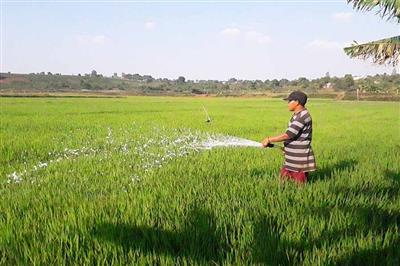
Traditional flooded rice cultivation in Vietnam ensures stable yields but consumes tens of billions of cubic meters of water and emits tens of millions of tons of methane (CH₄) annually. As Vietnam commits to achieving net-zero emissions by 2050, the research and application of the Alternate Wetting and Drying (AWD) irrigation technique have opened a new pathway, reducing irrigation water use by 20-50% and cutting greenhouse gas emissions by nearly half.
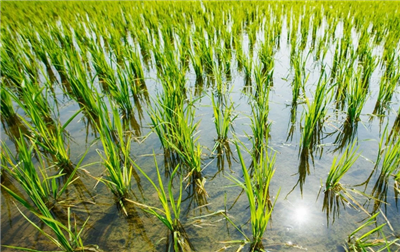
In the context of climate change, increasing water scarcity, and the urgent need to reduce greenhouse gas (GHG) emissions, improving water use efficiency in rice cultivation has become both a scientific priority and a central policy task. From field-level irrigation studies to standardized scientific water management procedures, Vietnam is gradually shaping a resource-efficient, low-emission agriculture, laying the groundwork for green transformation and sustainable development.
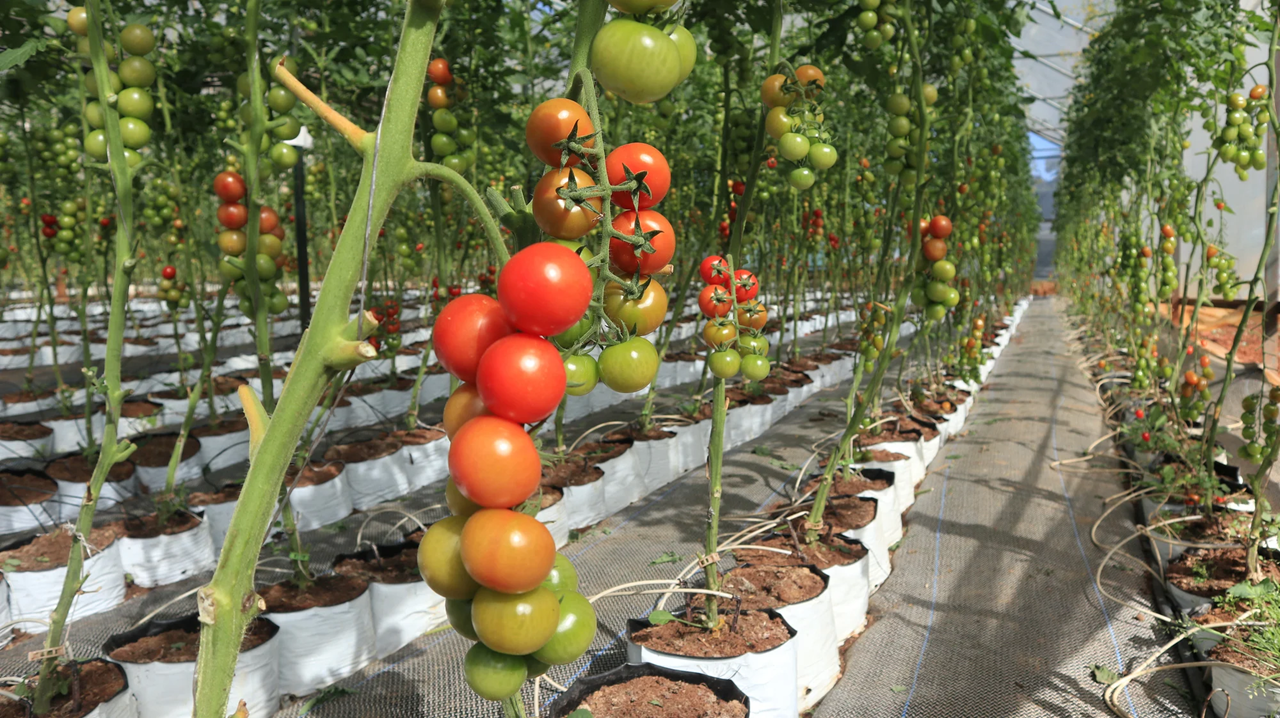
Leveraging the cool microclimate of Van Son, an upland commune, a research team from the Vietnam National University of Agriculture—Nguyen Thi Ngoc Dinh, Nguyen Trong Tuynh, Nguyen Hong Hanh, and Ly Van Duong—successfully piloted an off-season organic production model for tomatoes and radishes based on a value chain approach, both certified under the Vietnamese organic standards. The results show productivity and economic returns exceeding expectations, opening opportunities for more stable incomes for farmers. At the same time, the model helps lay the foundation for a sustainable production–consumption chain, strengthening local capacity to adapt to climate change and evolving market demands.
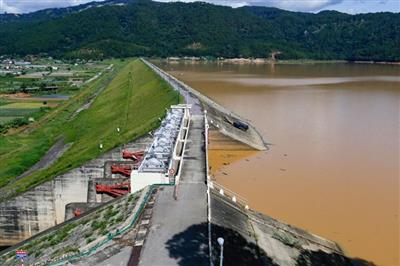
Amid increasing climate change impacts and rapid urbanization, the study “Assessing the variations of surface water resources in Da Lat under climate change context”, conducted by Pham The Anh, Truong Thanh Canh, Bui Xuan An, and Le Thi Thanh Quynh, analyzes long-term meteorological and hydrological data (1993-2024) to clarify the trends in streamflow, rainfall, and temperature across four main river basins of Da Lat. The findings provide scientific evidence to support the management and planning of surface water resources toward adaptation and sustainable development.

Amid increasingly complex riverbank, canal, and stream erosion in An Giang province, a research team led by Nguyen Thi Ly and Doan Thi Lien from the Hanoi University of Natural Resources and Environment conducted an assessment of riparian vegetation in acid sulfate soil areas to identify plant species capable of stabilizing riverbanks and adapting to local hydrological conditions. Through field surveys, community structure analysis, and species-selection criteria using the Analytical Hierarchy Process (AHP), the study proposes four promising groups of plant species for integration into ecological erosion-control models.