



 Reviewing the performance of the agriculture and environment sector in 2025 and the 2021–2025 period, Prime Minister Pham Minh Chinh emphasized the Ministry’s growing role in integrating agricultural development with natural resource governance and environmental protection, contributing to Viet Nam’s socio-economic growth and international commitments.
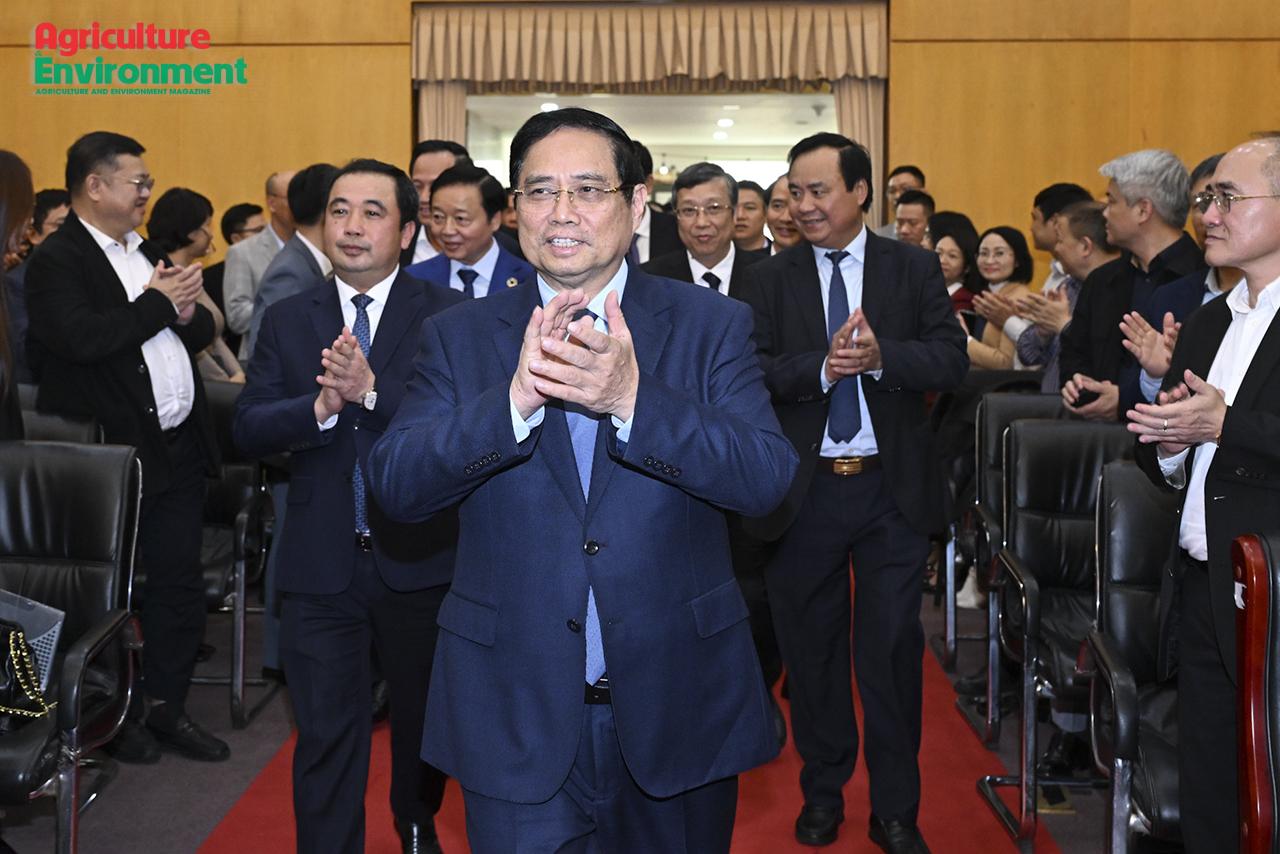
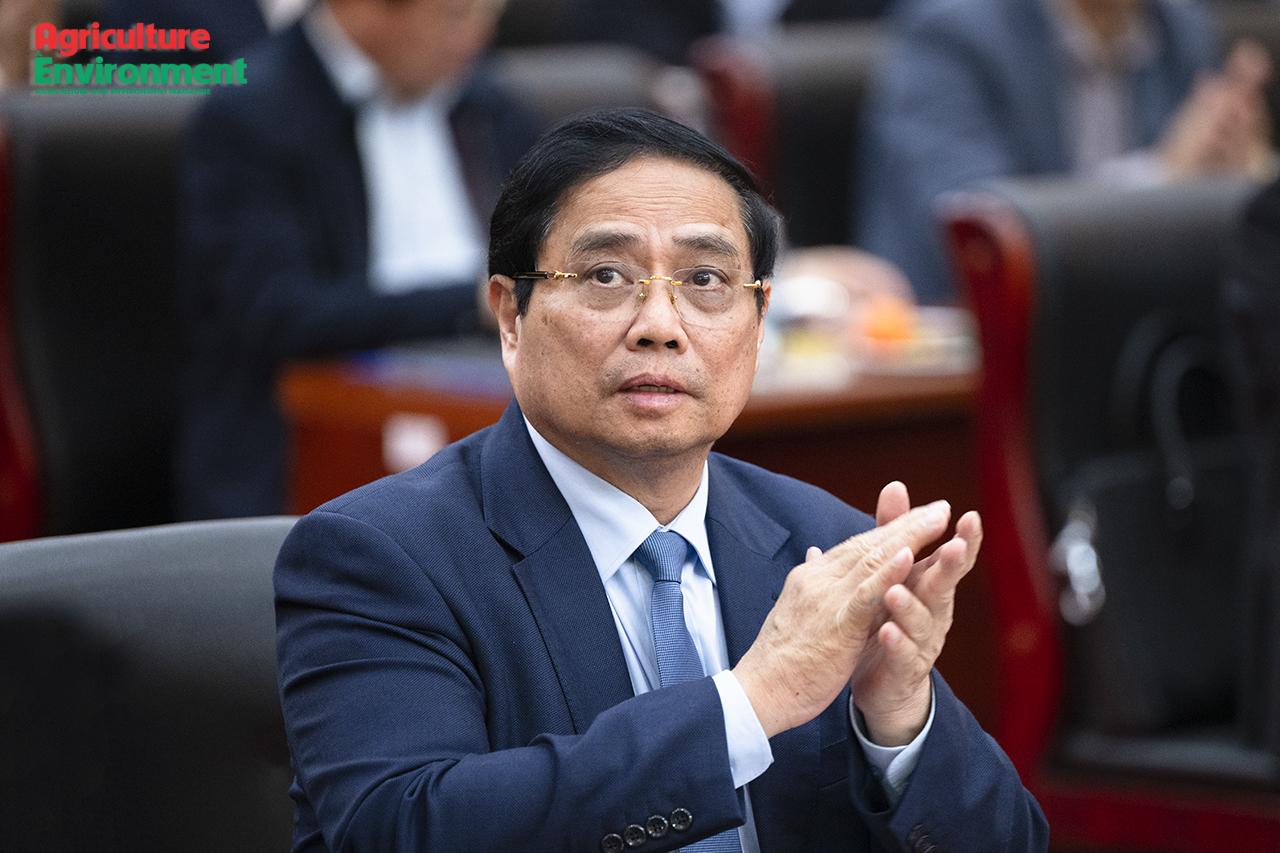
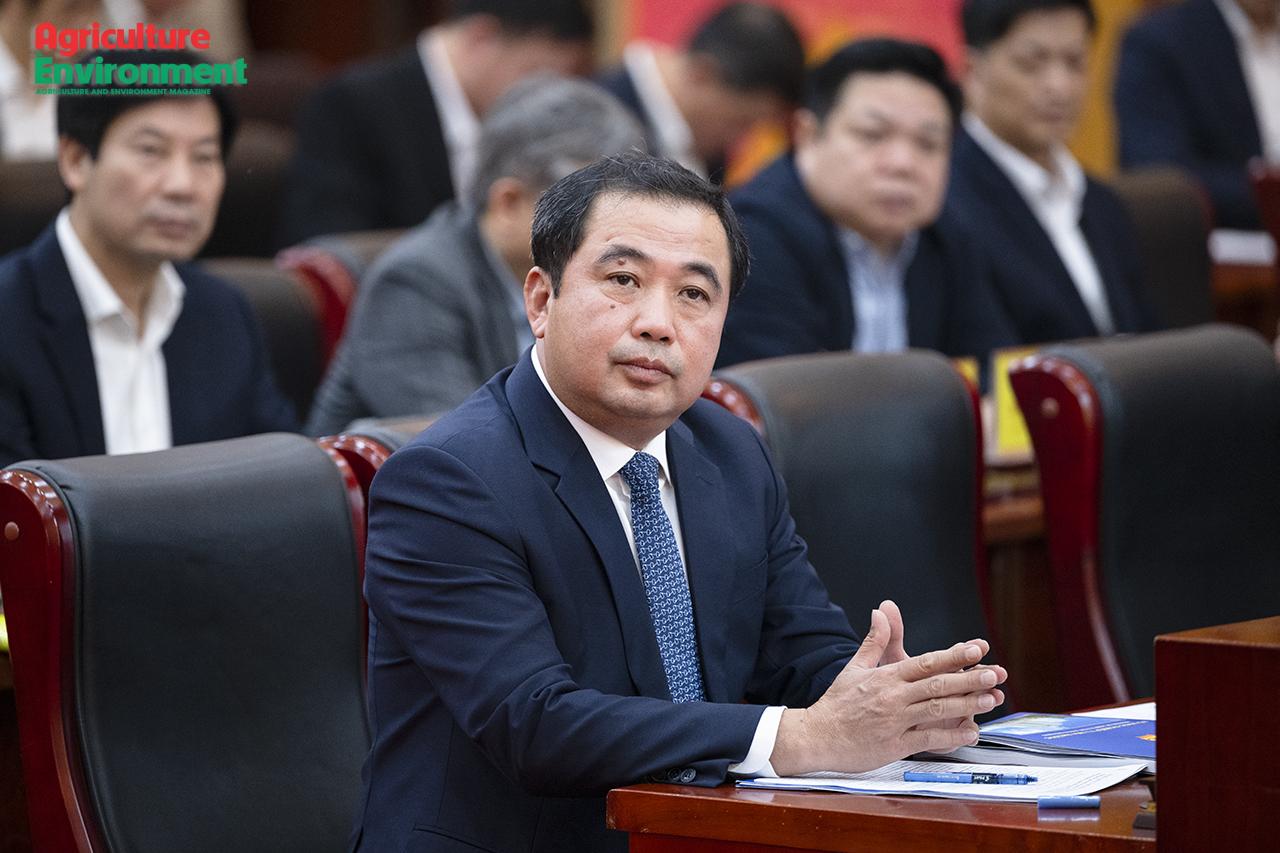
On December 31, 2025, the Ministry of Agriculture and Environment convened the conference to review sector performance in 2025 and the 2021–2025 period, and to roll out the 2026 Action Plan. Prime Minister Pham Minh Chinh attended and delivered keynote guidance at the Conference.
Driving growth through exports and institutional reform
Reporting on the sector’s performance in 2025, Minister Tran Duc Thang emphasized that amid global economic volatility and slowing growth, as well as increasingly complex climate change impacts and natural disasters, the agriculture and environment sector closely followed the leadership of the Party Central Committee, the National Assembly, and the Government. It strengthened coordination with ministries, sectors, localities, enterprises, and the public, proactively implementing synchronized solutions from the very beginning of the year.
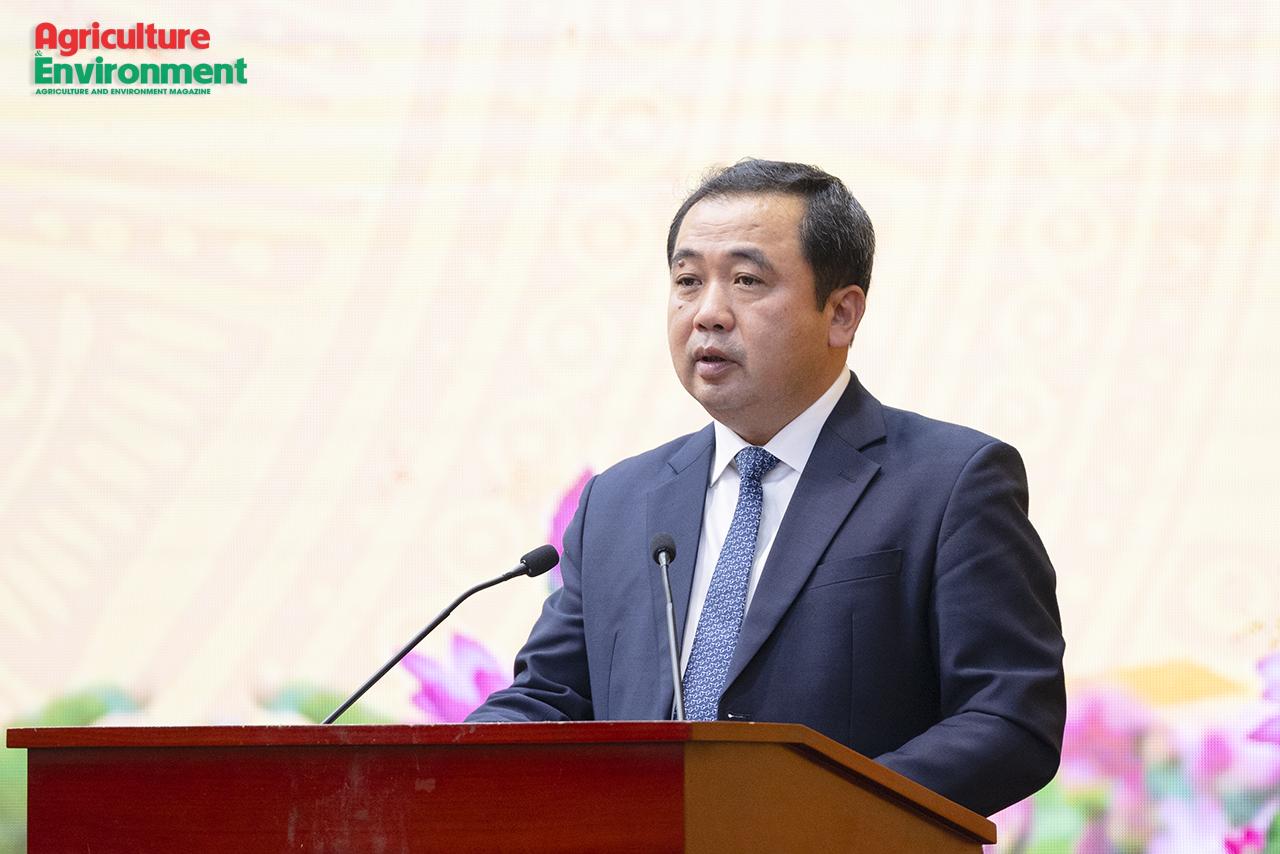
The entire sector consistently adhered to the action motto: “Discipline and responsibility – proactive and timely action – streamlined and effective organization – accelerated breakthroughs.” Priority was given to institutional improvement, administrative reform, decentralization and delegation of authority; promotion of digital transformation; development of green, ecological, and circular agriculture; strengthened governance of natural resources and the environment; and proactive climate change adaptation.
According to Minister Tran Duc Thang, in 2025 the agriculture and environment sector met and exceeded all 9 targets assigned by the Government. Notable achievements include: sectoral GDP growth of approximately 3.7–3.92%; agricultural, forestry, and fisheries export turnover estimated at over USD 70 billion, surpassing the Government-assigned target of USD 65 billion; a trade surplus of over USD 20 billion; nearly 80% of communes meeting new rural development standards; forest cover of 42.03%; 95% of urban solid waste collected and treated in compliance with standards; and a 0.8–1 percentage point reduction in the multidimensional poverty rate.
Following institutional consolidation, the Ministry reduced 25 out of 55 organizational units (45.45%), reorganizing its structure toward greater streamlining and effectiveness while clarifying functions and responsibilities to ensure unified and uninterrupted operations. Institutional development was accelerated, resulting in the submission and promulgation of 2 laws, 19 decrees, 4 resolutions, and 74 circulars; the review of 1,055 legal documents; the decentralization of 381 tasks; and the reduction or simplification of 208 business conditions and 73 administrative procedures.
Digital transformation was comprehensively advanced, including the provision of 277 online public services; integration of digital infrastructure and establishment of a shared data center; and synchronization of data on 61 million land parcels into the national database. Science and technology made substantive contributions, with 461 new crop and livestock varieties, 216 technical innovations, and 34 patents, helping increase economic efficiency by approximately 30%. Numerous digital and smart agriculture models with high levels of automation were deployed, including so-called “footprint-free fields.” During the 2021–2025 period, the sector supported around 90,000 poor and near-poor households with housing and implemented 292 projects for resettlement and population stabilization, contributing to social security and sustainable poverty reduction.
In the areas of natural resource management, environmental protection, and climate change response, the Ministry focused on enhancing governance effectiveness toward a modern, transparent, and data-driven approach, gradually integrating resource and environmental monitoring systems on digital platforms. At the same time, it strengthened discipline and accountability in the management, exploitation, and efficient use of land, water, mineral, and marine resources, while strictly controlling pollution sources, protecting public health, conserving biodiversity, and restoring ecosystems.
On climate action, the Ministry advised on the issuance and revision of policies related to greenhouse gas emission reduction and ozone layer protection; implemented tasks supporting the establishment and operation of the carbon market; developed key technical components such as the national registry system and carbon market operating regulations; and prepared inputs for the 2025–2035 Nationally Determined Contribution (NDC 3.0).
Seven strategic priorities for the agriculture and environment sector in 2026
Minister Tran Duc Thang noted that current challenges not only directly affect agricultural production and livelihoods, but also exert significant pressure on the fulfillment of international commitments on emission reduction, green growth, nature conservation, and low-emission agricultural transformation. Meanwhile, increasingly comprehensive and cross-sectoral management requirements pose challenges in terms of resources, governance capacity, and policy implementation effectiveness.
Against this backdrop, the overarching objective of the Ministry of Agriculture and Environment in 2026 is to strengthen natural resource management and environmental protection, enhance climate resilience, and effectively mobilize land, water, forest, and biodiversity resources to serve sustainable agricultural development and national socio-economic growth.
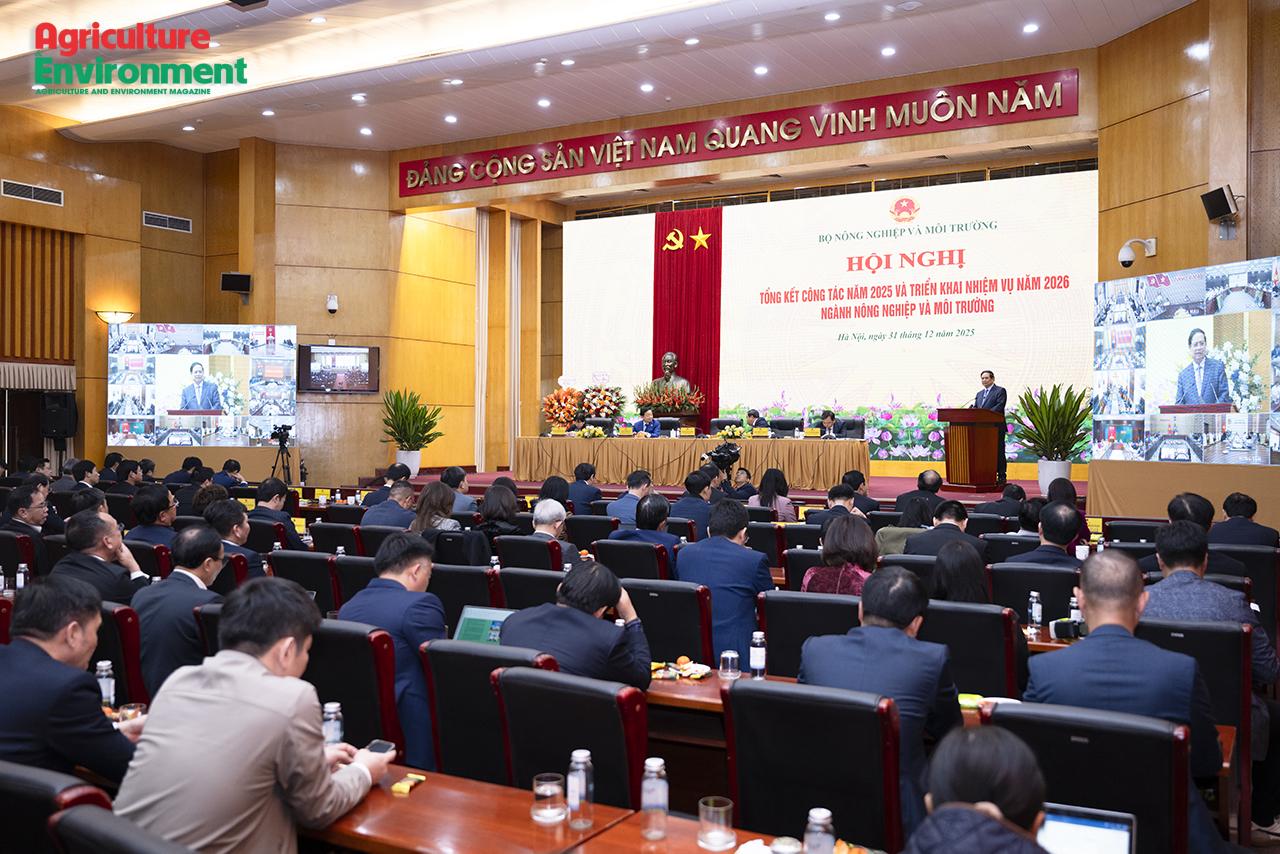
To achieve this objective, the sector will focus on seven key task groups. First is the continued improvement of institutions and policies to support sectoral growth and development, concretizing newly adopted laws and resolutions of the National Assembly to unlock resources. Administrative reform will be further accelerated in conjunction with digital transformation and Project 06, prioritizing the review, reduction, and simplification of administrative procedures in areas with persistent bottlenecks such as environment, land, minerals, and specialized inspections.
In parallel, the sector will promote agricultural restructuring toward higher productivity, quality, and value added; strengthen efficient management of natural resources and energy; and advance green transformation through the development of innovative models such as circular agriculture and low-carbon agriculture.
Support for localities in effectively operating the two-tier local government model will be intensified, with particular emphasis on strengthening commune-level capacity in disaster risk management, natural resource governance, agricultural extension, and production support.
The Ministry will also focus on boosting domestic consumption and agricultural exports, implementing tailored solutions for specific markets and key commodities, while decisively addressing technical barriers, improving food safety control, and resolutely working to lift the IUU “yellow card” on fisheries.
Effective management, exploitation, and use of natural resources will remain a cross-cutting pillar, with a focus on land, water, mineral, and marine resources. The sector aims to mobilize financial resources derived from natural assets for development, unlock internal potential, and create new space and momentum for large-scale commodity production, fostering a robust and sustainable development ecosystem.
Disaster forecasting and early warning will be elevated to a new level through enhanced application of science and technology, particularly artificial intelligence and digital transformation. The development of risk maps, upgrading of information systems, real-time monitoring, and early warning mechanisms are regarded as key solutions to minimize damage and enable rapid recovery of production after disasters.
Finally, the sector will accelerate the disbursement of key public investment projects in compliance with legal regulations, ensuring efficiency and quality, thereby reinforcing the leading role of public investment in driving overall economic growth.
Agriculture at the core of Viet Nam’s long-term development strategy
Delivering guidance at the Conference, Prime Minister Pham Minh Chinh affirmed that in the new development stage, if Viet Nam is to become a high-income developed country, agriculture must continue to serve as a strategic pillar, alongside continued industrialization and modernization, with science and technology, innovation, and digital transformation as the foundation for rapid and sustainable development.
Endorsing the key tasks of the agriculture and environment sector for 2026, the Prime Minister called on the entire sector to thoroughly internalize and effectively implement an action framework based on six key themes: Modern governance; Enabling institutions; Science-driven development; Prosperous agriculture, farmers, and rural areas; Sustainable natural resources; and a Safe environment.
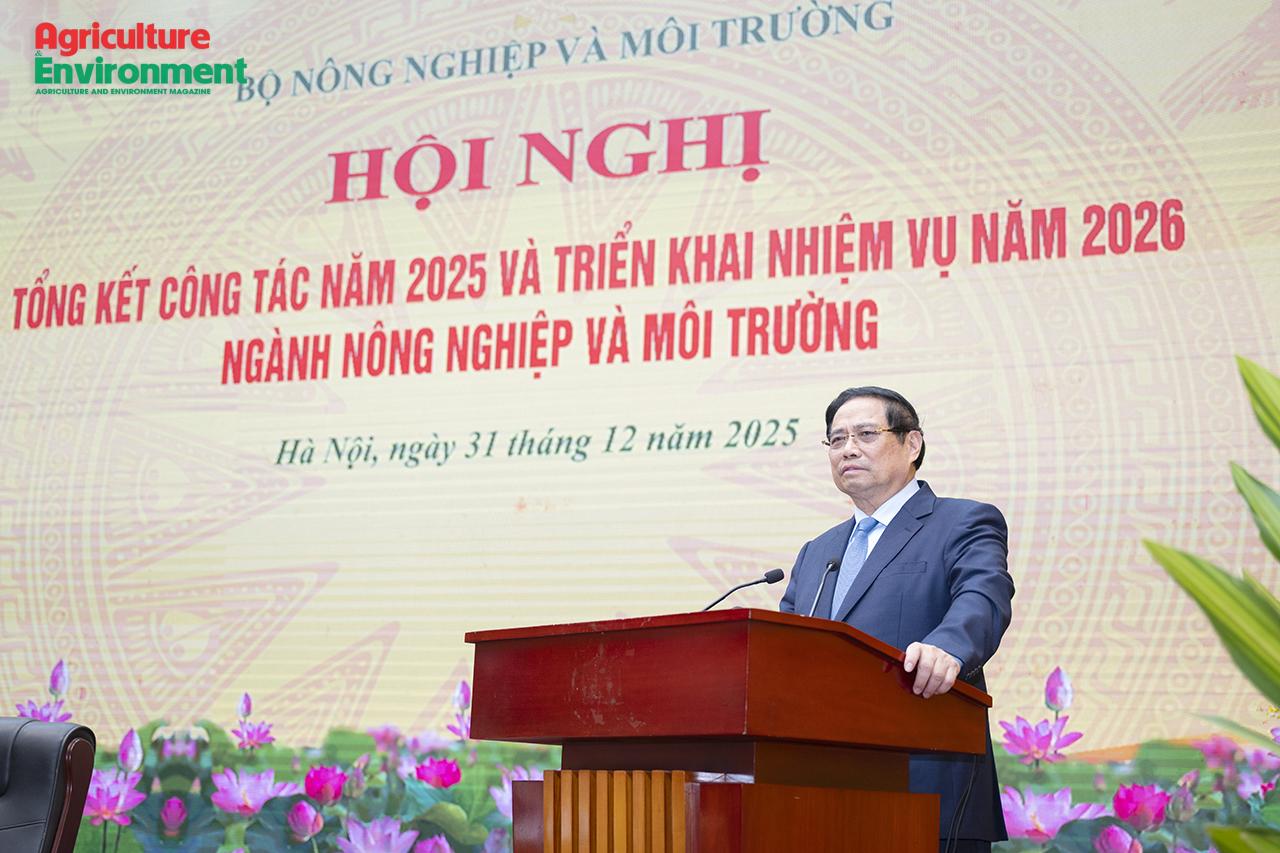
He emphasized the need for resolute implementation of the Party’s guidelines and the directives of the National Assembly and the Government, particularly recent strategic resolutions of the Politburo and the Government Party Committee, moving toward the 14th National Party Congress Resolution, ensuring consistency from thinking to action.
A central priority is the continued improvement of institutions, mechanisms, policies, strategies, and planning, transforming institutions from “bottlenecks” into competitive advantages, and shifting from a control-oriented approach to one focused on enabling and serving, thereby reducing compliance costs for citizens and enterprises.
The Prime Minister called for stronger application of science and technology, innovation, and digital transformation across the sector; the development of smart farmers, digital commerce, and modern logistics; and the completion of synchronized and interoperable national databases on agriculture, land, and natural resources to better support decision-making and governance.
In agricultural development, priority should be given to investment in strategic infrastructure for agriculture, farmers, and rural areas; accelerated restructuring toward ecological, organic, and circular agriculture; development of concentrated raw material zones; enhanced traceability, geographical indications, and strengthened “five-party linkages.”
He also stressed the importance of developing the domestic market, expanding international markets, building the Viet Nam agricultural brand, diversifying markets, products, and supply chains, and promoting high-tech agriculture and deep processing.
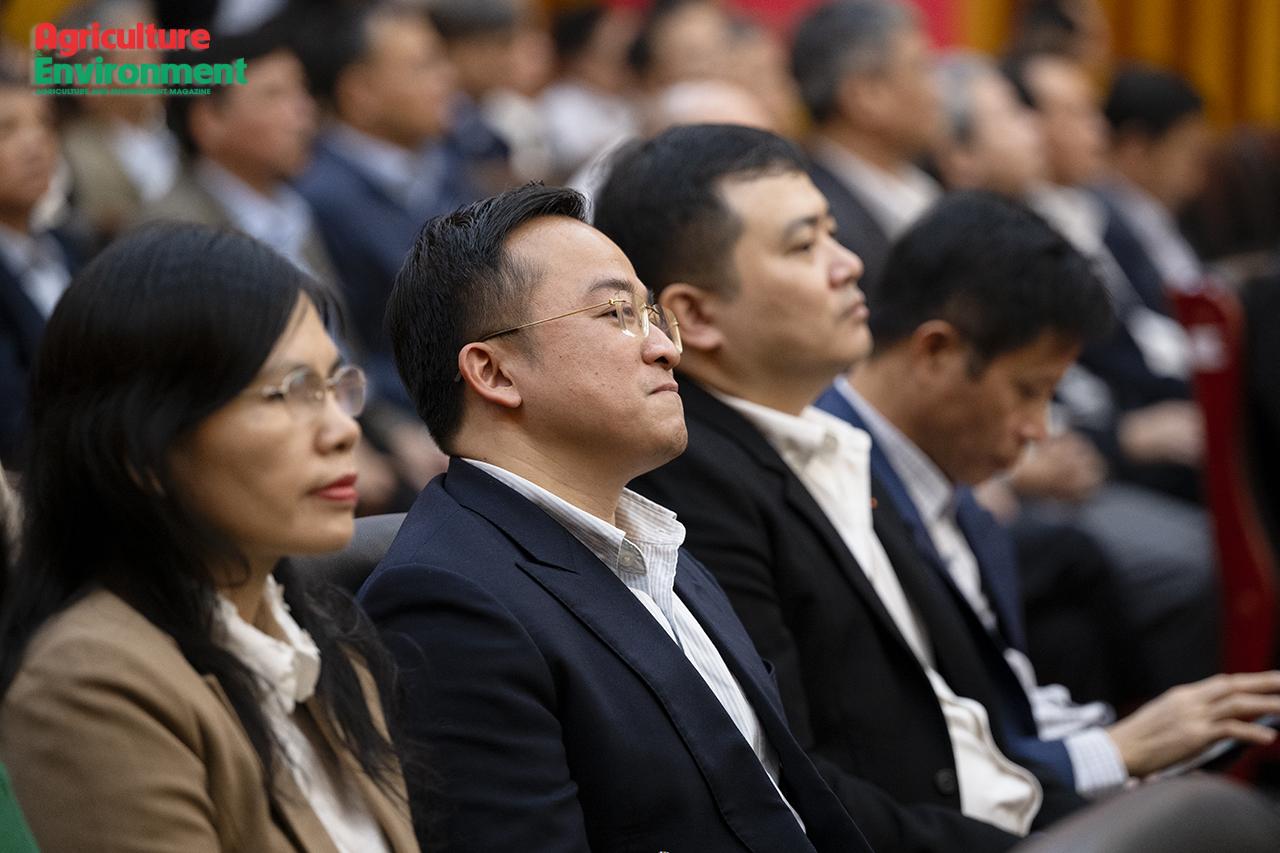
Regarding natural resource and environmental management, the Prime Minister urged a shift in mindset from “exploitation” to “natural capital management,” applying science- and technology-based governance and regeneration of resources; ensuring efficient use of land, forests, and minerals; and addressing long-standing issues in forest land management alongside afforestation and land restoration.
In addition, he called for stronger decentralization and delegation of authority in tandem with administrative reform; encouragement of large-scale agricultural enterprises to create spillover effects; and attraction of younger generations to agriculture.
The sector must continue to streamline its organizational apparatus and build a contingent of agriculture and environment officials who are resilient, ethical, practically experienced, and dedicated to serving the public. The Prime Minister expressed confidence that with renewed momentum and determination, the agriculture and environment sector will achieve breakthroughs in 2026, contributing to ecological agriculture, modern rural areas, prosperous farmers, and a sustainable environment.
With renewed spirit, motivation, and determination, Prime Minister Pham Minh Chinh expressed his expectation that the agriculture and environment sector will continue to uphold its 80-year proud tradition, strengthen unity, renew thinking, intensify action, and achieve new accomplishments and new victories in the years ahead.
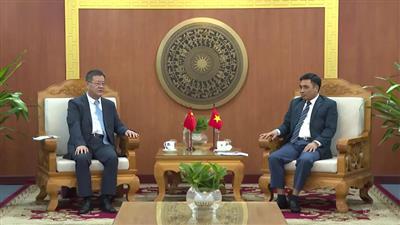
In the context of global challenges posed by climate change and biodiversity loss, Vietnam and China are gradually translating their cooperation commitments in nature conservation into concrete actions, especially in border areas. The recent meeting between Deputy Minister of Agriculture and Environment of Vietnam, Mr. Nguyen Quoc Tri, and Vice Governor of Qinghai Province (China), Mr. Liu Dao, on May 23rd, demonstrated the two countries’ strong commitment to fostering practical, sustainable, and long-term cooperation initiatives to protect ecosystems and support community livelihoods.
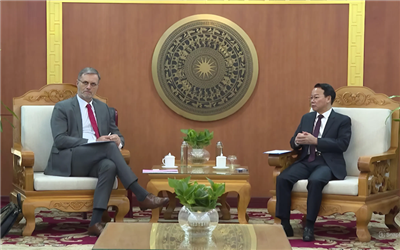
On May 21, Minister of Agriculture and Environment of Vietnam Do Duc Duy held a working session with French Ambassador to Vietnam Olivier Brochet in Hanoi. The meeting reaffirmed the strong political will of both countries to deepen bilateral ties, especially in key areas such as sustainable agriculture, climate change adaptation, and human resource development.
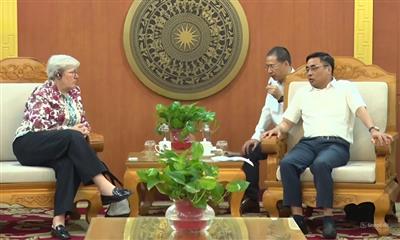
On May 5, 2025, Deputy Minister of Agriculture and Environment Nguyen Quoc Tri welcomed and held a working session with Rachel Kyte, the UK's Climate Change Envoy. The two sides focused on discussing measures to enhance bilateral cooperation in addressing climate change and supporting Vietnam in updating its third Nationally Determined Contribution (NDC).
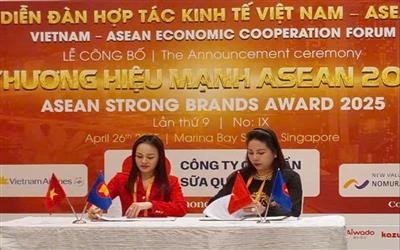
At the recently concluded Vietnam - ASEAN Economic Cooperation Forum 2025 held in Singapore, a Memorandum of Understanding (MoU) was officially signed between Minh Long (Minh Long Technology Development & Import Export Joint Stock Company) and the International Business Federation (IBF) Vietnam. The MoU was signed by Ms. Nguyen Thi Quyen, Chairwoman of the Board of Minh Long, and Ms. Dang Minh Anh, Chairwoman of IBF Vietnam and CEO of the Institute for Innovation and Digital Transformation (VIDTI), under the Vietnam Union of Science and Technology Associations.
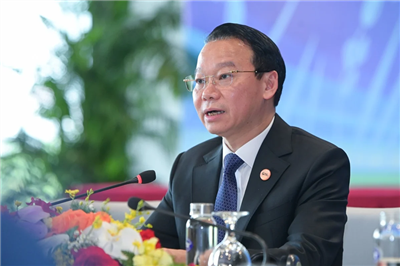
In a pivotal ministerial discussion held as part of the P4G Summit on April 17, Vietnamese Minister of Agriculture and Environment Do Duc Duy called for accelerated, inclusive, and technology-driven transformation of global food systems, framing the Green Revolution 4.0 not as a choice, but as an urgent imperative.