



 As plastic pollution increasingly emerges as a development challenge, Viet Nam is facing an urgent need to mobilize and effectively utilize resources to support the transition toward a circular plastics economy. At the 7th Implementation Working Group Workshop of the National Plastic Action Partnership (NPAP) Viet Nam, held on December 16, the Ministry of Agriculture and Environment, together with development partners, announced the Financial Roadmap for Plastic Action toward 2030. The roadmap estimates investment needs of USD 7.5–8.5 billion, while underscoring the role of multi-stakeholder cooperation in linking policy, finance, and practical implementation solutions.
A policy action platform built on multi-stakeholder cooperation
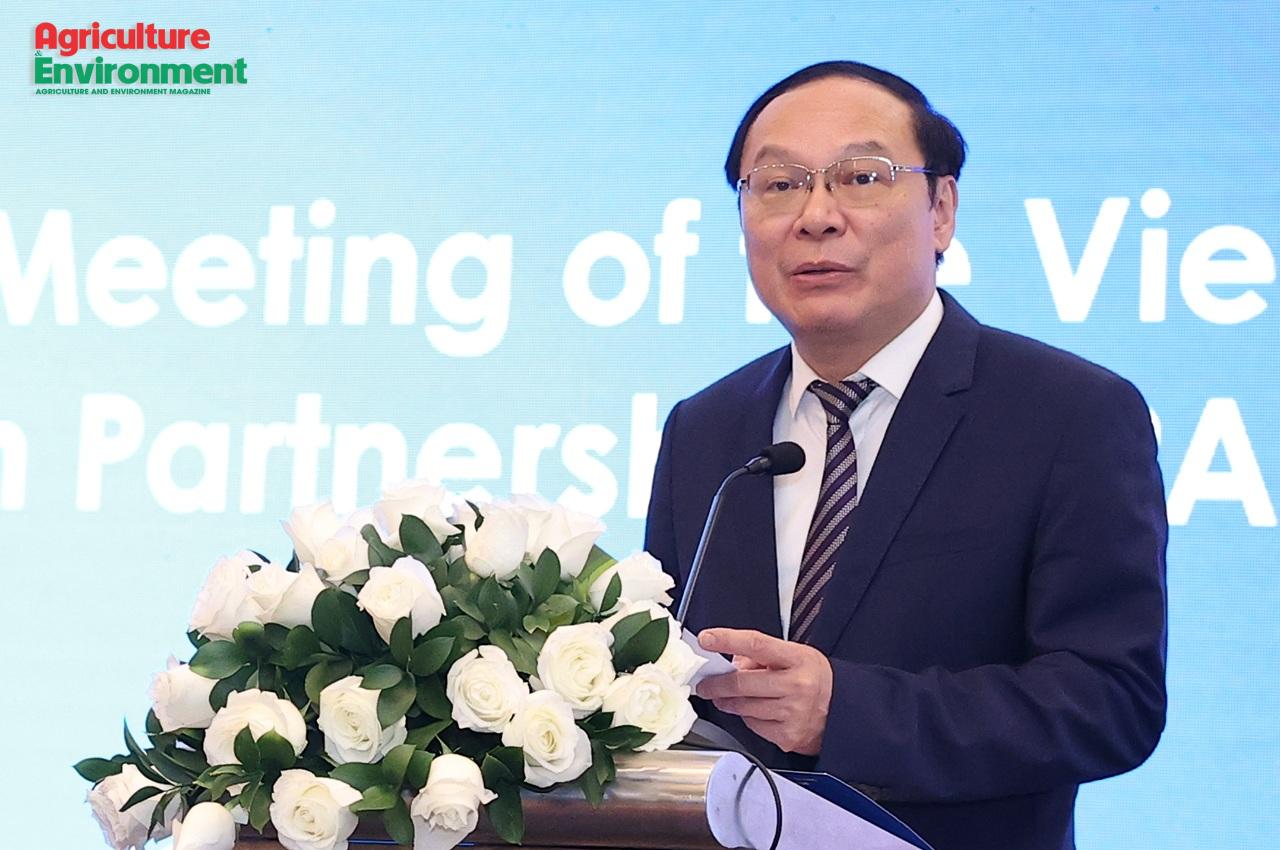
In his opening remarks at the 7th NPAP Viet Nam Implementation Working Group Workshop, Deputy Minister of Agriculture and Environment Le Cong Thanh emphasized that Viet Nam does not view plastic pollution merely as an environmental issue, but as a socio-economic development challenge closely intertwined with production and consumption models, market structures, and the mobilization of societal resources. Consequently, responses to plastic pollution cannot be limited to waste collection and treatment alone, but require a systemic approach grounded in appropriate policies, market-based mechanisms, innovation, and multi-stakeholder cooperation.
Within this context, NPAP Viet Nam has gradually affirmed its role as a platform for substantive action. After five years of implementation, the partnership has evolved beyond a public–private dialogue forum into a cooperative mechanism where stakeholders jointly identify priority issues, generate scientific evidence to inform policymaking, pilot innovative models and solutions, and share practical implementation experience.
According to Deputy Minister Le Cong Thanh, Viet Nam has proactively adopted a preventive and transformative approach, rather than focusing solely on addressing downstream consequences. Plastic pollution is increasingly recognized as a development challenge that requires coordinated adjustments across policy frameworks, market mechanisms, and the behaviors of both businesses and consumers. In this process, NPAP plays a connecting role, helping translate strategic objectives on circular plastics into concrete, measurable, and scalable actions.
The financial roadmap to 2030: Addressing the resource challenge for the circular plastics transition
One of the central highlights of the workshop was the official announcement of the Financial Roadmap for Plastic Action in Viet Nam toward 2030. The roadmap estimates that total financial needs to comprehensively address plastic pollution in the coming years will range from USD 7.5 to 8.5 billion. These resources are required to support coordinated interventions across the entire plastics value chain—from upstream measures such as reducing and substituting plastic use, to downstream solutions including collection, recycling, and investment in waste treatment infrastructure.
Deputy Minister Le Cong Thanh noted that the Ministry of Agriculture and Environment considers the mobilization and effective use of financial resources a critical prerequisite for advancing plastic action. Key priorities in the period ahead include strengthening the linkage between policy design and on-the-ground implementation, encouraging broader participation from the private sector, and creating enabling conditions for domestic and international capital flows to be translated into concrete projects and initiatives.
In parallel, the Ministry will continue refining policies to promote the transformation of business models in plastic waste collection, recycling, and treatment in line with environmental standards and technical regulations. This is regarded as an essential foundation for scaling up and replicating sustainable solutions, while ensuring that plastic action is closely aligned with Viet Nam’s sustainable development objectives and long-term green growth orientation.
Linking policy and investment: The central role of the private sector
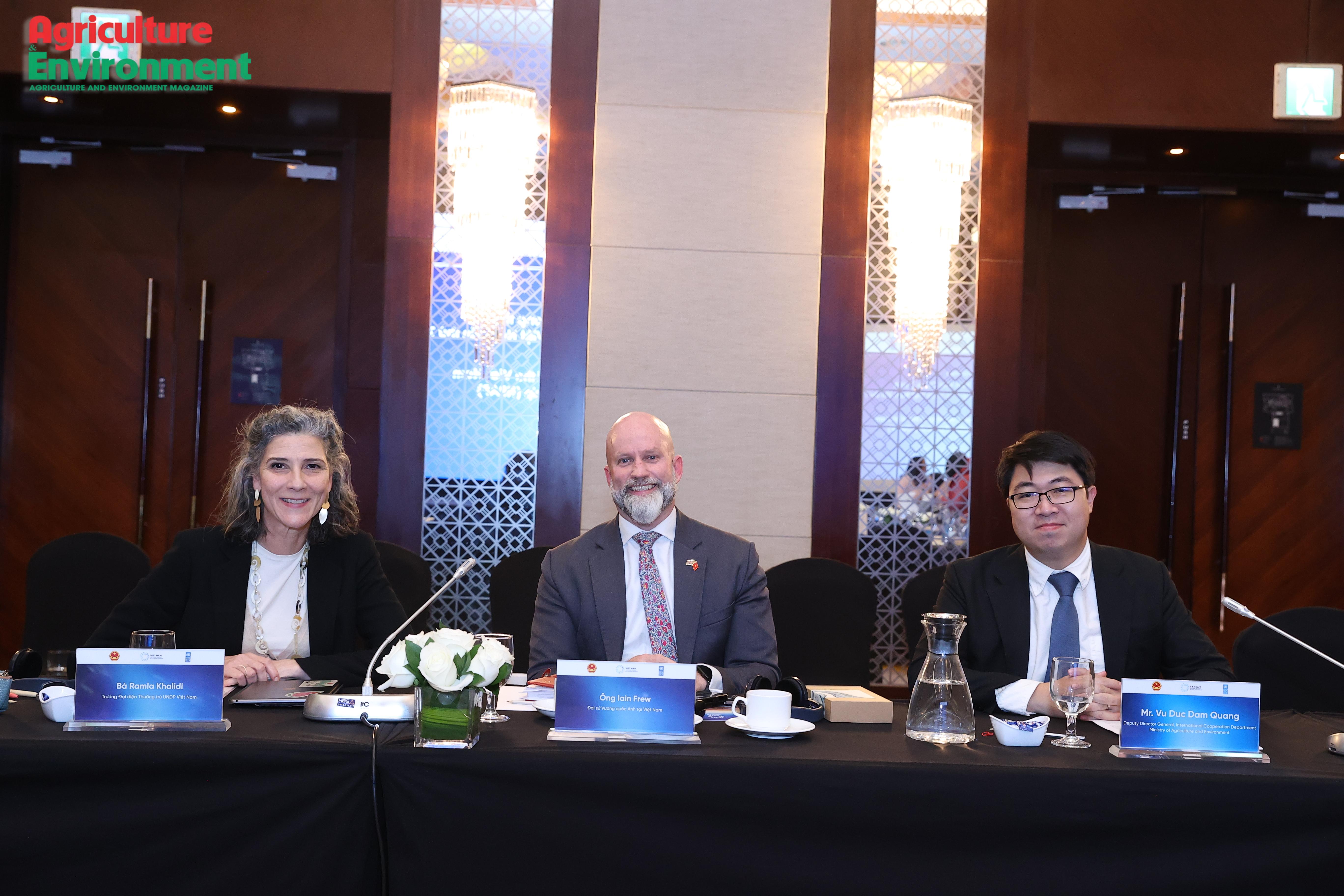
From the perspective of development partners, the financing gap for the transition to a circular plastics economy cannot be bridged by public budgets alone. Ms. Ramla Khalidi, Resident Representative of UNDP Viet Nam, emphasized that while public finance remains necessary amid growing investment needs, it is insufficient on its own. The decisive factor lies in attracting private capital to projects with clear governance structures, well-managed risks, and viable returns.
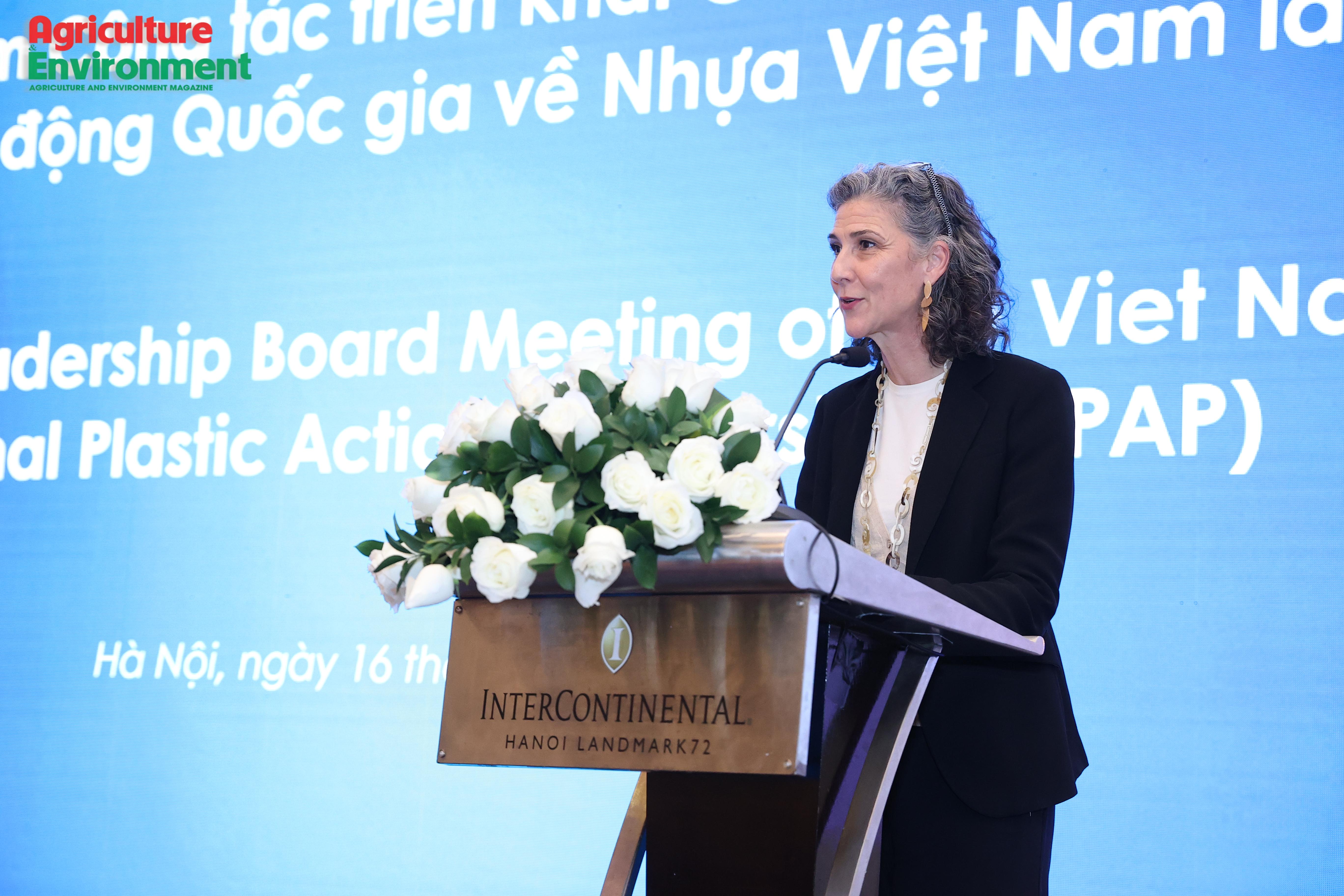
According to Ms. Khalidi, over its five years of operation, NPAP has increasingly established itself as a credible national platform that connects policy ambitions with investment-ready initiatives and projects. To date, more than 200 organizations have joined the partnership, over 160 plastic pollution mitigation initiatives have been mapped, catalyzing hundreds of innovative solutions across the plastics life cycle. Notably, private sector engagement has continued to grow, driven by policy instruments such as Extended Producer Responsibility (EPR), as well as the expansion of green credit products and investment flows into startups.
Sharing this view, international partners highlighted the importance of a stable, transparent, and consistent policy framework in building investor confidence. Against this backdrop, NPAP is expected to further strengthen its role as a bridge between the public and private sectors, between policy ambition and implementation, by promoting blended finance mechanisms, risk-sharing arrangements, and project development support in the circular plastics economy.
From research to implementation: Laying the groundwork for long-term action
Beyond financial mobilization, the 7th NPAP Implementation Working Group Workshop devoted substantial attention to research findings and policy recommendations aimed at reinforcing the foundation for long-term action. NPAP member organizations provided updates and shared results from several key studies, including the Plastic Innovation Transition Research (2020–2025), initial findings from the Plastics and Biodiversity Study in Viet Nam, and synthesized international experience compiled by the World Bank.
From an expert perspective, recommendations focused on further refining the EPR policy framework to enhance transparency and effectiveness; developing standards for recycled plastics; expanding financial instruments to attract private investment; and strengthening the integration of the informal sector into plastic waste management. For urban and peri-urban areas, priorities include building more resilient and inclusive waste management systems through enhanced local financing and infrastructure investment under public–private partnership models.

From the business standpoint, practical lessons from plastic recycling and circular value chain organization underscore the importance of technological innovation, process standardization, and collaboration among value chain actors. These elements are critical to ensuring that pilot solutions can be scaled up and replicated more widely in the period ahead.
The workshop concluded with broad consensus on the need to further consolidate NPAP’s role as a platform for policy coordination and multi-stakeholder action. With the participation of more than 200 member organizations, NPAP Viet Nam is expected to continue contributing to the translation of commitments on plastic pollution reduction into concrete programs, projects, and solutions—supporting Viet Nam’s steady progress toward a circular plastics economy by 2030.
On October 30 in Hanoi, Deputy Minister of Natural Resources and Environment of Vietnam, Le Cong Thanh, met with Caroline Beresford, New Zealand Ambassador to Vietnam, and Anna Broadhurst, Chief Climate Change Advisor for New Zealand’s Ministry of Foreign Affairs and Trade. The meeting signified the importance of addressing climate change as a top priority in the cooperation between Vietnam and New Zealand, particularly as the two countries approach the 50th anniversary of their diplomatic relations in 2025.
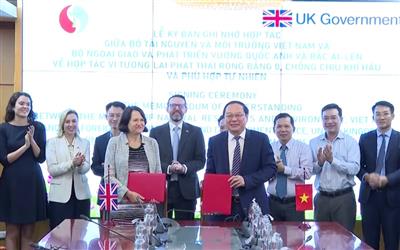
On October 24 in Hanoi, the Ministry of Natural Resources and Environment (MONRE) of Vietnam and the UK’s Foreign, Commonwealth & Development Office officially signed a Memorandum of Understanding (MoU) aimed at fostering cooperation in the fields of environment and climate change. This agreement marks a significant milestone in the longstanding partnership between the two nations, particularly as the global community intensifies efforts toward achieving net-zero emissions and sustainable development goals.
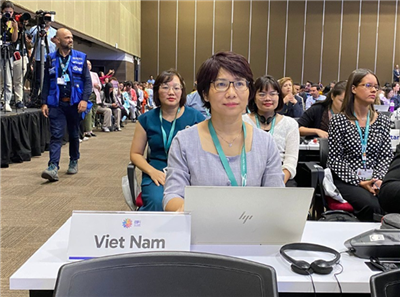
On October 20, 2024, the 16th Conference of the Parties to the Convention on Biological Diversity (CBD COP16) officially opened in Cali, Colombia, with over 23,000 delegates from around the world. Vietnam, as an active participant, reaffirms its commitment to international biodiversity conservation efforts, working toward the ambitious goals set by the Kunming-Montreal Global Biodiversity Framework (KMGBF).
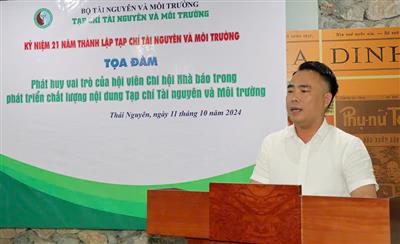
On October 11, 2024, at the Huynh Thuc Khang Press School in Tan Thai commune, Dai Tu district, Thai Nguyen province, Natural Resource and Environment Magazine celebrated its 21st anniversary (October 13, 2003 - October 13, 2024) and held a symposium on the theme: "Enhancing the role of members of the Journalists’ Association in developing the content of the Natural Resource and Environment Magazine."
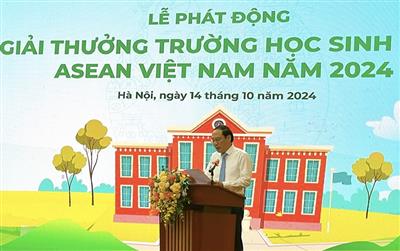
On October 14, the Vietnam ASEAN Eco-Schools Awards 2024 was officially launched in Hanoi, attended by Deputy Minister of Natural Resources and Environment (MONRE) Le Cong Thanh, Chair of the Organizing Committee and President of the Awards Selection Council. During the ceremony, Deputy Minister Le Cong Thanh urged schools nationwide to actively participate, aiming to share experiences in eco-school models and promote a green, sustainable lifestyle.